August 13, 2026

Mehak

Self-discipline is not endless willpower. It is the ability to make useful actions easier, repeat them often and recover when the plan breaks.

Quick answer: How can you build self-discipline?

Choose one specific behaviour, make it small, attach it to a reliable cue and prepare the environment before motivation drops. Use an if–then backup plan, track completion and restart quickly after missed days. Discipline grows through repeated action and adjustment—not punishment or perfection.

What self-discipline really is

Self-discipline is the capacity to act in line with a chosen goal even when another option feels easier. It includes planning, attention, emotion regulation, environment design and recovery after setbacks.

It is not proof of moral worth. Money, health, sleep, caregiving, disability, workplace conditions and mental health all affect how easy a behaviour is.

Better question: Instead of “Why am I lazy?” ask “What cue, friction, energy problem or unclear decision keeps blocking this action?”

12 practical steps to build self-discipline

1. Define one behaviour

“Become disciplined” cannot be completed. “Study from 7:30 to 8:00 PM at the desk” can. Make the action visible, measurable and within your control.

2. Connect it to a meaningful reason

Write what the action protects or creates: health, independence, skill, income, family time or confidence. Shame and comparison are unstable foundations.

3. Start smaller than your ambition

If one hour feels overwhelming, begin with ten minutes. The CDC recommends starting new habits with manageable actions and building gradually.

4. Use a reliable cue

Attach the action to an event: after morning tea, open the notes; after lunch, walk; after closing the laptop, prepare tomorrow’s first task.

5. Write an if–then plan

Specify the cue and response: “If it is 7:30 PM, then I will study for 20 minutes.” Research suggests these plans can help translate intentions into action, although results vary.

6. Reduce friction

Place workout clothes where you see them, open the document before stopping work and keep required materials ready. Every unnecessary step creates another chance to delay.

7. Make distraction harder

Log out of apps, charge the phone outside reach or block a website during focus time. You do not have to prove discipline by keeping temptation beside you.

8. Decide the minimum version

For hard days, define the smallest useful action: five minutes of walking, one paragraph or five practice questions. The minimum prevents all-or-nothing collapse.

9. Track behaviour, not personality

Mark completion and note obstacles. Avoid scores such as “I was weak.” Data helps redesign the system; judgement adds noise.

10. Use a healthy immediate reward

Add a small reward: favourite music during a walk, tea after studying or a visible progress mark. Avoid rewards that directly undermine the goal.

11. Protect sleep and recovery

Sleep loss makes attention and emotion regulation harder. A plan that repeatedly steals sleep is poorly designed. Use this guide on how to sleep better.

12. Review and restart quickly

Missing once is information. Identify what happened, adjust the cue or size and restart at the next opportunity. Waiting for Monday expands one missed action.

The discipline loop

StageQuestionExample
ChooseWhat exact action matters?Read five pages
CueWhen and where?After dinner at the desk
PrepareWhat can be arranged?Book open, phone outside
ActWhat is the minimum?Read one page
RewardWhat makes it satisfying?Mark tracker and have tea
ReviewWhat blocked or helped?Dinner ran late; shift cue

A realistic 30-day plan

Build one system at a time

  1. Days 1–3: Choose one behaviour and observe current obstacles.
  2. Days 4–7: Set the cue, minimum version and environment.
  3. Week 2: Repeat the small version at least four times.
  4. Week 3: Increase duration or difficulty slightly if completion is stable.
  5. Week 4: Test the backup plan and review what should change.

Thirty days is a practice period, not a promise that the action becomes automatic. Habit formation time varies.

Self-discipline examples

Studying

After dinner, complete one 25-minute block with the phone outside reach.

Exercise

On three set days, begin a 15-minute workout after changing clothes.

Walking

After lunch, take a 10-minute walk; use indoor laps in poor weather.

Saving money

Transfer a fixed amount on salary day and remove saved cards from shopping apps.

Phone use

Keep the phone away for the first and final 20 minutes of the waking day.

Writing

Open the document at a fixed cue and write 100 imperfect words before editing.

Discipline vs motivation

Motivation changes with mood, novelty, sleep and results. Discipline means having a prepared action for low-motivation moments. It still needs flexibility: continuing a plan after its goal changes is not strength.

Build self-trust through small promises, then raise the demand. This fits a growth mindset: ability develops through strategy, feedback and practice.

Common mistakes

  1. Changing five behaviours together.
  2. Depending on a perfect streak.
  3. Using punishment, sleep loss or excessive exercise.
  4. Making the plan too rigid for real life.
  5. Ignoring environmental distractions.
  6. Comparing your capacity with someone who has different support and resources.

When the problem may not be discipline

Difficulty starting tasks can occur with depression, anxiety, ADHD, sleep disorders, chronic pain, burnout, medication effects or overwhelming demands. Persistent impairment deserves more than motivational slogans.

Seek professional support when low mood, exhaustion, attention problems or anxiety repeatedly disrupt work, relationships or basic care. Urgent help is needed for thoughts of self-harm or inability to stay safe.

The bottom line

To learn how to build self-discipline, stop relying on heroic willpower. Define one action, make it small, connect it to a cue, redesign the environment and prepare a backup.

Discipline is not never failing. It is adapting the system and returning without turning a setback into an identity.

Frequently asked questions

Can self-discipline be learned?

Yes. Planning, environment design, attention management and repeated behaviour are skills that can improve.

How long does it take to build discipline?

There is no fixed timeline. It depends on the behaviour, context, repetition and individual circumstances.

How do I become disciplined with no motivation?

Use a small pre-decided action, reliable cue and prepared environment.

What is the best daily discipline habit?

No single habit suits everyone. Start with one action supporting your most important goal.

Does waking at 5 AM build discipline?

Not inherently. It helps only when it fits your life and still allows enough sleep.

What should I do after breaking a streak?

Review the obstacle, adjust the action and restart at the next opportunity.

Is lack of discipline a sign of ADHD?

Not by itself. ADHD diagnosis requires a broader pattern assessed by a qualified professional.

Sources and further reading

Note: This guide offers general behaviour-change education, not mental-health diagnosis or treatment.
Balance is not giving every part of life equal time each day. It is meeting essential needs often enough—sleep, food, movement, focused work, connection and recovery—while adapting when life changes.

Quick answer: How do you create a balanced daily life?

Start with five anchors: a reasonably consistent sleep schedule, regular nourishing meals, some daily movement, one protected focus period and one recovery or connection period. Add habits gradually. Track consistency across a week—not perfection within every day.

What balance really means

Real life is seasonal. A deadline may temporarily demand more work; illness may make rest the priority; caring for children or parents can reshape the day. A useful definition of balance is sustainable attention to important needs over time.

Your routine should protect basic health while leaving room for responsibilities, relationships, pleasure and the unexpected.

Use a weekly view: One inactive day, takeaway meal or late night does not make life unhealthy. Repeated patterns matter more than isolated choices.

12 healthy habits for daily balance

1. Keep a consistent wake-time range

A regular wake time helps anchor sleep, meals and activity. It does not need to be exact, and waking early is not inherently superior. Protect enough sleep first; most adults need at least seven hours.

2. Get light and movement after waking

Open curtains, step outside when safe or take a short walk. Light supports the sleep–wake rhythm, while gentle movement creates an active start. Shift workers can treat the period after their main sleep as morning.

3. Eat regular, balanced meals

Build meals from vegetables or fruit, a suitable protein, fibre-rich carbohydrate and an appropriate fat. Indian examples include dal, sabzi and roti; curd rice with vegetables; or eggs with whole-grain toast and fruit.

4. Hydrate according to need

Drink regularly and use thirst, climate, activity and medical advice as guides. Water is a simple default, while unsweetened drinks and foods also contribute fluid. Kidney or heart conditions may require individual limits.

5. Move often, not only during workouts

Short walks, stairs, household tasks and standing breaks reduce uninterrupted sitting. Work toward 150–300 minutes of moderate activity per week, or an equivalent vigorous combination.

6. Strengthen muscles twice a week

Strength supports bone, glucose control and independence. Use bodyweight, bands, weights or adapted movements. Start with a 15-minute home workout.

7. Protect one focused-work block

Choose one task, silence avoidable notifications and work for 25–60 minutes. “Draft two paragraphs” is clearer than “finish everything.”

8. Create boundaries around availability

Decide when ordinary work messages stop and which requests can wait. Boundaries prevent work from occupying every open minute. Use these work-life balance tips.

9. Schedule deliberate recovery

Recovery can be quiet breathing, prayer, reading, music, gardening, a walk or beginner mindfulness. Rest does not need to become another performance goal.

10. Maintain one meaningful connection

Send a message, share a meal or call a friend. Social health is not measured by follower count, and introverts may prefer fewer, deeper interactions.

11. Make tomorrow easier tonight

Prepare clothes, pack a bag, note the first task and place breakfast ingredients visibly. Small environmental changes reduce decisions when energy is low.

12. Review without judging yourself

Once a week ask what gave you energy, what created friction and which habit is too large. Adjust the system instead of labelling yourself lazy.

Daily anchors and weekly targets

AreaDaily anchorWeekly view
SleepConsistent wake range and enough opportunityNotice patterns, not one imperfect night
FoodRegular meals with protein and plantsVariety across food groups
MovementBreak sitting and walk when practicalAerobic target plus two strength days
WorkOne protected priority blockReview workload and boundaries
RelationshipsOne meaningful interactionCreate deeper connection time
RecoveryA few low-demand minutesInclude a longer restorative period

The minimum viable routine

On difficult days, shrinking a habit is often better than abandoning it.

Movement

Five minutes of walking or mobility.

Nutrition

Add fruit, curd, eggs, sprouts or dal to an easy meal.

Focus

Complete one 10-minute task and note the next step.

Connection

Send one honest message.

Recovery

Sit without input and take five slow breaths.

Sleep

Protect wake time and begin winding down slightly earlier.

A flexible sample day

Adjust the clock to your life

  • After waking: Light, hygiene, water if thirsty and two minutes of movement.
  • First meal: Include protein, fibre and fruit or vegetables.
  • Work start: Write the most important task before non-essential messages.
  • During work: Move briefly every 30–60 minutes when practical.
  • After a meal: Try a 10-minute walk.
  • Evening: Connect, prepare tomorrow and reduce stimulating input before bed.

Seven-day balanced-life reset

  1. Day 1: Record sleep, meals, sitting, work and energy without judgement.
  2. Day 2: Choose a consistent wake-time window.
  3. Day 3: Add one 10-minute movement break.
  4. Day 4: Improve one familiar meal with protein or vegetables.
  5. Day 5: Protect one 25-minute focus block.
  6. Day 6: Contact one person and create an hour with fewer notifications.
  7. Day 7: Remove one unrealistic rule and repeat two useful habits.

Common obstacles and practical responses

“I have no time”

Use transitions and fragments: a ten-minute walk, vegetables added to a ready meal or one focus block before meetings. Time scarcity can be real, so prioritise essentials rather than decorative routines.

“My schedule changes daily”

Attach habits to events instead of clock times: move after the first meal and plan after opening the laptop.

“I lose motivation”

Reduce the habit, prepare the environment and track completion rather than waiting to feel inspired. Learn how to develop a growth mindset.

“Family responsibilities come first”

Combine needs through shared walks, simple meals and household quiet time. Ask for specific help before exhaustion becomes overwhelming.

Balance myths that create pressure

“Every day must be equal”

Balance appears across time; different days can serve different priorities.

“A routine fixes burnout”

Habits cannot repair an unsafe workload, harassment or chronic understaffing.

“Self-care means spending”

Sleep, boundaries, movement and connection do not require luxury products.

“Missing once ruins progress”

Restarting at the next opportunity is part of a durable system.

When habits are not enough

Persistent exhaustion, low mood, anxiety, sleep disruption or inability to function may need professional assessment. Seek urgent help for chest pain, severe breathlessness, fainting, signs of stroke or thoughts of self-harm.

Workplace problems may require workload changes, leave or safety support—not better time management. Medical conditions, pregnancy, disability and caregiving deserve appropriate adaptations.

The bottom line

A balanced daily life is a flexible system that repeatedly protects sleep, nourishment, movement, focused work, relationships and recovery.

Begin with two anchors and keep a minimum version for hard days. Review the week with curiosity and seek help when the problem is larger than a habit.

Frequently asked questions

What are the most important habits for a balanced life?

Prioritise sleep, balanced meals, movement, work boundaries, meaningful connection and recovery.

How do I balance work and personal life?

Set availability, protect focused work, create a transition out of work and schedule personal priorities.

How long does it take to build a healthy routine?

There is no fixed number of days. Focus on repetition rather than a deadline.

What should I do when I miss my routine?

Restart at the next opportunity or complete a smaller minimum version.

How much exercise is needed each week?

Adults generally aim for 150–300 minutes of moderate aerobic activity or an equivalent vigorous combination, plus strength work twice weekly.

Can a routine prevent burnout?

Habits support recovery but cannot fix excessive demands, low control or unsafe work alone.

How can shift workers create balance?

Anchor habits to the period after your main sleep and recurring events around the actual schedule.

Sources and further reading

Note: This guide is general education. Adapt routines for health conditions, disability, pregnancy, shift work and professional advice.

The best resource depends on the question: medical organisations are stronger for health facts, while experienced coaches can be better for practical training ideas. This list helps you choose without confusing popularity with expertise.

Quick list: Which health and fitness blogs are worth following?

For medically reviewed health explainers, start with Harvard Health, Mayo Clinic, Cleveland Clinic Health Essentials and NHS Better Health. For exercise standards, use ACSM and ACE Fitness. For approachable training, consider Nerd Fitness, Girls Gone Strong, Born Fitness and Runners Connect. Indian readers may also find HealthifyMe, FitandWell.in and Daily Life Journal practical, while Precision Nutrition and The Real Food Dietitians specialise in nutrition behaviour and recipes.

How we selected these blogs

This list was reviewed in July 2026. We considered identifiable authorship, relevant qualifications, citations, correction or review processes, practical usefulness, current publishing activity and clarity about commercial relationships. A hospital blog and an independent coach serve different purposes, so they are described rather than given a misleading universal score.

Inclusion is editorial, not a paid endorsement. A site can publish strong content in one area and weaker content elsewhere. Always evaluate the specific article, its author and its last review date.

Safety rule: Online content cannot examine you. Chest pain, fainting, severe breathlessness, neurological symptoms, major injury or a rapidly worsening condition needs appropriate medical care—not a blog workout.

Best blogs for reliable health explainers

1. Harvard Health Publishing

Best for: Evidence-focused explanations of common health topics.

Harvard Health Publishing draws on Harvard Medical School expertise and covers prevention, exercise, sleep, mental health and chronic disease. Articles are generally clear about limitations and work well as a starting point for questions to discuss with a clinician.

Keep in mind: Access to some content may require a subscription, and general articles do not replace personal care. Visit Harvard Health Blog.

2. Mayo Clinic

Best for: Symptoms, conditions, tests and treatment overviews.

Mayo Clinic offers patient-friendly medical information alongside healthy-lifestyle content. Its condition pages are more useful for medical orientation than influencer summaries.

Keep in mind: Do not use symptom lists to self-diagnose; many conditions overlap. Visit Mayo Clinic Healthy Lifestyle.

3. Cleveland Clinic Health Essentials

Best for: Accessible expert commentary on health and wellness.

Health Essentials covers exercise, food, sleep, mental wellbeing and medical concerns with named clinicians and specialists. Articles frequently answer practical questions in plain language.

Keep in mind: Check whether the quoted specialist’s field matches the claim. Visit Health Essentials.

4. NHS Better Health

Best for: Public-health guidance and beginner lifestyle tools.

The UK National Health Service provides straightforward information about activity, weight management, alcohol, sleep and mental wellbeing. Its guidance is built for public use rather than supplement sales.

Keep in mind: Service pathways are UK-specific, although much general guidance is broadly useful. Visit NHS Better Health.

Best professional fitness resources

5. ACSM Fitness Blog

Best for: Exercise science and professional perspectives.

The American College of Sports Medicine publishes content related to exercise, performance, public health and clinical fitness. It is valuable when you want the science behind training recommendations.

Keep in mind: Some content is written for professionals and may require more background knowledge. Visit ACSM Resources.

6. ACE Fitness

Best for: Exercise libraries and beginner-friendly fitness education.

The American Council on Exercise provides movement demonstrations, programme ideas and behaviour-change guidance. Its exercise library can help readers understand basic setup and terminology.

Keep in mind: A demonstration cannot correct your individual form or account for injury. Visit ACE Fitness Blog.

7. Girls Gone Strong

Best for: Women’s strength, pregnancy and inclusive coaching.

Girls Gone Strong focuses on strength and health education for women, with material for coaches and readers across life stages. Its content often avoids appearance-only definitions of fitness.

Keep in mind: Pregnancy, postpartum symptoms and pelvic-floor concerns may still require individual clinical care. Visit Girls Gone Strong.

Best practical training blogs

8. Nerd Fitness

Best for: Beginners intimidated by conventional fitness culture.

Nerd Fitness uses approachable language, pop-culture framing and simple training concepts. It can help people move from researching exercise to starting a manageable plan.

Keep in mind: The site also sells coaching; separate educational guidance from marketing. Visit Nerd Fitness.

9. Born Fitness

Best for: Practical strength, nutrition and myth correction.

Born Fitness combines training guidance with explanations of common fitness claims. It is useful for readers who prefer principles and sustainable behaviour over rapid transformations.

Keep in mind: Adapt generic programmes to experience, equipment and health status. Visit Born Fitness.

10. Runners Connect

Best for: Running plans, pacing and race preparation.

Runners Connect covers training structure, recovery, common mistakes and running performance. It is more focused than a general wellness site.

Keep in mind: Performance advice is not injury diagnosis. Persistent pain needs assessment. Visit Runners Connect.

Best nutrition-focused fitness blogs

11. Precision Nutrition

Best for: Nutrition behaviour and coaching concepts.

Precision Nutrition explains habits, appetite, meal structure and sustainable change. It is useful for understanding why rigid plans often fail and how small actions accumulate.

Keep in mind: Coaching education is not the same as medical nutrition therapy from a registered dietitian. Visit Precision Nutrition.

12. The Real Food Dietitians

Best for: Dietitian-developed recipes and meal prep.

This blog offers recipes, meal plans and practical nutrition content created by registered dietitians. Clear recipe categories help households find weeknight options.

Keep in mind: “Real food” should not make packaged convenience foods feel morally bad; individual recipes still need context. Visit The Real Food Dietitians.

Useful health and fitness blogs for Indian readers

13. HealthifyMe Blog

Best for: Indian foods, weight management and general fitness topics.

HealthifyMe’s blog covers familiar ingredients, Indian meals, exercise and health topics in an accessible format. Local examples can make guidance easier to apply.

Keep in mind: The company sells app and coaching services, and broad weight-loss content is not an individual medical plan. Visit HealthifyMe Blog.

14. FitandWell.in

Best for: India-specific beginner fitness, nutrition and yoga.

FitandWell.in describes its approach as evidence-informed and publishes around Indian routines, foods and schedules. It can be a useful discovery resource for locally relevant topics.

Keep in mind: Verify named authors, credentials and primary sources on each health claim, especially because the site is relatively new. Visit FitandWell.in.

15. Daily Life Journal

Best for: Practical English wellness guides for Indian readers.

Daily Life Journal covers nutrition, beginner workouts, sleep, mindfulness and everyday habits with India-relevant examples. Start with walking vs running, the 15-minute home workout or better sleep guide.

Keep in mind: Like any publication, it should clearly identify sources, review dates, authorship and medical limitations on health pages.

Choose by your goal

Your questionBest starting resourcesStill need a professional when…
What might this symptom mean?Mayo Clinic, Cleveland Clinic, NHSSymptoms are severe, persistent or worsening
How much activity is recommended?ACSM, ACE, NHSYou need clearance or clinical modification
How do I start strength training?ACE, Nerd Fitness, Girls Gone StrongPain, disability or pregnancy requires adaptation
How do I train for running?Runners ConnectInjury changes your gait or does not settle
How do I improve eating habits?Precision Nutrition, Real Food DietitiansYou have diabetes, kidney disease or an eating disorder
What fits an Indian routine?HealthifyMe, FitandWell.in, Daily Life JournalThe page makes diagnosis or treatment claims

How to judge a health or fitness article

  1. Identify the author: Look for a real name, relevant qualification and a clear biography.
  2. Check the reviewer: “Medically reviewed” should name the reviewer and review date.
  3. Follow the sources: Strong claims should link to guidelines, systematic reviews or original research.
  4. Match expertise to topic: A trainer is not automatically qualified to diagnose hormones, injury or nutrition disease.
  5. Find the limitations: Trustworthy pages explain who should modify the advice and when to seek care.
  6. Inspect commercial incentives: Supplements, apps, coaching and affiliate links should be disclosed.
  7. Check the date: Medical guidance and product recommendations can change.

Red flags to avoid

Guaranteed transformations

“Lose 10 kg in a month” or “reverse ageing” promises ignore individual variation and risk.

Diagnosis from one symptom

Fatigue alone does not prove low testosterone, thyroid disease, cortisol imbalance or deficiency.

Pain-through-everything advice

Sharp, escalating or function-changing pain is not evidence that a workout is working.

Supplement funnels

An article that creates fear and immediately sells the cure has a serious conflict of interest.

A smarter way to follow fitness content

Build a three-source library

  1. Choose one medical source for symptoms and safety.
  2. Choose one professional fitness source for exercise standards.
  3. Choose one practical coach or India-focused blog for motivation and implementation.
  4. Save one beginner programme instead of mixing five plans.
  5. Review progress after four weeks using energy, consistency, function and symptoms—not only body weight.

Limitations and update policy

Websites change editors, authors, ownership, paywalls and commercial priorities. Inclusion here does not endorse every article or product on a domain. Some resources use US or UK guidelines, healthcare systems and food examples that may require Indian adaptation.

This list was reviewed on July 20, 2026. Readers should recheck credentials, review dates, disclosures and the current scope of each site.

The bottom line

The best health and fitness blogs in 2026 are not interchangeable. Use Harvard Health, Mayo Clinic, Cleveland Clinic or NHS for dependable medical orientation; ACSM and ACE for exercise standards; and practical blogs for adaptable training ideas.

Choose a small, complementary set of sources. No website can replace emergency care, individual diagnosis, a physiotherapy assessment or personalised medical nutrition therapy.

Frequently asked questions

What is the most reliable health blog?

Large medical organisations such as Mayo Clinic, Cleveland Clinic, Harvard Health and NHS are useful starting points because they have identifiable clinical expertise and review processes.

Which fitness blog is best for beginners?

Nerd Fitness and ACE Fitness offer approachable beginner information. Choose exercises appropriate to your health and ability.

Which blog is best for Indian fitness advice?

HealthifyMe, FitandWell.in and Daily Life Journal offer India-relevant content, but each claim should still be checked for authorship and sources.

Can I trust medically reviewed content?

It is a positive sign only when the reviewer, qualification, date and review scope are transparent. It does not make an article personal medical advice.

Are influencer workout blogs safe?

Some offer useful ideas, but follower count does not prove expertise. Check qualifications, progression, contraindications and commercial incentives.

Can a blog create my workout plan?

A generic programme can provide structure, but injury, disability, pregnancy, chronic disease or performance goals may require individual coaching or clinical advice.

How often is this list updated?

The websites and selection criteria were reviewed on July 20, 2026. Sites can change, so verify current information before relying on it.

Selection sources

Editorial note: Links are for reader convenience. Inclusion does not mean every claim, product or programme on a listed site has been independently endorsed.

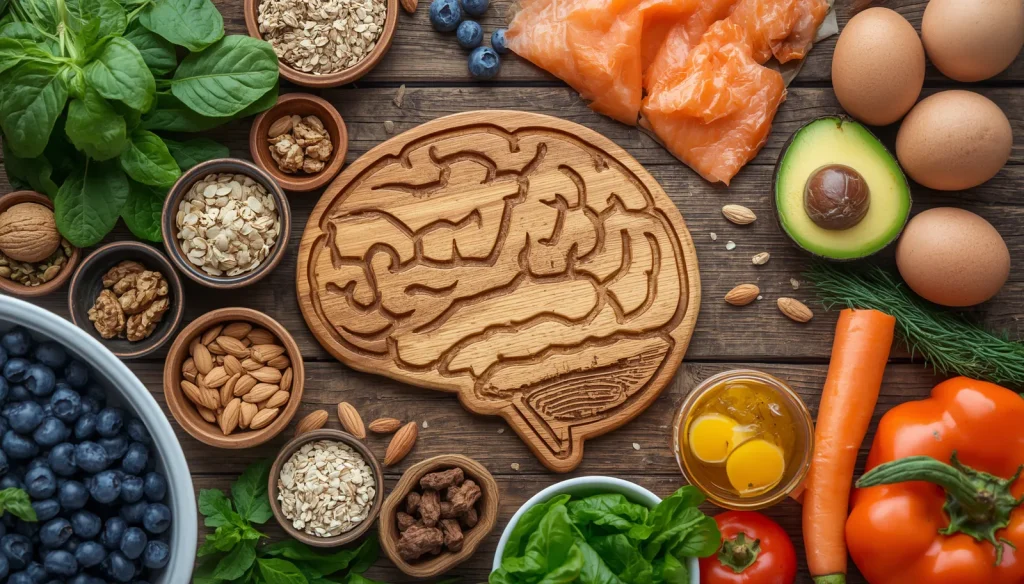
No food can prevent dementia or instantly improve memory. But a varied dietary pattern built around vegetables, fruit, pulses, whole grains, nuts, seeds and suitable protein can support cardiovascular and overall brain health.

Quick answer: What foods are best for brain health?

Useful choices include leafy vegetables, other colourful vegetables, berries and local fruit, pulses, whole grains, nuts, seeds, fish where eaten, eggs, unsweetened curd, and unsaturated plant oils. These foods supply fibre, protein, vitamins, minerals and unsaturated fats. Their strongest value comes as part of an overall healthy eating pattern—not as individual “brain boosters.”

First, “superfood” is a marketing term

There is no regulated scientific category called a superfood. The word can make ordinary nutritious foods seem magical and expensive imported products seem necessary. Brain health is influenced by genetics, education, social connection, physical activity, sleep, hearing, air pollution, tobacco, alcohol and conditions such as high blood pressure and diabetes.

Diet matters, but it changes risk rather than guaranteeing an outcome. Current World Health Organization guidance emphasises a healthy diet alongside activity, tobacco cessation, reduced alcohol use and management of cardiovascular and metabolic risk.

Evidence boundary: An observational association between a food and cognition does not prove that eating that food prevents Alzheimer’s disease. People eat patterns, not isolated nutrients.

12 foods to include regularly

1. Green leafy vegetables

Spinach, methi, bathua, mustard greens, amaranth leaves and drumstick leaves supply folate, carotenoids, vitamin K and other nutrients. Rotate varieties instead of forcing one daily “brain food.” Cook with dal, add to sabzi or use in a stuffed roti.

2. Other colourful vegetables

Tomatoes, carrots, pumpkin, capsicum, brinjal, cauliflower and okra broaden fibre and micronutrient intake. Colour is a practical reminder to vary plants, not proof that one pigment treats memory loss.

3. Berries—or affordable local fruit

Berries contain polyphenols, but they are not essential. Guava, amla, oranges, papaya, jamun when seasonal and other whole fruits can contribute vitamin C, fibre and variety at a lower local cost. Whole fruit is generally more filling than juice.

4. Pulses and beans

Dal, rajma, chana, lobia, peas and soy provide plant protein, fibre, folate and minerals. They can support cardiovascular health when they replace some processed or fatty meats. Increase portions gradually if they cause gas.

5. Whole grains

Oats, barley, brown rice, whole-wheat atta, millets and minimally processed grain dishes provide carbohydrate and fibre. Whole grains help form a balanced pattern; they do not directly “feed neurons” in a special way.

6. Walnuts and other nuts

Walnuts provide unsaturated fats, while almonds, peanuts, pistachios and other unsalted nuts also add protein, fibre and minerals. A small handful is practical. Walnuts resembling a brain is a visual coincidence, not evidence of unique intelligence benefits.

7. Seeds

Ground flax, chia, sesame, sunflower and pumpkin seeds can add unsaturated fats and minerals. Plant omega-3 alpha-linolenic acid differs from the EPA and DHA found in seafood, and conversion in the body is limited.

8. Fish

Fish can supply protein and, in oily varieties, long-chain omega-3 fats. Options depend on region and budget. Choose safely sourced fish, vary species and follow local pregnancy guidance on mercury. Fish-oil supplements are not equivalent to a fish-rich meal pattern.

9. Eggs

Eggs provide protein, choline, vitamin B12 and other nutrients. They are convenient but not mandatory; vegetarian diets can obtain nutrients through varied foods and fortified products, with B12 supplementation when clinically appropriate.

10. Plain curd or fermented foods

Plain curd supplies protein and calcium and may contain live cultures. Claims that probiotics directly sharpen memory remain preliminary. Choose unsweetened curd and use non-dairy fortified alternatives if needed.

11. Unsaturated plant oils

Mustard, groundnut, canola and olive oils can provide unsaturated fats when used in place of butter, ghee or vanaspati. Quantity still matters, and no oil should be consumed as a wellness shot.

12. Tea or coffee, if tolerated

Unsweetened tea and coffee can fit a healthy pattern, and caffeine temporarily improves alertness. That is different from preventing dementia. Avoid using caffeine to replace sleep, and limit it if it worsens anxiety, reflux, palpitations or insomnia.

What each food contributes

Food groupMain contributionAffordable Indian example
Leafy vegetablesFolate and diverse plant compoundsSeasonal palak, methi or bathua
FruitFibre, vitamins and polyphenolsGuava, papaya or amla
PulsesPlant protein and fibreMasoor dal, chana or lobia
Whole grainsFibre-rich carbohydrateOats, barley or whole-wheat roti
Nuts and seedsUnsaturated fats, protein and mineralsPeanuts, sesame and ground flax
Animal or soy foodsProtein; food-specific B12, choline or omega-3Egg, fish, curd or tofu

The pattern matters more than the list

Mediterranean-style and MIND-style patterns emphasise vegetables, fruit, whole grains, beans, nuts, fish and unsaturated oils while limiting highly processed foods, excess sodium, added sugars and large amounts of saturated fat. Research is promising, but these patterns do not guarantee dementia prevention.

Indian meals can follow the same principles without copying a foreign menu: fill a substantial part of the plate with vegetables, include dal or another protein, choose an appropriate grain portion and add curd or fruit when suitable. See our diabetes plate guide for a practical visual approach.

A one-day India-friendly example

Flexible, not prescriptive

  • Breakfast: Vegetable oats or besan chilla with plain curd.
  • Lunch: Mixed dal, seasonal sabzi, whole-wheat roti and salad.
  • Snack: One whole fruit with a small handful of unsalted peanuts or nuts.
  • Dinner: Fish with vegetables and rice, or rajma/tofu with vegetables and rice.
  • Drinks: Water according to need; unsweetened tea or coffee if tolerated.

Portion needs vary with age, body size, activity, pregnancy and medical conditions. This example is not an individual meal prescription.

Brain-food myths to avoid

“Walnuts make you smarter”

They are nutritious, but their brain-like shape is not biological evidence.

“One juice clears brain fog”

Brain fog has many possible causes; a detox drink is not a diagnosis or cure.

“Supplements prevent dementia”

WHO does not recommend B, E, omega-3 or multivitamin supplements for dementia-risk reduction without a diagnosed deficiency.

“Coconut oil treats Alzheimer’s”

Evidence does not support using coconut oil as an Alzheimer’s treatment, and it is high in saturated fat.

Do you need brain supplements?

Usually not when there is no deficiency or specific medical indication. High-dose supplements can interact with medicines or cause harm. Vitamin B12 deserves special attention in strict vegan diets, older adults, people taking metformin or acid-suppressing medicines, and those with absorption disorders—but testing and treatment should be individualised.

Do not replace prescribed blood pressure, diabetes or cholesterol treatment with ginkgo, ashwagandha, omega-3 capsules or a proprietary nootropic blend.

Five non-food habits that protect brain health

  1. Move regularly: Walking and other aerobic activity support cardiovascular health. Compare walking versus running.
  2. Protect sleep: Use a consistent schedule and address persistent sleep problems. Read how to sleep better.
  3. Avoid tobacco and limit alcohol: Both influence vascular and broader health risks.
  4. Manage blood pressure, glucose and cholesterol: These may cause damage before symptoms appear.
  5. Stay socially and mentally engaged: Relationships, learning and meaningful activity are part of healthy ageing.

When memory problems need medical attention

Occasionally forgetting a name is not the same as dementia. Seek assessment when memory or thinking changes interfere with medication, finances, cooking, navigation, work or personal safety. Sudden confusion, facial weakness, speech difficulty or one-sided weakness is an emergency.

Treatable contributors can include medicine effects, depression, sleep disorders, thyroid disease, vitamin B12 deficiency, infection, hearing loss and other conditions. Early assessment is more useful than self-treating with superfoods.

The bottom line

The best superfoods for brain health are ordinary foods combined into a repeatable pattern: vegetables, fruit, pulses, whole grains, nuts, seeds and suitable protein. Expensive berries, powders and imported oils are optional.

Food supports overall health, but it cannot guarantee dementia prevention or reverse established disease. Pair a varied diet with activity, sleep, social connection, tobacco avoidance and proper management of medical risks.

Frequently asked questions

What is the number one food for brain health?

There is no single best food. A varied dietary pattern with vegetables, fruit, pulses, whole grains, nuts and suitable protein is more important.

Which Indian foods are good for the brain?

Useful options include leafy greens, dal, chana, whole grains, peanuts, sesame, ground flax, curd, eggs or fish where eaten, and seasonal fruit.

Do walnuts improve memory?

Walnuts are nutritious and can fit a healthy pattern, but they have not been proven to immediately improve memory or prevent dementia alone.

Are eggs good for brain health?

Eggs provide protein, choline and vitamin B12. They can be part of a balanced diet but are not essential or a standalone brain treatment.

Is coffee good for the brain?

Caffeine can temporarily increase alertness. Long-term observational findings do not justify using coffee as dementia prevention.

Can supplements prevent memory loss?

Routine brain supplements are not recommended for dementia-risk reduction without a diagnosed deficiency or medical indication.

Can food reverse dementia?

No food or diet has been proven to reverse dementia. Medical assessment, treatment, safety planning and caregiver support are important.

Sources and further reading

Medical note: This article is general education, not a diagnosis, dementia-prevention guarantee or individual nutrition plan.

From balanced Indian meals to dietitian-developed recipes, these sites can make everyday cooking easier. The right blog depends on your cuisine, budget, goals and need for professional guidance.

Quick list: Which healthy food blogs are worth following?

Good starting points include Desi~licious RD for dietitian-led South Asian recipes, Archana’s Kitchen and Hebbar’s Kitchen for large Indian recipe libraries, Ministry of Curry and Swasthi’s Recipes for approachable Indian cooking, EatingWell and Skinnytaste for organised meal ideas, and The Mediterranean Dish, Minimalist Baker and Love & Lemons for plant-forward inspiration. No blog is ideal for every medical condition, and “healthy” should never mean one rigid diet.

How this list was selected

This editorial list was reviewed in July 2026. We looked for active sites with useful recipe navigation, clear ingredient lists, practical instructions and a substantial free archive. Dietitian or clinician credentials received extra weight for nutrition education, but professional credentials do not make every recipe suitable for every reader.

We also considered cuisine range, Indian relevance, dietary filters and whether the site distinguishes general information from individual medical advice. Inclusion is not a paid endorsement, and the order is not a scientific league table.

Remember: Recipe testing and nutrition expertise are different skills. A talented cook may offer excellent recipes without being qualified to treat diabetes, kidney disease, eating disorders or food allergy.

The 12 best healthy food blogs

1. Desi~licious RD

Best for: Dietitian-led South Asian recipes.

Registered dietitian Shahzadi Devje shares Indian and broader South Asian recipes with categories such as vegan, high-protein, heart-healthy and diabetes-friendly. The site is especially useful for readers who want familiar flavours with nutrition context rather than a Western-only definition of healthy eating.

Consider: A recipe tagged for a condition remains general information; personal portions and medication needs can differ. Visit Desi~licious RD.

2. Archana’s Kitchen

Best for: A vast Indian recipe library and meal planning.

Archana’s Kitchen covers regional Indian dishes, breakfast, lunch boxes, vegetarian meals and international recipes. Its scale makes it useful when you want to search by ingredient or build a weekly menu.

Consider: “Healthy” varies across individual recipes; check oil, sodium, sugar and serving size for your needs. Visit Archana’s Kitchen.

3. Hebbar’s Kitchen

Best for: Step-by-step vegetarian Indian cooking.

Hebbar’s Kitchen is known for concise videos, sequential photos and a deep archive of regional dishes, snacks, breakfast foods and festival recipes. It is valuable for visual learners and people building confidence with Indian techniques.

Consider: It is a general recipe resource, not a personalised nutrition service, and many indulgent recipes sit beside everyday meals. Visit Hebbar’s Kitchen.

4. Swasthi’s Recipes

Best for: Detailed Indian home-cooking instructions.

Swasthi’s Recipes explains methods carefully and offers alternatives for many familiar dishes. Its recipe notes are helpful when you want to understand why a step matters, not simply copy a short video.

Consider: Use the healthier modifications that match your goal instead of assuming every traditional or homemade dish is automatically light. Visit Swasthi’s Recipes.

5. Ministry of Curry

Best for: Time-saving Indian meals and appliance-friendly cooking.

Ministry of Curry focuses on approachable Indian recipes, including Instant Pot and air-fryer methods. It suits busy households that want practical instructions and weeknight ideas.

Consider: Appliance convenience does not determine nutrition quality; assess the complete meal and portions. Visit Ministry of Curry.

6. The Thali Method

Best for: Thinking about balance within Indian meals.

The Thali Method organises Indian recipes around plate composition and portion guidance rather than presenting Indian food as inherently unhealthy. Curries, dals and vegetable sides make the guidance culturally practical.

Consider: Plate templates are educational tools, not personalised prescriptions. Visit The Thali Method.

7. EatingWell

Best for: Dietitian-reviewed recipes and structured meal plans.

EatingWell publishes large collections, meal plans and nutrition articles, often with registered-dietitian review. Filters and nutrition panels can help people compare recipes and organise a week.

Consider: Calorie-specific plans are estimates, not universal targets; ingredients may also reflect US availability. Visit EatingWell.

8. Skinnytaste

Best for: Weeknight recipes with nutrition information.

Skinnytaste provides recipe categories, meal plans and nutritional estimates across many cuisines. Readers who like organised cooking and familiar comfort-food adaptations may find it easy to navigate.

Consider: A low-calorie label does not automatically make a dish nutritionally complete, and “skinny” language may not suit everyone. Visit Skinnytaste.

9. The Mediterranean Dish

Best for: Mediterranean-style, plant-forward meals.

The site offers vegetables, pulses, whole grains, fish, dips and family-style meals with accessible instructions. It is useful for adding beans, herbs, salads and olive-oil-based dishes to the rotation.

Consider: “Mediterranean” is a broad cuisine label, and individual recipes still differ in sodium, energy and balance. Visit The Mediterranean Dish.

10. Love & Lemons

Best for: Colourful vegetable-forward cooking.

Love & Lemons offers salads, soups, bowls, baking and vegetarian mains with polished photography and ingredient guides. It is particularly helpful when you have a vegetable but need an appealing way to use it.

Consider: Add an adequate protein or carbohydrate source where a light recipe does not form a complete meal. Visit Love & Lemons.

11. Minimalist Baker

Best for: Simple recipes and plant-based filters.

Minimalist Baker features many recipes with short ingredient lists and clear dietary filters. It is convenient for readers exploring plant-based dishes or cooking with limited time.

Consider: The name describes recipe simplicity, not necessarily low energy or minimal processing; review each recipe individually. Visit Minimalist Baker.

12. Budget Bytes

Best for: Budget-conscious meal preparation.

Budget Bytes focuses on practical costs, batch cooking and accessible ingredients. It can help readers reduce reliance on takeaway food and plan repeatable meals without treating expensive “superfoods” as essential.

Consider: Prices are location-specific and often US-based. Adapt ingredients to Indian seasons and local markets. Visit Budget Bytes.

Find the right blog for your goal

Your priorityUseful starting pointsWhat to verify
Indian home foodArchana’s Kitchen, Swasthi’s Recipes, Hebbar’s KitchenServing size and full-meal balance
Dietitian-led South Asian adviceDesi~licious RDCredentials and scope of each article
Meal plansEatingWell, SkinnytasteWhether calories and portions suit you
Vegetarian inspirationLove & Lemons, Minimalist BakerAdequate protein, iron and vitamin B12 sources
Low-cost cookingBudget BytesLocal ingredient prices and substitutes
Indian plate balanceThe Thali MethodIndividual medical and energy needs

How to judge a healthy food blog

  1. Check authorship: Is the writer identified, and are relevant qualifications explained without vague “expert” language?
  2. Separate recipes from treatment: A recipe creator should not promise to cure diabetes, infertility, cancer or gut disease.
  3. Look for sources: Medical claims should link to guidelines or research, not another influencer repeating the same claim.
  4. Watch absolute language: “Detoxes,” “melts fat,” “balances every hormone” and “works in seven days” are warning signs.
  5. Read the whole recipe: A “healthy” title does not reveal portion size, added sugar, sodium or protein.
  6. Notice sales incentives: Affiliate links and sponsored posts should be disclosed.
  7. Prefer flexibility: Reliable resources allow substitutions and do not shame ordinary foods or entire cultures.

Nutrition red flags

Miracle ingredients

No single seed, juice or spice replaces the overall diet or medical treatment.

Fear-based lists

Long “toxic food” lists without dose or context can create anxiety rather than better eating.

Fake credentials

Titles such as nutrition coach may not equal regulated dietitian or medical qualifications.

One plan for everyone

Pregnancy, allergy, kidney disease, diabetes and eating disorders require individual consideration.

How to use food blogs without getting overwhelmed

The three-recipe system

  1. Choose one breakfast, one main meal and one snack from blogs that match your cuisine.
  2. Check that the main meal includes vegetables, a suitable protein and a filling carbohydrate.
  3. Save the recipes in one note instead of opening dozens of tabs.
  4. Shop from a short shared ingredient list.
  5. Cook each recipe twice before deciding whether it belongs in your regular rotation.

For more Indian-focused reading, browse our nutrition category, gut-health guide and diabetes plate guide.

Limitations and update policy

Blogs change ownership, authors, recipes, disclosures and publishing frequency. A site included today may later change its standards, and an omitted site may still be excellent. We therefore recommend judging the specific page you use, not trusting a domain forever.

This list was selected editorially and reviewed on July 20, 2026. Readers should verify current credentials, medical disclaimers and commercial relationships directly on each site.

The bottom line

The best healthy food blogs help you cook more confidently, not fear food. For Indian recipes, start with Desi~licious RD, Archana’s Kitchen, Hebbar’s Kitchen or Swasthi’s Recipes. For structured global meal ideas, try EatingWell, Skinnytaste or The Mediterranean Dish.

Follow two or three sites that match your household rather than chasing every trend. Use recipes for inspiration and a qualified professional for individual medical nutrition therapy.

Frequently asked questions

What is the best healthy food blog in India?

No single blog is best for everyone. Desi~licious RD offers dietitian-led South Asian content, while Archana’s Kitchen, Hebbar’s Kitchen and Swasthi’s Recipes have broad Indian recipe libraries.

Are healthy food blogs reliable?

Some are strong recipe resources, but reliability varies by claim. Check authorship, credentials, sources, disclosures and whether medical promises are appropriate.

Which blogs offer vegetarian recipes?

Hebbar’s Kitchen, Love & Lemons and Minimalist Baker offer extensive vegetarian or plant-forward collections.

Which food blogs are written by dietitians?

Desi~licious RD is led by registered dietitian Shahzadi Devje, while EatingWell frequently uses dietitian review. Verify the author on each article.

Can I follow blog meal plans for diabetes?

Use them only as general inspiration. Medication, glucose response, portions and complications may require an individual plan from a qualified professional.

How can I tell if a recipe is healthy?

Consider the full meal, portion, vegetables, fibre, protein, added sugar, sodium and how often you eat it—not simply its title.

How often is this list updated?

The sites and selection criteria were reviewed on July 20, 2026. Blog ownership and editorial standards can change, so verify current information.

Selection sources

Editorial note: Links are provided for reader convenience. Inclusion does not mean every claim or recipe on a listed site has been independently medically reviewed.

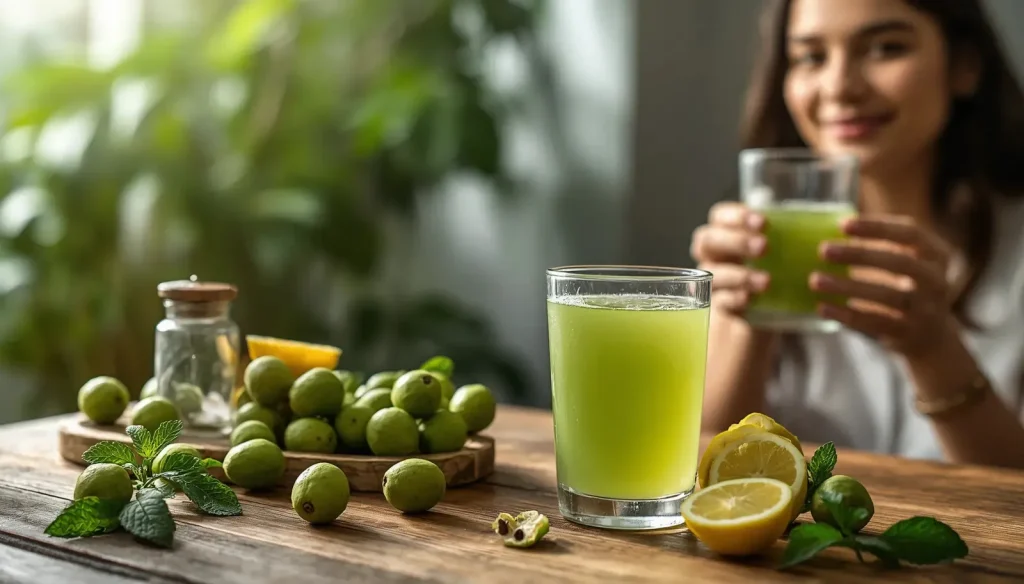
Amla is a vitamin C–rich fruit that can contribute to a varied diet. But drinking its juice is not a proven cure for acne, pigmentation, wrinkles or every cause of dull-looking skin.

Quick answer: Is amla juice good for skin?

Amla provides vitamin C and other plant compounds. Vitamin C is required for normal collagen formation and functions as an antioxidant. However, evidence does not show that amla juice by itself clears acne, removes pigmentation, reverses wrinkles or “detoxes” skin. Whole amla retains more fibre than strained juice, and overall diet plus proven skincare matter more than one drink.

Potential benefits—without the hype

1. It contributes vitamin C

Vitamin C is needed for collagen synthesis, wound healing and normal immune function. Amla is recognised as a vitamin C–rich fruit, but the amount varies with variety, freshness, storage and processing. Meeting a nutrient requirement supports normal physiology; consuming extra does not guarantee visibly younger skin.

2. It can replace a sugary drink

Unsweetened diluted amla juice may be a lower-sugar alternative to soft drinks or sweet packaged beverages. The benefit comes partly from what it replaces, not from a unique cleansing effect.

3. It adds variety to the diet

A varied pattern of fruits, vegetables, pulses, whole grains, nuts, seeds and adequate protein supplies many nutrients involved in skin health. Amla can be one part of that pattern alongside guava, citrus, capsicum and other vitamin C sources.

Evidence boundary: A nutrient’s known role in collagen does not prove that a particular juice visibly increases facial collagen or treats a skin condition in people who already get enough vitamin C.

Simple amla juice recipe

Fresh diluted amla drink (1 serving)

Ingredients

  • 1–2 fresh amla fruits
  • ¾–1 cup safe drinking water
  • A small piece of ginger or mint, optional
  • A squeeze of lemon, optional

Method

  1. Wash the amla thoroughly under running water.
  2. Cut around the hard seed and discard it.
  3. Blend the flesh with water until smooth.
  4. For more fibre, keep the pulp. Strain only if you prefer a thinner drink.
  5. Drink promptly. Refrigerate leftovers in a clean covered container and use within 24 hours.

Avoid routinely adding sugar, honey or jaggery—the body processes these as added sugars even when the source sounds natural. If fresh amla is unavailable, choose an unsweetened product and check the ingredient list for sodium, preservatives and added sugar.

Whole amla vs amla juice

OptionAdvantageLimitation
Whole fresh amlaRetains fibre and requires chewingVery sour taste; hard seed must be removed
Unstrained blended amlaKeeps more pulp and fibreThicker texture
Strained homemade juiceEasy to dilute and drinkLess fibre; hygiene matters
Packaged juiceConvenient and available year-roundMay contain added sugar, sodium or little actual amla
Amla candy or murabbaPalatableOften high in added sugar

Popular skin claims checked

“Makes skin glow”

“Glow” has no standard medical definition. Hydration and nourishment may affect appearance, but results cannot be promised.

“Cures acne”

Unsupported. Acne involves blocked follicles, oil, inflammation and other factors; proven treatments may be needed.

“Removes pigmentation”

No convincing evidence shows that drinking amla erases melasma or post-acne marks. Sun protection and diagnosis matter.

“Reverses wrinkles”

Vitamin C supports normal collagen biology, but amla juice has not been shown to reverse established wrinkles.

“Detoxifies the skin”

Unsupported. Skin, liver and kidneys have normal physiological roles; vague toxin claims are not a measurable benefit.

“Works in seven days”

Skin changes over time, and a fixed seven-day transformation claim is not credible.

How much and when?

There is no clinically established dose of amla juice for skin. Treat it as a food, not medicine. A small diluted serving—such as 30–60 ml of concentrated juice diluted with water, depending on the product—or one to two fresh fruits is a practical culinary amount for many adults.

There is no proven skin advantage to drinking it on an empty stomach. Have it with or after food if acidity or nausea occurs. More is not necessarily better, and acidic drinks can affect tooth enamel; dilute, avoid swishing, and rinse the mouth with plain water afterward.

Side effects and precautions

  • Stomach symptoms: Sour or concentrated juice may worsen reflux, nausea, cramps or diarrhoea.
  • Diabetes medicines: Do not use amla to replace treatment. Monitor glucose as directed when changing diet substantially.
  • Blood-thinning or antiplatelet medicines: Ask your clinician before using concentrated amla products daily because interaction evidence is uncertain and bleeding risk matters.
  • Kidney disease or restricted diets: Check with your renal team before concentrated juices or supplements.
  • Pregnancy and breastfeeding: Food-sized amounts are different from extracts; avoid high-dose products without professional advice.
  • Allergy: Stop and seek help for hives, swelling, wheezing or breathing difficulty.

Supplements and powders can vary in dose, purity and added ingredients. A food is not automatically interchangeable with a concentrated extract.

What supports skin more reliably?

  1. Protect from ultraviolet exposure: Seek shade, wear protective clothing and use broad-spectrum SPF 30+ sunscreen on exposed skin.
  2. Eat enough protein and varied produce: Skin needs more than vitamin C alone.
  3. Avoid smoking: Tobacco affects blood vessels and contributes to premature skin ageing.
  4. Use a gentle routine: Cleanse without harsh scrubbing and moisturise when needed.
  5. Sleep and manage health conditions: Read how to sleep better.
  6. Treat the actual diagnosis: Acne, eczema, fungal infection and melasma need different approaches.

For broader food habits, explore nutrition guides. For hair concerns, see evidence-informed hair growth remedies.

When to see a dermatologist

Seek medical care for painful or scarring acne, a rapidly changing mole, a wound that does not heal, widespread rash, persistent itching, sudden pigment change or a skin problem affecting sleep or daily life. Urgent help is needed for breathing difficulty, facial swelling, blistering with fever or a severe medicine reaction.

The bottom line

Amla juice for skin is best understood as a vitamin C–rich food option, not a beauty treatment. It can contribute to a varied diet and replace a sugary drink, especially when unsweetened and safely prepared.

Keep the pulp when possible, use modest portions and judge packaged products by their labels. For visible skin concerns, sunscreen, gentle skincare and appropriate treatment have a clearer role than promises of an overnight glow.

Frequently asked questions

Does amla juice make skin glow?

It can contribute nutrients to a balanced diet, but “glow” is subjective and no specific result can be guaranteed.

Can amla juice clear acne?

No good evidence shows that drinking amla juice treats acne. Persistent or scarring acne should be assessed and treated appropriately.

Can I drink amla juice every day?

Many adults can include a modest food-sized serving, but daily use is unnecessary and may not suit people with reflux, certain medicines or restricted diets.

Should I drink amla juice on an empty stomach?

There is no proven skin benefit from empty-stomach use. Drink it with food if it causes acidity or nausea.

How long does amla juice take to improve skin?

There is no evidence-based timeline because amla juice is not a proven treatment for skin appearance or disease.

Is whole amla better than juice?

Whole or unstrained amla retains more fibre. Juice may be easier to drink but is not nutritionally superior.

Can I apply amla juice directly to my face?

It is acidic and may irritate skin. Do not use homemade amla juice as a substitute for tested skincare products or prescribed treatment.

Sources and further reading

Medical note: This article is general nutrition and skincare education, not a diagnosis or treatment plan.

Running delivers more vigorous exercise per minute; walking is more accessible, lower-impact and often easier to repeat. The better choice depends on your health, goals, time and preferences.

Quick answer: Is walking or running better?

Running is more time-efficient for vigorous aerobic fitness and generally uses more energy per minute. Walking is easier to start, creates less impact and can be accumulated throughout the day. For general health, either can help meet activity guidelines. Choose the option you can perform safely and consistently—or combine both.

Walking vs running at a glance

FactorWalkingRunning
IntensityUsually light to moderate; brisk walking can be moderateUsually vigorous
Time efficiencyMore minutes generally neededMore aerobic stimulus per minute
ImpactLowerHigher ground-reaction forces
EquipmentComfortable shoes; everyday clothing often worksSupportive shoes and activity-appropriate clothing help
Learning curveLow for most ambulatory adultsRequires gradual load progression
Best useDaily movement, beginners, active recoveryTime-efficient fitness, performance goals
Injury riskGenerally lower, but not zeroGreater when load rises too quickly

Health benefits: both are valuable

Walking and running are aerobic activities that can support cardiovascular health, mood, fitness and weight management. The World Health Organization recommends adults accumulate 150–300 minutes of moderate activity, 75–150 minutes of vigorous activity, or an equivalent combination each week, plus muscle strengthening on two or more days.

Brisk walking commonly counts as moderate intensity, while jogging or running usually counts as vigorous. A rough guideline is that one minute of vigorous activity provides a similar guideline credit to about two minutes of moderate activity. This is not an exact calorie conversion.

Talk test: During moderate activity you can talk but not sing. During vigorous activity, saying more than a few words without pausing for breath is difficult. Fitness and conditions affect this response.

Which burns more calories?

Running generally burns more energy per minute and per kilometre because it requires greater effort and includes a flight phase. But calorie estimates from watches, treadmills and online calculators can be substantially inaccurate.

Energy use varies with body size, pace, incline, terrain, efficiency and duration. A long brisk walk may use more total energy than a short run. For weight loss, exercise helps, but food intake, sleep, medicines and sustainable habits also matter.

Which is better for heart and lung fitness?

Running can improve cardiorespiratory fitness efficiently because it reaches vigorous intensity more readily. Brisk or uphill walking can also challenge the heart and lungs, particularly for beginners. Increasing pace, duration, gradient or intervals can progress walking without immediately switching to continuous running.

More intensity is not automatically better. Recovery, current fitness and medical status determine what dose is appropriate.

Is running bad for your knees?

Running is higher-impact than walking, but “running always destroys the knees” is too simplistic. Load can stimulate adaptation when it is appropriate and progressive. Problems are more likely when training volume or speed rises faster than tissues can tolerate, recovery is inadequate, or an existing injury is ignored.

Walking may be more comfortable during recovery or for people with pain, higher fall risk or limited fitness. However, persistent swelling, locking, instability or pain that changes your gait should be assessed rather than pushed through.

Which should you choose?

Choose walking if…

You are starting from inactivity, prefer lower impact, want daily movement or can commit more time.

Choose running if…

You tolerate impact, enjoy higher intensity, have limited workout time or want running-specific performance.

Combine both if…

You want fitness plus lower-intensity volume, or you are progressing through walk–run intervals.

Choose another activity if…

Walking and running cause symptoms; cycling, swimming or adapted exercise may fit better.

Four-week walk-to-run plan

Begin only if you can walk comfortably for about 30 minutes and have no concerning symptoms. Do three sessions per week with at least one easier day between them.

Start low and progress gradually

  1. Week 1: Walk 5 minutes; repeat 30 seconds easy jog + 2½ minutes walk six times; walk 5 minutes.
  2. Week 2: Walk 5 minutes; repeat 1 minute jog + 2 minutes walk seven times; walk 5 minutes.
  3. Week 3: Walk 5 minutes; repeat 2 minutes jog + 2 minutes walk six times; walk 5 minutes.
  4. Week 4: Walk 5 minutes; repeat 3 minutes jog + 90 seconds walk six times; walk 5 minutes.

Repeat a week if it feels too difficult. Keep jogging conversational rather than sprinting.

Walking-only weekly plan

  • Monday: 25 minutes easy-to-brisk walking.
  • Tuesday: Short strength workout.
  • Wednesday: 30 minutes with six 1-minute faster intervals.
  • Thursday: Easy movement or rest.
  • Friday: 25–35 minutes brisk walking.
  • Saturday: Strength and balance work.
  • Sunday: Comfortable longer walk or active recreation.

You can also accumulate activity through a 10-minute walk after meals.

Safety and injury prevention

  1. Increase only one main variable—duration, speed, hills or frequency—at a time.
  2. Use footwear that is comfortable and appropriate for the surface; there is no universally perfect shoe.
  3. Choose visible, well-lit routes and account for traffic, heat, air quality and personal safety.
  4. Warm up with easier walking before faster work.
  5. Include strength training for major muscle groups twice weekly.
  6. Use water and sun protection appropriate to conditions; avoid forcing a fixed hydration amount.
  7. Let pain guide modification. Muscle effort is expected; sharp, escalating or gait-changing pain is not.

When to get medical advice

People with stable conditions can often be active, but personalised guidance may help after a recent cardiac event, surgery, pregnancy complication, major injury or prolonged inactivity. Stop and seek urgent help for chest pain, fainting, severe breathlessness, new neurological symptoms or signs of heat illness.

Get non-urgent assessment for repeated dizziness, unusual exercise intolerance, persistent joint swelling or pain that does not improve with load reduction.

Common myths

“Running is always better”

It is more intense, but a sustainable walk can beat an inconsistent or painful running plan.

“Walking does not count”

Brisk walking can count as moderate activity and offers meaningful health benefits.

“Sweat equals fat loss”

Sweat regulates temperature; it is not a direct measure of fat burned.

“You must do 10,000 steps”

Ten thousand is not a universal medical threshold. Benefits can occur below it, especially when increasing from a low baseline.

The bottom line

In the walking vs running debate, running wins for vigorous exercise per minute, while walking wins for accessibility and lower impact. Neither wins for every person.

Start where you are, progress gradually and include strength work. The activity you enjoy enough to repeat—without ignoring symptoms—is usually the most useful choice.

Frequently asked questions

Is walking or running better for weight loss?

Running usually burns more energy per minute, but a longer walk can use more total energy. Sustainable activity and total food intake matter most.

How much walking equals 30 minutes of running?

For guideline purposes, 30 minutes of vigorous activity is roughly comparable to 60 minutes of moderate activity, but individual effort and calorie use vary.

Is walking every day enough exercise?

Brisk walking can supply aerobic activity. Add muscle strengthening on at least two days and balance work when relevant.

Can running damage the knees?

Running creates more impact but does not inevitably damage healthy knees. Poor progression, injury and individual factors influence risk.

Should beginners walk before running?

Usually yes. Building comfortable walking capacity and then using short run–walk intervals is a practical progression.

Is running on a treadmill easier than outdoors?

It can feel different because the surface, airflow, pacing and hills differ. Neither is universally easier or safer.

Can I walk and run in the same workout?

Yes. Run–walk intervals are useful for beginners, returning runners and people managing intensity.

Sources and further reading

Medical note: This guide is general education. Adapt activity to your health, disability, pregnancy status, environment and professional advice.

A useful morning does not require waking at 5 AM, drinking a miracle tonic or completing a two-hour ritual. Start with light, basic hydration, gentle movement and one clear priority.

Quick answer: What should you do first thing in the morning?

Get out of bed safely, open the curtains or spend a little time in outdoor light, drink if thirsty, move gently and decide the first important task. Avoid letting notifications choose the mood of your day. You do not need lemon water, cold exposure, fasting or an elaborate routine to have a healthy morning.

A realistic first 10 minutes

The 2–2–2–2–2 routine

  1. Minutes 0–2: Sit up, place your feet on the floor and open the curtains.
  2. Minutes 2–4: Drink some water if thirsty and use the bathroom.
  3. Minutes 4–6: Take slow breaths and notice how you feel.
  4. Minutes 6–8: Move your shoulders, hips and ankles or walk around the room.
  5. Minutes 8–10: Write the one task that matters most today.

No perfect order: Parents, caregivers, commuters, people with disabilities and shift workers may need a different sequence. A routine is a tool, not a moral test.

10 helpful first-thing habits

1. Wake at a reasonably consistent time

A regular wake time helps anchor the sleep–wake cycle. It does not need to be identical to the minute, but large swings can make mornings harder. Protect enough sleep before setting an ambitious alarm; most adults need at least seven hours.

2. Get light soon after waking

Open curtains and, when practical and safe, step outdoors or take a short walk. Natural light earlier in the day helps signal daytime to the body clock. Do not stare directly at the sun, and remember that cloudy outdoor light can still be useful.

3. Hydrate normally—not competitively

Drink according to thirst, climate, activity and medical advice. There is no universal requirement to drink a litre immediately after waking. Tea, coffee, milk and water can all contribute to fluid intake; kidney or heart conditions may require an individual fluid plan.

4. Delay the notification flood

If possible, keep news, email and social media closed for the first 10–20 minutes. Use the phone for an alarm or essential messages, but prevent other people’s urgency from automatically becoming your first priority.

5. Move gently

A few minutes of walking, mobility or stretching can reduce stiffness and create a transition into the day. Morning exercise is optional; the best exercise time is one you can sustain. Try a beginner 15-minute home workout if it fits.

6. Take prescribed medicines correctly

Follow the label and your clinician’s instructions. Some medicines need food, an empty stomach or separation from supplements. Do not copy an influencer’s medicine or supplement timing.

7. Choose breakfast based on your needs

Breakfast is helpful for many people but is not compulsory for every healthy adult. If you eat it, include a protein source, fibre-rich carbohydrate and fruit or vegetables—for example eggs with whole-grain roti, oats with yogurt, or poha with peas and peanuts.

8. Name one priority

A short written priority reduces the need to renegotiate the whole day. Make it concrete: “draft the first page” works better than “be productive.” Add routine tasks only after the main item is clear.

9. Add a minute of mental quiet

Prayer, journaling, breathing or beginner mindfulness can create a pause before activity. It does not need to empty the mind or eliminate stress.

10. Prepare tomorrow the night before

A calm morning often begins with an evening decision: clothes ready, bag packed, breakfast ingredients visible and the phone away from the pillow. Better mornings are usually designed, not won through willpower.

Choose a routine for your real life

Available timeSimple routineWhat to skip
2 minutesLight, three slow breaths, name one priorityPhone scrolling
10 minutesLight, water if thirsty, mobility, written priorityComplicated wellness rituals
30 minutesAdd a walk, breakfast or quiet planningTrying to complete every habit
With childrenPrepare essentials at night; use shared breakfast and daylightComparing with solo routines
Shift workTreat the period after your main sleep as “morning” and manage light around your scheduleForcing a conventional 5 AM routine

Popular morning claims checked

“Wake at 5 AM to succeed”

Unsupported. Sleep duration, schedule fit and consistency matter more than a prestigious clock time.

“Lemon water detoxes”

It provides fluid and flavour but does not uniquely remove toxins. Plain water is also fine.

“Never check your phone”

Not realistic for everyone. Create intentional limits while keeping essential accessibility, care or work needs.

“Cold showers boost immunity”

They may feel alerting, but evidence does not justify treating them as a necessary immune or hormone intervention.

Morning mistakes that often backfire

  1. Cutting sleep to create routine time: A 5 AM alarm is not healthy if bedtime stays at midnight.
  2. Adding ten new habits at once: Begin with one anchor and repeat it.
  3. Using caffeine instead of investigating fatigue: Persistent tiredness deserves attention.
  4. Skipping needed food or medicine: Follow your individual health plan, not a trend.
  5. Making one disrupted morning a failure: Restart at the next available moment.

Build the habit in seven days

One layer at a time

  1. Days 1–2: Keep the same achievable wake-time window.
  2. Day 3: Add curtains or outdoor light.
  3. Day 4: Add two minutes of movement.
  4. Day 5: Keep notifications closed for ten minutes.
  5. Day 6: Write one priority.
  6. Day 7: Review what helped and remove what felt performative.

What if mornings always feel unusually hard?

Occasional grogginess is common. Seek professional advice if you regularly get enough opportunity for sleep but still have severe daytime sleepiness, loud snoring with gasping, morning headaches, persistent low mood or difficulty functioning. Sleep apnoea, insomnia, medication effects and other conditions can need assessment.

For a fuller evening and sleep plan, read how to sleep better at night. If work invades every morning and evening, use these work-life balance tips.

The bottom line

The most useful thing to do first thing in the morning is to create a gentle transition from sleep into your real day. Light, basic hydration, a little movement and one clear priority cover most of what an effective routine needs.

Start small enough to repeat. A ten-minute routine you follow is more valuable than a two-hour routine that steals sleep and disappears after three days.

Frequently asked questions

What is the healthiest thing to do first thing in the morning?

There is no single required action, but getting light, meeting basic hydration needs and moving gently are useful for many people.

Should I drink water immediately after waking?

You can drink if thirsty, but there is no universal amount required immediately. Fluid needs vary with climate, activity and health.

Should I exercise before breakfast?

It is optional. Choose timing that feels comfortable and supports consistent exercise; some people need food first.

Is waking at 5 AM healthier?

Not inherently. An early wake time is useful only when it fits your obligations and still allows adequate sleep.

Is it bad to check your phone in the morning?

Not automatically. The concern is unplanned scrolling or stressful notifications taking control of attention.

Do I have to eat breakfast?

No universal rule suits everyone. If you eat breakfast, choose a balanced meal; follow individual advice for diabetes, pregnancy or medication timing.

How long should a morning routine be?

As long as it remains useful and sustainable. Two to ten minutes can be enough for a strong basic routine.

Sources and further reading

Note: This article provides general lifestyle education. Adjust routines for disability, pregnancy, shift work and medical advice.

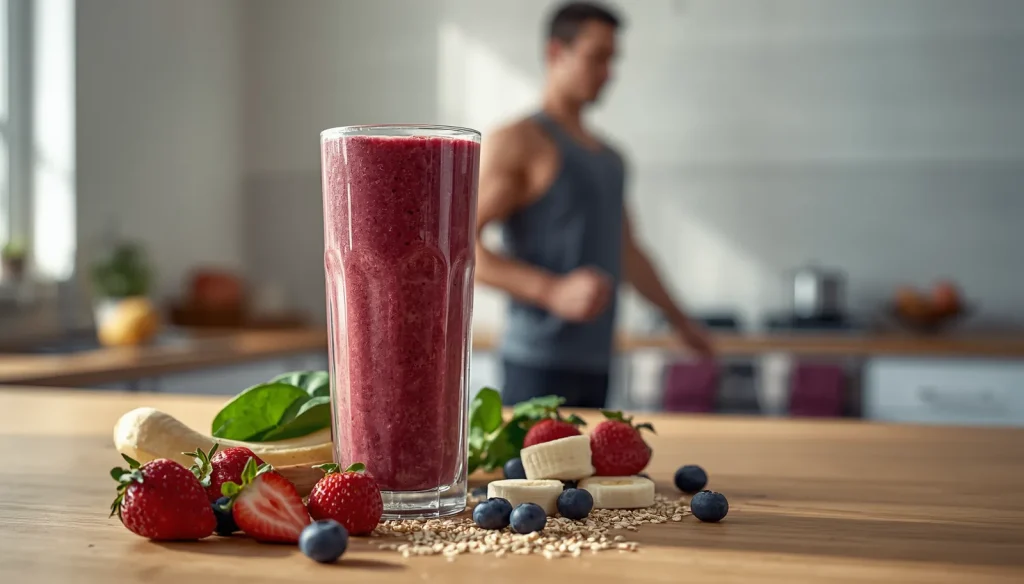
This protein-and-fibre smoothie is a practical breakfast or post-workout option—not a testosterone booster, aphrodisiac or instant cure for fatigue.

Quick answer: What makes this a vitality smoothie?

It combines protein from plain yogurt or soy yogurt, carbohydrate from fruit and oats, fibre from whole plant foods, and unsaturated fat from seeds. This can make a more satisfying meal than fruit juice alone. “Vitality” means everyday nourishment; the recipe has not been shown to raise testosterone or treat sexual dysfunction.

Men’s vitality smoothie recipe

Berry, banana and seed smoothie (1 large serving)

Ingredients

  • ¾ cup (180 g) plain unsweetened Greek yogurt or thick soy yogurt
  • ½ medium banana
  • ½ cup fresh or frozen berries
  • ¼ cup rolled oats
  • 1 tablespoon ground flaxseed or chia
  • ½ cup spinach, optional
  • ½–¾ cup water or unsweetened milk
  • ¼ teaspoon cinnamon, optional

Method

  1. Add liquid, yogurt, fruit, oats, seeds and spinach to a blender.
  2. Blend for 30–60 seconds, adding liquid gradually for the desired texture.
  3. Taste before sweetening; ripe banana is usually enough.
  4. Drink promptly or refrigerate in a clean covered container for up to 24 hours.

Approximate nutrition: Depending on brands and liquid, one serving provides roughly 350–450 kcal, 20–30 g protein and 8–12 g fibre. Use your ingredient labels when precise numbers matter.

Why the ingredients work together

IngredientPractical roleSubstitute
Plain Greek yogurtProtein, calcium and textureUnsweetened fortified soy yogurt
BerriesFruit, fibre and flavourGuava, papaya or apple
BananaCarbohydrate and sweetnessMango or pear
Rolled oatsWhole-grain carbohydrate and fibreCooked, cooled dalia
Flax or chiaFibre and unsaturated fatsUnsalted peanuts or almonds
SpinachAdds a vegetableSkip it and eat vegetables later

Realistic benefits

Convenient protein

Protein supports tissue maintenance and muscle recovery when paired with resistance training. Needs vary by body size, age, activity and health; more is not always better.

Fibre with the pulp retained

A smoothie keeps the edible pulp from fruit, oats and seeds, unlike strained juice. Increase fibre gradually if your current intake is low.

A practical breakfast

Blending makes a portable meal, although liquids may feel less filling than chewing. If hunger returns quickly, have a smaller smoothie alongside eggs, sprouts or whole-grain toast.

Exercise recovery support

Carbohydrate helps replenish fuel and protein supplies amino acids. Total daily food, training, hydration and sleep matter more than a narrow “anabolic window.” Pair it with a 15-minute home workout.

What it cannot promise

Higher testosterone

No ordinary smoothie reliably raises testosterone in men with a medical deficiency.

Better sexual performance

Erectile problems can have vascular, neurological, hormonal, psychological or medication-related causes.

Instant fat loss

A nutritious smoothie still provides energy; it does not selectively burn body fat.

A cure for fatigue

Persistent tiredness may reflect sleep loss, anaemia, thyroid disease, depression, diabetes or other conditions.

Adjust it for your goal

Higher protein

Use one cup of high-protein plain yogurt and milk instead of water. Protein powder is optional; avoid stimulant or “test booster” blends.

Lower-energy snack

Use ½ cup yogurt, omit oats and choose either banana or berries. This makes a snack rather than a full breakfast.

Vegan version

Use unsweetened fortified soy milk and soy yogurt. Many other plant drinks contain far less protein, so check the label.

Indian pantry version

Blend plain curd, banana, papaya, oats and ground flaxseed with water. Avoid routine added sugar, honey or syrup.

Who should modify it?

  • Diabetes: Use unsweetened ingredients and fit the carbohydrate portion into your care plan.
  • Kidney disease: Protein, potassium, phosphorus and fluid may require individual limits; ask a renal dietitian.
  • Food allergy: Use only substitutes safe for your specific dairy, soy, nut or seed allergy.
  • Lactose intolerance: Try lactose-free yogurt or a suitable fortified alternative.
  • Swallowing difficulty: Texture may need clinical adjustment; a smoothie is not automatically safe.
  • Warfarin: Keep vitamin K intake consistent if adding spinach regularly and follow clinical advice.

Use ground flax because whole seeds may pass partly undigested. Chia absorbs liquid; never swallow dry spoonfuls.

If low vitality is the real concern

Start with regular meals, enough total food, hydration, movement, tobacco avoidance and better sleep. A smoothie cannot compensate for chronic sleep deprivation or untreated illness.

See a clinician if fatigue persists, worsens or occurs with breathlessness, chest pain, fainting, fever, unexplained weight change, blood loss, severe low mood or sexual dysfunction. Fatigue alone does not diagnose low testosterone; assessment requires compatible symptoms and correctly timed testing.

Five common smoothie mistakes

  1. Adding sugar before tasting the fruit.
  2. Using only juice without a protein or fibre source.
  3. Making a huge serving with multiple energy-dense add-ins.
  4. Drinking it beside a full breakfast without accounting for both.
  5. Adding several powders with overlapping ingredients or unsupported claims.

A simple vitality routine

The smoothie is one piece

  1. Build meals around vegetables or fruit, whole grains and an appropriate protein source.
  2. Aim for regular aerobic activity and muscle strengthening adapted to ability.
  3. Protect a consistent sleep opportunity.
  4. Try a comfortable 10-minute walk after meals.
  5. Check blood pressure and recommended screenings rather than relying on vitality supplements.

The bottom line

This men’s vitality smoothie combines protein, whole-food carbohydrate, fibre and unsaturated fat. It can support a nourishing breakfast or exercise recovery, but it does not uniquely improve masculinity, testosterone or sexual performance.

The strongest vitality formula remains consistent food, movement, sleep, preventive care and meaningful relationships.

Frequently asked questions

What is the best smoothie for men’s energy?

A useful smoothie combines protein, whole fruit or vegetables, fibre and little or no added sugar. No single recipe suits everyone.

Does this smoothie increase testosterone?

It has not been shown to increase testosterone. Suspected deficiency should be assessed by a clinician.

Can I drink it every day?

Many people can include it regularly, but vary ingredients and fit the portion into your total diet.

Is it better before or after a workout?

Either can work. Allow time for digestion before training; afterward it can provide carbohydrate and protein.

Can I add protein powder?

Yes if it fits your needs, but it is optional. Avoid proprietary testosterone or stimulant blends.

Is it suitable for weight loss?

It can fit a weight-management plan, but serving size and total daily intake matter.

Can women drink this smoothie?

Yes. The ingredients are not male-specific and can be adjusted for any adult.

Sources and further reading

Medical note: This recipe is general nutrition information, not treatment for fatigue, hormone deficiency, infertility or sexual dysfunction.

Celery juice is a refreshing vegetable drink, but it does not scrub toxins from the colon. Here is a simple recipe, a fibre-preserving blender option and honest guidance for better digestive health.

Quick answer: Does celery juice cleanse the colon?

No good evidence shows that celery juice removes “toxins,” old waste or parasites from a healthy colon. Your digestive tract, liver and kidneys already handle waste. Celery juice can be part of a balanced diet, but straining removes much of the fibre that supports normal bowel function. For constipation, adequate fibre, fluids, movement and medical evaluation when needed are more reliable.

Simple celery juice recipe

Celery–lemon juice (1 serving)

Ingredients

  • 4–5 fresh celery stalks, thoroughly washed
  • ½ cup (120 ml) cold drinking water, or enough to blend
  • 1–2 teaspoons fresh lemon juice, optional
  • A small piece of ginger, optional

Method

  1. Trim the celery base and any damaged leaves. Wash stalks carefully under running water.
  2. Cut into 2–3 cm pieces.
  3. Add celery and water to a blender. Blend until smooth.
  4. For more fibre, drink it as a smoothie without straining. For a thinner juice, pass it through a fine sieve; remember that this removes much of the pulp.
  5. Stir in lemon or ginger and drink promptly. Refrigerate leftovers in a clean covered container and use within 24 hours.

Food-safety note: Do not use celery that smells spoiled or is slimy. Wash the blender, knife and hands. Pregnant people, older adults and anyone with reduced immunity should be especially careful with unpasteurised juice hygiene.

What this drink actually provides

Celery contains water and micronutrients, including vitamin K, while the exact nutrition depends on stalk size and how much pulp is retained. Lemon adds flavour without requiring added sugar. Calling the drink “cleansing” does not create a unique health effect.

VersionPotential advantageMain limitation
Whole celery stalksRetains all naturally occurring fibre and requires chewingLess convenient as a drink
Unstrained celery smoothieRetains more pulp and fibreThicker texture; still not a complete meal
Strained celery juiceRefreshing fluid and easy to drinkMuch of the fibre is discarded
Commercial “detox” juiceConvenient if safely producedMay be costly, low in fibre or sold with unsupported claims

Why your colon does not need a juice cleanse

The colon absorbs water and electrolytes and moves stool toward elimination. It is not normally coated with years of waste that needs to be dissolved by a special drink. Medical bowel preparation is different: clinicians prescribe it before certain procedures, such as colonoscopy, for a specific reason and with precise instructions.

The US National Center for Complementary and Integrative Health notes that evidence supporting detox and cleanse programmes is limited, and some colon-cleansing procedures can cause serious adverse effects. Laxatives, enemas or herbal products should not be casually added to this recipe.

Will celery juice relieve constipation?

It may add fluid, but it is not a proven treatment and strained juice contains less fibre than whole celery. The US National Institute of Diabetes and Digestive and Kidney Diseases recommends getting enough fibre and liquids; adults generally need about 22–34 grams of fibre per day depending on age and sex. Increase fibre gradually to reduce gas or bloating.

More useful everyday steps

  • Eat pulses, vegetables, fruit, nuts and whole grains regularly.
  • Drink enough fluid for your needs; requirements vary with heat, activity and health conditions.
  • Move daily and respond to the urge to pass stool.
  • Use a consistent toilet routine without prolonged straining.
  • Review medicines or supplements that may cause constipation with a clinician.

If bloating is the main problem, see our guide to foods that may help with bloating. For longer-term support, read how to improve gut health.

Celery juice claims: evidence versus hype

“Flushes toxins”

Unsupported. “Toxin” is rarely defined, measured or shown to leave the body because of celery juice.

“Melts belly fat”

No drink selectively burns abdominal fat. Body weight changes depend on a wider, sustained energy and behaviour pattern.

“Cures gut disease”

False and potentially dangerous. Inflammatory bowel disease, infection and other conditions need appropriate diagnosis and treatment.

“Hydrates”

Reasonable. It contributes fluid, although ordinary safe drinking water is usually cheaper and simpler.

Who should be cautious?

A small food-sized serving is generally reasonable for many adults, but celery juice is not suitable for everyone.

  • Celery allergy: Avoid it; reactions can be serious.
  • Kidney or heart conditions: Follow your prescribed fluid, sodium and potassium guidance.
  • Warfarin use: Celery contains vitamin K. Keep vitamin K intake consistent and ask your clinician before making a major daily change.
  • Diabetes: Do not assume juice lowers glucose; monitor it as advised and avoid added sweeteners.
  • Pregnancy or reduced immunity: Prioritise careful washing and safe handling of unpasteurised juice.
  • Diarrhoea or an acute digestive illness: A cleanse may worsen dehydration or delay treatment.

Check for interactions if you take medicines and plan to consume large amounts daily. “Natural” does not mean risk-free.

Three sensible variations

1. Fibre-preserving green smoothie

Blend 2 celery stalks, ½ small cucumber, ½ pear and water without straining. The pear and retained pulp add fibre, although portions still matter for people monitoring blood glucose.

2. Savoury celery cooler

Blend celery with water, coriander, lemon and a pinch of roasted cumin. Skip black salt if you are limiting sodium.

3. Plain celery–ginger juice

Blend celery, water and a small piece of ginger. Ginger adds flavour, but it does not turn the drink into a detox treatment.

A better 3-day digestion-support routine

Keep it gentle

  1. Morning: Eat a regular breakfast with a fibre source such as oats, fruit or a pulse-based dish.
  2. Daytime: Sip water according to thirst and individual medical advice; include vegetables and pulses at meals.
  3. After meals: Try a comfortable 10-minute walk if safe for you.
  4. Toilet routine: Allow unhurried time, avoid straining and do not repeatedly suppress the urge.
  5. Optional: Have one small celery drink because you enjoy it—not in place of meals.

When constipation needs medical care

Seek prompt medical advice for blood in stool, black stool, persistent vomiting, fever, severe or worsening abdominal pain, a swollen abdomen, inability to pass gas, unexplained weight loss or new persistent constipation. Also get advice when symptoms last despite basic changes, alternate with diarrhoea, begin after a new medicine or occur in a young child, during pregnancy or in an older adult.

The bottom line

This colon cleansing celery juice recipe makes a refreshing vegetable drink, not a colon cleanse. Choose the unstrained version when you want to retain more fibre, keep portions sensible and never replace prescribed treatment or a nutritionally complete diet with juice.

For most people, the less glamorous combination of fibre-rich foods, appropriate fluids, movement and timely healthcare is more useful for bowel health than any detox programme.

Frequently asked questions

Does celery juice clean your colon?

No reliable evidence shows that celery juice removes toxins or old waste from a healthy colon. It is simply a vegetable drink.

Should I drink celery juice on an empty stomach?

There is no proven cleansing advantage to drinking it on an empty stomach. Have it when comfortable and stop if it worsens nausea, reflux or diarrhoea.

Is celery juice good for constipation?

It contributes fluid, but strained juice loses much of celery’s fibre. Whole celery, an unstrained smoothie and an overall fibre-rich diet are usually more relevant.

How much celery juice should I drink?

There is no medically established detox dose. A small glass, such as 150–250 ml, can be treated as an optional food serving rather than a treatment.

Can I drink celery juice every day?

Many people can include a modest serving, but variety is better than depending on one food. Check first if you have an allergy, medical diet or relevant medicine interaction.

Is blending better than juicing?

Blending without straining retains more pulp and fibre. Juicing produces a thinner drink but discards much of that fibre.

Can celery juice replace a colonoscopy preparation?

No. Only follow the exact bowel-preparation instructions supplied by your healthcare team.

Sources and further reading

Medical note: This article provides general education and a food recipe. It does not diagnose or treat constipation, digestive disease or poisoning.