Mehak
Mehak 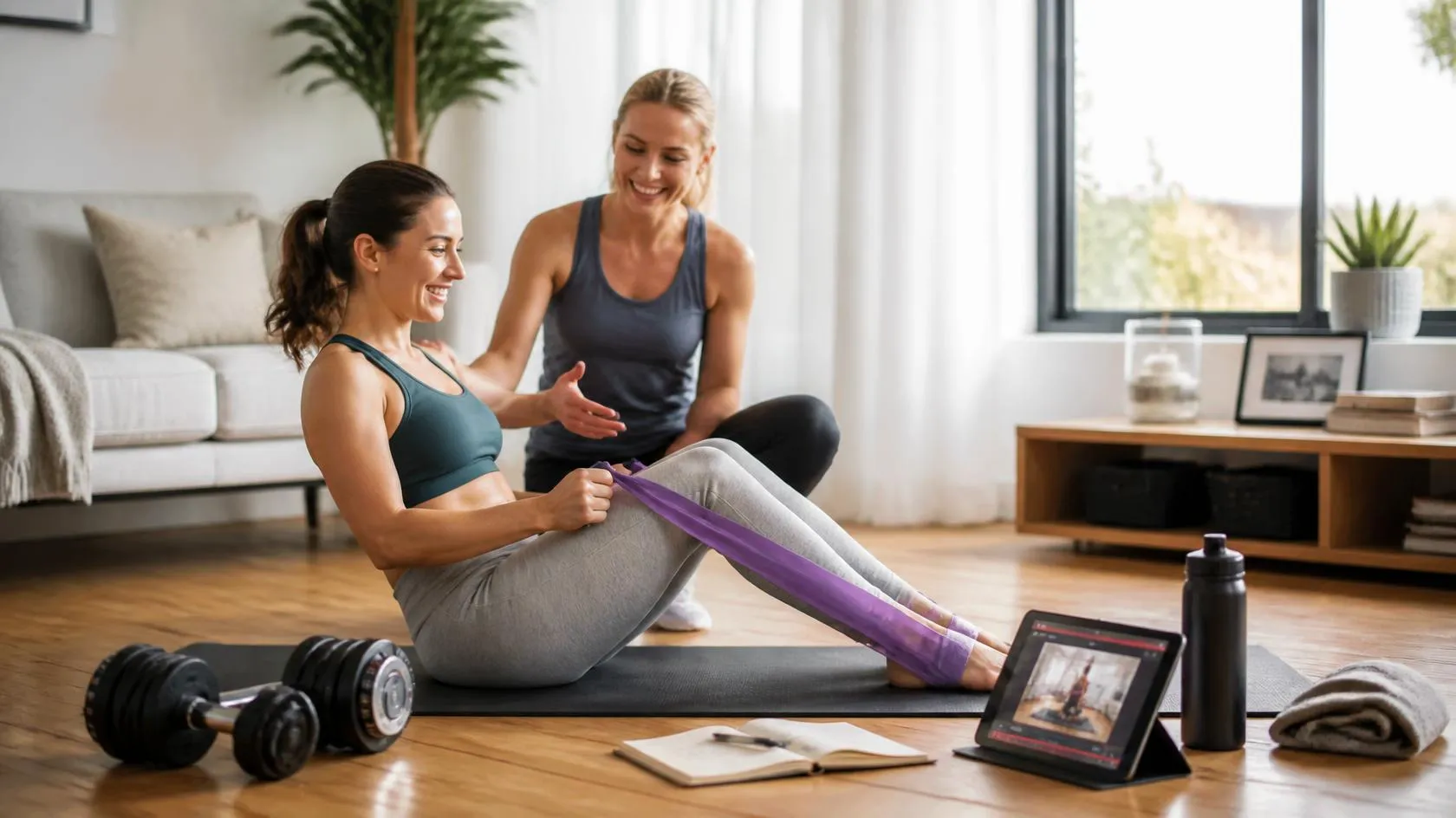
A certified fitness coach guiding a personalized home workout, showing that you can achieve your fitness goals without joining a traditional gym.
You don’t need to love crowded gyms or intense workouts to become healthier. The right fitness coach can help you build sustainable habits that fit your personality, schedule, and comfort level—whether you prefer exercising at home, outdoors, or online.
Quick Answer
If you dislike the gym, look for a fitness coach who focuses on your goals rather than a specific location or workout style. A good coach should understand your preferences, create realistic home or outdoor workout plans, communicate clearly, hold you accountable, and adapt your program as your fitness improves.
The best fitness plan is one you can stick with consistently. Whether your workouts happen in your living room, a local park, or through virtual coaching, consistency matters more than where you exercise.
Why Do Some People Hate the Gym?
Many people avoid gyms for perfectly valid reasons. Some feel intimidated by experienced exercisers, while others dislike waiting for equipment, commuting, or working out in crowded spaces. Busy schedules, financial constraints, and personal preferences can also make traditional gyms less appealing.
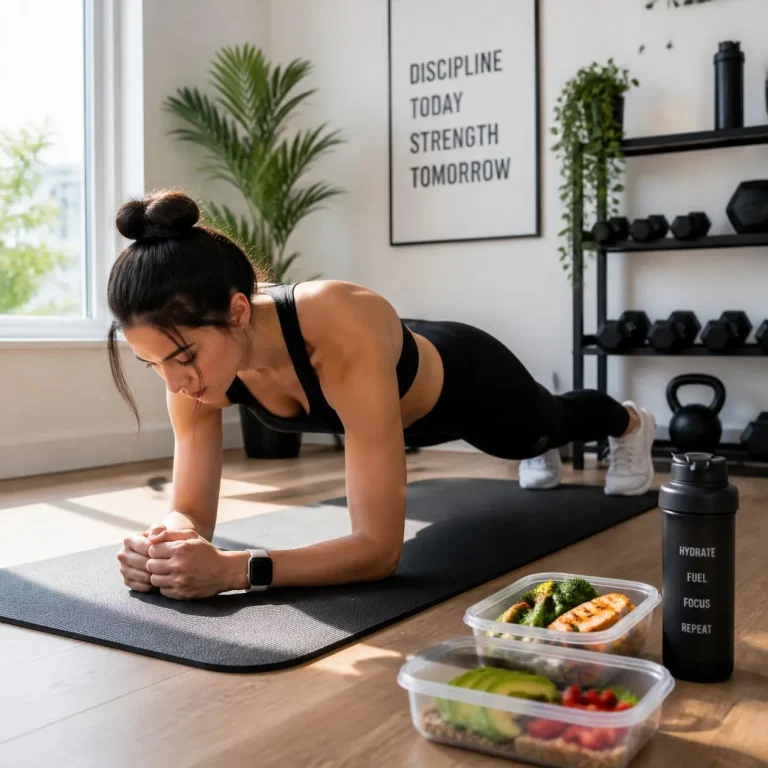
Fortunately, regular physical activity doesn’t require a gym membership. Walking, resistance bands, bodyweight exercises, online coaching, outdoor workouts, and home fitness programs can all contribute to better health.
Common Reasons
- Gym anxiety
- Lack of confidence
- Crowded environment
- Limited time
- Long commute
- Membership costs
Good Alternatives
- Home workouts
- Outdoor walking
- Virtual coaching
- Bodyweight training
- Resistance bands
- Community fitness classes
Why Hire a Fitness Coach?
A qualified fitness coach does more than demonstrate exercises. They help you create a realistic plan, provide motivation, monitor your progress, and adjust your program when your needs or goals change. Many coaches also offer nutritional guidance within their scope of practice and encourage healthy lifestyle habits such as better sleep and stress management.
| Without a Coach | With a Coach |
|---|---|
| Unstructured workouts | Personalized fitness plan |
| Low accountability | Regular progress check-ins |
| Unsure where to start | Clear guidance and support |
| Higher chance of inconsistency | Improved motivation and consistency |
A great coach helps you make steady progress using realistic goals, gradual improvements, and habits that fit your everyday life—not by expecting perfection.
Types of Fitness Coaches
Popular Coaching Options
- Personal trainer
- Online fitness coach
- Strength coach
- Running coach
- Yoga instructor
- Pilates instructor
Choose Based On
- Your goals
- Your experience level
- Available equipment
- Your budget
- Your schedule
- Your preferred coaching style
Who Is This Guide For?
This guide is designed for beginners, busy professionals, parents, older adults, people exercising at home, individuals returning after a long break, and anyone who wants professional guidance without relying on a traditional gym environment.
The right coach adapts fitness to your lifestyle—not the other way around. Your workouts should fit your daily routine, preferences, and long-term health goals.
12 Things to Look for When Choosing a Fitness Coach
Not every coach is the right fit for every person. The best coach for you is someone who understands your goals, respects your preferences, and creates a realistic plan you can follow consistently—even if you never step inside a gym.
Choose a coach based on experience, communication, and compatibility—not just social media followers or dramatic before-and-after photos.
1. Relevant Qualifications and Certifications
A qualified fitness coach should have recognized education or certifications from reputable organizations. Certifications indicate that a coach has studied exercise science, safety principles, and program design, although experience and communication skills are equally important.
| Certification | Common Focus |
|---|---|
| NASM | Personal training and corrective exercise |
| ACE | General fitness coaching |
| ACSM | Evidence-based exercise guidance |
| NSCA | Strength and conditioning |
2. Coaching Experience
Experience working with people who have goals similar to yours is valuable. For example, if you want to exercise at home, choose a coach who regularly creates effective home workout programs rather than someone who focuses only on gym-based training.
3. Coaching Style
Supportive Coach
- Encouraging
- Patient
- Flexible
- Builds confidence
Performance Coach
- Goal-oriented
- Structured programs
- Performance tracking
- Competitive mindset
Choose the coaching style that motivates you. If you dislike intense gym environments, you may benefit more from a supportive coach who emphasizes long-term habit building.
4. Communication Matters
Good coaches explain exercises clearly, answer questions respectfully, and adjust their advice when needed. You should feel comfortable discussing challenges, injuries, scheduling issues, or changes in your goals.
Does this coach listen carefully, or do they simply tell everyone to follow the same workout plan?
5. Accountability and Motivation
One of the biggest benefits of coaching is accountability. Regular check-ins, progress tracking, and encouragement can help you stay consistent when motivation fluctuates.
Helpful Accountability
- Weekly check-ins
- Workout reminders
- Progress reviews
- Goal adjustments
Healthy Motivation
- Positive encouragement
- Celebrating progress
- Realistic expectations
- Long-term mindset
6. Home Workout Experience
If you don’t enjoy gyms, ask whether the coach regularly trains clients using bodyweight exercises, resistance bands, adjustable dumbbells, or other minimal equipment. Effective coaching should fit your available space and resources.
7. Online vs. In-Person Coaching
| Online Coaching | In-Person Coaching |
|---|---|
| Flexible schedule | Face-to-face instruction |
| Usually lower cost | Hands-on exercise guidance |
| Train anywhere | Immediate technique feedback |
| Video demonstrations | Personal interaction |
| Suitable for home workouts | Requires travel |
Neither option is universally better. Choose the format that fits your schedule, budget, learning style, and personal preferences.
8. Reviews and Testimonials
Read reviews carefully. Look for detailed feedback about communication, professionalism, consistency, and long-term client success rather than dramatic transformation claims alone.
9. Trial Sessions
Many coaches offer introductory consultations or trial sessions. Use this opportunity to ask questions, experience their coaching style, and decide whether you feel comfortable working together.
Questions to Ask
- How do you personalize programs?
- How often do we communicate?
- How do you track progress?
- What happens if I miss workouts?
Observe During the Trial
- Clear explanations
- Professional behavior
- Active listening
- Realistic recommendations
10. Budget
Fitness coaching costs vary depending on experience, location, and service level. Higher prices don’t always guarantee better coaching, and affordable options can still provide excellent value.
| Coaching Type | Typical Cost Considerations |
|---|---|
| Online Coaching | Often more affordable with flexible plans |
| Small Group Coaching | Moderate cost shared among participants |
| Private Sessions | Higher cost with individualized attention |
11. Personal Compatibility
Even the most experienced coach may not be the right fit if their communication style or personality doesn’t match yours. Feeling comfortable asking questions and sharing concerns is essential for a successful coaching relationship.
12. Watch for Red Flags
Positive Signs
- Evidence-based advice
- Realistic expectations
- Professional communication
- Individualized plans
- Encourages healthy habits
Warning Signs
- Guarantees unrealistic results
- Uses fear-based marketing
- Provides identical plans to everyone
- Discourages medical advice
- Pushes unnecessary supplements
The right fitness coach helps you build confidence, develop sustainable habits, and enjoy moving your body in ways that fit your lifestyle. You don’t have to love the gym to achieve meaningful health and fitness improvements.
Choose a Coach That Fits Your Lifestyle
The best fitness program is one that fits naturally into your daily routine. A coach should adapt your workouts to your schedule, available equipment, current fitness level, and personal preferences—not expect you to reorganize your entire life around exercise.
Consistency beats perfection. Three manageable workouts each week are often more sustainable than an unrealistic daily routine you’ll eventually stop following.
Best Coach for Different Lifestyles
| Your Situation | Look For |
|---|---|
| Busy Professional | 30–45 minute flexible workouts with online check-ins |
| Parent | Home workouts and adaptable scheduling |
| Beginner | Patient coaching and simple exercise instruction |
| Older Adult | Low-impact exercise and mobility-focused programming |
| Traveler | Bodyweight workouts and virtual coaching |
| Home Fitness Enthusiast | Minimal-equipment training plans |
Home Workout Coaching
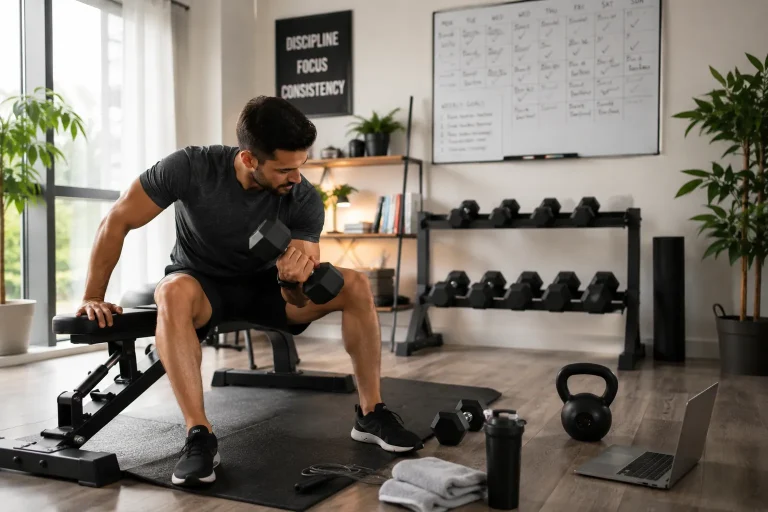
Many experienced coaches now specialize in home-based fitness. With a few basic pieces of equipment—or even none at all—you can build strength, improve cardiovascular fitness, and increase mobility without joining a gym.
Helpful Equipment
- Resistance bands
- Adjustable dumbbells
- Exercise mat
- Kettlebell
- Jump rope
- Stability ball
No Equipment Needed
- Bodyweight squats
- Push-ups
- Lunges
- Planks
- Glute bridges
- Walking
Questions to Ask Before Hiring a Coach
A short conversation can tell you a lot about whether a coach is a good fit. Don’t hesitate to ask about their coaching process, communication style, and how they’ll personalize your program.
Essential Questions
- How do you customize workout plans?
- How often do we communicate?
- How do you track progress?
- What happens if I miss sessions?
- Can you work around injuries or limitations?
Good Answers Include
- Individual assessment
- Flexible programming
- Regular feedback
- Evidence-based recommendations
- Long-term support
Sample Weekly Fitness Plan (Gym-Free)
| Day | Activity |
|---|---|
| Monday | Full-body strength workout at home |
| Tuesday | 30-minute brisk walk |
| Wednesday | Mobility and stretching session |
| Thursday | Bodyweight strength workout |
| Friday | Cycling, swimming, or outdoor walk |
| Saturday | Yoga or light activity |
| Sunday | Recovery and gentle stretching |
Common Mistakes When Choosing a Fitness Coach
Avoid These Mistakes
- Choosing based only on price
- Ignoring qualifications
- Expecting instant results
- Following celebrity trends
- Not checking reviews
- Skipping the consultation
Better Decisions
- Compare multiple coaches
- Verify credentials
- Set realistic goals
- Prioritize communication
- Choose someone you trust
- Focus on long-term habits
Your Fitness Coach Checklist
Before signing up, use this quick checklist to evaluate whether a coach matches your needs.
| Question | Yes / No |
|---|---|
| Do they understand your goals? | ☐ |
| Do they support home workouts? | ☐ |
| Are their qualifications clear? | ☐ |
| Do they communicate well? | ☐ |
| Do they provide personalized plans? | ☐ |
| Do they encourage realistic progress? | ☐ |
| Do you feel comfortable working with them? | ☐ |
The right fitness coach won’t try to change who you are—they’ll help you build healthy habits that work with your lifestyle. Whether you train at home, outdoors, or online, success comes from consistency, support, and realistic expectations.
Myths vs. Facts About Fitness Coaches
| Myth | Fact |
|---|---|
| You need a gym membership to work with a coach. | Many coaches specialize in home workouts, outdoor training, and virtual coaching. |
| Fitness coaches are only for athletes. | Coaches work with beginners, older adults, busy professionals, and people returning to exercise. |
| More expensive coaches are always better. | The best coach is the one whose expertise, communication, and approach match your needs. |
| Online coaching isn’t effective. | Virtual coaching can be highly effective when paired with personalized programming and regular accountability. |
| A coach should push you through pain. | A qualified coach prioritizes proper technique, gradual progress, and safety. |
Frequently Asked Questions
1. Do I need a gym to work with a fitness coach?
No. Many coaches design effective programs for home workouts, outdoor exercise, or virtual training.
2. Is online fitness coaching worth it?
For many people, online coaching offers flexibility, personalized plans, and regular accountability at a lower cost than in-person sessions.
3. What qualifications should a fitness coach have?
Look for recognized certifications, relevant experience, and a coaching style that aligns with your goals and needs.
4. How often should I meet with my coach?
The ideal frequency depends on your goals, budget, and experience. Some people benefit from weekly sessions, while others succeed with monthly reviews and ongoing online support.
5. Can beginners hire a fitness coach?
Yes. Beginners often benefit from professional guidance to learn proper exercise techniques and build confidence.
6. How much does a fitness coach cost?
Pricing varies by location, experience, coaching format, and service level. Compare what’s included rather than choosing solely based on price.
7. Should my coach also provide nutrition advice?
Many coaches can offer general healthy eating guidance within their qualifications. Medical nutrition therapy should be provided by a registered dietitian or other qualified healthcare professional where appropriate.
8. What if I have an injury?
Inform your coach before starting. They should modify exercises when appropriate and recommend consulting a healthcare professional when necessary.
9. How long does it take to see results?
Results vary depending on your starting point, consistency, nutrition, sleep, and individual goals. Sustainable progress takes time.
10. What’s the most important quality in a fitness coach?
Communication, personalization, professionalism, and the ability to help you stay consistent are often more valuable than flashy marketing.
Find a Coach Who Fits Your Life—Not Just Your Workout
You don’t need to enjoy crowded gyms to become healthier. The right fitness coach will help you build sustainable habits, stay accountable, and create a realistic routine that works at home, outdoors, or wherever you feel most comfortable.
References
- World Health Organization (WHO) – Physical Activity Guidelines
- Centers for Disease Control and Prevention (CDC)
- American College of Sports Medicine (ACSM)
- American Council on Exercise (ACE)
- National Academy of Sports Medicine (NASM)
- National Strength and Conditioning Association (NSCA)
This article is for educational purposes only and does not replace personalized medical or fitness advice. Consult a qualified healthcare professional before beginning a new exercise program.
About the Author