Mehak
Mehak 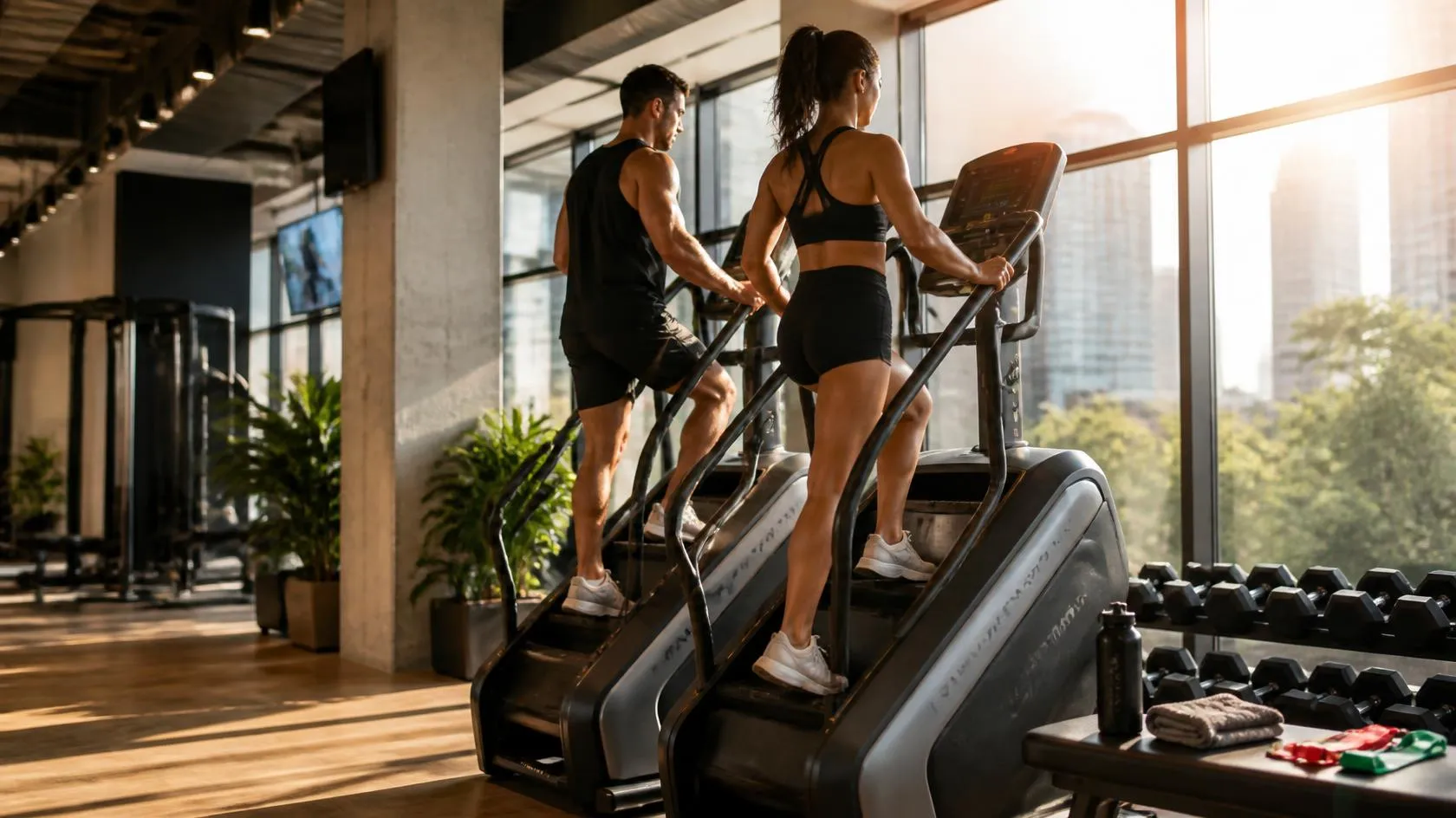
A stepper workout targeting the glutes, thighs, calves, and lower-body muscles while improving cardiovascular fitness and endurance.
Looking for an effective lower-body workout without putting excessive stress on your joints? Stepper workouts can strengthen your glutes, quadriceps, hamstrings, and calves while improving cardiovascular fitness. Whether you use a stair climber at the gym or a mini stepper at home, a structured routine can help you build endurance, support muscle definition, and complement a healthy fitness plan.
Quick Answer
Stepper workouts are an effective way to strengthen and tone the muscles of the lower body while providing moderate to vigorous cardiovascular exercise. Consistent training, progressive resistance, balanced nutrition, and adequate recovery work together to improve muscle endurance and support healthy body composition.
“Toning” refers to improving muscle definition through strength development and reducing overall body fat. No single exercise can specifically remove fat from one area of the body.
Why Choose a Stepper Workout?
Steppers simulate the natural climbing motion used when walking upstairs. This movement activates multiple large muscle groups simultaneously, making it an efficient workout for improving lower-body strength and cardiovascular fitness.
Because resistance and stepping speed can be adjusted, stepper workouts are suitable for beginners and experienced exercisers alike.
Main Benefits
- Strengthens the glutes and thighs
- Improves cardiovascular fitness
- Low-impact compared with running
- Supports calorie expenditure
- Builds muscular endurance
- Suitable for home or gym workouts
Additional Advantages
- Improves balance and coordination
- Easy to modify for different fitness levels
- Minimal equipment required for mini steppers
- Can be combined with strength training
- Supports active lifestyles
- Time-efficient workouts
Which Muscles Does a Stepper Work?
The stepping motion primarily targets the muscles responsible for hip extension, knee extension, and ankle movement. Maintaining good posture and controlled movement helps maximize muscle engagement throughout the workout.
| Muscle Group | Role During Exercise |
|---|---|
| Gluteus Maximus | Hip extension and climbing power |
| Quadriceps | Straighten the knees while stepping |
| Hamstrings | Support hip movement and knee stability |
| Calves | Assist with pushing through each step |
| Core Muscles | Maintain posture and balance |
How Stepper Workouts Help Tone Legs and Glutes
Stepper workouts repeatedly challenge the muscles of the lower body through a climbing movement. Over time, increasing workout duration or resistance can improve muscular endurance and strength. When combined with a balanced eating pattern and overall physical activity, these adaptations contribute to improved muscle definition.
Avoid leaning heavily on the machine’s handles. Supporting your body weight with your legs instead of your arms encourages greater lower-body muscle activation.
How Many Calories Can You Burn?
Calorie expenditure depends on your body weight, stepping speed, workout intensity, resistance level, and exercise duration. The values below are approximate and will vary among individuals.
| Workout Duration | Estimated Calories Burned* |
|---|---|
| 20 Minutes | 120–220 calories |
| 30 Minutes | 180–320 calories |
| 45 Minutes | 280–450 calories |
| 60 Minutes | 350–600+ calories |
*Actual calorie burn varies based on individual factors and workout intensity.
Who Can Benefit from Stepper Training?
Ideal For
- Beginners starting a fitness routine
- People seeking low-impact cardio
- Home exercisers using a mini stepper
- Gym members using stair climbers
- Busy professionals
- Adults improving lower-body endurance
Exercise Goals
- Improve cardiovascular fitness
- Strengthen legs and glutes
- Increase muscular endurance
- Support healthy weight management
- Enhance daily mobility
- Complement resistance training
A stepper is an effective tool for combining lower-body strengthening with cardiovascular exercise. The greatest results come from consistent training, progressive overload, healthy nutrition, and adequate recovery rather than relying on any single workout alone.
Choose the Right Stepper
The best stepper depends on your fitness goals, available space, and budget. Both mini steppers and full-size stair climbers can provide effective lower-body workouts when used consistently.
| Machine | Best For | Main Benefits |
|---|---|---|
| Mini Stepper | Home workouts | Compact, portable, beginner-friendly |
| Stair Climber | Gym training | Higher resistance and workout variety |
| Twist Stepper | Core engagement | Adds slight rotational movement |
Proper Stepper Form
Good technique improves workout efficiency and helps reduce unnecessary stress on your joints. Focus on smooth, controlled movements instead of rushing through each step.
Do
- Stand tall with a neutral spine.
- Keep your core lightly engaged.
- Step through your full foot.
- Move at a controlled pace.
- Look forward instead of down.
Avoid
- Leaning heavily on the handles.
- Taking extremely short steps.
- Locking your knees.
- Rounding your shoulders.
- Using momentum instead of your muscles.
Imagine pushing the step downward using your heel. This cue often helps increase glute activation while maintaining good posture.
Warm-Up Routine (5–7 Minutes)
A gradual warm-up prepares your muscles and cardiovascular system for exercise while improving movement quality.
| Time | Activity |
|---|---|
| 2 minutes | Easy stepping at a comfortable pace |
| 1 minute | Bodyweight squats |
| 1 minute | Leg swings and hip circles |
| 1 minute | Walking lunges |
| 1–2 minutes | Gradually increase stepping speed |
Beginner Stepper Workout
This workout is designed for people who are new to stepper training. Focus on maintaining good posture and a comfortable rhythm throughout the session.
| Exercise | Duration |
|---|---|
| Warm-up | 5 minutes |
| Easy stepping | 8 minutes |
| Moderate pace | 5 minutes |
| Easy recovery | 5 minutes |
| Cool-down | 5 minutes |
Glute Activation Exercises
Perform these exercises before your stepper workout to help activate the muscles around the hips and improve movement awareness.
Activation Routine
- Glute bridges × 12–15
- Bodyweight squats × 10–15
- Standing kickbacks × 12 each leg
- Side leg raises × 12 each side
- Monster walks (if using a resistance band)
Benefits
- Improves hip stability
- Enhances movement control
- May increase glute engagement
- Supports proper exercise technique
- Prepares muscles for training
Leg-Toning Stepper Routine
This routine combines different stepping speeds and resistance levels to challenge your lower body while keeping the workout engaging.
| Round | Workout | Time |
|---|---|---|
| 1 | Steady pace | 5 min |
| 2 | Increase resistance | 4 min |
| 3 | Easy recovery | 2 min |
| 4 | Fast stepping | 3 min |
| 5 | Moderate pace | 6 min |
| 6 | Cool-down | 5 min |
Cool-Down and Stretching
Finish each session with gentle stretching to improve flexibility and reduce muscle tightness.
Lower Body
- Quadriceps stretch
- Hamstring stretch
- Calf stretch
- Hip flexor stretch
Mobility
- Hip circles
- Ankle mobility
- Cat-cow stretch
- Child’s pose
Proper technique, a gradual warm-up, and consistent practice form the foundation of effective stepper training. Master these basics before increasing workout intensity or resistance.
HIIT Stepper Workout for Fat Loss
High-Intensity Interval Training (HIIT) alternates short bursts of challenging effort with recovery periods. It can improve cardiovascular fitness and make workouts more time-efficient. Beginners should start conservatively and increase intensity gradually.
| Workout Phase | Duration | Intensity |
|---|---|---|
| Warm-up | 5 minutes | Easy |
| Fast stepping | 30 seconds | Hard |
| Recovery stepping | 90 seconds | Easy |
| Repeat | 8–10 rounds | Alternate |
| Cool-down | 5 minutes | Easy |
You should be able to recover your breathing during the easy intervals. If you cannot maintain proper posture or control, reduce the speed or resistance.
Glute-Focused Stepper Workout
To place greater emphasis on the glutes, use a moderate resistance and focus on driving through your heels while maintaining an upright posture.
| Exercise | Time |
|---|---|
| Warm-up | 5 min |
| Moderate resistance climb | 6 min |
| Recovery pace | 2 min |
| High resistance climb | 5 min |
| Steady pace | 5 min |
| Cool-down | 5 min |
Lower-Body Endurance Workout
This session develops muscular endurance and aerobic fitness. Maintain a pace that allows steady breathing while still feeling moderately challenged.
| Segment | Duration |
|---|---|
| Warm-up | 5 min |
| Steady stepping | 15 min |
| Moderate resistance | 10 min |
| Easy pace | 5 min |
| Cool-down | 5 min |
4-Week Stepper Workout Plan
| Week | Main Goal | Suggested Sessions |
|---|---|---|
| Week 1 | Learn proper technique | 3 beginner workouts |
| Week 2 | Increase workout time | 3–4 moderate sessions |
| Week 3 | Add interval training | 2 steady + 1 HIIT + 1 recovery |
| Week 4 | Build endurance and confidence | 4 varied workouts |
Sample Weekly Workout Schedule
| Day | Workout |
|---|---|
| Monday | Beginner Stepper Workout |
| Tuesday | Strength Training + Mobility |
| Wednesday | HIIT Stepper Workout |
| Thursday | Rest or Walking |
| Friday | Glute-Focused Workout |
| Saturday | Endurance Session |
| Sunday | Stretching & Recovery |
Common Mistakes to Avoid
Common Errors
- Leaning on the handles.
- Skipping the warm-up.
- Using excessive resistance too soon.
- Taking very shallow steps.
- Ignoring recovery days.
- Looking down throughout the workout.
Better Habits
- Maintain upright posture.
- Progress gradually.
- Use controlled movements.
- Schedule recovery days.
- Combine cardio with strength training.
- Track improvements over time.
How to Progress Your Workouts
As your fitness improves, gradually increase one training variable at a time. This approach helps reduce the risk of overtraining while continuing to challenge your body.
| Progression Method | Example |
|---|---|
| Increase duration | Add 5 minutes to one workout each week. |
| Increase resistance | Move up one resistance level when comfortable. |
| Add intervals | Include one HIIT session each week. |
| Increase weekly frequency | Add one additional workout if recovery remains good. |
Variety is one of the best ways to keep stepper workouts effective and enjoyable. Combining steady-state sessions, interval training, and glute-focused workouts can help improve endurance, strength, and overall fitness while reducing boredom.
Nutrition for Stronger, More Defined Legs and Glutes
Training provides the stimulus for muscle growth and improved endurance, while nutrition supplies the energy and nutrients your body needs to recover. A balanced eating pattern that includes adequate protein, complex carbohydrates, healthy fats, and plenty of fruits and vegetables supports overall fitness and long-term progress.
No single food or supplement can “tone” your legs or glutes. Consistent training, nutritious eating, sufficient sleep, and gradual progression work together to improve muscle definition over time.
What to Eat Around Your Workout
| Timing | Examples | Purpose |
|---|---|---|
| 1–3 Hours Before | Oatmeal with fruit, whole-grain toast with eggs, yogurt with berries | Provides energy for your workout. |
| 30–60 Minutes Before | Banana, apple, or a small yogurt | Light snack for longer or more intense sessions. |
| After Workout | Chicken with rice, tofu stir-fry, Greek yogurt with oats | Supports recovery and replenishes energy. |
Protein for Muscle Recovery
Protein helps repair and maintain muscle tissue after exercise. Rather than relying on one large serving, many people find it helpful to distribute protein intake across meals throughout the day.
Protein Sources
- Chicken breast
- Fish
- Eggs
- Greek yogurt
- Cottage cheese
- Tofu and tempeh
- Lentils and beans
Recovery Nutrients
- Complex carbohydrates
- Healthy fats
- Colorful vegetables
- Fruit
- Water
- Electrolytes (when appropriate)
Stay Hydrated
Hydration supports exercise performance, temperature regulation, and recovery. Drink fluids regularly throughout the day, and consider increasing your intake during hot weather or longer workouts.
| Situation | Hydration Tip |
|---|---|
| Before Exercise | Begin your workout well hydrated. |
| During Exercise | Drink according to thirst during moderate sessions. |
| After Exercise | Replace fluids lost through sweating. |
Recovery Is Part of Training
Your muscles adapt between workouts—not during them. Recovery allows your body to repair tissues, restore energy stores, and prepare for your next session.
Recovery Habits
- Sleep 7–9 hours each night.
- Take scheduled rest days.
- Stretch after workouts.
- Manage daily stress.
- Eat balanced meals.
Signs of Good Recovery
- Less muscle soreness
- Stable energy levels
- Improved workout performance
- Better sleep quality
- Positive motivation to train
Simple Lower-Body Stretching Routine
| Stretch | Hold |
|---|---|
| Quadriceps Stretch | 20–30 seconds each side |
| Hamstring Stretch | 20–30 seconds |
| Standing Calf Stretch | 20–30 seconds |
| Hip Flexor Stretch | 20–30 seconds |
| Figure-4 Glute Stretch | 20–30 seconds each side |
Track Your Progress
While body weight is one indicator, it doesn’t capture every improvement. Tracking multiple measures can provide a more complete picture of your fitness journey.
| Measure | How Often |
|---|---|
| Workout duration | Every session |
| Resistance level | Weekly |
| Body measurements | Every 2–4 weeks |
| Progress photos | Monthly |
| Energy and mood | Weekly |
Myths vs. Facts
| Myth | Fact |
|---|---|
| “The stepper only works the legs.” | Your core also helps maintain balance and posture. |
| “More sweat means more fat loss.” | Sweat reflects fluid loss, not body fat reduction. |
| “Daily intense workouts give faster results.” | Recovery is essential for adaptation and long-term progress. |
| “You can spot-reduce fat from your thighs.” | Fat loss occurs throughout the body and cannot be targeted to one specific area. |
| “Cardio alone is enough.” | Strength training and nutrition complement cardiovascular exercise for overall fitness. |
The most effective stepper routine combines consistent training, gradual progression, balanced nutrition, hydration, and recovery. Focus on sustainable habits, and remember that meaningful changes in strength, endurance, and body composition take time.
Frequently Asked Questions
1. Are stepper workouts good for toning legs and glutes?
Yes. Stepper workouts strengthen the glutes, quadriceps, hamstrings, calves, and supporting muscles of the lower body. Combined with progressive training and balanced nutrition, they can improve muscle definition over time.
2. How often should I use a stepper?
Most beginners can start with 3–4 sessions per week. As fitness improves, many people progress to 4–5 weekly workouts while allowing time for recovery.
3. How long should a stepper workout last?
Beginners may start with 20–30 minutes. As endurance improves, sessions of 30–45 minutes can provide additional cardiovascular and muscular benefits.
4. Does the stepper burn belly fat?
No exercise can specifically target belly fat. Stepper workouts increase calorie expenditure and support overall fat loss when combined with a healthy eating pattern and regular physical activity.
5. Is a mini stepper as effective as a stair climber?
Both can be effective. A mini stepper is convenient for home workouts, while a full-size stair climber often provides more resistance and workout options.
6. Should I hold the handles while exercising?
Use the handles primarily for balance. Avoid leaning heavily on them, as doing so reduces the workload placed on your legs and glutes.
7. Can I build stronger glutes using a stepper?
Stepper workouts strengthen the glute muscles, especially when you maintain good posture, push through your heels, and progressively increase resistance. For greater muscle development, combine them with resistance exercises such as squats, lunges, and hip thrusts.
8. Is the stepper safe for people with knee pain?
Many people find stepping more comfortable than high-impact activities such as running. However, anyone with knee pain or other joint concerns should consult a qualified healthcare professional before starting a new exercise program.
9. Should I combine stepper workouts with strength training?
Yes. Strength training complements cardiovascular exercise by helping maintain muscle mass, improving functional strength, and supporting long-term fitness goals.
10. Can beginners perform HIIT on a stepper?
Yes, but beginners should start with short work intervals, longer recovery periods, and moderate intensity before progressing to more demanding sessions.
11. How can I keep improving after a few weeks?
Gradually increase workout duration, resistance, or interval difficulty while continuing to prioritize recovery, sleep, and balanced nutrition.
12. What results can I expect from regular stepper workouts?
With consistent training and healthy lifestyle habits, many people notice improved cardiovascular fitness, stronger lower-body muscles, better endurance, and gradual improvements in body composition over time.
Ready to Build Stronger Legs and Glutes?
Consistency beats perfection. Whether you use a compact mini stepper at home or a stair climber at the gym, following a structured workout routine can improve strength, endurance, and cardiovascular fitness over time.
Pair your workouts with balanced nutrition, quality sleep, and progressive training. Small improvements each week can lead to meaningful long-term results.
Start Your Next Workout →Continue Your Fitness Journey
Best Indoor Cycling Workouts for Fat Loss
Learn effective cycling workouts designed to improve endurance and support calorie-burning goals.
Read Article →15-Minute Home Workout
A quick full-body routine that fits into even the busiest schedule.
Read Article →Healthy Daily Habits
Simple lifestyle habits that support long-term health, fitness, and well-being.
Read Article →How Much Protein Do I Need?
Understand protein needs for exercise recovery, muscle maintenance, and healthy living.
Read Article →References
This guide is based on recommendations and educational resources from recognized health and fitness organizations, including:
- World Health Organization (WHO) – Physical Activity Guidelines
- Centers for Disease Control and Prevention (CDC) – Physical Activity Recommendations
- American College of Sports Medicine (ACSM)
- National Institutes of Health (NIH)
- Academy of Nutrition and Dietetics
Readers are encouraged to consult these organizations for the latest evidence-based recommendations on physical activity, nutrition, and healthy lifestyle habits.
Medical Disclaimer
The information in this article is intended for educational purposes only and should not replace professional medical advice, diagnosis, or treatment.
Consult a qualified healthcare professional before starting a new exercise program if you are pregnant, recovering from surgery, have cardiovascular disease, joint injuries, uncontrolled chronic conditions, or any other medical concerns.
About Daily Life Journal
Daily Life Journal publishes evidence-informed content on fitness, nutrition, wellness, and healthy living. Our goal is to provide practical, easy-to-understand guidance that helps readers build sustainable habits and make informed health decisions.
About the Author