Ranking the 14 Healthiest Salad Greens From Best to Worst
 Mehak
Mehak 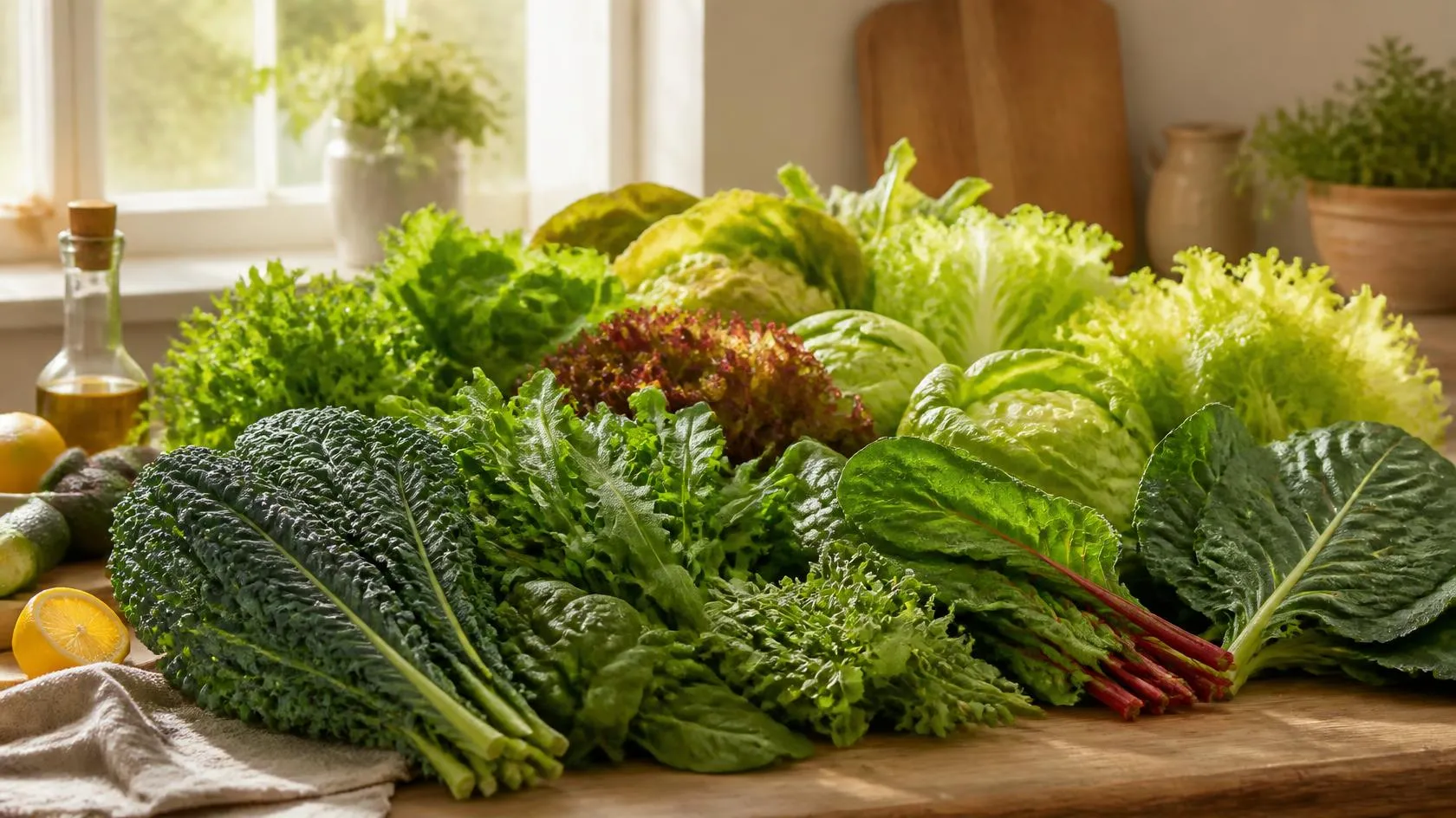
Compare the nutritional value of kale, spinach, romaine, arugula, watercress, cabbage, and other popular salad greens.
Discover the nutritional value of the most popular salad greens. Compare vitamins, minerals, fiber, antioxidants, taste, versatility, and overall health benefits to help you build healthier meals every day.
Quick Answer
Dark leafy greens such as kale, spinach, watercress, and arugula generally provide higher amounts of vitamins, minerals, and beneficial plant compounds than lighter lettuces. However, every salad green contributes valuable nutrients, making variety one of the healthiest approaches.
No single salad green is “perfect.” Nutritional needs vary depending on age, health conditions, dietary preferences, and overall eating patterns. Eating a wide variety of vegetables provides the greatest nutritional diversity.
Why Salad Greens Deserve a Place in Your Diet
Leafy greens are among the most nutrient-dense foods available. They are naturally low in calories while supplying dietary fiber, vitamins, minerals, and antioxidants that support overall health.
Regularly including different greens in salads, sandwiches, wraps, smoothies, soups, and grain bowls can help improve overall diet quality while adding texture and flavor to meals.
Common Nutrients Found in Salad Greens
- Vitamin A
- Vitamin C
- Vitamin K
- Folate
- Potassium
- Magnesium
- Calcium
- Dietary Fiber
Potential Benefits
- Supports a balanced diet
- Low in calories
- Rich in antioxidants
- Adds fiber to meals
- Supports digestive health
- Versatile for everyday cooking
- Naturally hydrating
- Easy to combine with lean proteins
How We Ranked These Salad Greens
Our ranking considers several practical factors rather than focusing on a single nutrient. We evaluated each green based on nutrient density, versatility, taste, fiber content, antioxidant profile, ease of availability, and suitability for everyday meals.
| Ranking Factor | Importance |
|---|---|
| Nutrient Density | ★★★★★ |
| Vitamin Content | ★★★★★ |
| Mineral Content | ★★★★★ |
| Fiber | ★★★★☆ |
| Antioxidants | ★★★★☆ |
| Flavor | ★★★★☆ |
| Versatility | ★★★★☆ |
| Availability | ★★★★☆ |
Instead of eating the same lettuce every day, rotate several different greens throughout the week. Variety increases the range of vitamins, minerals, and plant compounds in your diet.
The Ranking Begins
Starting from number 14, we’ll work our way up to the most nutrient-dense and versatile salad green based on current nutrition evidence and everyday practicality.
#14 Iceberg Lettuce
Iceberg lettuce ranks last in this list because it contains fewer vitamins and minerals than darker leafy greens. However, it is still a fresh, low-calorie vegetable that contributes hydration and crunch to meals.
Pros
- Very low in calories
- High water content
- Crisp texture
- Budget friendly
- Widely available
Cons
- Lower nutrient density
- Less fiber than darker greens
- Lower vitamin content
- Milder flavor
- Limited antioxidants
Best For: Burgers, wraps, tacos, sandwiches, and crunchy salads.
#13 Butterhead Lettuce (Boston & Bibb)
Butterhead lettuce has soft, delicate leaves with a mild buttery flavor. Although more nutritious than iceberg lettuce, it still contains fewer nutrients than darker leafy greens.
Nutrition Highlights
- Vitamin A
- Vitamin K
- Folate
- Potassium
Best Uses
- Fresh salads
- Lettuce wraps
- Sandwiches
- Light side dishes
Soft, tender, buttery, and slightly sweet—ideal for people who prefer delicate greens.
#12 Green Leaf Lettuce
Green leaf lettuce offers more vitamins and antioxidants than iceberg while maintaining a mild flavor that works well in everyday meals.
| Strength | Rating |
|---|---|
| Nutrition | ★★★★☆ |
| Taste | ★★★★☆ |
| Crunch | ★★★☆☆ |
| Versatility | ★★★★★ |
Its loose leaves make it easy to use in sandwiches, salads, burgers, and wraps.
#11 Red Leaf Lettuce
Red leaf lettuce contains many of the same nutrients as green leaf lettuce while also providing colorful natural pigments called anthocyanins that contribute antioxidant activity.
Why Choose It?
- Beautiful color
- Mild flavor
- Good vitamin content
- Rich in plant compounds
- Easy to pair with fruits
Pairs Well With
- Strawberries
- Walnuts
- Goat cheese
- Grilled chicken
- Citrus fruits
The natural red pigments found in many vegetables are associated with antioxidant compounds that contribute to a healthy dietary pattern.
#10 Romaine Lettuce
Romaine lettuce marks the beginning of the higher-ranked greens on this list. Compared with iceberg lettuce, romaine generally provides substantially more vitamin A, vitamin K, folate, and fiber while maintaining an enjoyable crunchy texture.
Why It Ranks Higher
- Higher nutrient density
- Excellent crunch
- Good fiber content
- Widely available
- Works in many recipes
Popular Uses
- Caesar salad
- Grilled lettuce
- Wraps
- Sandwiches
- Meal-prep salads
| Category | Score |
|---|---|
| Nutrient Density | ★★★★☆ |
| Fiber | ★★★★☆ |
| Taste | ★★★★★ |
| Versatility | ★★★★★ |
| Overall Value | ★★★★☆ |
If you’re switching from iceberg lettuce to a more nutritious option, romaine is one of the easiest upgrades because it combines excellent texture with significantly greater nutritional value.
#14 Iceberg Lettuce
Iceberg lettuce ranks last in this list because it contains fewer vitamins and minerals than darker leafy greens. However, it is still a fresh, low-calorie vegetable that contributes hydration and crunch to meals.
Pros
- Very low in calories
- High water content
- Crisp texture
- Budget friendly
- Widely available
Cons
- Lower nutrient density
- Less fiber than darker greens
- Lower vitamin content
- Milder flavor
- Limited antioxidants
Best For: Burgers, wraps, tacos, sandwiches, and crunchy salads.
#13 Butterhead Lettuce (Boston & Bibb)
Butterhead lettuce has soft, delicate leaves with a mild buttery flavor. Although more nutritious than iceberg lettuce, it still contains fewer nutrients than darker leafy greens.
Nutrition Highlights
- Vitamin A
- Vitamin K
- Folate
- Potassium
Best Uses
- Fresh salads
- Lettuce wraps
- Sandwiches
- Light side dishes
Soft, tender, buttery, and slightly sweet—ideal for people who prefer delicate greens.
#12 Green Leaf Lettuce
Green leaf lettuce offers more vitamins and antioxidants than iceberg while maintaining a mild flavor that works well in everyday meals.
| Strength | Rating |
|---|---|
| Nutrition | ★★★★☆ |
| Taste | ★★★★☆ |
| Crunch | ★★★☆☆ |
| Versatility | ★★★★★ |
Its loose leaves make it easy to use in sandwiches, salads, burgers, and wraps.
#11 Red Leaf Lettuce
Red leaf lettuce contains many of the same nutrients as green leaf lettuce while also providing colorful natural pigments called anthocyanins that contribute antioxidant activity.
Why Choose It?
- Beautiful color
- Mild flavor
- Good vitamin content
- Rich in plant compounds
- Easy to pair with fruits
Pairs Well With
- Strawberries
- Walnuts
- Goat cheese
- Grilled chicken
- Citrus fruits
The natural red pigments found in many vegetables are associated with antioxidant compounds that contribute to a healthy dietary pattern.
#10 Romaine Lettuce
Romaine lettuce marks the beginning of the higher-ranked greens on this list. Compared with iceberg lettuce, romaine generally provides substantially more vitamin A, vitamin K, folate, and fiber while maintaining an enjoyable crunchy texture.
Why It Ranks Higher
- Higher nutrient density
- Excellent crunch
- Good fiber content
- Widely available
- Works in many recipes
Popular Uses
- Caesar salad
- Grilled lettuce
- Wraps
- Sandwiches
- Meal-prep salads
| Category | Score |
|---|---|
| Nutrient Density | ★★★★☆ |
| Fiber | ★★★★☆ |
| Taste | ★★★★★ |
| Versatility | ★★★★★ |
| Overall Value | ★★★★☆ |
If you’re switching from iceberg lettuce to a more nutritious option, romaine is one of the easiest upgrades because it combines excellent texture with significantly greater nutritional value.
#9 Endive
Endive is a crisp leafy vegetable with a pleasantly bitter flavor. While it may not be as popular as lettuce varieties, it provides dietary fiber, folate, vitamin K, and antioxidants. Its sturdy leaves also make excellent edible cups for appetizers.
Nutrition Highlights
- Good source of folate
- Rich in vitamin K
- Low in calories
- Contains dietary fiber
- Naturally crisp texture
Best Uses
- Fresh salads
- Appetizer cups
- Cheese platters
- Roasted side dishes
- Mediterranean recipes
Slightly bitter with a crunchy texture that pairs well with sweet fruits, citrus, nuts, and creamy dressings.
#8 Escarole
Escarole belongs to the chicory family and offers broader leaves with a milder taste than endive. It can be enjoyed both raw and cooked, making it one of the more versatile leafy vegetables.
| Category | Rating |
|---|---|
| Nutrient Density | ★★★★☆ |
| Fiber | ★★★★☆ |
| Versatility | ★★★★★ |
| Flavor | ★★★★☆ |
Escarole is commonly added to soups, pasta dishes, bean recipes, and hearty winter salads.
#7 Swiss Chard
Swiss chard stands out with its colorful stems and dark green leaves. It provides a wide range of vitamins and minerals while adding vibrant color to meals.
Why It’s Nutritious
- Vitamin A
- Vitamin C
- Vitamin K
- Magnesium
- Potassium
- Iron
Best Ways to Enjoy
- Sauteed
- Soups
- Pasta
- Smoothies
- Grain bowls
- Egg dishes
Both the leaves and colorful stems are edible. The stems usually benefit from slightly longer cooking than the leaves.
#6 Collard Greens
Collard greens are one of the most nutrient-dense leafy vegetables available. They contain impressive amounts of vitamins A, C, and K along with fiber and calcium.
Strengths
- Excellent vitamin K source
- High fiber
- Rich in calcium
- Good vitamin C content
- Very filling
Popular Recipes
- Steamed greens
- Southern-style dishes
- Wraps
- Green smoothies
- Soup recipes
| Nutrition Category | Score |
|---|---|
| Vitamin Content | ★★★★★ |
| Minerals | ★★★★★ |
| Fiber | ★★★★★ |
| Calories | ★★★★★ |
#5 Cabbage
Although many people don’t think of cabbage as a salad green, it deserves a high position thanks to its affordability, versatility, fiber content, and impressive nutritional profile.
Green, red, and Napa cabbage all provide valuable nutrients while remaining one of the most economical vegetables available.
Health Highlights
- Rich in vitamin C
- Good fiber source
- Contains beneficial plant compounds
- Budget friendly
- Stores well
Best Uses
- Coleslaw
- Stir-fries
- Soups
- Fermented foods
- Fresh salads
Red cabbage generally contains more antioxidant pigments than green cabbage, making it an easy way to add both color and nutritional variety to meals.
Halfway Through the Rankings
The remaining four greens are among the most nutrient-dense vegetables available. They provide exceptional amounts of vitamins, minerals, antioxidants, and dietary fiber while remaining versatile enough for salads, smoothies, soups, and cooked dishes.
#4 Arugula
Arugula, also known as rocket, is a peppery leafy green that delivers impressive nutrition despite being very low in calories. Its bold flavor means a small amount can add character to salads, pizzas, sandwiches, pasta dishes, and grain bowls.
Why It Ranks #4
- Rich in vitamin K
- Good source of folate
- Contains vitamin A
- Provides beneficial plant compounds
- Very low in calories
Best Uses
- Fresh salads
- Pizza topping
- Pasta dishes
- Sandwiches
- Grain bowls
Peppery, slightly spicy, and bold. Arugula pairs especially well with citrus fruits, parmesan cheese, olive oil, grilled chicken, and roasted vegetables.
#3 Spinach
Spinach is one of the world’s most popular leafy greens thanks to its exceptional nutritional profile and incredible versatility. It can be enjoyed raw, steamed, sautéed, blended into smoothies, or added to soups and curries.
Nutrition Highlights
- Vitamin A
- Vitamin C
- Vitamin K
- Folate
- Iron
- Magnesium
- Potassium
- Dietary fiber
Best Recipes
- Fresh salads
- Smoothies
- Omelets
- Curries
- Pasta
- Soups
| Category | Rating |
|---|---|
| Nutrient Density | ★★★★★ |
| Versatility | ★★★★★ |
| Availability | ★★★★★ |
| Taste | ★★★★★ |
Raw and cooked spinach each have unique nutritional advantages. Including both in your diet provides variety and different textures.
#2 Watercress
Watercress consistently ranks among the most nutrient-dense vegetables in scientific nutrient-density scoring systems. Despite its small leaves, it provides an impressive concentration of vitamins and minerals.
Why It Nearly Took First Place
- Extremely nutrient dense
- Excellent vitamin K source
- Rich in vitamin C
- Contains antioxidants
- Very low in calories
Best Uses
- Fresh salads
- Sandwiches
- Soups
- Smoothies
- Garnishes
Watercress has been recognized in nutrient-density research as one of the most nutrient-rich vegetables available.
#1 Kale 👑
Kale earns the top position because it combines outstanding nutritional value with versatility, fiber, antioxidants, and everyday practicality. Whether eaten raw, baked, blended, or cooked, kale offers one of the most complete nutritional packages among leafy greens.
Why Kale Is #1
- Outstanding vitamin A content
- Excellent vitamin C source
- Very high vitamin K
- Rich in fiber
- Contains antioxidants
- Good mineral profile
- Extremely versatile
- Supports a balanced diet
Best Ways to Eat Kale
- Kale salads
- Green smoothies
- Soups
- Sautéed dishes
- Kale chips
- Grain bowls
- Pasta
- Egg recipes
| Category | Rating |
|---|---|
| Nutrient Density | ★★★★★ |
| Fiber | ★★★★★ |
| Vitamin Content | ★★★★★ |
| Versatility | ★★★★★ |
| Overall Score | ★★★★★ |
If you regularly eat only one leafy green, consider expanding your choices. Rotating kale, spinach, arugula, watercress, romaine, and cabbage throughout the week provides a broader range of nutrients than relying on a single vegetable.
Comparison of the Top 14 Salad Greens
| Green | Nutrient Density | Fiber | Best For |
|---|---|---|---|
| Kale | ★★★★★ | ★★★★★ | Overall nutrition |
| Watercress | ★★★★★ | ★★★★☆ | Nutrient density |
| Spinach | ★★★★★ | ★★★★☆ | Everyday meals |
| Arugula | ★★★★☆ | ★★★★☆ | Flavor |
| Cabbage | ★★★★☆ | ★★★★★ | Budget meals |
| Collard Greens | ★★★★★ | ★★★★★ | Cooked dishes |
| Swiss Chard | ★★★★★ | ★★★★☆ | Minerals |
| Escarole | ★★★★☆ | ★★★★☆ | Soups |
| Endive | ★★★★☆ | ★★★★☆ | Appetizers |
| Romaine | ★★★★☆ | ★★★★☆ | Classic salads |
Best Salad Greens for Different Goals
Best for Weight Management
- Kale
- Spinach
- Romaine
- Watercress
Best for Smoothies
- Spinach
- Kale
- Swiss Chard
- Collard Greens
Best for Meal Prep
- Romaine
- Cabbage
- Kale
- Collard Greens
Best Flavor
- Arugula
- Butterhead
- Romaine
- Red Leaf Lettuce
Aim to include a variety of colorful vegetables—not just leafy greens—throughout the week. Combining different textures, colors, and flavors helps create satisfying meals while increasing dietary variety.
Myths vs. Facts About Salad Greens
| Myth | Fact |
|---|---|
| Iceberg lettuce has no nutrition. | Iceberg lettuce still provides hydration and some vitamins, although darker greens generally contain higher nutrient levels. |
| You should only eat one type of leafy green. | Eating a variety of greens provides a wider range of vitamins, minerals, fiber, and beneficial plant compounds. |
| Raw greens are always healthier than cooked greens. | Both raw and cooked greens can be nutritious. Cooking may reduce some nutrients while increasing the availability of others. |
| Salads are always low in calories. | Dressings, fried toppings, cheese, and processed meats can significantly increase calories. |
| Leafy greens alone provide complete nutrition. | A balanced diet also includes fruits, whole grains, lean protein, legumes, dairy or alternatives, and healthy fats. |
The healthiest salad isn’t simply the one with the “best” lettuce—it’s the one that includes a variety of colorful vegetables, healthy fats, lean protein, and a balanced dressing.
Frequently Asked Questions
1. Which salad green is the healthiest?
Kale, watercress, and spinach are among the most nutrient-dense leafy greens, but all salad greens can contribute to a healthy diet.
2. Is spinach healthier than kale?
Both are highly nutritious. Kale generally contains more vitamin C, while spinach provides valuable folate, iron, and magnesium.
3. Is iceberg lettuce unhealthy?
No. Iceberg lettuce is low in calories and hydrating, although darker greens typically provide more vitamins and minerals.
4. Which greens are best for salads?
Romaine, spinach, kale, arugula, butterhead, and mixed greens are all excellent choices depending on taste and texture preferences.
5. Which leafy greens contain the most fiber?
Kale, collard greens, cabbage, and spinach are among the higher-fiber options.
6. Can I eat salad every day?
Yes. Daily salads can be part of a balanced eating pattern when combined with a variety of nutritious foods.
7. Should leafy greens be eaten raw or cooked?
Both methods have benefits. Including a mix of raw and cooked greens provides variety and different textures.
8. What protein pairs well with salads?
Grilled chicken, fish, eggs, tofu, beans, lentils, chickpeas, and nuts are nutritious additions.
9. Which salad greens are best for smoothies?
Spinach and kale are popular because they blend easily while adding vitamins and minerals.
10. How should salad greens be stored?
Store washed and dried greens in the refrigerator using an airtight container or produce bag to help maintain freshness.
Build Better Salads Every Day
Choosing a variety of leafy greens is one of the simplest ways to increase the nutritional value of your meals. Rotate different greens throughout the week, add colorful vegetables, lean protein, healthy fats, and whole grains for a balanced plate.
Healthy eating doesn’t require complicated recipes—small, consistent improvements often make the biggest differ Explore More Healthy Nutrition Guides →
References
- Harvard T.H. Chan School of Public Health – The Nutrition Source
- U.S. Department of Agriculture (USDA) FoodData Central
- Centers for Disease Control and Prevention (CDC)
- World Health Organization (WHO)
- Academy of Nutrition and Dietetics
- National Institutes of Health (NIH)
This article is intended for educational purposes only and should not replace professional medical or nutritional advice.
About the Author