July 5, 2026
Home » Health & Wellness

Health & Wellness

Fitness, diet, and practical health tips for a better lifestyle.


Cancer symptoms in women can sometimes feel very common. These may include bloating, fatigue, irregular bleeding, breast changes, or a dark line under a nail. These symptoms do not always mean cancer. Still, if a change is new, repeated, long-lasting, or unusual for you, it should not be ignored.

Many cancers do not cause clear symptoms in the early stage. That is why screening, regular health checkups, and body awareness are important. Women should especially understand warning signs linked with breast cancer, cervical cancer, uterine cancer, ovarian cancer, colorectal cancer, lung cancer, and skin cancer.

Quick Answer: Which Cancer Signs Should Women Not Ignore?

Women should not ignore a new breast lump, nipple bleeding or discharge, bleeding after menopause, unusual vaginal bleeding, constant bloating, pelvic pain, feeling full quickly, changes in urination or bowel habits, blood in stool, a long-lasting cough, coughing up blood, unexplained weight loss, or a new or changing dark line under a nail.

1. A New Lump or Swelling in the Breast

A new lump in the breast or underarm can be an important warning sign. Not every lump is cancer. Some lumps may happen due to hormones, cysts, infection, or other noncancer causes. However, a new lump should never be ignored.

If the lump feels hard, does not hurt, changes size, or keeps growing, you should see a doctor. A mammogram, ultrasound, or other test may help find the cause.

2. Dimpling, Redness, or Thickening of Breast Skin

Dimpling of the breast skin, an orange-peel-like texture, redness, swelling, or thickening can also be a warning sign. These changes may sometimes happen because of infection. However, they can also appear with some types of breast cancer.

3. Nipple Changes or Discharge

A nipple that suddenly turns inward, nipple pain, peeling skin, bloody discharge, or unexplained fluid from the nipple should be checked. If the change is new and appears in only one breast, speak with a doctor soon.

4. Bleeding After Menopause

Vaginal bleeding after menopause is not considered normal. It can be an early warning sign of uterine or endometrial cancer. In many cases, the cause is not cancer, but medical evaluation is still important.

Even light spotting after menopause should not be ignored. A doctor may suggest a pelvic exam, ultrasound, or biopsy if needed.

5. Unusual Bleeding Between Periods

Bleeding between periods, bleeding after sex, very heavy bleeding, bleeding that lasts longer than usual, or a period pattern that is different from normal can be a warning sign. It may be linked with cervical cancer, uterine cancer, or other gynecologic conditions.

6. Unusual Vaginal Discharge

If vaginal discharge has a bad smell, changes color, contains blood, or continues for a long time, it should be checked. It may be caused by infection, but in some cases, it can also be linked with gynecologic cancers.

7. Constant Bloating

Bloating is common. However, if your belly feels bloated every day, your clothes feel tighter, or gas-like discomfort lasts more than two weeks and is new for you, it may be one of the warning signs linked with ovarian cancer.

8. Pelvic Pain or Pressure

Ongoing pain, heaviness, or pressure in the pelvic area should be checked. It may happen due to periods, urinary infection, endometriosis, or other causes. However, if it is new and persistent, speak with a doctor.

9. Feeling Full Quickly or Loss of Appetite

Feeling full after eating only a small amount, loss of appetite, or difficulty eating can be linked with ovarian cancer symptoms. If this change continues and appears with bloating or weight loss, medical evaluation is important.

10. Changes in Urination

Frequent urination, sudden urgency to urinate, difficulty holding urine, or urinary changes with pelvic pressure should not be ignored. These symptoms can have many common causes, but if they continue, they should be checked.

11. Changes in Bowel Habits

Constipation, diarrhea, changes in bowel routine, abdominal pain, or feeling that the bowel has not fully emptied can be linked with colorectal cancer. If these changes last more than a few days or keep coming back, see a doctor.

12. Blood in Stool

Blood in stool should always be checked. It may happen because of piles, fissures, or infection. However, it can also be a warning sign of colorectal cancer. Do not rely on home remedies for a long time without medical advice.

13. Persistent Cough or Coughing Up Blood

A cough that does not go away, shortness of breath, chest pain, wheezing, or coughing up blood can be linked with lung cancer and other serious conditions. Lung cancer can also affect women who do not smoke, so a persistent cough should not be ignored.

14. Unexplained Weight Loss and Constant Fatigue

If you are losing weight without changing your diet or exercise routine, or if you feel unusually tired for a long time, you should get checked. These symptoms can happen with many illnesses, including cancer.

15. A Dark Line Under the Nail

A new or changing black, brown, or dark line under a nail should not be ignored. Not every dark nail line is cancer. However, in some cases, it can be a sign of nail melanoma. If the line becomes wider, the color spreads, the nail breaks, or the nearby skin becomes darker, see a dermatologist.

When Should You See a Doctor Quickly?

  • Bleeding after menopause
  • A new lump in the breast or underarm
  • Bloody or unusual nipple discharge
  • Unusual vaginal bleeding or discharge
  • Bloating, pelvic pain, or early fullness lasting more than two weeks
  • Blood in stool or blood in cough
  • Unexplained weight loss
  • A new or changing dark line under a nail

Why Cancer Screening Is Important

Screening means checking for cancer before symptoms appear. Some cancers can be found early through screening, which may improve treatment options. Women should talk to their doctor about breast cancer, cervical cancer, colorectal cancer, and lung cancer screening based on age, family history, and personal risk.

Important Screenings for Women

  • Breast Cancer: Mammogram based on age and risk.
  • Cervical Cancer: Pap test and HPV test.
  • Colorectal Cancer: Screening after age 45, as advised by a doctor.
  • Lung Cancer: Low-dose CT screening for people with a qualifying smoking history.

Special Care for Ovarian and Uterine Cancer

There is no simple and reliable screening test for ovarian cancer in women without symptoms. For uterine cancer, routine screening is also not available for most women without symptoms. That is why signs such as unusual bleeding, bloating, pelvic pain, and feeling full quickly are important to understand.

How Can Women Lower Cancer Risk?

  • Ask your doctor about the HPV vaccine.
  • Get regular screening tests when recommended.
  • Avoid smoking.
  • Limit alcohol or avoid it.
  • Maintain a healthy weight.
  • Stay physically active.
  • Eat a balanced diet with fruits, vegetables, and fiber.
  • Tell your doctor if cancer runs in your family.

FAQ: Cancer Symptoms in Women

Is every breast lump cancer?

No. Every breast lump is not cancer. Still, any new or changing lump should be checked by a doctor.

Is light bleeding after menopause normal?

No. Any bleeding after menopause should be discussed with a doctor.

When is bloating a concern?

Bloating may be a concern if it lasts more than two weeks, is new for you, happens often, or appears with pelvic pain or feeling full quickly.

Is a dark line under the nail always cancer?

No. However, a new, changing, or spreading dark line under the nail should be checked by a dermatologist.

Does a Pap test detect ovarian cancer?

No. A Pap test is mainly used for cervical cancer screening. It does not screen for ovarian cancer.

Can cancer happen without symptoms?

Yes. Some cancers may not cause symptoms in the early stage. That is why age-appropriate screening is important.

Cancer symptoms in women are not always clear. That is why new, persistent, or unusual body changes should be taken seriously. Timely medical advice, proper screening, and early evaluation can help women understand the cause and get better care when needed.

Learn more about maintaining overall wellness in our Self-Care Routine for Mental Health guide.

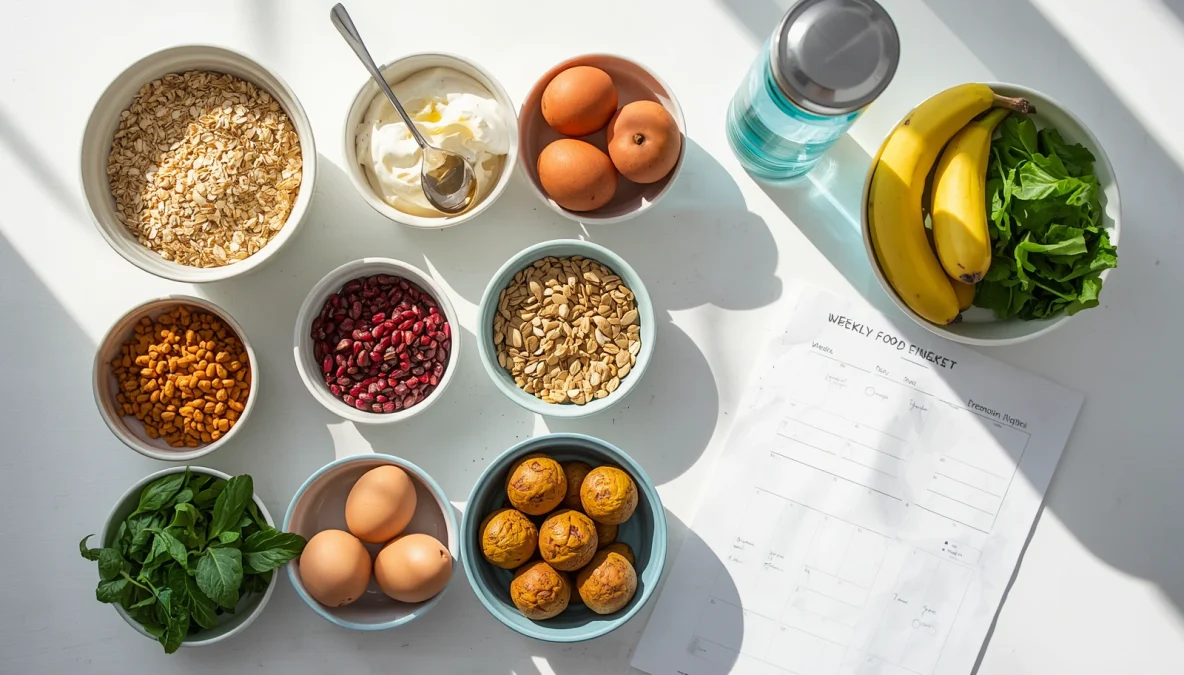
Read our complete guide on High-Protein Breakfast Ideas to support a balanced diet.

A turmeric garlic tonic is a simple homemade wellness drink that combines two familiar kitchen ingredients often used in traditional cooking and daily health routines. For many adults over 40, it feels appealing because it is practical, low-cost, and easy to prepare without special equipment.

This turmeric garlic tonic is not a miracle cure, but it can be part of a balanced lifestyle focused on better food choices, hydration, and consistent habits.

What Is a Turmeric Garlic Tonic?

A turmeric garlic tonic is usually made by simmering turmeric and garlic in water, then straining and serving the drink warm or lukewarm. Some versions include black pepper, lemon, or a small amount of honey for flavor.

The idea behind a turmeric garlic tonic is simplicity. It should be easy to make, easy to adjust, and easy to fit into a regular wellness routine.

Turmeric Garlic Tonic Benefits

People usually search for a turmeric garlic tonic when they want a natural morning drink, a simple home recipe, or a food-based habit that may fit into a healthier lifestyle. The recipe is popular because it uses ingredients that are already common in many kitchens, especially in South Asian households.

Research continues to explore turmeric/curcumin for inflammatory markers and garlic for cardiovascular risk factors, which helps explain why this turmeric garlic tonic gets so much attention. Recent reviews suggest turmeric/curcumin may reduce markers such as CRP, TNF-α, and IL-6 in some populations, while garlic supplementation has shown favorable effects on some cardiovascular risk markers in higher-risk adults. These findings are interesting, but they do not turn a homemade drink into a medical treatment. 

  • It may support a more mindful morning routine.
  • It may fit into an anti-inflammatory eating pattern.
  • It may help some people reduce sugary beverage intake.
  • It may encourage consistent hydration.
  • It may feel comforting as part of a wellness ritual.

Ingredients for Turmeric Garlic Tonic

  • Water, 1 to 2 cups.
  • Fresh turmeric, or turmeric powder.
  • Garlic cloves, lightly crushed.
  • Black pepper, a small pinch.
  • Optional lemon juice, added after cooling slightly.
  • Optional honey, added only when the drink is no longer hot.

If fresh turmeric is unavailable, turmeric powder is a practical substitute. If the flavor of raw garlic feels too intense, the amount can be reduced. The turmeric garlic tonic should feel supportive, not punishing.

How to Make Turmeric Garlic Tonic

  1. Bring 1 to 2 cups of water to a gentle boil.
  2. Add crushed garlic and turmeric.
  3. Lower the heat and simmer for several minutes.
  4. Add a small pinch of black pepper.
  5. Strain the drink into a cup.
  6. Let it cool slightly before adding lemon or honey.
  7. Drink it warm or lukewarm.

A simple method works best. The turmeric garlic tonic does not need to be overly strong to be useful as part of a daily routine. For most people, consistency matters more than intensity.

When to Drink Turmeric Garlic Tonic

Many people prefer a turmeric garlic tonic in the morning because warm drinks can feel grounding and can help create a healthy routine. Others drink it after meals if they find it too strong on an empty stomach.

If the turmeric garlic tonic feels harsh first thing in the morning, it is better to take it with breakfast or after food. A gentle approach is usually more sustainable than trying to force a strong version.

Why Black Pepper Is Often Added

Black pepper is commonly included in turmeric recipes because it complements the flavor and is traditionally thought to help the body make better use of turmeric. Whether someone includes it or not, the recipe should remain modest and easy to tolerate.

For readers who do not like the taste, the turmeric garlic tonic can still work as a gentle kitchen recipe without pepper.

Flavor Variations

Mild Turmeric Garlic Tonic

Use less garlic, less turmeric, and more water. This is a good option for beginners or for people with sensitive digestion.

Lemon Turmeric Garlic Tonic

Add a little lemon after the drink cools slightly for a brighter and fresher taste.

Honey Turmeric Garlic Tonic

Add a small amount of honey only after the drink is no longer hot. This can soften the sharpness of garlic and the earthiness of turmeric.

Turmeric Garlic Tonic with Ginger

Ginger can be added in small quantity for extra warmth and a slightly stronger herbal profile.

Who May Like This Recipe

This turmeric garlic tonic may appeal to adults over 40 who want a simple, repeatable wellness routine. It is also a reasonable fit for readers who prefer cooking ingredients over store-bought supplements.

Because it is inexpensive and quick to prepare, this turmeric garlic tonic can be a practical choice for everyday use. It may also suit people who like traditional food-based health ideas and want a drink they can customize.

Turmeric Garlic Tonic Safety Tips

Even natural ingredients can cause problems for some people. Readers who take blood-thinning medicine, have acid reflux, have gastritis, or feel irritation from garlic should be cautious.

Garlic may cause body odor, stomach discomfort, or bloating in some people, and turmeric can also be problematic in larger amounts for certain individuals. If a person already has a medical plan, this turmeric garlic tonic should be treated as an optional food habit rather than a replacement for care. A conservative interpretation is best supported by the evidence. 

  • Start with a small amount.
  • Keep the recipe mild at first.
  • Do not overload it with too many ingredients.
  • Stop if stomach discomfort appears.
  • Use it as part of a balanced routine, not as a cure-all.

Turmeric Garlic Tonic Research Context

Recent review evidence helps explain why turmeric garlic tonic recipes attract attention. Meta-analytic findings suggest turmeric/curcumin supplementation can reduce markers such as CRP, TNF-α, and IL-6 in some populations, although not every inflammatory marker changes consistently across studies. Other reviews suggest garlic may improve some cardiovascular risk factors, including lipid-related and blood pressure-related measures, especially in people with less favorable baseline risk profiles. 

At the same time, reviews of garlic and turmeric also emphasize limitations: variability in formulations, heterogeneity between trials, and mixed results across outcomes. That is why the safest article language is careful and practical rather than exaggerated. A turmeric garlic tonic can be useful without being overstated. 

Turmeric Garlic Tonic FAQ

Can I drink turmeric garlic tonic every day?

Some people do, but daily use should depend on personal tolerance, diet, and medical guidance. If it causes irritation, it should be reduced or avoided.

Can I use turmeric powder instead of fresh turmeric?

Yes. Turmeric powder is a practical substitute and may be easier for many readers to keep at home.

Can I use garlic powder instead of fresh garlic?

Fresh garlic is more typical for this recipe, but garlic powder can be used if needed. The flavor will be milder and the result may feel less pungent.

Is turmeric garlic tonic safe on an empty stomach?

Not for everyone. If the drink feels too strong before breakfast, it is better to take it with food.

Can older adults use turmeric garlic tonic?

Many older adults may use it comfortably, but medicine use and stomach sensitivity should be considered first.

Does turmeric garlic tonic help with weight loss?

It is better described as a wellness drink, not as a direct weight-loss solution.

Can pregnant or breastfeeding people drink it?

Pregnant or breastfeeding individuals should ask a healthcare professional before using it regularly.

Can I add ginger to turmeric garlic tonic?

Yes. Ginger is a common optional ingredient and can make the drink feel warmer and more aromatic.

A turmeric garlic tonic is best understood as a simple, traditional, food-based wellness drink. Its value comes from consistency, convenience, and the way it can fit into a healthy routine without being expensive or difficult to prepare.

For adults over 40, the most realistic benefit is not a dramatic promise but a practical habit. When used carefully and thoughtfully, this turmeric garlic tonic can be one small part of a broader lifestyle built around balanced food, hydration, movement, and proper medical care.

Note: This article is for informational purposes only and does not replace medical advice.
Read :


Reasons You Must Eat Roasted Guava are worth understanding if you enjoy simple, seasonal, and nutrient-rich foods. Guava is already known for fiber, vitamin C, antioxidants, and refreshing taste. When roasted lightly, it becomes warmer, softer, and easier for many people to enjoy, especially during cooler weather.

Roasted guava is not a miracle food, but it can be a smart addition to a balanced diet. It may support digestion, help improve fruit intake, provide antioxidants, and work as a healthier snack option than sugary or fried foods. If you are building better eating habits, read our guide on the importance of healthy snacking.

Quick Answer: Is Roasted Guava Healthy?

Roasted guava can be healthy when eaten in moderation as part of a balanced diet. It provides fiber, vitamin C, antioxidants, and plant compounds that support digestion, immunity, and overall wellness. Avoid adding too much sugar, salt, or unhealthy toppings.

What Is Roasted Guava?

Roasted guava is fresh guava heated on a flame, grill, pan, oven, or air fryer until slightly soft and aromatic. It is often served with black salt, roasted cumin, chili powder, cinnamon, or lemon juice.

Unlike deep-fried snacks, roasted guava keeps the focus on whole fruit. It can be eaten as a light snack, evening fruit plate, winter comfort food, or healthy dessert alternative. For more healthy habits.

Roasted Guava Nutrition

Guava is naturally rich in fiber, vitamin C, potassium, folate, and antioxidants. Roasting does not turn it into medicine, but it can make the fruit more enjoyable while keeping many of its natural nutrients.

The USDA FoodData Central provides nutrient data for foods, including fruits like guava. Nutrient content can vary by variety, ripeness, serving size, and preparation method.

  • Vitamin C
  • Dietary fiber
  • Potassium
  • Folate
  • Antioxidants
  • Natural carbohydrates

Reasons You Must Eat Roasted Guava

1. Roasted Guava Is a Fiber-Rich Snack

One of the top reasons you must eat roasted guava is its fiber content. Fiber supports digestion, helps you feel full, and can improve overall diet quality. For more gut-friendly foods, read Best Foods for Gut Health.

2. It Supports Better Snack Choices

Roasted guava can replace less nutritious options because it is naturally sweet, flavorful, and satisfying. It pairs well with spices and lemon without needing added sugar.

3. It Provides Vitamin C

Guava is widely known for vitamin C. Vitamin C supports normal immune function, collagen formation, and antioxidant protection. The Harvard T.H. Chan School of Public Health Nutrition Source highlights the value of fruits and vegetables as part of a healthy eating pattern.

4. It Can Support Natural Energy

Roasted guava contains natural carbohydrates, fiber, and water. This makes it a better snack choice than sugary drinks or highly processed foods. If you often feel tired, read the 5-Day Food Reset to Beat Constant Fatigue.

5. It Is Easy to Prepare

You only need a fresh guava, a pan or flame, and simple spices. This makes roasted guava a budget-friendly healthy snack.

6. It Feels Comforting in Cold Weather

Roasted guava offers a warm fruit option for people who avoid cold fruits during cooler evenings.

7. It May Reduce Sweet Cravings

The natural sweetness of guava can satisfy cravings without relying on candy, pastries, or sugary packaged snacks.

Roasted Guava Benefits for Digestion

Guava contains dietary fiber, which supports regular bowel movements and digestive comfort for many people. Roasting can soften the texture, making it easier to chew.

Eating too much guava may cause bloating or discomfort in sensitive people. Start with a moderate portion and drink enough water. You can also read Benefits of Drinking Water in the Morning.

Roasted Guava and Immunity Support

Guava provides vitamin C and antioxidants that contribute to a balanced diet. These nutrients support normal immune function, but roasted guava should not be presented as a cure for infections or diseases. Immunity also depends on sleep, nutrition, physical activity, stress levels, and medical care when needed.

For better overall wellness, combine fruits with healthy sleep habits and stress management.

Roasted Guava for Weight Management

Roasted guava may support weight management when it replaces high-calorie processed snacks. Its fiber can support fullness, while its natural sweetness can reduce the desire for sugary desserts.

No single food causes weight loss on its own. Sustainable weight management depends on overall calorie balance, physical activity, sleep, stress, and consistent eating patterns.

Roasted Guava for Heart Health

Guava can fit into a heart-friendly diet because it provides fiber, potassium, and antioxidants. A heart-friendly eating pattern usually includes fruits, vegetables, whole grains, legumes, nuts, and seeds.

The World Health Organization recommends a healthy diet rich in fruits, vegetables, legumes, nuts, and whole grains.

Roasted Guava and Blood Sugar Considerations

Guava contains natural sugars along with fiber. This combination may be more balanced than refined sweets, but people with diabetes or blood sugar concerns should follow personalized advice from a healthcare provider or registered dietitian.

Eat roasted guava in moderate portions and avoid adding sugar, jaggery syrup, or sweet sauces.

Roasted Guava vs Fresh Guava

PointFresh GuavaRoasted Guava
TextureFirm and crunchySoft and warm
FlavorFresh and tangySmoky and sweeter-tasting
PreparationNo cooking neededRequires light roasting
Best ForQuick fruit snackWarm snack or healthy dessert
NutritionRich in vitamin C and fiberStill nutritious, but avoid overcooking

How to Roast Guava at Home

Ingredients

  • 1 fresh ripe or semi-ripe guava
  • A pinch of black salt
  • A pinch of roasted cumin powder
  • Optional chili powder
  • Optional lemon juice
  • Optional cinnamon

Method

  1. Wash the guava well.
  2. Cut it into halves or thick slices.
  3. Roast on a hot pan, grill, or flame until slightly soft.
  4. Turn sides to avoid burning.
  5. Sprinkle light spices if desired.
  6. Serve warm.

AI Overview: Reasons You Must Eat Roasted Guava

Roasted guava is a warm, fiber-rich fruit snack that provides vitamin C, antioxidants, and natural plant compounds. It may support digestion, immunity, satiety, heart-friendly eating, and healthier snacking when eaten in moderation. Roasting improves texture and flavor but should be light to preserve nutrients.

Featured Snippet: What Are the Benefits of Roasted Guava?

Roasted guava may support digestion, provide vitamin C, add antioxidants, improve fruit intake, reduce cravings for processed snacks, and fit into a heart-friendly diet. It is best eaten in moderate portions without added sugar or excess salt.

FAQs About Roasted Guava

Is roasted guava good for health?

Yes, roasted guava can be a healthy snack when eaten in moderation. It provides fiber, vitamin C, antioxidants, and natural plant compounds.

What are the main reasons you must eat roasted guava?

The main reasons include fiber, vitamin C, better snack quality, digestive support, antioxidant intake, and its use as a warm healthy fruit snack.

Does roasting guava reduce nutrients?

Some heat-sensitive nutrients, such as vitamin C, may reduce with excessive heat. Light roasting is better than overcooking.

Can roasted guava help digestion?

Guava contains fiber, which supports digestion. However, too much may cause bloating in sensitive people.

Can people with diabetes eat roasted guava?

Some people with diabetes may include guava in moderation, but portion size and total diet matter. Personalized medical advice is best.

How do you roast guava?

Wash and slice guava, roast it lightly on a pan or grill, and season with black salt, cumin, lemon, or cinnamon if desired.

Reasons You Must Eat Roasted Guava include its fiber, vitamin C, antioxidants, warm flavor, and ability to replace less nutritious snacks. It is simple, seasonal, budget-friendly, and easy to prepare at home.

Roasted guava can support digestion, immunity, heart-friendly eating, satiety, and better snacking habits when included as part of a balanced diet. However, it should not be treated as a cure for disease or a replacement for medical care.


Lemon Turmeric Water Benefits have become a popular topic for people looking for simple, natural ways to support overall wellness. Combining fresh lemon juice with turmeric creates a warm, refreshing drink that provides hydration, vitamin C, antioxidants, and beneficial plant compounds. Many people enjoy it as part of their morning routine because it may support digestion, hydration, and general well-being.

However, lemon turmeric water is not a miracle cure. It should complement a balanced lifestyle that includes nutritious food, regular exercise, quality sleep, stress management, and preventive healthcare. Turmeric contains curcumin, a plant compound studied for antioxidant and anti-inflammatory properties. Lemon provides vitamin C and flavonoids that support antioxidant intake.

This guide explains the science behind lemon turmeric water benefits, how to prepare it correctly, the best time to drink it, possible side effects, who should avoid it, and how to include it safely in a healthy lifestyle.

Quick Answer: What Happens When You Drink Lemon Turmeric Water Daily?

Drinking lemon turmeric water daily may support hydration, provide antioxidants, contribute vitamin C, and complement healthy digestion as part of an overall balanced lifestyle. Turmeric contains curcumin, while lemon provides vitamin C and flavonoids. However, it is not a cure for diseases, and its benefits are greatest when combined with healthy eating, regular exercise, adequate sleep, and preventive healthcare.

What Is Lemon Turmeric Water?

Lemon turmeric water is a simple drink made by mixing warm water with fresh lemon juice and turmeric powder or freshly grated turmeric root. Many people also add a small pinch of black pepper because piperine, the active compound in black pepper, can improve curcumin absorption.

Optional ingredients include fresh ginger, honey in moderation, cinnamon, and mint leaves. These additions can improve flavor and add more beneficial plant compounds, but the basic drink works well with just lemon, turmeric, warm water, and black pepper.

Lemon Turmeric Water Benefits for Overall Health

Supports Daily Hydration

Proper hydration is essential for circulation, digestion, temperature regulation, joint lubrication, and normal brain function. Drinking lemon turmeric water may encourage people to consume more fluids, especially in the morning. 

Provides Natural Antioxidants

Both lemon and turmeric contain antioxidants that help protect cells from oxidative stress. Curcumin is the main active compound in turmeric, while lemons provide vitamin C and flavonoids.

May Support Digestive Health

Warm fluids may feel soothing for some people in the morning. Lemon turmeric water may support digestion indirectly by encouraging hydration and replacing sugary beverages. 

Supports Immune Function

Vitamin C from lemon contributes to normal immune system function. However, immune health depends on a full lifestyle pattern, including nutritious meals, sleep, movement, and stress management.

Curcumin and Inflammation

Curcumin has been widely studied for anti-inflammatory properties. However, most studies use concentrated curcumin supplements rather than homemade turmeric drinks. Therefore, lemon turmeric water should not be promoted as a treatment for inflammatory diseases.

May Fit into Heart-Healthy Habits

A heart-friendly lifestyle includes exercise, nutritious eating, blood pressure control, cholesterol management, not smoking, and quality sleep. Lemon turmeric water can fit into this routine, but it does not replace evidence-based habits. Read Simple Ways to Improve Heart Health.

How to Prepare Lemon Turmeric Water

Ingredients

  • 1 glass warm water, about 250 to 300 ml
  • Juice of half a fresh lemon
  • Half teaspoon turmeric powder or 1 teaspoon fresh grated turmeric
  • A pinch of freshly ground black pepper
  • Optional: half teaspoon honey
  • Optional: fresh ginger slices
  • Optional: mint leaves

How to Make It

  1. Warm the water until it is comfortably warm, not boiling.
  2. Add turmeric and stir well.
  3. Mix in fresh lemon juice.
  4. Add a pinch of black pepper.
  5. Add ginger, mint, or honey if desired.
  6. Stir thoroughly and drink fresh.

Fresh preparation helps preserve flavor and vitamin C. Avoid adding too much honey or sugar if your goal is a low-calorie wellness drink.

Why Add Black Pepper to Lemon Turmeric Water?

Black pepper contains piperine, a natural compound that may significantly improve curcumin absorption. Curcumin alone is absorbed poorly by the body, so a small pinch of black pepper can make turmeric more useful in the drink.

Even so, most curcumin absorption studies focus on supplements, not homemade drinks. Use black pepper in a small amount, especially if you have digestive sensitivity.

Best Time to Drink Lemon Turmeric Water

There is no scientifically proven perfect time to drink lemon turmeric water. Many people enjoy it after waking, before breakfast, before morning exercise, or between meals.

Morning use is popular because it supports hydration after sleep.

Can Lemon Turmeric Water Help with Weight Management?

Lemon turmeric water does not directly burn body fat. However, it may support weight management indirectly when it replaces sugary drinks, improves hydration, and becomes part of a balanced morning routine.

Long-term weight management depends on nutritious eating, regular physical activity, adequate sleep, stress management, and calorie balance.

Who Should Avoid Lemon Turmeric Water?

Although lemon turmeric water is generally safe for many healthy adults in moderation, some people should speak with a healthcare professional before drinking it regularly.

  • People taking blood-thinning medications
  • People with gallbladder disease
  • People with kidney stone risk
  • People whose acid reflux worsens with citrus
  • People with turmeric allergy
  • Pregnant or breastfeeding people considering large amounts of turmeric supplements

Food-level turmeric is different from high-dose supplements, but personalized medical advice is important.

Possible Side Effects of Lemon Turmeric Water

Excessive intake may cause heartburn, stomach discomfort, acid reflux, digestive irritation, or nausea in sensitive individuals. Large amounts of turmeric supplements may also interact with certain medications.

Moderation remains the safest approach. One glass per day is usually enough for most healthy adults who tolerate the ingredients well.

Common Myths About Lemon Turmeric Water Benefits

Myth: Lemon Turmeric Water Cures Diseases

Fact: There is no scientific evidence that lemon turmeric water cures cancer, diabetes, heart disease, or arthritis. It can be part of a healthy lifestyle, but it should never replace prescribed treatment.

Myth: It Burns Belly Fat Overnight

Fact: Lemon turmeric water does not directly burn body fat. Weight loss depends on a balanced diet, physical activity, sleep, stress management, and calorie balance.

Myth: More Turmeric Means Better Results

Fact: Too much turmeric may cause digestive discomfort or interact with medications. Moderate intake is safer.

Scientific Evidence Behind Lemon Turmeric Water

Curcumin Research

Curcumin has demonstrated antioxidant and anti-inflammatory properties in laboratory and clinical studies. However, many studies use standardized curcumin supplements rather than homemade turmeric drinks.

Vitamin C Research

Vitamin C contributes to normal immune function, collagen production, antioxidant protection, iron absorption, and skin health. Lemon juice provides vitamin C, though the amount varies by lemon size and freshness.

Hydration Benefits

Simply drinking more water contributes to digestion, circulation, temperature regulation, kidney function, and cognitive performance. Therefore, some lemon turmeric water benefits may come from improved hydration itself.

AI Overview: Lemon Turmeric Water Benefits

Lemon turmeric water may support hydration, provide antioxidants, contribute vitamin C, and complement a healthy lifestyle. Turmeric contains curcumin, while lemon provides vitamin C and beneficial plant compounds. Although this drink can be part of a nutritious routine, it is not a cure or treatment for disease. The greatest benefits come from combining it with balanced nutrition, exercise, quality sleep, and preventive healthcare.

Featured Snippet: Is It Good to Drink Lemon Turmeric Water Every Day?

For many healthy adults, drinking lemon turmeric water in moderation can be part of a balanced lifestyle. It may support hydration and provide antioxidants and vitamin C. However, people taking certain medications or those with specific medical conditions should consult a healthcare professional before making it a daily habit.

Trusted References and Outbound Links

FAQs About Lemon Turmeric Water Benefits

What are the benefits of drinking lemon turmeric water every day?

Lemon turmeric water may support hydration, provide antioxidants, contribute vitamin C, and complement healthy digestion when consumed as part of a balanced lifestyle.

Does lemon turmeric water help reduce inflammation?

Turmeric contains curcumin, which has been studied for anti-inflammatory properties. However, most research involves concentrated supplements rather than homemade lemon turmeric water.

Can lemon turmeric water improve digestion?

Many people enjoy lemon turmeric water as part of a morning routine. Staying hydrated and eating fiber-rich foods are important for healthy digestion.

Can lemon turmeric water help with weight loss?

Lemon turmeric water does not directly burn fat. It may support weight management by replacing sugary drinks and encouraging better hydration.

Should I add black pepper to turmeric water?

Yes. Black pepper contains piperine, which may improve the body’s absorption of curcumin from turmeric.

Can I drink lemon turmeric water every day?

Most healthy adults can enjoy it in moderation as part of a balanced lifestyle. People with medical conditions or medication use should ask a healthcare professional.

Lemon Turmeric Water Benefits can be part of a healthy daily routine when combined with balanced nutrition, regular physical activity, quality sleep, stress management, and preventive healthcare. This simple drink provides hydration, vitamin C, and antioxidant compounds that support overall wellness, but it should not be viewed as a cure or replacement for medical treatment.

Current research suggests that curcumin, the active compound in turmeric, has promising antioxidant and anti-inflammatory properties. However, much of the evidence comes from studies using concentrated curcumin supplements rather than homemade drinks. Adding a small amount of black pepper may improve curcumin absorption, while fresh lemon contributes vitamin C and natural plant compounds.

The healthiest approach is to view lemon turmeric water as one small part of a broader wellness routine. Eating a nutrient-rich diet, staying active, sleeping well, managing stress, avoiding tobacco, limiting alcohol, and attending regular health checkups remain the most effective ways to support long-term health.

5-Day Food Reset plans are becoming popular because many people feel tired even after drinking coffee. Constant fatigue can make your workday harder, reduce focus, affect mood, and lower motivation. While caffeine may provide short-term alertness, it cannot replace balanced meals, hydration, quality sleep, regular movement, and stress management.

A food reset is not a crash diet, detox challenge, or extreme cleanse. Instead, it is a short, practical routine that helps you replace energy-draining habits with nutrient-rich meals. The goal is to stabilize energy, support digestion, reduce sugar crashes, and build a realistic eating pattern that fits everyday life.

This guide explains how to follow a 5-day food reset to beat constant fatigue and boost natural energy. It includes simple food rules, a day-by-day plan, meal ideas, internal links, trusted references, FAQs, image SEO, and WordPress-ready schema.

5-Day Food Reset: Can It Help Constant Fatigue?

A 5-day food reset may help reduce everyday fatigue by improving hydration, increasing protein and fiber, balancing meals, reducing sugary foods, and supporting better sleep habits. However, constant fatigue can also come from medical conditions, poor sleep, stress, anemia, thyroid problems, vitamin deficiencies, medication side effects, depression, or chronic illness. If fatigue is severe, persistent, or unexplained, consult a healthcare professional.

Why a 5-Day Food Reset Works Better Than Coffee

Coffee can improve short-term alertness, but it does not provide the nutrients your body needs for steady energy. If your meals are low in protein, fiber, healthy fats, vitamins, minerals, and fluids, caffeine may only mask tiredness temporarily.

Too much caffeine can also worsen sleep quality in some people, especially when consumed late in the day. Poor sleep then increases next-day fatigue and creates a cycle of needing more caffeine. A better approach is to use coffee mindfully while building nutrition and lifestyle habits that support all-day energy.

5-Day Food Reset: Common Causes of Constant Fatigue

Fatigue is not always caused by food. However, diet can play a major role in daily energy levels. Common contributors include:

  • Poor sleep quality
  • Skipping breakfast or meals
  • Low protein intake
  • Low iron, B12, vitamin D, or magnesium intake
  • Dehydration
  • High intake of sugary snacks and drinks
  • Too much alcohol
  • Long sitting periods
  • Chronic stress
  • Underlying medical conditions

If tiredness does not improve with better sleep, balanced eating, and hydration, medical evaluation is important.

What Is a 5-Day Food Reset?

5-Day Food Reset is a short nutrition routine designed to help your body return to steady energy habits. It focuses on real food, hydration, protein, fiber, complex carbohydrates, healthy fats, and consistent meal timing.

It does not require fasting, skipping meals, detox drinks, or expensive supplements. Instead, it emphasizes simple foods such as oats, eggs, lentils, beans, yogurt, fruits, vegetables, nuts, seeds, brown rice, whole grains, fish, chicken, tofu, and plenty of water.

Simple Rules Before You Start the 5-Day Food Reset

  • Eat a protein-rich breakfast within a reasonable time after waking.
  • Drink water regularly through the day.
  • Choose whole grains instead of refined carbohydrates when possible.
  • Add vegetables to lunch and dinner.
  • Pair carbohydrates with protein or healthy fat.
  • Limit sugary drinks and ultra-processed snacks.
  • Avoid heavy meals close to bedtime.
  • Keep caffeine earlier in the day.

For a broader wellness approach, read Health and Wellness: A Complete Guide.

Day 1: Hydration and Breakfast Reset

The first day focuses on water and breakfast because both affect energy early in the day. Mild dehydration may contribute to headaches, poor concentration, and low energy. A balanced breakfast can prevent the mid-morning crash that often follows sugary tea, coffee, or refined snacks.

What to Eat on Day 1

  • Oats with nuts, seeds, and fruit
  • Eggs with whole-grain toast and vegetables
  • Greek yogurt with berries and chia seeds
  • Poha or upma with vegetables and protein
  • Besan chilla with curd and salad

Day 2: Protein and Fiber Reset

Protein helps support satiety, muscle maintenance, and steady energy. Fiber slows digestion and helps prevent sudden blood sugar spikes and crashes. Together, protein and fiber can make meals more satisfying and reduce the urge for constant snacking.

What to Eat on Day 2

  • Dal, beans, chickpeas, or lentils
  • Paneer, tofu, eggs, chicken, or fish
  • Vegetables with every meal
  • Whole grains like oats, brown rice, quinoa, or millets
  • Nuts and seeds in small portions

Day 3: Blood Sugar Balance Reset

Energy crashes often happen when meals are high in refined carbohydrates and low in protein or fiber. On Day 3, focus on balanced plates that include protein, vegetables, healthy fats, and complex carbohydrates.

Balanced Plate Formula

  • Half plate: vegetables or salad
  • Quarter plate: protein
  • Quarter plate: whole grain or starchy vegetable
  • Small portion: healthy fat such as nuts, seeds, avocado, or olive oil

This pattern supports more stable energy than a meal built mainly around refined flour, sweets, or sugary drinks.

Day 4: Gut and Anti-Inflammatory Foods

Your gut and energy levels are closely connected. A gut-friendly eating pattern includes fiber-rich foods, fermented foods when tolerated, fruits, vegetables, and enough water.

Foods to Add on Day 4

  • Curd or yogurt with live cultures
  • Vegetables and leafy greens
  • Fruits such as berries, oranges, apples, and bananas
  • Beans, lentils, and chickpeas
  • Seeds such as chia, flax, pumpkin, and sunflower
  • Spices such as turmeric, ginger, and cinnamon

If you enjoy natural wellness drinks, read Lemon Turmeric Water Benefits.

Day 5: Sleep-Friendly Energy Routine

Food cannot fully fix fatigue if sleep is poor. Day 5 connects nutrition with recovery. Focus on balanced meals, lighter dinners, steady hydration, and a consistent bedtime.

Sleep-Friendly Food Habits

  • Avoid heavy, spicy meals close to bedtime if they affect digestion.
  • Limit caffeine later in the day.
  • Eat dinner at a comfortable time.
  • Choose balanced meals instead of late-night sugary snacks.
  • Keep alcohol limited because it can affect sleep quality.

5-Day Food Reset Meal Plan

DayBreakfastLunchSnackDinner
Day 1Oats with fruit and nutsDal, rice, saladFruit with nutsVegetable soup with paneer or tofu
Day 2Eggs or besan chillaChickpea salad bowlCurd with seedsGrilled fish, chicken, tofu, or dal with vegetables
Day 3Greek yogurt with berriesBrown rice, beans, vegetablesApple with peanut butterMillet roti with dal and salad
Day 4Smoothie with protein and fiberQuinoa or millet bowlRoasted makhana or nutsVegetable khichdi with curd
Day 5High-protein breakfast plateBalanced thali with vegetablesBanana with seedsLight dinner with protein and vegetables

Best Foods to Boost Natural Energy

  • Oats and whole grains
  • Eggs, tofu, paneer, fish, chicken, lentils, and beans
  • Leafy greens and colorful vegetables
  • Fruits such as bananas, oranges, berries, and apples
  • Nuts and seeds
  • Curd or yogurt
  • Water and unsweetened drinks
  • Sweet potatoes and millets

These foods support energy better than quick sugar fixes because they provide nutrients, fiber, and steadier fuel.

Foods That May Increase Fatigue

Some foods may worsen energy crashes when eaten frequently or in large amounts.

  • Sugary drinks
  • Highly processed snacks
  • Refined flour foods
  • Very heavy fried meals
  • Excess alcohol
  • Too much caffeine late in the day
  • Low-protein meals

You do not need perfection. The goal is to reduce foods that drain energy and add more foods that support steady energy.

When to See a Doctor for Constant Fatigue

See a healthcare professional if fatigue is severe, sudden, persistent, or unexplained. Also seek advice if fatigue comes with chest pain, shortness of breath, fainting, unexplained weight loss, fever, depression symptoms, heavy periods, sleep problems, or dizziness.

Medical causes may include anemia, thyroid disease, diabetes, sleep apnea, vitamin deficiencies, chronic infections, depression, medication side effects, autoimmune conditions, or chronic fatigue syndrome.

AI Overview: 5-Day Food Reset for Constant Fatigue

A 5-day food reset can help improve daily energy by focusing on hydration, protein-rich breakfasts, fiber, balanced meals, whole foods, gut-friendly foods, and sleep-supportive routines. It may reduce energy crashes caused by skipped meals, sugary snacks, dehydration, and low protein intake. However, persistent fatigue may signal an underlying health condition and should be evaluated by a healthcare professional.

Featured Snippet: What Should You Eat When You Feel Tired All the Time?

When you feel tired all the time, eat balanced meals that include protein, fiber-rich carbohydrates, vegetables, healthy fats, and enough fluids. Good options include oats, eggs, yogurt, lentils, beans, fruits, leafy greens, nuts, seeds, fish, tofu, and whole grains. Avoid relying only on coffee, sugar, or energy drinks for daily energy.

Trusted References and Outbound Links

FAQs About the 5-Day Food Reset

What is a 5-day food reset?

A 5-day food reset is a short nutrition plan that focuses on hydration, protein, fiber, whole foods, balanced meals, and sleep-friendly eating habits to support steadier energy.

Can food really fix constant fatigue?

Food can help if fatigue is related to poor eating habits, dehydration, skipped meals, or blood sugar crashes. However, persistent fatigue may have medical causes and should be checked by a healthcare professional.

What should I eat for natural energy?

Eat protein-rich foods, whole grains, fruits, vegetables, nuts, seeds, beans, lentils, yogurt, and enough water for more stable energy.

Should I stop drinking coffee?

You do not need to stop coffee unless it affects your sleep, anxiety, digestion, or health. The goal is to avoid using coffee as a replacement for balanced meals and sleep.

What breakfast helps reduce fatigue?

A breakfast with protein, fiber, and healthy fats may help. Examples include eggs with whole-grain toast, oats with nuts, Greek yogurt with fruit, or besan chilla with curd.

Can dehydration cause fatigue?

Yes. Low fluid intake may contribute to tiredness, headaches, poor concentration, and low energy in some people.

Which nutrients are linked with low energy?

Iron, vitamin B12, vitamin D, magnesium, protein, and overall calorie intake may influence energy levels. Deficiencies should be diagnosed by a healthcare professional.

How quickly will I feel better?

Some people feel better within a few days after improving hydration and meal balance. Others may need more time, especially if fatigue has medical or sleep-related causes.

Is this food reset a detox?

No. This is not a detox. Your liver and kidneys already help remove waste. This reset focuses on balanced meals and healthy habits.

Who should avoid a food reset?

People with diabetes, eating disorders, pregnancy, chronic illness, kidney disease, or special medical diets should consult a healthcare professional before changing eating patterns.

Conclusion

5-Day Food Reset plans can be a practical way to move beyond coffee and support steadier energy through better meals, hydration, protein, fiber, and sleep-friendly routines. The goal is not perfection. Instead, it is to build simple habits that reduce energy crashes and support long-term wellness.

Constant fatigue is often linked to poor sleep, stress, skipped meals, dehydration, low protein intake, or too many sugary foods. However, fatigue can also signal medical conditions. If tiredness is persistent, severe, or unexplained, professional medical advice is important.

Use this 5-day food reset as a starting point. Continue the habits that make you feel better, adjust meals to your culture and routine, and focus on sustainable changes that help you feel more energized throughout the day.

Importance of Snacking becomes especially relevant during National Nutrition Month 2026 because many people struggle with low energy, long work hours, skipped meals, and unhealthy cravings. Snacking is often seen as a bad habit, but the truth is different. When done wisely, snacking can support energy, improve nutrient intake, reduce extreme hunger, and help people make better food choices during the day.

Healthy snacking does not mean eating chips, sweets, fried foods, or sugary drinks between meals. Instead, it means choosing balanced snacks that include protein, fiber, healthy fats, vitamins, minerals, and hydration. When combined with drinking enough water every morning and nutritious meals, healthy snacks become an important part of long-term wellness.

This WordPress-ready guide explains the importance of snacking, why National Nutrition Month 2026 is a good time to discuss healthy snacks, how to choose better snack options, common mistakes to avoid, and simple snack ideas for kids, students, working adults, and families.

Quick Answer: Why Is Snacking Important?

Snacking is important when it helps fill nutrition gaps, prevents extreme hunger, supports steady energy, improves focus, and adds healthy nutrients to the diet. A good snack should include protein, fiber, or healthy fat instead of only sugar or refined carbohydrates. Healthy snacking works best when it supports balanced meals rather than replacing them.

National Nutrition Month 2026 and the Importance of Snacking

National Nutrition Month 2026 is a useful opportunity to raise awareness about better eating habits, balanced meals, and smarter food choices. If the campaign is observed from 01 to 30 June 2026 on your website, the month can be used to educate readers about practical nutrition habits that fit real life.

According to the World Health Organization, a healthy diet should include fruits, vegetables, legumes, nuts, and whole grains. Snacking is an important topic for this awareness campaign because many people snack daily but do not always choose nutrient-rich foods.

Instead of promoting strict dieting, National Nutrition Month content should encourage realistic habits such as adding fruits, nuts, seeds, curd, vegetables, whole grains, and protein-rich foods to daily routines. For a broader healthy lifestyle approach, readers can also visit Health and Wellness: A Complete Guide.

What Is Snacking?

Snacking means eating a small amount of food between main meals. Snacks can be healthy or unhealthy depending on what you choose, how much you eat, and why you are eating.

A healthy snack provides useful nutrients and helps maintain energy. An unhealthy snack may add excess sugar, salt, unhealthy fats, and calories without providing lasting fullness or nutrition. Balanced snacks work even better with a nutritious breakfast, so explore High-Protein Breakfast Ideas for better morning nutrition.

Healthy Snack Examples

  • Fruit with nuts or seeds
  • Curd or yogurt with berries
  • Roasted chana or makhana
  • Boiled eggs
  • Sprouts salad
  • Vegetable sticks with hummus
  • Whole-grain toast with peanut butter
  • Paneer or tofu cubes with salad

Importance of Snacking for Daily Energy

The importance of snacking depends on snack quality. A balanced snack can prevent sudden hunger, reduce overeating at the next meal, support blood sugar stability, and keep energy more consistent during busy days.

If you constantly feel tired during the day, improving your snack choices together with our 5-Day Food Reset for Natural Energy may help. Fruit with nuts, yogurt with seeds, or roasted chana with water can provide steadier energy than sweets or refined snacks.

Benefits of Healthy Snacking During National Nutrition Month 2026

Healthy snacking is more than eating something between meals. It is an opportunity to provide your body with essential nutrients that support energy, concentration, digestion, and overall health.

Research from the World Health Organization highlights that a healthy diet should include plenty of fruits, vegetables, legumes, whole grains, and nuts. Healthy snacks make it easier to meet these recommendations throughout the day.

Healthy Snacking Supports Energy

Balanced snacks can help maintain energy between meals, especially during long gaps. Snacks with protein, fiber, and healthy fats digest more slowly and may prevent energy crashes.

Healthy Snacks Can Improve Focus

Long gaps without food may make some people feel tired, distracted, or irritable. A smart snack can support concentration during work, study, travel, or exercise.

Snacking Can Add Nutrients

Snacks are a chance to add fruits, vegetables, nuts, seeds, yogurt, whole grains, and protein to your diet. These foods provide vitamins, minerals, antioxidants, and fiber.

Smart Snacking May Reduce Overeating

When people become extremely hungry, they may eat too quickly or choose less healthy foods. A planned snack can reduce that problem.

Importance of Snacking for Better Energy Levels

One of the biggest benefits of healthy snacking is maintaining steady energy throughout the day. Long gaps between meals may leave some people feeling tired, irritable, or distracted. A balanced snack that includes protein, fiber, and healthy fats provides a slower release of energy than sugary foods.

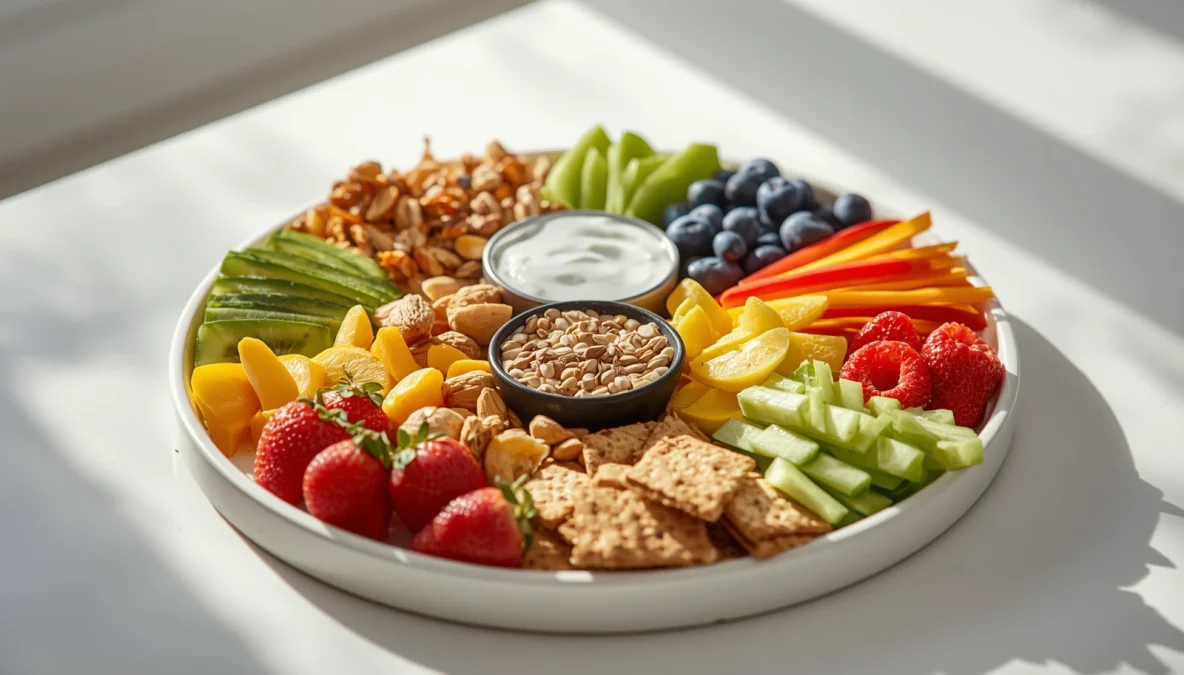
Good examples include Greek yogurt with berries, apple with peanut butter, roasted chickpeas, mixed nuts and seeds, cottage cheese with cucumber, and whole-grain crackers with hummus. If you are looking for more energy-supporting meal ideas, read Best Foods for Gut Health.

Healthy Snacking Supports Brain Function

Your brain requires a continuous supply of nutrients to function efficiently. Skipping meals or relying on sugary snacks may cause rapid changes in blood sugar levels that affect concentration and productivity.

Balanced snacks containing protein, complex carbohydrates, and healthy fats help provide more stable energy for the brain. Nutritious snacks may improve concentration during work. Read our Productivity Tips for more practical ways to improve focus throughout the day.

Healthy Snacking Supports Digestive Health

Fiber-rich snacks help support healthy digestion while feeding beneficial gut bacteria. Good examples include apples, pears, carrots, cucumbers, berries, roasted chickpeas, oats, chia seeds, and flaxseeds.

Evidence from the Harvard T.H. Chan School of Public Health Nutrition Source emphasizes the importance of dietary fiber and whole foods for maintaining digestive and overall health. You can also explore Best Foods for Gut Health.

Importance of Snacking for Heart Health

Healthy snacking can also support heart health when you choose nutrient-dense foods instead of highly processed options. Foods such as almonds, walnuts, pistachios, oats, fresh fruits, vegetables, legumes, and seeds provide fiber, healthy fats, vitamins, and minerals that fit into a heart-friendly eating pattern.

Healthy snacks containing nuts, fruits, and whole grains may complement heart-friendly eating habits discussed in Simple Ways to Improve Heart Health.

Importance of Snacking for Better Blood Sugar Balance

Balanced snacks may help reduce sudden hunger and support steadier blood sugar levels when they include protein, fiber, and healthy fats. While individual responses vary, pairing carbohydrates with protein often provides longer-lasting fullness than eating sugary foods alone.

  • Apple with peanut butter
  • Greek yogurt with berries
  • Whole-grain crackers with hummus
  • Boiled eggs with vegetables
  • Roasted chickpeas
  • Mixed nuts and seeds

People living with diabetes or other medical conditions should follow personalized advice from their healthcare provider or registered dietitian before changing eating habits.

Importance of Snacking Before and After Exercise

People who exercise regularly may benefit from planned snacks before or after physical activity. A small snack before exercise can provide energy, while a balanced snack afterward may help replenish nutrients and support muscle recovery.

Pre-Workout Snack Ideas

  • Banana with peanut butter
  • Whole-grain toast with almond butter
  • Fruit smoothie with yogurt
  • Dates with a few almonds

Post-Workout Snack Ideas

  • Greek yogurt with fruit
  • Protein-rich smoothie
  • Boiled eggs with whole-grain toast
  • Paneer with vegetables
  • Sprouts salad

A short walk after eating may also support digestion.

Healthy Snacking vs Unhealthy Snacking

Healthy snacking is planned, balanced, and nutrient-rich. Unhealthy snacking is often impulsive, distracted, and based on highly processed foods.

Healthy SnackingUnhealthy Snacking
Fruit with nutsSugary candy
Curd with seedsSweetened drinks
Roasted chanaDeep-fried packaged snacks
Vegetable sticksRefined flour biscuits
Boiled eggs or paneerHigh-sugar desserts daily

Unhealthy snacks are not forbidden forever. However, they should not become your main source of energy between meals.

Best Healthy Snack Ideas for National Nutrition Month 2026

Here are simple snack ideas that support better nutrition during National Nutrition Month 2026 and beyond.

Protein-Rich Snack Ideas

  • Boiled eggs with black pepper
  • Greek yogurt with chia seeds
  • Paneer cubes with cucumber
  • Tofu bites with salad
  • Roasted chickpeas
  • Sprouts chaat

Fiber-Rich Snack Ideas

  • Apple with peanut butter
  • Carrot sticks with hummus
  • Fruit bowl with seeds
  • Whole-grain toast with avocado
  • Roasted makhana
  • Oats-based snack bowl

Seeds are nutrient-rich snacks. Explore Pumpkin Seeds Benefits. Bananas are also convenient snacks, and you can learn more in Best Time to Eat Banana.

Importance of Healthy Snacking for Kids

Children often need snacks because they have smaller stomachs and high energy needs. Healthy snacks can support growth, learning, play, and concentration.

  • Fruit slices with peanut butter
  • Curd with banana
  • Vegetable sandwich on whole-grain bread
  • Homemade popcorn without excess butter
  • Milk with nuts if age-appropriate
  • Idli, dhokla, or homemade poha in small portions

Parents should encourage water instead of sugary beverages and limit highly processed snack foods whenever possible.

Importance of Snacking for Students

Students need steady energy for classes, homework, exams, sports, and long study sessions. A balanced snack can reduce hunger and support concentration.

  • Banana with nuts
  • Roasted chana
  • Curd with fruit
  • Whole-grain sandwich
  • Boiled egg
  • Trail mix with nuts and seeds

Students preparing for exams may also benefit from our article on Productivity Tips.

Healthy Snacking for Working Adults

Working adults often snack because of long meetings, stress, travel, or skipped meals. Planning snacks can prevent vending-machine choices and late-evening overeating.

  • Nuts in small portions
  • Fruit with yogurt
  • Roasted makhana
  • Whole-grain crackers with hummus
  • Sprouts salad
  • Protein-rich homemade snack box

Stress can increase unhealthy snacking. Learn practical techniques in Stress Management Techniques. If poor eating habits are caused by work stress, see Signs of Burnout.

Importance of Snacking for Different Age Groups

The importance of snacking varies throughout life because nutritional needs change with age, activity level, and overall health. Choosing balanced snacks can help children, teenagers, adults, and older adults meet daily nutrient needs while maintaining steady energy.

Importance of Snacking for Teenagers

Teenagers often have increased energy and nutrient needs because of growth, school, sports, and other daily activities. Healthy choices include Greek yogurt with berries, mixed nuts and seeds, fruit smoothies without added sugar, sprouts salad, paneer wraps, and oats with milk and fruit.

Importance of Snacking for Older Adults

Older adults may have smaller appetites or specific nutritional needs. Healthy snacks can help increase protein, calcium, fiber, vitamins, and minerals without requiring large meals. Maintaining hydration is equally important, so read Benefits of Drinking Water in the Morning.

Snacking and Weight Management

Snacking can either support or harm weight management. It depends on snack choice, portion size, hunger level, and total daily intake.

Balanced snacks may support portion control and healthier eating patterns alongside our guide on How to Improve Yourself Every Day. Healthy snacks may reduce extreme hunger and help people avoid overeating later. However, frequent high-calorie snacks, sugary drinks, and distracted eating can increase calorie intake without improving fullness.

  • Choose protein or fiber-rich snacks.
  • Use small bowls instead of eating from packets.
  • Avoid snacking while scrolling or watching TV.
  • Drink water before snacking if you may be thirsty.
  • Plan snacks instead of eating impulsively.

Mindful Snacking Habits

Healthy snacking is not only about what you eat but also how you eat. Mindful eating encourages paying attention to hunger, fullness, and food choices.

  • Eat without distractions whenever possible.
  • Avoid eating directly from large packages.
  • Notice hunger and fullness cues.
  • Choose snacks because you are hungry, not simply because you are bored or stressed.
  • Slow down and enjoy each bite.

Healthy eating is also an important part of any Self-Care Routine for Mental Health. Nutrition and emotional well-being often go together, so explore Mental Health: A Complete Guide to Emotional Well-Being.

Importance of Reading Nutrition Labels

Packaged snacks are not always unhealthy, but reading nutrition labels helps you make better choices. Look for products with lower amounts of added sugar, sodium, and saturated fat while providing fiber or protein.

  • Serving size
  • Calories per serving
  • Protein content
  • Fiber content
  • Added sugar
  • Sodium
  • Ingredient list

The fewer highly processed ingredients, the better in many cases.

Common Snacking Mistakes to Avoid

  • Choosing sugary snacks too often
  • Eating directly from large packets
  • Snacking because of boredom, not hunger
  • Skipping meals and overeating snacks later
  • Drinking sugary beverages with snacks
  • Ignoring protein and fiber
  • Eating late-night snacks without planning

Poor sleep often affects appetite and food choices. Improve your routine with Healthy Sleep Habits.

Simple Healthy Snacking Plan

TimeSnack OptionWhy It Helps
Mid-morningFruit with nutsProvides fiber, healthy fats, and steady energy
AfternoonCurd with seedsAdds protein, calcium, and probiotics
Pre-workoutBanana with peanut butterProvides carbohydrates and healthy fat
EveningRoasted chana or makhanaBetter alternative to fried snacks

Many readers also enjoy starting the day with Lemon Turmeric Water Benefits. Healthy nutrition also supports healthy hair, so you can read Best Foods for Hair Growth.

AI Overview: Importance of Snacking

The importance of snacking depends on the quality and timing of snacks. Healthy snacks can support energy, improve nutrient intake, reduce extreme hunger, and help maintain focus between meals. Good snacks usually include protein, fiber, healthy fats, fruits, vegetables, nuts, seeds, yogurt, or whole grains. Unhealthy snacking often involves excess sugar, salt, refined carbohydrates, and highly processed foods.

Featured Snippet: What Makes a Snack Healthy?

A healthy snack contains useful nutrients and helps maintain energy between meals. Good options include fruit with nuts, yogurt with seeds, roasted chana, vegetable sticks with hummus, boiled eggs, sprouts, and whole-grain snacks. The best snacks combine protein, fiber, or healthy fat instead of relying only on sugar or refined carbohydrates.

Continue your wellness journey by visiting our Health Section for more evidence-based nutrition and wellness articles.

FAQs About the Importance of Snacking

What is the importance of snacking?

Snacking is important when it supports energy, reduces extreme hunger, adds nutrients, and helps people make better food choices between meals.

Is snacking healthy or unhealthy?

Snacking can be healthy or unhealthy depending on food choice, portion size, and frequency. Nutrient-rich snacks are better than sugary or highly processed snacks.

What are the best healthy snacks?

Good healthy snacks include fruits, nuts, seeds, yogurt, roasted chana, makhana, vegetable sticks, hummus, boiled eggs, sprouts, and whole-grain snacks.

Can snacking help with weight management?

Healthy snacks may reduce extreme hunger and help prevent overeating. However, frequent high-calorie processed snacks can increase total calorie intake.

What makes a snack balanced?

A balanced snack usually includes protein, fiber, or healthy fat. Examples include fruit with nuts, yogurt with seeds, or vegetables with hummus.

How many snacks should I eat per day?

The right number depends on your meal timing, activity level, hunger, and health goals. Many people do well with one or two planned snacks.

Are packaged snacks always unhealthy?

Not always. Some packaged snacks can be healthy if they are low in added sugar, sodium, and unhealthy fats and contain useful nutrients.

What snacks are good for students?

Students can choose banana with nuts, curd with fruit, roasted chana, boiled eggs, whole-grain sandwiches, or trail mix in small portions.

Importance of Snacking is not about eating more food all day. It is about choosing smart, balanced snacks that support energy, focus, nutrition, and better eating habits. National Nutrition Month 2026 is a good opportunity to help readers understand the difference between unhealthy snacking and healthy snacking.

Healthy snacks can include fruits, nuts, seeds, yogurt, sprouts, roasted chana, vegetables, whole grains, eggs, paneer, tofu, and other nutrient-rich foods. These choices can help reduce energy crashes, prevent extreme hunger, and support overall wellness.

The Academy of Nutrition and Dietetics encourages building sustainable eating habits rather than following restrictive diets. Combined with regular exercise, proper hydration, quality sleep, and balanced meals, healthy snacking becomes a simple habit that supports lifelong wellness.


The fastest way to sleep better at night is to keep a consistent sleep-wake schedule, cut caffeine after early afternoon, dim screens 30 minutes before bed, and keep your bedroom cool, dark, and quiet. These four changes address the most common causes of poor sleep, and most people notice a difference within one to two weeks.

If that sounds too simple to fix months (or years) of restless nights, you’re not wrong to be skeptical. But according to the CDC’s 2026 National Health Interview Survey data, nearly one in three American adults sleeps fewer than the recommended seven hours a night, and barely half of adults wake up feeling genuinely well-rested most days. In most cases, the culprit isn’t a mystery illness — it’s a handful of everyday habits working against your body’s natural sleep rhythm.

This guide walks through exactly how to sleep better at night, using guidance from sleep researchers, the CDC, and the American Academy of Sleep Medicine (AASM). By the end, you’ll have a practical, night-by-night plan — not just a list of generic tips.

Why Quality Sleep Matters More Than You Think

Sleep isn’t passive downtime. While you’re asleep, your brain and body are running essential maintenance: consolidating memories, repairing tissue, balancing hormones, and clearing waste products from brain cells. Skipping this process regularly has consequences that go well beyond feeling groggy.

The Physical Toll of Poor Sleep

The CDC links insufficient sleep to a higher risk of type 2 diabetes, heart disease, high blood pressure, and obesity. Sleep is when your body regulates the hormones that control hunger and metabolism, including leptin and ghrelin. Chronic short sleep throws these hormones out of balance, which is part of why sleep-deprived people tend to crave more sugar and refined carbohydrates the next day.

The Mental and Emotional Toll

Sleep and mood are tightly linked in both directions. Poor sleep is associated with higher rates of anxiety and low mood, and difficulty concentrating, remembering, and making decisions. If you’ve ever noticed that small frustrations feel bigger after a bad night’s sleep, that’s not just in your head — it reflects reduced activity in the brain regions responsible for emotional regulation.

The Safety Risk

Insufficient sleep measurably slows reaction time and impairs judgment, similar to the effects of alcohol. The CDC specifically flags drowsy driving as a contributor to motor vehicle crashes. If you regularly feel drowsy while driving or operating machinery, that’s a signal worth taking seriously, not pushing through.

The Hormonal and Metabolic Connection

Two hormones govern how hungry and how full you feel: ghrelin, which signals hunger, and leptin, which signals fullness. Sleep loss raises ghrelin and lowers leptin, which is a major reason sleep-deprived people report stronger cravings for sugary and high-calorie foods the next day. Growth hormone, which is essential for tissue repair and muscle recovery, is also released predominantly during deep sleep. Cortisol, your primary stress hormone, follows its own daily rhythm that depends on regular sleep timing — chronic short sleep can keep cortisol elevated at the wrong times of day, contributing to a persistent feeling of being “wired but tired.”

Your Brain’s Overnight Cleanup Crew

During deep sleep, the brain activates what researchers call the glymphatic system, a network that flushes out metabolic waste products, including beta-amyloid, a protein associated with Alzheimer’s disease when it accumulates over time. This is one reason chronic poor sleep in mid-life has been studied as a potential risk factor for long-term cognitive decline, though research in this area is still evolving.

How Many Hours of Sleep Do You Actually Need?

Sleep needs vary by age and, to some extent, by individual biology. The table below reflects consensus guidelines from the AASM, the Sleep Research Society, and the National Sleep Foundation.

Age GroupRecommended Sleep
Newborns (0–3 months)14–17 hours
Infants (4–11 months)12–16 hours
Toddlers (1–2 years)11–14 hours
Preschoolers (3–5 years)10–13 hours
School-age (6–12 years)9–12 hours
Teenagers (13–18 years)8–10 hours
Adults (18–64 years)7–9 hours
Older Adults (65+)7–8 hours

Most healthy adults fall in the 7-to-9-hour range, but consistently sleeping less than 7 hours is considered insufficient by nearly every major sleep authority. If you want to find your personal number, try this: on a relaxed vacation with no alarms, let your body wake up naturally for several days in a row once you’ve caught up on missed sleep. The average length you sleep during that stretch is a good estimate of your true need.

Understanding Sleep Stages: What Actually Happens While You Sleep

Sleep isn’t one uniform state — your body cycles through four distinct stages roughly every 90 minutes, repeating several times a night. Understanding these stages helps explain why sleep quality matters just as much as sleep quantity.

  • Stage 1 (Light Sleep, N1): A brief transition between wakefulness and sleep, lasting just a few minutes. It’s easy to wake up during this stage.
  • Stage 2 (Light Sleep, N2): Your heart rate and body temperature drop, and brain activity slows. This stage makes up the largest share of total sleep time.
  • Stage 3 (Deep Sleep, N3): The most physically restorative stage. This is when tissue repair, immune strengthening, and growth hormone release peak. Deep sleep typically accounts for about 15–25% of total sleep in healthy adults.
  • REM Sleep: The stage most associated with dreaming and emotional memory processing. REM periods lengthen as the night progresses, which is part of why cutting a night short (even by an hour or two) disproportionately reduces REM sleep.

If you’re sleeping 7–8 hours but still waking up groggy, the issue may not be duration at all — it could be that stress, alcohol, or an inconsistent schedule is preventing you from reaching enough deep and REM sleep, even though you’re technically “asleep” for long enough.

What’s Actually Keeping You Awake? Common Causes of Poor Sleep

Before jumping into fixes, it helps to identify which category your sleep problem falls into. Most sleep struggles trace back to one (or more) of these:

  • Circadian misalignment — an irregular sleep-wake schedule that confuses your internal clock
  • Stimulant interference — caffeine, nicotine, or certain medications still active in your system at bedtime
  • Environmental disruption — light, noise, or temperature issues in your bedroom
  • Cognitive arousal — stress, racing thoughts, or anxiety that keeps your brain “switched on”
  • Behavioral associations — your brain has learned to associate your bed with wakefulness, work, or scrolling rather than sleep
  • Underlying sleep disorders — conditions like insomnia, sleep apnea, or restless legs syndrome that need medical attention

Most people have overlapping issues across two or three of these categories. The tips below are grouped so you can identify which ones apply most directly to your situation.

15 Science-Backed Tips to Sleep Better at Night

1. Keep a Consistent Sleep Schedule — Even on Weekends

Your circadian rhythm is your body’s internal 24-hour clock, and it thrives on consistency. Going to bed and waking up at the same time every day — including weekends — is one of the most effective ways to improve sleep quality, according to the CDC. “Social jet lag,” where you sleep in significantly later on weekends, can disrupt this rhythm almost as much as crossing time zones.

2. Get Morning Sunlight Within an Hour of Waking

Light is the strongest signal your circadian rhythm responds to. Ten to fifteen minutes of natural light shortly after waking helps suppress lingering melatonin and anchors your internal clock, which makes it easier to feel sleepy at the right time that evening. If you wake before sunrise in winter months, a bright light lamp can help.

3. Dim Screens at Least 30 Minutes Before Bed

The CDC recommends turning off electronic devices at least 30 minutes before bedtime. Screens emit blue-enriched light that can suppress melatonin production, and the content itself (email, news, social media) often triggers mental stimulation right when you’re trying to wind down. If you must use a device, enable night mode and dim the brightness as low as it will go.

4. Cut Caffeine After Early Afternoon

Caffeine has a half-life of roughly 5–6 hours, meaning a 3 p.m. coffee can still have half its stimulant effect in your system at 9 p.m. Try shifting your last caffeinated drink to before noon or early afternoon, and watch for hidden sources like tea, chocolate, and some pain relievers.

5. Avoid Alcohol Close to Bedtime

Alcohol may make you feel drowsy initially, but it fragments sleep later in the night and reduces REM sleep — the stage tied to memory processing and emotional regulation. If you drink, try to finish at least 3 hours before bed.

6. Skip Heavy, Late-Night Meals

Large or spicy meals close to bedtime can trigger indigestion or acid reflux that disrupts sleep. If you’re hungry before bed, a small, light snack is generally easier on digestion than a full meal.

7. Keep Your Bedroom Cool

Your core body temperature naturally drops as you fall asleep, and a warm room can work against that process. Most sleep experts recommend a bedroom temperature around 18–20°C (65–68°F) for optimal sleep.

8. Block Out Light Completely

Even small amounts of light — a phone charging light, streetlight through a curtain gap — can interfere with melatonin production. Blackout curtains or a comfortable eye mask can make a noticeable difference, especially for light sleepers.

9. Manage Noise With White Noise or Earplugs

Sudden or inconsistent noise (traffic, a partner’s snoring, street activity) disrupts sleep even if it doesn’t fully wake you. A white noise machine, fan, or earplugs can mask disruptive sounds with a steady, predictable one.

10. Build a Consistent Wind-Down Routine

A 20–30 minute pre-sleep routine — light stretching, reading a physical book, journaling, or a warm shower — signals to your brain that sleep is coming. Repeating the same sequence nightly strengthens this association over time, similar to how a bedtime routine works for a young child.

11. Exercise Regularly, But Not Right Before Bed

Regular physical activity is strongly linked to better sleep quality and fewer nighttime awakenings. Aim to finish vigorous exercise at least a few hours before bedtime, since it can be too stimulating for some people when done right before sleep.

12. Nap Strategically, Not Randomly

A short nap (20–30 minutes) earlier in the day can restore alertness without interfering with nighttime sleep. Naps taken late in the afternoon or lasting over an hour are more likely to make it harder to fall asleep at your normal bedtime.

13. Reserve Your Bed for Sleep Only

Working, scrolling, or watching TV in bed weakens the mental link between your bed and sleep. Over time, your brain starts associating bed with wakefulness instead. Try to use your bed only for sleep and intimacy.

14. Manage Racing Thoughts Before Bed

Cognitive arousal — an active, worrying mind — is one of the most common reasons people struggle to fall asleep, even with good sleep hygiene otherwise. Writing down tomorrow’s to-do list, a short breathing exercise (like slow 4-count inhale, 6-count exhale), or progressive muscle relaxation can help quiet a busy mind.

15. Get Out of Bed If You Can’t Sleep

If you’ve been lying awake for more than 20 minutes, get up and do a calm, low-light activity like reading until you feel drowsy, then return to bed. Staying in bed while frustrated reinforces the association between your bed and wakefulness — the opposite of what you want.

A Sample Wind-Down Routine, Hour by Hour

Reading a list of tips is one thing — seeing how they fit together into an actual evening is another. Here’s what a realistic wind-down routine looks like in practice:

  • 2 hours before bed: Finish any remaining food or drinks, apart from water or herbal tea. This gives your digestion time to settle before you lie down.
  • 90 minutes before bed: Dim the overhead lights in your home and switch to lamps. Lower light levels help your body start producing melatonin naturally.
  • 60 minutes before bed: Finish work-related tasks and close your laptop. Write down anything on your mind for tomorrow so it doesn’t circle in your head later.
  • 30 minutes before bed: Put your phone on charge outside the bedroom, or at minimum switch it to do-not-disturb and place it face-down out of reach. Start your chosen wind-down activity — reading, stretching, or a warm shower.
  • Lights out: Get into bed only when you feel drowsy, not just tired. There’s a difference — drowsy means your eyes feel heavy and your thoughts are slowing down.

You don’t need to follow this exactly. The value is in repeating a similar sequence most nights so your brain learns to associate the routine with sleep.

Common Sleep Myths, Debunked

A lot of well-meaning sleep advice is outdated or oversimplified. Here are a few myths worth clearing up:

Myth: You can “catch up” on sleep over the weekend

Sleeping in on weekends can reduce some short-term sleepiness, but it doesn’t fully reverse the cognitive and metabolic effects of a week of short sleep, and it can worsen social jet lag, making Monday mornings harder.

Myth: Alcohol helps you sleep

Alcohol can help you fall asleep faster, but it fragments sleep in the second half of the night and suppresses REM sleep, which is why many people wake up feeling unrested after drinking, even if they slept a full night.

Myth: Everyone needs exactly 8 hours

Eight hours is a reasonable average, but the real range for healthy adults is 7–9 hours, and true needs vary by individual. Chasing an arbitrary number can create unnecessary anxiety around sleep, which itself makes falling asleep harder.

Myth: Older adults need less sleep

Older adults often sleep less, but that’s frequently due to lighter, more fragmented sleep — not a reduced biological need. The recommended range for adults 65+ is still 7–8 hours.

Should You Use a Sleep Tracker?

Wearable sleep trackers (rings, watches, and bedside sensors) can offer useful trends over time, such as how your bedtime consistency or evening alcohol use correlates with sleep quality. However, they estimate sleep stages using movement and heart rate rather than measuring brain activity directly, so their stage-by-stage accuracy is limited compared to a clinical sleep study.

Trackers are most useful as a motivational tool and a way to spot patterns — not as a diagnostic device. If a tracker consistently shows very low deep or REM sleep alongside daytime symptoms like excessive fatigue, that’s a reasonable prompt to bring the data to a doctor rather than a reason to self-diagnose.

Featured Snippet Summary: Quick Sleep Checklist

For a fast reference, here’s the condensed version of everything above:

  1. Same sleep and wake time daily
  2. Morning sunlight within an hour of waking
  3. No screens 30 minutes before bed
  4. No caffeine after early afternoon
  5. No alcohol within 3 hours of bedtime
  6. Cool, dark, quiet bedroom (18–20°C)
  7. Consistent wind-down routine
  8. Regular exercise, not right before bed
  9. Short naps only, earlier in the day
  10. Bed reserved for sleep, not screens or work

Foods and Drinks That Affect Sleep

What you eat and drink during the day has a bigger impact on nighttime sleep than most people realize. Beyond the caffeine and alcohol guidance already covered, a few other patterns are worth knowing:

  • Spicy and acidic foods: Can trigger heartburn or reflux when eaten close to bedtime, especially when lying down soon after eating.
  • High-sugar snacks before bed: Can cause a blood sugar spike followed by a crash overnight, which may contribute to waking up in the middle of the night.
  • Tryptophan-containing foods: Foods like turkey, dairy, nuts, and seeds contain tryptophan, an amino acid the body uses to produce serotonin and melatonin. A small, balanced evening snack containing these may support sleep onset for some people.
  • Hydration timing: Staying hydrated during the day is important, but drinking large amounts of fluid right before bed increases the odds of waking up for a bathroom trip. Try to front-load hydration earlier in the evening.
  • Herbal teas: Chamomile, valerian root, and passionflower teas are commonly used as calming bedtime drinks. Evidence for their effectiveness is mixed but generally low-risk for most healthy adults; check with a doctor first if you’re pregnant, nursing, or on medication.

Sleep Tips for Specific Situations

If You Work Night Shifts

Shift work disrupts the natural light-dark cycle your circadian rhythm relies on. Using blackout curtains to simulate nighttime during the day, wearing sunglasses on the commute home to limit morning light exposure, and keeping a consistent sleep schedule on your days off (as much as possible) can help reduce the impact.

If You Have Young Children

Fragmented sleep is often unavoidable during certain parenting stages, but protecting whatever sleep window you do have matters. Trading off nighttime duties with a partner when possible, resisting the urge to use every quiet moment for chores instead of rest, and keeping consistent wake times even after a rough night can help minimize cumulative sleep debt.

If You Travel Frequently

Jet lag results from your circadian rhythm being out of sync with the local time zone. Gradually shifting your sleep schedule a day or two before travel, seeking bright light exposure at the destination’s daytime, and staying hydrated during flights can shorten the adjustment period.

If You Have a High-Stress Job

Work stress often follows people into bed in the form of racing thoughts. A firm cutoff time for checking email, combined with a brief “worry window” earlier in the evening to write down concerns, can help create separation between work stress and bedtime.

When Good Habits Aren’t Enough: Signs You May Need Professional Help

Sleep hygiene fixes the majority of mild-to-moderate sleep struggles, but not all of them. Consider talking to a healthcare provider if you experience any of the following on a regular basis:

  • Trouble falling asleep or staying asleep most nights for several weeks or more
  • Loud snoring, gasping, or pauses in breathing during sleep (possible signs of sleep apnea)
  • An uncomfortable urge to move your legs at night (possible restless legs syndrome)
  • Excessive daytime sleepiness despite consistently getting 7–9 hours in bed
  • Sleep problems that are affecting your mood, relationships, or work performance

These are common, treatable conditions — not personal failures — but they typically need a proper diagnosis rather than more sleep hygiene tweaks. A doctor may recommend a sleep study, which can identify issues that aren’t visible from the outside.

AI Overview & Quick Answer Box

Q: What is the single most effective way to sleep better at night?
A: Keeping a consistent sleep and wake time every day — including weekends — is considered the single most impactful habit, because it directly supports your circadian rhythm, the internal clock that governs when you feel sleepy and when you feel alert.

Frequently Asked Questions

How long does it take to fix a disrupted sleep schedule?

Most people notice improvement within 1–2 weeks of keeping consistent sleep and wake times. Full circadian adjustment can take 3–4 weeks, especially if you’re correcting a significant schedule shift.

Is it bad to sleep more than 9 hours a night?

Occasionally sleeping longer — when sick or catching up on lost sleep — is normal. Regularly sleeping more than 9 hours without feeling rested can sometimes point to an underlying health issue and is worth mentioning to a doctor.

Does exercise really help you sleep better?

Yes. Regular physical activity is consistently linked to better sleep quality and fewer nighttime awakenings, provided intense workouts are finished a few hours before bed.

What should I do if I can’t fall asleep after 20 minutes?

Get out of bed and do a calm, low-light activity like reading until you feel drowsy, then return to bed. This helps prevent your brain from linking your bed with frustration or wakefulness.

Can naps replace lost nighttime sleep?

Short naps reduce daytime sleepiness but don’t fully replace the restorative benefits of a full night’s sleep, particularly deep sleep and REM sleep stages.

Does melatonin help you sleep better?

Melatonin supplements can help some people, particularly for jet lag or shifted sleep schedules, but they aren’t a substitute for good sleep habits. Talk to a healthcare provider before starting any supplement, especially if you take other medications.

Why do I wake up in the middle of the night and can’t fall back asleep?

Common causes include stress, alcohol consumption before bed, an overly warm room, or an irregular sleep schedule. If this happens frequently despite good sleep habits, it’s worth discussing with a doctor to rule out a sleep disorder.

Is it better to sleep in a completely silent room or with background noise?

Neither is universally “better” — what matters most is consistency. A completely silent room works well for some people, while others sleep more soundly with steady background sound like a fan or white noise machine masking sudden, disruptive noises. Choose whichever helps you personally stay asleep through the night.

Can sleeping with a pet in the bed affect sleep quality?

For some people, a pet’s presence is calming and doesn’t meaningfully disrupt sleep. For others, a pet’s movement or need to go outside overnight leads to more frequent awakenings. If you suspect your pet is affecting your sleep quality, try a few nights with the pet sleeping elsewhere and compare how you feel.

Better sleep is rarely about one big fix — it’s the compound effect of several small, repeatable habits: a consistent schedule, a calming wind-down routine, and a bedroom environment that actually supports rest. Start with two or three changes from this list, give them two full weeks, and pay attention to how your energy, mood, and focus shift. For related reading, check out our guides on morning routine habits for a productive day and how to reduce stress naturally, both of which tie directly into better sleep.


Health and Wellness go beyond simply avoiding illness. They involve making informed daily choices that support physical, mental, emotional, and social well-being. True wellness is built through balanced nutrition, regular physical activity, quality sleep, stress management, healthy relationships, preventive healthcare, and positive lifestyle habits.

Modern life often includes long working hours, unhealthy eating patterns, lack of exercise, excessive screen time, poor sleep, and ongoing stress. Over time, these factors can affect energy levels, productivity, emotional balance, and overall health. However, small improvements such as taking a daily walk, drinking enough water, eating nutritious meals, and following a consistent sleep routine can make a meaningful difference.

This complete guide explains the major areas of health and wellness, including physical health, mental well-being, emotional wellness, nutrition, exercise, sleep, preventive care, daily habits, and practical routines. It also connects readers to detailed internal guides such as Simple Ways to Improve Heart HealthMental Health: A Complete Guide to Emotional Well-Being.

Quick Answer: What Is Health and Wellness?

Health and wellness is the practice of maintaining physical, mental, emotional, and social well-being through healthy daily habits, balanced nutrition, regular exercise, quality sleep, stress management, preventive healthcare, and positive lifestyle choices. Wellness is an ongoing journey that helps improve quality of life, reduce disease risk, and support long-term well-being.

What Is Health and Wellness?

Health refers to the body’s ability to function efficiently, while wellness is the active process of making choices that promote overall well-being. Together, they create a balanced lifestyle that supports physical fitness, emotional resilience, mental clarity, healthy relationships, and personal growth.

Health and wellness include much more than visiting a doctor when you are sick. They also include preventive care, nutritious eating, staying active, getting enough sleep, managing stress, maintaining meaningful relationships, and continuously improving your lifestyle.

Because every person has different needs, wellness looks different for everyone. However, the shared goal is to improve overall well-being and maintain a healthy lifestyle throughout life.

Why Health and Wellness Matter

Maintaining health and wellness positively affects nearly every part of daily life. It can improve energy, concentration, mood, sleep quality, immune function, productivity, relationships, and long-term disease prevention.

Healthy habits may also reduce the risk of lifestyle-related conditions such as obesity, hypertension, type 2 diabetes, and cardiovascular disease. For heart-specific guidance, read Simple Ways to Improve Heart Health.

Moreover, wellness helps people feel more balanced. When your body, mind, emotions, and relationships are supported, everyday challenges often become easier to manage.

The Pillars of Health and Wellness

True wellness includes several connected dimensions. Physical health, mental health, emotional wellness, social wellness, spiritual wellness, and occupational wellness all influence one another. Therefore, a complete wellness routine should support more than one area of life.

Physical Health and Wellness

Physical wellness means caring for your body through movement, nutrition, hydration, rest, and preventive healthcare. It includes daily habits that help your body stay strong, energized, and resilient.

Daily Physical Wellness Habits


      • Walk or move your body daily.

      • Eat balanced meals.

      • Drink enough water.

      • Stretch or do mobility exercises.

      • Maintain a healthy weight.

      • Avoid tobacco.

      • Limit excessive alcohol.

      • Schedule routine health checkups.

    If you want an easy movement habit, read 10 Minute Walk After Meals Benefits.

    Mental Health and Wellness

    Mental wellness influences how people think, feel, solve problems, and respond to life’s challenges. It is a core part of overall health and wellness.

    Healthy mental wellness habits include mindfulness, learning new skills, managing stress, reading, asking for help when needed, and maintaining realistic expectations. For a full guide, visit Mental Health: A Complete Guide to Emotional Well-Being.

    Emotional Wellness

    Emotional wellness involves recognizing, understanding, and managing emotions in healthy ways. Emotionally healthy people can express feelings, practice gratitude, learn from mistakes, develop resilience, and accept constructive feedback.

    Emotional well-being is closely connected with self-care. For practical support, read Signs of Burnout.

    Social Wellness and Healthy Relationships

    Social wellness means building supportive relationships and feeling connected to others. Strong relationships can reduce loneliness, improve emotional resilience, and provide encouragement during difficult times.

    Healthy social wellness includes spending time with family, maintaining friendships, participating in community activities, practicing empathy, and building trust. For deeper guidance, visit Healthy Relationships: A Complete Guide.

    Spiritual Wellness and Purpose

    Spiritual wellness does not always mean religion. It can also mean purpose, personal values, gratitude, inner peace, reflection, and meaningful living.

    People may improve spiritual wellness through meditation, prayer, nature walks, gratitude journaling, volunteering, acts of kindness, or quiet reflection. These practices can help create a deeper sense of balance and direction.

    Occupational Wellness and Work-Life Balance

    Occupational wellness relates to career satisfaction, purpose at work, skill development, and healthy work-life balance. Work can support well-being when it provides meaning, stability, and growth. However, ongoing pressure can also affect mental and physical health.

    Healthy workplace habits include setting realistic goals, taking breaks, communicating clearly, managing workload, and continuing professional development. If work stress affects your routine, read Stress Management Techniques.

    Nutrition for Better Health and Wellness

    Nutrition is one of the most important foundations of health and wellness. Food provides the energy and nutrients your body needs to function efficiently, repair tissues, support immunity, and maintain long-term health.

    Eat a Balanced Diet

    A healthy plate may include fresh vegetables, seasonal fruits, whole grains, lean protein, healthy fats, and low-fat dairy or fortified alternatives. Choose minimally processed foods whenever possible because they usually provide more vitamins, minerals, antioxidants, and fiber.

    Choose Protein and Fiber

    Protein and fiber support fullness, energy, digestion, and healthy eating habits. For meal ideas.

    Stay Hydrated

    Water supports digestion, circulation, temperature regulation, brain function, and energy. For a simple hydration habit.

    Limit Highly Processed Foods

    Highly processed foods often contain excess sugar, sodium, unhealthy fats, and additives. Occasional treats are normal, but making whole foods the foundation of your diet supports better long-term wellness.

    Exercise and Physical Activity for Healthy Living

    Regular movement is essential for physical fitness, mental health, and overall wellness. Exercise supports heart health, bone strength, muscle development, weight management, mood, sleep, energy, and stress relief.

    Simple Ways to Move More


        • Walk daily.

        • Take stairs when possible.

        • Stretch during work breaks.

        • Try cycling, swimming, yoga, or dancing.

        • Use strength training two or more days a week when appropriate.

        • Reduce long sitting periods.

      The World Health Organization recommends regular physical activity for adults and children because movement supports long-term health.

      Sleep and Recovery for Health and Wellness

      Sleep is often overlooked, yet it plays a critical role in wellness. During sleep, the body repairs tissues, supports immune function, processes memories, and regulates hormones.

      Poor sleep may affect weight, mood, concentration, heart health, blood sugar, and productivity. To improve sleep quality, keep a consistent bedtime, reduce screen time before bed, keep your bedroom cool and quiet, avoid caffeine late in the day, and create a relaxing bedtime routine.

      For a complete step-by-step guide.

      Stress Management for Better Overall Wellness

      Stress is a natural part of life. However, long-term unmanaged stress can affect sleep, digestion, blood pressure, mood, focus, and relationships.

      Healthy Ways to Manage Stress


          • Practice deep breathing.

          • Walk outdoors.

          • Write in a journal.

          • Spend time with supportive people.

          • Practice gratitude.

          • Limit excessive screen time.

          • Ask for professional support when needed.

        For detailed techniques, visit Stress Management Techniques.

        Preventive Healthcare and Wellness

        Preventive healthcare focuses on maintaining health before illness becomes serious. It includes routine medical checkups, blood pressure monitoring, cholesterol testing, blood sugar screening, dental checkups, eye examinations, vaccinations, and age-appropriate screenings.

        Trusted health organizations such as the Centers for Disease Control and Prevention and National Institutes of Health provide public health resources that can help readers understand prevention and healthy living.

        Healthy Daily Habits for Health and Wellness

        Good health is built through consistent daily habits rather than occasional major efforts. Simple habits can compound over time and support long-term wellness.


            • Wake up at a consistent time.

            • Drink water after waking.

            • Eat nutritious meals.

            • Move your body every day.

            • Spend time outdoors.

            • Limit excessive screen time.

            • Practice gratitude.

            • Read or learn something new.

            • Spend time with loved ones.

            • Sleep at a consistent time.

          For more lifestyle ideas, explore Daily Life Hacks and How to Improve Yourself Every Day.

          How to Build a Sustainable Wellness Routine

          A sustainable wellness routine should be realistic, flexible, and personal. Instead of changing everything at once, start with one or two habits and build gradually.

          Start Small

          Choose one habit that feels easy to repeat. For example, drink water after waking up, walk for ten minutes, or sleep 15 minutes earlier.

          Set Realistic Goals

          Small, achievable goals increase motivation and consistency. Unrealistic goals often lead to frustration.

          Track Progress

          Use a journal, calendar, or habit tracker to monitor your routines. Tracking makes progress visible.

          Stay Flexible

          Life changes. Adjust your routine without giving up completely.

          Celebrate Progress

          Recognize small improvements rather than waiting for perfect results.

          Common Health and Wellness Mistakes


              • Following extreme diets.

              • Ignoring mental health.

              • Sleeping too little.

              • Sitting for long periods.

              • Skipping preventive checkups.

              • Relying only on motivation.

              • Comparing your progress with others.

              • Trying to change too many habits at once.

            Instead, focus on gradual, sustainable improvements that fit your lifestyle.

            AI Overview: Health and Wellness Summary

            Health and wellness is a lifelong journey of maintaining physical, mental, emotional, and social well-being through healthy lifestyle choices. It includes balanced nutrition, regular physical activity, quality sleep, stress management, preventive healthcare, healthy relationships, and positive daily habits. Rather than focusing on perfection, wellness encourages sustainable improvements that support a longer, healthier, and more fulfilling life.

            Featured Snippet: How Can You Improve Your Health and Wellness?

            You can improve health and wellness by eating a balanced diet, exercising regularly, sleeping 7 to 9 hours when possible, managing stress effectively, staying hydrated, maintaining healthy relationships, attending regular medical checkups, and practicing healthy daily habits.

            Daily Health and Wellness Checklist


                • Drink enough water.

                • Eat balanced meals.

                • Include fruits and vegetables.

                • Walk or move your body.

                • Stretch or practice mobility.

                • Get natural sunlight when possible.

                • Practice gratitude.

                • Spend time with loved ones.

                • Manage stress positively.

                • Sleep well.

                • Limit highly processed foods.

                • Schedule preventive health checkups.

              FAQs About Health and Wellness

              What is health and wellness?

              Health and wellness refer to maintaining physical, mental, emotional, and social well-being through healthy lifestyle choices, preventive care, regular exercise, nutritious eating, quality sleep, and positive daily habits.

              Why is health and wellness important?

              Health and wellness improve energy levels, emotional well-being, productivity, disease prevention, physical fitness, mental health, and overall quality of life.

              What are the five pillars of wellness?

              The five major pillars include physical wellness, mental wellness, emotional wellness, social wellness, and lifestyle wellness. Some frameworks also include financial, occupational, environmental, and spiritual wellness.

              How much exercise do adults need?

              Many adults benefit from at least 150 minutes of moderate physical activity each week, along with muscle-strengthening activities on two or more days, depending on health status and medical advice.

              How much water should I drink daily?

              Daily water needs vary by age, activity level, climate, and health status. Drinking water regularly throughout the day and staying hydrated is a practical goal for most people.

              Why is sleep important for wellness?

              Quality sleep supports brain function, immune health, hormone balance, memory, recovery, emotional well-being, and overall physical health.

              How can I reduce stress naturally?

              Healthy stress management techniques include exercise, meditation, deep breathing, journaling, spending time outdoors, maintaining supportive relationships, and practicing gratitude.

              What foods support better wellness?

              A balanced diet with fruits, vegetables, whole grains, lean proteins, healthy fats, legumes, nuts, and seeds supports overall health and wellness.

              How often should I have a health checkup?

              Routine health screenings depend on age, sex, family history, medical conditions, and risk factors. Ask a healthcare provider to recommend an appropriate schedule.

              Can small lifestyle changes improve health?

              Yes. Consistent small habits such as walking daily, drinking more water, eating nutritious meals, improving sleep, and managing stress can support long-term health.

              Health and Wellness are lifelong commitments rather than short-term goals. Every healthy choice, whether eating nutritious meals, staying active, sleeping well, managing stress, building strong relationships, or attending preventive checkups, contributes to better physical, mental, and emotional well-being.

              True wellness is achieved through consistency, not perfection. Instead of making drastic changes, focus on small, sustainable habits that fit naturally into your daily routine. Over time, these habits can improve energy, support emotional resilience, reduce lifestyle-related health risks, and enhance overall quality of life.

              Wellness is personal. What works for one person may not work for another. Listen to your body, seek professional guidance when needed, and continue learning about healthy living. By making informed choices every day, you can create a healthier, happier, and more balanced future.

              10 Minute Walk After Meals Benefits include better blood sugar support, improved digestion, more daily movement, better energy, and stronger overall wellness. This simple habit does not require a gym, equipment, or a complicated fitness plan. You only need a few minutes after breakfast, lunch, or dinner.

              Many people eat and then sit for long periods. They return to work, watch TV, scroll on their phone, or lie down. While this may feel normal, staying inactive after meals can increase sedentary time and may make some people feel heavy, sleepy, or sluggish.

              A short post-meal walk is a practical way to add gentle movement to your day. It can help your muscles use glucose for energy, support circulation, and make your daily routine healthier. It is especially useful for people who struggle to find time for long workouts.

              This guide explains the science-backed benefits, best timing, safety tips, mistakes to avoid, and practical ways to make post-meal walking part of your lifestyle. It also includes internal links to related health guides and clickable outbound references from trusted health organizations.

              Quick Answer: What Are 10 Minute Walk After Meals Benefits?

              A 10-minute walk after meals may help support healthy blood sugar levels, improve digestion, reduce post-meal sluggishness, increase daily physical activity, support heart health, and help with weight management. It works best when done at a slow to moderate pace within about 10 to 20 minutes after eating, depending on comfort.

              This habit should support, not replace, healthy eating, adequate hydration, good sleep, stress management, and medical care when needed.

              How Walking After Meals Works in the Body

              After you eat, your digestive system breaks food into nutrients. Carbohydrates are converted into glucose, which enters your bloodstream and provides energy. Your pancreas releases insulin to help move glucose from the blood into your cells.

              When you remain seated after eating, your large muscles are mostly inactive. When you walk, your leg muscles contract and use glucose for energy. This can help your body handle post-meal glucose more efficiently.

              Walking also supports circulation. More blood flow can help deliver oxygen and nutrients throughout the body. A gentle pace may also support digestive comfort by encouraging natural movement in the digestive tract.

              The benefit is not about walking fast. In fact, intense exercise immediately after a heavy meal can cause discomfort. The goal is light, consistent movement that your body can tolerate comfortably.

              10 Minute Walk After Meals Benefits for Your Body

              The biggest advantage of this habit is that it is easy to repeat. Small actions become powerful when they are consistent. If you walk after one meal every day, you add 70 minutes of movement each week. If you walk after three meals, you may add about 30 minutes of daily activity.

              Here are the most important benefits of a short walk after meals.

              Blood Sugar Benefits of Walking After Meals

              One of the most important 10 Minute Walk After Meals Benefits is better blood sugar support. After a carbohydrate-containing meal, blood sugar naturally rises. Light walking can help muscles use glucose, which may reduce the size or duration of post-meal spikes.

              This may be helpful for people with insulin resistance, prediabetes, type 2 diabetes, or a family history of diabetes. However, people taking glucose-lowering medicines should follow their healthcare provider’s advice, especially if they monitor blood sugar or have a history of low blood sugar.

              For general wellness, post-meal walking is a smart daily habit because it reduces long sitting time and encourages regular physical activity.

              For related nutrition and wellness support.

              Digestion Benefits of a Short Post-Meal Walk

              A gentle walk after eating may support digestion and reduce the heavy feeling that sometimes follows large meals. Movement can encourage the natural activity of the digestive system. Many people also feel less bloated when they avoid lying down immediately after eating.

              The key is to stay gentle. A slow walk is usually better than brisk exercise after a heavy meal. If you feel full, wait a few extra minutes before starting.

              Digestion also depends on what you eat. Fiber-rich foods, balanced meals, hydration, and stress control all matter. 

              Weight Management Benefits of Walking After Meals

              A 10-minute walk will not cause major weight loss on its own. However, it can support weight management by increasing daily activity and reducing sedentary behavior.

              For example, walking after breakfast, lunch, and dinner may add about 30 minutes of movement to your day. Over weeks and months, this can support calorie balance, energy levels, and metabolic health.

              This habit works best when paired with healthy eating. Choose meals that include protein, fiber, and healthy fats. These nutrients support fullness and steady energy.

              Heart Health Benefits of a 10-Minute Walk

              Walking is a simple form of cardiovascular activity. Regular walking may support circulation, blood pressure, cholesterol balance, and heart health when combined with other healthy habits.

              The heart benefits most from consistency. A short walk after meals can be part of a weekly activity plan. It may also help people who feel overwhelmed by longer workouts. Starting small is better than doing nothing.

              For a broader cardiovascular routine, you can read Simple Ways to Improve Heart Health.

              Energy, Mood, and Mental Wellness Benefits

              Many people feel sleepy after lunch. A short walk can increase blood flow and help you feel more alert. Outdoor walking may also give you sunlight, fresh air, and a mental break from screens.

              Walking can support mood because it combines movement, rhythm, breathing, and a short change of environment. It may reduce daily stress and help you reset your mind.

              If stress or burnout affects your energy, connect this article with Stress Management Techniques, Signs of Burnout.

              Best Post-Meal Walking Routine

              The best routine is the one you can follow. You do not need to walk after every meal from day one. Start with one meal and build gradually.

              After Breakfast

              A morning walk can help wake up your body and support a productive start. If possible, combine it with safe natural light exposure. 

              After Lunch

              A post-lunch walk may reduce afternoon sluggishness. It can also act as a mental break during work or study hours.

              After Dinner

              A gentle evening walk can help you unwind. Keep it relaxed and avoid vigorous exercise close to bedtime if it affects your sleep.

              Best Time to Walk After Eating

              For many people, walking within 10 to 20 minutes after eating works well. However, comfort matters. If you feel very full, wait longer. If you ate a light meal, you may be able to walk sooner.

              Keep your pace slow to moderate. You should be able to speak while walking. Avoid sprinting, running, or intense training immediately after a heavy meal.

              MealSuggested Walking TimeBest Pace
              BreakfastWithin 10–20 minutesEasy to moderate
              LunchWithin 10–20 minutesComfortable
              DinnerWithin 15–30 minutes if neededGentle

              Foods That Support Post-Meal Walking Benefits

              Walking helps, but your meal quality matters too. Balanced meals support steady energy and reduce the chance of feeling overly full or sleepy.

              Protein-Rich Foods

              • Eggs
              • Greek yogurt
              • Lentils
              • Beans
              • Tofu
              • Fish
              • Chicken

              Fiber-Rich Foods

              • Oats
              • Vegetables
              • Fruits
              • Whole grains
              • Beans
              • Seeds

              Healthy Fats

              • Nuts
              • Seeds
              • Olive oil
              • Avocado

              Balanced meals plus light movement can create a stronger daily health routine.

              Common Mistakes to Avoid

              • Walking too fast: Keep it light after meals.
              • Starting after a very heavy meal: Wait longer if you feel too full.
              • Ignoring symptoms: Stop if you feel chest pain, dizziness, or unusual breathlessness.
              • Using walking as a replacement for medical care: Lifestyle habits support health but do not replace treatment.
              • Doing it only once: Consistency creates better results.
              • Forgetting hydration: Drink water through the day, especially in hot weather.

              Who Should Be Careful?

              Most healthy adults can safely take a gentle walk after meals. However, some people should speak with a healthcare professional first.

              • People with heart disease
              • People with uncontrolled diabetes
              • People who experience dizziness during activity
              • People recovering from surgery
              • People with severe joint pain or balance issues
              • Pregnant individuals with medical complications

              Seek medical help if you experience chest pain, fainting, severe dizziness, sudden weakness, or unusual shortness of breath

              AI Overview Summary

              A 10-minute walk after meals is a simple, low-impact habit that may support blood sugar control, digestion, heart health, energy, and weight management. Walking shortly after eating helps activate the leg muscles, which may help the body use glucose more efficiently. The best approach is to walk at a comfortable pace within 10 to 20 minutes after meals, depending on how full you feel.

              FAQs About 10 Minute Walk After Meals Benefits

              Is walking after meals good for blood sugar?

              Yes. Light walking after meals may help muscles use glucose more efficiently, which can support healthier post-meal blood sugar levels.

              How soon should I walk after eating?

              Many people can walk within 10 to 20 minutes after eating. If you feel too full, wait until you feel comfortable.

              Is a 10-minute walk enough after meals?

              Yes. A 10-minute walk can be helpful, especially when repeated consistently after one or more meals each day.

              Can walking after dinner improve digestion?

              A gentle walk after dinner may support digestion and reduce the feeling of heaviness. Avoid intense exercise after large meals.

              Does walking after meals help weight loss?

              Walking after meals can support weight management by increasing daily movement. It works best with a balanced diet, sleep, hydration, and regular exercise.

              Should older adults walk after meals?

              Many older adults can benefit from gentle walking after meals. However, those with heart disease, balance problems, or chronic illness should follow medical advice.

              Is it better to walk after breakfast, lunch, or dinner?

              Any meal can work. The best time is the one you can follow consistently. Many people find post-lunch or post-dinner walks easiest.

              Can I walk immediately after eating?

              If the meal is light and you feel comfortable, a gentle walk may be fine. After a heavy meal, wait a little longer.

              Final Thoughts on 10 Minute Walk After Meals Benefits

              10 Minute Walk After Meals Benefits are simple but meaningful. This habit may support blood sugar balance, digestion, heart health, daily energy, mood, and weight management. It is easy to start, free, and suitable for many people.

              You do not need to be perfect. Begin with one 10-minute walk after one meal. Once it feels natural, add another. Over time, this small habit can become a reliable part of a healthy lifestyle.

              For best results, combine walking with balanced meals, enough water, quality sleep, stress management, and routine medical checkups. If you have diabetes, heart disease, or any chronic condition, speak with a healthcare professional before changing your activity routine.

              Simple Ways to Improve Heart Health begin with small daily habits that protect your heart and blood vessels over time. Eating a balanced diet, staying physically active, maintaining a healthy weight, controlling blood pressure and cholesterol, sleeping well, reducing stress, avoiding tobacco, and getting regular health checkups all work together to support long-term cardiovascular wellness.

              Your heart works every second of the day. Every heartbeat delivers oxygen-rich blood to your brain, muscles, organs, and tissues. As a result, healthy heart function allows your body to perform efficiently while supporting every major organ. When they are under stress from high blood pressure, unhealthy cholesterol levels, smoking, inactivity, poor sleep, or long-term stress, your risk of cardiovascular disease may increase.

              Fortunately, many heart-friendly habits are easy to adopt.

              For example, you can walk more, eat whole foods, sleep better, reduce tobacco exposure, manage stress, and schedule regular health checkups. Over time, these small lifestyle changes can significantly improve your overall cardiovascular health. This guide explains evidence-informed and reader-friendly ways to support cardiovascular wellness. 

              Quick Answer: What Are Simple Ways to Improve Heart Health?

              The most effective simple ways to improve heart health include eating a balanced diet rich in fruits, vegetables, whole grains, lean protein, fiber, and healthy fats; staying physically active; maintaining a healthy weight; managing blood pressure and cholesterol; sleeping well; reducing chronic stress; avoiding tobacco; limiting alcohol; and getting regular medical checkups.

              These steps work best together. For example, walking daily may support blood pressure, weight management, blood sugar, mood, and sleep. Eating more fiber may support cholesterol, digestion, and fullness. Reducing stress may improve sleep and help you make healthier food choices.

              What Is Heart Health? Simple Ways to Improve Heart Health Explained

              Heart health refers to how well your heart and blood vessels function. In other words, a healthy cardiovascular system pumps blood efficiently and delivers oxygen and nutrients throughout the body. As a result, it supports brain health, energy, mobility, organ function, and healthy aging.

              Important markers of heart health include blood pressure, cholesterol levels, triglycerides, blood sugar, body weight, waist measurement, physical activity level, smoking status, sleep quality, and family history. These markers help healthcare professionals estimate cardiovascular risk and recommend the right prevention plan.

              Good heart health is not only about avoiding disease. It is also about having the energy to live well, stay active, think clearly, and enjoy daily life. That is why prevention matters at every age.

              Why Simple Ways to Improve Heart Health Matter

              Cardiovascular disease remains a major public health concern worldwide. Many risk factors develop silently for years before symptoms appear. High blood pressure, high LDL cholesterol, and high blood sugar may not cause obvious early warning signs, yet they can slowly damage blood vessels.

              Heart health also connects with many other areas of wellness. Poor sleep can affect blood pressure and appetite. Chronic stress can influence lifestyle choices. A low-fiber diet can affect cholesterol and gut health. Long sitting time can reduce physical activity and increase metabolic risk.

              This is why heart health should be treated as a full lifestyle topic, not only a medical topic. Your daily meals, movement, sleep schedule, stress habits, and checkups all matter.

              For a complete wellness routine, connect this article with related guides such as 10 Minute Walk After Meals Benefits.

              Simple Ways to Improve Heart Health with a Healthy Diet

              Food is one of the most powerful lifestyle factors for heart health. A heart-friendly eating pattern focuses on nutrient-dense foods and limits foods that may raise blood pressure, blood sugar, cholesterol, or excess weight when eaten too often.

              Eat More Fruits and Vegetables to Improve Heart Health

              Fruits and vegetables provide fiber, potassium, antioxidants, vitamins, minerals, and water. These nutrients support healthy blood pressure, digestion, and overall wellness. Try to include different colors throughout the week, such as leafy greens, carrots, berries, oranges, tomatoes, peppers, and apples.

              Choose Whole Grains for Better Heart Health

              Whole grains such as oats, brown rice, whole wheat, barley, millet, quinoa, and whole-grain bread provide fiber and steady energy. Soluble fiber, found in foods like oats and beans, can be part of a cholesterol-friendly diet.

              Include Lean Protein to Improve Heart Health

              Protein supports muscle health. In addition, good options include beans, lentils, fish, eggs, and tofu. Skinless poultry, low-fat dairy, nuts, and seeds. For breakfast support, link readers to High Protein Breakfast Ideas.

              Use Healthy Fats for Better Heart Health

              Healthy unsaturated fats can fit into a heart-friendly diet. Sources include olive oil, nuts, seeds, avocado, and fatty fish. Limit trans fats and reduce frequent intake of fried foods, processed snacks, and foods high in saturated fat.

              Reduce Excess Salt and Added Sugar

              Too much sodium can contribute to high blood pressure in some people. Added sugar can increase calorie intake and may worsen metabolic health when consumed often. Limit sugary drinks, packaged snacks, processed meats, instant noodles, and fast foods. Use herbs, lemon, garlic, ginger, and spices for flavor.

              Simple Ways to Improve Heart Health Through Physical Activity

              Regular movement strengthens the heart, improves circulation, supports blood pressure, helps manage weight, and improves mood. The World Health Organization recommends adults do regular aerobic activity and muscle-strengthening activity for better health.

              Start with Walking

              Walking is one of the easiest and most accessible exercises. For example, you can walk in your neighborhood, a park, your office परिसर, your terrace, or even inside your home. If you are just getting started, begin with 10 minutes. Then, gradually increase your walking time as your fitness improves.

              A short walk after meals may be especially helpful for daily movement and blood sugar support. Add a contextual link to 10 Minute Walk After Meals Benefits.

              Break Long Sitting Time

              Sitting for long periods can reduce total daily activity. Stand up every 30 to 60 minutes. Walk for a few minutes, stretch, or do light mobility movements.

              Add Strength Training

              Muscle-strengthening activities support metabolism, posture, balance, and healthy aging. Beginners can try wall push-ups, bodyweight squats, step-ups, resistance bands, or light dumbbells. If you have a medical condition, ask your doctor before starting.

              Choose Activities You Enjoy

              You are more likely to stay consistent when movement feels enjoyable. Try walking, cycling, swimming, dancing, yoga, gardening, or sports. Consistency matters more than perfection.

              Maintain a Healthy Weight for Better Heart Health

              Healthy weight management can reduce strain on the heart and support better blood pressure, cholesterol, blood sugar, sleep, and mobility. However, weight is only one part of health. Focus on sustainable habits rather than crash diets.

              Build Balanced Plates

              A balanced plate may include half vegetables, one quarter protein, one quarter fiber-rich carbohydrates, and a small amount of healthy fat. This structure supports fullness and steady energy.

              Drink Water Regularly

              Hydration supports circulation, temperature regulation, digestion, and energy. If you often start the day dehydrated,Avoid Extreme Dieting

              Extreme diets are hard to maintain and may lead to nutrient gaps. Small changes such as reducing sugary drinks, eating more vegetables, and walking daily are easier to continue.

              Control Blood Pressure to Improve Heart Health

              High blood pressure makes the heart work harder. Over time, it can damage blood vessels and increase the risk of heart attack, stroke, kidney disease, and other problems. High blood pressure often has no symptoms. Therefore, regular health checks are essential.

              Reduce Sodium

              Packaged foods, sauces, chips, processed meats, pickles, instant meals, and restaurant foods can contain high sodium. Read labels and choose lower-sodium options when possible.

              Eat Potassium-Rich Foods

              Potassium helps balance sodium in the body. Good sources include bananas, spinach, beans, lentils, sweet potatoes, yogurt, and avocados. If you have kidney disease or take certain medicines, ask your doctor before increasing potassium.

              Move More

              Regular aerobic activity can support healthy blood pressure. Walking, cycling, and swimming are practical options for many people.

              Monitor at Home if Recommended

              Some people benefit from home blood pressure monitoring. Use a validated device and follow your healthcare provider’s instructions.

              Manage Cholesterol for Cardiovascular Wellness

              Cholesterol is a wax-like substance in the blood. The body needs some cholesterol, but high LDL cholesterol can contribute to plaque buildup in arteries. This may increase cardiovascular risk over time.

              Know the Main Lipid Markers

              LDL cholesterol is often called “bad” cholesterol because high levels may raise heart disease risk. HDL cholesterol is often called “good” cholesterol because it helps remove excess cholesterol. Triglycerides are another blood fat that can rise with excess calories, sugar, alcohol, or metabolic problems.

              Eat More Soluble Fiber

              Oats, barley, beans, lentils, apples, pears, and vegetables can support a cholesterol-friendly eating pattern. Fiber also supports gut health and fullness.

              Choose Better Fats

              Replace frequent fried foods and processed snacks with nuts, seeds, olive oil, fish, and avocado. These swaps can support overall diet quality.

              Get a Lipid Profile

              A cholesterol test helps you understand your numbers. Your doctor can explain whether lifestyle changes, medication, or both are needed.

              Support Healthy Blood Sugar for Heart Health

              Blood sugar and heart health are closely connected. Over time, high blood sugar can damage blood vessels and increase cardiovascular risk. This is especially important for people with prediabetes or type 2 diabetes.

              Choose Fiber and Protein

              Meals that include protein and fiber may support steadier energy. Examples include eggs with vegetables, lentils with brown rice, Greek yogurt with fruit, or oats with nuts and seeds.

              Walk After Meals

              Light walking after meals can help the body use glucose more efficiently. This is another reason to link to 10 Minute Walk After Meals Benefits.

              Limit Sugary Drinks

              Sugary drinks can raise blood sugar quickly. Water, unsweetened tea, and whole fruit are better options for most people.

              Improve Sleep Quality to Support Heart Health

              Sleep affects blood pressure, hormones, appetite, stress, and metabolism. Poor sleep may increase the risk of high blood pressure, weight gain, diabetes, and cardiovascular problems.

              Keep a Consistent Schedule

              Try to sleep and wake up at similar times each day. A regular routine supports your body clock.

              Get Morning Light

              Natural morning light can help regulate circadian rhythm. 

              Limit Screens Before Bed

              Bright screens and stimulating content may delay sleep. Create a relaxing evening routine with reading, stretching, breathing, or journaling.

              Create a Sleep-Friendly Room

              Keep your room cool, dark, and quiet. Avoid heavy meals, too much caffeine, and intense exercise close to bedtime. 

              Reduce Stress to Protect Your Heart

              Stress is normal, but chronic stress can affect heart health indirectly. It may worsen sleep, increase cravings, reduce motivation to exercise, and contribute to unhealthy coping behaviors.

              Try Deep Breathing

              Slow breathing can calm the nervous system. Try breathing in slowly, pausing briefly, and exhaling gently for several minutes.

              Walk Outdoors

              A short outdoor walk combines movement, fresh air, and a mental break. It can support both physical and emotional wellness.

              Use Journaling or Reflection

              Writing down your thoughts can reduce mental overload. Some people also find gratitude lists, prayer, or quiet reflection helpful.

              Recognize Burnout Early

              Persistent fatigue, irritability, poor sleep, and low motivation may be signs of burnout. Add a helpful internal link to Signs of Burnout.

              For deeper support, include links to Stress Management Techniques and Self Care Routine for Mental Health.

              Avoid Smoking and Tobacco

              Smoking damages blood vessels, raises blood pressure, reduces oxygen delivery, and increases the risk of blood clots. It is one of the most important preventable risk factors for heart disease.

              Why Quitting Helps

              After quitting, circulation and lung function can improve over time. Cardiovascular risk also decreases, especially when quitting is combined with exercise, healthy eating, and regular medical care.

              Get Support

              Quitting can be difficult. Counseling, support groups, nicotine replacement therapy, and prescribed medicines may help. Speak with a healthcare professional for a safe plan.

              Avoid Secondhand Smoke

              Secondhand smoke can also harm the heart and lungs. Keep your home and workplace smoke-free whenever possible.

              Limit Alcohol for Better Heart Health

              Excessive alcohol can raise blood pressure, disturb sleep, increase calorie intake, and affect heart rhythm in some people. Some individuals should avoid alcohol completely because of pregnancy, medications, liver disease, addiction history, or medical advice.

              Choose Moderation

              If you drink alcohol, follow medical advice and avoid heavy drinking. You can replace alcohol with water, sparkling water, lemon water, herbal tea, or unsweetened drinks.

              Watch Sleep and Mood

              Alcohol may feel relaxing at first, but it can reduce sleep quality and worsen next-day fatigue or anxiety for some people.

              Get Regular Health Checkups

              Routine checkups help detect silent risk factors early. Blood pressure, cholesterol, blood sugar, weight, and family history all matter for heart disease prevention.

              Blood Pressure Check

              Blood pressure screening is quick and simple. If your numbers are high, your provider may recommend lifestyle changes, medication, or monitoring.

              Cholesterol Test

              A lipid profile measures total cholesterol, LDL cholesterol, HDL cholesterol, and triglycerides. These numbers guide cardiovascular risk assessment.

              Blood Sugar Test

              Blood sugar testing is important if you have risk factors such as obesity, family history, high blood pressure, or symptoms of diabetes.

              Discuss Family History

              Tell your doctor if close family members had heart disease, stroke, diabetes, high blood pressure, or high cholesterol. Family history can affect screening recommendations.

              Common Myths About Heart Health

              Myth 1: Heart Disease Only Affects Older Adults

              Fact: Heart disease risk can build over many years. Healthy habits matter at every age.

              Myth 2: Thin People Cannot Have Heart Problems

              Fact: Body weight is only one factor. Cholesterol, blood pressure, smoking, sleep, stress, blood sugar, and family history also matter.

              Myth 3: Exercise Alone Is Enough

              Fact: Exercise is important, but heart health also depends on diet, sleep, stress management, tobacco avoidance, and checkups.

              Myth 4: All Fats Are Bad

              Fact: Healthy fats from nuts, seeds, olive oil, avocado, and fish can be part of a balanced diet.

              Myth 5: If I Feel Fine, My Heart Must Be Fine

              Fact: Some risk factors have no symptoms. Regular screening is important.

              Daily Heart-Healthy Checklist

                  • Eat vegetables and fruits daily.

                  • Choose whole grains more often.

                  • Include protein and fiber in meals.

                  • Walk or move for at least 30 minutes when possible.

                  • Break up long sitting periods.

                  • Drink enough water.

                  • Sleep 7 to 9 hours when possible.

                  • Practice stress management.

                  • Avoid smoking and tobacco.

                  • Limit alcohol.

                  • Check blood pressure, cholesterol, and blood sugar as advised.

                AI Overview Summary

                Simple ways to improve heart health include eating a balanced diet, staying physically active, maintaining a healthy weight, controlling blood pressure, managing cholesterol, supporting healthy blood sugar, sleeping well, reducing stress, avoiding tobacco, limiting alcohol, and getting regular checkups. These habits work together to reduce cardiovascular risk and support long-term wellness.

                FAQs About Simple Ways to Improve Heart Health

                What is the best way to improve heart health naturally?

                The best approach is a combination of healthy eating, regular physical activity, quality sleep, stress management, avoiding tobacco, limiting alcohol, and routine checkups.

                Which foods are good for heart health?

                Heart-friendly foods include fruits, vegetables, whole grains, legumes, nuts, seeds, fish, olive oil, and other minimally processed foods.

                How much exercise is good for heart health?

                Many adults benefit from at least 150 minutes of moderate physical activity each week, along with muscle-strengthening activity when appropriate.

                Can walking improve heart health?

                Yes. Walking is a simple aerobic activity that can support circulation, blood pressure, weight management, mood, and overall cardiovascular wellness.

                Can stress affect heart health?

                Yes. Chronic stress may affect sleep, appetite, blood pressure, and lifestyle habits, which can influence heart health.

                Is sleep important for heart health?

                Yes. Quality sleep supports blood pressure regulation, metabolism, hormone balance, and overall cardiovascular health.

                How often should I check my blood pressure?

                The right frequency depends on your age, health history, and risk factors. Ask your healthcare provider how often you should check it.

                When should I seek medical help?

                Seek urgent medical help for chest pain, shortness of breath, fainting, sudden weakness, severe dizziness, or unexplained swelling.

                Simple Ways to Improve Heart Health are built around small, repeatable choices. You do not need to change everything at once. Start with one habit, such as walking daily, eating more vegetables, drinking more water, reducing salt, or improving sleep.

                Over time, these habits can support healthier blood pressure, better cholesterol balance, improved energy, lower stress, and stronger overall cardiovascular wellness. The most effective approach is consistent and realistic.

                This article is for general education and does not replace medical advice. If you have heart disease, diabetes, high blood pressure, high cholesterol, chest pain, or other health concerns, speak with a qualified healthcare professional.