Mehak
Mehak 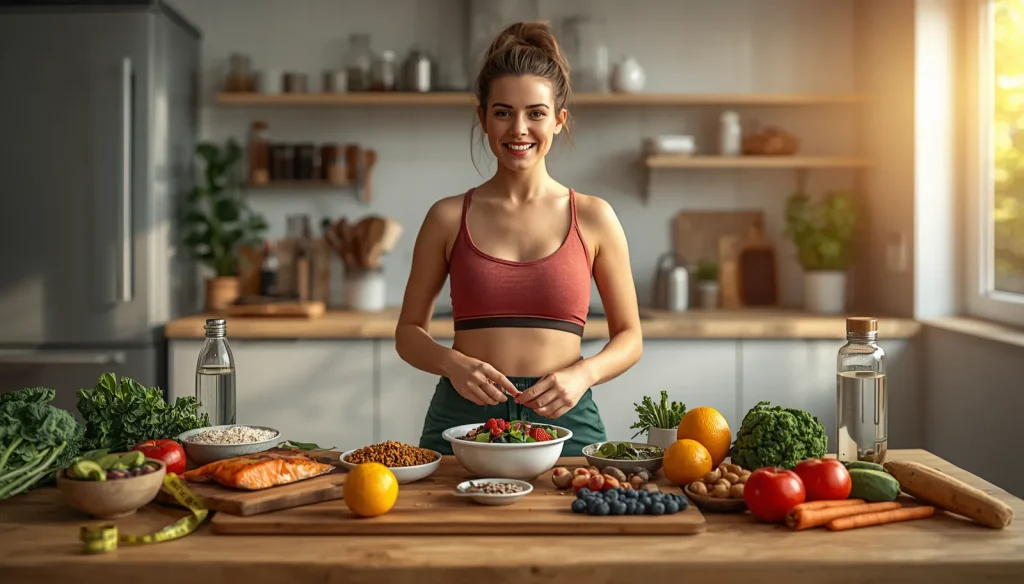
Choosing nutrient-dense foods can help women lose weight while supporting hormones, metabolism, muscle health, and long-term wellness. Discover the best high-protein, high-fiber, and healthy-fat foods that make weight management easier without extreme dieting.
Quick Answer
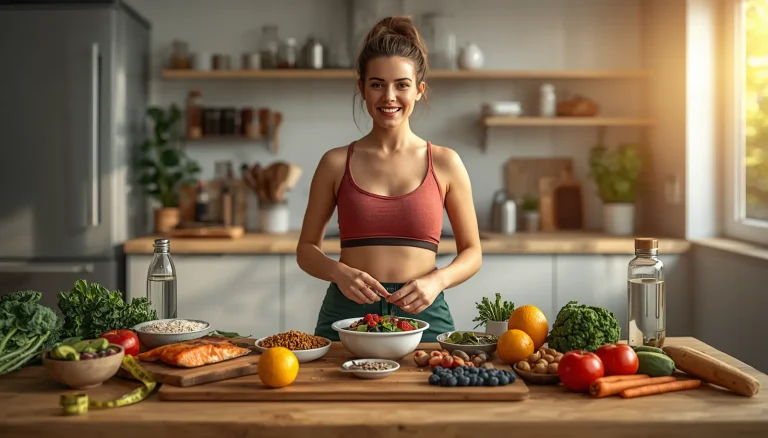
The best foods for women trying to lose weight include lean protein, vegetables, fruits, legumes, whole grains, nuts, seeds, eggs, yogurt, and healthy fats. These foods provide protein, fiber, vitamins, and minerals that help increase fullness, preserve muscle, and support sustainable weight loss when combined with an overall calorie deficit and regular physical activity.
Why Food Choices Matter for Women’s Weight Loss
Women’s nutritional needs change throughout life because of hormones, menstrual cycles, pregnancy, breastfeeding, menopause, activity levels, and aging. Choosing foods rich in protein, fiber, vitamins, and minerals can help support energy, muscle maintenance, appetite control, and overall health while losing weight.
Instead of focusing on eating less, successful weight loss often comes from eating more nutrient-dense foods that naturally increase fullness and reduce excess calorie intake.
Best Foods for Women Weight Loss
Lean Protein
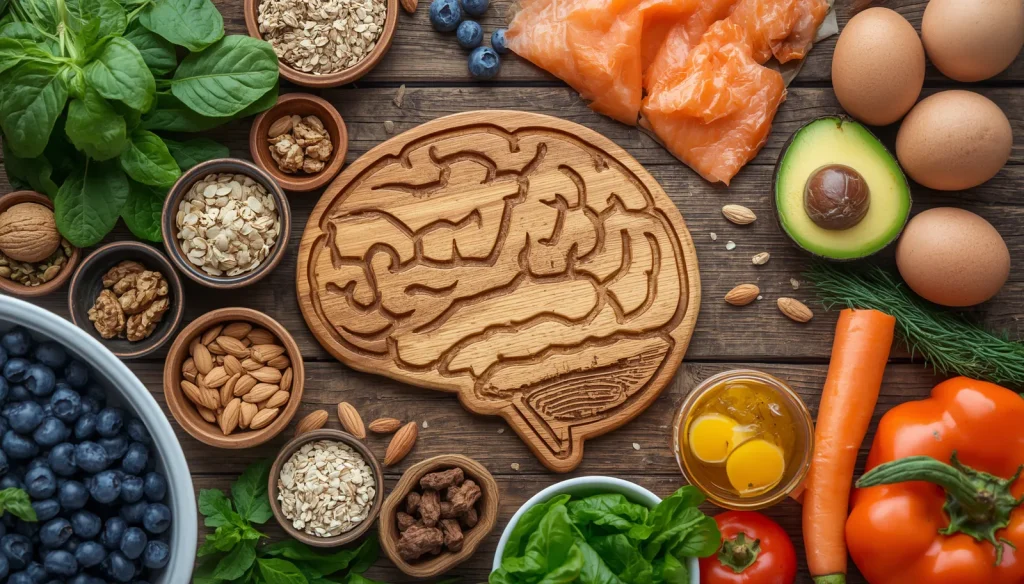
Chicken breast, fish, eggs, tofu, Greek yogurt, cottage cheese, beans, lentils, and soy foods help maintain muscle while promoting fullness.
High-Fiber Vegetables
Broccoli, spinach, cauliflower, cabbage, carrots, cucumber, peppers, and leafy greens provide volume with relatively few calories.
Whole Fruits
Apples, berries, oranges, pears, kiwi, and guava provide fiber and nutrients while helping satisfy sweet cravings.
Whole Grains
Oats, quinoa, brown rice, whole wheat, barley, and millets provide lasting energy and support digestive health.
Healthy Fats
Avocados, olive oil, almonds, walnuts, chia seeds, flaxseeds, and peanuts provide healthy fats that support satiety.
Legumes
Beans, chickpeas, black beans, kidney beans, peas, and lentils provide an excellent combination of protein and fiber.
Why Protein Is Important During Weight Loss
Protein helps preserve lean muscle mass while reducing body fat. Compared with refined carbohydrates, protein-rich meals often increase fullness and may help reduce overall calorie intake throughout the day.
| Protein Food | Main Benefit | Example |
|---|---|---|
| Eggs | High-quality protein | Breakfast |
| Greek Yogurt | Protein + calcium | Snack |
| Chicken Breast | Lean protein | Lunch or dinner |
| Lentils | Protein + fiber | Lunch |
| Fish | Protein + healthy fats | Dinner |
Why Fiber Is Essential for Weight Loss
Fiber slows digestion, helps you feel full for longer, supports healthy digestion, and may reduce unnecessary snacking. Most women benefit from eating a variety of fruits, vegetables, legumes, whole grains, nuts, and seeds to increase daily fiber intake.
Leafy Greens
Spinach, kale, lettuce, fenugreek leaves, and mustard greens are low in calories while providing fiber, vitamins, and minerals.
Cruciferous Vegetables
Broccoli, cauliflower, cabbage, and Brussels sprouts add volume to meals while supporting fullness.
Fruits
Apples, pears, berries, oranges, and guava provide natural sweetness together with fiber and antioxidants.
Whole Grains
Oats, barley, quinoa, brown rice, and millets provide slow-digesting carbohydrates that help maintain energy levels.
Best Indian Foods for Women’s Weight Loss
Traditional Indian foods can fit well into a healthy weight-loss plan when meals emphasize vegetables, legumes, whole grains, and moderate portions.
| Food | Main Nutritional Benefit | Best Meal |
|---|---|---|
| Moong Dal | High protein and fiber | Lunch or dinner |
| Chickpeas (Chana) | Protein and complex carbohydrates | Lunch or salad |
| Rajma | Fiber-rich plant protein | Lunch |
| Oats | Soluble fiber | Breakfast |
| Millets (Bajra, Jowar, Ragi) | Whole grains with fiber | Lunch or dinner |
| Curd (Plain Yogurt) | Protein and calcium | Snack or meal |
| Paneer (Moderate Portions) | Protein | Lunch or dinner |
| Mixed Vegetable Sabzi | High fiber, low calorie | Lunch or dinner |
Best Foods for Women With PCOS
Many women with polycystic ovary syndrome (PCOS) benefit from balanced meals that include lean protein, high-fiber foods, and minimally processed carbohydrates. Individual nutrition needs vary, so personalized guidance from a healthcare professional or registered dietitian may be helpful.
Protein Foods
Eggs, fish, chicken, tofu, Greek yogurt, and legumes may help increase fullness and support muscle maintenance.
Low-Glycemic Foods
Whole grains, beans, lentils, vegetables, and berries can support steady energy levels.
Healthy Fats
Nuts, seeds, olive oil, and avocado provide unsaturated fats that fit into a balanced eating pattern.
Colorful Vegetables
A wide variety of vegetables supplies fiber, antioxidants, and important micronutrients.
Best Foods During Menopause
Hormonal changes during menopause may affect body composition and metabolism. A nutrient-rich eating pattern combined with regular strength training and physical activity can help maintain muscle and support overall health.
Calcium-Rich Foods
Milk, yogurt, fortified plant beverages, tofu, and leafy greens help support bone health.
Vitamin D Sources
Fatty fish, fortified foods, and appropriate sunlight exposure support bone health. Some people may need supplements if recommended by a healthcare professional.
High-Protein Meals
Adequate protein helps preserve muscle mass during aging and weight loss.
Fiber-Rich Foods
Whole grains, vegetables, fruits, legumes, nuts, and seeds support digestion and fullness.
Foods to Limit When Trying to Lose Weight
No food needs to be completely forbidden for most people, but limiting highly processed foods and sugary beverages may make it easier to maintain a calorie deficit while meeting nutritional needs.
| Limit More Often | Choose More Often |
|---|---|
| Sugar-sweetened drinks | Water or unsweetened beverages |
| Deep-fried foods | Grilled, baked, or steamed foods |
| Refined grains | Whole grains |
| Highly processed snacks | Fruit, yogurt, nuts, or roasted chickpeas |
| Large dessert portions | Smaller portions or fruit-based desserts |
Nutrient-Dense Foods Worth Including
Rather than relying on so-called “fat-burning” foods, include a variety of nutrient-dense options throughout the week.
Chia Seeds
Provide fiber, healthy fats, and plant-based protein.
Flaxseeds
Rich in fiber and omega-3 fats.
Berries
Naturally sweet and rich in antioxidants and fiber.
Greek Yogurt
High in protein and versatile as a snack or breakfast ingredient.
7-Day Healthy Meal Plan for Women Weight Loss
A balanced meal plan should include lean protein, fiber-rich carbohydrates, healthy fats, and plenty of vegetables. This sample plan provides ideas only and can be adjusted according to your calorie needs, preferences, allergies, and medical conditions.
| Day | Breakfast | Lunch | Dinner |
|---|---|---|---|
| Monday | Oats with berries and Greek yogurt | Grilled chicken, brown rice & mixed vegetables | Lentil soup with salad |
| Tuesday | Vegetable omelet with whole-grain toast | Chickpea salad | Grilled fish with broccoli |
| Wednesday | Smoothie with spinach, yogurt & berries | Moong dal with vegetables | Paneer with mixed vegetables |
| Thursday | Overnight oats with chia seeds | Rajma with brown rice | Grilled tofu and vegetables |
| Friday | Boiled eggs with fruit | Quinoa vegetable bowl | Chicken salad |
| Saturday | Greek yogurt with nuts | Millet khichdi with vegetables | Grilled salmon with salad |
| Sunday | Vegetable poha with peanuts | Mixed bean salad | Vegetable soup with whole-grain roti |
Portion Control Tips
Fill Half Your Plate
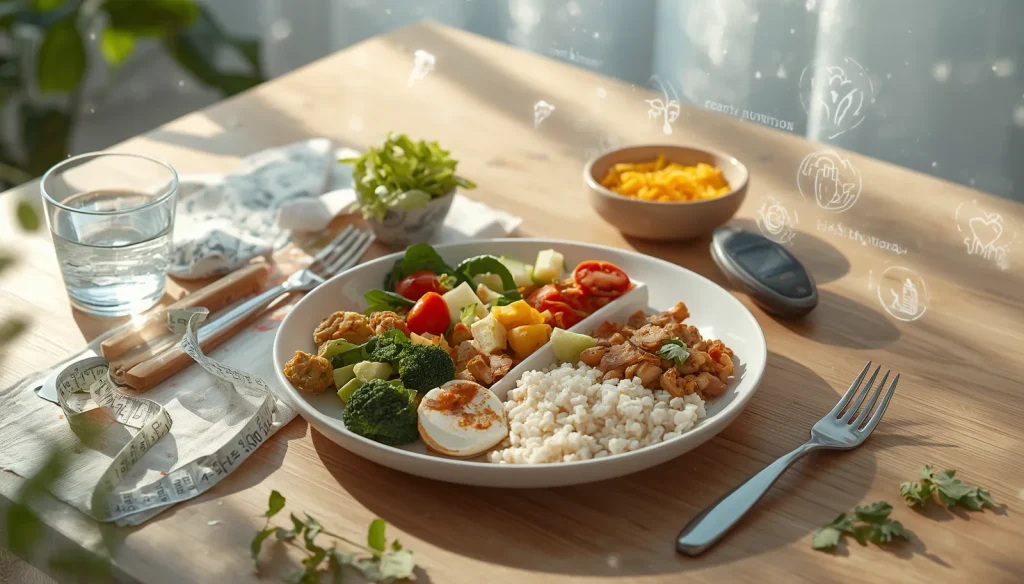
Choose non-starchy vegetables such as spinach, broccoli, cabbage, cucumber, tomatoes, and carrots.
Add Lean Protein
Include chicken, fish, eggs, tofu, beans, lentils, or Greek yogurt at each main meal.
Choose Whole Grains
Prefer oats, quinoa, brown rice, whole wheat, or millets instead of refined grains.
Use Healthy Fats Wisely
Enjoy nuts, seeds, avocado, or olive oil in moderate portions.
Healthy Snack Ideas
- Greek yogurt with berries
- Apple with peanut butter
- Roasted chickpeas
- Boiled eggs
- Mixed nuts (small handful)
- Carrot and cucumber sticks with hummus
- Fresh fruit
- Plain yogurt with chia seeds
Weight Loss Myths vs Facts
Myth: Carbohydrates always cause weight gain.
Fact: Whole-grain carbohydrates can be part of a healthy weight-loss diet when eaten in appropriate portions.
Myth: Skipping meals helps you lose weight.
Fact: Skipping meals may increase hunger and make overeating later more likely.
Myth: Fat should be avoided completely.
Fact: Healthy unsaturated fats support overall health and can improve meal satisfaction.
Myth: One superfood burns body fat.
Fact: Sustainable weight loss comes from an overall healthy eating pattern, regular physical activity, adequate sleep, and consistency.
Frequently Asked Questions
Which food is best for women to lose weight?
No single food causes weight loss. A balanced diet rich in lean protein, vegetables, fruits, legumes, whole grains, and healthy fats supports sustainable weight management.
How much protein should women eat for weight loss?
Protein needs vary based on age, activity level, and health status. A registered dietitian or healthcare professional can help determine your individual requirements.
Can I eat rice while trying to lose weight?
Yes. Rice can fit into a healthy eating pattern when eaten in appropriate portions alongside vegetables and protein.
Are fruits good for weight loss?
Yes. Whole fruits provide fiber, vitamins, minerals, and natural sweetness that can support a balanced diet.
What is the healthiest breakfast for weight loss?
A breakfast containing protein and fiber, such as oats with Greek yogurt and berries or eggs with vegetables, may help promote fullness.
Start Your Healthy Weight-Loss Journey Today
Healthy, sustainable weight loss is built on consistent habits—not extreme diets. Focus on eating nutrient-rich foods, staying physically active, getting enough sleep, and making gradual lifestyle changes you can maintain long term.
Sources & Further Reading
- World Health Organization – Healthy Diet
- NIH Office of Dietary Supplements
- Harvard T.H. Chan School of Public Health – The Nutrition Source
- Academy of Nutrition and Dietetics
Medical Disclaimer: This article is intended for educational purposes only. It is not a substitute for professional medical advice, diagnosis, or treatment. Consult a qualified healthcare professional or registered dietitian before making significant dietary changes, especially if you have an underlying medical condition.