Mehak
Mehak 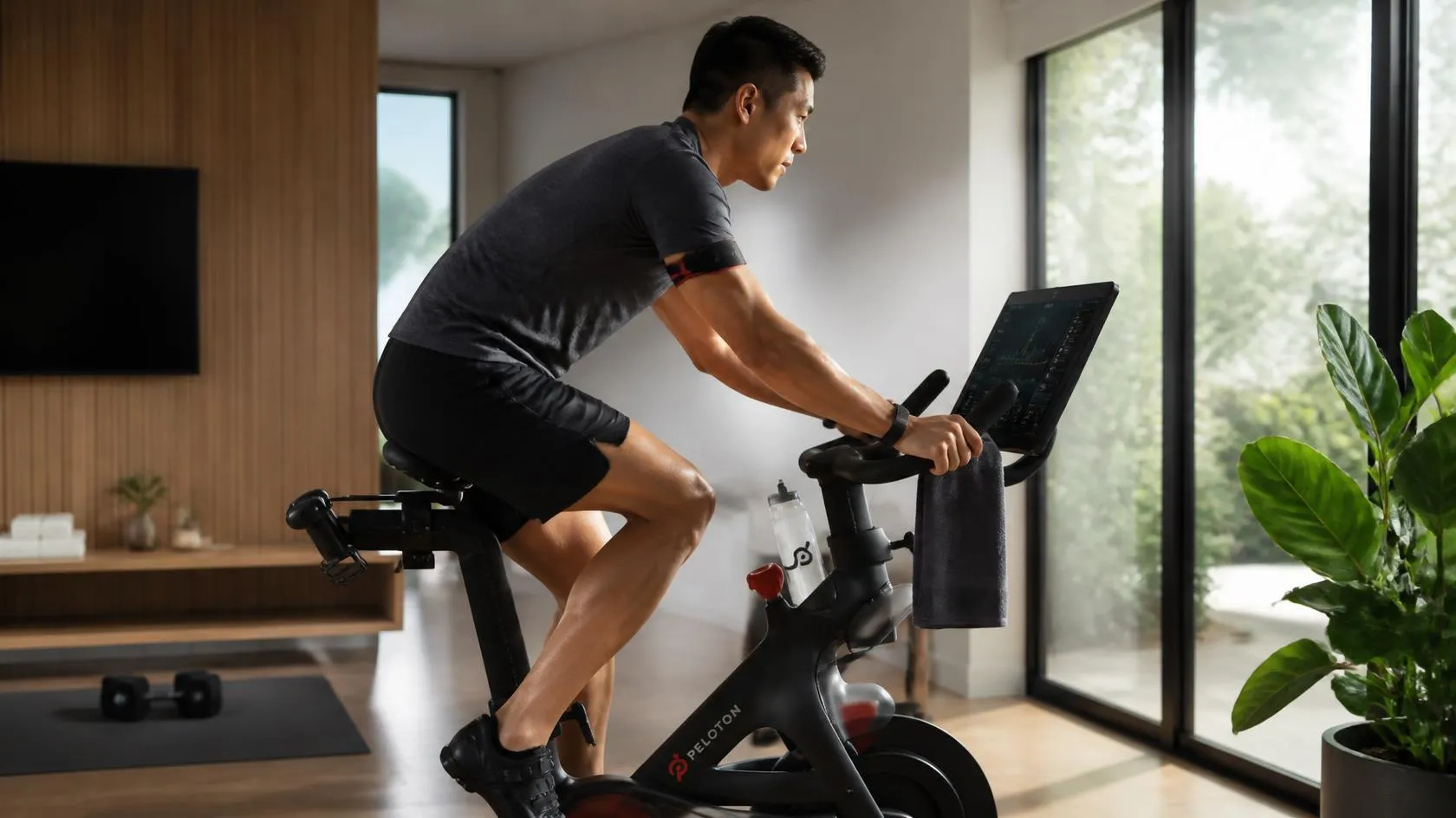
An indoor cycling workout on a stationary bike designed to improve cardiovascular fitness, burn calories, and support healthy fat loss.
Indoor cycling is one of the most effective low-impact cardio workouts for burning calories, improving cardiovascular fitness, and supporting healthy fat loss. Whether you’re a beginner using an exercise bike at home or an experienced rider looking to maximize results, the right workout plan can help you exercise efficiently and consistently.
Quick Answer
The best indoor cycling workouts for fat loss combine moderate-intensity rides, high-intensity interval training (HIIT), progressive resistance, and regular recovery. When paired with a balanced diet and strength training, indoor cycling can help create the calorie deficit needed for sustainable fat loss while improving endurance and heart health.
Fat loss depends on creating a sustainable calorie deficit over time. Indoor cycling is an effective way to increase calorie expenditure, but nutrition, sleep, recovery, and consistency are equally important for long-term success.
Why Indoor Cycling Is Great for Fat Loss
Indoor cycling offers a combination of cardiovascular exercise, muscular endurance, and adjustable intensity. Because resistance and cadence can be changed throughout a workout, you can tailor sessions to your fitness level while gradually increasing the challenge as you become stronger.
Unlike some high-impact activities, indoor cycling places relatively little stress on the knees and ankles, making it a suitable option for many people seeking a joint-friendly way to improve fitness and support healthy weight management.
Major Benefits
- Burns a significant number of calories
- Low-impact on joints
- Improves heart health
- Builds lower-body endurance
- Suitable for home workouts
- Works for beginners and advanced riders
Supports
- Fat loss
- Cardiovascular fitness
- Leg strength
- Exercise consistency
- Improved stamina
- Mental well-being
How Indoor Cycling Helps Burn Fat
During cycling, your body uses carbohydrates and fat as energy sources. Longer, moderate-intensity rides primarily challenge your aerobic system, while shorter, higher-intensity intervals increase energy expenditure and may elevate calorie burn after exercise. Combining both styles within your weekly routine provides a balanced approach to fitness and fat loss.
No workout selectively burns fat from one body area. Fat loss occurs throughout the body and is influenced by genetics, nutrition, overall activity, and consistency over time.
How Many Calories Does Indoor Cycling Burn?
The number of calories burned depends on factors such as body weight, workout intensity, resistance level, fitness level, and session duration. Higher resistance and interval training generally increase energy expenditure compared with easy recovery rides.
| Workout Duration | Approximate Calories Burned* |
|---|---|
| 30 minutes (Easy) | 180–300 calories |
| 30 minutes (Moderate) | 250–400 calories |
| 45 minutes (Moderate) | 350–550 calories |
| 60 minutes (Moderate–Vigorous) | 450–700+ calories |
*Actual calorie expenditure varies between individuals.
Who Should Try Indoor Cycling?
Ideal For
- Beginners starting a fitness journey
- Busy professionals exercising at home
- People seeking low-impact cardio
- Older adults with healthy joints
- Anyone improving heart health
- Weight-loss programs
Potential Benefits
- Improved endurance
- Better cardiovascular fitness
- Greater calorie expenditure
- Enhanced leg strength
- Improved exercise consistency
- Better overall health
What You’ll Learn in This Guide
In the following sections, you’ll learn how to set up your bike correctly, choose the right workout intensity, understand heart rate zones, follow beginner and advanced cycling workouts, avoid common mistakes, and combine cycling with healthy nutrition to maximize fat-loss results safely.
Indoor cycling is most effective when performed consistently as part of a balanced lifestyle that includes nutritious eating, adequate sleep, strength training, and regular recovery. Sustainable habits—not extreme workouts—lead to lasting fat-loss success.
Choose the Right Indoor Cycling Bike
Selecting the right stationary bike helps improve comfort, safety, and workout quality. The best option depends on your fitness goals, available space, budget, and preferred riding style.
| Bike Type | Best For | Main Benefits |
|---|---|---|
| Upright Bike | General fitness | Natural riding position and compact design |
| Spin Bike | HIIT and intense workouts | Higher resistance and road-bike feel |
| Recumbent Bike | Joint comfort and rehabilitation | Back support and reduced lower-body stress |
| Smart Bike | Interactive training | Virtual classes and automatic resistance adjustment |
Look for adjustable seat height, adjustable handlebars, smooth resistance changes, a stable frame, and a comfortable saddle. These features improve riding comfort and help maintain proper cycling form.
Set Up Your Bike Correctly
Proper bike setup improves comfort, efficiency, and injury prevention. Even small adjustments can make a significant difference during longer rides.
Seat Height
- Knee should remain slightly bent at the bottom of each pedal stroke.
- Avoid locking your knees.
- Adjust until pedaling feels smooth.
Handlebar Position
- Keep shoulders relaxed.
- Avoid excessive forward leaning.
- Raise handlebars if you experience lower back discomfort.
Foot Placement
- Center the ball of your foot over the pedal.
- Secure straps firmly without restricting circulation.
- Maintain a smooth pedal stroke.
Body Position
- Keep your core engaged.
- Look forward instead of downward.
- Relax your shoulders and elbows.
Understand Cadence and Resistance
Two of the most important variables during indoor cycling are cadence (pedaling speed) and resistance (workload). Adjusting these creates different workout intensities and training effects.
| Training Variable | Description | Typical Goal |
|---|---|---|
| Cadence | Pedal revolutions per minute (RPM) | Improve speed and endurance |
| Resistance | Difficulty of pedaling | Increase strength and calorie expenditure |
| Power Output | Combination of cadence and resistance | Measure workout intensity |
Heart Rate Zones for Fat Loss
Heart rate zones help you understand workout intensity. Mixing different zones throughout the week provides a balanced training program that supports endurance, cardiovascular health, and calorie burning.
| Zone | Intensity | Primary Focus |
|---|---|---|
| Zone 1 | Very Easy | Warm-up and recovery |
| Zone 2 | Easy–Moderate | Aerobic endurance and longer rides |
| Zone 3 | Moderate | Improve cardiovascular fitness |
| Zone 4 | Hard | High-intensity intervals |
| Zone 5 | Maximum Effort | Short sprints and advanced training |
Most weekly workouts should be completed at easy to moderate intensity, with one or two higher-intensity interval sessions depending on your experience and recovery.
Warm Up Before Every Ride
A proper warm-up prepares your muscles, joints, and cardiovascular system for exercise. It also helps reduce the risk of injury and improves workout performance.
| Time | Activity |
|---|---|
| 2 minutes | Easy pedaling with light resistance |
| 2 minutes | Gradually increase cadence |
| 2 minutes | Add moderate resistance |
| 2 minutes | Alternate between easy and moderate effort |
| 2 minutes | Prepare for your main workout |
Beginner Indoor Cycling Workout (30 Minutes)
This beginner-friendly session focuses on building endurance while helping you become comfortable using cadence and resistance controls.
| Time | Workout |
|---|---|
| 5 minutes | Easy warm-up |
| 5 minutes | Moderate pace |
| 2 minutes | Easy recovery |
| 5 minutes | Moderate resistance |
| 2 minutes | Recovery ride |
| 6 minutes | Comfortable steady pace |
| 5 minutes | Cool-down |
Focus on consistency rather than intensity. Completing three or four rides each week is often more effective than performing one extremely difficult workout.
Intermediate Indoor Cycling Workout (40 Minutes)
After developing a solid fitness base, you can gradually introduce higher resistance and longer periods of moderate to vigorous effort.
| Time | Workout Segment |
|---|---|
| 8 minutes | Progressive warm-up |
| 8 minutes | Moderate endurance ride |
| 4 minutes | Recovery |
| 10 minutes | Higher resistance intervals |
| 5 minutes | Steady aerobic ride |
| 5 minutes | Cool-down |
Common Beginner Mistakes
Avoid
- Starting too intensely
- Poor bike setup
- Ignoring hydration
- Skipping warm-ups
- Holding handlebars too tightly
- Pedaling with poor posture
Instead
- Increase intensity gradually
- Adjust your bike properly
- Drink water regularly
- Warm up and cool down
- Relax your upper body
- Ride consistently each week
Correct bike setup, proper riding posture, and gradually increasing workout intensity build a strong foundation for successful indoor cycling. Once these basics become comfortable, you’re ready to add interval training, hill climbs, and advanced workouts to accelerate your fitness and fat-loss progress.
HIIT Indoor Cycling Workout (25 Minutes)
High-Intensity Interval Training (HIIT) alternates short bursts of hard effort with recovery periods. This workout is time-efficient and can improve cardiovascular fitness while increasing calorie expenditure. Because HIIT is demanding, limit it to one or two sessions per week and allow adequate recovery between workouts.
HIIT is generally best for people who already have a basic level of fitness and can ride comfortably for at least 30 minutes. Beginners should first build consistency with moderate-intensity rides.
| Time | Workout |
|---|---|
| 5 minutes | Easy warm-up |
| 30 seconds | High-intensity sprint |
| 90 seconds | Easy recovery |
| Repeat 8 times | 30 sec hard + 90 sec easy |
| 4 minutes | Cool-down ride |
Sprint Interval Workout (30 Minutes)
Sprint intervals develop power, speed, and cardiovascular fitness. During the work intervals, increase your cadence while maintaining good cycling form instead of bouncing in the saddle.
| Segment | Duration |
|---|---|
| Warm-up | 8 minutes |
| Sprint | 20 seconds |
| Recovery Ride | 100 seconds |
| Repeat | 8–10 rounds |
| Cool-down | 6 minutes |
Keep your upper body relaxed, engage your core, and pedal smoothly throughout each sprint. Focus on controlled effort rather than simply pushing the resistance as high as possible.
Hill Climb Workout (40 Minutes)
Hill climb sessions increase resistance to simulate riding uphill. These workouts strengthen the legs, improve muscular endurance, and provide a challenging cardiovascular stimulus.
| Time | Workout Segment |
|---|---|
| 8 minutes | Warm-up |
| 5 minutes | Moderate climb |
| 3 minutes | Recovery |
| 6 minutes | Steeper climb |
| 3 minutes | Recovery |
| 8 minutes | Progressive climb |
| 7 minutes | Cool-down |
Endurance Ride (60 Minutes)
Endurance rides build aerobic fitness and help improve your ability to sustain longer periods of exercise. Maintain a comfortable pace that allows you to speak in short sentences without becoming breathless.
Focus During the Ride
- Steady cadence
- Moderate resistance
- Controlled breathing
- Consistent posture
- Regular hydration
Benefits
- Improves stamina
- Supports heart health
- Builds endurance
- Enhances recovery between harder workouts
- Increases weekly activity volume
Recovery Ride (20–30 Minutes)
Recovery rides use very light resistance and an easy pace to encourage blood flow without adding significant training stress. These sessions can help reduce stiffness after challenging workouts while keeping you active.
| Component | Recommendation |
|---|---|
| Resistance | Very light |
| Cadence | Comfortable and smooth |
| Intensity | Easy conversation pace |
| Duration | 20–30 minutes |
Sample 7-Day Indoor Cycling Schedule
A balanced weekly routine includes a mix of easy rides, interval sessions, strength training, and recovery days. This approach helps improve fitness while reducing the risk of overtraining.
| Day | Workout |
|---|---|
| Monday | Moderate endurance ride (45 minutes) |
| Tuesday | Strength training + mobility |
| Wednesday | HIIT cycling workout |
| Thursday | Recovery ride or walking |
| Friday | Hill climb workout |
| Saturday | Long endurance ride |
| Sunday | Rest or gentle stretching |
How Often Should You Cycle for Fat Loss?
| Fitness Level | Suggested Weekly Cycling |
|---|---|
| Beginner | 3 sessions (20–30 minutes each) |
| Intermediate | 4–5 sessions (30–45 minutes each) |
| Advanced | 5–6 varied sessions with recovery days |
More workouts aren’t always better. Recovery allows your body to adapt to training, rebuild muscle tissue, and prepare for future sessions. A balanced schedule usually produces better long-term results than exercising intensely every day.
Safety Tips for Indoor Cycling
Before You Ride
- Adjust your bike correctly
- Wear supportive athletic shoes
- Keep water nearby
- Warm up for 5–10 minutes
- Choose appropriate resistance
During the Ride
- Maintain good posture
- Avoid locking your knees
- Breathe steadily
- Drink water as needed
- Stop if you feel dizzy or unwell
An effective indoor cycling program combines different workout styles throughout the week. Moderate endurance rides build aerobic fitness, interval sessions improve performance, hill climbs increase strength, and recovery rides help you stay consistent. Together, these workouts create a well-rounded approach that supports fat loss and long-term cardiovascular health.
Nutrition for Indoor Cycling and Fat Loss
Even the best indoor cycling workouts cannot compensate for poor nutrition. Fat loss occurs when you consistently maintain an appropriate calorie deficit while consuming enough nutrients to support recovery, muscle maintenance, and overall health. Aim for a balanced eating pattern rather than restrictive dieting.
Exercise increases calorie expenditure, while healthy eating helps create the energy balance needed for sustainable fat loss. Combining both strategies usually delivers better long-term results than relying on either one alone.
What to Eat Before Your Ride
A light meal or snack before cycling can provide energy, especially for longer or higher-intensity sessions. Eat 1–3 hours before your workout if possible, choosing foods that are easy to digest.
| Timing | Example Meal or Snack |
|---|---|
| 2–3 Hours Before | Oatmeal with berries and Greek yogurt |
| 1–2 Hours Before | Whole-grain toast with peanut butter and banana |
| 30–60 Minutes Before | A banana or a small apple |
What to Eat After Cycling
A balanced post-workout meal helps replenish energy stores and supports muscle recovery. Try to include a source of protein along with carbohydrate-rich foods after moderate or vigorous rides.
Protein Sources
- Greek yogurt
- Eggs
- Chicken breast
- Fish
- Tofu or tempeh
- Lentils and beans
Healthy Carbohydrates
- Brown rice
- Sweet potatoes
- Whole-grain bread
- Oats
- Fruit
- Quinoa
Stay Hydrated
Hydration supports body temperature regulation, exercise performance, and recovery. Your fluid needs depend on workout duration, intensity, weather conditions, and individual sweat rate.
| When | Hydration Tip |
|---|---|
| Before Exercise | Drink water during the hours leading up to your ride. |
| During Exercise | Sip water regularly, especially during longer sessions. |
| After Exercise | Replace fluids lost through sweat. |
If you cycle for more than 60–90 minutes or exercise in hot conditions, you may also need electrolytes, depending on your individual needs and sweat losses.
Common Indoor Cycling Mistakes
Mistakes to Avoid
- Using poor bike posture
- Skipping the warm-up
- Riding at maximum intensity every session
- Ignoring recovery days
- Holding the handlebars too tightly
- Not adjusting bike settings
- Overestimating calories burned
Better Habits
- Maintain proper riding form
- Increase intensity gradually
- Include recovery sessions
- Fuel your body with nutritious foods
- Track progress over time
- Stay hydrated
- Prioritize consistency
Recovery Strategies
Recovery is an essential part of every training plan. It allows your body to adapt to exercise and prepares you for future workouts.
| Recovery Habit | Benefit |
|---|---|
| Sleep 7–9 hours | Supports muscle recovery and overall health |
| Stretch after riding | Helps maintain flexibility |
| Eat balanced meals | Supports recovery and energy levels |
| Stay hydrated | Replaces fluids lost during exercise |
| Take rest days | Helps reduce fatigue and injury risk |
How to Measure Your Progress
Looking beyond the scale provides a more complete picture of your fitness journey. Improvements in endurance, strength, and daily energy often occur before noticeable changes in body weight.
| Progress Marker | Why It Matters |
|---|---|
| Workout Duration | Shows improved endurance |
| Resistance Level | Reflects increasing leg strength |
| Heart Rate Recovery | Indicates improving cardiovascular fitness |
| Body Measurements | Tracks changes in body composition |
| Energy Levels | Reflects improved overall fitness |
| Clothing Fit | Provides a practical measure of progress |
Indoor Cycling Myths vs. Facts
| Myth | Fact |
|---|---|
| Indoor cycling only strengthens the legs. | It also challenges the cardiovascular system and engages the core for stability. |
| You must ride every day to lose fat. | Rest and recovery are important parts of a balanced training plan. |
| Long rides are always better than interval training. | Both workout styles offer unique benefits and can complement each other. |
| Sweating more means burning more fat. | Sweat reflects fluid loss, not the amount of body fat burned. |
| Indoor cycling alone guarantees weight loss. | Nutrition, sleep, and overall activity levels also play important roles. |
Tips for Long-Term Fat-Loss Success
Daily Habits
- Ride consistently each week
- Eat plenty of vegetables and lean protein
- Stay hydrated
- Get enough sleep
- Walk on non-cycling days
Weekly Habits
- Include one HIIT workout
- Complete one long endurance ride
- Take one or two recovery days
- Review your progress
- Adjust your workouts as fitness improves
Indoor cycling is most effective for fat loss when paired with nutritious eating, proper hydration, adequate recovery, and consistent training. Focus on gradual progress, realistic goals, and healthy habits you can maintain for the long term rather than seeking quick fixes.
Frequently Asked Questions
1. Is indoor cycling good for fat loss?
Yes. Indoor cycling can help increase calorie expenditure and improve cardiovascular fitness. When combined with a balanced diet and regular strength training, it can support sustainable fat loss.
2. How many calories can you burn during an indoor cycling workout?
Calorie burn varies based on body size, workout intensity, fitness level, and duration. Moderate sessions commonly burn several hundred calories, but individual results differ.
3. How often should I do indoor cycling for weight loss?
Many adults benefit from 3–5 cycling sessions per week, combined with resistance training, rest days, and healthy nutrition.
4. Is HIIT better than steady-state cycling?
Both have benefits. HIIT improves fitness in less time, while steady-state rides help build endurance and increase overall activity. A balanced program often includes both.
5. Should beginners start with HIIT?
Not usually. Beginners should first develop proper cycling technique and aerobic endurance before adding higher-intensity interval sessions.
6. Can indoor cycling reduce belly fat?
No exercise targets fat loss from a specific area. Indoor cycling contributes to overall calorie expenditure, which may reduce body fat over time when combined with healthy eating.
7. Do I need a spin bike?
No. Upright, recumbent, and smart exercise bikes can all provide effective cardiovascular workouts when adjusted correctly.
8. Should I cycle every day?
Daily cycling isn’t necessary for most people. Include recovery days to help your muscles recover and reduce the risk of overtraining.
9. Is indoor cycling suitable for older adults?
Many older adults enjoy indoor cycling because it is generally lower impact than activities such as running. Consult a healthcare professional before starting a new exercise program if you have medical concerns.
10. What should I eat after an indoor cycling workout?
A balanced meal containing protein and carbohydrate-rich foods can support recovery after moderate or vigorous exercise.
11. How long should an indoor cycling workout last?
Workout length depends on your goals and fitness level. Beginners may start with 20–30 minutes, while experienced riders may complete sessions lasting 45–60 minutes or longer.
12. Can indoor cycling help improve heart health?
Regular aerobic exercise, including indoor cycling, can improve cardiovascular fitness when performed consistently as part of a healthy lifestyle.
Start Your Indoor Cycling Journey Today
Indoor cycling is a versatile, low-impact exercise that can help improve cardiovascular fitness, build endurance, and support healthy fat loss. Whether you prefer steady rides, challenging hill climbs, or HIIT sessions, the key to long-term success is consistency.
Pair your cycling routine with nutritious meals, adequate sleep, strength training, and regular recovery. Small improvements made consistently over time often lead to the most meaningful and sustainable results.
Explore More Home Workout Guides →Trusted References
- World Health Organization (WHO) – Physical Activity Guidelines
- Centers for Disease Control and Prevention (CDC) – Physical Activity Basics
- American College of Sports Medicine (ACSM) – Exercise Recommendations
- National Institutes of Health (NIH)
- Academy of Nutrition and Dietetics
Medical Disclaimer: This content is for educational purposes only and should not replace professional medical advice. Consult your healthcare provider before beginning a new exercise or nutrition program, especially if you have a chronic medical condition or injury.
About the Author