Mehak
Mehak 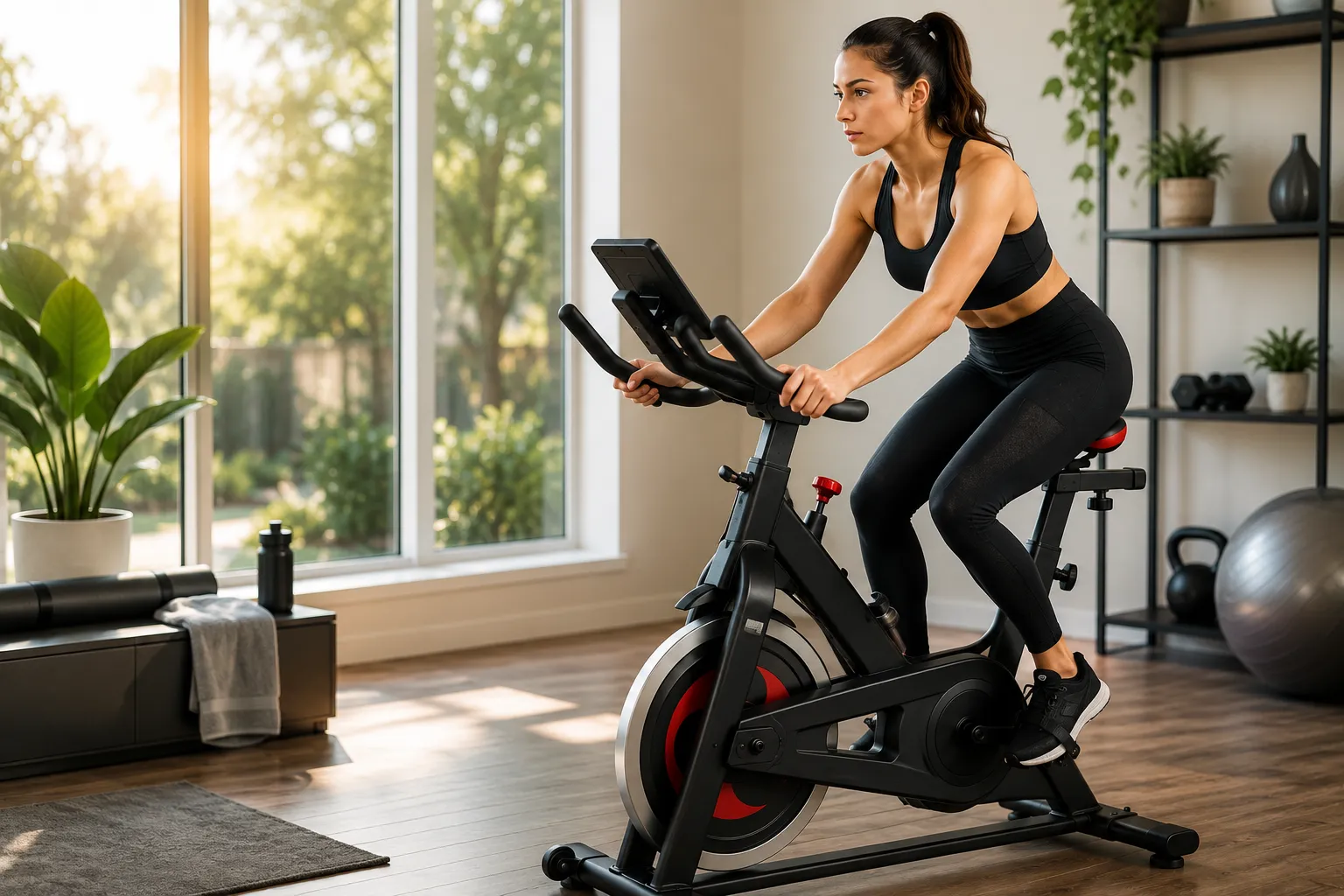
A beginner rides a stationary bike in a modern home gym, demonstrating a simple indoor cardio workout for sustainable weight loss and improved fitness.
Want to lose weight without running or joining a gym? This beginner-friendly 30-day stationary bike weight loss plan combines structured cycling workouts, recovery days, healthy nutrition, and practical lifestyle habits to help you build consistency and improve your fitness safely.
Quick Answer
A 30-day stationary bike weight loss plan helps beginners establish a regular exercise routine through progressively challenging cycling workouts. Combining moderate rides, interval training, strength exercises, healthy nutrition, and adequate recovery can improve cardiovascular fitness and support sustainable fat loss.
Healthy weight loss takes time. Rather than focusing on rapid results, aim to build habits you can maintain well beyond the first 30 days.
Why Choose a Stationary Bike for Weight Loss?
Stationary bikes provide a convenient way to exercise at home regardless of weather conditions. They offer adjustable resistance, low-impact movement, and workouts suitable for nearly every fitness level.
Because intensity can be easily controlled, beginners can gradually increase workout difficulty while minimizing stress on the knees and ankles.
Key Benefits
- Low-impact cardio
- Burns calories efficiently
- Suitable for beginners
- Improves heart health
- Builds leg endurance
- Easy home workouts
Supports
- Healthy fat loss
- Better stamina
- Daily movement
- Exercise consistency
- Mental well-being
- Long-term fitness
How Much Weight Can You Lose in 30 Days?
Weight loss varies widely depending on nutrition, exercise consistency, starting body weight, sleep quality, stress levels, and individual metabolism. A 30-day plan should focus on building sustainable habits rather than promising a specific amount of weight loss.
The biggest achievement during your first month is often developing a consistent exercise routine, improving endurance, and feeling stronger—not simply seeing a lower number on the scale.
Calories Burned on a Stationary Bike
Calories burned depend on workout intensity, resistance level, duration, and body size. Higher-intensity rides generally require more energy than easy recovery sessions.
| Workout Length | Approximate Calories Burned* |
|---|---|
| 20 Minutes | 120–220 calories |
| 30 Minutes | 180–350 calories |
| 45 Minutes | 300–500 calories |
| 60 Minutes | 400–700+ calories |
*Actual calorie expenditure differs from person to person.
Before You Begin
Preparing before starting your 30-day challenge helps reduce injury risk and improves consistency throughout the program.
Equipment Checklist
- Stationary bike
- Comfortable workout clothes
- Supportive athletic shoes
- Water bottle
- Towel
- Workout journal
Personal Preparation
- Set realistic goals
- Schedule workout times
- Prepare healthy meals
- Track your progress
- Prioritize sleep
- Stay hydrated
Who Is This Plan For?
| Suitable For | May Need Medical Advice |
|---|---|
| Beginners | People with heart disease |
| Busy professionals | Recent surgery patients |
| Home exercisers | Serious joint injuries |
| Older adults | Uncontrolled chronic conditions |
| People seeking low-impact cardio | Pregnant individuals with medical concerns |
A stationary bike is an excellent tool for building fitness because it combines convenience, adjustable intensity, and joint-friendly movement. The next sections will guide you through proper bike setup and your complete 30-day beginner workout schedule.
Set Up Your Stationary Bike Correctly
A properly adjusted bike improves comfort, pedaling efficiency, and safety. Spending a few minutes adjusting your bike before each workout can help reduce unnecessary strain on your knees, hips, back, and shoulders.
| Bike Adjustment | Recommendation |
|---|---|
| Seat Height | Your knee should have a slight bend (about 25–35°) at the bottom of the pedal stroke. |
| Seat Position | When pedals are level, your front knee should align approximately over the ball of your foot. |
| Handlebars | Position them so your shoulders remain relaxed and your back stays comfortable. |
| Foot Position | Place the ball of your foot over the pedal axle and secure the straps comfortably. |
If your knees hurt during pedaling, avoid assuming it’s “normal.” Recheck your seat height and riding posture first, as small adjustments often improve comfort.
Maintain Good Riding Form
Do
- Keep your core gently engaged.
- Relax your shoulders.
- Look straight ahead.
- Maintain a smooth pedaling rhythm.
- Breathe naturally throughout the ride.
Avoid
- Locking your knees.
- Leaning heavily on the handlebars.
- Rounding your shoulders.
- Pedaling with excessive resistance.
- Holding your breath.
Warm-Up Routine (5–8 Minutes)
Never jump directly into a challenging workout. A gradual warm-up prepares your muscles, joints, and cardiovascular system for exercise.
| Time | Activity |
|---|---|
| 2 Minutes | Easy pedaling with light resistance. |
| 2 Minutes | Gradually increase cadence. |
| 2 Minutes | Add moderate resistance while maintaining comfortable breathing. |
| 1–2 Minutes | Prepare for your planned workout intensity. |
Week 1: Build the Habit
Your first week focuses on consistency rather than intensity. The goal is to become comfortable using your stationary bike and develop a regular exercise routine.
| Day | Workout | Duration |
|---|---|---|
| Day 1 | Easy ride | 20 minutes |
| Day 2 | Brisk walk + stretching | 20–30 minutes |
| Day 3 | Steady cycling | 25 minutes |
| Day 4 | Rest or gentle mobility | — |
| Day 5 | Easy cycling | 25 minutes |
| Day 6 | Light strength training | 20 minutes |
| Day 7 | Recovery ride | 20 minutes |
Complete every scheduled workout without worrying about speed or calorie burn. Building consistency is your biggest success during the first week.
Week 2: Increase Endurance
After establishing a routine, gradually increase workout duration and introduce moderate changes in resistance to challenge your cardiovascular system.
| Day | Workout | Duration |
|---|---|---|
| Day 8 | Moderate ride | 30 minutes |
| Day 9 | Strength training + stretching | 30 minutes |
| Day 10 | Cadence intervals* | 30 minutes |
| Day 11 | Recovery ride | 20 minutes |
| Day 12 | Steady endurance ride | 35 minutes |
| Day 13 | Walking or yoga | 30 minutes |
| Day 14 | Moderate cycling | 30 minutes |
*Cadence intervals involve alternating comfortable and slightly faster pedaling while maintaining good form.
Simple Stretching Routine After Each Ride
Lower Body
- Quadriceps stretch
- Hamstring stretch
- Calf stretch
- Hip flexor stretch
Upper Body
- Shoulder stretch
- Chest stretch
- Neck mobility
- Upper back stretch
Recovery Days Matter
Recovery days allow your body to repair muscle tissue, adapt to training, and reduce accumulated fatigue. They are an important part of any effective fitness plan.
| Recovery Activity | Suggested Duration |
|---|---|
| Walking | 20–30 minutes |
| Gentle stretching | 10–15 minutes |
| Yoga | 20–30 minutes |
| Mobility exercises | 10–20 minutes |
Weeks 1 and 2 focus on creating a consistent exercise habit while gradually improving endurance. By increasing workout time slowly and including recovery days, you prepare your body for the more challenging sessions introduced during Weeks 3 and 4.
Week 3: Increase Intensity Safely
By Week 3, your body should be adapting to regular cycling. This week introduces moderate interval training and slightly longer rides while still allowing enough recovery to prevent excessive fatigue.
| Day | Workout | Duration | Intensity |
|---|---|---|---|
| Day 15 | Steady endurance ride | 35 min | Moderate |
| Day 16 | Strength training + mobility | 30 min | Light |
| Day 17 | Beginner HIIT | 30 min | Moderate–Hard |
| Day 18 | Recovery ride | 20 min | Easy |
| Day 19 | Hill resistance workout | 35 min | Moderate |
| Day 20 | Walking or yoga | 30 min | Easy |
| Day 21 | Endurance ride | 40 min | Moderate |
Beginner HIIT Cycling Workout
This interval session helps improve cardiovascular fitness and increases workout variety. Ride hard enough to feel challenged while maintaining good technique.
| Segment | Time |
|---|---|
| Warm-up | 5 minutes |
| Hard effort | 45 seconds |
| Easy recovery | 90 seconds |
| Repeat | 8 rounds |
| Cool-down | 5 minutes |
You should finish each interval feeling challenged but still in control. If you cannot maintain proper posture or breathing, reduce the resistance or shorten the work interval.
Hill Resistance Workout
Increasing resistance simulates climbing hills, helping strengthen your lower body while improving muscular endurance.
| Time | Workout |
|---|---|
| 8 min | Warm-up |
| 5 min | Moderate resistance |
| 3 min | Easy recovery |
| 6 min | Higher resistance climb |
| 3 min | Recovery spin |
| 5 min | Progressive climb |
| 5 min | Cool-down |
Week 4: Finish Strong
The final week combines everything you’ve learned—steady rides, intervals, recovery, and longer endurance sessions. The emphasis remains on consistency rather than maximum effort.
| Day | Workout | Duration |
|---|---|---|
| Day 22 | Moderate endurance ride | 40 min |
| Day 23 | Strength training | 30 min |
| Day 24 | HIIT workout | 30 min |
| Day 25 | Recovery ride | 20 min |
| Day 26 | Hill workout | 40 min |
| Day 27 | Walking + stretching | 30 min |
| Day 28 | Long endurance ride | 45 min |
| Day 29 | Gentle recovery ride | 20 min |
| Day 30 | Celebrate with your favorite ride! | 30–45 min |
Your Complete 30-Day Challenge Calendar
| Week | Main Goal | Focus |
|---|---|---|
| Week 1 | Build consistency | Easy rides & habit formation |
| Week 2 | Increase endurance | Longer rides & cadence practice |
| Week 3 | Add intensity | HIIT & hill workouts |
| Week 4 | Improve fitness | Balanced training & confidence |
Printable Progress Tracker
| Week | Workouts Completed | Energy (1–10) | Notes |
|---|---|---|---|
| Week 1 | ____ / 7 | _____ | __________________ |
| Week 2 | ____ / 7 | _____ | __________________ |
| Week 3 | ____ / 7 | _____ | __________________ |
| Week 4 | ____ / 9 | _____ | __________________ |
How to Stay Motivated
Motivation Tips
- Schedule workouts like appointments.
- Listen to music or podcasts.
- Celebrate consistency, not perfection.
- Track non-scale victories.
- Exercise with a friend when possible.
Signs of Progress
- Longer rides feel easier.
- Recovery is faster.
- Higher resistance becomes manageable.
- Daily energy improves.
- Confidence increases.
Completing this 30-day challenge is only the beginning. The habits you build—regular exercise, progressive training, recovery, and consistency—can support your health and fitness long after the first month is complete.
Nutrition to Support Your 30-Day Weight Loss Plan
Exercise is only one part of a successful weight-loss strategy. Your daily eating pattern plays an equally important role in supporting energy, recovery, and a sustainable calorie deficit. Rather than following restrictive diets, focus on balanced meals built around whole foods.
Aim for gradual, sustainable progress. Extreme calorie restriction can reduce energy levels, affect workout performance, and make healthy habits harder to maintain.
Build a Balanced Plate
| Food Group | Examples | Benefits |
|---|---|---|
| Lean Protein | Chicken, fish, eggs, tofu, lentils, Greek yogurt | Supports muscle recovery and helps you feel full. |
| Complex Carbohydrates | Oats, brown rice, quinoa, sweet potatoes | Provide energy for cycling workouts. |
| Healthy Fats | Nuts, seeds, avocado, olive oil | Support overall health and satiety. |
| Vegetables | Leafy greens, broccoli, carrots, peppers | Rich in fiber, vitamins, and minerals. |
| Fruit | Berries, bananas, apples, oranges | Provide fiber and natural carbohydrates. |
Pre-Workout Fuel
Eating before a ride can help maintain energy, particularly before longer or more demanding sessions.
1–3 Hours Before
- Oatmeal with fruit
- Whole-grain toast with peanut butter
- Greek yogurt with berries
- Rice with lean protein
30–60 Minutes Before
- Banana
- Apple
- Small handful of raisins
- Low-fat yogurt
Post-Workout Recovery Meal
After cycling, include both protein and carbohydrate-rich foods to replenish energy stores and support muscle recovery.
| Meal Idea | Main Nutrients |
|---|---|
| Grilled chicken with brown rice | Protein + complex carbohydrates |
| Greek yogurt with berries and oats | Protein + fiber |
| Eggs with whole-grain toast | Protein + carbohydrates |
| Tofu stir-fry with vegetables | Plant protein + micronutrients |
Hydration Tips
Drink fluids regularly throughout the day instead of waiting until you feel thirsty. During longer rides or exercise in hot environments, consider replacing electrolytes if recommended by a healthcare professional or sports nutrition guidance.
Check the color of your urine as one general indicator of hydration. Pale yellow often suggests adequate hydration, though individual needs vary.
Sleep and Recovery
Recovery happens outside your workouts. Quality sleep supports muscle repair, hormone regulation, and overall exercise performance.
| Recovery Habit | Recommendation |
|---|---|
| Sleep | Aim for 7–9 hours per night. |
| Stretching | 5–10 minutes after each ride. |
| Rest Days | Include at least 1–2 each week. |
| Mobility | Perform light mobility work regularly. |
| Stress Management | Practice relaxation techniques if needed. |
Common Weight-Loss Mistakes
Avoid
- Skipping meals
- Exercising intensely every day
- Ignoring recovery
- Setting unrealistic goals
- Comparing your progress to others
- Relying only on the scale
Instead
- Eat balanced meals.
- Follow your workout schedule.
- Track weekly progress.
- Celebrate consistency.
- Prioritize recovery.
- Adjust your plan gradually.
What If Your Progress Stalls?
Weight-loss plateaus are common and do not necessarily mean your program has stopped working. Improvements in fitness, strength, and endurance often continue even when body weight changes slowly.
| If Progress Slows | Consider |
|---|---|
| Review food portions | Ensure they align with your goals. |
| Increase daily movement | Add walking or other light activity. |
| Progress workouts | Increase duration or resistance gradually. |
| Improve sleep | Prioritize consistent sleep habits. |
| Be patient | Healthy progress is not always linear. |
Track More Than Your Weight
Your scale tells only part of the story. Monitoring multiple indicators gives a more complete picture of your progress.
Physical Progress
- Body measurements
- Clothing fit
- Workout duration
- Resistance levels
- Heart-rate recovery
Lifestyle Progress
- Higher daily energy
- Improved sleep quality
- Better mood
- Greater workout confidence
- More consistent exercise habits
Long-term success comes from combining regular cycling, nutritious eating, quality sleep, and realistic expectations. Focus on building habits that fit your lifestyle instead of chasing quick results.
Frequently Asked Questions
1. Can beginners lose weight using a stationary bike?
Yes. A stationary bike is a beginner-friendly, low-impact form of cardiovascular exercise. When combined with healthy eating and consistent physical activity, it can support gradual and sustainable weight loss.
2. How often should I ride a stationary bike to lose weight?
Many beginners benefit from cycling 3–5 times per week while including strength training, flexibility work, and recovery days.
3. How long should each cycling session be?
Start with 20–30 minutes and gradually increase your sessions to 40–60 minutes as your fitness improves.
4. Is cycling every day recommended?
Daily cycling isn’t necessary for most people. Recovery days help your muscles adapt to training and reduce the risk of overuse injuries.
5. Does a stationary bike burn belly fat?
No exercise specifically targets belly fat. Regular cycling contributes to overall calorie expenditure, which can reduce body fat over time when combined with a balanced diet.
6. Should I eat before riding?
For longer or more intense rides, a light meal or snack containing carbohydrates and some protein may help provide energy. Individual needs vary.
7. What is the best resistance level?
Choose a resistance that challenges you while allowing smooth, controlled pedaling with proper technique. Increase resistance gradually as you become stronger.
8. Can older adults use a stationary bike?
Many older adults enjoy stationary cycling because it is generally lower impact than running. Anyone with medical concerns should consult a healthcare professional before starting a new exercise program.
9. Should I combine cycling with strength training?
Yes. Strength training helps maintain muscle mass, supports functional fitness, and complements cardiovascular exercise as part of a balanced routine.
10. What should I do after completing this 30-day plan?
Continue cycling regularly while gradually increasing duration, resistance, or workout variety. Setting a new goal can help maintain motivation and long-term consistency.
11. How can I stay motivated during the challenge?
Schedule workouts, track your progress, celebrate small improvements, and focus on building healthy habits instead of seeking quick results.
12. Is indoor cycling enough on its own?
Indoor cycling is an excellent cardiovascular exercise, but combining it with balanced nutrition, strength training, adequate sleep, and everyday movement provides the best support for long-term health and weight management.
Congratulations on Completing the 30-Day Challenge!
By completing this beginner program, you’ve taken an important step toward building healthier habits. Remember that lasting results come from consistency rather than perfection. Continue challenging yourself gradually, eat nutritious foods, stay active throughout the week, and celebrate every improvement—whether it’s riding longer, recovering faster, or simply feeling more energetic.
Your first 30 days are only the beginning. Keep building on this foundation and make exercise a regular part of your lifestyle.
Continue Your Fitness Journey →Recommended Reading
Indoor Cycling Workouts
Advanced interval workouts to improve endurance and increase calorie expenditure.
Read Guide →Workout Routine at Home
Build a complete weekly home fitness plan with strength and cardio workouts.
Read Guide →Healthy Daily Habits
Simple lifestyle habits that support long-term health, fitness, and productivity.
Read Guide →Protein Guide
Learn how much protein you need for recovery, muscle maintenance, and overall health.
Read Guide →Evidence-Based References
The recommendations in this guide are based on current guidance from respected health and exercise organizations, including:
- World Health Organization (WHO) – Physical Activity Guidelines
- Centers for Disease Control and Prevention (CDC) – Physical Activity Recommendations
- American College of Sports Medicine (ACSM)
- National Institutes of Health (NIH)
- Academy of Nutrition and Dietetics
Medical Disclaimer
This article is intended for educational purposes only and should not be considered medical advice. Exercise recommendations should always be individualized based on your health status, fitness level, and medical history.
If you have heart disease, uncontrolled high blood pressure, diabetes, recent surgery, significant joint problems, or any other medical condition, consult your physician or another qualified healthcare professional before beginning this or any exercise program.
About Daily Life Journal
Daily Life Journal publishes evidence-informed health, nutrition, fitness, and lifestyle content designed to help readers make practical, sustainable improvements in their everyday lives. Our articles emphasize clarity, accuracy, and actionable advice supported by reputable health organizations whenever possible.
About the Author