Why Do Your Lips Get Dry and Chapped? Causes and What Actually Helps
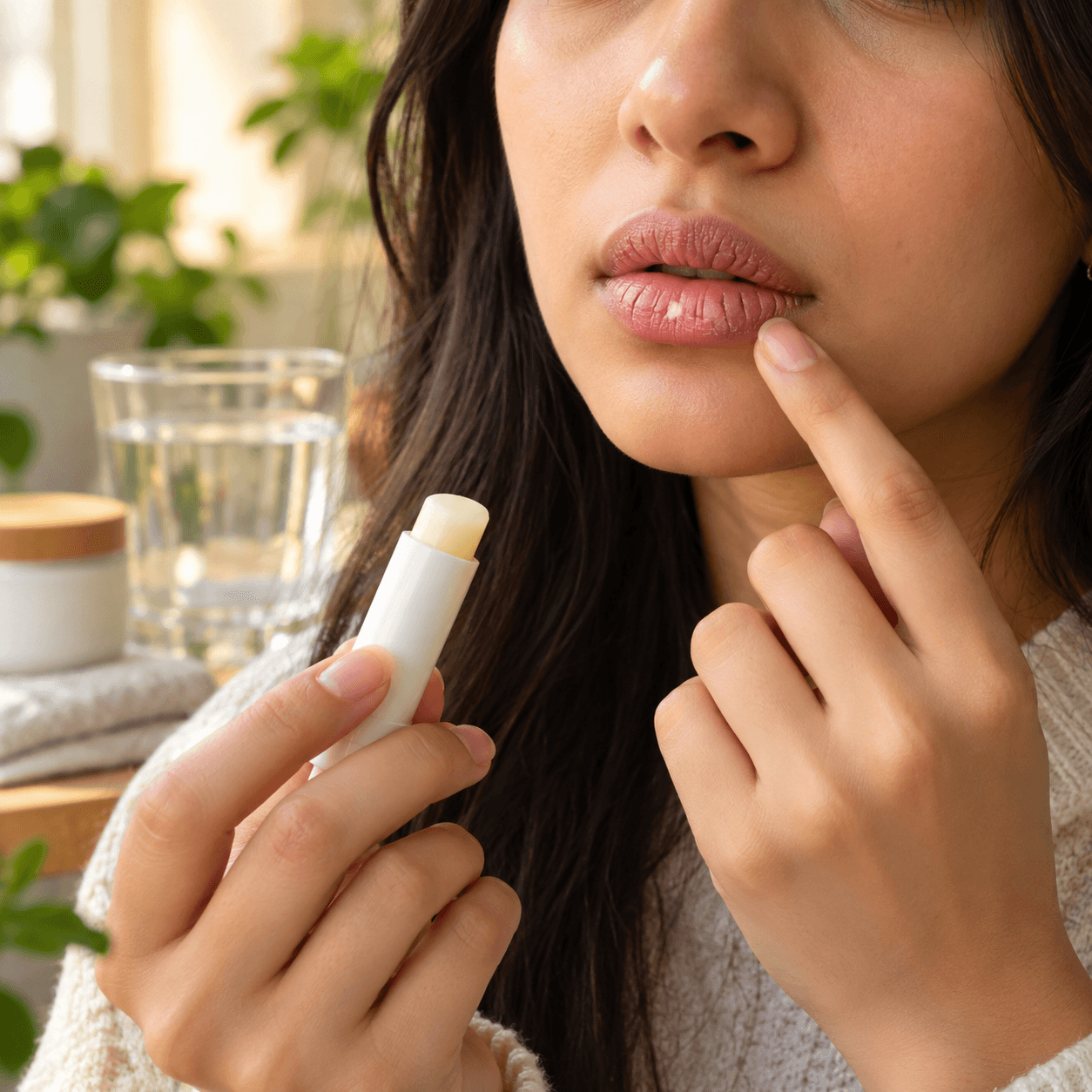
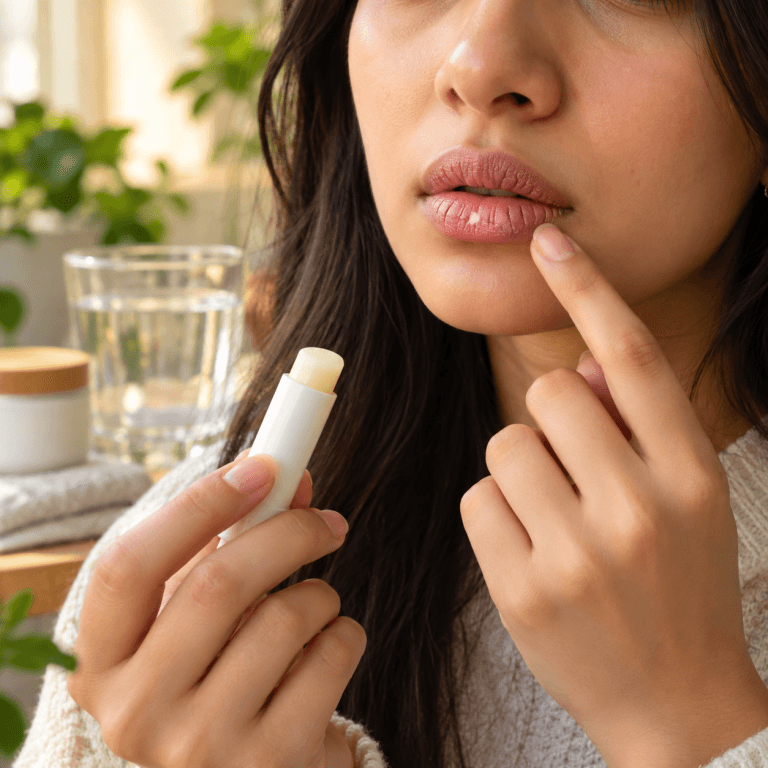
A person with mildly dry, chapped lips using moisturizing lip balm while staying hydrated.
Learn why your lips become dry and cracked, what helps them heal, which ingredients to look for and when persistent chapped lips need medical attention.
Dry and chapped lips are especially common when the weather becomes cold, dry or windy. Your lips can lose moisture quickly, and repeated exposure to dry air can leave them rough, flaky, sore or cracked.
Weather is not the only reason. Frequent lip licking, dehydration, sun exposure, irritating lip products and certain skin conditions can also contribute to dry lips. In some cases, persistent cracking may have an underlying cause that needs medical attention.
The good news is that simple changes can often protect your lips and support healing.
Quick Answer
Dry and chapped lips are commonly caused by moisture loss, cold or dry weather, wind, sun exposure and repeated licking. Some lip products can also irritate already-sensitive lips.
A simple fragrance-free lip balm or protective ointment can help reduce moisture loss. Avoid licking, biting or peeling the skin from your lips, and consider using lip protection with SPF when outdoors.
If your lips remain severely dry or cracked despite regular care, or become painful, swollen, infected or develop unusual patches, speak with a healthcare professional.
Why Do Your Lips Become Dry and Chapped?
Your lips are particularly vulnerable to dryness because they have less protective structure than many other areas of skin. Environmental exposure can therefore cause moisture to escape more easily.
Common triggers include:
- Cold weather
- Dry air
- Strong wind
- Sun exposure
- Dehydration
- Frequent lip licking
- Biting or peeling the lips
- Irritating lip products
- Some allergies or skin conditions
Cold weather, dry air, wind, sun exposure, dehydration and allergies can all contribute to sore or dry lips.
Sometimes the problem is not simply environmental dryness. Persistent inflammation, recurring cracks or unusual changes can occur with conditions affecting the lips, so symptoms that do not improve with basic care should not be ignored.
How Does Cold and Dry Weather Affect Your Lips?
Cold weather can make chapped lips more noticeable, particularly when the air is dry and windy. Indoor heating can also reduce humidity, creating another environment where moisture evaporates more quickly from the skin.
Your lips are exposed whenever you go outside, so cold wind can repeatedly irritate the surface. If you also lick your lips frequently because they feel dry, the cycle can become worse.
This is one reason people often notice dry lips at the same time as dry skin on their face and hands.
If you experience both problems during colder months, protecting the skin barrier can help. Read our guide on dry skin in winter to learn how cold air, low humidity and hot showers can contribute to seasonal dryness.
Can Licking Your Lips Make Dryness Worse?
Yes. Licking your lips may provide temporary relief, but it can contribute to a cycle of dryness.
Saliva evaporates from the surface of the lips. When you repeatedly wet and dry already-irritated lips, the skin can become more uncomfortable. Dermatologists recommend stopping lip licking, biting and picking when the lips are chapped.
Peeling flaky skin can cause small injuries and slow healing. Biting the lips can do the same.
Instead of licking your lips when they feel tight, apply a non-irritating lip balm or protective ointment.
Can Dehydration Cause Dry and Chapped Lips?
Dehydration can contribute to dry lips, but it is not the only possible cause. You can develop chapped lips from cold air, wind, sun exposure or irritating products even when you are drinking enough fluids.
Try to drink enough water throughout the day according to your body’s needs, particularly when you are losing fluids through sweating, illness or hot weather.
Other signs of dehydration can include increased thirst, darker urine and urinating less often. If you have significant dehydration symptoms, especially during an illness, medical advice may be appropriate.
It is therefore better to look at hydration as one part of lip care rather than assuming every case of chapped lips is caused by not drinking enough water.
Which Ingredients Help Heal Chapped Lips?
When your lips are dry and cracked, a simple product that reduces moisture loss may be more useful than a complicated formula.
| Ingredient | How It May Help |
|---|---|
| Petrolatum | Creates a protective barrier that helps reduce moisture loss. |
| Mineral Oil | Helps protect the surface and reduce moisture loss. |
| Dimethicone | Can help form a protective layer over the skin. |
| Ceramides | Support the skin barrier. |
| Shea Butter | Provides emollient properties and helps soften dry skin. |
| Zinc Oxide or Titanium Dioxide | Can provide mineral UV protection in lip products. |
Dermatologists commonly recommend non-irritating lip products containing ingredients such as ceramides, dimethicone, mineral oil, petrolatum and shea butter. Fragrance-free products can also be a better choice for chapped lips.
For very dry or cracked lips, a thicker ointment can be useful because ointments can seal in moisture for longer than some lighter products.
There is no need to use several products at once. A simple formula that does not irritate your lips may be easier to use consistently.
What Should You Avoid When Your Lips Are Cracked?
Some products can make already-irritated lips feel worse. Dermatologists advise stopping products that cause burning, stinging or discomfort.
When your lips are cracked, avoid:
- Constantly licking your lips
- Picking or peeling flaky skin
- Biting your lips
- Scrubbing or exfoliating cracked skin
- Products that burn or sting
- Strongly fragranced lip products
- Mint, cinnamon or citrus flavorings if they irritate your lips
Some ingredients and flavorings can irritate already-sensitive lips. If a product consistently causes burning or discomfort, stop using it.
How Often Should You Use Lip Balm?
There is no need to wait until your lips become severely cracked before applying lip balm.
Use a non-irritating lip balm or protective ointment whenever your lips feel dry. Applying it before bed can also help protect the lips overnight.
If you spend time outdoors, apply a lip product with sun protection before going outside. Dermatologists commonly recommend SPF 30 or higher for protecting the lips from ultraviolet exposure.
Consistency matters. Applying a simple product regularly is generally more useful than repeatedly switching between different lip products.
Can Sun Exposure Also Damage Your Lips?
Yes. Your lips are exposed to ultraviolet radiation just like other exposed areas of skin.
Sun exposure can contribute to dryness and damage. It can also aggravate already-irritated lips.
For outdoor activities, choose a lip balm with broad-spectrum sun protection. Products containing mineral sunscreen ingredients such as zinc oxide or titanium dioxide can provide UV protection.
Do not reserve lip sun protection only for summer. UV exposure occurs throughout the year, including during cooler months.
When Can Chapped Lips Be a Sign of Another Problem?
Most cases of dry lips are harmless and improve with basic care. However, persistent or unusual symptoms can sometimes have another cause.
Possible contributors include:
- Allergic or irritant reactions
- Inflammatory skin conditions
- Some infections
- Sun-related lip damage
- Certain medications
- Some vitamin or mineral deficiencies
- Other medical conditions affecting the lips
Vitamin and mineral deficiencies can sometimes contribute to sore or dry lips, while inflammation, irritation, allergies, sun exposure and infection can also affect the lips.
That does not mean persistent chapped lips automatically indicate a deficiency or serious illness. The cause needs to be considered alongside other symptoms and your medical history.
When Should You See a Dermatologist?
Basic lip care should usually improve ordinary weather-related dryness. If dry, chapped lips do not improve after about two to three weeks of appropriate self-care, consider speaking with a dermatologist.
You should also seek medical advice if your lips:
- Remain severely cracked despite regular care
- Become very painful
- Become hot, red or swollen
- Develop persistent sores or unusual patches
- Bleed repeatedly
- Keep developing the same problem without an obvious trigger
Hot, painful and swollen lips can sometimes indicate an infection and should be medically assessed.
Frequently Asked Questions
What causes dry and chapped lips?
Common causes include cold or dry weather, wind, sun exposure, dehydration, frequent lip licking and irritating products. Allergies and some medical conditions can also contribute.
Is licking your lips bad for them?
Repeated lip licking can make dryness worse because saliva evaporates and can leave already-irritated lips drier. Applying a non-irritating lip balm is a better option.
Is petroleum jelly good for chapped lips?
Petroleum jelly can help protect dry lips by forming a barrier that reduces moisture loss. It is commonly recommended as an option for dry or chapped lips.
How can I heal chapped lips?
Use a non-irritating protective lip balm or ointment regularly, avoid licking and picking your lips, protect them from cold and wind, and use SPF when outdoors.
Should I exfoliate cracked lips?
Aggressive exfoliation is not recommended when your lips are cracked or irritated. Scrubbing can cause additional irritation and slow healing.
Can dehydration cause chapped lips?
Yes, dehydration can contribute to dry lips, but it is only one possible cause. Cold weather, wind, sun exposure and irritating products can also cause chapping.
Why are my lips still chapped after using lip balm?
The product itself may be irritating your lips, or environmental exposure may be continuing. If your lips do not improve after consistent basic care, a dermatologist can help identify the cause.
Conclusion
Dry and chapped lips are common, especially when cold weather, dry air and wind increase moisture loss. Frequent lip licking, biting, sun exposure and irritating products can make the problem worse.
The simplest approach is often the most useful: use a non-irritating protective lip balm or ointment regularly, avoid picking or licking your lips, drink enough fluids and protect your lips from the sun and harsh weather.
If your lips remain severely cracked, painful, swollen or unusual despite proper care, do not assume it is simply winter dryness. Persistent symptoms deserve a proper medical evaluation.
Related Reads
Sources & Evidence
- American Academy of Dermatology: Dermatologists’ tips for healing dry, chapped lips.
- NHS: Sore or dry lips.
- Mayo Clinic: Cheilitis and dry, cracked lips.
- Mayo Clinic: Dry skin, symptoms and causes.
Take Care of Your Lips
Healthy lip care does not need to be complicated. Protect your lips from dry weather, avoid irritating products and keep a simple moisturizing routine that works for you.
About the Author