Endomorph Diet: Foods to Eat, Meal Plan, Benefits, and Weight Loss Tips
 Mehak
Mehak 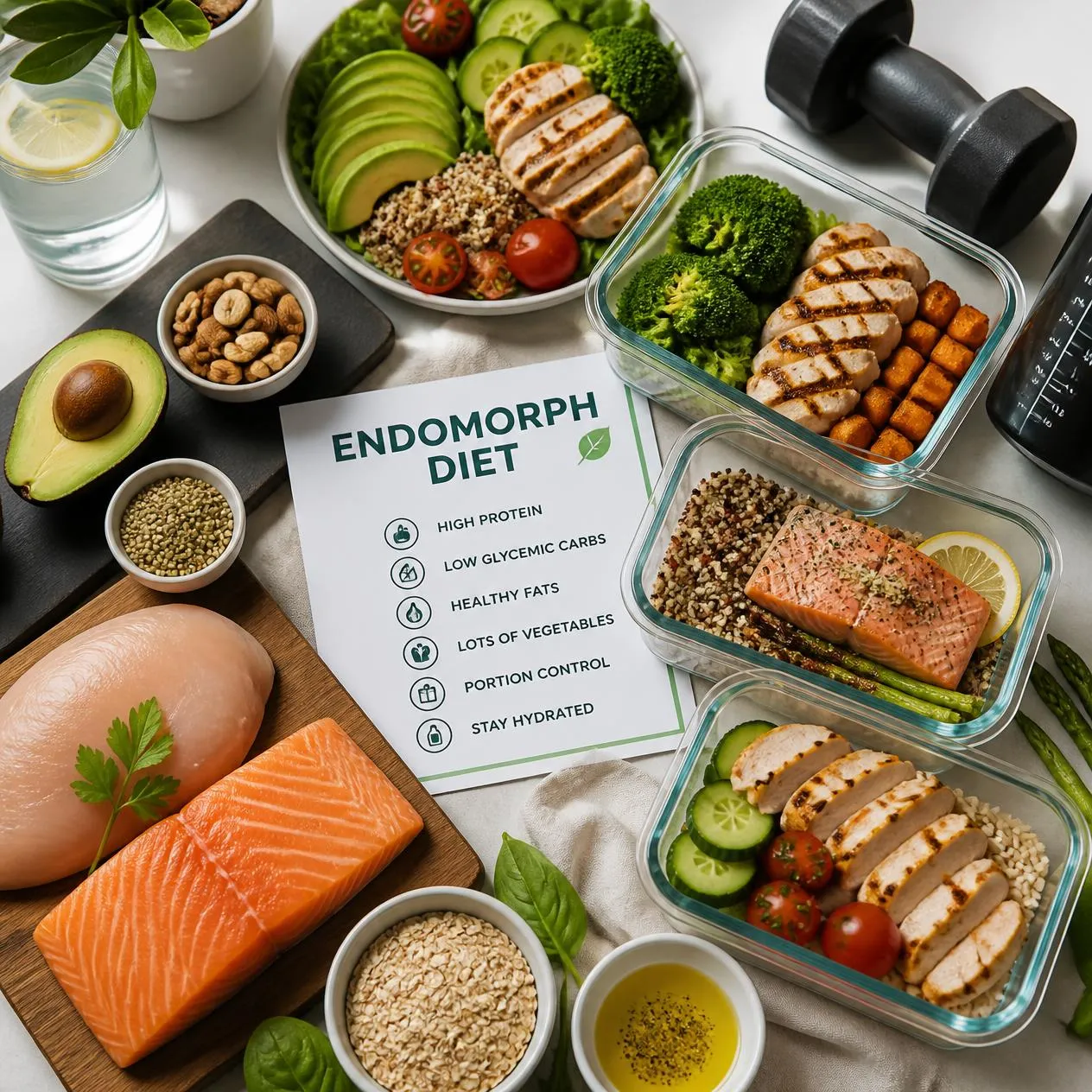
Discover what an endomorph diet is, the best foods to eat, sample meal plans, exercise tips, and what modern nutrition science says about eating for your body type.
Quick Answer
The endomorph diet is an eating approach often recommended for people who identify with an “endomorph” body type. It generally emphasizes lean protein, high-fiber foods, healthy fats, and minimally processed carbohydrates. However, there is no strong scientific evidence that people need a special diet based solely on their body type. Individual calorie needs, activity level, genetics, and overall lifestyle play a much larger role in health and weight management.
The concepts of endomorph, mesomorph, and ectomorph originated from somatotype theory developed in the 1940s. While these terms are still widely used in fitness communities, modern nutrition experts generally recommend personalized eating plans based on individual health, medical history, and lifestyle rather than body type alone.
What Is an Endomorph Body Type?
According to traditional somatotype theory, an endomorph is described as someone who naturally has a broader frame, stores body fat more easily, and may find weight loss more challenging than some other body types. It’s important to remember that most people do not fit perfectly into a single category and often have characteristics of more than one body type.
Your body composition is influenced by many factors, including genetics, age, hormones, physical activity, sleep, stress, and eating habits—not just body shape.
Characteristics Often Associated with Endomorphs
- Broader body frame
- May gain weight more easily
- Often carries more body fat
- May build strength relatively well
- Individual variation is common
Factors That Influence Body Composition
- Genetics
- Physical activity
- Diet quality
- Sleep habits
- Stress levels
- Medical conditions
What Is the Endomorph Diet?
The endomorph diet is not a medically recognized diet but rather a collection of nutrition recommendations commonly promoted for people who identify with an endomorph body type. These recommendations typically encourage eating nutrient-dense, minimally processed foods while limiting added sugars and refined carbohydrates.
Many versions of the diet emphasize balanced meals that include protein, vegetables, healthy fats, and whole-food carbohydrate sources.
| Common Recommendation | Purpose |
|---|---|
| Lean protein | Supports fullness and muscle maintenance. |
| High-fiber foods | Promotes satiety and digestive health. |
| Healthy fats | Provides essential fatty acids. |
| Whole-food carbohydrates | Provides sustained energy. |
| Limit ultra-processed foods | Helps improve overall diet quality. |
Most nutrition professionals agree that healthy eating patterns should be tailored to an individual’s health goals, preferences, activity level, and medical history—not solely to a body type classification.
Does Science Support Eating by Body Type?
Current research does not show that people should follow different diets simply because they identify as an endomorph, mesomorph, or ectomorph. While body composition can influence metabolism and energy needs, there is no universally accepted “endomorph diet” supported by large clinical trials.
What Research Supports
- Balanced nutrition
- Regular exercise
- Adequate protein intake
- Healthy body weight
- Quality sleep
What Needs More Research
- Somatotype-specific diets
- Long-term outcomes
- Personalized body-type nutrition
- Metabolic differences by somatotype
- Body-type meal timing
Rather than focusing on body type alone, experts recommend building sustainable habits such as eating whole foods, staying active, sleeping well, managing stress, and choosing an eating pattern you can maintain over time.
Endomorph Diet Principles
Although there is no scientifically proven “endomorph diet,” many nutrition professionals recommend the same healthy eating principles that benefit most adults: prioritize minimally processed foods, include adequate protein, eat plenty of vegetables, choose high-fiber carbohydrates, and incorporate healthy fats in appropriate portions.
Core Nutrition Principles
- Eat mostly whole, minimally processed foods.
- Include lean protein at each meal.
- Choose high-fiber carbohydrates.
- Eat healthy fats in moderation.
- Stay hydrated throughout the day.
- Practice portion awareness.
Healthy Daily Habits
- Prepare meals ahead of time.
- Eat regularly without skipping meals.
- Exercise consistently.
- Aim for 7–9 hours of sleep.
- Manage stress levels.
- Monitor long-term progress, not daily fluctuations.
Best Foods to Eat on an Endomorph Diet
Rather than eliminating entire food groups, focus on nutrient-dense foods that provide protein, fiber, healthy fats, vitamins, and minerals.
| Food Group | Healthy Choices |
|---|---|
| Lean Protein | Chicken breast, turkey, fish, eggs, tofu, Greek yogurt |
| Vegetables | Broccoli, spinach, cauliflower, peppers, carrots, cucumbers |
| Fruit | Berries, apples, oranges, pears, kiwi |
| Whole Grains | Brown rice, oats, quinoa, barley, whole wheat |
| Healthy Fats | Avocados, olive oil, nuts, seeds |
| Legumes | Lentils, beans, chickpeas, peas |
Foods to Limit
No food needs to be completely forbidden for most people, but limiting highly processed foods may support overall health and make it easier to maintain a balanced calorie intake.
Limit More Often
- Sugary drinks
- Candy
- Pastries
- Deep-fried foods
- Highly processed snacks
- Fast food
- Refined white bread
- Processed meats high in sodium
Choose More Often
- Fresh vegetables
- Fresh fruit
- Lean proteins
- Whole grains
- Low-fat dairy or fortified alternatives
- Healthy fats
- Water
- Unsweetened beverages
Healthy eating is based on overall dietary patterns rather than individual foods. Occasional treats can fit into a balanced lifestyle when enjoyed in moderation.
Protein Recommendations
Protein helps support muscle maintenance, recovery after exercise, and feelings of fullness. Individual protein needs depend on body size, activity level, age, and health status.
| Protein Source | Examples |
|---|---|
| Animal Protein | Chicken, turkey, fish, eggs, lean beef |
| Plant Protein | Beans, lentils, tofu, edamame, tempeh |
| Dairy | Greek yogurt, cottage cheese, milk |
Choosing Carbohydrates Wisely
Carbohydrates are the body’s preferred energy source. Rather than avoiding them completely, many experts recommend choosing high-fiber, minimally processed carbohydrate sources.
Higher-Fiber Choices
- Oats
- Brown rice
- Quinoa
- Sweet potatoes
- Whole-grain bread
- Beans
Why Fiber Matters
- Supports digestive health.
- Promotes fullness.
- Helps maintain steady energy.
- Supports overall dietary quality.
Healthy Fats
Dietary fat is essential for hormone production, vitamin absorption, and cell function. Choosing mostly unsaturated fats is consistent with many healthy eating patterns.
| Healthy Fat Source | Examples |
|---|---|
| Monounsaturated Fats | Olive oil, avocado |
| Polyunsaturated Fats | Walnuts, flaxseed, salmon |
| Omega-3 Sources | Sardines, trout, mackerel |
Hydration
Proper hydration supports physical performance, digestion, and overall health. Water should be the primary beverage for most people.
Better Beverage Choices
- Water
- Sparkling water (unsweetened)
- Herbal tea
- Black coffee (in moderation)
- Unsweetened tea
Limit
- Sugary soft drinks
- Sweetened coffee drinks
- Energy drinks
- Sugar-sweetened juices
- Alcohol (follow health guidance)
Portion Awareness
Portion size often has a greater impact on calorie intake than the specific eating pattern you choose. Using smaller plates, eating slowly, and paying attention to hunger and fullness cues may help improve portion control.
There is no single “perfect” ratio of carbohydrates, protein, and fat for every person. The best eating plan is one that provides adequate nutrition, supports your health goals, and can be maintained over the long term.
7-Day Endomorph Diet Sample Meal Plan
The following sample meal plan demonstrates how to build balanced meals using lean protein, high-fiber carbohydrates, healthy fats, and plenty of vegetables. Adjust portion sizes based on your calorie needs, activity level, and guidance from a registered dietitian or healthcare professional.
| Day | Breakfast | Lunch | Dinner |
|---|---|---|---|
| Monday | Greek yogurt with berries and oats | Grilled chicken, quinoa, mixed vegetables | Baked salmon with broccoli |
| Tuesday | Vegetable omelet with whole-grain toast | Turkey salad with olive oil dressing | Lentil curry with brown rice |
| Wednesday | Oatmeal with walnuts and apple slices | Grilled fish with sweet potato | Chicken stir-fry with vegetables |
| Thursday | Cottage cheese with fruit | Quinoa bowl with chickpeas and vegetables | Lean beef with roasted vegetables |
| Friday | Smoothie with Greek yogurt, spinach, and berries | Grilled chicken wrap on whole-grain tortilla | Baked cod with brown rice |
| Saturday | Scrambled eggs with avocado | Turkey and vegetable soup | Grilled shrimp with quinoa |
| Sunday | Whole-grain pancakes with fresh fruit | Mixed bean salad | Roasted chicken with steamed vegetables |
Healthy Snack Ideas
Protein-Rich Snacks
- Greek yogurt
- Boiled eggs
- Cottage cheese
- Roasted chickpeas
- Edamame
- Tuna packets
Fiber-Rich Snacks
- Apple slices
- Pear
- Fresh berries
- Carrot sticks
- Cucumber slices
- Air-popped popcorn
Pairing protein with fiber—such as Greek yogurt with berries or an apple with a small handful of nuts—may help increase satiety between meals.
Complete Grocery List
Protein
- Chicken breast
- Turkey
- Fish
- Eggs
- Greek yogurt
- Cottage cheese
- Tofu
- Lentils
Vegetables
- Spinach
- Broccoli
- Cauliflower
- Bell peppers
- Carrots
- Tomatoes
- Cucumbers
- Leafy greens
Whole Grains
- Oats
- Brown rice
- Quinoa
- Whole-grain bread
- Whole-wheat pasta
Healthy Fats
- Avocados
- Olive oil
- Almonds
- Walnuts
- Chia seeds
- Flaxseed
Exercise Recommendations
Nutrition works best when combined with regular physical activity. Most adults benefit from a combination of aerobic exercise, strength training, and daily movement.
| Exercise Type | Examples | Suggested Frequency* |
|---|---|---|
| Cardio | Walking, cycling, swimming | Most days of the week |
| Strength Training | Bodyweight exercises, resistance bands, weight lifting | 2–3 sessions per week |
| Flexibility | Stretching, yoga | Several times per week |
| Daily Activity | Stairs, walking breaks, household tasks | Every day |
*General guidance only. Individual recommendations vary.
Meal Timing Tips
Current research suggests that overall diet quality and total calorie intake are generally more important than exact meal timing. Choose a meal schedule that fits your lifestyle and helps you consistently meet your nutrition goals.
Helpful Habits
- Eat regular meals.
- Avoid long periods without eating if they lead to overeating.
- Include protein at each meal.
- Plan meals in advance.
Daily Routine
- Start the day with a balanced breakfast.
- Pack healthy snacks if needed.
- Stay hydrated.
- Avoid distracted eating.
Common Mistakes to Avoid
Common Mistakes
- Skipping meals.
- Following overly restrictive diets.
- Ignoring portion sizes.
- Not eating enough protein.
- Relying heavily on processed foods.
- Expecting quick results.
Better Alternatives
- Build balanced meals.
- Choose sustainable habits.
- Track long-term progress.
- Exercise consistently.
- Prioritize sleep.
- Seek professional guidance when needed.
Lifestyle Habits That Support Long-Term Health
Nutrition
- Eat a variety of whole foods.
- Increase vegetable intake.
- Limit ultra-processed foods.
- Practice mindful eating.
Healthy Lifestyle
- Sleep 7–9 hours.
- Manage stress.
- Stay physically active.
- Schedule regular health check-ups.
There is no single eating pattern that works for everyone. Sustainable progress usually comes from consistent healthy habits, realistic goals, and an eating plan you can enjoy and maintain over time.
Potential Benefits of Following an Endomorph-Inspired Eating Pattern
While there is no scientific evidence that an “endomorph diet” is superior to other healthy eating patterns, many of its recommendations align with established nutrition guidelines. Choosing nutrient-dense foods, eating adequate protein, and limiting highly processed foods may support overall health.
Potential Benefits
- Higher protein intake may increase fullness.
- Fiber-rich foods support digestive health.
- Whole foods provide essential nutrients.
- Balanced meals may help maintain steady energy.
- Meal planning can improve consistency.
- Reduced intake of ultra-processed foods may improve diet quality.
Things to Remember
- Results vary from person to person.
- Body type alone does not determine health.
- Calorie balance still matters.
- Regular exercise remains important.
- Long-term habits outperform short-term diets.
- Medical conditions may require individualized advice.
Potential Limitations
| Limitation | Explanation |
|---|---|
| Limited Scientific Evidence | Large clinical trials have not confirmed that body-type diets are necessary. |
| Oversimplifies Nutrition | Health depends on many factors beyond body shape. |
| Individual Differences | Age, genetics, activity level, medications, and health conditions influence nutrition needs. |
| Potential Restriction | Some online versions unnecessarily eliminate nutritious foods. |
Endomorph vs. Mesomorph vs. Ectomorph
| Feature | Endomorph | Mesomorph | Ectomorph |
|---|---|---|---|
| Traditional Description | Broader frame | Athletic build | Lean frame |
| Weight Gain | May occur more easily | Moderate | Often slower |
| Muscle Development | Often good | Typically good | May require more training |
| Scientifically Proven Diet? | No | No | No |
Modern nutrition science focuses on individualized nutrition based on health status, activity level, personal preferences, and calorie needs—not on somatotype classifications alone.
Myths vs. Facts
| Myth | Fact |
|---|---|
| Endomorphs should avoid carbohydrates completely. | Whole-food carbohydrates can be part of a balanced diet. |
| Body type determines your ideal diet. | Nutrition needs are influenced by many individual factors. |
| Eating less always leads to better results. | Balanced nutrition and sustainability are more important than extreme restriction. |
| One diet works for everyone. | Healthy eating should be personalized. |
Frequently Asked Questions
1. What is an endomorph diet?
An endomorph diet is a nutrition approach commonly recommended for people who identify with an endomorph body type. It usually emphasizes protein, vegetables, whole grains, healthy fats, and minimally processed foods.
2. Is the endomorph diet scientifically proven?
No. There is currently no strong evidence that body-type diets are superior to other balanced eating patterns.
3. Can endomorphs eat carbohydrates?
Yes. Most experts recommend choosing high-fiber, minimally processed carbohydrate sources such as oats, brown rice, quinoa, beans, fruits, and vegetables.
4. Is protein important?
Yes. Protein supports muscle maintenance, recovery, and satiety.
5. Can this diet help with weight loss?
Weight loss depends primarily on maintaining an appropriate calorie intake, physical activity, and long-term healthy habits.
6. Should I avoid fat?
No. Healthy fats such as olive oil, nuts, seeds, and avocados provide essential nutrients.
7. Is exercise necessary?
Yes. Combining healthy eating with regular physical activity provides the greatest overall health benefits.
8. Can vegetarians follow similar principles?
Yes. Plant-based protein sources such as beans, lentils, tofu, and edamame can be incorporated into a balanced eating pattern.
9. Should I count calories?
Some people find calorie tracking helpful, while others succeed using portion awareness and mindful eating.
10. Who should speak with a healthcare professional?
Anyone with diabetes, kidney disease, pregnancy, eating disorders, or other medical conditions should seek personalized nutrition advice.
Build Healthy Habits That Last
Instead of chasing the perfect body-type diet, focus on habits you can maintain for years. A balanced eating pattern, regular exercise, quality sleep, stress management, and consistency are the foundations of long-term health.
References
- World Health Organization (WHO) – Healthy Diet Guidelines
- National Institutes of Health (NIH)
- U.S. Department of Agriculture (USDA)
- Harvard T.H. Chan School of Public Health – The Nutrition Source
- Academy of Nutrition and Dietetics
- Mayo Clinic – Healthy Lifestyle Resources
- Cleveland Clinic – Nutrition & Wellness
This article is for educational purposes only and should not replace professional medical advice. Consult a qualified healthcare professional before making significant dietary changes.
About the Author