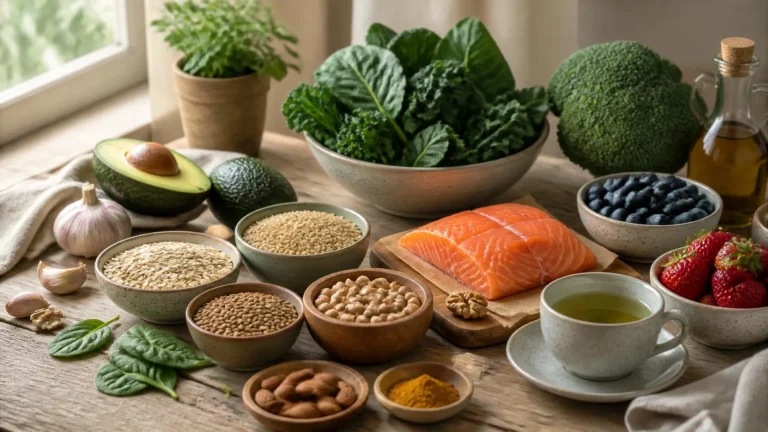
Cruciferous vegetables include broccoli, cauliflower, cabbage, kale, radish and other members of the mustard family. They provide fibre, vitamins and glucosinolates, but no single vegetable can prevent or cure disease.
Quick answer: What are cruciferous vegetables?
Cruciferous vegetables belong mainly to the Brassicaceae, or mustard, family. Common examples include broccoli, cauliflower, cabbage, Brussels sprouts, kale, mustard greens, radish, turnip, bok choy, watercress and arugula. They contain fibre, vitamin C, vitamin K, folate and sulfur-containing glucosinolates. Nutrient levels differ by vegetable and preparation.
The name “cruciferous” comes from the cross-like arrangement historically associated with the flowers of this plant family. These vegetables range from leafy greens to roots, compact heads and flower buds.
Their bitter, peppery or sulfur-like flavours come partly from glucosinolates. Chopping, chewing and digestion break these compounds into substances such as isothiocyanates and indoles. Researchers study sulforaphane and indole-3-carbinol most often, but laboratory activity does not automatically equal a proven clinical benefit.
Complete cruciferous vegetables list
This practical cruciferous vegetables list covers widely eaten members of the mustard family. Availability and names differ by region.
| Vegetable | Also known as | Common edible part |
|---|---|---|
| Broccoli | Calabrese broccoli | Florets, stems and leaves |
| Cauliflower | Phool gobhi | Flower head and stems |
| Cabbage | Patta gobhi | Leafy head |
| Brussels sprouts | Mini cabbages | Leaf buds |
| Kale | Leaf cabbage | Leaves and tender stems |
| Mustard greens | Sarson leaves | Leaves and stems |
| Radish | Mooli | Root, leaves and pods |
| Turnip | Shalgam | Root and greens |
| Kohlrabi | Ganth gobhi | Swollen stem and leaves |
| Bok choy | Pak choi | Leaves and stalks |
| Collard greens | Collards | Leaves |
| Arugula | Rocket | Leaves |
| Watercress | Water cress | Leaves and tender stems |
| Wasabi | Japanese horseradish | Rhizome and leaves |
| Horseradish | Armoracia | Root |
Common confusion: Spinach, lettuce, beetroot, carrots and regular onions are nutritious, but they are not cruciferous vegetables. Botanical families matter more than colour or shape.
Nutrients in cruciferous vegetables
Different members provide different amounts, so avoid treating the entire group as nutritionally identical. Common contributions include:
Dietary fibre
Fibre supports bowel regularity, feeds gut microbes and helps meals feel satisfying. The amount changes with the vegetable and portion.
Vitamin C
Broccoli, cabbage and cauliflower can contribute vitamin C, which supports collagen formation, antioxidant functions and normal immune activity.
Vitamin K
Kale, collards, broccoli and other green varieties may provide vitamin K, which contributes to normal blood clotting and bone health.
Folate
Several vegetables in this family supply folate, a nutrient involved in DNA synthesis and normal cell division.
Plant pigments
Dark-green varieties can provide beta-carotene, lutein and zeaxanthin alongside other plant compounds.
Sulfur compounds
Glucosinolates create characteristic flavours and break down into compounds that scientists continue to study.
Potential cruciferous vegetable benefits
The strongest reason to eat this group is simple: it adds variety, fibre and micronutrients to an overall balanced diet. Potential cruciferous vegetable benefits should not be framed as guaranteed disease prevention.
Digestive regularity
The fibre in cabbage, broccoli, kale and related vegetables can support regular bowel movements. Increasing fibre too quickly may cause gas, so add larger portions gradually and drink adequate fluid.
Nutrient density
These foods can add volume and nutrients to meals without requiring highly processed ingredients. Pair them with protein, whole grains or other carbohydrates and a source of healthy fat for a more complete meal.
Dietary variety
Eating several colours and types of vegetables helps diversify nutrient intake. Rotating cabbage, radish, cauliflower, mustard greens and broccoli also prevents one food from carrying unrealistic expectations.
Cruciferous vegetables and cancer: what research shows
Researchers study glucosinolate breakdown products because laboratory and animal experiments show effects on processes involving DNA damage, carcinogen metabolism, inflammation and cell growth.
Human evidence is much less clear. The National Cancer Institute reports mixed findings for prostate, colorectal, lung and breast cancer. Some observational studies suggest associations, while others find little or no relationship.
Evidence boundary: Eating vegetables supports a healthful dietary pattern. It does not guarantee cancer prevention, and broccoli or sulforaphane should never replace screening, vaccination, diagnosis or cancer treatment.
Observational studies also face confounding. People who eat more vegetables may exercise more, smoke less, receive better healthcare or follow other protective habits. Researchers cannot always separate these influences.
Do cruciferous vegetables affect the thyroid?
Some cruciferous foods contain substances described as goitrogens because they can interfere with thyroid iodine uptake under certain conditions. This concern matters mainly when iodine intake is inadequate or when people consume unusually large amounts.
The NIH Office of Dietary Supplements states that reasonable amounts of goitrogen-containing foods generally do not concern people who consume enough iodine and eat a varied diet. This does not mean every thyroid patient should follow identical advice.
- Do not remove an entire vegetable family without professional advice.
- Avoid extreme raw-juice or very-high-volume routines.
- Use iodised salt appropriately if it fits your medical and dietary needs.
- Follow your clinician’s instructions for thyroid medication and testing.
- Discuss major dietary changes if you have iodine deficiency or thyroid disease.
Raw versus cooked cruciferous vegetables
Both raw and cooked forms can fit into a healthy diet. Cooking changes texture, digestibility and the levels of some heat-sensitive or water-soluble compounds. It may also make a larger serving easier to tolerate.
| Method | Advantages | Considerations |
|---|---|---|
| Raw | Crisp texture; useful in salads and slaws | May cause more gas or feel harder to digest |
| Steaming | Quick; softens texture without immersing food | Cooking time still affects sensitive compounds |
| Microwaving | Fast and requires little water | Use a suitable container and avoid overcooking |
| Stir-frying | Adds flavour and works well with spices | Oil and sauces change the final meal |
| Roasting | Creates browning and a sweeter flavour | High heat changes some plant compounds |
| Boiling | Softens tough vegetables | Water-soluble nutrients can move into cooking water |
No single cooking method is always best. Use different methods, cook vegetables until enjoyable and use the cooking liquid in soups or curries when practical.
Possible side effects and medication considerations
Gas and bloating
Fibre and fermentable carbohydrates can cause gas, particularly after a sudden increase. Begin with a smaller cooked portion and increase gradually.
Vitamin K and warfarin
Green vegetables such as kale, collards and broccoli can provide substantial vitamin K. People taking warfarin or similar vitamin K–antagonist medicines should keep vitamin K intake consistent rather than making sudden changes. Follow the treating clinician’s advice.
Food allergy
Allergy to a vegetable in this family is uncommon but possible. Stop eating it and seek urgent help for breathing difficulty, facial swelling or another severe reaction.
Digestive conditions
People with irritable bowel syndrome or another digestive disorder may tolerate some types and portions better than others. A registered dietitian can help identify patterns without causing unnecessary restriction.
How much should you eat?
There is no universal daily requirement specifically for this vegetable family. Include them within a varied vegetable intake rather than forcing a fixed “detox dose.” Portion needs depend on age, appetite, energy needs, culture, medical conditions and the rest of the diet.
A practical approach is to add a cooked or raw serving to meals several times each week while rotating other vegetables, beans, fruits and whole foods.
Ways to add cruciferous vegetables to Indian meals
Simple meal ideas
- Make aloo gobhi with more cauliflower and a moderate amount of potato.
- Add cabbage, peas and carrots to a quick sabzi.
- Prepare sarson saag with other leafy greens according to family tradition.
- Roast broccoli or cauliflower with cumin, turmeric and black pepper.
- Add radish leaves to dal, paratha filling or a cooked greens dish.
- Use turnip in a curry, stew or mixed vegetable preparation.
- Stir-fry bok choy with garlic, ginger and sesame.
- Make a kohlrabi and lentil curry.
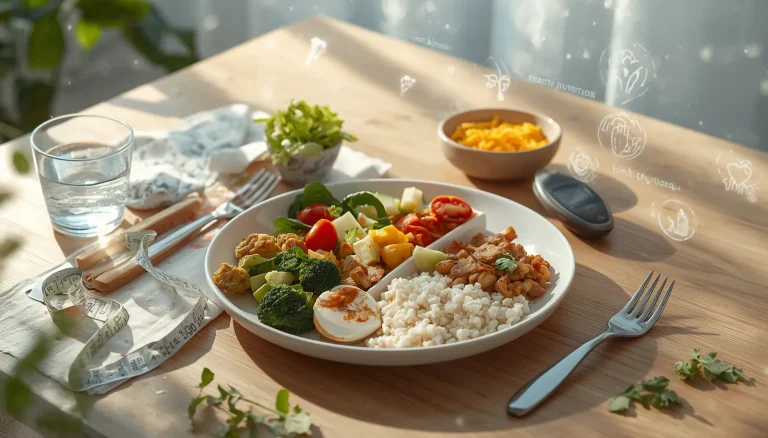
Balanced plate idea: Pair the vegetable dish with dal, beans, eggs, fish, chicken, paneer or tofu plus roti, rice or another suitable grain.
Buying, storing and preparing
- Choose firm vegetables without extensive yellowing, slime or strong spoilage odour.
- Refrigerate most fresh varieties and use them while crisp.
- Wash under clean running water before cutting or cooking.
- Trim damaged parts and use edible stems and leaves when suitable.
- Cut similar-sized pieces for even cooking.
- Frozen plain vegetables can be a convenient alternative.
The bottom line
Cruciferous vegetables are a diverse group that includes broccoli, cauliflower, cabbage, kale, mustard greens, radish and turnip. They contribute fibre, vitamins, minerals and glucosinolates to a varied diet.
Human studies do not prove that this group prevents cancer, and reasonable food portions do not usually threaten thyroid health in people with adequate iodine intake. Individual medical and medication considerations still matter.
Practical takeaway: Eat a variety, use cooking methods you enjoy and avoid treating one vegetable, extract or supplement as a cure.
Frequently asked questions
Which vegetables are cruciferous?
Examples include broccoli, cauliflower, cabbage, Brussels sprouts, kale, mustard greens, radish, turnip, kohlrabi, bok choy, arugula and watercress.
Is spinach a cruciferous vegetable?
No. Spinach belongs to a different botanical family. It remains a nutritious leafy green but does not belong to the Brassicaceae family.
Can I eat cruciferous vegetables every day?
Many people can include reasonable portions regularly. Variety remains important, and individual digestive, thyroid or medication needs may require personalised advice.
Are cruciferous vegetables bad for the thyroid?
Reasonable amounts generally do not concern people with adequate iodine intake. People with iodine deficiency or thyroid disease should discuss major dietary changes with a clinician.
Is broccoli better raw or cooked?
Both forms can contribute nutrients. Raw broccoli has a different compound profile, while cooking improves texture and may make it easier to digest.
Do cruciferous vegetables prevent cancer?
Laboratory research is promising, but human studies have produced mixed results. These vegetables support a healthy diet but cannot guarantee cancer prevention.
Why do cruciferous vegetables cause gas?
Their fibre and fermentable carbohydrates can produce gas as gut microbes break them down. Smaller cooked portions may improve tolerance.
Which cruciferous vegetables are common in India?
Common examples include cauliflower, cabbage, mustard greens, radish, turnip, kohlrabi and increasingly available broccoli.
Sources and further reading
- National Cancer Institute: Cruciferous vegetables and cancer prevention
- NIH Office of Dietary Supplements: Iodine and goitrogens
- NIH Office of Dietary Supplements: Vitamin K and medication interactions
- USDA SNAP-Ed: Broccoli selection and preparation
Medical note: This article provides general nutrition education and does not replace diagnosis or advice from a doctor or registered dietitian.