Mehak
Mehak 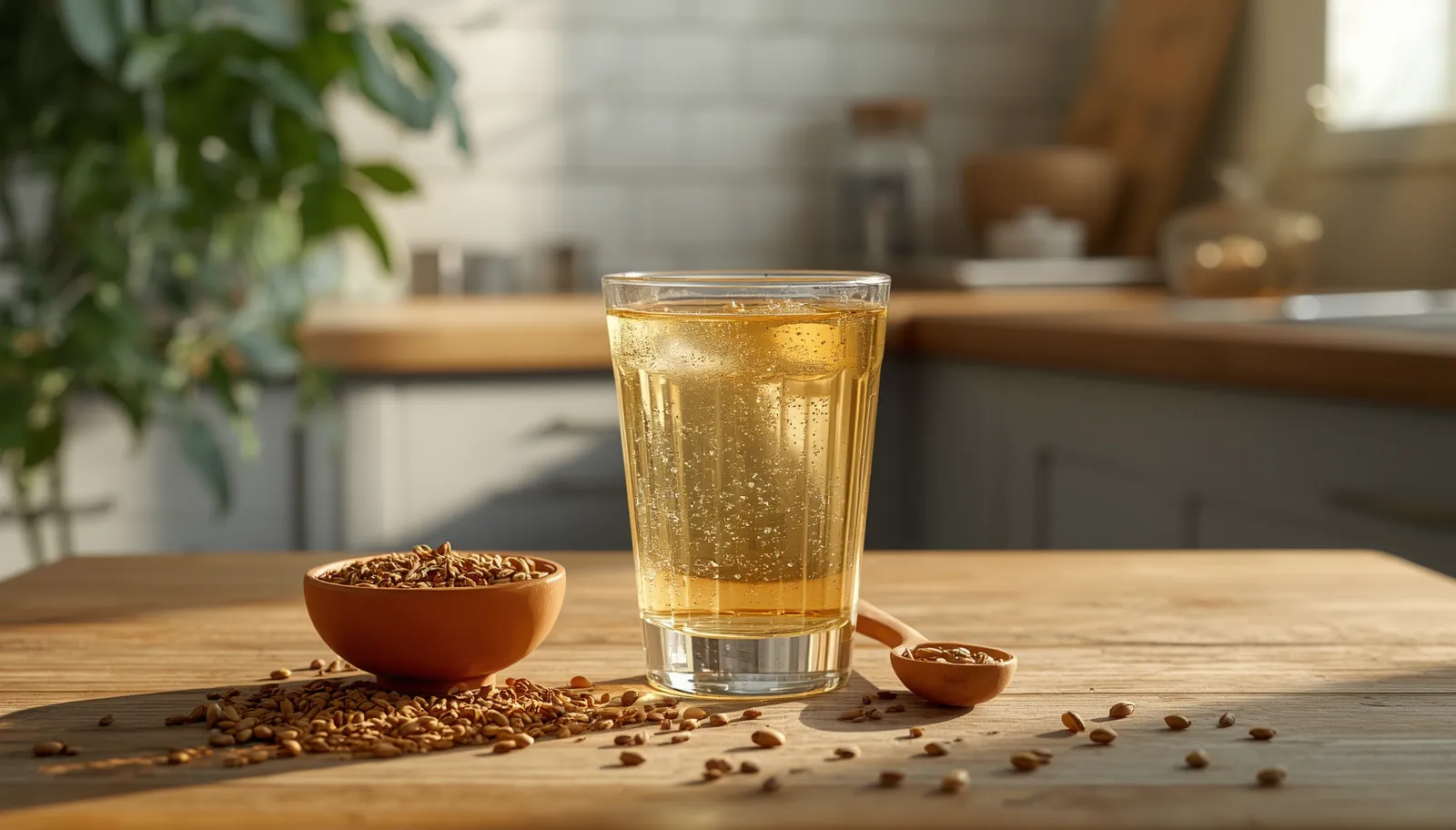
Cumin water is a simple, unsweetened beverage that can support hydration and fit into a balanced diet, but it is not a detox drink or a substitute for medical treatment.
Jeera water is an inexpensive, unsweetened drink made by soaking or simmering cumin seeds. It may be a pleasant way to drink water—but most health research has tested cumin supplements, not this homemade beverage.
Quick answer: What are cumin water benefits?
Cumin water provides fluid and flavour without added sugar when prepared plainly. Cumin contains aromatic and plant compounds, and trials of measured cumin supplements suggest possible small effects on some cholesterol or body-size markers. However, studies do not establish that ordinary jeera water treats diabetes, melts belly fat, “detoxifies” the liver or cures digestive disease. Use it as a beverage, not a replacement for food, medicine or clinical care.
What is cumin water?
Cumin water—commonly called jeera water—is water infused with the seeds of Cuminum cyminum. It is usually prepared by soaking seeds overnight, simmering them briefly or pouring hot water over lightly crushed seeds.
The strength is not standardised. Seed variety, quantity, crushing, temperature and steeping time all change which compounds enter the drink. This is why results from capsules, powders or concentrated extracts cannot be directly applied to one glass of homemade water.
Potential benefits: evidence versus popular claims
| Claim | What we can reasonably say |
|---|---|
| Hydration | It contributes fluid, and the flavour may help some people choose water instead of a sugary drink. |
| Digestion | Cumin is traditionally used after meals, but strong clinical evidence for cumin water treating bloating, acidity or IBS is lacking. |
| Cholesterol | Meta-analyses of small cumin-supplement trials report possible improvements in some lipid markers; this does not prove the same effect from cumin water. |
| Blood sugar | Reviews conflict, with one meta-analysis finding no significant improvement in several glycaemic markers. It cannot replace diabetes treatment. |
| Weight loss | Some supplement trials report small changes in BMI or waist measures. Jeera water does not independently burn fat. |
| Antioxidants | Cumin contains plant compounds measured in laboratory research, but antioxidant labels do not establish a clinical benefit in people. |
| “Detox” | No drink flushes undefined toxins. The liver, kidneys, lungs and gut carry out normal waste-processing functions. |
What research on cumin actually shows
A 2021 systematic review of eight randomised trials found cumin supplementation associated with a small reduction in BMI and total cholesterol, while other outcomes were inconsistent and the authors called for better-quality trials. A separate meta-analysis of six trials involving 376 participants reported improvements in total cholesterol, LDL and HDL, but not a clear overall triglyceride effect.
Blood-sugar evidence is less consistent. One 2021 review of eight randomised trials and 552 adults found no statistically significant effect on fasting glucose, insulin or insulin resistance. Another review reached a more favourable conclusion using different methods and populations. High variation and small studies make certainty limited.
Critical distinction: these studies generally tested defined amounts of powder, capsules, extracts or oil for weeks. They did not establish the effects of everyday soaked cumin water.
How to make cumin water
Overnight soaked method
- Add ½–1 teaspoon whole cumin seeds to 250–300 ml drinking water.
- Cover and refrigerate or keep safely according to room conditions overnight.
- Strain in the morning. Warm gently if preferred.
Quick simmered method
- Add ½–1 teaspoon seeds to 300 ml water.
- Simmer for about five minutes.
- Cover briefly, strain and allow it to cool to a safe temperature.
Start with the weaker version. There is no evidence that a darker or more concentrated drink provides greater benefit. Do not repeatedly boil the same seeds across days.
How to use jeera water sensibly
- Drink one small glass if you enjoy it and tolerate it.
- Keep it unsweetened if your goal is to replace sugary beverages.
- Continue eating normal balanced meals; do not use it as a meal replacement.
- Count it as part of your fluid intake, especially if you have a prescribed fluid limit.
- Store prepared water covered and chilled when not consumed promptly.
- Discard it if the smell, taste or appearance changes.
You do not have to chew or swallow the soaked seeds. Cumin used normally in cooked food remains a simple way to enjoy its flavour.
What is the best time to drink cumin water?
There is no clinically proven best time. You can drink it with or between meals according to comfort. Taking it on an empty stomach has not been shown to unlock special fat-burning or detox benefits.
| Situation | Practical choice |
|---|---|
| It causes nausea when fasting | Take it with or after food, dilute it or stop. |
| You use it instead of a sugary drink | Have it at the time you usually choose that drink. |
| You wake to urinate at night | Avoid adding unnecessary fluid close to bedtime. |
| You take morning medicines | Use plain water unless your prescriber or pharmacist says otherwise. |
| You have a fluid restriction | Include cumin water in the prescribed daily total. |
Does cumin water help gas, bloating or acidity?
Some people find a warm spiced drink comfortable after a meal, and cumin has a long culinary and traditional history. That personal experience is different from proving treatment for a digestive disorder.
Bloating can result from constipation, lactose intolerance, coeliac disease, IBS, medicines and other conditions. Recurrent or severe symptoms deserve assessment. Seek medical care for persistent vomiting, difficulty swallowing, blood or black stool, unexplained weight loss, fever, severe pain or a swollen abdomen that does not settle.
Can jeera water reduce weight or belly fat?
No drink targets belly fat. Body-fat change depends on a longer-term energy balance influenced by food, activity, sleep, medicines, health and environment. Replacing a sugar-sweetened drink with unsweetened cumin water may reduce calorie intake, but the benefit comes mainly from the substitution.
Cumin-supplement trials reporting small BMI or waist changes do not justify promising rapid weight loss from a homemade infusion. Avoid “seven-day belly-fat” challenges and do not skip meals to amplify the effect.
Cumin water and diabetes
Do not use jeera water to lower glucose instead of prescribed medicine, balanced nutrition and monitoring. Research on cumin supplements is conflicting, and the amount in homemade water is uncertain.
If you take insulin or glucose-lowering medicine, check with your clinician before using concentrated cumin preparations regularly. Monitor as advised, and know the signs of low blood sugar. Never change a dose based on an online remedy.
Possible side effects and precautions
Digestive discomfort
A strong drink may cause nausea, heartburn or stomach discomfort in some people.
Allergy
Stop and seek urgent help for swelling, breathing difficulty or widespread hives.
Blood glucose
Concentrated use could potentially add to glucose-lowering treatment effects.
Medicine interactions
Herbal products may affect medicines; evidence for many combinations remains limited.
Culinary cumin in food is different from medicinal-dose powder, extracts or essential oil. Do not drink cumin essential oil or apply it undiluted. Essential oils are concentrated and can cause harm.
Pregnancy, breastfeeding and children
Normal culinary use of cumin is not the same as concentrated daily supplementation. Safety information for medicinal doses during pregnancy and breastfeeding is limited. Ask an obstetric clinician before using strong preparations or supplements, and do not use cumin water to induce labour or treat pregnancy symptoms.
Children do not need cumin water for immunity, colic, weight change or detox. Offer age-appropriate food and fluids, and ask a paediatric professional about symptoms. Never replace breast milk, formula or oral rehydration solution with jeera water.
Who should check before regular concentrated use?
- People taking insulin or other blood-glucose-lowering medicines
- People who are pregnant, breastfeeding or trying to use it for fertility
- Anyone with a known spice or Apiaceae-family allergy
- People taking multiple medicines or treatment with a narrow safety margin
- Anyone preparing for surgery
- People with prescribed fluid restrictions
- Children or older adults with poor intake, dehydration or unexplained symptoms
Cumin water compared with other drinks
| Drink | Best understood as | Important note |
|---|---|---|
| Plain cumin water | Flavoured unsweetened water | Benefits beyond hydration are uncertain. |
| Lemon-cumin water | Flavoured water with acidity | May aggravate reflux or tooth sensitivity; it is not a fat burner. |
| Cumin with honey | A sweetened drink | Honey adds free sugar and is unsafe for infants under 12 months. |
| Oral rehydration solution | A measured medical fluid for dehydration | Do not replace ORS with homemade cumin water during diarrhoea. |
| Tea or coffee | Caffeinated beverages | Effects and tolerance differ; watch late-day caffeine. |
Common cumin water myths
- “It detoxes the liver.” There is no validated toxin-flushing effect.
- “It melts belly fat overnight.” No beverage selectively burns abdominal fat.
- “More cumin works faster.” A stronger preparation may only increase discomfort or risk.
- “It cures diabetes.” Evidence does not support replacing medical treatment.
- “Everyone should drink it on an empty stomach.” Timing has not been shown to create a special benefit.
- “Natural means interaction-free.” Concentrated herbs can affect the body and medicines.
The bottom line
The most reliable cumin water benefit is simple: it is a flavourful, usually unsweetened way to drink water. Research on cumin supplements suggests possible modest metabolic effects, but it does not prove that homemade jeera water produces them.
Use a mild recipe, stop if it causes symptoms and keep expectations realistic. For diabetes, high cholesterol, persistent digestive symptoms or weight concerns, rely on qualified care and established treatments.
Frequently asked questions
What are the main benefits of cumin water?
It provides fluid and flavour without added sugar. Other claimed benefits are not firmly established for homemade cumin water.
Can I drink cumin water every day?
A mild culinary-strength drink may be acceptable for many adults who tolerate it, but daily use is unnecessary and concentrated use needs more caution.
Should I drink jeera water on an empty stomach?
No special empty-stomach benefit has been proven. Take it at a time that feels comfortable.
Does cumin water reduce belly fat?
No. It does not target belly fat, though replacing a sugary drink with it may reduce calorie intake.
Can cumin water lower blood sugar?
Evidence from cumin-supplement studies is conflicting, and cumin water cannot replace diabetes medicine or monitoring.
How much cumin should I use?
For a mild beverage, start with ½–1 teaspoon of whole seeds in roughly 250–300 ml water.
Is cumin water safe during pregnancy?
Culinary use differs from concentrated regular use. Because medicinal-dose safety data are limited, ask your pregnancy-care clinician first.
Sources and further reading
- Meta-analysis: Cumin, Lipids and Body Measurements
- Meta-analysis: Cumin and Lipid Parameters
- Meta-analysis: Cumin and Glycaemic Indices
- Review: Cumin and Glycaemic Parameters
- GRADE-Assessed Review: Cumin and Metabolic Syndrome Components
Health note: General education only. This drink is not a treatment and should not replace prescribed care.
About the Author