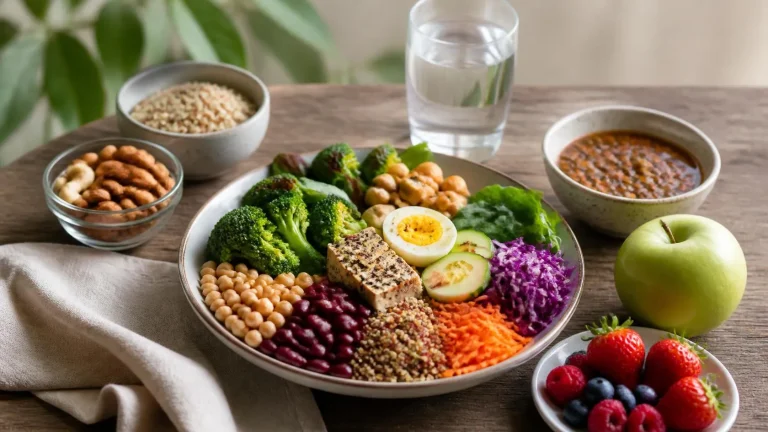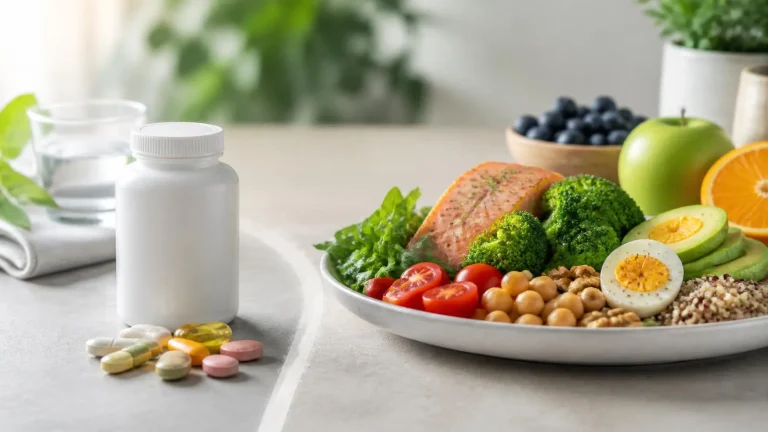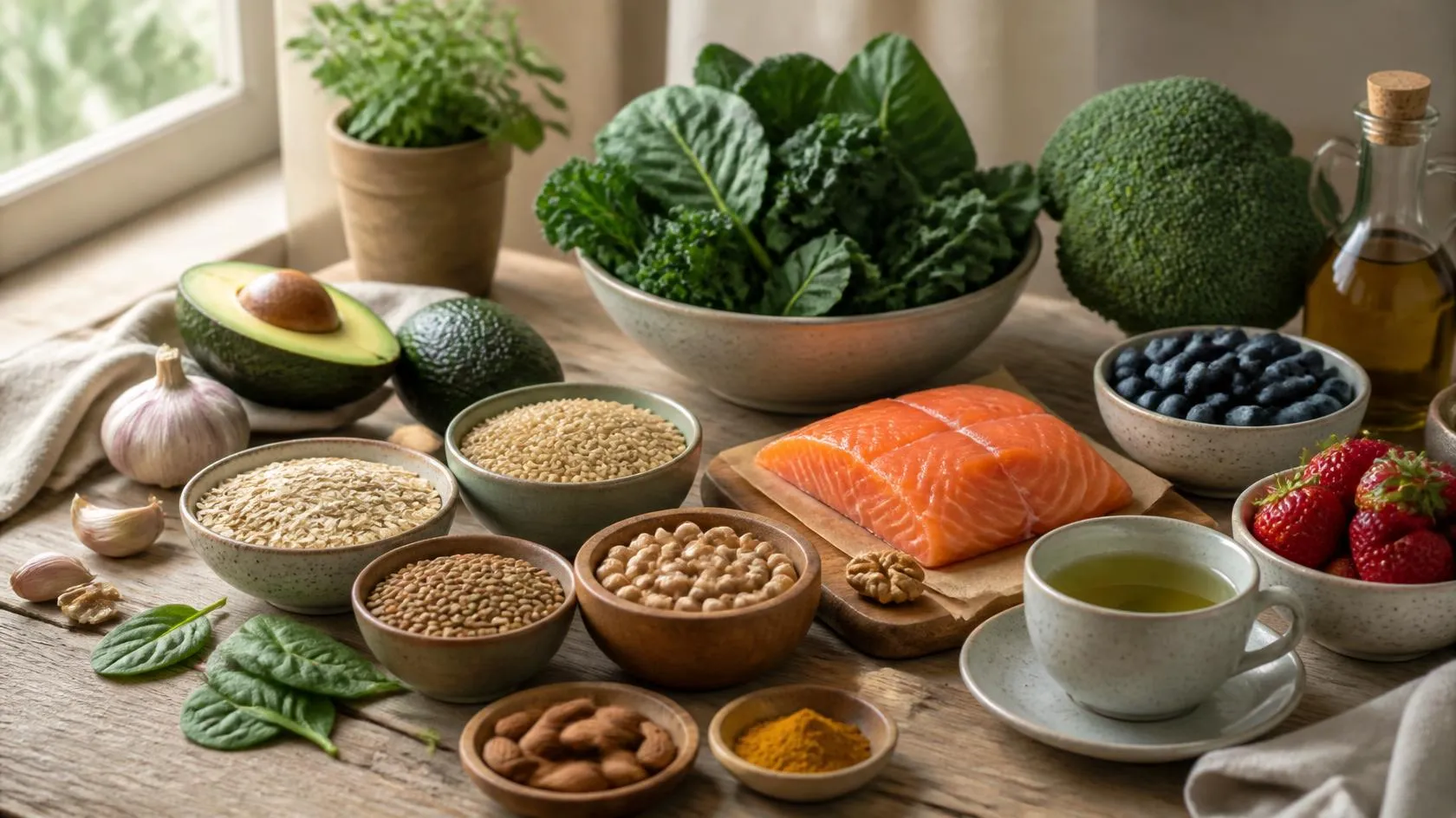
Nutrient-rich foods such as leafy greens, berries, whole grains, healthy fats, and lean proteins can support normal liver function and long-term wellness
Discover evidence-based foods that support overall wellness and normal liver function. Learn how a balanced diet, healthy lifestyle habits, and smart food choices can help you maintain long-term liver health.
Quick Answer
A healthy dietary pattern that includes vegetables, fruits, whole grains, legumes, nuts, healthy fats, and lean proteins supports overall health and normal liver function. While no single food can detoxify the liver, consistently eating nutrient-rich foods and maintaining healthy lifestyle habits can contribute to long-term liver wellness.
The liver naturally performs detoxification. Be cautious of products or diets that claim to “cleanse” or “detox” the liver, as these claims are generally not supported by strong scientific evidence.
Why Is Liver Health Important?
The liver is one of the body’s most important organs, performing hundreds of essential tasks every day. It helps process nutrients from food, produces bile to aid digestion, stores vitamins and minerals, supports metabolism, and naturally removes waste products from the bloodstream.
Because the liver is involved in so many critical functions, maintaining a balanced diet and healthy lifestyle can play an important role in supporting its normal function.
Key Liver Functions
- Produces bile for digestion
- Processes nutrients
- Stores vitamins and minerals
- Supports metabolism
- Produces important proteins
- Helps remove waste products
Healthy Lifestyle Habits
- Eat a balanced diet
- Exercise regularly
- Sleep well
- Stay hydrated
- Maintain a healthy weight
- Avoid excessive alcohol
15 Foods Beneficial for Natural Liver Health
1. Leafy Green Vegetables
Spinach, kale, arugula, and other leafy greens are rich in vitamins, minerals, and dietary fiber. Including a variety of green vegetables in your meals contributes to an overall healthy eating pattern.
2. Broccoli and Other Cruciferous Vegetables
Broccoli, cauliflower, Brussels sprouts, and cabbage are nutritious vegetables that provide fiber and valuable plant compounds. Roasting, steaming, or stir-frying these vegetables makes them easy to include in weekly meals.
3. Garlic
Garlic adds flavor while reducing the need for excessive salt. It can be incorporated into soups, curries, vegetables, and lean protein dishes as part of a balanced diet.
4. Turmeric
Turmeric is a bright yellow spice commonly used in Asian cuisine. It contains the natural compound curcumin and adds flavor and color to soups, curries, rice dishes, and roasted vegetables. While turmeric is a healthy culinary spice, it should not be considered a treatment for liver disease.
Easy Ways to Use Turmeric
- Add to vegetable curries.
- Mix into soups.
- Season roasted vegetables.
- Blend into smoothies.
- Prepare turmeric rice.
Nutrition Highlights
- Natural plant compounds
- Adds flavor without excess salt
- Pairs well with vegetables
- Common spice in healthy diets
- Versatile ingredient
5. Fatty Fish
Fatty fish such as salmon, sardines, trout, and mackerel provide high-quality protein together with omega-3 fatty acids. Including fish in your weekly meal plan supports an overall heart-healthy dietary pattern.
Aim to include fish in your meals one or two times per week if it aligns with your dietary preferences and healthcare guidance.
6. Berries
Blueberries, strawberries, raspberries, and blackberries provide dietary fiber, vitamin C, and naturally occurring antioxidants. Fresh or frozen berries make an excellent addition to breakfast, snacks, or desserts.
Healthy Ideas
- Add to oatmeal.
- Mix into yogurt.
- Blend into smoothies.
- Top whole-grain pancakes.
- Eat fresh as a snack.
Why They’re Popular
- Rich in fiber
- Naturally sweet
- Low in added sugar
- Easy to include daily
- Colorful and versatile
7. Citrus Fruits
Oranges, lemons, limes, and grapefruit provide vitamin C and contribute to overall fruit intake. Whole fruits generally provide more fiber than fruit juices.
Try adding lemon slices to water, orange segments to salads, or fresh citrus alongside breakfast.
8. Avocados
Avocados are rich in monounsaturated fats, dietary fiber, potassium, and several vitamins. Their creamy texture makes them a nutritious alternative to butter or mayonnaise in many recipes.
Enjoy Avocados
- Whole-grain toast
- Fresh salads
- Healthy sandwiches
- Smoothies
- Homemade guacamole
Key Nutrients
- Healthy fats
- Dietary fiber
- Potassium
- Vitamin E
- Folate
9. Nuts
Almonds, walnuts, pistachios, and other nuts provide healthy unsaturated fats, plant protein, fiber, and important vitamins and minerals. A small handful makes a satisfying snack.
Although nutritious, nuts are calorie-dense. Enjoy them in moderate portions as part of your daily eating plan.
10. Extra Virgin Olive Oil
Extra virgin olive oil is a cornerstone of the Mediterranean dietary pattern. It contains mostly monounsaturated fats and works well in salad dressings, roasted vegetables, grain bowls, and light cooking.
Best Uses
- Salad dressing
- Vegetable roasting
- Whole-grain bowls
- Light sautéing
- Healthy marinades
Nutrition Benefits
- Healthy unsaturated fats
- Fits Mediterranean diet
- Flavorful alternative to butter
- Easy everyday ingredient
- Versatile cooking oil
11. Green Tea
Green tea is a popular beverage that contains naturally occurring compounds called catechins. Drinking unsweetened green tea can be part of a balanced diet and healthy lifestyle. If you have a medical condition, are pregnant, or take medications, consult your healthcare provider before significantly increasing your intake.
Enjoy Green Tea
- Drink it plain without added sugar.
- Serve hot or chilled.
- Pair with breakfast or snacks.
- Choose high-quality loose leaves or tea bags.
- Stay hydrated with water throughout the day as well.
Nutrition Highlights
- Naturally low in calories
- Contains plant compounds
- Alternative to sugary drinks
- Easy to include daily
- Complements a balanced diet
12. Whole Grains
Whole grains such as oats, brown rice, quinoa, barley, and whole wheat provide dietary fiber, complex carbohydrates, B vitamins, and minerals. Replacing refined grains with whole grains can improve the overall quality of your diet.
13. Beans and Lentils
Beans, lentils, chickpeas, and peas are excellent sources of plant-based protein and fiber. They are versatile ingredients that can be used in soups, curries, salads, and grain bowls.
Popular Choices
- Kidney beans
- Black beans
- Chickpeas
- Green lentils
- Red lentils
Why Include Them?
- High in fiber
- Rich in plant protein
- Budget-friendly
- Versatile in recipes
- Suitable for many eating patterns
14. Beetroot
Beetroot provides folate, potassium, dietary fiber, and naturally occurring pigments. Roast it, steam it, grate it into salads, or blend it into smoothies for variety.
15. Coffee (in Moderation)
For many adults, moderate coffee consumption can fit within a healthy dietary pattern. Choose plain coffee or versions with minimal added sugar and cream. Individual recommendations vary, so follow your healthcare provider’s advice if you have specific health concerns.
Foods to Limit
Supporting liver health is not only about what you eat—it also involves limiting foods that may contribute to an unbalanced diet when consumed in excess.
Limit These Foods
- Sugar-sweetened beverages
- Highly processed snacks
- Deep-fried foods
- Foods high in trans fats
- Highly refined carbohydrates
- Excess added sugars
Choose More Often
- Fresh vegetables
- Whole fruits
- Whole grains
- Legumes
- Lean proteins
- Healthy fats
Sample Liver-Friendly Meal Plan
| Meal | Example |
|---|---|
| Breakfast | Oatmeal topped with blueberries, walnuts, and plain Greek yogurt. |
| Morning Snack | Apple with a handful of almonds. |
| Lunch | Grilled salmon, brown rice, steamed broccoli, and a mixed green salad with olive oil. |
| Afternoon Snack | Carrot and cucumber sticks with hummus. |
| Dinner | Lentil soup with roasted beetroot, whole-grain bread, and mixed vegetables. |
| Drinks | Water, unsweetened green tea, or plain coffee in moderation. |
Healthy Lifestyle Habits for Liver Wellness
Nutrition
- Eat a balanced diet.
- Choose minimally processed foods.
- Increase fiber intake.
- Control portion sizes.
- Stay hydrated.
Lifestyle
- Exercise regularly.
- Maintain a healthy weight.
- Sleep 7–9 hours.
- Avoid smoking.
- Follow medical advice.
Myths vs Facts
| Myth | Fact |
|---|---|
| Detox drinks cleanse the liver. | The liver naturally performs detoxification. No single food or drink has been proven to detox the liver. |
| Only alcohol affects liver health. | Liver health can also be influenced by obesity, diabetes, viral infections, medications, and other medical conditions. |
| Supplements are better than food. | Most people benefit most from a varied, nutrient-rich diet unless supplements are recommended by a healthcare professional. |
Small, sustainable lifestyle changes are generally more beneficial than restrictive “detox” diets. Focus on balanced nutrition, regular activity, quality sleep, and routine medical care when appropriate.
Frequently Asked Questions
1. What foods are beneficial for natural liver health?
A balanced diet that includes leafy green vegetables, cruciferous vegetables, berries, citrus fruits, whole grains, legumes, nuts, healthy fats, and lean proteins can support overall health and normal liver function.
2. Can any food detox the liver?
No. The liver naturally performs detoxification. There is no strong scientific evidence that a specific food, juice, or supplement can cleanse or detoxify the liver.
3. Is coffee good for liver health?
For many adults, moderate coffee consumption can fit within a balanced dietary pattern. Individual recommendations vary based on age, medical history, and healthcare advice.
4. Which fruits are good for liver health?
Berries, oranges, grapefruit, lemons, apples, and avocados are nutrient-rich foods that can be included as part of a healthy eating pattern.
5. Are leafy green vegetables beneficial?
Yes. Leafy greens such as spinach and kale provide vitamins, minerals, and fiber that contribute to a balanced diet.
6. Should I avoid processed foods?
Limiting highly processed foods, added sugars, trans fats, and excessive alcohol can support an overall healthy dietary pattern.
7. Does exercise help liver health?
Regular physical activity supports overall metabolic health and complements healthy eating habits.
8. How much water should I drink?
Hydration needs vary by age, activity level, climate, and health. Drink enough fluids to stay adequately hydrated throughout the day.
9. Are liver detox supplements necessary?
Most healthy individuals do not need detox supplements. Speak with a healthcare professional before taking any supplement.
10. When should I see a doctor?
Consult a healthcare professional if you notice symptoms such as jaundice, persistent fatigue, severe abdominal pain, dark urine, unexplained weight loss, or other ongoing concerns.
Support Your Liver Through Healthy Daily Choices
Your liver works around the clock to support your body’s essential functions. A balanced diet, regular exercise, quality sleep, proper hydration, and routine medical care are the most effective long-term strategies for maintaining overall liver health.
Healthy habits don’t need to be complicated. Small, consistent improvements to your nutrition and lifestyle can make a meaningful difference over time.References
- World Health Organization (WHO) – Healthy Diet Guidance
- National Institutes of Health (NIH)
- National Institute of Diabetes and Digestive and Kidney Diseases (NIDDK)
- American Liver Foundation
- Harvard T.H. Chan School of Public Health – Nutrition Source
- Centers for Disease Control and Prevention (CDC)
This article is intended for educational purposes only and should not be used as a substitute for professional medical advice, diagnosis, or treatment.
About the Author