Mehak
Mehak 
Calculate your daily protein needs based on body weight, activity level, and fitness goals.
Calculate your daily protein requirement based on your body weight, activity level, and fitness goals. Learn how protein supports muscle growth, weight management, recovery, and overall health.
Quick Answer
Your daily protein requirement depends on your body weight, activity level, age, and fitness goal. Most healthy adults need around 0.8 grams of protein per kilogram of body weight, while people who exercise regularly or want to build muscle may need more.
For example, a person weighing 70 kg may need approximately 56 grams of protein daily for general health and around 112–154 grams when following a muscle-building or intense training plan.
Protein needs vary from person to person. Factors such as health conditions, exercise routine, age, and dietary preferences can influence the ideal amount. Consult a healthcare professional for personalized advice.
Why Is Protein Important?
Protein is one of the three essential macronutrients, along with carbohydrates and fats. It provides amino acids that help the body build and repair tissues, support muscles, and maintain important biological functions.
Muscle Growth & Repair
Protein supplies amino acids needed for repairing muscles after exercise and supporting strength development.
Weight Management
Protein-rich foods can help you feel full and support balanced eating habits during weight management goals.
Healthy Aging
Adequate protein intake helps maintain muscle mass and physical strength as people age.
Workout Recovery
Protein supports recovery after physical activity by providing nutrients required for muscle repair.
Daily Protein Requirement Based on Goals
| Goal | Recommended Protein Intake |
|---|---|
| General Health | Approximately 0.8 g per kg body weight |
| Active Lifestyle | Around 1.2–1.6 g per kg body weight |
| Muscle Building | Around 1.6–2.2 g per kg body weight |
| Weight Loss Support | Higher protein intake may help preserve muscle during calorie reduction |
Protein Calculator: Calculate Your Daily Protein Needs
Use this simple protein calculator to estimate your daily protein requirement based on your body weight and fitness goal. This calculator provides a general guideline and should not replace professional nutrition advice.
Daily Protein Calculator
Protein Requirements by Activity Level
Your activity level plays an important role in determining how much protein your body needs. People who exercise regularly generally require more protein compared with those who have a sedentary lifestyle.
| Activity Level | Protein Recommendation |
|---|---|
| Sedentary Lifestyle | Around 0.8 g/kg body weight |
| Light Exercise or Walking | Approximately 1.0–1.2 g/kg body weight |
| Regular Fitness Training | Approximately 1.2–1.6 g/kg body weight |
| Strength Training & Muscle Building | Approximately 1.6–2.2 g/kg body weight |
High Protein Foods for a Healthy Diet
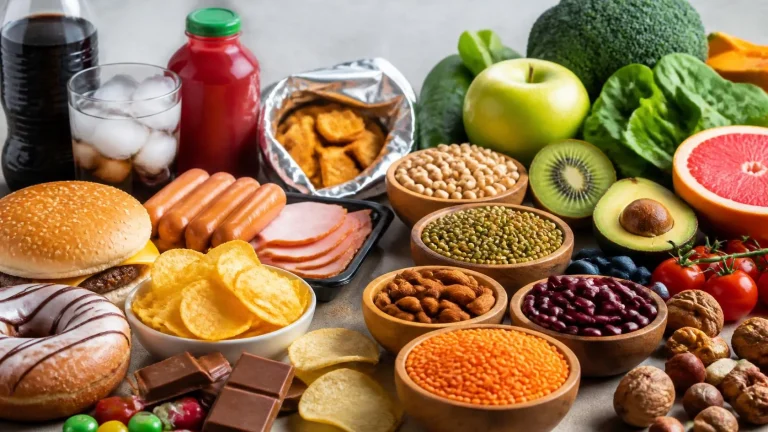
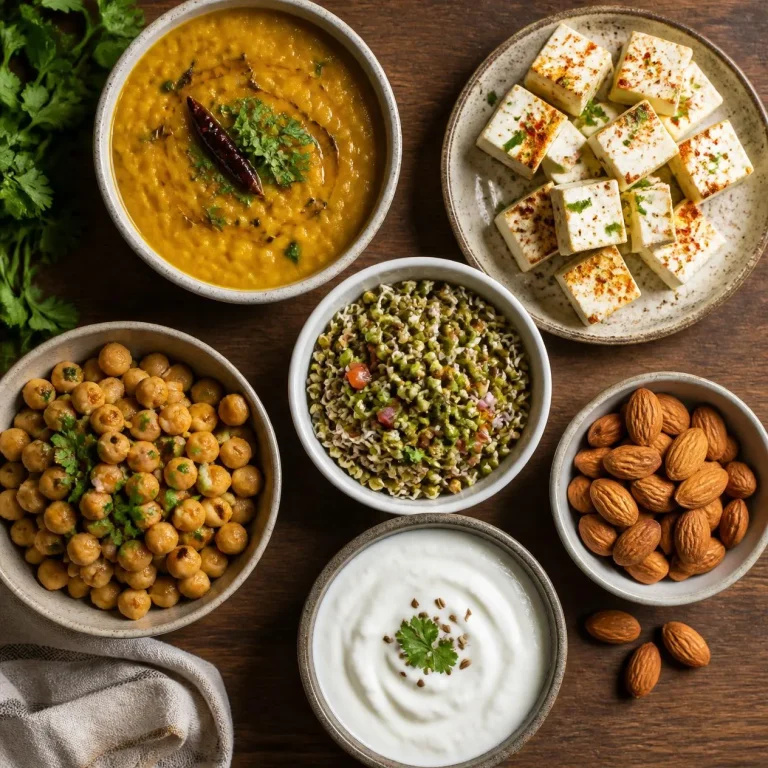
Protein can come from both animal and plant-based foods. Choosing a variety of protein sources helps provide essential amino acids and important nutrients.
Animal-Based Protein Sources
- Eggs
- Chicken breast
- Fish
- Greek yogurt
- Milk
- Lean meat
Plant-Based Protein Sources
- Lentils
- Chickpeas
- Beans
- Tofu
- Soy products
- Nuts and seeds
| Food | Protein Benefit |
|---|---|
| Eggs | Complete protein source containing essential amino acids. |
| Chicken Breast | High-quality lean protein commonly used for muscle-building diets. |
| Lentils | Plant protein with fiber and essential nutrients. |
| Greek Yogurt | Provides protein and supports balanced nutrition. |
| Tofu | A versatile plant-based protein option. |
How Much Protein Do I Need for Muscle Gain?
People who want to build muscle usually need more protein than the minimum daily requirement. Combined with resistance training, adequate protein intake supports muscle repair and growth.
A person weighing 70 kg who follows strength training may require approximately 112–154 grams of protein per day depending on training intensity and individual goals.
How Much Protein Do I Need for Weight Loss?
Higher protein intake can help people maintain muscle while reducing calories. Protein-rich meals may also improve fullness, making it easier to follow a balanced eating plan.
- Include protein in every main meal.
- Choose lean protein sources.
- Combine protein with vegetables and whole foods.
- Maintain regular physical activity.
When Should I Eat Protein?
The total amount of protein you consume each day is usually more important than the exact timing. However, spreading protein intake throughout the day can help support muscle repair and overall nutrition.
| Meal | Protein Examples |
|---|---|
| Breakfast | Eggs, Greek yogurt, milk, oats with nuts |
| Lunch | Chicken, fish, lentils, beans, tofu |
| Snack | Protein smoothie, nuts, yogurt |
| Dinner | Lean protein with vegetables and whole grains |
Signs You May Not Be Getting Enough Protein
Possible Signs
- Slow recovery after workouts
- Muscle weakness
- Low energy levels
- Frequent hunger
- Difficulty maintaining muscle
Improve Protein Intake
- Add protein to every meal
- Choose nutrient-rich foods
- Plan meals ahead
- Balance protein with other nutrients
- Follow your fitness goals
Protein Myths vs Facts
| Myth | Fact |
|---|---|
| More protein always means more muscle. | Muscle growth also requires resistance training, enough calories, proper recovery, and consistent habits. |
| Protein supplements are required for everyone. | Most people can meet their protein needs through balanced whole foods. Supplements are optional and depend on individual goals. |
| Eating protein only after exercise is important. | Total daily protein intake and consistent nutrition are more important than a single post-workout meal. |
| High protein diets are suitable for everyone. | Protein needs vary based on health status, age, activity level, and personal goals. |
| Plant foods cannot provide enough protein. | A well-planned plant-based diet can provide adequate protein through foods like lentils, beans, tofu, and soy products. |
Common Protein Intake Mistakes
Many people focus only on increasing protein but ignore overall diet quality. Avoid these common mistakes to build a healthier nutrition routine.
Mistake 1: Eating Protein Without Balance
A healthy diet should include carbohydrates, healthy fats, vitamins, minerals, and fiber along with protein.
Mistake 2: Ignoring Total Calories
Protein intake works best when combined with appropriate calories based on your health and fitness goals.
Mistake 3: Depending Only on Supplements
Protein powders can be convenient, but whole foods provide additional nutrients that support overall health.
Mistake 4: Not Adjusting Protein Needs
Protein requirements may change with changes in body weight, activity level, age, and fitness goals.
How to Increase Protein Intake Naturally
- Add eggs or yogurt to breakfast.
- Include lentils, beans, or tofu in meals.
- Choose lean protein sources at lunch and dinner.
- Add nuts and seeds to snacks.
- Plan balanced meals in advance.
Protein is an important part of a balanced diet, but overall nutrition quality matters. Combine adequate protein with regular exercise, good sleep, hydration, and healthy lifestyle habits.
Frequently Asked Questions
1. How much protein do I need daily?
Most healthy adults need around 0.8 grams of protein per kilogram of body weight. People who exercise regularly or have specific fitness goals may require more.
2. How do I calculate my protein requirement?
Multiply your body weight in kilograms by your recommended protein range based on your goal. For example, 70 kg × 1.6 grams equals approximately 112 grams of protein daily.
3. How much protein do I need for muscle gain?
People focused on muscle building often require around 1.6–2.2 grams of protein per kilogram of body weight along with resistance training.
4. How much protein should I eat for weight loss?
Higher protein intake may support weight loss by helping maintain muscle and improving fullness. Individual needs vary depending on body composition and goals.
5. Can vegetarians get enough protein?
Yes. Vegetarian protein sources include lentils, beans, chickpeas, tofu, soy products, dairy products, nuts, and seeds.
6. Do I need protein powder?
Protein powder is not required for everyone. Many people can meet protein needs through a balanced diet. Supplements may be useful when convenient protein sources are needed.
7. Can eating too much protein be harmful?
Protein needs depend on individual health conditions and lifestyle. People with kidney disease or other medical concerns should consult a healthcare professional before significantly increasing protein intake.
8. What foods are highest in protein?
High-protein foods include eggs, chicken, fish, dairy products, lentils, beans, tofu, soy products, nuts, and seeds.
9. Should I eat protein after a workout?
Eating protein after exercise can support recovery, but your total daily protein intake and overall diet pattern are more important.
10. Can protein help with weight management?
Yes. Protein can support healthy weight management by helping maintain muscle and improving feelings of fullness when included in a balanced diet.
Calculate Your Protein Needs and Build a Healthier Diet
Understanding your protein requirement helps you make better nutrition choices for fitness, muscle growth, weight management, and overall wellness.
Use the protein calculator above, choose nutritious protein sources, and create sustainable healthy eating habits.
Explore Home Workout Guide →References
- World Health Organization (WHO) – Healthy Diet and Nutrition Guidance
- National Institutes of Health (NIH) – Dietary Protein Research
- International Society of Sports Nutrition (ISSN) – Protein and Exercise Position Stand
- Harvard T.H. Chan School of Public Health – Protein and Healthy Eating
- Academy of Nutrition and Dietetics – Protein Nutrition Information
This article is intended for educational purposes only and does not replace professional medical or nutritional advice.
About the Author