Mehak
Mehak 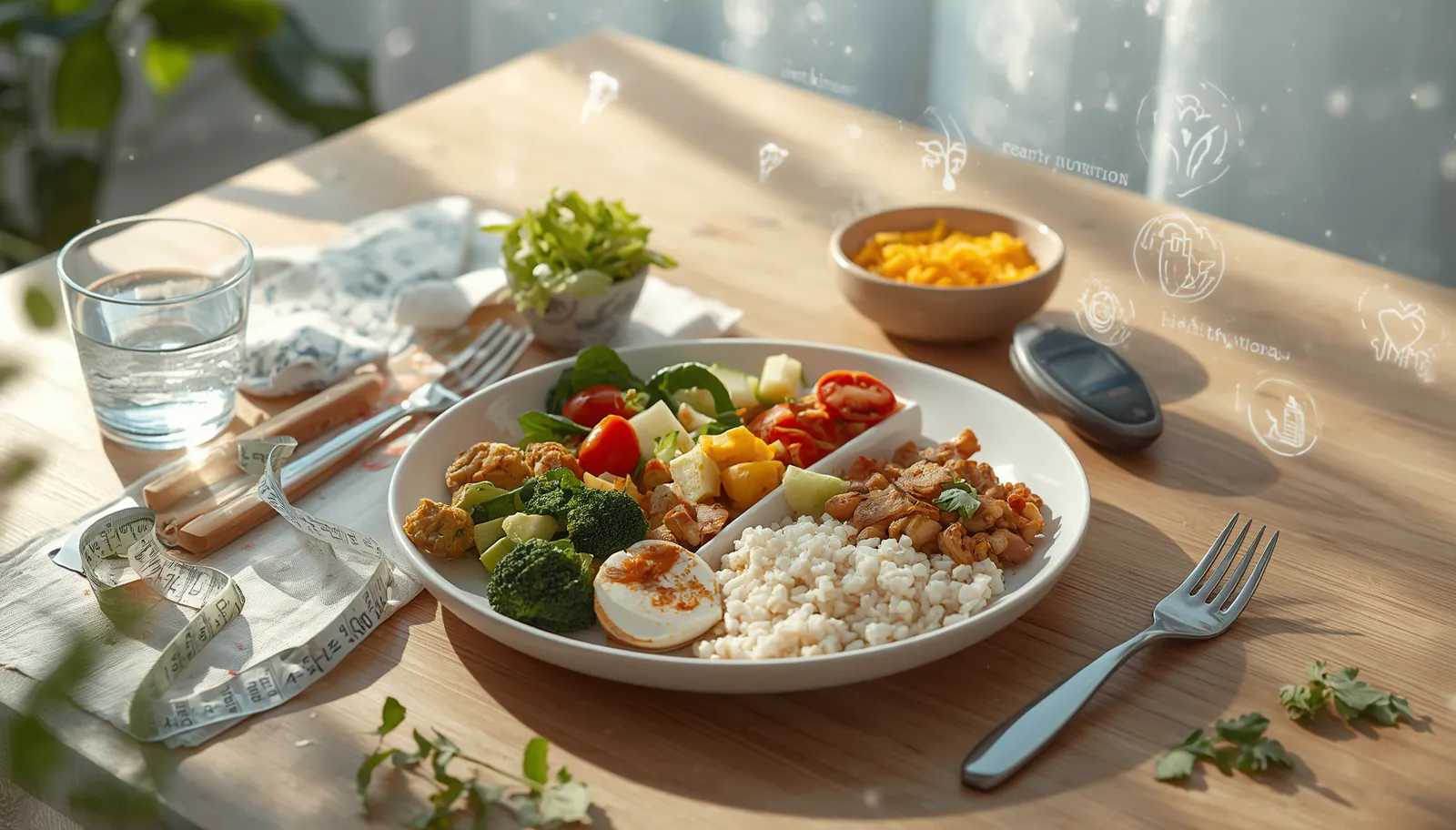
A balanced diabetes-friendly plate with vegetables, lean protein, and healthy carbohydrates for better blood sugar management.
The diabetes plate method is a visual way to plan meals: fill half a roughly 9-inch plate with non-starchy vegetables, one quarter with protein and one quarter with carbohydrate foods. It is a starting framework—not a prescription for every person.
Quick answer: How do you use the diabetes plate method?
Use a plate about 9 inches across. Fill half with non-starchy vegetables such as bhindi, cauliflower, cabbage, beans, spinach or salad. Fill one quarter with protein such as eggs, fish, chicken, tofu, paneer or an appropriate pulse portion. Fill the final quarter with carbohydrate foods such as roti, rice, millet, potato, fruit, milk or curd. Choose water or an unsweetened drink.
The plate method can reduce guesswork and improve meal balance without requiring calculations at every meal. It can be adapted to vegetarian diets, regional foods and mixed dishes, but some people still need carbohydrate counting or a personalised meal plan.
Medical note: Do not change insulin or diabetes medicines based on this guide. Meal timing and carbohydrate amounts should be coordinated with your clinician, especially if you are at risk of low blood glucose.
The diabetes plate in three parts
½ vegetables
Choose mostly non-starchy vegetables in varied colours.
¼ protein
Include an appropriate lean or plant protein.
¼ carbohydrates
Portion grains, starchy foods, pulses, fruit or dairy.
Drink
Choose water or another low-calorie unsweetened drink.
Half the plate: non-starchy vegetables
Non-starchy vegetables generally contain fewer carbohydrates and calories per volume than grains and starchy vegetables. They can add fibre, vitamins, minerals, colour and texture.
Indian options include bhindi, lauki, tori, tinda, cabbage, cauliflower, brinjal, capsicum, spinach, methi, mustard greens, green beans, cucumber, tomato, mushroom and salad leaves. Preparation matters: deep-fried vegetables or dishes rich in cream, butter and salt are not nutritionally identical to lightly cooked versions.
One quarter: protein foods
Options include fish, skinless chicken, eggs, tofu, soy chunks, paneer, unsweetened curd and appropriate portions of beans or dals. Prefer cooking methods such as grilling, steaming, roasting or lightly sautéing more often than deep-frying.
Dals, chickpeas and rajma provide protein and carbohydrate. They may occupy part of both the protein and carbohydrate sections depending on portion and the rest of the meal.
One quarter: carbohydrate foods
Carbohydrate foods include roti, rice, oats, dalia, bread, poha, upma, idli, dosa, millets, potato, sweet potato, peas, corn, beans, fruit, milk and curd. Carbohydrates are not automatically “bad,” but their type and portion can affect blood glucose.
Whole or minimally processed options can provide more fibre and nutrients, but “brown,” “multigrain” and “millet” do not make portion size irrelevant.
Six Indian diabetes plate examples
| Meal | ½ non-starchy vegetables | ¼ protein | ¼ carbohydrate |
|---|---|---|---|
| Roti plate | Mixed sabzi and cucumber salad | Egg bhurji, tofu or chicken | Portioned whole-wheat roti |
| Rice plate | Beans, cabbage or bhindi | Fish, tofu or egg curry | Portioned rice |
| Vegetarian thali | Two non-starchy sabzis and salad | Paneer/tofu plus dal as planned | Roti or rice; account for dal carbohydrate |
| South Indian plate | Vegetable poriyal and salad | Sambar, egg or unsweetened curd | Portioned idli or dosa |
| Khichdi meal | Large side of cooked vegetables | Curd, tofu, egg or additional planned dal | Portioned rice-and-dal khichdi |
| Breakfast plate | Vegetables added to poha/upma plus a side | Egg, tofu, sprouts or plain curd | Portioned poha, upma or oats |
These are frameworks, not exact prescriptions. The correct amount depends on your glucose response, medicines, activity, age, body size, pregnancy status, kidney health and nutrition goals.
Carbohydrates: what the plate does—and does not—show
The plate method helps with relative portions, but it does not tell you the exact grams of carbohydrate. According to the CDC, carbohydrate counting may be useful, and people taking mealtime insulin may need to match insulin with carbohydrate intake using their prescribed plan.
Carbohydrate can appear in more than one part of a meal. Dal, milk, curd, fruit and starchy vegetables count even when they are not in the grain quarter. Sweetened drinks can add substantial carbohydrate without occupying plate space.
No universal carb target: The right amount varies. A dietitian or diabetes educator can help determine meal and snack targets that fit your medicines and glucose goals.
Simple portion cues
A 9-inch plate is the usual visual reference. A much larger dinner plate can unintentionally enlarge every section. When measurement is useful, rely on cooked-volume or gram guidance from your personal meal plan rather than internet guesses.
| Visual cue | Approximate use | Important limitation |
|---|---|---|
| Palm | A quick estimate for cooked protein | Hand sizes and protein needs vary |
| Fist | A rough estimate for a cup or medium fruit | Not precise for carbohydrate dosing |
| Cupped hand | A rough snack or grain estimate | Energy density differs by food |
| Thumb tip | A rough estimate for a tablespoon | Measure when accuracy matters |
How to use the plate method with mixed dishes
Biryani, pulao, khichdi, noodles, curries, sandwiches and wraps combine several sections. Instead of forcing each ingredient into a visible quarter:
- Estimate the main carbohydrate portion.
- Check whether the dish contains a meaningful protein source.
- Add enough non-starchy vegetables to cover about half the eating space.
- Account for sweet drinks, fruit, curd or dessert separately.
- Use glucose data and professional guidance to adjust future portions.
Vegetarian and vegan plates
Tofu, soy, dals, beans, chickpeas, nuts, seeds and—in vegetarian diets—paneer or curd can contribute protein. Because pulses also contain carbohydrate, pairing a large dal serving with a full rice or roti portion may increase the meal’s total carbohydrate more than the plate appearance suggests.
Vegan diets need deliberate planning for nutrients such as vitamin B12, and some people may need attention to protein, iron, calcium, iodine or vitamin D. A qualified dietitian can personalise the plan.
What about breakfast?
Breakfast does not need to look like a dinner plate, but the same principle applies: avoid making the entire meal refined carbohydrate. Combine a measured carbohydrate food with protein and vegetables or whole fruit where suitable.
- Vegetable oats with egg, tofu or plain curd
- Portioned poha with extra vegetables and a protein side
- Besan chilla with vegetables and unsweetened curd
- Idli with vegetable-rich sambar and an appropriate protein plan
- Whole-grain toast with egg/tofu and vegetables
Fruit, snacks and desserts
Fruit
People with diabetes can usually include fruit, but whole fruit is generally more filling and slower to consume than juice. Portion and timing still matter because fruit contains carbohydrate.
Snacks
Not everyone needs snacks. If a snack is part of your plan, pair fibre or protein where appropriate—for example, whole fruit with a small portion of nuts, plain curd or roasted chana. Account for carbohydrates and total energy.
Dessert
Diabetes does not require a lifetime ban on dessert. A small planned portion may fit some meal plans. “Sugar-free” products can still contain carbohydrate, saturated fat or calories and may cause digestive effects depending on the sweetener.
Using the plate method when eating out
- Review the menu before arriving when possible.
- Order a vegetable side, salad or non-creamy soup.
- Choose grilled, roasted, steamed or tandoori options more often.
- Pick one main carbohydrate instead of automatically combining rice, naan and dessert.
- Ask for sauces and dressings separately.
- Share a large dish or pack part before eating.
- Choose water or an unsweetened drink.
Use your glucose data responsibly
If your care team has asked you to monitor blood glucose, record the meal, portion, medicines, activity and reading timing. A single number can be affected by many variables; look for repeat patterns.
Your clinician should set individual glucose targets. Do not remove entire food groups or alter medication because of one reading. Contact your diabetes team for repeated highs, lows or unexpected patterns.
Who needs a personalised plate?
Generic plate guidance may need substantial changes for people who are pregnant, use mealtime insulin, have type 1 diabetes, chronic kidney disease, gastroparesis, coeliac disease, food allergies, eating-disorder history, undernutrition or another condition affecting food and glucose.
During hypoglycaemia, the plate method is not the treatment. Follow your prescribed low-glucose treatment plan using fast-acting carbohydrate, recheck as directed and seek urgent help when necessary.
Common diabetes plate mistakes
| Mistake | Better approach |
|---|---|
| Counting potato, peas or corn as non-starchy vegetables | Count them in the carbohydrate section. |
| Ignoring carbohydrate in dal, fruit, milk or curd | Consider the full meal, not only rice and roti. |
| Using an oversized plate | Start near the standard 9-inch reference. |
| Assuming millet is carb-free | Millets still contain carbohydrate; portion them. |
| Drinking juice with a balanced plate | Choose water; include a planned whole-fruit portion if suitable. |
| Changing insulin to match an online plate | Follow the dosing plan from your diabetes team. |
The bottom line
A practical diabetes plate guide uses half non-starchy vegetables, one quarter protein and one quarter carbohydrate foods, with water or an unsweetened drink. It offers a visual starting point, not a universal prescription.
Build meals around foods you enjoy and can afford, then personalise portions using your medicines, glucose patterns, health conditions and professional advice.
Related guides: 10-minute walk after meals, how to improve gut health, nutrition guides and pineapple health benefits.
Frequently asked questions
What is the diabetes plate method?
It divides a roughly 9-inch plate into half non-starchy vegetables, one quarter protein and one quarter carbohydrate foods.
Can people with diabetes eat rice or roti?
Often yes. They fit in the carbohydrate section, with portion and total meal carbohydrate personalised to the individual.
Does dal count as protein or carbohydrate?
Dal provides both. Its carbohydrate should be considered when planning the rest of the meal.
Which vegetables go in half the plate?
Choose non-starchy vegetables such as bhindi, cauliflower, cabbage, spinach, brinjal, beans, cucumber and tomato.
Is fruit allowed on a diabetes plate?
Fruit can fit many diabetes meal plans, but it contains carbohydrate. Whole fruit and an appropriate portion are generally preferred to juice.
Do I still need to count carbohydrates?
Some people do, especially those using mealtime insulin. Ask your diabetes team which method suits your treatment.
Is the plate method suitable for kidney disease?
It may need major changes for potassium, phosphorus, protein, sodium or fluid needs. Use a renal dietitian’s personalised plan.
Sources and further reading
- American Diabetes Association: Eating well and the Diabetes Plate
- CDC: Diabetes meal planning
- CDC: Carbohydrate counting
- NIDDK: Healthy living with diabetes
Medical note: This article provides general education and does not replace individual diabetes, medication or nutrition advice.
About the Author