Mehak
Mehak 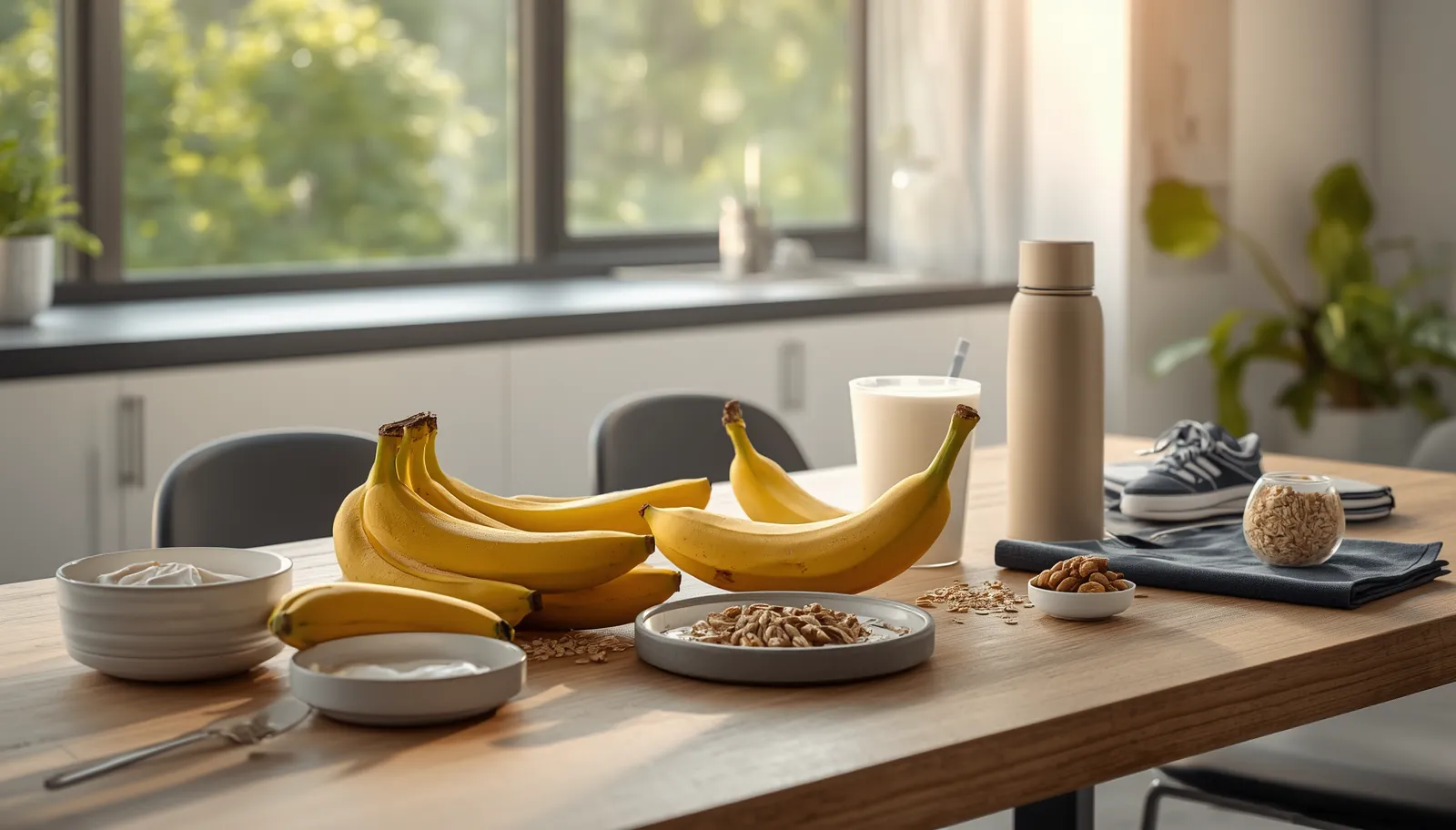
Bananas can be enjoyed at breakfast, before exercise, after workouts, or as a healthy snack depending on your nutrition goals and daily routine.
There is no universal clock time that unlocks banana benefits. The useful time depends on why you are eating it, what accompanies it and how your body responds.
Quick answer: What is the best time to eat a banana?
Eat a banana when it conveniently supplies fruit or carbohydrate: with breakfast, as a planned snack, before or during prolonged exercise, or after training with other recovery foods. There is no good evidence that everyone must avoid bananas on an empty stomach or at night. People with diabetes, kidney disease, allergies or digestive symptoms may need different portions, ripeness or pairings.
Why there is no single best time
Your body digests and uses banana nutrients throughout the day. A banana does not become fat because the clock passes a certain hour, nor does eating it in the morning “detox” the body. Total dietary pattern, portion, hunger, activity, sleep and health conditions matter more.
Choose timing by purpose: convenience at breakfast, quick carbohydrate around exercise, or a satisfying snack paired with protein or fat.
What a banana provides
Bananas supply carbohydrate, fibre, potassium and vitamin B6, with amounts depending on size and variety. They are portable, relatively affordable and require no cooking. However, they are not a complete meal because they provide limited protein and fat.
Carbohydrate
Useful for everyday energy and exercise fuel. Portion and ripeness influence the glucose response.
Fibre and resistant starch
Slightly greener bananas contain more resistant starch, while ripening converts more starch to sugars.
Potassium
An essential mineral, but people with impaired potassium regulation may need a tailored amount.
Vitamin B6
Supports normal metabolism and nervous-system functions as part of an adequate diet.
Best timing by goal
| Goal | Useful timing | Practical pairing |
|---|---|---|
| Breakfast convenience | With or after breakfast | Curd, eggs, milk, nuts or oats |
| Short pre-workout snack | Roughly 30–90 minutes before, based on tolerance | Banana alone or with a little curd/nut butter |
| Long endurance activity | Before or during, according to a sports-fuelling plan | Water and other carbohydrate sources as needed |
| Post-workout recovery | Within the next meal or snack | Protein source plus fluids |
| Afternoon hunger | Between meals | Roasted chana, nuts or plain curd |
| Evening snack | When hungry and it does not worsen reflux | A suitable small serving |
Is morning the best time?
Morning can be convenient, especially when you need portable food. A banana can add fruit and carbohydrate to breakfast, but eating only a banana may not keep everyone full for long. Pair it with protein, fat or additional fibre.
Balanced breakfast ideas
- Banana slices with plain curd, oats and seeds
- A small banana with eggs and whole-grain toast or roti
- Banana blended with milk or unsweetened fortified soy drink, without added sugar
- Banana with peanut butter and a suitable grain
- Fruit bowl with banana, another fruit and a protein-rich side
Can you eat a banana on an empty stomach?
Most healthy people can. There is no general scientific rule that banana on an empty stomach causes dangerous potassium, acidity or nutrient imbalance. The phrase “empty stomach” is also imprecise because digestion and meal timing vary.
Some people feel hungry soon afterward, while others experience bloating, reflux or discomfort. If that happens, eat a smaller portion with breakfast or another food. Personal tolerance is a valid reason to change timing; viral rules are not.
Banana before exercise
A banana is a practical carbohydrate source before exercise. The ideal interval depends on portion size, workout intensity and digestive tolerance. A small ripe banana may feel comfortable closer to activity; a larger snack with fat or protein may need more time.
Research in trained cyclists shows bananas can work as a carbohydrate source during prolonged exercise, but those protocols do not mean every gym session requires a banana. For short or light activity, a normal meal pattern may be enough.
Test during training, not competition. Do not try a new portion or ripeness before an important race or event.
Banana after exercise
Post-workout nutrition should match the session and your next meal. A banana provides carbohydrate but little protein, so pair it with curd, milk, soy, eggs or another suitable protein source when muscle recovery is a goal. Fluids and sodium needs depend on sweat, duration, climate and medical context.
Can you eat banana at night?
Yes, many people can. There is no strong evidence that night-time banana consumption creates mucus, causes colds or is inherently harmful. It also is not a proven insomnia treatment simply because it contains nutrients involved in normal physiology.
If a late snack worsens reflux, bloating or glucose management, move it earlier or change the portion. Avoid turning a banana into a high-calorie dessert with large amounts of sugar, syrup or ice cream when that does not fit your goals.
Will banana improve sleep?
Bananas contain carbohydrate, magnesium and vitamin B6, but no convincing evidence shows that eating one at bedtime reliably treats insomnia. Sleep depends on timing, light, behaviour, stress, medications and health conditions.
If you regularly struggle to sleep, use evidence-based sleep habits and ask about cognitive behavioural therapy for insomnia rather than relying on a fruit remedy.
Best time for weight management
No banana timing directly burns fat. A banana may support weight management when it replaces a more energy-dense snack, improves workout fuelling or helps you follow a satisfying eating pattern. It can also add calories when consumed on top of meals without hunger.
Use hunger and context
- Eat when physically hungry or when planned for activity.
- Choose a portion that fits the meal.
- Pair with protein or fat when longer fullness is needed.
- Do not force bananas because they are labelled a weight-loss food.
Bananas and diabetes
People with diabetes do not automatically need to avoid bananas. Glucose response depends on portion, ripeness, the rest of the meal, medications and individual physiology. Less-ripe bananas generally contain more resistant starch, while very ripe bananas contain more free sugars, although studies are small and results vary.
| Strategy | Why it may help |
|---|---|
| Use a small or half banana | Reduces the carbohydrate portion |
| Choose less-ripe fruit if tolerated | Usually contains more resistant starch |
| Pair with curd, nuts or a meal | Adds protein, fat or fibre and may improve fullness |
| Monitor your response | Individual glucose patterns differ |
| Follow your care plan | Medication and meal timing can change needs |
Do not change diabetes medicines or skip prescribed meals based on general online advice.
Green, yellow or spotted: which is best?
| Stage | Characteristics | May suit |
|---|---|---|
| Slightly green | Firmer, less sweet, more resistant starch | People who prefer a slower-digesting texture |
| Yellow | Balanced sweetness and texture | General eating and snacks |
| Spotted/very ripe | Softer, sweeter, less resistant starch | Quick fuel, smoothies or baking without added sugar |
All stages can be nutritious. Very green bananas may cause digestive discomfort in some people, while very ripe fruit may affect glucose more quickly.
Bananas, constipation and loose stools
Bananas affect people differently. Fibre and resistant starch may support bowel function, but ripeness, fluid intake, overall diet and gut sensitivity matter. A banana is not a universal treatment for constipation or diarrhoea.
Persistent constipation, blood in stool, severe pain, unexplained weight loss or ongoing diarrhoea needs medical evaluation.
Kidney disease and potassium
Healthy kidneys usually regulate potassium from ordinary foods. Chronic kidney disease, dialysis, certain medicines or other conditions can reduce that ability. Potassium needs are individual and should be based on blood tests, kidney function and the renal care plan.
Do not use a generic “bananas are banned” rule. Ask a renal dietitian or nephrologist whether banana fits your portion and potassium target.
Medicines and special situations
- Potassium-affecting medicines: Some blood-pressure and heart medicines can raise potassium; ask your clinician about diet if advised.
- Latex–fruit syndrome: Some people with latex allergy react to banana. Seek urgent help for breathing difficulty or swelling.
- Migraine: Food triggers are individual; keep a pattern diary rather than assuming banana is the cause.
- Infants: Introduce age-appropriate texture and portion following paediatric feeding guidance.
- Swallowing problems: Soft food can still be unsafe depending on dysphagia; follow a clinician’s texture plan.
Common banana-timing myths
| Myth | Reality |
|---|---|
| “Never eat banana on an empty stomach” | Most healthy people can; pair it if hunger or discomfort occurs. |
| “Banana at night makes mucus” | No strong evidence supports this general claim. |
| “Morning banana melts belly fat” | No food timing targets abdominal fat. |
| “Banana and milk are toxic” | Not for most people without allergy or intolerance. |
| “Diabetes means no banana” | Portion, ripeness, pairing and individual response matter. |
| “Everyone with kidney disease must avoid it” | Potassium plans depend on labs and clinical needs. |
How to choose and store bananas
- Choose greener fruit for later use and yellow fruit for immediate eating.
- Keep at room temperature until desired ripeness.
- Refrigeration slows further ripening; the peel may darken while the flesh remains usable.
- Freeze peeled ripe pieces for smoothies or baking.
- Discard fruit with mould, a fermented smell or leaking spoilage.
One-day timing examples
Office commuter
Half a banana with curd and oats at breakfast, or a full banana with nuts as an afternoon snack.
Morning exerciser
A small ripe banana before training if hungry; then a regular breakfast with protein afterward.
Student
Banana with peanut butter or milk between classes instead of skipping food until evening.
Diabetes plan
A smaller, less-ripe portion with a balanced meal, guided by personal glucose response.
The bottom line
The best time to eat banana is the time that fits your hunger, activity and health plan. Morning is convenient, pre-workout timing can supply carbohydrate and eating one at night is not inherently harmful.
Focus on portion, ripeness, pairing and personal tolerance. Seek personalised advice for diabetes, kidney disease, allergies or persistent digestive symptoms.
Frequently asked questions
Can I eat banana first thing in the morning?
Yes. Most healthy people can, although pairing it with protein or fat may improve fullness.
Is banana good before a workout?
It can provide convenient carbohydrate. Test portion and timing according to digestive tolerance.
Can I eat banana at night?
Yes, if it suits your digestion and health plan. It is neither inherently harmful nor a proven sleep treatment.
Does banana help with weight loss?
It may fit a weight-management diet, but no timing or fruit directly causes fat loss.
Can people with diabetes eat bananas?
Often yes, with appropriate portion, ripeness, pairing and monitoring based on the individual care plan.
Which ripeness is healthiest?
No stage is universally best. Greener fruit has more resistant starch; ripe fruit is softer and sweeter.
Should people with kidney disease avoid bananas?
Not automatically. Potassium intake should follow kidney function, blood results and renal-dietitian guidance.
Sources and further reading
- Harvard T.H. Chan School of Public Health: Bananas
- Randomized Trial: Bananas During Heavy Exercise
- Study: Banana Ripeness and Glucose Response
- National Kidney Foundation: Potassium in CKD
- American Diabetes Association: Food and Nutrition
Medical note: General nutrition education only; it does not replace an individual diabetes, renal or allergy plan.
About the Author