Mehak
Mehak 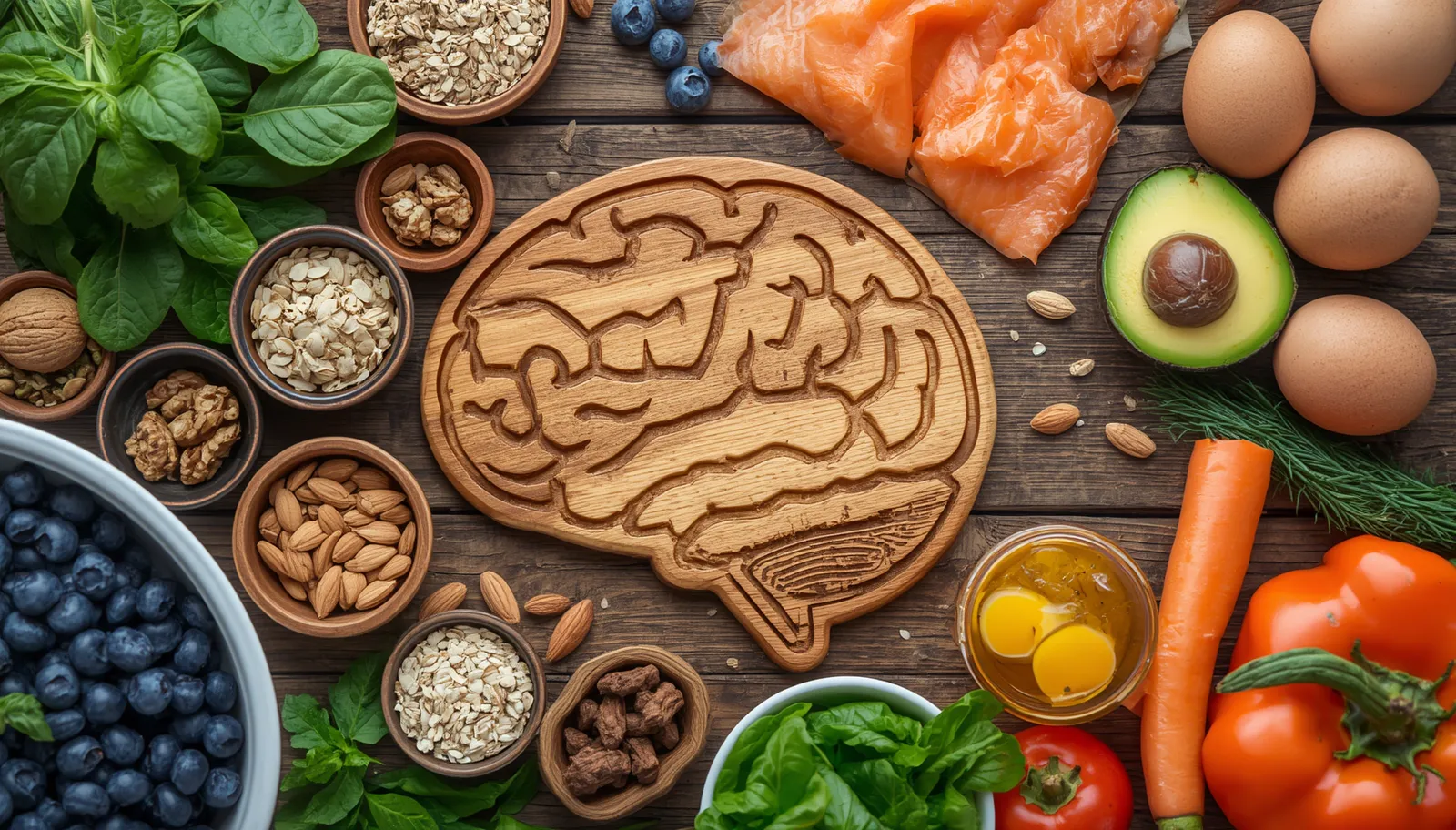
A variety of nutrient-rich foods that support overall brain health as part of a balanced diet and healthy lifestyle.
No food can prevent dementia or instantly improve memory. But a varied dietary pattern built around vegetables, fruit, pulses, whole grains, nuts, seeds and suitable protein can support cardiovascular and overall brain health.
Quick answer: What foods are best for brain health?
Useful choices include leafy vegetables, other colourful vegetables, berries and local fruit, pulses, whole grains, nuts, seeds, fish where eaten, eggs, unsweetened curd, and unsaturated plant oils. These foods supply fibre, protein, vitamins, minerals and unsaturated fats. Their strongest value comes as part of an overall healthy eating pattern—not as individual “brain boosters.”
First, “superfood” is a marketing term
There is no regulated scientific category called a superfood. The word can make ordinary nutritious foods seem magical and expensive imported products seem necessary. Brain health is influenced by genetics, education, social connection, physical activity, sleep, hearing, air pollution, tobacco, alcohol and conditions such as high blood pressure and diabetes.
Diet matters, but it changes risk rather than guaranteeing an outcome. Current World Health Organization guidance emphasises a healthy diet alongside activity, tobacco cessation, reduced alcohol use and management of cardiovascular and metabolic risk.
Evidence boundary: An observational association between a food and cognition does not prove that eating that food prevents Alzheimer’s disease. People eat patterns, not isolated nutrients.
12 foods to include regularly
1. Green leafy vegetables
Spinach, methi, bathua, mustard greens, amaranth leaves and drumstick leaves supply folate, carotenoids, vitamin K and other nutrients. Rotate varieties instead of forcing one daily “brain food.” Cook with dal, add to sabzi or use in a stuffed roti.
2. Other colourful vegetables
Tomatoes, carrots, pumpkin, capsicum, brinjal, cauliflower and okra broaden fibre and micronutrient intake. Colour is a practical reminder to vary plants, not proof that one pigment treats memory loss.
3. Berries—or affordable local fruit
Berries contain polyphenols, but they are not essential. Guava, amla, oranges, papaya, jamun when seasonal and other whole fruits can contribute vitamin C, fibre and variety at a lower local cost. Whole fruit is generally more filling than juice.
4. Pulses and beans
Dal, rajma, chana, lobia, peas and soy provide plant protein, fibre, folate and minerals. They can support cardiovascular health when they replace some processed or fatty meats. Increase portions gradually if they cause gas.
5. Whole grains
Oats, barley, brown rice, whole-wheat atta, millets and minimally processed grain dishes provide carbohydrate and fibre. Whole grains help form a balanced pattern; they do not directly “feed neurons” in a special way.
6. Walnuts and other nuts
Walnuts provide unsaturated fats, while almonds, peanuts, pistachios and other unsalted nuts also add protein, fibre and minerals. A small handful is practical. Walnuts resembling a brain is a visual coincidence, not evidence of unique intelligence benefits.
7. Seeds
Ground flax, chia, sesame, sunflower and pumpkin seeds can add unsaturated fats and minerals. Plant omega-3 alpha-linolenic acid differs from the EPA and DHA found in seafood, and conversion in the body is limited.
8. Fish
Fish can supply protein and, in oily varieties, long-chain omega-3 fats. Options depend on region and budget. Choose safely sourced fish, vary species and follow local pregnancy guidance on mercury. Fish-oil supplements are not equivalent to a fish-rich meal pattern.
9. Eggs
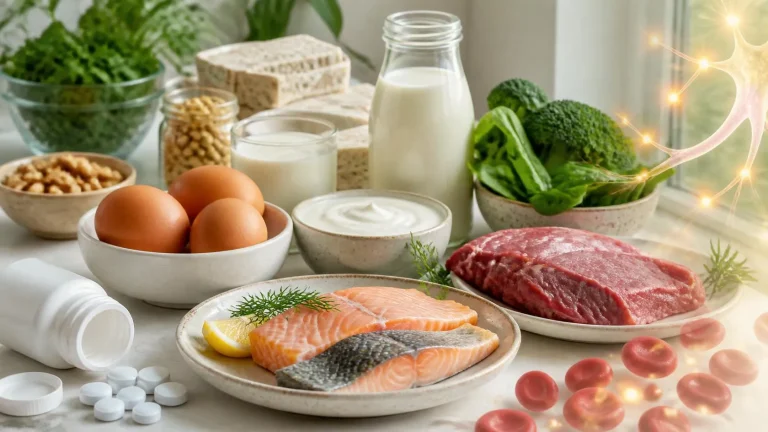
Eggs provide protein, choline, vitamin B12 and other nutrients. They are convenient but not mandatory; vegetarian diets can obtain nutrients through varied foods and fortified products, with B12 supplementation when clinically appropriate.
10. Plain curd or fermented foods
Plain curd supplies protein and calcium and may contain live cultures. Claims that probiotics directly sharpen memory remain preliminary. Choose unsweetened curd and use non-dairy fortified alternatives if needed.
11. Unsaturated plant oils
Mustard, groundnut, canola and olive oils can provide unsaturated fats when used in place of butter, ghee or vanaspati. Quantity still matters, and no oil should be consumed as a wellness shot.
12. Tea or coffee, if tolerated
Unsweetened tea and coffee can fit a healthy pattern, and caffeine temporarily improves alertness. That is different from preventing dementia. Avoid using caffeine to replace sleep, and limit it if it worsens anxiety, reflux, palpitations or insomnia.
What each food contributes
| Food group | Main contribution | Affordable Indian example |
|---|---|---|
| Leafy vegetables | Folate and diverse plant compounds | Seasonal palak, methi or bathua |
| Fruit | Fibre, vitamins and polyphenols | Guava, papaya or amla |
| Pulses | Plant protein and fibre | Masoor dal, chana or lobia |
| Whole grains | Fibre-rich carbohydrate | Oats, barley or whole-wheat roti |
| Nuts and seeds | Unsaturated fats, protein and minerals | Peanuts, sesame and ground flax |
| Animal or soy foods | Protein; food-specific B12, choline or omega-3 | Egg, fish, curd or tofu |
The pattern matters more than the list
Mediterranean-style and MIND-style patterns emphasise vegetables, fruit, whole grains, beans, nuts, fish and unsaturated oils while limiting highly processed foods, excess sodium, added sugars and large amounts of saturated fat. Research is promising, but these patterns do not guarantee dementia prevention.
Indian meals can follow the same principles without copying a foreign menu: fill a substantial part of the plate with vegetables, include dal or another protein, choose an appropriate grain portion and add curd or fruit when suitable. See our diabetes plate guide for a practical visual approach.
A one-day India-friendly example
Flexible, not prescriptive
- Breakfast: Vegetable oats or besan chilla with plain curd.
- Lunch: Mixed dal, seasonal sabzi, whole-wheat roti and salad.
- Snack: One whole fruit with a small handful of unsalted peanuts or nuts.
- Dinner: Fish with vegetables and rice, or rajma/tofu with vegetables and rice.
- Drinks: Water according to need; unsweetened tea or coffee if tolerated.
Portion needs vary with age, body size, activity, pregnancy and medical conditions. This example is not an individual meal prescription.
Brain-food myths to avoid
“Walnuts make you smarter”
They are nutritious, but their brain-like shape is not biological evidence.
“One juice clears brain fog”
Brain fog has many possible causes; a detox drink is not a diagnosis or cure.
“Supplements prevent dementia”
WHO does not recommend B, E, omega-3 or multivitamin supplements for dementia-risk reduction without a diagnosed deficiency.
“Coconut oil treats Alzheimer’s”
Evidence does not support using coconut oil as an Alzheimer’s treatment, and it is high in saturated fat.
Do you need brain supplements?
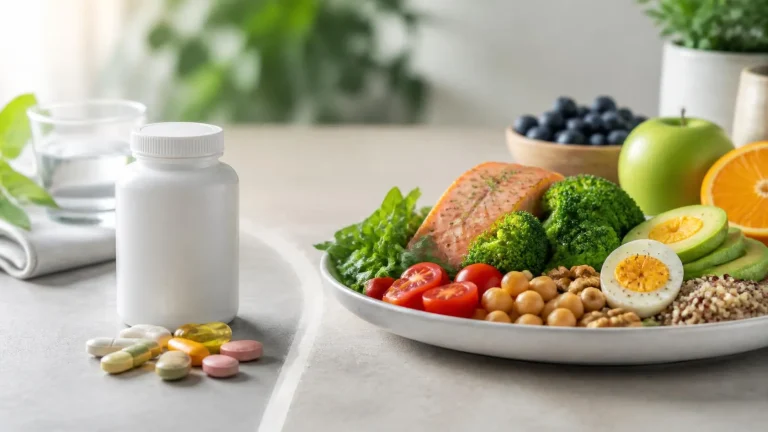
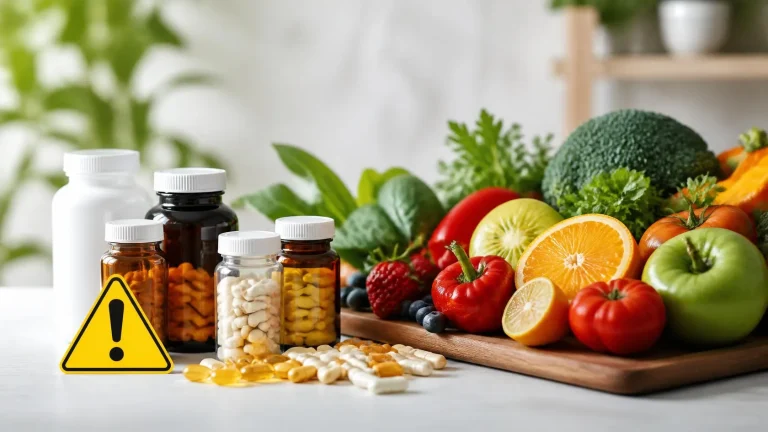
Usually not when there is no deficiency or specific medical indication. High-dose supplements can interact with medicines or cause harm. Vitamin B12 deserves special attention in strict vegan diets, older adults, people taking metformin or acid-suppressing medicines, and those with absorption disorders—but testing and treatment should be individualised.
Do not replace prescribed blood pressure, diabetes or cholesterol treatment with ginkgo, ashwagandha, omega-3 capsules or a proprietary nootropic blend.
Five non-food habits that protect brain health
- Move regularly: Walking and other aerobic activity support cardiovascular health. Compare walking versus running.
- Protect sleep: Use a consistent schedule and address persistent sleep problems. Read how to sleep better.
- Avoid tobacco and limit alcohol: Both influence vascular and broader health risks.
- Manage blood pressure, glucose and cholesterol: These may cause damage before symptoms appear.
- Stay socially and mentally engaged: Relationships, learning and meaningful activity are part of healthy ageing.
When memory problems need medical attention
Occasionally forgetting a name is not the same as dementia. Seek assessment when memory or thinking changes interfere with medication, finances, cooking, navigation, work or personal safety. Sudden confusion, facial weakness, speech difficulty or one-sided weakness is an emergency.
Treatable contributors can include medicine effects, depression, sleep disorders, thyroid disease, vitamin B12 deficiency, infection, hearing loss and other conditions. Early assessment is more useful than self-treating with superfoods.
The bottom line
The best superfoods for brain health are ordinary foods combined into a repeatable pattern: vegetables, fruit, pulses, whole grains, nuts, seeds and suitable protein. Expensive berries, powders and imported oils are optional.
Food supports overall health, but it cannot guarantee dementia prevention or reverse established disease. Pair a varied diet with activity, sleep, social connection, tobacco avoidance and proper management of medical risks.
Frequently asked questions
What is the number one food for brain health?
There is no single best food. A varied dietary pattern with vegetables, fruit, pulses, whole grains, nuts and suitable protein is more important.
Which Indian foods are good for the brain?
Useful options include leafy greens, dal, chana, whole grains, peanuts, sesame, ground flax, curd, eggs or fish where eaten, and seasonal fruit.
Do walnuts improve memory?
Walnuts are nutritious and can fit a healthy pattern, but they have not been proven to immediately improve memory or prevent dementia alone.
Are eggs good for brain health?
Eggs provide protein, choline and vitamin B12. They can be part of a balanced diet but are not essential or a standalone brain treatment.
Is coffee good for the brain?
Caffeine can temporarily increase alertness. Long-term observational findings do not justify using coffee as dementia prevention.
Can supplements prevent memory loss?
Routine brain supplements are not recommended for dementia-risk reduction without a diagnosed deficiency or medical indication.
Can food reverse dementia?
No food or diet has been proven to reverse dementia. Medical assessment, treatment, safety planning and caregiver support are important.
Sources and further reading
- World Health Organization: 2026 Dementia Risk-Reduction Guidelines
- US National Institute on Aging: Cognitive Health and Older Adults
- American Heart Association: Mediterranean Diet
- World Health Organization: Healthy Diet
Medical note: This article is general education, not a diagnosis, dementia-prevention guarantee or individual nutrition plan.
About the Author