Mehak
Mehak 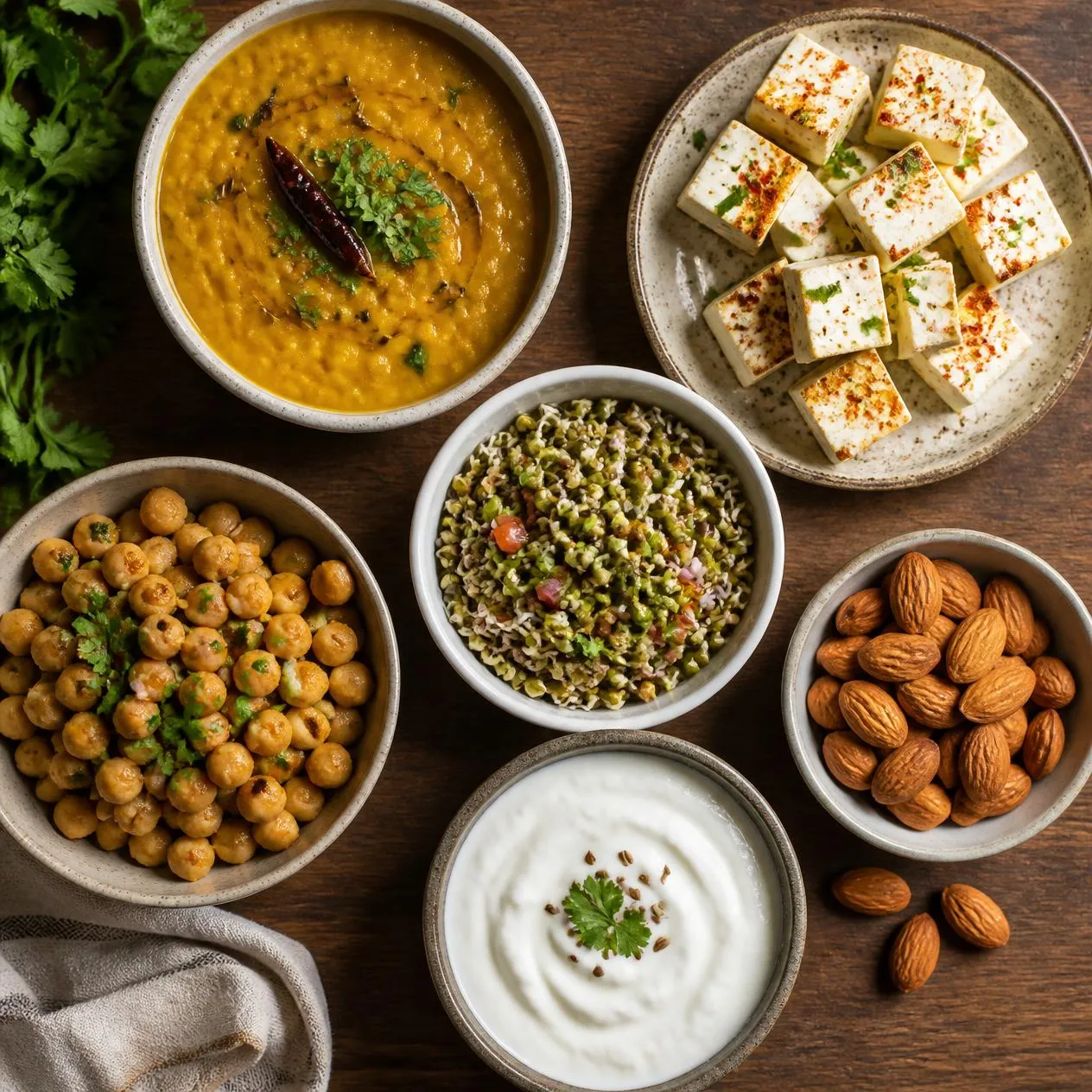
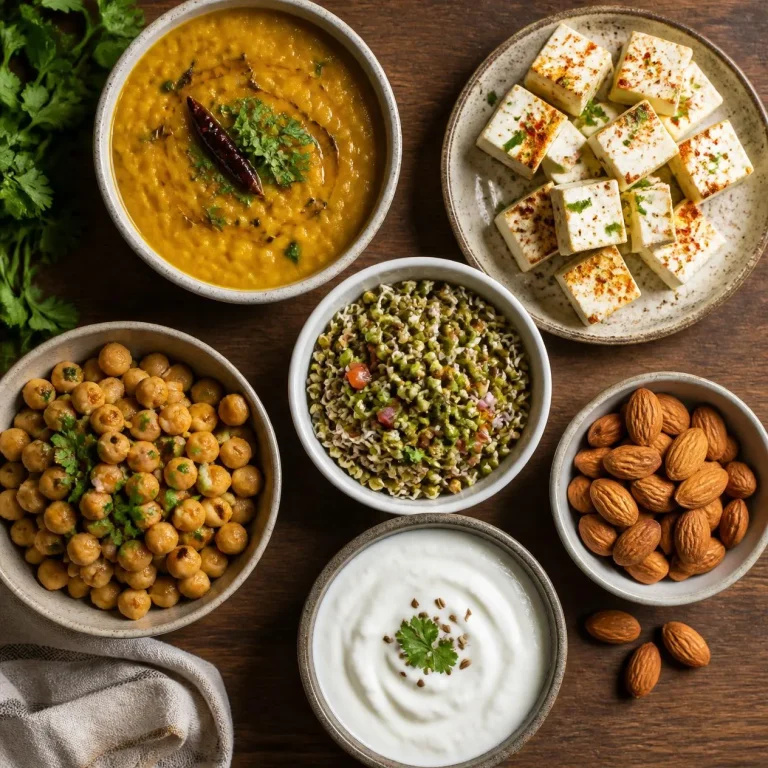
A complete high-protein vegetarian diet plan using everyday Indian foods like dal, paneer, and sprouts.
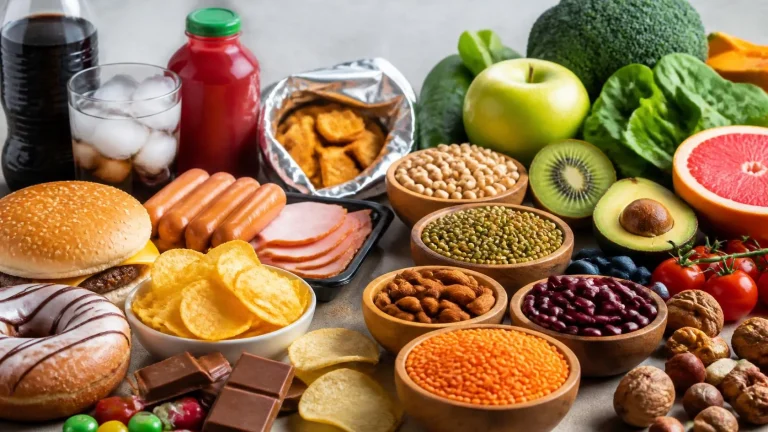
Protein is often associated with eggs, chicken, fish, and dairy. But plants can also provide plenty of protein. Beans, lentils, soy foods, nuts, seeds, peas, and whole grains can all contribute to your daily protein intake.
A well-planned plant-based diet can provide protein while also adding fiber and a wide range of other nutrients to your meals. The key is variety. Instead of relying on one food, build meals around several nutritious plant-based protein sources.
What Is Plant-Based Protein?
Plant-based protein is protein obtained from foods that come from plants. Common sources include legumes, soy foods, nuts, seeds, peas, and grains.
Unlike highly processed protein products, many whole plant foods provide more than protein alone. Depending on the food, they can also provide fiber, vitamins, minerals, healthy fats, and other beneficial plant compounds.
Harvard’s Nutrition Source lists legumes such as beans, lentils, peas, and soybeans, along with nuts, seeds, and whole grains, among useful plant-based protein foods.
That makes plant protein more than simply a substitute for meat. It can become a regular part of a balanced eating pattern.
Why Is Plant-Based Protein Important?
Protein is an essential nutrient. Your body uses amino acids from protein to build and maintain tissues and to produce many proteins involved in normal body functions.
The body needs nine essential amino acids from food because it cannot make them in sufficient amounts on its own.
Different foods contain different combinations and amounts of amino acids. This is one reason variety matters when most of your protein comes from plants.
5 Major Benefits of Plant-Based Protein
1. It Can Add More Fiber to Your Diet
One major advantage of many plant-protein foods is that they come with fiber.
Lentils, beans, chickpeas, peas, nuts, seeds, and whole grains can contribute both protein and fiber to meals.
This is useful because protein and fiber can make meals more satisfying while also contributing different nutritional benefits.
For example, Harvard notes that a cup of cooked lentils provides about 18 grams of protein along with about 15 grams of fiber.
Instead of thinking only about how much protein a food contains, consider the entire nutritional package.
2. It Offers a Wide Variety of Food Choices
A plant-based approach does not mean eating salads all day.
You can build protein-rich meals around Indian, Mediterranean, Asian, Mexican, or other cuisines.
Try dal with rice, chickpea curry, rajma with roti, tofu stir-fry, bean wraps, lentil soup, hummus with whole-grain bread, or a quinoa and vegetable bowl.
This variety can make healthy eating easier to maintain because you are not depending on one food or one recipe.
3. It Can Help You Build a Healthier Protein Pattern
The health effects of protein depend partly on the food that delivers it.
Harvard’s Nutrition Source emphasizes the “protein package” concept: when you eat protein, you also consume the other nutrients that come with that food.
Beans, soy foods, nuts, seeds, and whole grains can provide protein alongside other nutrients. Replacing some red or processed meat with healthier plant protein sources has been associated with more favorable health outcomes in research summarized by Harvard.
This does not mean every animal-based food is unhealthy or that everyone needs to become vegan. It means that adding more nutritious plant protein foods can be a useful dietary strategy.
4. Plant Protein Can Support a Varied Vegetarian or Vegan Diet
People who avoid meat, fish, eggs, or dairy need to pay attention to their protein sources.
Fortunately, there are many options.
- Lentils
- Chickpeas
- Black beans
- Kidney beans
- Green peas
- Soybeans
- Tofu
- Tempeh
- Edamame
- Peanuts
- Almonds
- Chia seeds
- Hemp seeds
- Pumpkin seeds
- Quinoa
- Oats
The important point is to eat enough total protein and choose a variety of foods rather than relying on one source.
5. It Can Make Meals More Nutrient-Dense
Many whole plant protein foods contribute nutrients beyond protein.
For example, legumes can provide fiber and minerals, while nuts and seeds provide protein along with unsaturated fats and other nutrients.
Soy foods such as tofu and tempeh can also be versatile ingredients for meals.
This is one reason a whole-food approach can be more useful than focusing only on grams of protein.
Best Plant-Based Protein Sources
| Food | How to Use It | Why It Is Useful |
|---|---|---|
| Lentils | Dal, soups, salads, curries | Protein and fiber |
| Chickpeas | Curries, hummus, salads, wraps | Protein, fiber and versatile texture |
| Beans | Rajma, chili, tacos, salads | Protein and fiber |
| Tofu | Stir-fries, curries, bowls | Convenient soy-based protein |
| Tempeh | Stir-fries, sandwiches, bowls | Protein-rich fermented soy food |
| Edamame | Salads, bowls, snacks | Convenient soy protein |
| Peanuts | Snacks, peanut butter, sauces | Protein and healthy fats |
| Nuts and seeds | Oatmeal, yogurt, salads, snacks | Protein, fats and minerals |
| Quinoa | Bowls, salads, side dishes | Protein-containing whole grain |
| Oats | Breakfast, overnight oats | Protein plus whole-grain nutrition |
How Much Protein Do You Actually Need?
Protein requirements vary from person to person.
For healthy adults, the commonly cited Recommended Dietary Allowance is 0.8 grams of protein per kilogram of body weight per day.
For example, a person weighing 60 kilograms would need approximately 48 grams of protein per day based on that baseline.
However, this is not a universal target for every person. Protein requirements can differ based on age, activity level, pregnancy, health conditions, and other factors.
The National Institutes of Health notes that Dietary Reference Intake values are intended for planning and assessing nutrient intake, while individual requirements can be higher or lower.
Do Plant Proteins Contain All Essential Amino Acids?
Some plant foods provide all nine essential amino acids in adequate amounts and are commonly described as complete proteins. Soy and quinoa are examples often discussed in this context.
Other plant proteins may provide lower amounts of one or more essential amino acids.
That does not make those foods useless.
Eating a variety of plant protein foods throughout the day can help you obtain a broad range of amino acids.
For example, you might combine:
- Dal with rice
- Beans with whole-grain roti
- Hummus with whole-grain bread
- Peanut butter with oats
- Tofu with rice and vegetables
The bigger picture matters more than trying to create a perfect protein combination at every meal.
How to Get Enough Plant-Based Protein Every Day
Start With Protein at Breakfast
Breakfast can be an easy place to increase protein.
Try oats with peanut butter and seeds, a tofu scramble, a chickpea-based breakfast, soy yogurt with nuts and seeds, or a smoothie containing a suitable plant protein source.
Instead of building breakfast around refined carbohydrates alone, include a protein-rich food.
Make Lunch Protein-Centered
Build lunch around one main protein source.
For example:
- Dal with rice and vegetables
- Rajma with brown rice
- Chickpea salad with whole-grain bread
- Tofu and vegetable bowl
- Lentil soup with whole-grain toast
This makes protein part of the meal instead of something you have to add later.
Add Protein to Snacks
If you struggle to reach your protein target, look at your snacks.
Instead of relying only on biscuits, sweets, or highly refined snack foods, consider:
- Roasted chickpeas
- Peanuts
- Edamame
- Nut butter with fruit
- Soy yogurt
- Mixed nuts and seeds
Use Soy Foods More Often
Tofu, tempeh, edamame, and other soy foods can make plant-based eating easier because they provide concentrated sources of protein.
They can be added to stir-fries, curries, wraps, salads, sandwiches, and grain bowls.
Don’t Forget Whole Grains
Protein is not limited to beans and tofu.
Whole grains such as oats, quinoa, buckwheat, and other grains can contribute to total protein intake.
Combining grains with legumes can create satisfying meals with a broader nutritional profile.
Simple High-Protein Plant-Based Meal Ideas
Breakfast
Oats + soy milk + peanut butter + chia seeds + fruit.
Lunch
Dal + brown rice + mixed vegetables + salad.
Snack
Roasted chickpeas + fruit.
Dinner
Tofu stir-fry + vegetables + quinoa or rice.
Optional Snack
Soy yogurt + nuts and seeds.
Plant-Based Protein for Muscle and Fitness
Protein is important for maintaining and building muscle, particularly when combined with resistance training and adequate overall nutrition.
People following vegetarian or vegan diets can still build meals around protein-rich plant foods.
The main challenge is usually planning enough total protein and calories rather than assuming plant protein cannot support fitness goals.
If you exercise regularly, your protein requirements may differ from the baseline RDA. Athletes and people with specific fitness goals may benefit from personalized guidance from a registered dietitian or qualified sports nutrition professional.
Should You Use Plant Protein Powder?
You do not automatically need protein powder simply because you eat mostly plants.
Whole foods can provide substantial protein as part of a balanced diet.
However, protein powder can be convenient when your schedule makes whole-food meals difficult or when you have higher protein requirements.
Plant protein powders can be made from sources such as peas, soy, hemp, or combinations of different plant proteins.
If you choose a powder, read the ingredient and nutrition labels. Some products contain added sugars, sweeteners, flavorings, or other ingredients you may not want.
Harvard’s Nutrition Source also recommends checking labels because protein powders are dietary supplements and can contain ingredients beyond protein.
Common Mistakes When Eating More Plant Protein
Mistake 1: Eating Only One Protein Source
Don’t rely entirely on one food such as tofu, lentils, or protein powder.
Rotate your choices.
Mistake 2: Ignoring Total Food Intake
Protein is only one part of nutrition. Your diet should also provide enough energy, carbohydrates, fats, fiber, vitamins, minerals, and fluids.
Mistake 3: Choosing Highly Processed Foods All the Time
A food being labeled “vegan” does not automatically make it nutritious.
Build most meals around minimally processed foods such as legumes, vegetables, fruits, whole grains, nuts, seeds, and appropriate soy foods.
Mistake 4: Focusing Only on Protein Numbers
Protein is important, but more is not automatically better.
Look at the whole food and the overall dietary pattern.
Plant Protein and a Balanced Lifestyle
Plant-based protein works best as part of a broader healthy lifestyle.
Regular movement, sufficient sleep, nutritious meals, hydration, stress management, and healthy daily habits all matter.
For a practical lifestyle foundation, explore our guide to healthy daily habits .
You can also combine nutritious meals with a consistent morning routine and regular physical activity.
Frequently Asked Questions
What are the best plant-based protein sources?
Some of the best options include lentils, beans, chickpeas, soybeans, tofu, tempeh, edamame, peas, nuts, seeds, quinoa, and whole grains.
Can you get enough protein from plants?
Yes. A varied plant-based diet can provide adequate protein when meals include enough protein-rich foods such as legumes, soy foods, nuts, seeds, peas, and grains.
How much plant protein should I eat per day?
There is no single plant-protein target for everyone. The baseline protein RDA for healthy adults is 0.8 grams per kilogram of body weight per day, but individual needs vary.
Are plant proteins complete proteins?
Some plant foods, including soy and quinoa, provide all nine essential amino acids in meaningful amounts. Other plant foods may be lower in one or more essential amino acids, which is why eating a variety of protein sources is useful.
Is plant protein good for muscle building?
Yes. Plant-based diets can support muscle development when they provide sufficient total protein, energy, and other nutrients and are combined with appropriate resistance training.
Do I need protein powder on a plant-based diet?
Not necessarily. Many people can meet protein needs through whole foods. Protein powder can be a convenient option when dietary requirements are higher or whole-food protein is difficult to consume consistently.
Final Thoughts
Plant-based protein is not just an alternative for people who avoid meat. It can be a valuable part of many different eating patterns.
Lentils, beans, chickpeas, tofu, tempeh, edamame, nuts, seeds, quinoa, oats, and other plant foods can help you build varied and nutritious meals.
The key is not to obsess over one “perfect” protein source. Instead, include a variety of protein-rich foods throughout your day.
Start small. Add lentils to lunch. Choose tofu for dinner. Sprinkle seeds over breakfast. Snack on roasted chickpeas or nuts.
Over time, these simple choices can make plant-based protein a natural part of your everyday diet.
Authoritative Nutrition Resources
About the Author