Mehak
Mehak 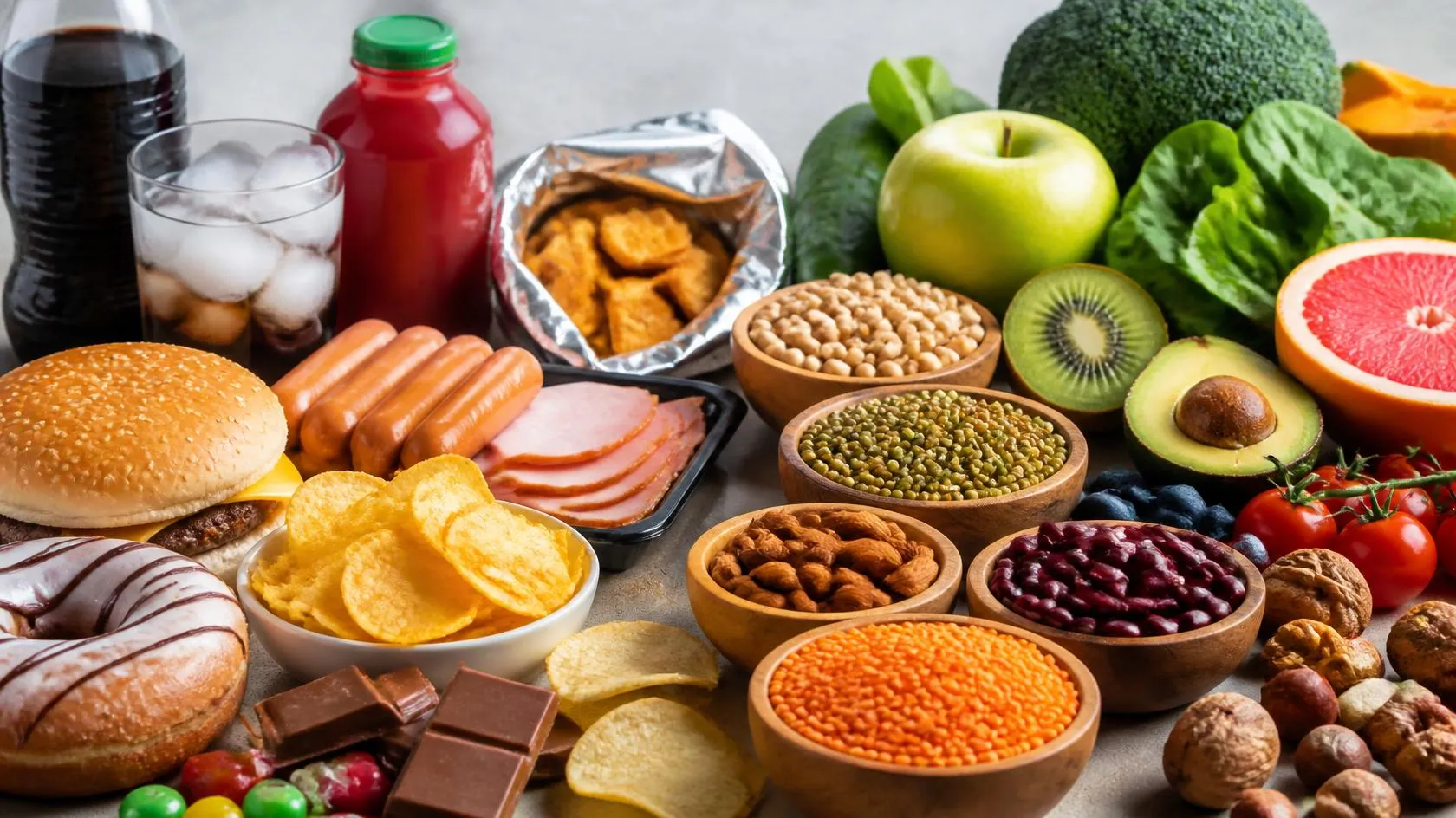
Limiting excess added sugar, sodium, unhealthy fats and highly processed foods can improve overall diet quality.
Your immune system needs a steady supply of nutrients to function properly. Instead of focusing on one “bad” ingredient, learn which dietary components commonly found in highly processed foods are worth limiting and what to choose instead.
The five dietary components worth paying particular attention to are excess added sugars, excessive sodium, high amounts of saturated fats, trans fats or partially hydrogenated oils where still present, and frequent consumption of highly processed foods with multiple nutritionally poor ingredients. However, these should not be treated as five ingredients that directly “switch off” immunity. The strongest practical message is to improve overall diet quality and emphasize minimally processed, nutrient-dense foods.
A Better Way to Think About “Bad Ingredients”
Your immune system does not respond to a simple list of five forbidden ingredients. Dietary patterns matter. Diets high in ultra-processed foods often contain more added sugar, saturated fat and sodium while providing less fiber and fewer vitamins and minerals.
Can Food Really Affect the Immune System?
Yes, nutrition and immune function are closely connected. The immune system requires energy, protein, vitamins, minerals and other nutrients to perform its many functions.
At the same time, it would be misleading to claim that eating one particular ingredient will immediately weaken your immunity. Human nutrition is complex, and the evidence for specific ingredients varies.
Research on Western-style dietary patterns has examined high intakes of refined sugars, salt and saturated fat in relation to immune-related mechanisms. However, researchers also note important limitations, including differences between laboratory, animal and human evidence.
1. Added Sugars
Why Excess Added Sugar Deserves Attention
Added sugar is found in many sweetened beverages, desserts, candy, sweetened cereals, sauces and packaged snacks.
The concern is not the naturally occurring sugar in whole foods such as fruit. The bigger issue is frequent consumption of foods and drinks with large amounts of added sugar.
A systematic review found that higher added-sugar intake was generally associated with poorer overall diet quality and, in many studies, lower micronutrient intake.
Where You May Find It
- Soft drinks and sweetened beverages
- Candy and confectionery
- Sweetened breakfast products
- Packaged desserts
- Some sauces and condiments
- Sweetened coffee and tea drinks
2. Excess Sodium
Why Too Much Salt Can Be a Problem
Sodium is an essential nutrient, but many packaged and restaurant foods can contribute substantial amounts to daily sodium intake.
Very salty foods often overlap with highly processed foods. Research has investigated how high-salt dietary patterns may affect immune function and inflammatory pathways, although the relationship is more complex than simply saying that salt “damages” immunity.
The practical takeaway is straightforward: avoid making heavily salted processed foods a regular foundation of your diet.
Common Sources
- Packaged savory snacks
- Instant noodles
- Processed meats
- Some canned and packaged meals
- Salty sauces
- Fast food
3. Excess Saturated Fat
Why Saturated Fat Matters
Saturated fat is not a single “toxic” ingredient, and foods containing some saturated fat can still be part of a varied diet. The concern is regularly consuming large amounts, particularly when saturated fats replace healthier unsaturated fats.
Highly processed foods can combine saturated fat with refined carbohydrates, added sugars and sodium, creating a dietary pattern that is less nutrient-dense.
Current cardiovascular guidance recommends choosing healthier sources of unsaturated fats in place of saturated fats and emphasizing minimally processed foods.
Where It Can Appear
- Some processed meats
- Commercial baked products
- Some fried foods
- Foods made with butter or high-fat dairy
- Some packaged snack foods
4. Trans Fats and Partially Hydrogenated Oils
A Fat to Avoid Where Possible
Industrial trans fats have been widely targeted by public-health policies because of their well-established adverse effects on cardiovascular health.
Partially hydrogenated oils were historically an important source of industrial trans fats in processed foods. Their use has been greatly reduced or eliminated in many markets, but checking labels remains useful, especially with imported or older products.
This article includes trans fats because they are an important dietary ingredient to avoid, not because there is strong evidence that eating a small amount immediately suppresses immune function.
5. Highly Processed Food Formulations
The Bigger Picture: Ultra-Processed Foods
The fifth item is different from the others. Ultra-processed foods are not one ingredient. They are a broad category of manufactured products that may contain combinations of refined carbohydrates, fats, salt, sweeteners and additives.
Studies consistently find that diets higher in ultra-processed foods often have poorer nutritional profiles, including more free sugars and saturated fats and less fiber and several micronutrients.
NIH also notes that highly processed foods tend to be high in calories, added sugar, saturated fat and salt while being low in fiber.
Examples Include
- Some packaged snack foods
- Sugary drinks
- Many confectionery products
- Some ready-to-eat meals
- Some processed meat products
- Highly formulated desserts
Why Ultra-Processed Foods May Displace Better Nutrition
One important concern is not simply what an ultra-processed food contains. It is also what it replaces.
A diet dominated by highly processed foods may leave less room for vegetables, fruits, legumes, whole grains, nuts, seeds and other nutrient-dense foods.
A meta-analysis of nationally representative dietary data found that higher ultra-processed food consumption was associated with higher intakes of free sugars and saturated fats and lower intakes of fiber, protein, several minerals and vitamins.
What About Artificial Sweeteners and Food Additives?
This area requires caution. It is tempting to label every unfamiliar ingredient as harmful to immunity, but the evidence does not support such a blanket claim.
Researchers are studying how certain additives and artificial sweeteners may interact with the gut microbiome and intestinal environment. Some experimental research has raised questions about possible effects on immune-related processes, but human evidence varies by ingredient and exposure level.
Therefore, the better advice is not to fear every additive. Instead, make minimally processed foods the foundation of your diet and use packaged foods selectively.
What Should You Eat for Better Immune-Supportive Nutrition?
Instead of focusing entirely on foods to remove, build meals around foods that provide a broad range of nutrients.
Fruits & Vegetables
Choose a variety of colorful fruits and vegetables to increase dietary variety and provide vitamins, minerals, fiber and plant compounds.
Protein-Rich Foods
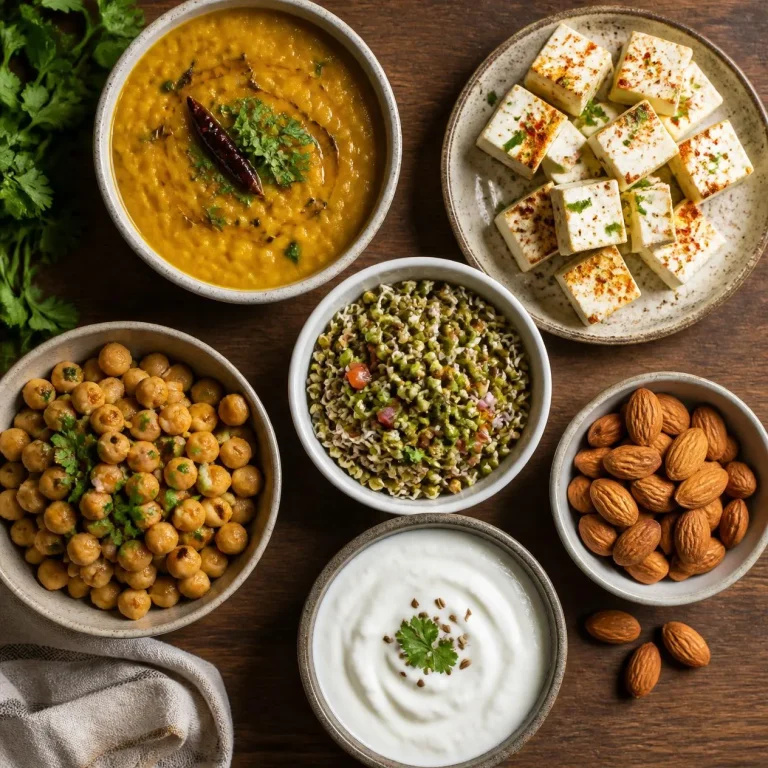
Include appropriate sources such as beans, lentils, eggs, fish, dairy, nuts, seeds or other protein foods that fit your dietary pattern.
Whole Grains
Whole grains can contribute fiber and other nutrients that are often lower in highly processed dietary patterns.
Healthy Fats
Choose foods rich in unsaturated fats, including nuts, seeds, avocado and suitable plant oils.
5 Simple Ways to Improve Your Diet
- Drink fewer sugary beverages. Choose water or unsweetened drinks more often.
- Read packaged-food labels. Pay attention to added sugars, sodium and saturated fat.
- Add more whole foods. Build meals around vegetables, fruits, legumes, whole grains and appropriate protein sources.
- Reduce heavily processed snack foods. Keep nutrient-dense snacks available at home and work.
- Think about the whole diet. One food does not determine immune health. Your overall eating pattern matters more.
Can One Food Ingredient Destroy Your Immune System?
No. Claims that one common food ingredient will “destroy” your immune system are generally an oversimplification.
Immune function depends on many factors, including nutrition, sleep, physical activity, age, genetics, underlying health conditions and exposure to infections.
The practical goal is therefore not fear or food restriction. It is to build a varied dietary pattern that provides adequate nutrition while limiting excessive amounts of added sugars, sodium, unhealthy fats and nutrient-poor ultra-processed foods.
The Immune Health Plate
| Food Group | Examples | Why Include It? |
|---|---|---|
| Vegetables | Leafy greens, carrots, peppers, broccoli | Provides fiber and a range of micronutrients and plant compounds. |
| Fruit | Oranges, berries, apples, guava | Provides fiber, vitamins and naturally occurring plant compounds. |
| Protein foods | Beans, lentils, eggs, fish, dairy, nuts | Helps provide protein and other essential nutrients. |
| Whole grains | Oats, brown rice, whole-wheat foods | Can increase fiber and overall diet quality. |
| Healthy fats | Nuts, seeds, avocado, suitable plant oils | Provides unsaturated fats and other nutrients. |
When Should You Talk to a Healthcare Professional?
Food is an important part of overall health, but nutrition advice should not replace medical care.
Speak with a qualified healthcare professional if you have recurrent infections, unexplained symptoms, significant nutritional deficiencies, a chronic health condition or concerns about your immune system.
People with specific medical or dietary needs may also benefit from individualized advice from a registered dietitian or other appropriately qualified nutrition professional.
Related OmniGuide Nutrition & Wellness Guides
Use contextual internal links to connect this article with your existing nutrition, weight-management and wellness content.
Frequently Asked Questions
What are the worst food ingredients for the immune system?
There is no scientifically established universal ranking of five ingredients that directly weaken the immune system. However, limiting excess added sugar, sodium, saturated fat and trans fats, while reducing frequent reliance on nutrient-poor ultra-processed foods, can support better overall diet quality.
Does sugar weaken the immune system?
High intake of added sugar can contribute to poorer diet quality and displace more nutritious foods. However, saying that ordinary sugar intake directly “destroys” immunity is an oversimplification.
Are processed foods bad for immune health?
Some highly processed foods can be high in added sugar, sodium and saturated fat while providing relatively little fiber and micronutrients. Frequent consumption may therefore contribute to a poorer overall diet. Not every processed food is nutritionally equivalent.
Does salt weaken immunity?
Sodium is essential, but excessive intake is a health concern. Research has explored possible effects of high-salt diets on immune function, although the relationship is complex and should not be reduced to the claim that salt simply “weakens immunity.”
What foods support the immune system?
A varied diet containing vegetables, fruits, whole grains, legumes, appropriate protein sources, nuts, seeds and other nutrient-dense foods can help provide the nutrients needed for normal immune function.
Should I completely avoid ultra-processed foods?
Not necessarily. Processing exists on a spectrum, and nutritional quality varies between products. A practical approach is to make minimally processed, nutrient-dense foods the foundation of your diet while limiting frequent consumption of highly processed foods that are high in added sugar, sodium or unhealthy fats.
Can food prevent infections?
No food can guarantee protection from infections. Good nutrition supports normal immune function, but infection prevention also involves factors such as hygiene, vaccination where appropriate and other public-health measures.
Trusted Nutrition & Health Sources
Final Takeaway
The healthiest approach is not to become afraid of every ingredient listed on a food label. Instead, look at the bigger picture.
Limit excessive added sugars, sodium and unhealthy fats, reduce your reliance on nutrient-poor ultra-processed foods and make a wide variety of minimally processed foods the foundation of your meals.
Your immune system needs more than one “superfood” or the removal of one ingredient. A varied, balanced dietary pattern gives your body a better nutritional foundation for normal immune function.
Make Better Nutrition Choices With OmniGuide
Explore more practical guides covering nutrition, healthy eating, fitness, wellness and sustainable lifestyle habits.
Explore Daily Life JournalAbout the Author