Mehak
Mehak 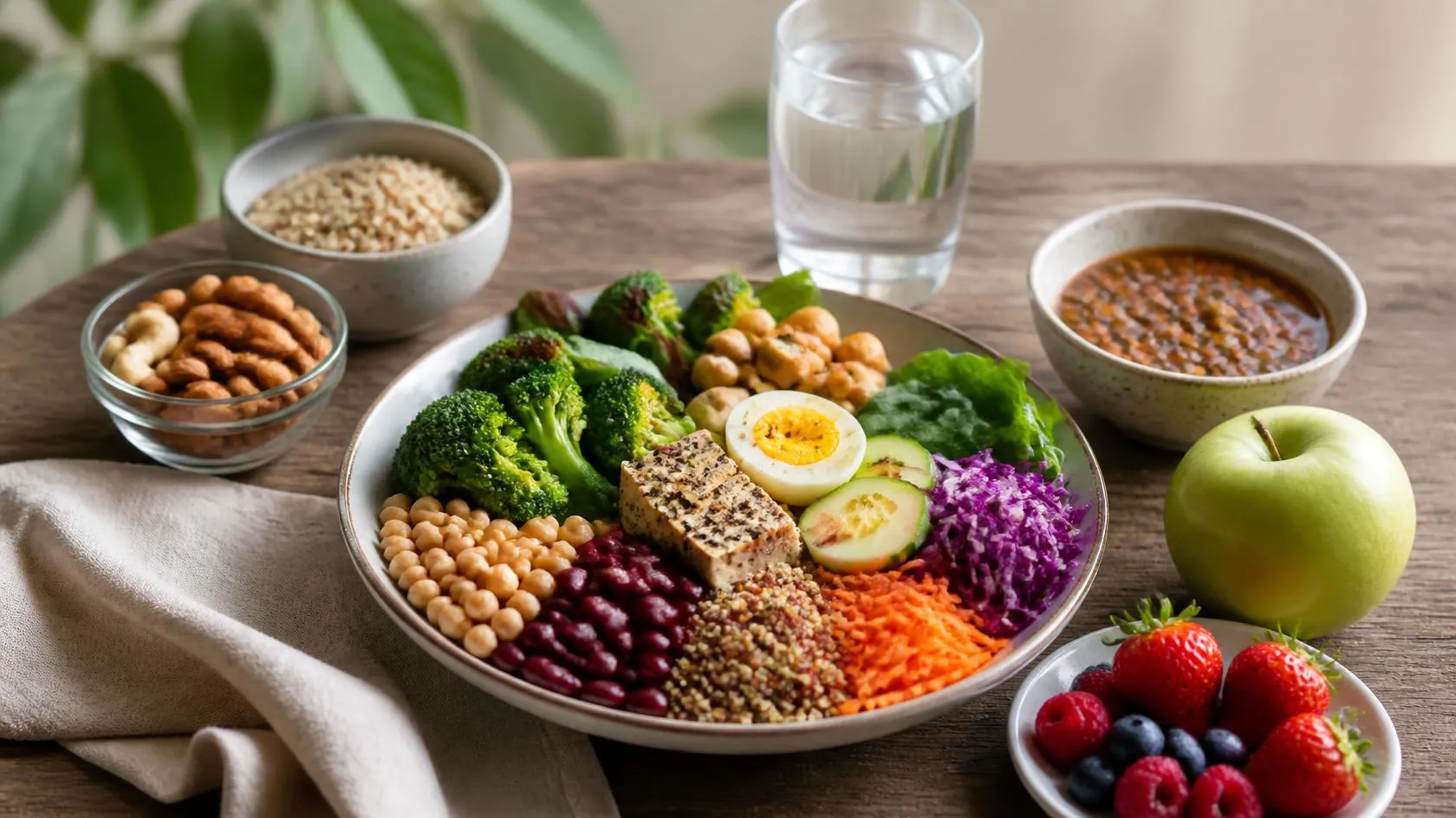
A balanced diet with protein, carbohydrates, healthy fats, vitamins, minerals, fiber, and water supports everyday health and energy.
Your body needs more than calories to function well. Learn which essential nutrients matter, where to get them, and how to build a more balanced everyday diet.
Essential nutrients are substances your body needs for normal growth, energy, repair and daily function. They include protein, carbohydrates, fats, vitamins, minerals and water. Dietary fiber is also an important part of a healthy eating pattern.
The easiest approach is not to focus on one “perfect” food. Instead, eat a varied diet that includes vegetables, fruits, whole grains, legumes, nuts, seeds, dairy or suitable alternatives, and protein-rich foods.
What Are Essential Nutrients?
Every day, your body performs thousands of tasks.
You breathe, move, digest food, repair cells, maintain tissues and support normal body functions. All of these processes require nutrients.
Essential nutrients are substances that the body needs but cannot make in sufficient amounts on its own. Therefore, you need to obtain them through food and, in some situations, supplements.
Different nutrients have different jobs. Protein helps build and maintain tissues. Carbohydrates provide an important source of energy. Fats support cell functions and help the body absorb certain vitamins.
Vitamins and minerals support many biological processes, while water is essential for normal body function.
That is why eating a variety of foods matters more than relying on a single “superfood.”
7 Essential Nutrients Your Body Needs
A balanced diet contains many different nutrients. The seven groups below provide a simple way to understand the major components of a healthy eating pattern.
1. Protein
Protein is made from amino acids and plays an important role in building and maintaining body tissues.
Your body uses protein for muscles, skin, bones, enzymes and many other structures and processes.
Protein is especially important when your body needs to build or repair tissue.
Good Protein Sources
- Eggs
- Milk and yogurt
- Paneer
- Dal and lentils
- Chickpeas
- Beans
- Fish
- Chicken
- Nuts and seeds
- Soy foods such as tofu
Add dal, curd, paneer, eggs or another protein-rich food to your usual meal rather than trying to completely change your diet.
If you are interested in protein specifically, read our guide: How Much Protein Do You Really Need?
2. Carbohydrates
Carbohydrates are one of the body’s major sources of energy.
However, carbohydrates are not all the same.
Whole grains, fruits, vegetables and legumes can provide carbohydrates along with fiber, vitamins and minerals.
Foods such as oats, brown rice, whole-wheat roti, fruits, potatoes, beans and lentils can fit into a balanced diet.
The goal is not to eliminate carbohydrates automatically. Instead, consider the overall quality and portion of the foods you eat.
Better Everyday Choices
- Oats instead of highly sweetened breakfast cereals
- Whole-grain roti instead of refined-grain options when suitable
- Whole fruit instead of relying mainly on fruit drinks
- Beans and lentils as nutrient-rich carbohydrate sources
3. Healthy Fats
Your body needs dietary fat.
Fats provide energy, help form cell membranes and help the body absorb fat-soluble vitamins such as vitamins A, D, E and K.
The type of fat matters.
Unsaturated fats are generally preferred over saturated fats in a heart-healthy eating pattern.
Food Sources
- Nuts
- Seeds
- Avocado
- Olive and other plant oils
- Fatty fish
- Peanut butter without excessive added sugar
You do not need to remove all fat from your meals. Instead, use sensible portions and choose healthier sources more often.
4. Vitamins
Vitamins are organic compounds that the body needs in small amounts for normal function.
Different vitamins perform different jobs.
For example, vitamin C supports normal immune function and helps the body absorb iron from plant foods. Vitamin A is important for normal vision and immune function. Folate is important for cell division and DNA synthesis.
A varied diet can provide many vitamins naturally.
Vitamin-Rich Foods
- Leafy green vegetables
- Carrots
- Citrus fruits
- Guava
- Tomatoes
- Eggs
- Dairy foods
- Legumes
- Nuts and seeds
However, some people may need specific supplements because of their age, diet, pregnancy, medical condition or other factors.
More vitamins are not automatically better. Some vitamins can become harmful when taken in excessive amounts, particularly through high-dose supplements.
For more information about supplements, read: Best Vitamins and Supplements for Men Over 40 .
5. Minerals
Minerals are inorganic nutrients that support many important functions.
Calcium, iron, magnesium, potassium and zinc are examples of essential minerals.
Calcium supports bones and teeth. Iron is needed for hemoglobin, which carries oxygen in the blood. Magnesium contributes to many body processes, while potassium is important for normal muscle and nerve function.
Common Food Sources
| Mineral | Food Sources |
|---|---|
| Calcium | Milk, yogurt, paneer, fortified foods |
| Iron | Lentils, beans, leafy greens, meat, fortified foods |
| Magnesium | Nuts, seeds, legumes, whole grains |
| Potassium | Bananas, potatoes, beans, vegetables |
| Zinc | Meat, dairy, legumes, nuts and seeds |
Your needs can vary depending on age, sex, life stage and other factors. Therefore, avoid assuming that everyone needs the same supplement.
6. Water
Water is easy to overlook because it does not appear on most nutrition labels.
Yet hydration is essential.
Water helps regulate body temperature, transport substances, lubricate joints and support normal body processes.
Your water needs vary based on factors such as activity, climate, diet and health.
Simple Ways to Drink More Water
- Keep a water bottle nearby.
- Drink water with meals.
- Drink more during hot weather or physical activity.
- Include water-rich foods such as fruits and vegetables.
- Pay attention to thirst and your body’s needs.
Avoid treating sugary drinks as your main source of hydration.
7. Dietary Fiber
Fiber is a type of carbohydrate that the body does not fully digest.
It occurs naturally in plant foods.
A fiber-rich eating pattern can support digestive health and may help with fullness and blood sugar control.
High-Fiber Foods
- Oats
- Apples
- Guava
- Pears
- Beans
- Chickpeas
- Lentils
- Vegetables
- Whole grains
- Chia and flax seeds
Increase fiber gradually and drink enough fluids. A sudden large increase can cause digestive discomfort in some people.
For more digestive-health information, explore our Gut Health Guide .
Why Variety Matters More Than One “Superfood”
There is no single food that provides every nutrient your body needs in the right amounts.
That is why dietary variety matters.
One day you might eat dal and vegetables with roti. Another meal could include rice, fish and salad. Breakfast might include oats, fruit and yogurt.
Each combination contributes different nutrients.
Instead of asking, “What is the healthiest food?” ask: “How can I make my overall diet more varied and balanced?”
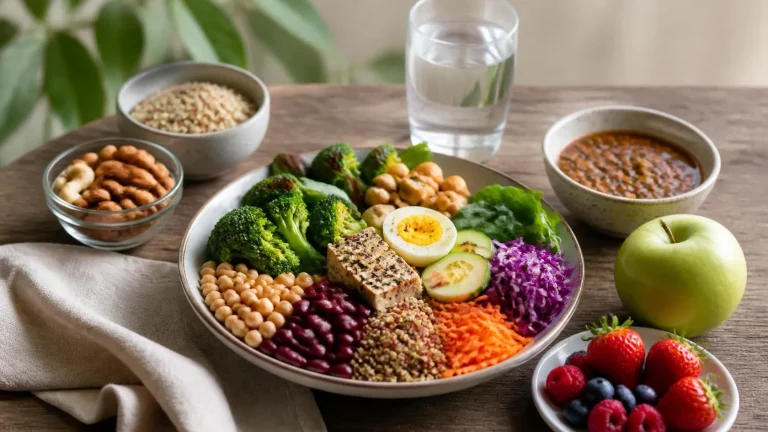
What Does a Nutrient-Dense Meal Look Like?
A nutrient-dense meal provides useful nutrients without relying heavily on foods that provide mostly calories.
A simple plate can include several food groups.
Vegetables
Add one or more vegetables for fiber, vitamins and minerals.
Protein
Include dal, beans, eggs, dairy, fish, chicken, tofu or another suitable source.
Whole-Grain or Starchy Food
Choose foods such as roti, brown rice, oats, potatoes or other grains according to your needs.
Healthy Fat
Use nuts, seeds or suitable plant oils in sensible amounts.
Want an Easier Healthy Eating Routine?
You do not need a complicated diet. Start by improving one meal at a time.
Healthy Daily Habits Explore More Health GuidesSimple Indian Meal Ideas for Better Nutrition
Healthy eating does not require expensive imported foods.
Many familiar Indian foods can contribute important nutrients.
| Meal | Simple Combination | Nutrients You Can Get |
|---|---|---|
| Breakfast | Oats + milk/curd + fruit + nuts | Protein, carbohydrates, fiber, vitamins, minerals and fats |
| Lunch | Roti + dal + vegetables + curd | Protein, carbohydrates, fiber, calcium and other micronutrients |
| Snack | Fruit + handful of nuts | Fiber, vitamins, minerals and healthy fats |
| Dinner | Rice/roti + vegetables + beans or another protein | Protein, carbohydrates, fiber and micronutrients |
These are examples rather than a personalized meal plan. Your ideal portions depend on your energy needs, health, activity level and dietary preferences.
Foods to Include More Often
A practical nutrition strategy is to focus on what you can add rather than creating a long list of foods you cannot eat.
- Add vegetables to lunch and dinner.
- Choose whole fruits more often.
- Include a protein source in your main meals.
- Use nuts and seeds in reasonable portions.
- Choose whole grains when suitable.
- Include beans, lentils and other legumes regularly.
- Drink water throughout the day.
- Choose minimally processed foods more often.
Common Nutrition Mistakes to Avoid
1. Focusing Only on Calories
Calories matter, but food quality matters too.
Two foods can contain similar calories while providing very different amounts of protein, fiber, vitamins and minerals.
2. Assuming Supplements Replace Food
Supplements can be useful in specific situations, but they should not automatically replace a varied diet.
3. Following Every Nutrition Trend
A food trend on social media is not necessarily evidence-based.
Look for information from reliable health organizations and qualified professionals.
4. Cutting Out Entire Food Groups Without a Reason
Removing an entire food group can make it harder to meet certain nutrient needs.
If you follow a restrictive diet, learn which nutrients require extra attention.
5. Ignoring Portion Sizes
Even nutritious foods can contribute more calories than you need when portions become very large.
Balanced nutrition involves both food quality and appropriate amounts.
Do You Need Vitamin and Mineral Supplements?
Not everyone needs supplements.
Whether a supplement is useful depends on factors such as your diet, age, pregnancy status, medical conditions, medications and confirmed nutrient deficiencies.
For example, healthcare professionals may recommend particular supplements during pregnancy or for people with certain deficiencies.
However, taking multiple high-dose supplements without guidance is not a good general strategy.
Check whether you actually need it. If you have a medical condition, take medication, are pregnant or have another specific health concern, speak with a qualified healthcare professional.
How to Make Your Diet More Nutrient-Rich
You do not have to change everything at once.
Small improvements are easier to maintain.
Try This Simple Checklist
- Did I eat at least one fruit today?
- Did I include vegetables in my main meals?
- Did I eat a protein-rich food?
- Did I include a fiber-rich food?
- Did I drink enough fluids for my needs?
- Did I include a variety of foods rather than relying on one item?
- Did I keep highly processed and sugary foods from dominating my diet?
You do not need to achieve a perfect score every day.
The goal is to build a pattern that works over time.
How Nutrition Connects With Your Daily Health
Nutrition is only one part of a healthy lifestyle.
Sleep, movement, stress management and daily habits also matter.
For example, a nutrient-rich diet cannot completely compensate for consistently poor sleep or a highly inactive lifestyle.
Think of health as a collection of habits that work together.
For practical lifestyle ideas, read: Healthy Daily Habits .
You can also explore: 10-Minute Walk After Meals for another simple everyday health habit.
Frequently Asked Questions
What are the 7 essential nutrients?
A simple nutrition overview includes protein, carbohydrates, fats, vitamins, minerals, water and dietary fiber. The body needs many individual nutrients within these categories.
What is the most important nutrient?
There is no single nutrient that is “most important” for everyone. Different nutrients perform different roles, so overall dietary balance and variety matter.
Which foods contain many essential nutrients?
Foods such as vegetables, fruits, legumes, whole grains, nuts, seeds, dairy foods, eggs, fish and other protein-rich foods can provide a range of nutrients.
Can I get all my nutrients from food?
Many people can meet their nutritional needs through a varied diet. However, certain people may need supplements because of specific dietary patterns, life stages, medical conditions or nutrient deficiencies.
Are vitamins and minerals the same?
No. Vitamins are organic compounds, while minerals are inorganic elements. Both are needed for normal body functions, but they have different chemical structures and roles.
Is fiber an essential nutrient?
Dietary fiber is an important part of a healthy eating pattern and supports digestive health. It is found mainly in plant foods such as fruits, vegetables, legumes and whole grains.
How can I improve my nutrition without changing my whole diet?
Start with small additions. Add a vegetable to one meal, include a protein source, choose whole fruit, add legumes or drink more water. Small changes can make your overall diet more varied.
Should everyone take multivitamins?
No. A multivitamin is not automatically necessary for everyone. Supplement needs vary by individual circumstances, so discuss regular or high-dose supplementation with a qualified healthcare professional when appropriate.
Related Nutrition Guides
Trusted Nutrition Resources
For nutrition decisions, especially when supplements or medical conditions are involved, use reliable health information rather than social-media trends.
Your body needs a wide range of nutrients to function properly.
Protein helps maintain tissues. Carbohydrates provide energy. Dietary fats support important body functions. Vitamins and minerals support many biological processes. Water keeps your body functioning, while fiber supports digestive health.
You do not need to eat perfectly.
Instead, build meals around variety.
Include vegetables, fruits, legumes, whole grains, protein-rich foods, healthy fats and enough fluids. Adjust portions and food choices according to your individual needs.
Most importantly, do not let complicated nutrition advice make healthy eating feel impossible.
Simple, varied and consistent eating habits can be a much better starting point than chasing the latest diet trend.
Make Your Next Meal More Nutritious
Choose one food group you are missing today and add it to your next meal.
Explore Nutrition Guides Read Daily Life JournalAbout the Author