Mehak
Mehak 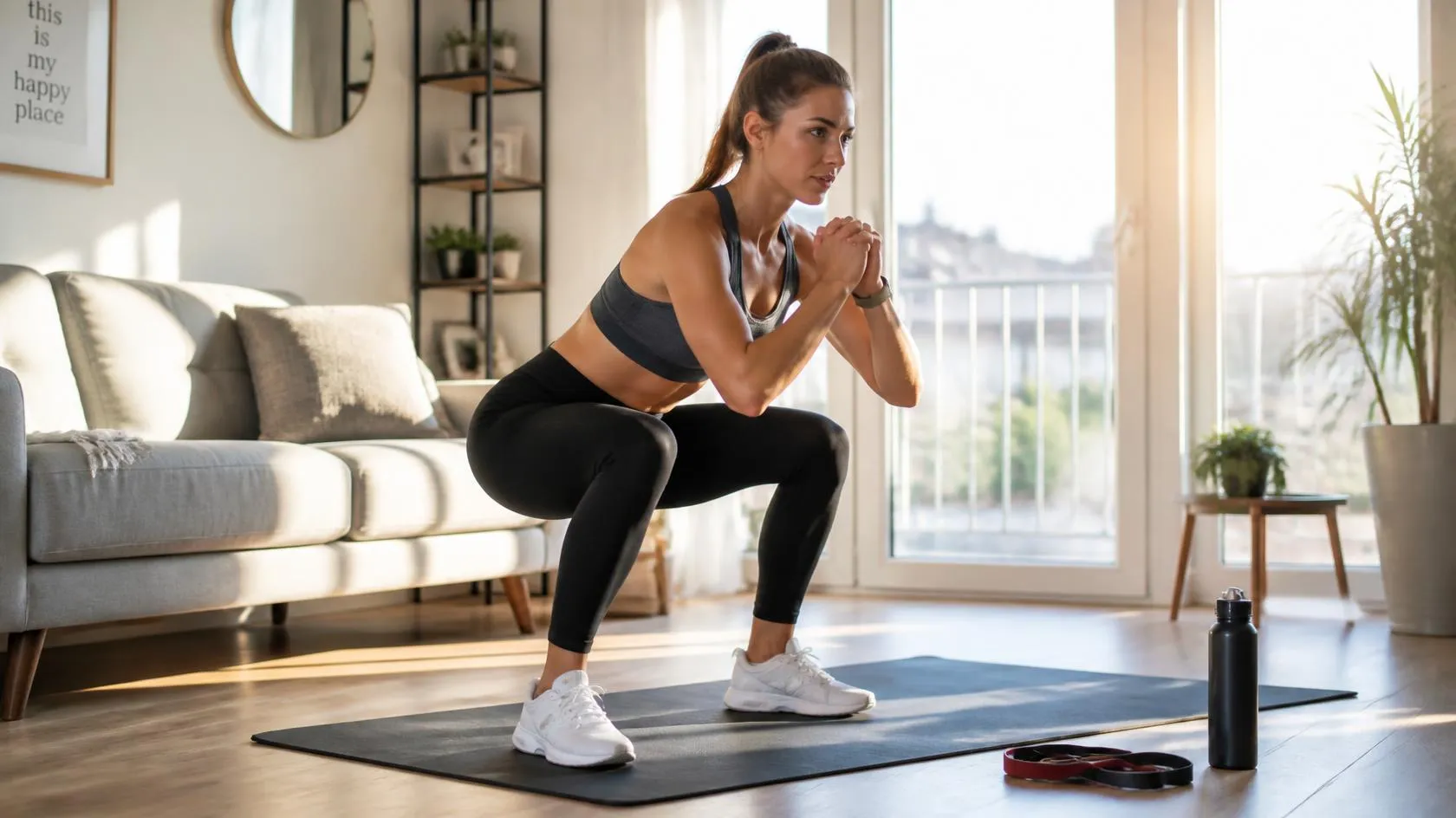
Simple bodyweight exercises you can perform at home without gym equipment.
Build strength, improve fitness, and develop a healthy exercise habit with this beginner-friendly workout routine at home. Learn simple exercises, weekly plans, and practical fitness tips without needing expensive gym equipment.
Quick Answer
A beginner workout routine at home should focus on simple bodyweight exercises, consistency, proper form, and gradual progress. A 20–30 minute workout session with exercises like squats, push-ups, lunges, planks, and mobility movements can help improve strength, endurance, and overall fitness.
You do not need a gym membership or expensive equipment to start exercising. However, if you have an injury, medical condition, or specific health concern, consult a healthcare professional before starting a new exercise program.
Why Start a Workout Routine at Home?
A home workout routine makes fitness more accessible because it removes common barriers such as travel time, expensive memberships, and complicated equipment. Beginners can build confidence by starting with simple movements and gradually increasing intensity.
The most effective workout plan is one you can follow consistently. Small daily improvements often create better long-term results than extreme exercise routines that are difficult to maintain.
Benefits of Home Workouts
- Saves time and money
- Flexible exercise schedule
- Easy for beginners
- Improves strength and mobility
- Supports healthy weight management
- Builds consistent fitness habits
What You Need
- Comfortable workout clothes
- Small workout space
- Exercise mat (optional)
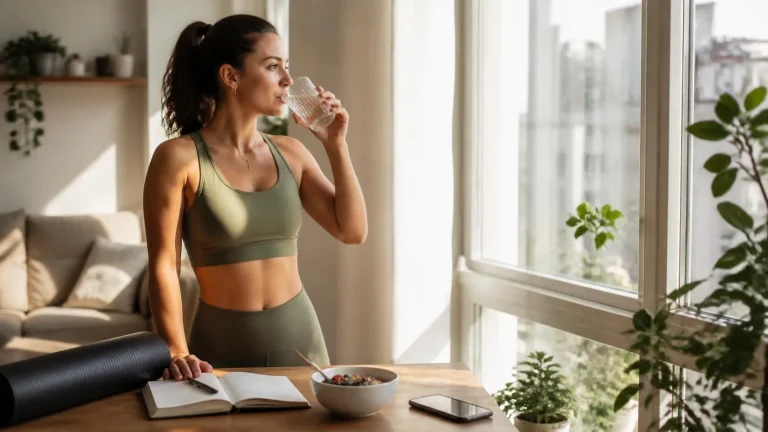
- Water bottle
- Proper motivation
- Consistency
Beginner Home Workout Routine
This beginner-friendly full-body workout focuses on major muscle groups and can be completed with little or no equipment.
| Exercise | Sets & Repetitions | Main Benefits |
|---|---|---|
| Bodyweight Squats | 3 sets × 10–15 reps | Strengthens legs and improves mobility |
| Push-Ups | 3 sets × 8–12 reps | Builds chest, shoulders, and arm strength |
| Lunges | 3 sets × 10 each leg | Improves balance and lower body strength |
| Plank | 3 rounds × 20–40 seconds | Supports core stability and posture |
| Glute Bridges | 3 sets × 12–15 reps | Strengthens hips and lower body |
5–10 Minute Warm-Up Before Home Workout
A proper warm-up prepares your muscles, increases blood flow, and reduces the risk of injury. Beginners should spend at least 5–10 minutes performing light movements before starting intense exercises.
Warm-Up Exercises
- Marching in place – 1 minute
- Arm circles – 30 seconds
- High knees – 30 seconds
- Bodyweight squats – 10 repetitions
- Dynamic stretching – 2–3 minutes
Why Warm-Up Matters
- Improves flexibility
- Activates muscles
- Prepares joints for movement
- Improves workout performance
- Helps prevent common injuries
Beginner-Friendly Exercises Explained
1. Bodyweight Squats
Bodyweight squats are one of the best beginner exercises because they strengthen the lower body and improve everyday movement patterns. They target the thighs, hips, and glute muscles.
- Stand with feet shoulder-width apart.
- Keep your chest lifted and back straight.
- Lower your hips as if sitting on a chair.
- Push through your feet to return to standing.
2. Push-Ups
Push-ups help build upper body strength by working the chest, shoulders, arms, and core muscles. Beginners can start with modified push-ups using their knees.
Push-Up Benefits
- Improves upper body strength
- Builds chest and shoulder muscles
- Supports core stability
- Requires no equipment
Beginner Modification
- Wall push-ups
- Incline push-ups
- Knee push-ups
- Slow controlled movements
3. Lunges
Lunges improve balance, coordination, and lower-body strength. They mainly target the legs, hips, and glutes.
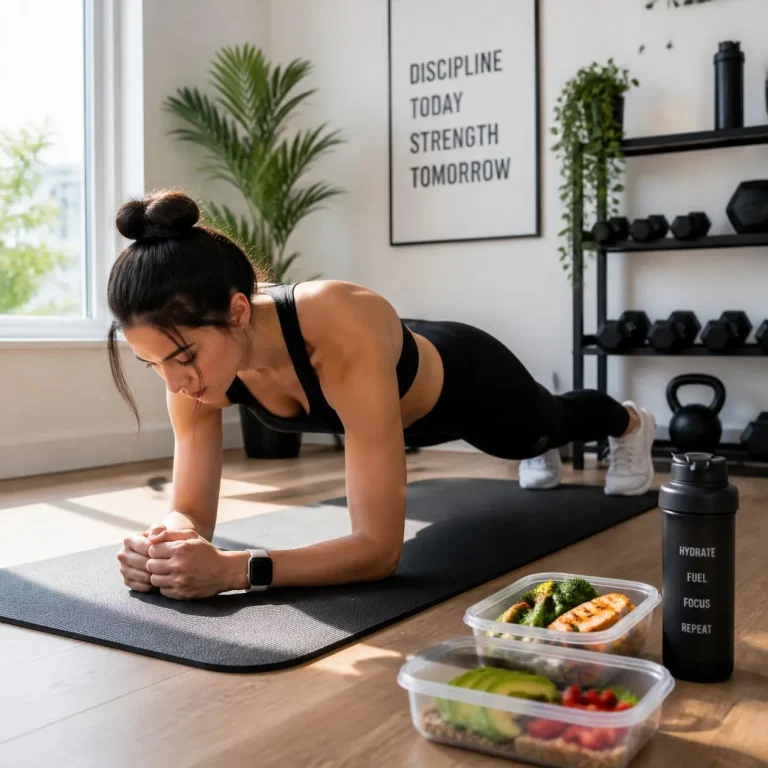
4. Plank Exercise
The plank is a simple but effective exercise for developing core strength. A strong core supports posture, balance, and everyday activities.
Focus on maintaining proper form instead of holding a plank for a long time. Quality movement is more important than duration.
5. Glute Bridges
Glute bridges strengthen the hips and lower body while supporting better posture and movement control. They are especially useful for beginners because they are simple and low impact.
7-Day Beginner Workout Schedule at Home
A balanced weekly routine combines strength training, mobility, cardio, and recovery. Beginners should avoid training the same muscles intensely every day.
| Day | Workout Plan | Duration |
|---|---|---|
| Monday | Full Body Strength Workout (Squats, Push-ups, Lunges, Planks) | 25–30 Minutes |
| Tuesday | Walking + Stretching + Mobility Exercises | 20–40 Minutes |
| Wednesday | Lower Body Workout (Legs and Glutes) | 25 Minutes |
| Thursday | Recovery Day with Light Stretching | 15–20 Minutes |
| Friday | Upper Body and Core Workout | 25–30 Minutes |
| Saturday | Cardio Workout + Core Exercises | 20–30 Minutes |
| Sunday | Rest and Recovery | – |
Home Workout Without Equipment
Many effective exercises can be performed using only your body weight. Equipment is helpful but not necessary for beginners who want to improve fitness at home.
No Equipment Exercises
- Squats
- Push-ups
- Lunges
- Planks
- Mountain climbers
- Burpees
Optional Home Equipment
- Resistance bands
- Yoga mat
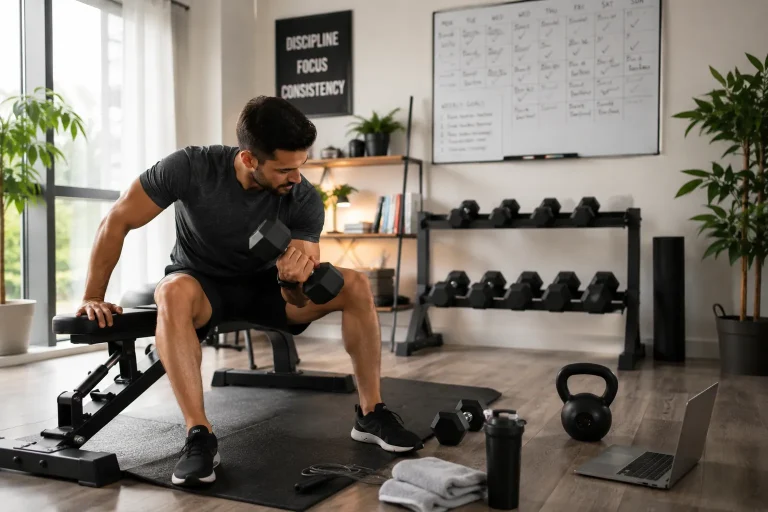
- Dumbbells
- Skipping rope
- Exercise bench
How Long Should Beginners Exercise at Home?
Beginners do not need long workout sessions to see improvement. Starting with 20–30 minutes of moderate exercise most days of the week can help build a strong fitness foundation.
Beginner Fitness Goal
Focus on consistency first. Improving exercise quality, increasing repetitions gradually, and creating a sustainable routine are more important than completing extremely difficult workouts.
Workout Routine at Home for Weight Loss
A consistent home workout routine can support healthy weight management when combined with balanced nutrition, proper sleep, and daily movement. The goal is not only burning calories but also improving strength, metabolism, and overall fitness.
Effective Fat-Loss Exercises
- Brisk walking
- Jumping jacks
- Mountain climbers
- Squats
- Burpees
- High knees
Weight Loss Habits
- Maintain calorie balance
- Eat enough protein
- Drink enough water
- Sleep properly
- Stay active throughout the day
How to Build Muscle at Home Without Gym Equipment
Building muscle at home is possible by using progressive overload, proper exercise form, and consistent training. Beginners should focus on gradually increasing repetitions, improving technique, and challenging their muscles over time.
| Strategy | How It Helps |
|---|---|
| Increase Repetitions | Gradually challenges muscles and improves endurance. |
| Improve Exercise Form | Creates better muscle activation and reduces injury risk. |
| Add Resistance | Resistance bands, dumbbells, or household items can increase difficulty. |
| Stay Consistent | Regular workouts create long-term strength improvements. |
Nutrition Tips to Support Home Workouts
Exercise results depend on both training and nutrition. A balanced diet provides energy for workouts and nutrients needed for recovery.
Before Workout
- Banana or fruit
- Oats
- Whole-grain toast
- Light protein snack
- Adequate hydration
After Workout
- Protein-rich foods
- Eggs or lean meats
- Greek yogurt
- Paneer or legumes
- Balanced meal with carbohydrates
Common Beginner Workout Mistakes to Avoid
Many beginners lose motivation because they start too aggressively or follow unrealistic routines. Avoiding common mistakes can help you build a sustainable fitness habit.
| Mistake | Better Approach |
|---|---|
| Doing intense workouts immediately | Start slowly and increase intensity gradually. |
| Ignoring warm-up and stretching | Prepare your body before exercise and recover properly afterward. |
| Poor exercise form | Learn correct movements before increasing repetitions. |
| Skipping rest days | Allow muscles to recover and adapt. |
| Comparing progress with others | Focus on your personal improvement. |
Importance of Recovery After Exercise
Recovery is an important part of fitness progress. Muscles need time to repair and adapt after workouts. Proper recovery improves performance and reduces the risk of overtraining.
Recovery Tips
- Sleep 7–9 hours regularly
- Stretch after workouts
- Stay hydrated
- Eat nutritious meals
- Take rest days
Signs You Need Rest
- Constant muscle soreness
- Low energy levels
- Poor workout performance
- Reduced motivation
- Difficulty recovering
Workout Motivation Tips for Beginners
Creating a regular exercise habit is easier when you focus on realistic goals. Motivation may change from day to day, but a consistent routine helps you continue making progress.
- Set small weekly fitness goals.
- Track your workouts.
- Exercise at a fixed time.
- Celebrate progress.
- Choose exercises you enjoy.
- Build fitness into your daily lifestyle.
Home Workout Myths vs Facts
| Myth | Fact |
|---|---|
| You need a gym to get fit. | Home workouts can improve strength, mobility, and fitness when performed consistently. |
| Long workouts always give better results. | A consistent and well-planned routine is more effective than occasional extreme workouts. |
| Beginners should exercise every day. | Rest and recovery days are important for long-term progress. |
| Only cardio helps with weight loss. | Strength training, nutrition, and daily activity also support healthy weight management. |
The best workout routine is the one you can follow consistently. Start with simple exercises, improve gradually, and create healthy habits that fit your lifestyle.
Frequently Asked Questions
1. Can beginners do workouts at home?
Yes. Beginners can start effective workouts at home using simple bodyweight exercises such as squats, push-ups, lunges, and planks. The most important factors are consistency, proper form, and gradual progress.
2. How many days a week should a beginner workout?
Beginners can start with 3–5 workout days per week depending on their fitness level. A balanced routine should include strength exercises, mobility work, cardio, and recovery days.
3. What is the best home workout without equipment?
Bodyweight exercises like squats, push-ups, lunges, planks, mountain climbers, and glute bridges are effective beginner-friendly exercises that require no equipment.
4. How long should a beginner workout at home?
A beginner can start with 20–30 minute workout sessions. As fitness improves, workout duration and intensity can gradually increase.
5. Can home workouts help with weight loss?
Yes. Home workouts can support weight loss when combined with balanced nutrition, regular movement, sufficient sleep, and healthy lifestyle habits.
6. Should I exercise every day as a beginner?
Daily movement is beneficial, but intense workouts every day are not necessary. Beginners should include recovery days to allow muscles to repair and adapt.
7. What should I eat after a home workout?
After exercise, choose a balanced meal containing protein, carbohydrates, and healthy nutrients. Examples include eggs with whole grains, yogurt with fruit, paneer, legumes, or a balanced home meal.
8. How can I stay motivated for home workouts?
Set realistic goals, create a workout schedule, track progress, and focus on building a consistent habit rather than expecting instant results.
9. Can I build muscle with home workouts?
Yes. Beginners can build muscle at home by performing resistance exercises, increasing workout difficulty gradually, eating enough protein, and following a consistent training routine.
10. When will I see results from home workouts?
Results vary depending on workout consistency, nutrition, genetics, and lifestyle habits. Many beginners notice improvements in energy, strength, and fitness within several weeks of regular exercise.
Start Your Home Workout Journey Today
Fitness does not require a complicated routine. A few minutes of consistent exercise every day can help improve strength, energy, confidence, and overall well-being.start with simple movements, stay consistent, and gradually build a healthier lifestyle.
Explore Healthy Lifestyle Tips →References
- World Health Organization (WHO) – Physical Activity Guidelines
- Centers for Disease Control and Prevention (CDC) – Physical Activity Basics
- National Health Service (NHS) – Exercise Guidelines
- American College of Sports Medicine (ACSM) – Exercise Recommendations
This article is for educational purposes only and should not replace professional medical advice. Consult a healthcare professional before starting a new exercise program if you have health concerns.
About the Author