How to Build a Balanced Breakfast That Keeps You Full
 Mehak
Mehak 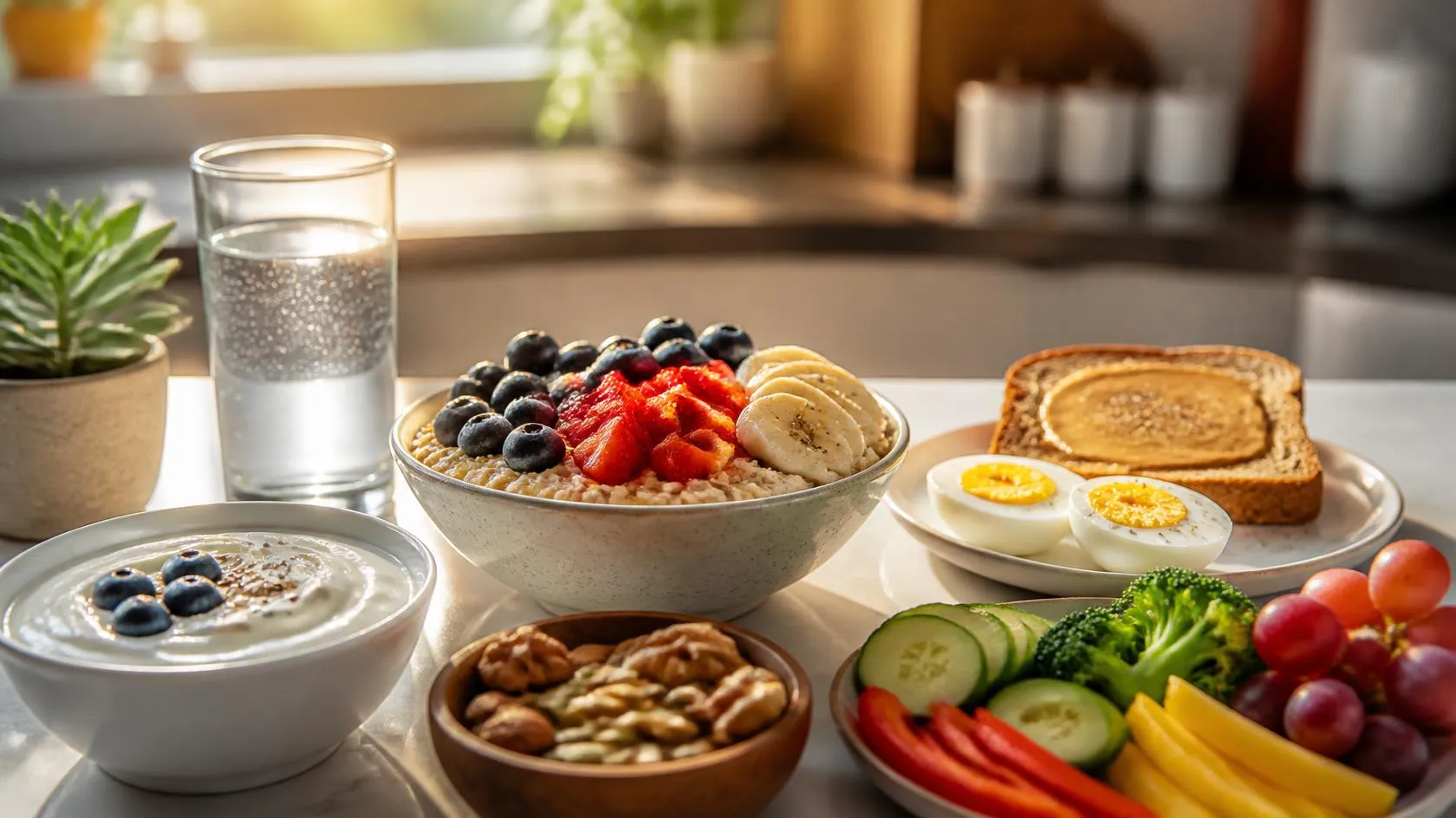
A balanced breakfast combines protein, fiber-rich foods, produce and healthy fats for a satisfying meal.
A balanced breakfast can make it easier to meet your nutrition needs and stay satisfied through the morning. Learn how to combine protein, fiber-rich carbohydrates, healthy fats and fruits or vegetables into a practical breakfast you can actually maintain.
A balanced breakfast combines several food groups rather than relying on a single food. A practical meal can include a protein source, a fiber-rich carbohydrate, fruit or vegetables and a source of unsaturated fat. The exact portions depend on your energy needs, preferences, dietary pattern and overall health goals.
What Is a Balanced Breakfast?
A balanced breakfast is a meal that provides a useful combination of nutrients and food groups. Instead of focusing on one “perfect” breakfast food, think about how different foods work together.
For many people, a satisfying breakfast can include protein, fiber-rich carbohydrates, healthy fats and fruit or vegetables. This combination can make a meal more substantial than a breakfast built mostly around refined carbohydrates or added sugars.
The Simple Breakfast Formula
Start with one protein source, add a fiber-rich carbohydrate, include fruit or vegetables, and finish with a source of healthy fat when it fits the meal. You do not need every component in identical amounts.
Why Does a Balanced Breakfast Matter?
Breakfast is not automatically necessary for every person. However, if you choose to eat breakfast, building a nutrient-dense meal can help you make the most of it.
A well-planned breakfast can contribute protein, fiber, vitamins, minerals and other nutrients to your overall diet. It can also provide a convenient opportunity to include foods that you might otherwise eat less often.
Protein
Protein contributes to the maintenance of muscles and other tissues and can make a meal more satisfying.
Fiber
Fiber-rich foods can add texture and bulk while contributing to overall digestive and dietary health.
Produce
Fruit and vegetables provide vitamins, minerals, fiber and a wide range of naturally occurring plant compounds.
Healthy Fats
Foods such as nuts, seeds and certain plant oils provide unsaturated fats and can add flavor and staying power to a meal.
4 Building Blocks of a Filling Breakfast
1. Add a Good Source of Protein
Protein is one of the most useful components to consider when you want a breakfast that keeps you satisfied. It also plays an important role in maintaining and repairing body tissues.
Easy Breakfast Protein Options
- Eggs
- Plain Greek yogurt
- Cottage cheese
- Milk or fortified dairy alternatives
- Tofu
- Beans and lentils
- Unsweetened nut or seed butter
You do not need to eat animal products to build a protein-rich breakfast. Plant-based options can work well when combined with the rest of the meal.
For more nutrition ideas, explore: The Power of Plant-Based Protein: Benefits, Sources and How to Get Enough .
2. Choose Fiber-Rich Carbohydrates
Carbohydrates are not something you need to eliminate from breakfast. The more useful question is which carbohydrate-rich foods you choose.
Whole grains, oats, fruit and other minimally processed carbohydrate sources can contribute fiber and important nutrients.
Better Breakfast Choices
| Instead of Relying Mainly On | Consider Adding |
|---|---|
| Sugary breakfast cereal | Oats with fruit, nuts and yogurt |
| Refined white toast alone | Whole-grain toast with eggs or nut butter |
| Sweet pastry alone | Fruit plus yogurt, eggs or another protein source |
| Sugary breakfast drink | Whole fruit with a balanced meal |
3. Include Fruit or Vegetables
Adding produce is an easy way to increase the variety of nutrients in your breakfast.
You can use fresh, frozen or appropriately prepared produce. The best choice is often the one you enjoy and can consistently include.
Simple Fruit Ideas
- Banana sliced over oats
- Berries mixed into yogurt
- Apple with nut butter
- Orange or seasonal fruit alongside eggs
- Chopped fruit in a homemade breakfast bowl
Simple Vegetable Ideas
- Spinach in an omelet
- Tomatoes with eggs and toast
- Vegetable poha
- Vegetable upma
- Avocado and tomato on whole-grain toast
4. Add Healthy Fats When Appropriate
Healthy fats can make breakfast more satisfying and add flavor and nutrients. Good options include nuts, seeds, avocado and nut or seed butters.
Because fats are energy-dense, the amount that fits your meal depends on your individual energy requirements and overall dietary pattern.
5 Easy Balanced Breakfast Ideas
Breakfast 1: Oats + Yogurt + Fruit
Combine oats with plain yogurt or Greek yogurt and add berries or a banana. Sprinkle in nuts or seeds for extra texture.
Breakfast 2: Eggs + Whole-Grain Toast + Vegetables
Pair eggs with whole-grain toast and vegetables such as tomatoes, spinach or peppers. Add fruit if you want a larger meal.
Breakfast 3: Indian-Style Poha Bowl
Prepare poha with vegetables and pair it with a protein source such as plain yogurt, eggs or another suitable option. Add peanuts in an appropriate portion for texture and healthy fats.
Breakfast 4: Besan Chilla + Yogurt
A savory besan chilla can be paired with plain yogurt and vegetables. This provides a practical combination of protein, carbohydrates and produce.
Breakfast 5: Whole-Grain Toast + Nut Butter + Fruit
Spread nut butter on whole-grain toast and serve with a piece of fruit. For additional protein, pair it with milk, yogurt or another suitable protein-rich food.
What Makes a Breakfast Less Filling?
Some breakfasts can leave you hungry quickly because they contain mostly refined carbohydrates or added sugars without much protein or fiber.
For example, a sweet pastry and sugary drink may provide energy but little protein or fiber. That does not make these foods “bad,” but they may not be the most satisfying choice when eaten alone.
A simple improvement is to add rather than completely remove foods. Pair a carbohydrate-rich food with protein, fruit, vegetables or healthy fats.
Do You Need Breakfast Every Day?
Not necessarily. People have different schedules, appetites, dietary needs and health goals. Some prefer breakfast, while others naturally eat their first meal later.
The overall quality of your diet matters more than following a single breakfast rule. If you regularly feel hungry in the morning, however, a balanced breakfast may be a practical way to start your day.
How Much Should You Eat for Breakfast?
There is no universal breakfast portion that works for everyone. Energy needs vary according to factors such as body size, age, activity level and overall health.
Instead of following a rigid portion size, pay attention to hunger, fullness and the overall balance of your meal.
Healthy Breakfast Mistakes to Avoid
- Making breakfast mostly sugar: Sweet foods can be included, but building the whole meal around added sugars may leave less room for nutrient-rich foods.
- Skipping protein: A protein source can make a breakfast more substantial.
- Ignoring fiber: Whole grains, fruit, vegetables, beans, nuts and seeds can contribute fiber.
- Following unnecessary food rules: There is no single breakfast that everyone must eat.
- Choosing complicated recipes: The best healthy breakfast is often one you can prepare consistently.
How to Make Healthy Breakfast Habits Stick
A breakfast routine becomes easier when you reduce the number of decisions required each morning.
Prepare Ingredients in Advance
Wash fruit, portion nuts or prepare overnight oats the night before. Small preparation steps can make healthy choices easier on busy mornings.
Create Two or Three Default Meals
You do not need a new recipe every day. Choose a few breakfasts you enjoy and rotate them.
Keep Convenient Foods Available
Plain yogurt, oats, fruit, whole-grain bread, eggs, nuts and seeds can make quick breakfasts easier to assemble.
Build Around Your Schedule
If you have only 10 minutes, choose a simple meal. If you have more time on weekends, prepare something more elaborate.
A Simple Balanced Breakfast Checklist
- Do I have a protein source?
- Did I include a fiber-rich food?
- Can I add fruit or vegetables?
- Would a small serving of nuts, seeds or another healthy fat fit?
- Will this meal keep me satisfied until my next meal?
- Can I realistically prepare it on busy mornings?
Explore More OmniGuide Health Guides
Frequently Asked Questions
What is a balanced breakfast?
A balanced breakfast combines several food groups, commonly including a protein source, fiber-rich carbohydrates, fruit or vegetables and, when appropriate, a source of healthy fats.
What should I eat for breakfast to stay full?
A breakfast containing protein and fiber-rich foods may be more satisfying than a meal based mainly on refined carbohydrates or added sugars. Examples include eggs with whole-grain toast, yogurt with oats and fruit, or a savory bean-based breakfast.
Is protein important at breakfast?
Protein is an important nutrient that supports muscles and other body tissues. Including a protein source can also make breakfast more substantial.
What is the healthiest breakfast?
There is no single healthiest breakfast for everyone. A nutritious choice usually contains a useful combination of protein, fiber-rich foods and nutrient-dense produce while fitting your personal dietary needs.
Can I eat carbohydrates at breakfast?
Yes. Carbohydrates can be part of a balanced breakfast. Whole grains, oats and fruit are examples of carbohydrate-rich foods that can also provide fiber and other nutrients.
Should breakfast include fruit?
Fruit is not mandatory, but it can be a convenient way to add fiber, vitamins, minerals and other beneficial plant compounds to breakfast.
Can I eat breakfast if I am trying to manage my weight?
Breakfast can fit into a weight-management eating pattern. The overall quality and amount of food consumed across the day matter more than following a universal breakfast rule.
Is skipping breakfast unhealthy?
Skipping breakfast is not automatically unhealthy for everyone. Individual schedules, appetite, dietary patterns and health needs differ. Overall diet quality is more important than a single meal.
Trusted Nutrition Resources
A balanced breakfast does not require expensive ingredients, strict rules or complicated recipes. Start with a protein source, choose a fiber-rich carbohydrate, add fruit or vegetables and include healthy fats when they fit your meal.
The most useful breakfast is one that provides nourishing foods, matches your personal needs and is realistic enough to repeat. Consistency matters more than perfection.
Make Healthy Eating Easier
Explore OmniGuide for practical health, nutrition, lifestyle, technology and everyday guides designed to make complex topics easier to understand.
Explore Daily Life JournalAbout the Author