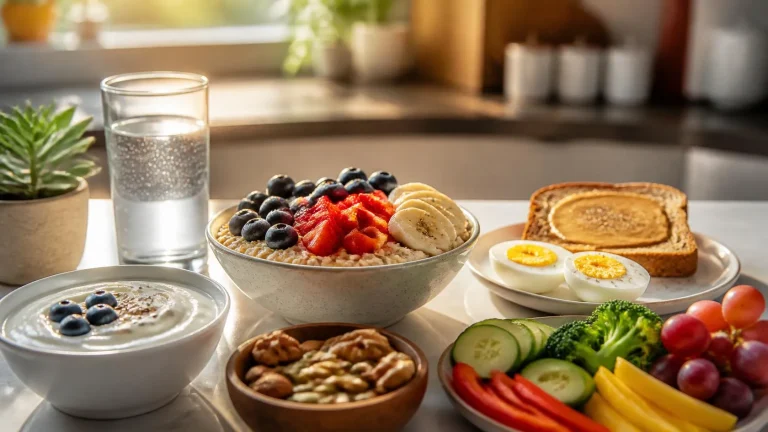
Achieving Optimal Health: How to Make a Habit That Sticks for Life
 Mehak
Mehak 
Small, consistent habits can create a healthier lifestyle over time.
Better health rarely comes from one dramatic change. It usually comes from small actions repeated consistently. Learn how to turn healthy choices into realistic habits that can survive busy days and setbacks.
The best way to make a healthy habit stick is to make it simple, specific, realistic and easy to repeat. Start with one behavior, connect it to an existing routine, reduce friction, track consistency and allow yourself to restart after setbacks. Long-term health is built through repeated behaviors rather than short bursts of perfection.
Think Consistency, Not Perfection
You do not need to eat perfectly, exercise every day or follow a flawless routine to make progress. A habit becomes useful when it is realistic enough to repeat over the long term.
What Does “Optimal Health” Really Mean?
Optimal health does not mean reaching a perfect body, never getting sick or following an ideal routine every day. Health is influenced by multiple areas of life, including nutrition, physical activity, sleep, stress, relationships, environment and access to healthcare.
That makes sustainable habits more useful than chasing a single definition of perfection.
A healthy lifestyle should support your everyday life rather than make your life revolve around health rules.
Why Do Healthy Habits Feel So Difficult to Maintain?
Starting something new is often easier than continuing it. Motivation can be strong at the beginning, especially after a major life event, health scare or New Year’s resolution.
But motivation naturally changes. Work becomes busy. Travel happens. You get tired. Plans change. Family responsibilities appear.
If a habit depends entirely on feeling motivated, it can disappear when motivation drops.
The solution is not necessarily more discipline. A better approach is to design habits that require less decision-making and fit naturally into your existing routine.
7 Principles for Building Healthy Habits That Stick
Start Smaller Than You Think
One of the most common mistakes is trying to change everything at once. Someone may decide to completely change their diet, exercise every day, sleep eight hours, meditate and eliminate every unhealthy habit at the same time.
That sounds impressive, but it can create an overwhelming routine.
Instead, choose one small behavior. For example, start with a 10-minute walk after one meal rather than committing to an intense one-hour workout every day.
Make the Habit Specific
“Exercise more” is a goal, not a clear habit.
“Walk for 15 minutes after dinner on Monday, Wednesday and Friday” is much more specific.
A specific habit answers three questions:
- What will I do?
- When will I do it?
- Where will I do it?
The more clearly you define the behavior, the easier it becomes to recognize when it is time to act.
Attach New Habits to Existing Routines
Existing routines can act as reminders for new behaviors.
For example:
- After brushing your teeth → drink water.
- After lunch → take a short walk.
- After preparing morning coffee → review your daily priorities.
- After changing into comfortable clothes → do a short mobility routine.
This approach reduces the need to remember a completely new activity from scratch.
Make Healthy Choices Easier
Your environment can influence your behavior.
If you want to eat more fruit, keep fruit visible and accessible. If you want to walk in the morning, prepare your shoes and clothes beforehand. If you want to drink more water, keep a bottle nearby.
The goal is to reduce the number of steps between you and the behavior you want to repeat.
Create a Minimum Version
Life will not always go according to plan. That is why it helps to have a minimum version of your habit.
If your normal workout is 30 minutes, your minimum version might be five minutes of movement. If you normally prepare a complete meal, your minimum version might be choosing one nutritious component instead of ordering automatically.
The purpose is not to turn every day into a tiny workout. It is to keep the behavior connected to your identity and routine when circumstances are difficult.
Track the Behavior, Not Just the Outcome
Results such as body weight, blood pressure or fitness performance may change gradually. Daily behaviors are often easier to control.
Instead of asking only, “Did I lose weight this week?” you could also ask:
- How many days did I walk?
- How often did I eat a balanced meal?
- How many nights did I follow my bedtime routine?
- How often did I make time for stress management?
Tracking behaviors can help you see whether your routine is moving in the direction you want.
Plan for Setbacks
Missing a workout or eating an unbalanced meal does not erase your progress.
The bigger problem is the “I already failed, so I might as well quit” mindset.
Instead, create a restart rule:
A sustainable habit includes the ability to return after disruption.
The Five Foundations of a Healthy Lifestyle
Instead of trying to optimize every aspect of your health immediately, focus on a few broad areas.
Nutrition
Build an overall eating pattern that includes a variety of nutritious foods and fits your preferences, culture, budget and lifestyle.
Movement
Find physical activities you enjoy and can perform consistently. Walking, strength training, cycling and other activities can all contribute to an active lifestyle.
Sleep
Create a consistent sleep routine and make your sleep environment supportive of rest.
Stress Management
Make room for activities that help you manage everyday stress, such as walking, breathing exercises, hobbies, social connection or time away from screens.
How to Turn a Goal Into a Daily Habit
| Instead of Saying… | Try This |
|---|---|
| I want to exercise more. | I will walk for 15 minutes after dinner on weekdays. |
| I need to eat healthier. | I will add one fruit or vegetable to lunch each day. |
| I need better sleep. | I will start my bedtime routine at the same time most nights. |
| I need less stress. | I will spend 10 minutes outside after work. |
| I should drink more water. | I will keep a reusable water bottle beside my desk. |
Why Motivation Is Not Enough
Motivation can help you begin. It is less reliable as the only system for maintaining a behavior.
A better strategy is to create an environment where the desired action is easier to perform.
For example, someone who wants to exercise before work can prepare clothes the night before, choose a simple workout and keep the required equipment accessible.
These small changes reduce friction. When fewer decisions are required, the behavior can become easier to repeat.
Build a Healthy Morning Routine Without Overcomplicating It
A morning routine does not need to contain ten different wellness activities.
A simple routine could include:
- Wake up at a consistent time.
- Drink water according to your normal needs.
- Get some natural light and movement.
- Eat a nutritious breakfast if it suits your eating pattern.
- Review your most important tasks for the day.
The goal is to create a repeatable start to the day rather than an Instagram-perfect routine.
How Nutrition Habits Become Easier
Healthy eating becomes more manageable when you remove unnecessary decisions.
Plan a few reliable meals that you genuinely enjoy. Keep nutritious ingredients available. Prepare food when you have time. Learn a handful of simple recipes.
You can also explore our related guide: The Power of Plant-Based Protein: Benefits, Sources and How to Get Enough .
The objective is not to create a perfect menu. It is to create a food environment that makes balanced choices practical.
How Exercise Habits Become More Sustainable
Exercise does not have to mean an intense gym session every day.
Start with activities that match your current fitness level and preferences.
- Walking
- Cycling
- Swimming
- Strength training
- Dancing
- Yoga or mobility work
- Recreational sports
If you enjoy the activity, consistency becomes easier. If you dislike every workout, maintaining the routine can become much harder.
Stress Management Is a Health Habit Too
Stress management is often treated as something to do only when life becomes overwhelming. It can be more useful to build small recovery periods into ordinary days.
For practical ideas, see: 5 Activities That Can Help Reduce Stress and Improve Well-Being .
A short walk, quiet breathing exercise, conversation with someone you trust, hobby or screen-free break may be easier to maintain than an elaborate wellness routine.
What to Do When You Lose Motivation
Everyone experiences periods when motivation drops. Instead of waiting for motivation to return, reduce the size of the habit.
If you planned a 45-minute workout but feel exhausted, a short walk may be a reasonable alternative. If cooking feels difficult, choose a simple meal rather than abandoning your nutrition goals entirely.
The key question becomes: “What is the smallest useful action I can take today?”
A Simple 30-Day Healthy Habit Framework
| Period | Focus |
|---|---|
| Days 1–7 | Choose one small habit and make it specific. |
| Days 8–14 | Connect the habit to an existing routine. |
| Days 15–21 | Reduce friction and prepare your environment. |
| Days 22–28 | Review what is working and adjust the habit. |
| Days 29–30 | Create a long-term plan that remains realistic. |
Healthy Habits Should Adapt to Real Life
One of the biggest mistakes in lifestyle improvement is creating a plan that only works under perfect conditions.
A sustainable habit should have different versions.
Ideal Day
You have enough time and energy to complete the full routine.
Busy Day
You complete a shorter version while maintaining the core behavior.
Difficult Day
You perform the minimum version or prioritize recovery.
Restart Day
You return to the routine without trying to compensate for missed days.
What If a Healthy Habit Stops Working?
Habits sometimes need to change. A routine that worked during one stage of life may become unrealistic after changing jobs, moving, traveling or taking on new responsibilities.
That does not mean you failed.
Review the habit and ask:
- Is it still realistic?
- Is the behavior too large?
- Has my schedule changed?
- Can I change the timing?
- Can I make the habit easier?
- Do I still value the outcome?
Then redesign the habit instead of abandoning the goal.
More OmniGuide Health & Wellness Guides
Build a stronger topical cluster by linking to related articles with descriptive, contextual anchor text.
Frequently Asked Questions
How long does it take to make a healthy habit stick?
There is no universal number of days required for a habit to become automatic. The time varies depending on the behavior, person and circumstances. Repetition in a consistent context can make a behavior easier over time.
What is the easiest healthy habit to start?
Start with a behavior that is small, specific and easy to repeat. A short daily walk, preparing one nutritious meal or establishing a consistent bedtime routine can be practical starting points.
How can I stay consistent with healthy habits?
Make the behavior specific, connect it to an existing routine, reduce friction, track your actions and prepare for difficult days. Consistency does not require perfection.
Why do I keep starting healthy habits and quitting?
The habit may be too difficult, vague or dependent on motivation. It may also conflict with your schedule. Reducing the habit and adapting it to your real routine can make consistency easier.
Can small habits really improve health?
Small habits can contribute to healthier routines when repeated consistently. Their impact depends on the behavior and the overall lifestyle, so they should be viewed as building blocks rather than instant solutions.
Should I change several habits at the same time?
Some people can manage several changes, but starting with one or two realistic behaviors may be easier for many people. Once a routine feels manageable, additional habits can be introduced gradually.
What should I do after missing a healthy habit?
Return to the routine at the next practical opportunity. Avoid treating one missed day as a reason to abandon the entire plan.
What are the most important healthy lifestyle habits?
Important areas include nutritious eating, regular physical activity, adequate sleep, stress management, social connection and appropriate preventive healthcare. Individual priorities vary.
Trusted Health Resources
Final Takeaway: Build a Lifestyle You Can Actually Live
Achieving better health is not about creating a perfect routine and following it forever. It is about building behaviors that remain realistic when life becomes busy, stressful or unpredictable.
Start small. Make the habit specific. Connect it to something you already do. Make healthy choices easier. Track your behavior and expect setbacks.
Most importantly, give yourself permission to adapt. The best healthy habit is not necessarily the most impressive one. It is the one you can realistically continue.
Build Better Habits With OmniGuide
Explore more practical guides covering nutrition, fitness, wellness, healthy living and everyday lifestyle improvement.
Explore Daily LIfe JournalAbout the Author