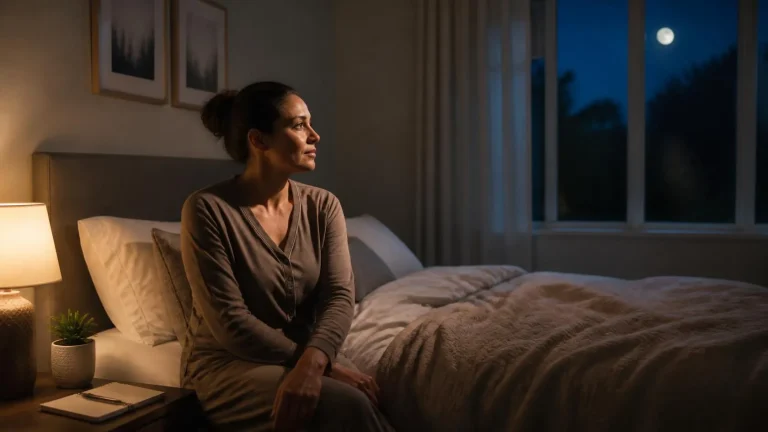
How Sleep Deprivation Affects Your Body, Brain, and Overall Health
 Mehak
Mehak 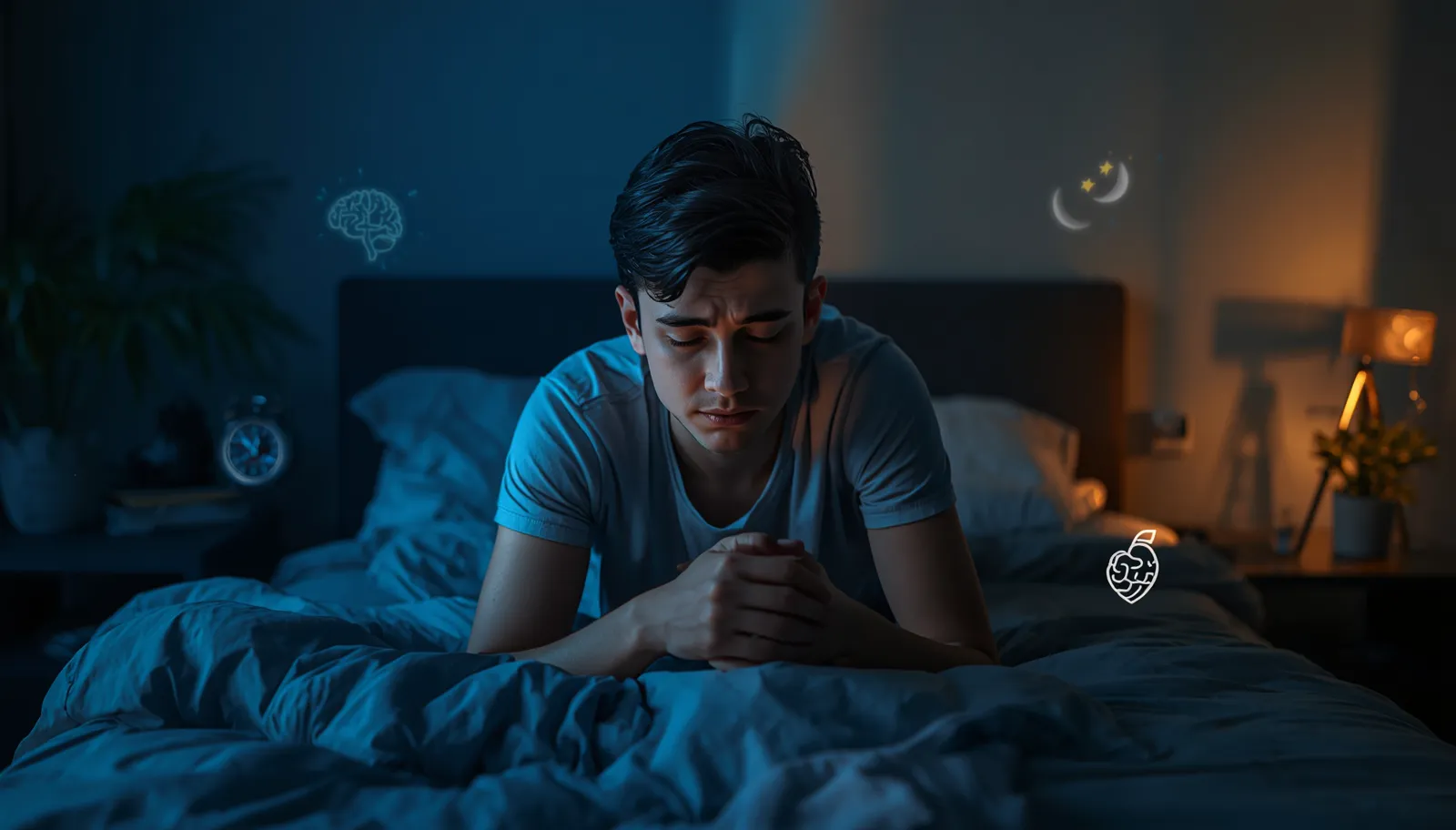
Learn how sleep deprivation affects your brain, heart, immune system, mood, and overall health, along with practical recovery strategies.
Sleep deprivation affects the brain, heart, immune system, metabolism, mood, and overall quality of life. Learn the early warning signs, long-term health risks, common causes, and practical ways to recover healthy sleep naturally.
Quick Answer
Sleep deprivation occurs when you do not get enough quality sleep to support normal physical and mental functioning. Common effects include fatigue, poor concentration, slower reaction time, irritability, headaches, weakened immunity, reduced productivity, and increased risk of chronic health conditions when sleep loss continues over time.
What Is Sleep Deprivation?
Sleep deprivation is the condition of getting insufficient sleep or poor-quality sleep for your body’s needs. It may happen because of short sleep duration, interrupted sleep, shift work, stress, medical conditions, lifestyle habits, or untreated sleep disorders.
Unlike simply feeling tired after a late night, ongoing sleep deprivation can gradually reduce physical performance, impair memory, weaken the immune system, and increase the risk of serious long-term health problems.
Why Is Sleep Important?
Brain Recovery
Sleep supports memory formation, learning, concentration, emotional regulation, and overall cognitive performance.
Physical Repair
During sleep, the body repairs tissues, builds muscle, regulates hormones, and supports healthy immune function.
Heart Health
Healthy sleep helps maintain blood pressure, cardiovascular function, and metabolic balance.
Mental Well-being
Adequate sleep contributes to emotional stability, stress management, and better daily decision-making.
Common Sleep Deprivation Symptoms
The symptoms of sleep deprivation vary depending on how long a person has been sleep deprived, their age, lifestyle, stress levels, and overall health. Even one night of poor sleep can affect concentration and mood, while chronic sleep deprivation may lead to more serious physical and mental health problems.
Physical Symptoms
- Persistent fatigue
- Frequent yawning
- Low energy throughout the day
- Headaches
- Muscle weakness
- Dark circles under the eyes
- Reduced physical performance
- Slower reaction time
Mental & Emotional Symptoms
- Difficulty concentrating
- Poor memory
- Brain fog
- Irritability
- Mood swings
- Increased stress
- Reduced motivation
- Poor decision-making
Short-Term Effects of Sleep Deprivation
Missing sleep for just one or two nights can quickly affect your body’s ability to function efficiently. While these effects are often reversible with adequate rest, they may significantly impact daily activities, work performance, and safety.
Reduced Concentration
Sleep loss decreases attention span, focus, learning ability, and problem-solving skills, making everyday tasks more difficult.
Slower Reaction Time
Drivers, athletes, and machinery operators may experience delayed responses, increasing the risk of accidents and injuries.
Mood Changes
Even mild sleep deprivation can increase irritability, anxiety, frustration, and emotional sensitivity.
Reduced Productivity
Work efficiency, creativity, decision-making, and communication often decline after inadequate sleep.
Long-Term Effects of Chronic Sleep Deprivation
Consistently getting too little sleep over weeks, months, or years may increase the risk of several chronic health conditions. Healthy sleep is an essential part of disease prevention and overall well-being.
| Body System | Possible Long-Term Effects |
|---|---|
| Brain | Memory problems, poor concentration, reduced cognitive performance |
| Heart | Higher risk of high blood pressure, heart disease, and stroke |
| Metabolism | Weight gain, insulin resistance, increased risk of type 2 diabetes |
| Immune System | Reduced ability to fight infections and slower recovery |
| Mental Health | Higher risk of anxiety, depression, and emotional instability |
| Hormones | Disrupted appetite hormones, increased hunger, reduced growth hormone release |
Common Causes of Sleep Deprivation
Lifestyle Habits
- Late-night screen use
- Irregular sleep schedule
- Excess caffeine
- Alcohol before bedtime
- Long daytime naps
Medical Causes
- Sleep apnea
- Insomnia
- Restless legs syndrome
- Chronic pain
- Certain medications
Mental Health
- Stress
- Anxiety
- Depression
- Burnout
- Emotional distress
Work & Environment
- Night shifts
- Frequent travel
- Noise pollution
- Light exposure
- Busy schedules
Who Is Most at Risk of Sleep Deprivation?
Sleep deprivation can affect anyone, but some people are more likely to experience ongoing sleep loss because of their lifestyle, occupation, health conditions, or stage of life.
Shift Workers
People working overnight or rotating shifts often struggle to maintain a consistent sleep schedule because their internal body clock is disrupted.
Students
Late-night studying, academic pressure, screen time, and irregular routines commonly reduce both sleep duration and sleep quality.
Parents of Young Children
Interrupted sleep caused by infant care or parenting responsibilities may lead to temporary or chronic sleep deprivation.
Older Adults
Changes in sleep patterns, medications, chronic illnesses, and reduced melatonin production may affect sleep quality with age.
How Sleep Deprivation Affects the Brain
Your brain relies on sleep to process memories, remove waste products, regulate emotions, and prepare for learning the next day. Without enough sleep, many mental functions begin to slow down.
Memory Problems
Sleep helps convert short-term memories into long-term memories. Poor sleep can make learning and remembering information more difficult.
Reduced Focus
Attention span, concentration, and problem-solving abilities often decline after insufficient sleep.
Poor Decision-Making
Sleep deprivation may reduce judgment, increase impulsive behavior, and impair risk assessment.
Emotional Regulation
People who do not sleep well may experience increased irritability, stress, anxiety, and emotional sensitivity.
Effects on the Immune System
Healthy sleep supports the production of immune cells and proteins that help the body fight infections. Chronic sleep deprivation may weaken immune defenses, making illnesses more common and recovery slower.
Can Sleep Deprivation Cause Weight Gain?
Poor sleep can affect hormones that regulate hunger and fullness. As a result, people who consistently sleep too little may experience increased appetite, stronger cravings for high-calorie foods, and reduced energy for physical activity.
| Sleep Loss Effect | Possible Result |
|---|---|
| Increased Hunger | Eating larger portions or more frequent snacks |
| Reduced Fullness Signals | Difficulty feeling satisfied after meals |
| Lower Energy | Less motivation for exercise and daily activity |
| Higher Cravings | Greater preference for sugary and processed foods |
Sleep Deprivation and Heart Health
Quality sleep helps regulate blood pressure, heart rate, and blood vessel function. Long-term sleep deprivation has been linked with an increased risk of cardiovascular disease when combined with other lifestyle and health factors.
Blood Pressure
Poor sleep may contribute to elevated blood pressure over time.
Inflammation
Ongoing sleep loss may increase inflammatory activity associated with chronic disease.
Heart Disease Risk
Healthy sleep is considered an important part of maintaining long-term cardiovascular health.
Stroke Risk
Persistent inadequate sleep has been associated with a higher risk of stroke in some populations.
How to Recover From Sleep Deprivation
Recovery depends on the cause and duration of sleep loss. While catching up on sleep after one late night may help temporarily, long-term recovery usually requires improving daily sleep habits and addressing any underlying medical conditions.
Maintain a Sleep Schedule
Go to bed and wake up at the same time every day, including weekends, to support your body’s natural sleep-wake rhythm.
Create a Sleep-Friendly Environment
Keep your bedroom cool, quiet, and dark, and reserve it primarily for sleep.
Limit Evening Screen Time
Reduce exposure to phones, tablets, and computers before bedtime, as bright light can interfere with your body’s natural sleep signals.
Seek Medical Advice When Needed
If poor sleep continues despite healthy habits or you suspect a sleep disorder, consult a qualified healthcare professional for evaluation.
How to Prevent Sleep Deprivation
Healthy sleep habits can significantly reduce the risk of sleep deprivation and improve both physical and mental well-being. Consistency is more effective than occasionally trying to “catch up” on sleep.
Healthy Sleep Checklist
- Maintain a consistent bedtime and wake-up time.
- Aim for 7–9 hours of quality sleep each night.
- Avoid caffeine within 6–8 hours of bedtime.
- Limit alcohol before sleeping.
- Reduce screen exposure at least one hour before bed.
- Exercise regularly, but avoid intense workouts close to bedtime.
- Create a cool, quiet, and dark sleeping environment.
- Practice relaxation techniques such as meditation or deep breathing.
When Should You See a Doctor?
Occasional poor sleep is common, but persistent sleep deprivation should not be ignored. Seek professional medical advice if sleep problems continue for several weeks or begin affecting your health, work, or daily activities.
Persistent Insomnia
Difficulty falling asleep or staying asleep for several weeks.
Daytime Sleepiness
Feeling extremely tired during the day despite spending enough time in bed.
Loud Snoring or Breathing Pauses
These symptoms may indicate obstructive sleep apnea and require medical evaluation.
Frequent Accidents
Reduced alertness while driving or operating machinery should always be taken seriously.
Common Myths About Sleep Deprivation
Myth: You can catch up on sleep every weekend.
Fact: Extra weekend sleep may help temporarily but cannot completely reverse the effects of chronic sleep deprivation.
Myth: Coffee replaces sleep.
Fact: Caffeine may temporarily improve alertness, but it cannot replace the restorative functions of sleep.
Myth: Older adults need very little sleep.
Fact: Although sleep patterns change with age, most adults still require around 7–9 hours of sleep.
Myth: Snoring is always harmless.
Fact: Loud, persistent snoring with breathing pauses may be a sign of obstructive sleep apnea.
Frequently Asked Questions
What are the first signs of sleep deprivation?
Early signs include fatigue, poor concentration, irritability, slower reaction time, headaches, and excessive daytime sleepiness.
Can sleep deprivation cause anxiety?
Yes. Poor sleep and anxiety often influence each other. Chronic sleep deprivation may worsen stress and anxiety symptoms.
How many hours of sleep do adults need?
Most healthy adults benefit from about 7–9 hours of quality sleep each night.
Can lack of sleep weaken immunity?
Yes. Inadequate sleep may reduce immune function, making it harder for the body to fight infections.
How long does it take to recover from sleep deprivation?
Recovery depends on the severity and duration of sleep loss. Improving sleep habits consistently over days or weeks is often necessary.
Sleep Better, Live Better
Healthy sleep is one of the foundations of overall wellness. Prioritizing consistent, high-quality sleep can improve energy, focus, mood, immunity, and long-term health.
Sources & Further Reading
- Sleep Foundation
- Centers for Disease Control and Prevention (CDC)
- National Heart, Lung, and Blood Institute
- World Health Organization (WHO)
Medical Disclaimer: This article is intended for educational purposes only and should not be considered a substitute for professional medical advice, diagnosis, or treatment. Consult a qualified healthcare professional regarding persistent sleep problems or other health concerns.
About the Author