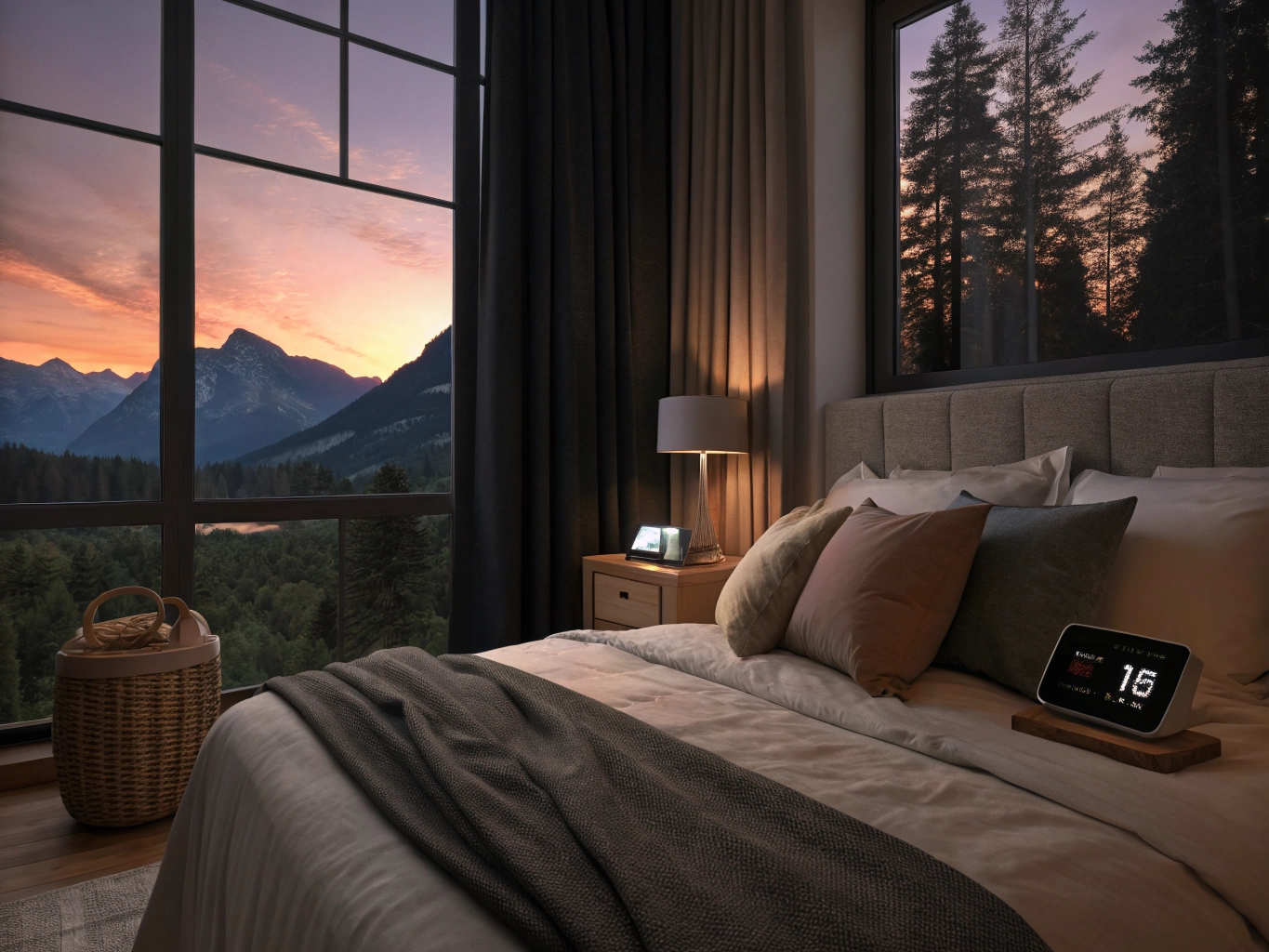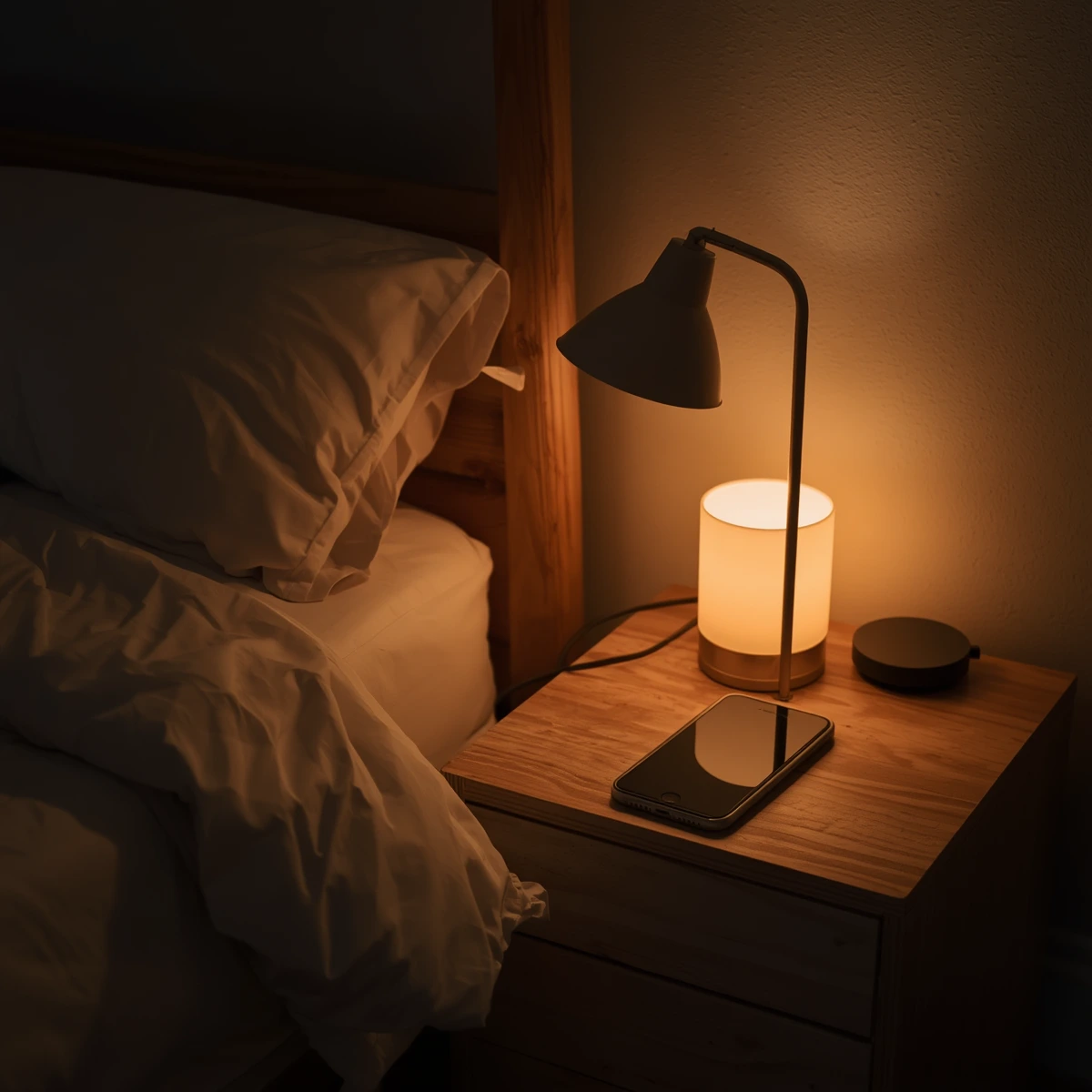
A calm, screen-free bedroom environment supports deeper, more restful sleep.
The fastest way to sleep better at night is to keep a consistent sleep-wake schedule, cut caffeine after early afternoon, dim screens 30 minutes before bed, and keep your bedroom cool, dark, and quiet. These four changes address the most common causes of poor sleep, and most people notice a difference within one to two weeks.
If that sounds too simple to fix months (or years) of restless nights, you’re not wrong to be skeptical. But according to the CDC’s 2026 National Health Interview Survey data, nearly one in three American adults sleeps fewer than the recommended seven hours a night, and barely half of adults wake up feeling genuinely well-rested most days. In most cases, the culprit isn’t a mystery illness — it’s a handful of everyday habits working against your body’s natural sleep rhythm.
This guide walks through exactly how to sleep better at night, using guidance from sleep researchers, the CDC, and the American Academy of Sleep Medicine (AASM). By the end, you’ll have a practical, night-by-night plan — not just a list of generic tips.
Why Quality Sleep Matters More Than You Think
Sleep isn’t passive downtime. While you’re asleep, your brain and body are running essential maintenance: consolidating memories, repairing tissue, balancing hormones, and clearing waste products from brain cells. Skipping this process regularly has consequences that go well beyond feeling groggy.
The Physical Toll of Poor Sleep
The CDC links insufficient sleep to a higher risk of type 2 diabetes, heart disease, high blood pressure, and obesity. Sleep is when your body regulates the hormones that control hunger and metabolism, including leptin and ghrelin. Chronic short sleep throws these hormones out of balance, which is part of why sleep-deprived people tend to crave more sugar and refined carbohydrates the next day.
The Mental and Emotional Toll
Sleep and mood are tightly linked in both directions. Poor sleep is associated with higher rates of anxiety and low mood, and difficulty concentrating, remembering, and making decisions. If you’ve ever noticed that small frustrations feel bigger after a bad night’s sleep, that’s not just in your head — it reflects reduced activity in the brain regions responsible for emotional regulation.
The Safety Risk
Insufficient sleep measurably slows reaction time and impairs judgment, similar to the effects of alcohol. The CDC specifically flags drowsy driving as a contributor to motor vehicle crashes. If you regularly feel drowsy while driving or operating machinery, that’s a signal worth taking seriously, not pushing through.
The Hormonal and Metabolic Connection
Two hormones govern how hungry and how full you feel: ghrelin, which signals hunger, and leptin, which signals fullness. Sleep loss raises ghrelin and lowers leptin, which is a major reason sleep-deprived people report stronger cravings for sugary and high-calorie foods the next day. Growth hormone, which is essential for tissue repair and muscle recovery, is also released predominantly during deep sleep. Cortisol, your primary stress hormone, follows its own daily rhythm that depends on regular sleep timing — chronic short sleep can keep cortisol elevated at the wrong times of day, contributing to a persistent feeling of being “wired but tired.”
Your Brain’s Overnight Cleanup Crew
During deep sleep, the brain activates what researchers call the glymphatic system, a network that flushes out metabolic waste products, including beta-amyloid, a protein associated with Alzheimer’s disease when it accumulates over time. This is one reason chronic poor sleep in mid-life has been studied as a potential risk factor for long-term cognitive decline, though research in this area is still evolving.
How Many Hours of Sleep Do You Actually Need?
Sleep needs vary by age and, to some extent, by individual biology. The table below reflects consensus guidelines from the AASM, the Sleep Research Society, and the National Sleep Foundation.
| Age Group | Recommended Sleep |
|---|---|
| Newborns (0–3 months) | 14–17 hours |
| Infants (4–11 months) | 12–16 hours |
| Toddlers (1–2 years) | 11–14 hours |
| Preschoolers (3–5 years) | 10–13 hours |
| School-age (6–12 years) | 9–12 hours |
| Teenagers (13–18 years) | 8–10 hours |
| Adults (18–64 years) | 7–9 hours |
| Older Adults (65+) | 7–8 hours |
Most healthy adults fall in the 7-to-9-hour range, but consistently sleeping less than 7 hours is considered insufficient by nearly every major sleep authority. If you want to find your personal number, try this: on a relaxed vacation with no alarms, let your body wake up naturally for several days in a row once you’ve caught up on missed sleep. The average length you sleep during that stretch is a good estimate of your true need.
Understanding Sleep Stages: What Actually Happens While You Sleep
Sleep isn’t one uniform state — your body cycles through four distinct stages roughly every 90 minutes, repeating several times a night. Understanding these stages helps explain why sleep quality matters just as much as sleep quantity.
- Stage 1 (Light Sleep, N1): A brief transition between wakefulness and sleep, lasting just a few minutes. It’s easy to wake up during this stage.
- Stage 2 (Light Sleep, N2): Your heart rate and body temperature drop, and brain activity slows. This stage makes up the largest share of total sleep time.
- Stage 3 (Deep Sleep, N3): The most physically restorative stage. This is when tissue repair, immune strengthening, and growth hormone release peak. Deep sleep typically accounts for about 15–25% of total sleep in healthy adults.
- REM Sleep: The stage most associated with dreaming and emotional memory processing. REM periods lengthen as the night progresses, which is part of why cutting a night short (even by an hour or two) disproportionately reduces REM sleep.
If you’re sleeping 7–8 hours but still waking up groggy, the issue may not be duration at all — it could be that stress, alcohol, or an inconsistent schedule is preventing you from reaching enough deep and REM sleep, even though you’re technically “asleep” for long enough.
What’s Actually Keeping You Awake? Common Causes of Poor Sleep
Before jumping into fixes, it helps to identify which category your sleep problem falls into. Most sleep struggles trace back to one (or more) of these:
- Circadian misalignment — an irregular sleep-wake schedule that confuses your internal clock
- Stimulant interference — caffeine, nicotine, or certain medications still active in your system at bedtime
- Environmental disruption — light, noise, or temperature issues in your bedroom
- Cognitive arousal — stress, racing thoughts, or anxiety that keeps your brain “switched on”
- Behavioral associations — your brain has learned to associate your bed with wakefulness, work, or scrolling rather than sleep
- Underlying sleep disorders — conditions like insomnia, sleep apnea, or restless legs syndrome that need medical attention
Most people have overlapping issues across two or three of these categories. The tips below are grouped so you can identify which ones apply most directly to your situation.
15 Science-Backed Tips to Sleep Better at Night
1. Keep a Consistent Sleep Schedule — Even on Weekends
Your circadian rhythm is your body’s internal 24-hour clock, and it thrives on consistency. Going to bed and waking up at the same time every day — including weekends — is one of the most effective ways to improve sleep quality, according to the CDC. “Social jet lag,” where you sleep in significantly later on weekends, can disrupt this rhythm almost as much as crossing time zones.
2. Get Morning Sunlight Within an Hour of Waking
Light is the strongest signal your circadian rhythm responds to. Ten to fifteen minutes of natural light shortly after waking helps suppress lingering melatonin and anchors your internal clock, which makes it easier to feel sleepy at the right time that evening. If you wake before sunrise in winter months, a bright light lamp can help.
3. Dim Screens at Least 30 Minutes Before Bed
The CDC recommends turning off electronic devices at least 30 minutes before bedtime. Screens emit blue-enriched light that can suppress melatonin production, and the content itself (email, news, social media) often triggers mental stimulation right when you’re trying to wind down. If you must use a device, enable night mode and dim the brightness as low as it will go.
4. Cut Caffeine After Early Afternoon
Caffeine has a half-life of roughly 5–6 hours, meaning a 3 p.m. coffee can still have half its stimulant effect in your system at 9 p.m. Try shifting your last caffeinated drink to before noon or early afternoon, and watch for hidden sources like tea, chocolate, and some pain relievers.
5. Avoid Alcohol Close to Bedtime
Alcohol may make you feel drowsy initially, but it fragments sleep later in the night and reduces REM sleep — the stage tied to memory processing and emotional regulation. If you drink, try to finish at least 3 hours before bed.
6. Skip Heavy, Late-Night Meals
Large or spicy meals close to bedtime can trigger indigestion or acid reflux that disrupts sleep. If you’re hungry before bed, a small, light snack is generally easier on digestion than a full meal.
7. Keep Your Bedroom Cool
Your core body temperature naturally drops as you fall asleep, and a warm room can work against that process. Most sleep experts recommend a bedroom temperature around 18–20°C (65–68°F) for optimal sleep.
8. Block Out Light Completely
Even small amounts of light — a phone charging light, streetlight through a curtain gap — can interfere with melatonin production. Blackout curtains or a comfortable eye mask can make a noticeable difference, especially for light sleepers.
9. Manage Noise With White Noise or Earplugs
Sudden or inconsistent noise (traffic, a partner’s snoring, street activity) disrupts sleep even if it doesn’t fully wake you. A white noise machine, fan, or earplugs can mask disruptive sounds with a steady, predictable one.
10. Build a Consistent Wind-Down Routine
A 20–30 minute pre-sleep routine — light stretching, reading a physical book, journaling, or a warm shower — signals to your brain that sleep is coming. Repeating the same sequence nightly strengthens this association over time, similar to how a bedtime routine works for a young child.
11. Exercise Regularly, But Not Right Before Bed
Regular physical activity is strongly linked to better sleep quality and fewer nighttime awakenings. Aim to finish vigorous exercise at least a few hours before bedtime, since it can be too stimulating for some people when done right before sleep.
12. Nap Strategically, Not Randomly
A short nap (20–30 minutes) earlier in the day can restore alertness without interfering with nighttime sleep. Naps taken late in the afternoon or lasting over an hour are more likely to make it harder to fall asleep at your normal bedtime.
13. Reserve Your Bed for Sleep Only
Working, scrolling, or watching TV in bed weakens the mental link between your bed and sleep. Over time, your brain starts associating bed with wakefulness instead. Try to use your bed only for sleep and intimacy.
14. Manage Racing Thoughts Before Bed
Cognitive arousal — an active, worrying mind — is one of the most common reasons people struggle to fall asleep, even with good sleep hygiene otherwise. Writing down tomorrow’s to-do list, a short breathing exercise (like slow 4-count inhale, 6-count exhale), or progressive muscle relaxation can help quiet a busy mind.
15. Get Out of Bed If You Can’t Sleep
If you’ve been lying awake for more than 20 minutes, get up and do a calm, low-light activity like reading until you feel drowsy, then return to bed. Staying in bed while frustrated reinforces the association between your bed and wakefulness — the opposite of what you want.
A Sample Wind-Down Routine, Hour by Hour
Reading a list of tips is one thing — seeing how they fit together into an actual evening is another. Here’s what a realistic wind-down routine looks like in practice:
- 2 hours before bed: Finish any remaining food or drinks, apart from water or herbal tea. This gives your digestion time to settle before you lie down.
- 90 minutes before bed: Dim the overhead lights in your home and switch to lamps. Lower light levels help your body start producing melatonin naturally.
- 60 minutes before bed: Finish work-related tasks and close your laptop. Write down anything on your mind for tomorrow so it doesn’t circle in your head later.
- 30 minutes before bed: Put your phone on charge outside the bedroom, or at minimum switch it to do-not-disturb and place it face-down out of reach. Start your chosen wind-down activity — reading, stretching, or a warm shower.
- Lights out: Get into bed only when you feel drowsy, not just tired. There’s a difference — drowsy means your eyes feel heavy and your thoughts are slowing down.
You don’t need to follow this exactly. The value is in repeating a similar sequence most nights so your brain learns to associate the routine with sleep.
Common Sleep Myths, Debunked
A lot of well-meaning sleep advice is outdated or oversimplified. Here are a few myths worth clearing up:
Myth: You can “catch up” on sleep over the weekend
Sleeping in on weekends can reduce some short-term sleepiness, but it doesn’t fully reverse the cognitive and metabolic effects of a week of short sleep, and it can worsen social jet lag, making Monday mornings harder.
Myth: Alcohol helps you sleep
Alcohol can help you fall asleep faster, but it fragments sleep in the second half of the night and suppresses REM sleep, which is why many people wake up feeling unrested after drinking, even if they slept a full night.
Myth: Everyone needs exactly 8 hours
Eight hours is a reasonable average, but the real range for healthy adults is 7–9 hours, and true needs vary by individual. Chasing an arbitrary number can create unnecessary anxiety around sleep, which itself makes falling asleep harder.
Myth: Older adults need less sleep
Older adults often sleep less, but that’s frequently due to lighter, more fragmented sleep — not a reduced biological need. The recommended range for adults 65+ is still 7–8 hours.
Should You Use a Sleep Tracker?
Wearable sleep trackers (rings, watches, and bedside sensors) can offer useful trends over time, such as how your bedtime consistency or evening alcohol use correlates with sleep quality. However, they estimate sleep stages using movement and heart rate rather than measuring brain activity directly, so their stage-by-stage accuracy is limited compared to a clinical sleep study.
Trackers are most useful as a motivational tool and a way to spot patterns — not as a diagnostic device. If a tracker consistently shows very low deep or REM sleep alongside daytime symptoms like excessive fatigue, that’s a reasonable prompt to bring the data to a doctor rather than a reason to self-diagnose.
Featured Snippet Summary: Quick Sleep Checklist
For a fast reference, here’s the condensed version of everything above:
- Same sleep and wake time daily
- Morning sunlight within an hour of waking
- No screens 30 minutes before bed
- No caffeine after early afternoon
- No alcohol within 3 hours of bedtime
- Cool, dark, quiet bedroom (18–20°C)
- Consistent wind-down routine
- Regular exercise, not right before bed
- Short naps only, earlier in the day
- Bed reserved for sleep, not screens or work
Foods and Drinks That Affect Sleep
What you eat and drink during the day has a bigger impact on nighttime sleep than most people realize. Beyond the caffeine and alcohol guidance already covered, a few other patterns are worth knowing:
- Spicy and acidic foods: Can trigger heartburn or reflux when eaten close to bedtime, especially when lying down soon after eating.
- High-sugar snacks before bed: Can cause a blood sugar spike followed by a crash overnight, which may contribute to waking up in the middle of the night.
- Tryptophan-containing foods: Foods like turkey, dairy, nuts, and seeds contain tryptophan, an amino acid the body uses to produce serotonin and melatonin. A small, balanced evening snack containing these may support sleep onset for some people.
- Hydration timing: Staying hydrated during the day is important, but drinking large amounts of fluid right before bed increases the odds of waking up for a bathroom trip. Try to front-load hydration earlier in the evening.
- Herbal teas: Chamomile, valerian root, and passionflower teas are commonly used as calming bedtime drinks. Evidence for their effectiveness is mixed but generally low-risk for most healthy adults; check with a doctor first if you’re pregnant, nursing, or on medication.
Sleep Tips for Specific Situations
If You Work Night Shifts
Shift work disrupts the natural light-dark cycle your circadian rhythm relies on. Using blackout curtains to simulate nighttime during the day, wearing sunglasses on the commute home to limit morning light exposure, and keeping a consistent sleep schedule on your days off (as much as possible) can help reduce the impact.
If You Have Young Children
Fragmented sleep is often unavoidable during certain parenting stages, but protecting whatever sleep window you do have matters. Trading off nighttime duties with a partner when possible, resisting the urge to use every quiet moment for chores instead of rest, and keeping consistent wake times even after a rough night can help minimize cumulative sleep debt.
If You Travel Frequently
Jet lag results from your circadian rhythm being out of sync with the local time zone. Gradually shifting your sleep schedule a day or two before travel, seeking bright light exposure at the destination’s daytime, and staying hydrated during flights can shorten the adjustment period.
If You Have a High-Stress Job
Work stress often follows people into bed in the form of racing thoughts. A firm cutoff time for checking email, combined with a brief “worry window” earlier in the evening to write down concerns, can help create separation between work stress and bedtime.
When Good Habits Aren’t Enough: Signs You May Need Professional Help
Sleep hygiene fixes the majority of mild-to-moderate sleep struggles, but not all of them. Consider talking to a healthcare provider if you experience any of the following on a regular basis:
- Trouble falling asleep or staying asleep most nights for several weeks or more
- Loud snoring, gasping, or pauses in breathing during sleep (possible signs of sleep apnea)
- An uncomfortable urge to move your legs at night (possible restless legs syndrome)
- Excessive daytime sleepiness despite consistently getting 7–9 hours in bed
- Sleep problems that are affecting your mood, relationships, or work performance
These are common, treatable conditions — not personal failures — but they typically need a proper diagnosis rather than more sleep hygiene tweaks. A doctor may recommend a sleep study, which can identify issues that aren’t visible from the outside.
AI Overview & Quick Answer Box
Q: What is the single most effective way to sleep better at night?
A: Keeping a consistent sleep and wake time every day — including weekends — is considered the single most impactful habit, because it directly supports your circadian rhythm, the internal clock that governs when you feel sleepy and when you feel alert.
Frequently Asked Questions
How long does it take to fix a disrupted sleep schedule?
Most people notice improvement within 1–2 weeks of keeping consistent sleep and wake times. Full circadian adjustment can take 3–4 weeks, especially if you’re correcting a significant schedule shift.
Is it bad to sleep more than 9 hours a night?
Occasionally sleeping longer — when sick or catching up on lost sleep — is normal. Regularly sleeping more than 9 hours without feeling rested can sometimes point to an underlying health issue and is worth mentioning to a doctor.
Does exercise really help you sleep better?
Yes. Regular physical activity is consistently linked to better sleep quality and fewer nighttime awakenings, provided intense workouts are finished a few hours before bed.
What should I do if I can’t fall asleep after 20 minutes?
Get out of bed and do a calm, low-light activity like reading until you feel drowsy, then return to bed. This helps prevent your brain from linking your bed with frustration or wakefulness.
Can naps replace lost nighttime sleep?
Short naps reduce daytime sleepiness but don’t fully replace the restorative benefits of a full night’s sleep, particularly deep sleep and REM sleep stages.
Does melatonin help you sleep better?
Melatonin supplements can help some people, particularly for jet lag or shifted sleep schedules, but they aren’t a substitute for good sleep habits. Talk to a healthcare provider before starting any supplement, especially if you take other medications.
Why do I wake up in the middle of the night and can’t fall back asleep?
Common causes include stress, alcohol consumption before bed, an overly warm room, or an irregular sleep schedule. If this happens frequently despite good sleep habits, it’s worth discussing with a doctor to rule out a sleep disorder.
Is it better to sleep in a completely silent room or with background noise?
Neither is universally “better” — what matters most is consistency. A completely silent room works well for some people, while others sleep more soundly with steady background sound like a fan or white noise machine masking sudden, disruptive noises. Choose whichever helps you personally stay asleep through the night.
Can sleeping with a pet in the bed affect sleep quality?
For some people, a pet’s presence is calming and doesn’t meaningfully disrupt sleep. For others, a pet’s movement or need to go outside overnight leads to more frequent awakenings. If you suspect your pet is affecting your sleep quality, try a few nights with the pet sleeping elsewhere and compare how you feel.
Better sleep is rarely about one big fix — it’s the compound effect of several small, repeatable habits: a consistent schedule, a calming wind-down routine, and a bedroom environment that actually supports rest. Start with two or three changes from this list, give them two full weeks, and pay attention to how your energy, mood, and focus shift. For related reading, check out our guides on morning routine habits for a productive day and how to reduce stress naturally, both of which tie directly into better sleep.
About the Author