July 5, 2026
Home » Health & Wellness » Page 10

Health & Wellness

Fitness, diet, and practical health tips for a better lifestyle.

Have you ever eaten a chocolate bar, cake, or sugary dessert and felt energetic for a short time, only to become tired, sleepy, or hungry again soon afterward? Many people describe this experience as a sugar crash after eating sweets.

A sugar crash can happen when your body processes foods that are high in added sugars or rapidly digested carbohydrates. While not everyone experiences it the same way, some people notice temporary fatigue, hunger, difficulty concentrating, or changes in mood after eating sugary foods.

This article explains what a sugar crash is, why it may happen, common symptoms, practical prevention tips, and when it is important to seek medical advice.
What Is a Sugar Crash?

A sugar crash is a term commonly used to describe a sudden drop in energy that some people experience after consuming foods or drinks high in sugar. It is often associated with rapid changes in blood glucose and the body’s response to those changes.

When you eat sweets, your digestive system breaks them down into glucose, which enters your bloodstream. In response, your body releases insulin to help move glucose into your cells. Depending on several factors—including the type of food eaten, portion size, and individual metabolism—some people may later experience a noticeable dip in energy.

Not everyone experiences a sugar crash, and symptoms vary from person to person.

Why Does a Sugar Crash Happen?

Several factors can contribute to feeling tired or hungry after eating sugary foods.

1. Rapid Digestion of Added Sugars

Foods high in added sugar and low in fibre are often digested quickly. This can lead to a rapid rise in blood glucose followed by changes in insulin levels.

2. Lack of Protein and Fibre

Eating sweets on their own may not keep you satisfied for long. Combining carbohydrates with protein, healthy fats, or fibre can slow digestion and help maintain steadier energy.

3. Large Portion Sizes

Eating large amounts of sugary foods at once may increase the likelihood of feeling sluggish afterward.

4. Individual Differences

Age, activity level, sleep, medications, underlying health conditions, and metabolism all influence how the body responds to sugary foods.

Common Symptoms of a Sugar Crash

  • Feeling tired or sleepy
  • Sudden hunger
  • Difficulty concentrating
  • Irritability
  • Headache
  • Feeling shaky
  • Low energy
  • Brain fog
  • Craving more sugary foods

These symptoms are not specific to a sugar crash and can have many different causes. Persistent or severe symptoms should be discussed with a healthcare professional.

Foods That May Trigger a Sugar Crash

  • Candy and chocolates with high added sugar
  • Soft drinks and sugary beverages
  • Sweet pastries and cakes
  • Cookies and biscuits
  • Sugary breakfast cereals
  • Sweetened energy drinks
  • Ice cream
  • Highly processed desserts

These foods can still be enjoyed occasionally as part of a balanced diet, but frequent or large portions may contribute to energy fluctuations for some people.

Who Is More Likely to Experience a Sugar Crash?

Anyone can feel tired after eating a large amount of sugary food, but some individuals may notice symptoms more often, including:

  • People who frequently skip meals.
  • Individuals with irregular eating habits.
  • People consuming diets low in protein or fibre.
  • Those with certain medical conditions affecting blood sugar regulation.
  • People who are under significant stress or sleep deprivation.

If symptoms occur frequently, become severe, or are accompanied by fainting, confusion, or other concerning signs, medical evaluation is important.

How to Prevent a Sugar Crash After Eating Sweets

A sugar crash is not always unavoidable. Small changes to your eating habits can help many people maintain steadier energy levels throughout the day. Rather than eliminating sweets completely, focus on balance, portion control, and choosing nutrient-rich foods.

1. Never Eat Sweets on an Empty Stomach

Eating sugary foods after a balanced meal instead of on an empty stomach may slow digestion because the meal contains protein, healthy fats, and fibre.

For example, instead of eating chocolate alone, have it after lunch that includes vegetables, whole grains, and lean protein.

2. Add Protein to Every Meal

Protein helps increase fullness and slows digestion. Including protein with meals and snacks may reduce rapid energy fluctuations.

Good protein sources include:

  • Eggs
  • Greek yogurt
  • Paneer
  • Chicken
  • Fish
  • Lentils
  • Beans
  • Tofu

3. Eat More Fibre

Fibre slows the absorption of carbohydrates and supports digestive health. It may help maintain more stable blood sugar responses after meals.

High-fibre foods include:

  • Oats
  • Whole grains
  • Apples
  • Pears
  • Vegetables
  • Beans
  • Chickpeas
  • Seeds

4. Drink Enough Water

Mild dehydration can contribute to fatigue and difficulty concentrating. Drinking water regularly throughout the day supports overall health.

5. Choose Whole Fruits More Often

Whole fruits naturally contain fibre along with vitamins and minerals. Compared with many sugary desserts, whole fruits generally have a slower effect on blood sugar because of their fibre content.

Healthy fruit choices include:

  • Apple
  • Orange
  • Guava
  • Pear
  • Berries
  • Kiwi

6. Stay Physically Active

Regular physical activity supports overall metabolic health. Even a short walk after meals may help some people feel more energetic.

7. Get Enough Sleep

Poor sleep can affect appetite, food choices, and how energetic you feel during the day. Aim for a consistent sleep schedule whenever possible.

Healthy Snack Ideas That Support Steady Energy

SnackWhy It Helps
Apple + Peanut ButterCombines fibre with healthy fats and protein.
Greek Yogurt + BerriesProvides protein with naturally sweet fruit.
Mixed NutsContains healthy fats and protein.
Boiled EggsHigh-quality protein source.
Roasted ChickpeasRich in fibre and plant protein.
Whole-Grain Toast + AvocadoProvides fibre and healthy fats.

Foods That May Help Maintain Stable Energy

  • Whole grains
  • Brown rice
  • Oats
  • Sweet potatoes
  • Leafy vegetables
  • Beans
  • Lentils
  • Nuts
  • Seeds
  • Lean protein
  • Fresh fruits
  • Plain yogurt

Can a Sugar Crash Be a Sign of Diabetes?

Not necessarily. Feeling tired after eating sweets does not automatically mean someone has diabetes. However, frequent episodes of unusual thirst, frequent urination, unexplained weight loss, blurred vision, or repeated high or low blood sugar symptoms should be evaluated by a healthcare professional.

If you are concerned about blood sugar, your doctor may recommend appropriate tests based on your symptoms and medical history.

When Should You See a Doctor?

Seek medical advice if:

  • Symptoms happen frequently.
  • You experience fainting or severe dizziness.
  • You have persistent shaking.
  • You notice unexplained weight loss.
  • You have excessive thirst or frequent urination.
  • Your symptoms interfere with daily life.

Early evaluation can help identify whether another medical condition is contributing to your symptoms.

Frequently Asked Questions

1. What is a sugar crash after eating sweets?

A sugar crash is a term used to describe the tiredness, hunger, or low energy that some people experience after eating foods high in added sugar. Not everyone experiences it, and the exact cause can vary.

2. How long does a sugar crash last?

The duration varies from person to person. Some people recover within a short time after eating a balanced snack or meal, while others may feel tired for longer depending on several factors.

3. Can drinking water help during a sugar crash?

Staying hydrated supports overall health. While water is not a treatment for blood sugar problems, dehydration can contribute to fatigue, so drinking enough fluids is beneficial.

4. Is fruit better than candy?

Whole fruits generally provide fibre, vitamins, minerals, and water in addition to natural sugars. Because of their fibre content, they often have a different effect on the body than many highly processed sweets.

5. Should I stop eating sweets completely?

For most healthy people, sweets can be enjoyed in moderation as part of a balanced diet. Individual dietary needs vary, so people with diabetes or other medical conditions should follow advice from their healthcare professional.

6. Why do I feel sleepy after eating dessert?

Feeling sleepy after dessert may be related to meal size, food composition, sleep quality, or individual metabolism. It is not always caused by blood sugar changes alone.

7. Can exercise help prevent a sugar crash?

Regular physical activity supports overall health and blood sugar regulation. A short walk after meals may help some people feel more energetic, although responses differ between individuals.

8. Are sugar crashes dangerous?

Occasional tiredness after eating sweets is not necessarily dangerous. However, severe symptoms such as confusion, fainting, or repeated episodes should be assessed by a healthcare professional.

9. Which foods help maintain steady energy?

Meals that include protein, fibre, healthy fats, and minimally processed carbohydrates may help support more stable energy levels throughout the day.

10. When should I seek medical advice?

Speak with a healthcare professional if symptoms are frequent, severe, or accompanied by excessive thirst, frequent urination, unexplained weight loss, fainting, or other concerning symptoms.

Daily Habits That Support Steady Energy

  • Eat breakfast every day.
  • Avoid skipping meals.
  • Choose whole grains over refined carbohydrates.
  • Include vegetables with lunch and dinner.
  • Add protein to every main meal.
  • Drink enough water throughout the day.
  • Exercise regularly.
  • Sleep 7–9 hours each night.
  • Limit highly processed sugary foods.
  • Practice stress management techniques.

Experiencing a sugar crash after eating sweets can be frustrating, but simple lifestyle changes may help many people maintain steadier energy throughout the day. Eating balanced meals that include protein, fibre, and healthy fats, staying hydrated, sleeping well, and being physically active are all habits that support overall health.

Remember that occasional tiredness after eating sweets does not automatically indicate a medical condition. However, if symptoms are frequent, severe, or occur alongside other concerning signs, it is important to seek advice from a qualified healthcare professional.

Rather than avoiding all sweet foods, focus on moderation, balanced nutrition, and consistent healthy habits that you can maintain over the long term.

Published on dailylifejournal.in | Category: Health & Wellness | Mental Health


In today’s fast-paced world, maintaining a balanced daily life is essential for achieving overall health and wellness. At Daily Life Journal, we focus on helping individuals create a better daily routine through practical and simple strategies. A well-balanced lifestyle helps improve mental health, boosts productivity, and promotes long-term happiness.

By building simple, healthy habits and focusing on self-improvement, you can transform your life and achieve sustainable success.

What Is a Balanced Daily Life and Healthy Lifestyle?

Meaning of a Healthy Lifestyle and Daily Routine

balanced lifestyle means managing your physical health, mental well-being, relationships, and personal growth effectively. It is not about perfection but about maintaining harmony in everyday life.

Why a Balanced Daily Life Is Important

Ignoring balance can lead to stress, burnout, and poor health. A structured daily routine helps maintain stability and focus.

The Role of Healthy Habits in a Daily Routine

Building Small Healthy Daily Habits

Small habits like waking up early, exercising, and eating healthy can create a big impact over time. Start with manageable steps and stay consistent.

How Consistency Improves Your Daily Life

Consistency is key to success. Practicing self-improvement habits daily helps build discipline and long-term growth.

👉 Read more about self-improvement habits

Physical Health and Fitness for a Healthy Lifestyle

Importance of Regular Exercise for Daily Health

Regular exercise improves strength, boosts energy, and supports overall fitness. Activities like walking, yoga, and workouts are beneficial.

Healthy Diet and Nutrition for a Balanced Life

balanced diet rich in fruits, vegetables, and protein supports better health and prevents diseases.
The Role of Sleep in Daily Routine

Quality sleep is essential for recovery and mental clarity. Maintain a proper sleep routine for better performance.

Mental Health and Stress Management in Daily Life

Common Causes of Stress in Daily Routine

Work pressure, social media, and lack of rest are common causes of stress in daily life.

Effective Stress Management Techniques for Mental Health

  • Meditation and mindfulness
  • Deep breathing exercises
  • Journaling
  • Spending time in nature

Benefits of a Positive Mindset in Daily Life

A positive mindset improves emotional health and helps in overcoming challenges.
Emotional Well-Being and Self-Care

Importance of Emotional Health

Understanding emotions is important for maintaining balance and healthy relationships.

Simple Self-Care Practices

Engage in hobbies, listen to music, and take breaks to maintain emotional balance.

Developing Emotional Intelligence

Emotional intelligence helps improve communication and decision-making.
Time Management and Productivity Tips

How to Plan Your Daily Routine

Create a to-do list and prioritize tasks to stay organized.

Tips to Increase Productivity

Set realistic goals

Avoid multitasking

Take regular breaks
Importance of Work-Life Balance

Maintaining work-life balance ensures long-term success and happiness.
Impact of Technology on Daily Life

Effects of Excessive Screen Time

Too much screen time can affect sleep, posture, and mental health.

Benefits of Digital Detox

Taking a digital detox helps improve focus and reduces stress.
Building Strong and Healthy Relationships

Importance of Social Connections

Strong relationships provide emotional support and happiness.

Tips for Better Communication

Communicate openly and avoid toxic relationships.
Personal Growth and Self-Improvement

Setting Goals for Success

Set achievable goals to stay motivated and focused.

Learning New Skills

Continuous learning helps in personal and professional growth.

Importance of Self-Reflection

Self-reflection helps identify strengths and areas of improvement.
Benefits of a Balanced Lifestyle

Stronger relationships
Improved physical health
Better mental clarity
Reduced stress
Higher productivity

balanced daily life is the foundation of long-term success and happiness. At Daily Life Journal, we believe small daily improvements lead to big life changes.

Start with small steps, stay consistent, and prioritize your well-being. Your journey to a better life begins today.

Namaste doston! Aajkal har koi gym ja raha hai, Isliye, sirf exercise nahi, sahi nutrition bhi zaroori hai. home workout kar raha hai ya running try kar raha hai. Lekin sirf exercise karne se hi body nahi banegi. Sahih time pe sahi khana bahut zaroori hai. Agar aap gym ke pehle energy feel karna chahte ho aur workout ke baad jaldi recovery chahte ho, toh pre workout foods aur post workout foods samajhna padega. Aaj is article mein hum dono ko detail mein samjhayenge – simple language mein, real Indian foods ke saath. Yeh guide busy professionals aur students ke liye perfect hai.

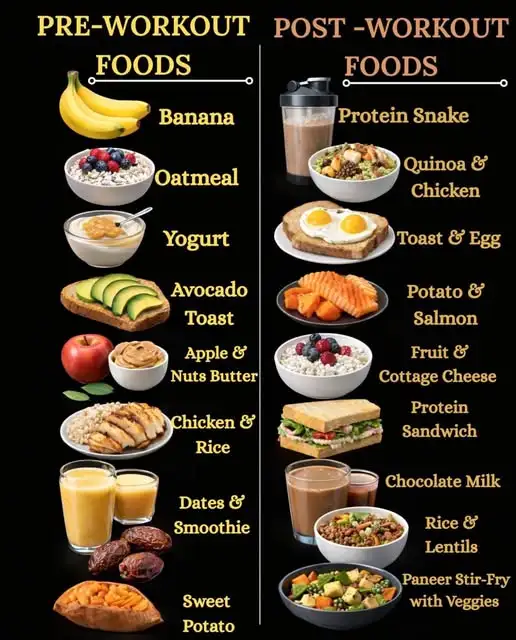
Pre Workout Foods – Gym Ke Pehle Kya Khaye?

Workout se pehle aapko energy chahiye jo jaldi mile aur pet heavy na lage.Isliye, carbs + thoda protein best combination hota hai. Isliye carbs zyada aur thoda protein best hota hai. Heavy oily khana avoid karo.Yeh lo best pre workout options:

  1. Banana
    Sabse simple aur powerful. Potassium se bharpur, cramps nahi hote aur energy turant milti hai. Workout se 30-60 minute pehle 1-2 kela khao.
  2. Oatmeal
    Complex carbs deta hai jo dheere-dheere energy release karta hai. Subah ke workout ke liye best. Banana ya berries daal ke khao.
  3. Yogurt (Dahi)
    Protein + carbs ka perfect combination. Thoda honey ya fruit mix kar lo. Light aur digest hone mein easy.
  4. Avocado Toast
    Whole grain bread pe avocado lagao. Healthy fats aur carbs dono milte hain. Thoda longer workout ke liye accha.
  5. Apple & Peanut Butter (Mungphali ka butter)
    Apple se natural sugar aur fibre, nut butter se protein. Bahut satisfying snack hai.
  6. Chicken & Rice
    Agar heavy lifting kar rahe ho toh 2-3 ghante pehle yeh balanced meal lo. Lean protein + carbs.
  7. Dates & Smoothie
    Khajoor natural energy bomb hai. Dahi, banana aur milk ke saath smoothie bana lo – portable aur powerful.
  8. Sweet Potato (Shakarkandi)
    Complex carbs aur vitamins se bhara. Bake karke khao. Endurance workout walon ke liye zabardast.

Tip: Zyada oily aur heavy khana avoid karo, warna workout slow ho sakta hai.

Post Workout Foods – Workout Ke Baad Kya Khaye?

Workout ke turant baad muscles repair hone ke liye protein + carbs ki zaroorat hoti hai. Is time body nutrients ko jaldi absorb karti hai – isko anabolic window kehte hain.Best post workout meals:

  1. Protein Shake
    Sabse fast aur convenient. Whey ya plant protein lo, banana mix kar sakte ho.
  2. Quinoa & Chicken
    Quinoa complete protein hai aur chicken se extra power. Healthy aur filling bowl.
  3. Toast & Egg
    Anda protein ka king hai. Whole grain toast ke saath khao – simple aur effective.
  4. Potato & Salmon
    Aloo glycogen bharta hai aur salmon omega-3 se inflammation kam karta hai. Soreness kam hoti hai.
  5. Fruit & Cottage Cheese (Paneer ya Dahi)
    Cottage cheese slow protein deta hai aur fruit fast carbs. Light recovery ke liye best.
  6. Protein Sandwich
    Bread mein veggies, lean meat ya paneer daal ke banao. Office ke baad bhi easy.
  7. Chocolate Milk
    Bahut logon ka favorite! Carbs + protein ka perfect ratio. Recovery ke liye bahut effective.
  8. Rice & Lentils (Chawal aur Dal)
    Pure vegetarian option. Protein + carbs dono milte hain.
  9. Paneer Stir-Fry with Veggies
    Sabziyon ke saath paneer – Indian taste ke saath recovery bhi ho jaye.

Extra Tip: Workout ke baad pehle 30-60 minute mein kuch na kuch khao. Paani aur electrolytes bhi bhoolna mat.Pre Workout aur Post Workout Mein Antar (Difference)

  • Pre Workout → Energy ke liye zyada carbs, kam fat & fibre
  • Post Workout → Muscle repair ke liye zyada protein + carbs

Har roz total protein 1.6–2.2 gram per kg body weight rakhne ki koshish karo.

Sample Daily Routine (Busy Logon Ke Liye)

  • Subah 7 baje: 15 Minute Home Workout (jaise hamare 15 Minute Home Workout article mein bataya gaya hai)
  • Workout se pehle: Banana + Oatmeal
  • Workout ke baad: Protein Shake ya Chocolate Milk
  • Dinner: Paneer Stir Fry ya Chicken & Rice

Aur haan, Morning Routine ko strong banao – jaise hamare Best Morning Routine for Productivity article mein diya gaya hai.Last WordsPre aur post workout nutrition sahi ho toh results double ho jaate hain – energy badhti hai, recovery fast hoti hai aur motivation bana rehta hai. Shuru mein simple options se start karo jo aapke ghar mein easily mil jaaye. Consistency rakho, aur apni body ko suno.Agar aap vegetarian ho, beginner ho ya weight loss kar rahe ho – comment mein batao, main next article mein uske hisaab se guide likh dunga.Like karo, comment mein apna favorite pre ya post workout food batao, share karo aur follow karte raho Daily Life Journal ko healthy lifestyle ke liye!Related Articles (Internal Linking):

Yeh 15 minute home workout un logon ke liye perfect hai jinke paas gym jaane ka time nahi hai.”Gym jaane ka time nahi hai,” “Membership expensive hai,” “Traffic mein 1 ghanta waste”—yeh sabse common fitness excuses hain. Lekin research consistently kehti hai ki consistency > intensity, aur location > facility. American College of Sports Medicine ke guidelines ke according, 15 minutes ka effective daily workout 1 hour sporadic gym session se zyada beneficial hai.

Indian context mein aur bhi practical hai: chhote apartments, garmi, pollution, aur time constraints. Home workouts yeh solve karte hain:

  • Zero commute time
  • Zero equipment cost
  • Privacy (bypassing gym anxiety)
  • Flexibility (bacchon ke school jaane ke baad, ya office se aane ke turant baad)

Yeh guide 15-minute scientifically-designed routines deti hai jo full-body fitness cover karti hai—cardiovascular health, strength, flexibility, aur balance.

The Science: Why 15 Minutes Work (If Done Right)

HIIT (High Intensity Interval Training): Tabata protocol ke according, 20 seconds all-out effort + 10 seconds rest x 8 rounds = 4 minutes mein aerobic aur anaerobic dono systems challenge hoti hain.

EPOC Effect: High intensity workouts ke baad body 24-48 hours tak extra calories burn karti hai (Excess Post-exercise Oxygen Consumption)—steady cardio se zyada efficient.

Metabolic Resistance: Bodyweight exercises (push-ups, squats) jab minimal rest mein ki jaati hain, toh strength aur cardio dono deti hain.

The Setup: Your 6×6 Feet Space

Indian apartments mein space constraint common hai. Bas yeh chahiye:

  • 6×6 feet clear space (living room corner, bedroom, ya balcony)
  • Yoga mat ya carpet (₹500-1000 mein achha mat milta hai—Decathlon ya Amazon)
  • Ventilation: Fan on rakhein, window khuli rakhein
  • Water bottle: Paas mein rakhein hydration ke liye

Pro Tip: Mirror mein dekhna optional hai lekin helpful hai form correct karne ke liye.

15 Minute Home Workout Plan A: Full Body Blast (Monday, Wednesday, Friday)

Format: 45 seconds work, 15 seconds rest, 15 exercises total = 15 minutes

Warm-up (First 2 minutes):

  • March in place: Knees up, arms swinging (1 minute)
  • Arm circles: Forward/backward (30 seconds each)

Circuit (13 minutes):

  1. Jumping Jacks – Full body warm-up, heart rate up
  2. Bodyweight Squats – Thighs aur glutes. Form: Knees toes ke bahar na jaayein, back straight
  3. Push-ups (Modified) – Knees par agar full difficult hai. Chest, shoulders, triceps
  4. High Knees – Cardio burst. Knees waist level tak
  5. Lunges (Alternating) – Each leg. Balance + leg strength
  6. Plank – Core stability. 45 seconds hold. Back straight, hips na uthayein
  7. Burpees (Modified) – Jump hata kar sirf walk-out. Full body compound movement
  8. Glute Bridges – Back ke liye. Hips up squeeze karein top par
  9. Mountain Climbers – Plank position mein knees in. Cardio + core
  10. Tricep Dips – Sofa/chair edge par. Arms toning
  11. Side Lunges – Inner thighs. Left-right alternate
  12. Superman – Back strengthen. Stomach par so kar hands-feet up
  13. Cool Down Stretch – Deep breathing ke saath full body stretch

Progression: Jab yeh easy lagne lage, toh:

  • Jumping Jacks ki jagah Burpees pura
  • Push-ups Diamond variation (hands close)
  • Add Resistance: Backpack mein books daal kar weighted squats/lunges

15 Minute Home Workout Plan B: Yoga Flow (Tuesday, Thursday)

Traditional Indian Approach: Gym jaane ki zaroorat nahi—Yoga hi strength training hai jab dynamic kiya jaaye.

Surya Namaskar Intensive:

Beginner: 5 rounds (10 minutes) + 5 minutes breathing
Intermediate: 10 rounds (15 minutes)
Advanced: 12-15 rounds with holds

The Sequence (Each step 30-45 seconds):

  1. Pranamasana – Standing prayer
  2. Hasta Uttanasana – Arms up, back bend
  3. Hasta Padasana – Hands to feet, forward bend
  4. Ashwa Sanchalanasana – Equestrian pose (one leg back)
  5. Phalakasana – Plank
  6. Ashtanga Namaskara – Knees-chest-chin down
  7. Bhujangasana – Cobra (back strengthen)
  8. Parvatasana – Mountain (Downward dog)
  9. Repeat Ashwa Sanchalanasana (dusri leg)
  10. Hasta Padasana
  11. Hasta Uttanasana
  12. Pranamasana

Scientific Benefit: Surya Namaskar cardiovascular exercise jaisa heart rate boost karta hai, plus flexibility deta hai, aur endocrine system regulate karta hai.

15 Minute Home Workout Plan C: Desk Worker Recovery (Saturday)

Problem: Office mein poora din baithne se hip flexors tight, back weak, neck stiff.

15-Minute Mobility Flow:

Foam Rolling/Self Massage (5 minutes):
Tennis ball ya simple self-massage:

  • Feet: Arch roll (reflexology)
  • Glutes: Sit on fist, rotate
  • Back: Wall par tennis ball se massage

Dynamic Stretching (5 minutes):

  • Cat-Cow: Spinal flexibility
  • World’s Greatest Stretch: Lunge with rotation
  • 90/90 Hip Stretch: Hip mobility

Core Activation (5 minutes):

  • Dead Bug: Back ke liye safe core work
  • Bird Dog: Balance + back strength
  • Pelvic Tilts: Lower back pain relief

The Nutrition Connection

Workout tabhi effective hai jab nutrition support kare:

Pre-Workout (30 mins before):

  • Banana – Quick carbs + potassium
  • Soaked almonds – Energy + protein
  • Black coffee – Performance boost (optional)

Post-Workout (within 30 mins):

  • Protein: Moong dal sprouts, boiled eggs, ya paneer
  • Carbs: Roti, rice, ya fruit (glycogen replenish)

Hydration: 500ml paani during workout (Indian garmi mein zyada zaroori).

Tracking Progress: The Non-Scale Victories

Weight scale misleading ho sakta hai. Yeh track karein:

  • Energy levels throughout the day
  • Sleep quality (exercise se deep sleep aati hai)
  • Stairs chadhne mein stamina
  • Monthly photos (same lighting, same clothes)
  • Measurements: Waist circumference (belly fat ka best indicator)

Apps for Guidance:

  • Nike Training Club (Free, good for beginners)
  • Cure.fit (India specific)
  • YouTube: Yoga with Adriene, Juice & Toya (couple workouts, fun)

Common Mistakes to Avoid

  1. Skipping Warm-up: Direct high intensity se injury ka risk
  2. Incorrect Form: Speed se zyada form important hai—especially knees aur back
  3. Overtraining: 15 minutes daily theek hai, lekin agar pain ho toh rest lena zaroori
  4. Inconsistency: 15 minutes daily > 2 hours Sunday ko sirf

Modifications for Different Ages

For 40+ (Joint Care):

  • Jumping ki jagah Marching
  • Deep squats ki jagah Chair squats
  • High impact avoid, low intensity sustained karein

For Women (Postpartum):

  • Diastasis recti check karein (core separation)
  • Planks ki jagah Modified planks (knees down)
  • Pelvic floor exercises include karein (Kegels)

Conclusion: Start Today, Not Monday

“Kal se shuru karenge” kal kabhi nahi aata. Aaj shaam 6 baje se 6:15 baje tak—bas yeh time nikaaliye.

The 21-Day Challenge: Consistency habit banane ke liye 21 days chahiye. Next 3 weeks yeh 15-minute commitment karein—transformative hoga.

Final Tip: Music chala dein—Bollywood workout playlist (130-140 BPM). Time tezi se beet jaata hai!

Aapka fitness goal kya hai—weight loss, strength, ya stress relief? Kya aap home workouts try karenge?

Budget meal prep in India is becoming essential for busy professionals who want to save money and eat healthy without daily cooking stress. Usmein agar “aaj kya khana banayein?” ka decision daily lena pade, toh yeh mental load burnout ka reason ban sakta hai. Upar se, Swiggy/Zomato se daily khana mangwana not just expensive hai (average ₹400-500 daily), balki unhealthy bhi (zyaada oil, preservatives).

Meal prepping—yaani weekend par hi week ka khana plan aur prep kar lena—yeh problem ka solution hai. Research from the International Journal of Behavioural Nutrition and Physical Activity ke according, jo log meal prep karte hain, unka diet quality 45% better hota hai aur unka grocery budget 30% tak reduce ho jaata hai.

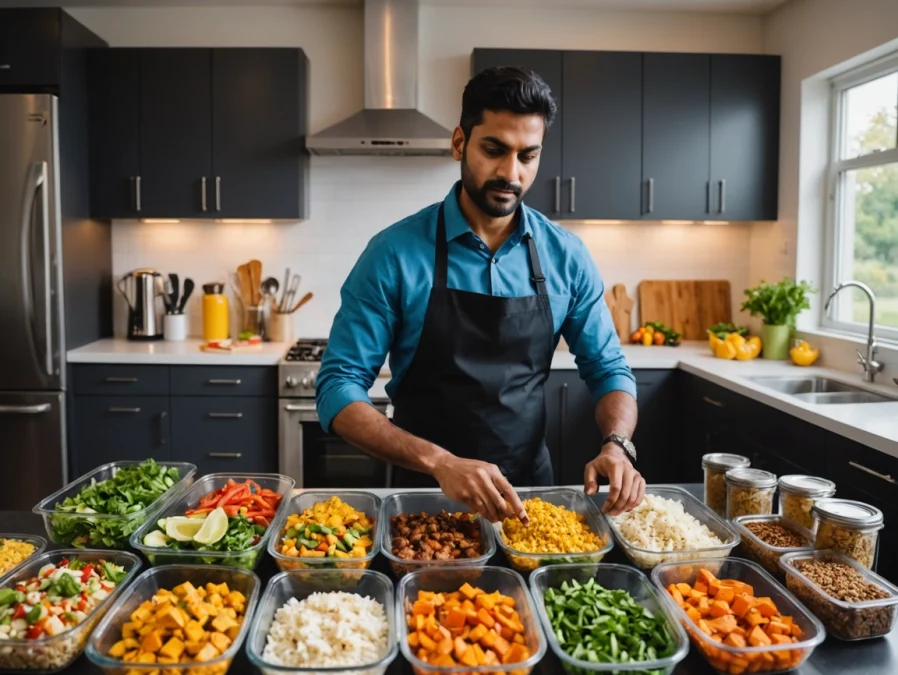
Is guide mein, hum ek practical, budget-friendly, aur Indian kitchen ke hisaab se tailored meal prep strategy discuss karenge jo aapko Sunday ko sirf 3-4 hours invest karke poora week organized rakhne mein madad karega.

The Psychology: Budget Meal Prep India: Why It Fails (And Fix)

Bahut log meal prep shuru karte hain aur 2 hafte mein chhod dete hain. Reasons?

  1. Boring food: Same taste roz roz
  2. Storage issues: Subzi kharab ho jaati hai
  3. Time crunch: Sunday ko pura din kitchen mein nahi bitana chahte
  4. Family resistance: Ghar walon ko “baasi khana” pasand nahi

The Fix: “Component Prepping” method. Poora khana cook mat karein, balki alag-alag components prep karein jo mix-and-match karke alag-alag meals bana sakein.

Budget Meal Prep India Sunday Plan

Phase 1: Planning & Shopping (Saturday Evening – 30 mins)

Budget Calculation:

  • Without meal prep: ₹400/day × 5 working days = ₹2,000/week
  • With meal prep: ₹600-700 total for 5 days = ₹140/day
  • Monthly Savings: ₹6,000-7,000

The Shopping List Template:

Proteins (Mix of veg/non-veg based on preference):

  • 500g paneer (cut into cubes, marinate different flavors)
  • 3-4 eggs (boiled)
  • 250g sprouts (moong/chana—homemade sprouting)
  • 500g chicken/fish (if non-veg)

Carbs:

  • 2 cups brown rice/rice cooker
  • 5 multigrain rotis (half-cooked, freeze karne ke liye)
  • 500g oats (overnight oats ke liye)

Vegetables (Seasonal aur long-lasting mix):

  • Root vegetables: Carrots, beetroot (last long)
  • Quick cook: Beans, capsicum, mushrooms
  • Base: Onions (chopped), tomatoes (pureed), ginger-garlic paste

Phase 2: Budget Meal Prep India Recipes for Office (Sunday Morning – 2.5 hours)

Hour 1: Base Preparations

  1. Ginger-Garlic Paste: 200g ginger + 200g garlic blend karke ice cube trays mein freeze karein. Har cube = 1 tablespoon.
  2. Onion Prep: 2-3 onions chopped—alag containers mein store karein.
  3. Tomato Puree: 1 kg tomatoes boil karke puree bana kar freeze karein.

Hour 2: Protein Prep

  1. Paneer: 3 alag marinades mein divide karein:
    • Tandoori (dahi + tandoori masala)
    • Pudina (pudina + dhaniya chutney mix)
    • Achari (achaar ka masala + mustard seeds)
  2. Sprouts: Moong sprouts boil karke alag container mein—use for salads, raita, or stir-fry.

Hour 3: Carb & Veggie Prep

  • Rice: 3 cups rice cook karke alag containers mein portion karein.
  • Rotis: 5-6 rotis half-cook karein (par-cooked), wax paper ke beech mein rakhein, freeze karein. Microwave mein 45 seconds mein ready.
  • Vegetables: Carrots, beans blanch karke alag rakhein. Capsicum, onions raw chopped rakhein.

5 Tiffin-Friendly Meal Prep Recipes

Recipe 1: The Flexibility Bowl (Base for 3 variations)

Components:

  • Base: Brown rice/quinoa
  • Protein: Tandoori paneer cubes
  • Veggies: Roasted carrots + raw cucumber
  • Dressing: Hung curd + mint

Day 1: As it is (Indian style) Day 2: Soy sauce + vinegar daalke Asian style stir-fry Day 3: Leftover rice ke saath curd rice bana dein

Recipe 2: Overnight Oats (Breakfast Solution)

Prep: 5 jars mein Sunday ko hi bana dein:

  • ½ cup oats
  • ½ cup milk/dahi
  • 1 spoon chia seeds
  • Fruits (seasonal): Banana, apple, ya anaar
  • Toppings: Soaked almonds, pumpkin seeds

Shelf life: 5 days fridge mein fresh rehta hai. Subah sirf nikaaliye aur khaaiye.

Recipe 3: The 5-Minute Stir Fry

Pre-prepped ingredients needed:

  • Chopped onions, capsicum
  • Boiled sprouts
  • Frozen par-cooked rotis

Process: Subah sirf 5 minutes—kadai mein onions, phir capsicum, phir sprouts. Masala (ready-made pav bhaji masala ya sabzi masala), wrap mein daalein. Healthy, filling.

Recipe 4: Instant Pot Pulao (Monday ka special)

Sunday ko bana lein, Tuesday-Wednesday tak chalega:

  • 1 cup rice + ½ cup mixed veg (frozen peas, carrots, beans) + paneer cubes
  • Masala: Jeera, bay leaf, garam masala
  • Cook, portion out in 3 containers

Tip: Sath mein raita (boondi ya cucumber) alag container mein pack karein—mix nahi karein warna soggy ho jaayega.

Recipe 5: Protein Salad Jars (For Weight Watchers)

Layering technique (neeche se upar):

  1. Dressing (nimbu + olive oil + chaat masala)
  2. Hard veggies (carrots, beetroot)
  3. Soft veggies (cucumber, tomato)
  4. Protein (boiled chana/paneer)
  5. Greens (patta gobhi/lettuce upar rakhein taaki wilt na ho)

Shake and eat: Office mein sirf jar ko shake karein, plate mein nikaalein—ready!

Storage Tips for Indian Climate

Indian garmi mein food safety crucial hai:

The 2-Hour Rule: Room temperature par 2 hours se zyada cooked food mat rakhein. Tiffin office fridge mein immediately rakhein.

Container Guide:

  • Glass over plastic: Microwave safe, stains nahi padte, better for hot food
  • Compartment containers: Roti, sabzi, dal alag rakhein—flavors mix nahi honge
  • Leak-proof: Raita/dal ke liye airtight jars (Mason jars ya Lock & Lock)

Freezing vs. Refrigerating:

  • 3 days se pehle use karna hai: Fridge (4°C)
  • 3+ days: Freezer (-18°C). Thaw overnight in fridge, never countertop pe.

Cost Comparison Analysis

ItemZomato/Daily FreshMeal PrepSavings
Daily Lunch₹250 × 5 = ₹1,250₹80 × 5 = ₹400₹850/week
Breakfast₹100 × 5 = ₹500₹30 × 5 = ₹150₹350/week
Snacks₹50 × 5 = ₹250₹20 × 5 = ₹100₹150/week
Monthly Total₹10,000₹2,600₹7,400

Note: Yeh ek working professional ka conservative estimate hai. Couples ya families ke liye savings aur zyaada hoga.

The Meal Prep Sunday Routine: Time Table

9:00 AM – 9:30 AM: Grocery unpacking aur prep (washing, chopping)
9:30 AM – 10:30 AM: Proteins marinate + bases (onion, ginger-garlic)
10:30 AM – 11:30 AM: Batch cooking (rice, one-pot meals, curry bases)
11:30 AM – 12:30 PM: Assembly (containers mein portioning)
12:30 PM – 1:00 PM: Cleanup aur kitchen reset

Total Active Time: 3-4 hours for entire week
Daily Time Saved: 45-60 minutes (cooking + decision fatigue)

Dealing with Family Resistance

Agar ghar walon ko “baasi khana” pasand nahi:

  1. The “Fresh” Factor: Bas sabzi pre-prep karein, tadka/paak subah lagayein (5 minutes)
  2. Hybrid Model: Din ka sirf ek meal prep karein (lunch), breakfast aur dinner fresh
  3. Involvement: Sunday prep mein family ko involve karein—music chalayein, sab milke kaam karein

Conclusion: Start Small, Scale Smart

Meal prep overwhelming nahi hona chahiye. Shuru mein sirf 3 din ki prep karein, phir 5 din ki karein. Remember, perfection nahi, consistency chahiye.

Your Action Plan:

  • Is Sunday grocery list banayein
  • Sirf Monday-Wednesday ka prep karein initially
  • Gradually Friday tak extend karein

Aapka office lunch ka kya scene hai? Daily fresh cook karte hain, order karte hain, ya already meal prep follow karte hain? Share your tips below!

Aaj kal ki fast-paced life mein, hum sab ek healthy lifestyle chahte hain, lekin diet plans follow karna bahut mushkil hota hai. Kabhi hum calorie counting se thak jate hain, toh kabhi sakht diet rules humein pareshaan karte hain. Yahin par entry hoti hai Intermittent Fasting (IF) ki.

Intermittent Fasting koi “Diet” nahi hai, balki ek “Eating Pattern” hai. Yeh aapko yeh nahi batata ki kya khana hai, balki yeh batata hai ki kab khana hai. Agar aap weight loss karna chahte hain, apne brain function ko behtar banana chahte hain, ya sirf apni health ko maintain karna chahte hain, toh IF ek behtareen option ho sakta hai. Is detailed guide mein hum jaanenge ki Intermittent Fasting kya hai, ye kaise kaam karti hai, aur aap ise apne daily routine mein kaise shamil kar sakte hain.

What is Intermittent Fasting? (Intermittent Fasting Kya Hai?)

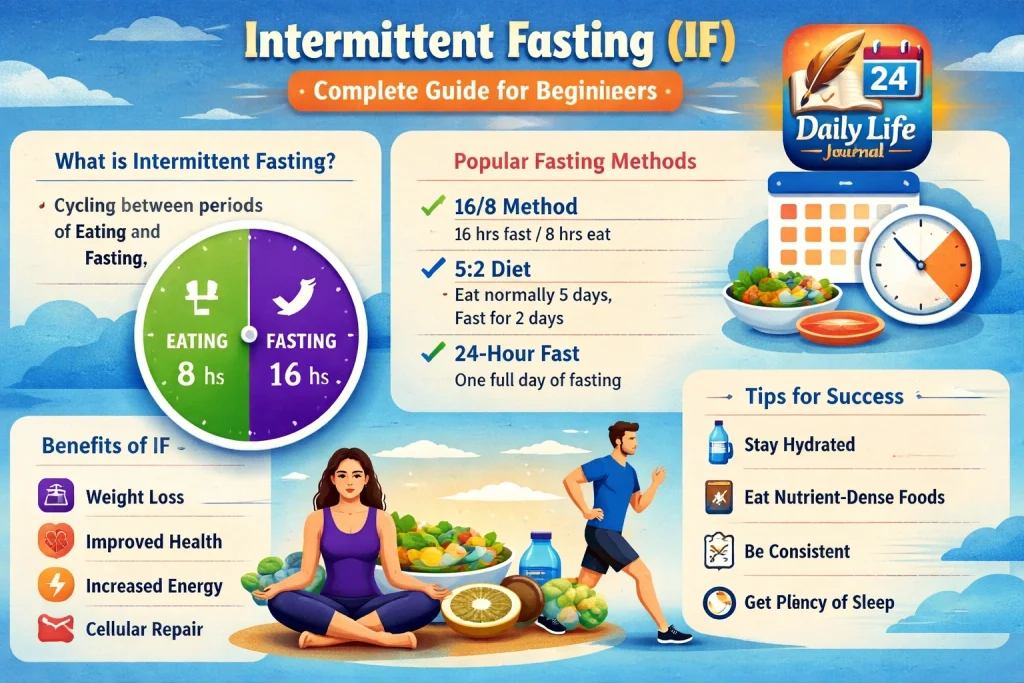
Intermittent Fasting ek aisi technique hai jisme aap apne khane aur fasting (vrat) ke waqt ko divide karte hain. Ismein ek “Fasting Window” hoti hai (jahan aap kuch nahi khate) aur ek “Eating Window” hoti hai (jahan aap apne meals lete hain).

Science ki baat karein toh, jab hum lagatar khate rehte hain, hamari body insulin release karti hai aur extra energy ko “Fat” ke roop mein store kar leti hai. Lekin jab hum fasting karte hain, toh insulin level niche gir jata hai, aur body store kiye huye fat ko energy ke liye burn karna shuru kar deti hai. Is process ko Lipolysis kehte hain.

How Intermittent Fasting Works: The Science (Yeh Kaise Kaam Karta Hai?)

Intermittent Fasting ke piche ka main science Insulin aur Autophagy hai.

  1. Insulin Sensitivity: Jab aap khana khate hain, blood sugar badhta hai aur insulin use control karta hai. Agar aap baar-baar khate hain, toh insulin hamesha high rehta hai, jisse fat burn nahi hota. Fasting se insulin level drop hota hai, jisse fat cells se energy nikalna aasaan ho jata hai.
  2. Autophagy (Cellular Cleaning): Ye IF ka sabse bada fayda hai. Autophagy ek Japanese word hai jiska matlab hai “self-eating”. Is process mein body un purane, damaged cells aur proteins ko remove kar deti hai jo beemariyon ka karan bante hain. Yeh anti-aging aur brain health ke liye bahut zaroori hai.
  3. Growth Hormone Increase: Fasting ke dauran body mein Human Growth Hormone (HGH) badh jata hai, jo muscle growth aur fat loss mein madad karta hai.

Popular Intermittent Fasting Methods (IF Ke Alag-Alag Tarike)

Sabki body alag hoti hai, isliye IF ke kai tarike hain. Aap apni lifestyle ke hisaab se chunaav kar sakte hain:

1. The 16/8 Method (The Leangains Method)

Yeh sabse popular aur aasaan tarika hai. Ismein aap 16 ghante fast rakhte hain aur 8 ghante ki window mein khana khate hain.

  • Example: Aap subah ka nashta skip karte hain. Aapka pehla meal dopahar 12 baje hota hai aur aakhri meal raat 8 baje tak. 12 PM se 8 PM tak aapki eating window hai, aur baaki 16 ghante fasting.

2. The 5:2 Diet (The Fast Diet)

Ismein aap hafte ke 5 din normal khana khate hain aur 2 din bahut kam calories (around 500-600 calories) lete hain.

  • Example: Monday se Friday normal diet, aur Wednesday aur Saturday ko fasting/low-calorie diet.

3. Eat-Stop-Eat (24-Hour Fast)

Ismein aap hafte mein ek ya do baar pura 24 ghante ka fast rakhte hain.

  • Example: Agar aapne aaj raat 8 baje dinner kiya, toh aap agle din raat 8 baje tak kuch nahi khayenge. Yeh thoda mushkil hai aur beginners ko avoid karna chahiye.

4. Warrior Diet (20:4 Method)

Ismein aap 20 ghante fast karte hain aur sirf 4 ghante ki window mein khate hain (aksar raat ke waqt).

Benefits of Intermittent Fasting (IF Ke Fayde)

Intermittent Fasting sirf weight loss ke liye nahi hai; iske fayde puri body par hote hain:

  • Weight Loss aur Belly Fat Reduction: IF se metabolic rate badhta hai aur visceral fat (pet ki charbi) tezi se kam hoti hai.
  • Type 2 Diabetes Control: Yeh blood sugar levels ko kam karta hai aur insulin sensitivity ko behtar banata hai, jo diabetes control karne mein madadgar hai.
  • Heart Health: IF se bad cholesterol (LDL) aur triglycerides kam hote hain, jisse heart attack ka risk ghat jata hai.
  • Brain Function: Fasting se BDNF (Brain-Derived Neurotrophic Factor) naam ka protein badhta hai, jo memory, learning aur depression ko kam karne mein help karta hai.
  • Simplicity: Aapko complex meal prep ya calorie counting ki zaroorat nahi hoti, bas time ka dhyan rakhna hota hai.

What to Eat and Drink During Fasting? (Fasting Window Mein Kya Karein?)

Yeh sabse bada sawal hai: “Kya main fasting ke waqt chai ya coffee pi sakta hoon?”

Fasting Window (No Calories): Aapko aisi cheezein leni hain jinmein zero calories hon, taaki aapka “fast” na toote:

  • Water: Khoob paani piyein taaki dehydration na ho.
  • Black Coffee: Bina chini aur bina doodh ki coffee (Caffeine energy deta hai aur bhook kam karta hai).
  • Green Tea: Bina chini ke.
  • Lemon Water: Thoda sa nimbu aur namak (बिना चीनी के).

Eating Window (Nutritious Meals): Sirf timing follow karna kafi nahi hai. Agar aap 8 ghante ki window mein junk food khayenge, toh result nahi milega. Aapko yeh include karna chahiye:

  • Proteins: Ande, Paneer, Chicken, Daal, Soy chunks (Muscle loss rokne ke liye).
  • Healthy Fats: Avocado, Almonds, Walnuts, Ghee, Olive oil.
  • Complex Carbs: Oats, Brown rice, Quinoa, Sabziyan.
  • Fruits: Berries, Apple, Papaya (Avoid excessive sugar).

Common Mistakes to Avoid (Ye Galtiyan Na Karein)

Beginners aksar ye galtiyan karte hain jisse unhe result nahi milta ya health kharab hoti hai:

  1. Overeating in the Window: “Main 16 ghante bhukha raha hoon, ab jitna chahe utna kha sakta hoon.” Yeh galat hai. Overeating se weight badhega.
  2. Not Drinking Enough Water: Fasting mein body paani jaldi lose karti hai. Paani ki kami se sar-dard (headache) ho sakta hai.
  3. Skipping Protein: Protein na lene se muscles kamzor ho jate hain aur thakaan mehsoos hoti hai.
  4. Being Too Strict Too Fast: Seedhe 24-hour fast na shuru karein. Pehle 12 ghante se start karein, phir 14, phir 16.

Side Effects and Who Should Avoid IF? (Kise Nahi Karna Chahiye?)

Intermittent Fasting sabke liye nahi hai. In logon ko doctor se consult karna chahiye:

  • Pregnant/Breastfeeding Women: Is waqt body ko zyada nutrients ki zaroorat hoti hai.
  • Underweight People: Jinka BMI bahut kam hai.
  • Type 1 Diabetics: Insulin lene wale logon ko sugar drop (Hypoglycemia) ka khatra hota hai.
  • Eating Disorder History: Jinhe bulimia ya anorexia jaisi samasya rahi ho.
  • Children and Teens: Growing age mein nutrients ki kami nahi honi chahiye.

Final Tips for Success (Kamyabi Ke Liye Tips)

Agar aap aaj se shuru kar rahe hain, toh ye 3 tips yaad rakhein:

  1. Listen to Your Body: Agar aapko bahut zyada chakkar (dizziness) aa rahe hain, toh fast break kar dein. Health pehle hai, timing baad mein.
  2. Stay Busy: Jab aapka dimaag busy rehta hai, toh bhook kam lagti hai.
  3. Consistency is Key: Ek-do din mein result nahi aayega. Isse kam se kam 4-8 hafte follow karein.

Conclusion Intermittent Fasting ek powerful tool hai jo aapki life aur health ko transform kar sakta hai. Chahe wo weight loss ho, mental clarity ho, ya sirf ek discipline wali life, IF aapko sab kuch de sakta hai. Bas yaad rakhein ki balance zaroori hai. Sahi khana, sahi neend aur sahi fasting timing hi aapko “Best Version” banayegi.

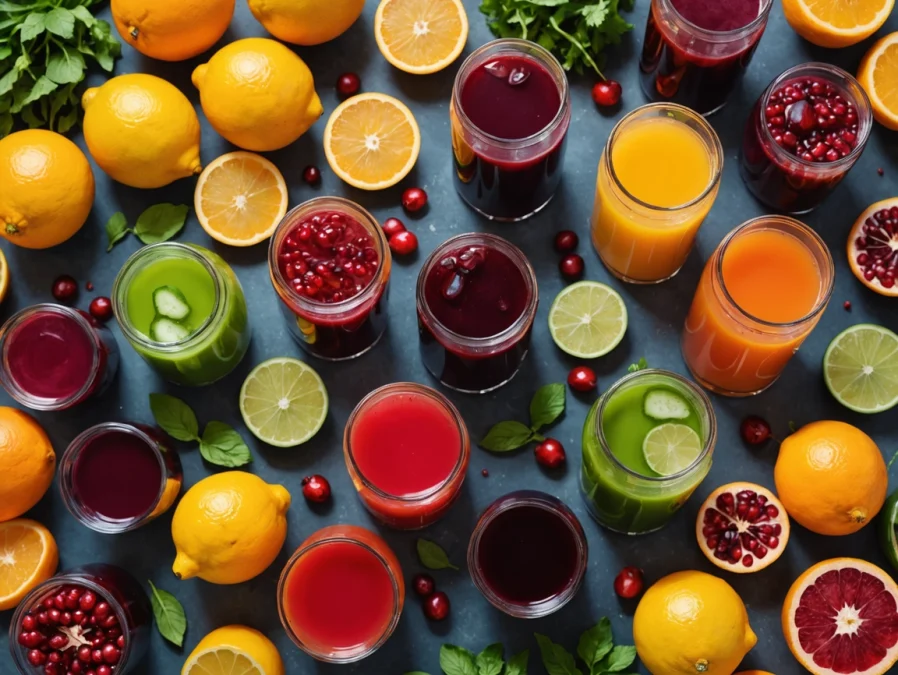
Healthy and glowing skin does not depend only on skincare products. Your diet, hydration, sleep, stress level, and daily routine also play an important role. Fresh fruit and vegetable juices can support healthy-looking skin because they provide vitamins, minerals, antioxidants, and fluids.

If you are searching for juices for glowing skin, this guide will help you choose healthy homemade options. These juices are not magic drinks, but they can become a useful part of a balanced lifestyle.

What Are the Best Juices for Glowing Skin?

The best juices for glowing skin include orange juice, carrot juice, beetroot juice, pomegranate juice, tomato juice, watermelon juice, kiwi juice, mixed berry juice, papaya juice, and spinach-cucumber juice. These drinks provide nutrients such as vitamin C, beta-carotene, lycopene, antioxidants, and water.

Why Fresh Juices Support Healthy Skin

Fresh juices can help your body get important nutrients. Vitamin C supports normal collagen formation. Beta-carotene supports normal skin maintenance. Antioxidants help protect cells from oxidative stress. Water-rich fruits also help with hydration.

However, juices should not replace whole fruits and vegetables. Whole fruits provide fibre, which is important for digestion and overall health. Therefore, use juices as an addition to your diet, not as a full meal replacement.

1. Orange Juice for Glowing Skin

Orange juice is one of the most popular juices for glowing skin. It is rich in vitamin C, which supports collagen formation. Collagen is important for maintaining normal skin structure.

Benefits of Orange Juice

  • Rich in vitamin C
  • Supports normal collagen formation
  • Provides hydration
  • Contains natural antioxidants

Orange Juice Recipe

  • 2 fresh oranges
  • Half lemon
  • Few mint leaves

Juice the oranges, add lemon juice, mix well, and drink fresh.

2. Carrot Juice for Healthy Skin

Carrot juice contains beta-carotene, which the body can convert into vitamin A. Vitamin A contributes to normal skin maintenance. Carrot juice also gives a natural colour and mild sweetness.

Benefits of Carrot Juice

  • Contains beta-carotene
  • Supports healthy skin
  • Good source of antioxidants
  • Pairs well with apple and ginger

Carrot Juice Recipe

  • 3 carrots
  • 1 apple
  • Small piece of ginger

Wash all ingredients, blend or juice them, and serve immediately.

3. Beetroot Juice for Natural Glow

Beetroot juice is colourful, refreshing, and nutrient-rich. It contains folate, potassium, vitamin C, and antioxidants. Many people include beetroot juice in their diet for overall wellness.

Benefits of Beetroot Juice

  • Contains antioxidants
  • Provides folate and potassium
  • Adds variety to your juice routine
  • Combines well with carrot and apple

Beetroot Juice Recipe

  • 1 medium beetroot
  • 1 carrot
  • 1 apple
  • Small piece of ginger

Blend or juice all ingredients. Drink fresh for the best taste.

4. Pomegranate Juice for Radiant Skin

Pomegranate juice contains polyphenols and antioxidants. These compounds support overall health and help protect cells from oxidative stress. It also has a refreshing taste.

Benefits of Pomegranate Juice

  • Rich in antioxidants
  • Contains vitamin C
  • Supports hydration
  • Easy to prepare at home

Pomegranate Juice Recipe

  • 1 cup pomegranate seeds
  • Half cup water
  • Few mint leaves

Blend the seeds with water. Strain if needed and serve fresh.

5. Tomato Juice for Clear-Looking Skin

Tomato juice provides vitamin C, potassium, and lycopene. Lycopene is a natural plant compound found in tomatoes. Tomato juice is also low in calories and easy to include in a healthy diet.

Benefits of Tomato Juice

  • Contains lycopene
  • Source of vitamin C
  • Refreshing and light
  • Good vegetable juice option

Tomato Juice Recipe

  • 2 ripe tomatoes
  • Few mint leaves
  • Pinch of black pepper
  • Few drops of lemon juice

Blend the tomatoes with mint. Add lemon and black pepper before serving.

6. Watermelon Juice for Hydration

Watermelon has high water content. That makes it a great summer juice. It also provides vitamins A and C. Hydration is important for overall health and normal skin function.

Benefits of Watermelon Juice

  • Helps maintain hydration
  • Refreshing in summer
  • Contains vitamins A and C
  • Naturally sweet

Watermelon Juice Recipe

  • 2 cups watermelon cubes
  • Few mint leaves
  • Few drops of lemon juice

Blend everything together. Serve chilled without adding sugar.

7. Kiwi Juice for Vitamin C

Kiwi is rich in vitamin C and has a tangy flavour. It can be mixed with apple, cucumber, or orange for a balanced taste.

Benefits of Kiwi Juice

  • Rich in vitamin C
  • Contains antioxidants
  • Refreshing taste
  • Good for a morning drink

Kiwi Juice Recipe

  • 2 kiwis
  • 1 apple
  • Half cup water

Peel the kiwi, blend with apple and water, and drink fresh.

8. Mixed Berry Juice

Berries such as strawberries, blueberries, raspberries, and blackberries contain vitamin C and polyphenols. Mixed berry juice is colourful, tasty, and antioxidant-rich.

Benefits of Mixed Berry Juice

  • Rich in antioxidants
  • Contains vitamin C
  • Naturally colourful
  • Good for smoothies and juices

Mixed Berry Juice Recipe

  • Half cup strawberries
  • Half cup blueberries
  • Half cup water
  • Few mint leaves

Blend all ingredients until smooth. Serve immediately.

9. Papaya Juice

Papaya contains vitamin A, vitamin C, and natural enzymes. It has a smooth texture and sweet taste. You can mix it with orange or pineapple for better flavour.

Benefits of Papaya Juice

  • Source of vitamins A and C
  • Naturally sweet
  • Easy to digest for many people
  • Good tropical juice option

Papaya Juice Recipe

  • 1 cup ripe papaya
  • Half orange
  • Half cup water

Blend all ingredients and enjoy fresh.

10. Spinach and Cucumber Juice

Spinach and cucumber juice is a light green juice. Cucumber has high water content, while spinach provides folate, vitamin K, and other nutrients.

Benefits of Spinach and Cucumber Juice

  • Hydrating drink option
  • Contains green vegetables
  • Light and refreshing
  • Can be mixed with lemon and apple

Spinach Cucumber Juice Recipe

  • 1 cucumber
  • 1 cup spinach leaves
  • 1 green apple
  • Few drops of lemon juice

Blend the ingredients and drink fresh.

Juices for Glowing Skin Comparison Table

JuiceMain NutrientSkin Support
Orange JuiceVitamin CSupports collagen formation
Carrot JuiceBeta-caroteneSupports normal skin maintenance
Beetroot JuiceFolate, potassiumAdds antioxidants to diet
Pomegranate JuicePolyphenolsSupports antioxidant intake
Tomato JuiceLycopeneSupports nutrient-rich diet
Watermelon JuiceWater, vitamins A and CSupports hydration
Kiwi JuiceVitamin CSupports normal collagen formation
Mixed Berry JuicePolyphenolsProvides antioxidants

Best Time to Drink Juices for Glowing Skin

You can drink fresh juice in the morning with breakfast, between meals, or after physical activity. However, avoid drinking large amounts of fruit juice on an empty stomach if it does not suit your digestion.

For better balance, pair juice with protein or healthy fats. For example, you can drink fresh juice with oats, nuts, yogurt, eggs, or whole-grain toast.

Common Mistakes to Avoid

  • Adding too much sugar
  • Replacing meals with juice
  • Drinking very large portions daily
  • Using packaged juice with added sugar
  • Ignoring whole fruits and vegetables
  • Expecting instant skin results

Who Should Limit Fruit Juice?

Some people should be careful with fruit juice portions, especially those managing diabetes, blood sugar issues, digestive problems, or specific medical conditions. If you have a health concern, speak with a qualified healthcare professional or registered dietitian before making major diet changes.

Healthy Skin Tips Along With Juices

  • Drink enough water daily.
  • Eat whole fruits and vegetables.
  • Sleep well every night.
  • Use sunscreen when going outside.
  • Reduce excess sugar and fried foods.
  • Manage stress with exercise or relaxation.
  • Follow a simple skincare routine.

Frequently Asked Questions

Which juice is best for glowing skin?

Orange, carrot, beetroot, pomegranate, kiwi, watermelon, and mixed berry juices are good options because they provide vitamins, antioxidants, and hydration.

Can juice make skin glow naturally?

Fresh juice can support healthy-looking skin as part of a balanced diet. However, it cannot replace sleep, hydration, skincare, sun protection, and overall nutrition.

Is fresh juice better than packaged juice?

Fresh homemade juice is usually better because you can avoid added sugar and control the ingredients.

How often should I drink juice?

You can drink fresh juice in moderation. Whole fruits and vegetables should also remain part of your daily diet.

Can I drink juice daily?

Yes, but keep the portion moderate and avoid adding sugar. Also include whole fruits for fibre.

Which juice has the most vitamin C?

Orange juice, kiwi juice, lemon-based juice, and berry juice are commonly rich in vitamin C.

Conclusion

Fresh juices for glowing skin can be a healthy and refreshing addition to your routine. Orange, carrot, beetroot, pomegranate, tomato, watermelon, kiwi, mixed berry, papaya, and spinach-cucumber juices all provide different nutrients.

Still, no juice can give perfect skin alone. For healthy-looking skin, focus on a balanced diet, good sleep, hydration, sun protection, stress control, and regular skincare. Homemade juices work best when they are part of a healthy lifestyle.

Healthy skin starts from within. While skincare products can improve your skin’s appearance, your daily eating habits, hydration, sleep, and lifestyle have a much greater impact on long-term skin health. One of the most overlooked factors is meal timing for glowing skin. Eating nutritious meals at the right time helps your body digest food efficiently, absorb essential nutrients, and support natural skin repair.

Adding fresh fruit and vegetable juices to your daily routine is another simple way to increase vitamins, antioxidants, and hydration. However, juices work best when combined with balanced meals rather than replacing them. This guide explains the best meal schedule, healthy juice recipes, foods that nourish your skin, and practical lifestyle tips for achieving naturally radiant skin.

If you are looking for an easy routine that fits into your everyday life, this article provides science-backed advice and simple recipes that you can start using today.


Why Meal Timing Matters for Healthy and Glowing Skin

Your body follows a natural biological clock known as the circadian rhythm. Digestion, hormone production, metabolism, and even skin repair work differently throughout the day. Eating meals consistently helps your body use nutrients more efficiently while reducing unnecessary stress on digestion.

Irregular eating habits, skipping breakfast, eating heavy meals late at night, and consuming excessive processed foods may affect overall wellness. Although meal timing alone cannot guarantee glowing skin, maintaining a healthy eating schedule supports your body’s natural functions that contribute to healthy-looking skin.

Proper meal timing may help support:

  • Better digestion
  • Stable daily energy
  • Improved hydration habits
  • Balanced nutrient intake
  • Better sleep quality
  • Overall skin wellness

Healthy skin depends on many factors including vitamin C, vitamin A, zinc, omega-3 fatty acids, protein, antioxidants, hydration, exercise, stress management, and sleep.


How Nutrition Supports Skin Health

Your skin constantly renews itself. Every day, old skin cells are replaced by new ones. This process requires nutrients from your diet. If your meals lack essential vitamins and minerals, your body may struggle to maintain healthy skin.

Important nutrients include:

Vitamin C

Vitamin C supports collagen formation, which helps maintain skin structure. Citrus fruits, kiwi, strawberries, guava, and oranges are excellent natural sources.

Vitamin A

Beta-carotene from carrots, pumpkin, spinach, and sweet potatoes is converted into vitamin A, which supports normal skin maintenance.

Vitamin E

Nuts, seeds, and avocados provide vitamin E, an antioxidant that helps protect cells from oxidative stress.

Protein

Protein provides amino acids needed to build collagen and repair tissues. Include eggs, fish, chicken, lentils, paneer, tofu, beans, or Greek yogurt.

Healthy Fats

Omega-3 fatty acids found in walnuts, flaxseeds, chia seeds, and fatty fish help support healthy skin.

Water

Hydration plays an important role in maintaining overall health. Drinking enough water throughout the day helps your body function properly.


Best Daily Meal Timing for Glowing Skin

Following a consistent eating schedule makes it easier to meet your nutritional needs without overeating or skipping meals.

TimeMealPurpose
7:00 AMWake up and drink waterSupports hydration after sleep
7:30–8:30 AMBalanced breakfastProvides energy and nutrients
11:00 AMHealthy snack or fruit juiceMaintains energy levels
12:30–2:00 PMBalanced lunchMain nutritious meal
4:00 PMFruit or nutsPrevents overeating later
6:30–8:00 PMLight dinnerSupports comfortable digestion

What Should You Eat for Breakfast?

Breakfast provides your body with energy after an overnight fast. A balanced breakfast should contain protein, complex carbohydrates, healthy fats, and fruits.

Healthy breakfast ideas include:

  • Vegetable oats with boiled eggs
  • Greek yogurt with berries and nuts
  • Poha with vegetables
  • Whole-grain toast with peanut butter
  • Moong dal chilla with curd
  • Fruit smoothie without added sugar

Avoid relying only on fruit juice for breakfast because whole foods provide important fibre and protein that juices cannot fully replace.


Healthy Mid-Morning Snack Ideas

Instead of reaching for processed snacks, choose nutrient-rich options such as:

  • Apple slices with peanut butter
  • Fresh coconut water
  • Orange segments
  • Mixed nuts
  • Pomegranate
  • Homemade fruit juice
  • Carrot sticks with hummus

These snacks help increase your intake of vitamins, minerals, and fibre while supporting balanced nutrition throughout the day.

“` “`html


Best Lunch Timing for Glowing Skin

Lunch is the most important meal of the day because your body is usually most active during the afternoon. Eating a balanced lunch between 12:00 PM and 2:00 PM provides energy while supplying the nutrients your skin needs for repair and renewal.

A healthy lunch should include lean protein, complex carbohydrates, colourful vegetables, healthy fats, and plenty of water. This combination supports overall wellness and helps maintain steady energy levels throughout the afternoon.

Healthy Lunch Plate

  • 1 bowl dal or grilled chicken/fish/paneer
  • Brown rice or whole wheat roti
  • Mixed green vegetables
  • Fresh salad
  • Curd or yogurt
  • One seasonal fruit

Try to avoid deep-fried foods and sugary drinks during lunch, as they add extra calories without providing many essential nutrients.


Healthy Evening Snacks

Many people feel hungry between lunch and dinner. Instead of eating processed snacks like chips or sugary biscuits, choose nutrient-rich foods that support healthy eating habits.

  • Roasted chickpeas
  • Mixed nuts
  • Fresh fruit
  • Greek yogurt
  • Sprouts salad
  • Green tea without sugar
  • Homemade vegetable juice

Best Dinner Timing for Healthy Skin

Eating dinner early allows your body enough time to digest food before bedtime. Experts generally recommend finishing dinner at least two to three hours before sleeping.

An ideal dinner is light, nutritious, and easy to digest.

Healthy Dinner Ideas

  • Vegetable soup with grilled paneer
  • Dal with sautéed vegetables
  • Grilled fish with salad
  • Khichdi with curd
  • Vegetable quinoa bowl
  • Mixed lentil soup

Late-night heavy meals may disturb sleep quality for some individuals. Since good sleep supports skin repair, maintaining an earlier dinner schedule can be beneficial.


10 Best Fruit Juice Recipes for Glowing Skin

1. Orange Carrot Juice

Ingredients

  • 2 oranges
  • 2 carrots
  • Half lemon
  • Small ginger piece

Benefits

Rich in vitamin C and beta-carotene to support normal collagen production and healthy skin.


2. ABC Juice (Apple Beetroot Carrot)

  • 1 apple
  • 1 beetroot
  • 2 carrots
  • Small ginger piece

This classic juice provides antioxidants, natural sweetness, and colourful plant nutrients.


3. Pomegranate Juice

  • 1 cup pomegranate seeds
  • Half orange
  • Mint leaves

Pomegranate contains polyphenols that contribute to a healthy diet rich in antioxidants.


4. Watermelon Mint Juice

  • 2 cups watermelon
  • Mint leaves
  • Half lemon

A refreshing drink that helps increase fluid intake during hot weather.


5. Cucumber Detox Juice

  • 1 cucumber
  • Celery
  • Mint
  • Lemon

A light, hydrating juice that pairs well with a balanced meal plan.

6. Berry Antioxidant Smoothie

  • Blueberries
  • Strawberries
  • Greek yogurt
  • Chia seeds

Provides antioxidants, protein, and fibre for a satisfying snack.

7. Pineapple Ginger Juice

  • Pineapple
  • Fresh ginger
  • Lemon

A naturally sweet tropical drink that adds vitamin C to your diet.

8. Kiwi Citrus Juice

  • Kiwi
  • Orange
  • Lemon

Excellent source of vitamin C and refreshing flavour.

9. Tomato Carrot Juice

  • Tomatoes
  • Carrots
  • Black pepper

Contains lycopene and beta-carotene, making it a colourful addition to your daily nutrition.

10. Green Glow Juice

  • Spinach
  • Apple
  • Cucumber
  • Lemon

A nutrient-rich juice packed with leafy greens and fresh fruit.

Foods That Support Healthy Skin

  • Fatty fish
  • Eggs
  • Avocados
  • Walnuts
  • Almonds
  • Pumpkin seeds
  • Sunflower seeds
  • Spinach
  • Broccoli
  • Tomatoes
  • Sweet potatoes
  • Berries
  • Citrus fruits
  • Greek yogurt
  • Green tea

Foods to Limit

While occasional treats are perfectly fine, regularly consuming highly processed foods may reduce the overall quality of your diet.

  • Sugary soft drinks
  • Deep-fried snacks
  • Highly processed foods
  • Excess sweets
  • Refined carbohydrates
  • Alcohol
  • Excessively salty packaged foods

Focusing on a balanced eating pattern is more effective than eliminating any single food completely.

7-Day Meal Timing Plan for Glowing Skin

DayBreakfast (7:30–8:30 AM)Lunch (12:30–2:00 PM)Evening Snack (4:00 PM)Dinner (6:30–8:00 PM)
MondayOats with berries + Orange Carrot JuiceDal, brown rice, saladMixed nutsVegetable soup with paneer
TuesdayVegetable poha + KiwiGrilled chicken with vegetablesPomegranateKhichdi with yogurt
WednesdayMoong chilla + ABC JuicePaneer with roti and saladAppleMixed vegetable soup
ThursdayGreek yogurt with fruitFish, vegetables, brown riceSeeds mixGrilled vegetables
FridayEggs with toastDal, quinoa, saladBerry smoothieVegetable pulao
SaturdayFruit bowl with nutsChicken saladCoconut waterVegetable curry
SundayHealthy smoothie bowlBalanced homemade mealFresh fruitLight homemade dinner

Daily Hydration Routine

  • Drink 1–2 glasses of water after waking up.
  • Carry a reusable water bottle throughout the day.
  • Drink water before meals, but avoid excessive intake during meals.
  • Include coconut water occasionally in hot weather.
  • Eat water-rich foods like cucumber, watermelon, and oranges.
  • Limit sugary beverages and excessive caffeinated drinks.

Healthy Lifestyle Habits for Better Skin

  • Sleep for 7–9 hours every night.
  • Exercise for at least 30 minutes most days.
  • Manage stress through meditation, breathing exercises, or yoga.
  • Avoid smoking and limit alcohol.
  • Use sunscreen daily.
  • Follow a simple skincare routine with cleansing and moisturizing.
  • Eat a variety of colourful fruits and vegetables every day.

Common Mistakes to Avoid

  • Skipping breakfast regularly.
  • Eating heavy meals late at night.
  • Replacing meals with fruit juice.
  • Drinking too little water.
  • Consuming excessive sugary drinks.
  • Ignoring sleep quality.
  • Following extreme diets without professional advice.

Frequently Asked Questions

1. What is the best meal timing for glowing skin?

Many people find it helpful to eat breakfast within two hours of waking, lunch around midday, and a light dinner at least two to three hours before bedtime.

2. Which fruit juice is best for glowing skin?

Orange, carrot, pomegranate, watermelon, kiwi, berry, and ABC juice are nutritious homemade options when consumed as part of a balanced diet.

3. Can fruit juice replace meals?

No. Fresh juice can complement a healthy meal plan, but whole foods provide important protein, healthy fats, and fibre that juices alone cannot.

4. How much water should I drink daily?

Water needs vary by person, climate, and activity level. Drink enough fluids to stay well hydrated throughout the day.

5. Does sleep affect skin health?

Yes. Good-quality sleep supports the body’s natural repair processes and contributes to overall wellness.

6. Can meal timing alone improve skin?

No. Healthy skin depends on nutrition, hydration, sleep, exercise, stress management, genetics, and skincare habits.

7. Are smoothies healthier than juices?

Smoothies usually contain more fibre because they keep the whole fruit, while juices may be easier to digest for some people.

8. Which vitamins are important for skin?

Vitamin C, vitamin A, vitamin E, zinc, protein, and omega-3 fats all contribute to normal skin health.

9. Is it okay to drink juice every day?

Fresh juice can be enjoyed in moderation, but whole fruits and vegetables should remain a regular part of your diet.

10. How long does it take to notice healthy lifestyle changes?

Results vary by individual. Consistency with balanced eating, hydration, sleep, and skincare is more important than seeking quick results.

Developing healthy eating habits is one of the most sustainable ways to support overall wellness and healthy-looking skin. Following a consistent meal timing for glowing skin routine, drinking enough water, eating balanced meals rich in fruits and vegetables, sleeping well, and staying physically active all work together to support your body’s natural functions.

Fresh fruit juices such as Orange Carrot Juice, ABC Juice, Berry Smoothies, Watermelon Juice, and Pomegranate Juice can add vitamins and antioxidants to your diet. However, they are most effective when enjoyed alongside whole foods rather than replacing meals.

Small, consistent lifestyle changes often have a greater long-term impact than restrictive diets or expensive skincare products. Build a routine that you can follow comfortably every day, and your overall health—including your skin—will benefit over time.


Simple, natural ways to brighten skin from the inside with fresh fruit juices

Looking for the best fruit juice for skin whitening? Adding fresh, nutrient-rich fruit juices to your daily routine can help brighten your skin naturally from within. In my daily life journal, switching to vitamin-rich juices helped improve skin tone, reduce dark spots, and bring a healthy glow. The best fruit juice for skin whitening works by boosting collagen, improving hydration, and fighting pigmentation naturally.

Top Best Fruit Juices for Skin Whitening

Orange juice is highly effective among the best fruit juices for skin whitening. Rich in vitamin C, it boosts collagen and helps even out skin tone.

Lemon juice is excellent for gentle lightening and fading acne marks when mixed with warm water and honey.

Papaya Juice for Skin Lightening

Papaya juice contains the natural enzyme papain that gently exfoliates and promotes brighter, clearer skin. It is one of the most popular choices for natural skin brightening.

Pineapple juice offers bromelain that reduces inflammation and improves skin texture.

Daily Tip: Drink one fresh juice every morning on an empty stomach for best results in 4–8 weeks.

Watermelon and Pomegranate Juice for Glowing Skin

Watermelon juice provides deep hydration, while pomegranate juice fights pigmentation with powerful antioxidants. Both are excellent natural skin brightening juices.

Why Fruit Juices Help in Skin Whitening

Fresh fruit juices are packed with vitamins, minerals, and antioxidants that nourish the skin from the inside. Vitamin C helps boost collagen production, which keeps the skin firm and bright, while antioxidants fight free radicals that can cause dullness and uneven skin tone. Drinking the best fruit juice for skin whitening regularly can also improve hydration, support skin repair, and promote a natural healthy glow over time. Consistency, along with a healthy lifestyle, plays an important role in achieving better skin results.

How to Add Best Fruit Juices for Skin Whitening to Your Daily Routine

Incorporate these best fruit juices for skin whitening into your everyday life consistently. Combine them with a balanced diet, plenty of water, sunscreen, and good sleep. Many people see gradual but satisfying improvements in skin tone and radiance.

Disclaimer: These natural skin brightening juices provide nutritional support but are not a medical treatment. Results vary. Consult a dermatologist or nutritionist before making major dietary changes, especially if you have sensitive skin or allergies.
Read More: Daily Life Journal

Ginger health benefits backed by science continue to attract attention as both traditional wellness practices and modern research highlight ginger’s role in daily health. Ginger has been part of natural wellness routines for centuries, especially in India and across Asia, where people commonly use it in tea, cooking, herbal drinks, and home remedies for digestion, seasonal discomfort, and overall wellness.

Today, researchers continue studying ginger and its active plant compounds to better understand how it may support digestion, immunity, inflammation balance, and everyday health as part of a balanced lifestyle.

The most important compounds in ginger include:

  • Gingerol
  • Shogaol
  • Zingerone
  • Paradol

These natural plant compounds are linked with antioxidant and anti-inflammatory activity.

While ginger is not a medicine or cure, research suggests it may support wellness when used regularly as part of a healthy diet and daily routine.

Quick Answer: What Are the Main Health Benefits of Ginger?

Science suggests ginger may help support:

  • Digestion and gut comfort
  • Relief from nausea
  • Anti-inflammatory activity
  • Antioxidant protection
  • Immune support
  • Heart wellness
  • Healthy metabolism
  • Muscle recovery
  • Daily wellness routines

Because ginger is versatile and easy to include in food or drinks, many people use it daily.

Ginger Health Benefits for Digestion and Gut Health

One of the most researched ginger benefits is digestive support.

Ginger may help the stomach move food more efficiently and may reduce digestive discomfort after meals.

People often use ginger for:

  • Bloating
  • Gas
  • Mild indigestion
  • Stomach discomfort
  • Feeling heavy after eating
  • Motion sickness
  • Morning nausea

Warm ginger tea is especially popular because it feels soothing and is easy to digest.

In Indian households, ginger is commonly added to chai or warm water before breakfast.

Why Ginger Helps Digestion

Ginger may support:

  • Faster gastric emptying
  • Better digestive movement
  • Less bloating
  • More digestive comfort

That is why many people drink ginger tea after meals.

Ginger Health Benefits for Nausea Relief

Ginger is widely known for nausea support.

Research often mentions ginger for:

  • Motion sickness
  • Pregnancy-related nausea
  • Mild digestive nausea
  • Travel discomfort

Many people prefer ginger tea, ginger water, or small fresh slices.

However, anyone pregnant should always ask their doctor before increasing intake.

Anti-Inflammatory Benefits of Ginger

Inflammation affects many areas of health.

Researchers study ginger because compounds like gingerol may help reduce inflammatory activity inside the body.

Possible supportive benefits may include:

  • Joint comfort
  • Muscle recovery
  • Reduced soreness after exercise
  • General body comfort
  • Support against oxidative stress

This is one reason athletes and wellness-focused individuals often include ginger regularly.

Ginger for Immunity and Wellness

Ginger contains natural antioxidants.

Antioxidants help the body manage oxidative stress caused by daily environmental exposure.

People often use ginger in:

  • Herbal tea
  • Wellness shots
  • Ginger lemon water
  • Homemade kadha
  • Detox drinks

During weather changes, many people find ginger comforting because warm beverages feel soothing.

Ginger alone does not prevent illness.

But it may support overall wellness when combined with:

  • Good sleep
  • Balanced nutrition
  • Hydration
  • Daily movement
  • Stress management

Ginger Benefits for Heart Health

Scientists are also studying ginger and cardiovascular wellness.

Research suggests ginger may support:

  • Healthy circulation
  • Oxidative balance
  • Healthy cholesterol support
  • Blood pressure balance

More long-term research is still needed.

Important:

If you take blood-thinning medication or have a medical condition, speak with your doctor before consuming large amounts.

Can Ginger Help With Weight Loss?

Ginger is often included in wellness routines focused on healthy weight management.

It is not a fat-burning shortcut.

But it may support healthy habits through:

  • Better digestion
  • Feeling fuller
  • Supporting metabolism
  • Helping hydration
  • Supporting routine building

For long-term results, weight management still depends mainly on:

  • Balanced eating
  • Sleep
  • Physical activity
  • Consistency

Ginger Tea Benefits for Daily Health

Ginger tea remains one of the easiest ways to enjoy ginger.

People enjoy it because it feels warm and calming.

Common ginger tea benefits may include:

  • Digestive comfort
  • Relaxation
  • Hydration
  • Mild nausea relief
  • Seasonal wellness support

Popular additions:

  • Lemon
  • Honey
  • Tulsi
  • Cinnamon

How to Add Ginger to Your Daily Diet

Simple options:

  • Fresh ginger tea
  • Ginger water
  • Smoothies
  • Soup
  • Dal and sabzi
  • Herbal drinks
  • Chutney
  • Cooking with fresh ginger

Fresh ginger is commonly preferred because flavor and natural compounds are strongest.

Moderation matters.

Possible Side Effects of Too Much Ginger

Ginger is generally safe in moderate amounts.

Too much may cause:

  • Heartburn
  • Acid reflux
  • Stomach irritation
  • Digestive discomfort

People taking medication should ask a healthcare professional before significantly increasing intake.

Ginger Health Benefits Table

Ginger BenefitScientific Support
Digestion supportStrong
Nausea reliefStrong
Anti-inflammatory activityModerate
Antioxidant supportModerate
Immune wellnessModerate
Heart health supportEmerging
Weight management supportLimited

Frequently Asked Questions

Is ginger scientifically proven to be healthy?

Research suggests ginger contains compounds linked with digestion support, antioxidant activity, and inflammation support. It should not replace medical treatment.

Can ginger improve digestion?

Yes. Many studies suggest ginger may help digestive movement and reduce bloating or nausea.

Is ginger anti-inflammatory?

Ginger contains gingerol and related compounds linked with anti-inflammatory activity.

Can ginger help immunity?

It may support general wellness because it contains antioxidant compounds.

How much ginger is safe daily?

Moderate amounts are generally safe for most adults. Too much may cause stomach discomfort.

Is ginger tea good every day?

For many people, moderate daily ginger tea can be part of a healthy routine.

Final Thoughts

The growing interest in ginger health benefits backed by science is easy to understand.

Ginger is simple, familiar, and widely used in daily life.

From digestion and nausea relief to inflammation support and overall wellness, it continues to be one of the most respected natural ingredients.

It is not a miracle cure.

But when combined with healthy habits, ginger can be a practical part of daily wellness.

Related Reads