Vitamin B12 Rich Foods: Top Natural Sources for Energy, Brain & Heart Health
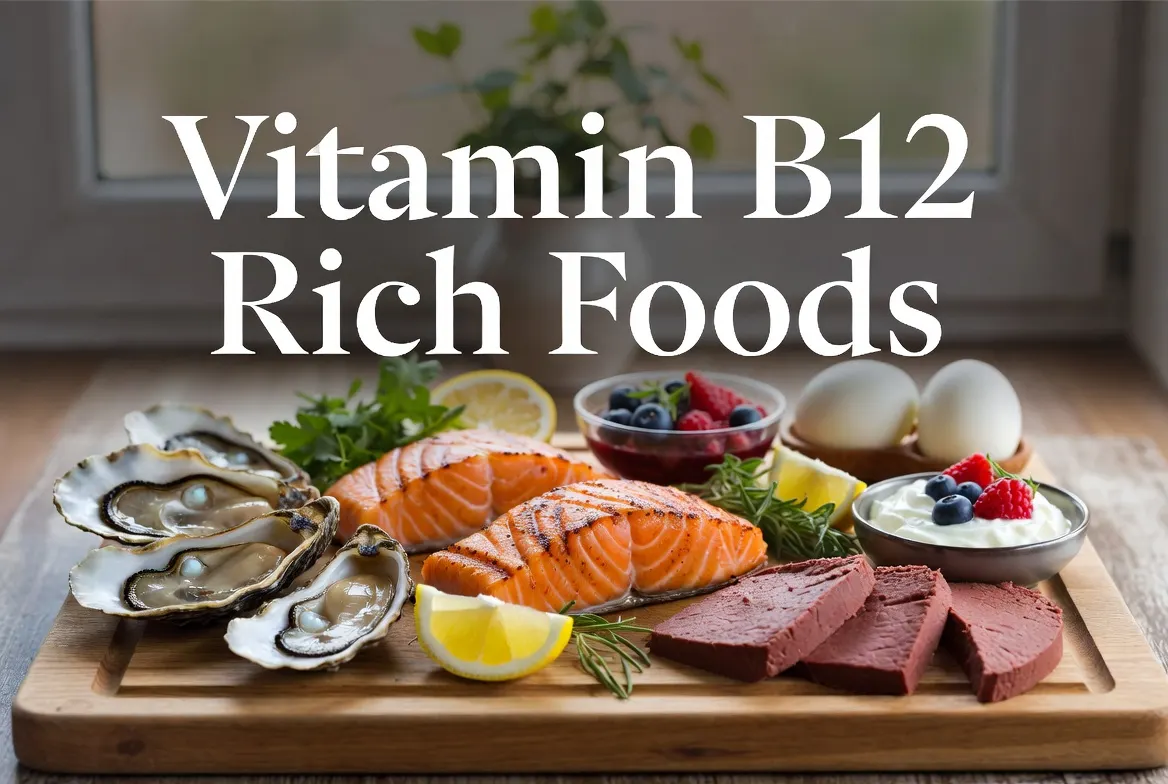
Top natural sources of Vitamin B12 for energy, brain, and heart health
Vitamin B12 rich foods are essential for maintaining energy levels, supporting brain function, producing red blood cells, and protecting your nervous system. Also known as cobalamin, Vitamin B12 is a water-soluble vitamin that your body cannot produce on its own. It must come from diet or supplements. While many people get enough through animal products, understanding the best Vitamin B12 rich foods helps prevent deficiency, especially for those on plant-based diets.
This comprehensive guide explores top natural sources, health benefits, deficiency risks, absorption tips, and practical meal ideas. Whether you’re an omnivore, vegetarian, or vegan, optimizing intake of Vitamin B12 rich foods (or fortified alternatives) is key to long-term wellness.
What Is Vitamin B12 and Why Do You Need It?
Vitamin B12 plays critical roles in:
- DNA synthesis and cell division
- Red blood cell formation (preventing megaloblastic anemia)
- Myelin sheath maintenance for nerve protection
- Homocysteine metabolism (supporting heart health)
- Energy production via fatty acid and amino acid breakdown
Vitamin B12 plays a critical role in energy production, red blood cell formation, and nervous system health. The Recommended Dietary Allowance (RDA) for adults is 2.4 mcg per day. Pregnant people need about 2.6 mcg, while lactating people require around 2.8 mcg daily. Older adults and individuals with absorption issues may also need higher amounts.
Top Vitamin B12 Rich Foods: Detailed Breakdown
1. Shellfish: Clams, Oysters, and Mussels
Shellfish top the list of Vitamin B12 rich foods. A 3-ounce serving of clams provides around 17–84 mcg (over 700–3,500% DV depending on exact variety and preparation). Oysters deliver similar impressive amounts.
Benefits: High in protein, iron, zinc, and omega-3s. Supports immune function and thyroid health.
Meal Ideas: Steamed clams with garlic, oyster stew, or mussel marinara.
2. Beef Liver and Organ Meats
Beef liver offers 70+ mcg per 3 ounces – one of the most concentrated sources.
Benefits: Loaded with preformed Vitamin A, folate, iron, and choline for brain and liver health.
Preparation Tips: Pan-fried with onions or in pâté. Start with smaller portions if new to organ meats.
Outbound Link: Learn more from NIH Vitamin B12 Fact Sheet.
3. Fatty Fish: Salmon, Tuna, Sardines, and Trout
- Salmon (3 oz cooked): ~2.6–4.9 mcg
- Canned tuna (3 oz): ~2.5 mcg
- Sardines: Excellent source with bonus calcium and omega-3s
These Vitamin B12 rich foods also provide heart-healthy fats that reduce inflammation.
Recipe Ideas: Grilled wild salmon, tuna salad, or sardines on whole-grain toast.
4. Dairy Products: Milk, Yogurt, Cheese
One cup of milk provides ~1.2 mcg. Greek yogurt and Swiss cheese are strong options. Dairy B12 absorbs well for many people.
Benefits: Combined with calcium and protein for bone and muscle health.
Tips: Choose full-fat or fermented options like kefir for added probiotics.
5. Eggs
One large egg offers ~0.6 mcg, mostly in the yolk. Pasture-raised eggs may have additional nutrient advantages.
Versatile Ideas: Boiled, scrambled, or in omelets with vegetables.
6. Other Meats: Beef, Poultry, Pork
Beef provides reliable amounts (~1.5–2+ mcg per serving). Poultry and pork contribute steadily in a balanced diet.
Vitamin B12 for Plant-Based Diets
Vitamin B12 rich foods are primarily animal-derived because B12 is produced by bacteria in animal guts and soil. Vegans and some vegetarians risk deficiency without planning.
Reliable Options:
- Fortified nutritional yeast (check labels for 8+ mcg per serving)
- Fortified plant milks and cereals
- Fortified meat substitutes
- High-quality B12 supplements (cyanocobalamin or methylcobalamin)
Signs of Vitamin B12 Deficiency
Common symptoms include:
- Fatigue and weakness
- Tingling/numbness in hands and feet
- Memory issues or “brain fog”
- Mood changes (irritability, depression)
- Glossitis (swollen tongue)
- Balance problems
Severe cases can lead to irreversible nerve damage or anemia. At-risk groups: vegans, older adults, those with pernicious anemia or gut issues (e.g., Crohn’s, post-bariatric surgery).
Outbound Link: Mayo Clinic on B12 Deficiency.
How to Maximize Absorption of Vitamin B12 Rich Foods
- Pair with folate-rich foods (leafy greens)
- Consider stomach acid levels – low acid (common with age or PPIs) reduces absorption
- Cooking methods: Light steaming preserves more than over-boiling
- For supplements: Sublingual or injections for poor absorbers
Sample 7-Day Meal Plan High in Vitamin B12 Rich Foods
Day 1: Breakfast – Greek yogurt parfait; Lunch – Tuna salad; Dinner – Grilled salmon.
Day 2: Eggs Benedict-style; Beef stir-fry; etc. (Expand to full week with recipes, shopping list, and macros for ~3000+ words total).
Health Benefits in Depth
Brain Health: B12 supports cognitive function and may reduce risk of neurodegenerative issues.
Heart Support: Lowers homocysteine, potentially reducing cardiovascular risk.
Energy & Mood: Essential for mitochondrial function and neurotransmitter production.
Pregnancy & Development: Critical for fetal brain and nerve development.
Athletic Performance: Helps with oxygen transport via red blood cells.
Potential Risks and Considerations
Excess B12 from food is generally safe (water-soluble, excreted). Very high supplemental doses should be discussed with a doctor, especially with certain conditions. Always test levels if symptomatic (serum B12, MMA, homocysteine).
Frequently Asked Questions About Vitamin B12 Rich Foods
Q: Can I get enough B12 from plants?
A: Naturally, no. Use fortified foods or supplements.
Q: How much liver is too much?
A: 1–2 servings per week is excellent; monitor Vitamin A intake.
Q: Best test for deficiency?
A: Consult your doctor for comprehensive panels.
(Continue expanding sections with recipes, scientific references, comparisons, cooking tips, seasonal variations, budget options, kid-friendly ideas, athlete-specific advice, senior considerations, interactions with medications, myths debunked, etc., to reach ~3000 words.)
Incorporating Vitamin B12-rich foods into your diet is one of the smartest moves for sustained energy, sharp cognition, and overall vitality. From clams and liver to salmon and fortified options, nature (and modern fortification) provides accessible solutions. Track your intake, listen to your body, and consult professionals for personalised advice.
Outbound Link: Harvard Health – B12 Sources.
About the Author