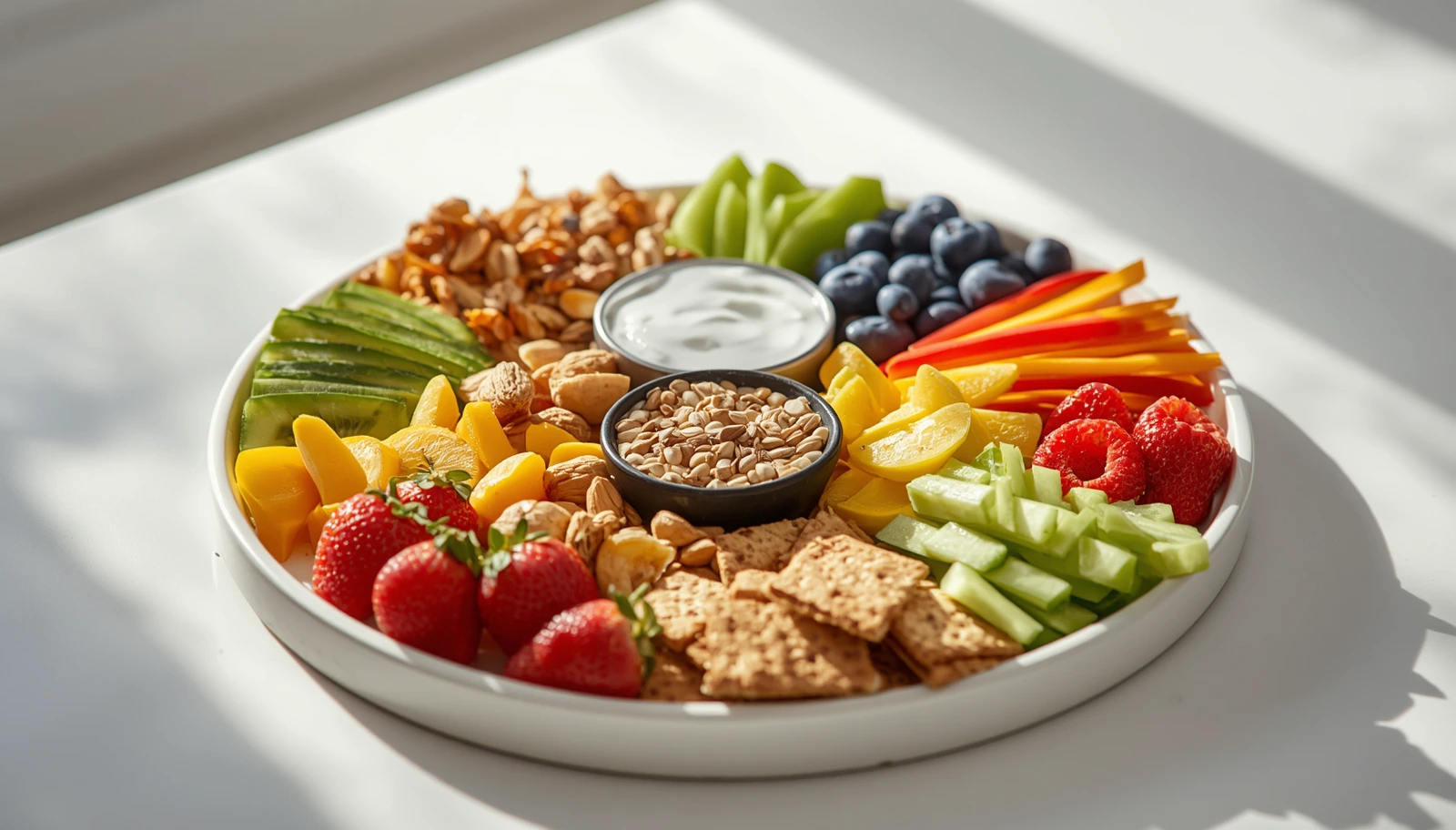
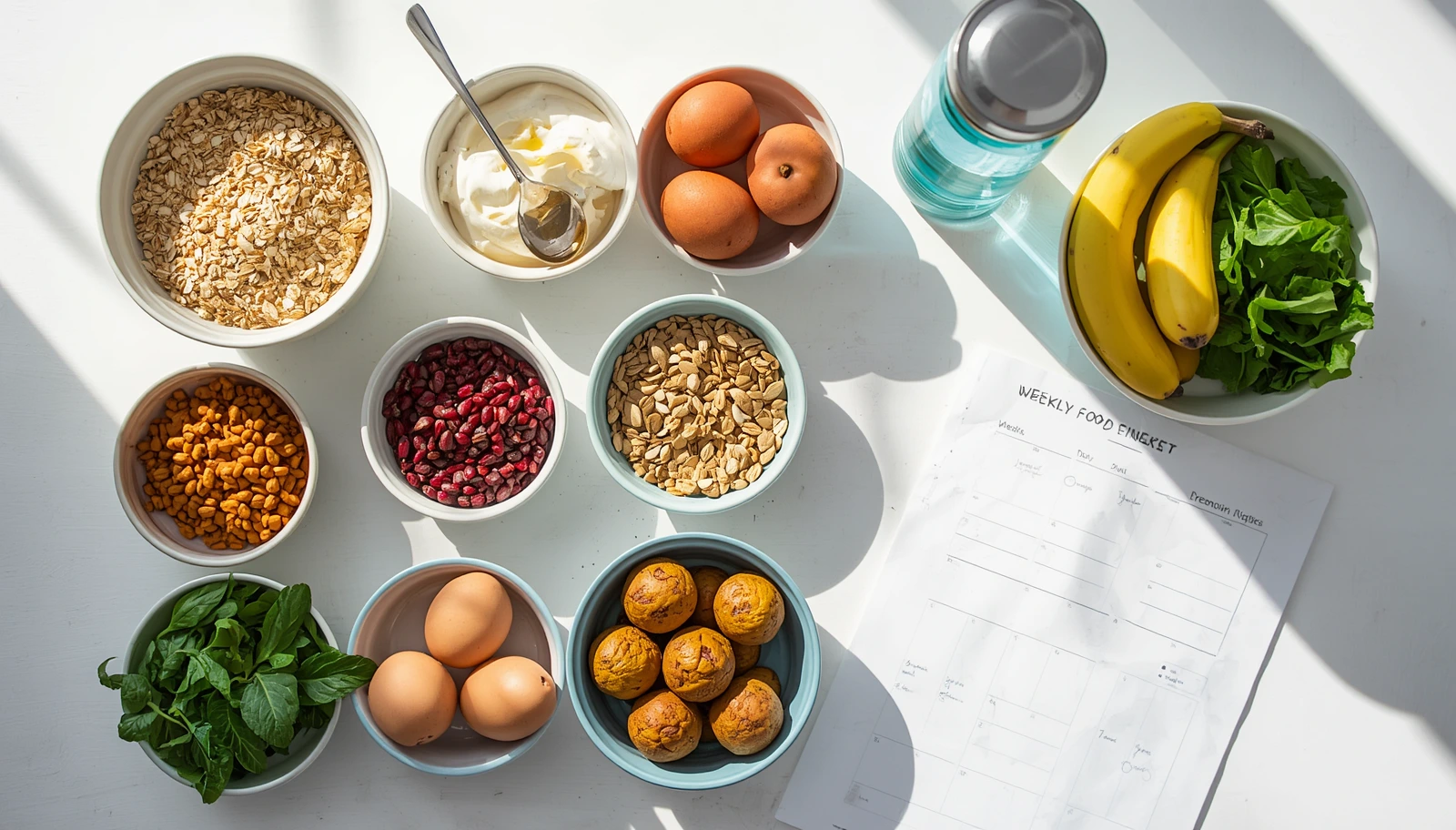
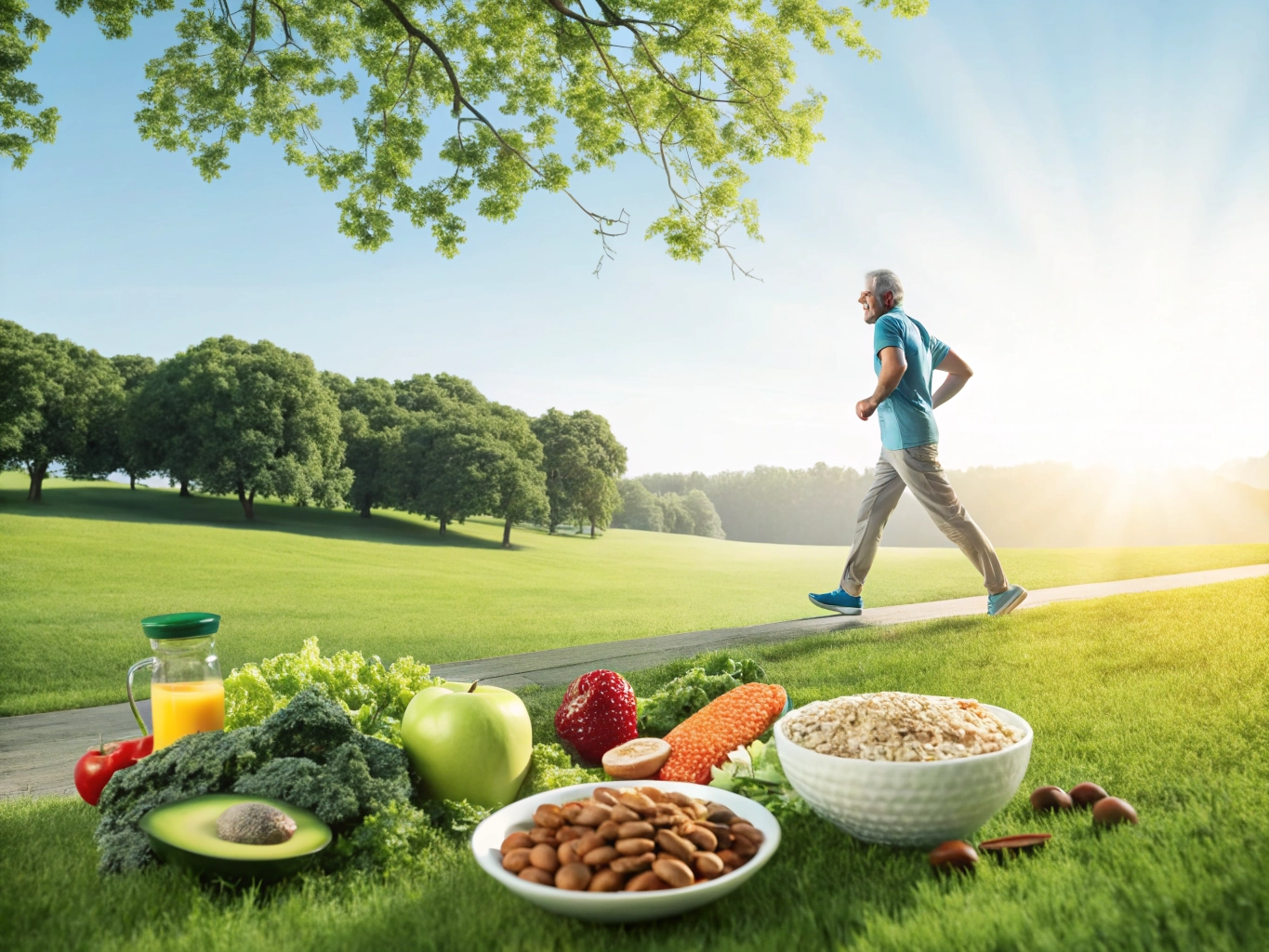
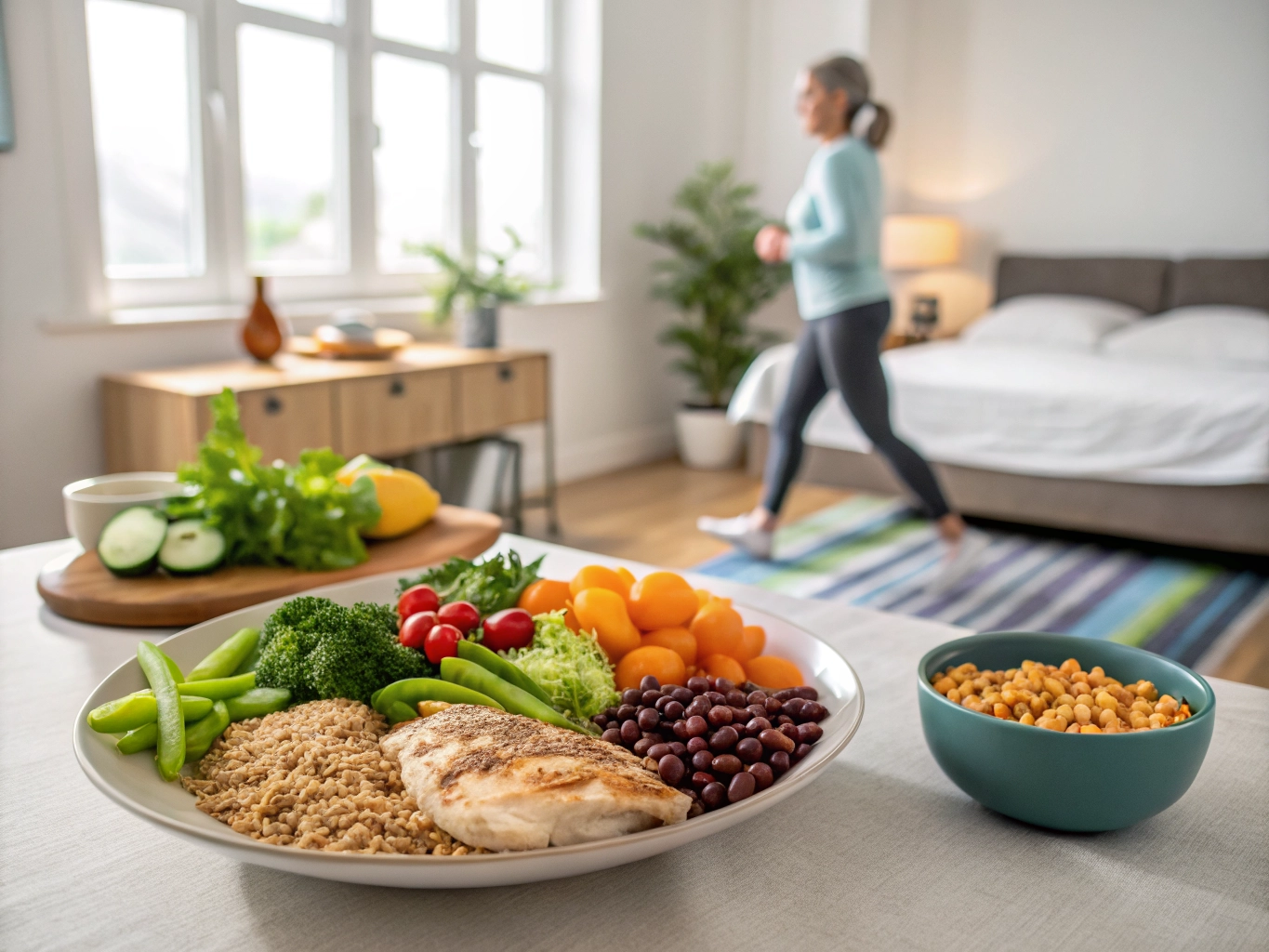
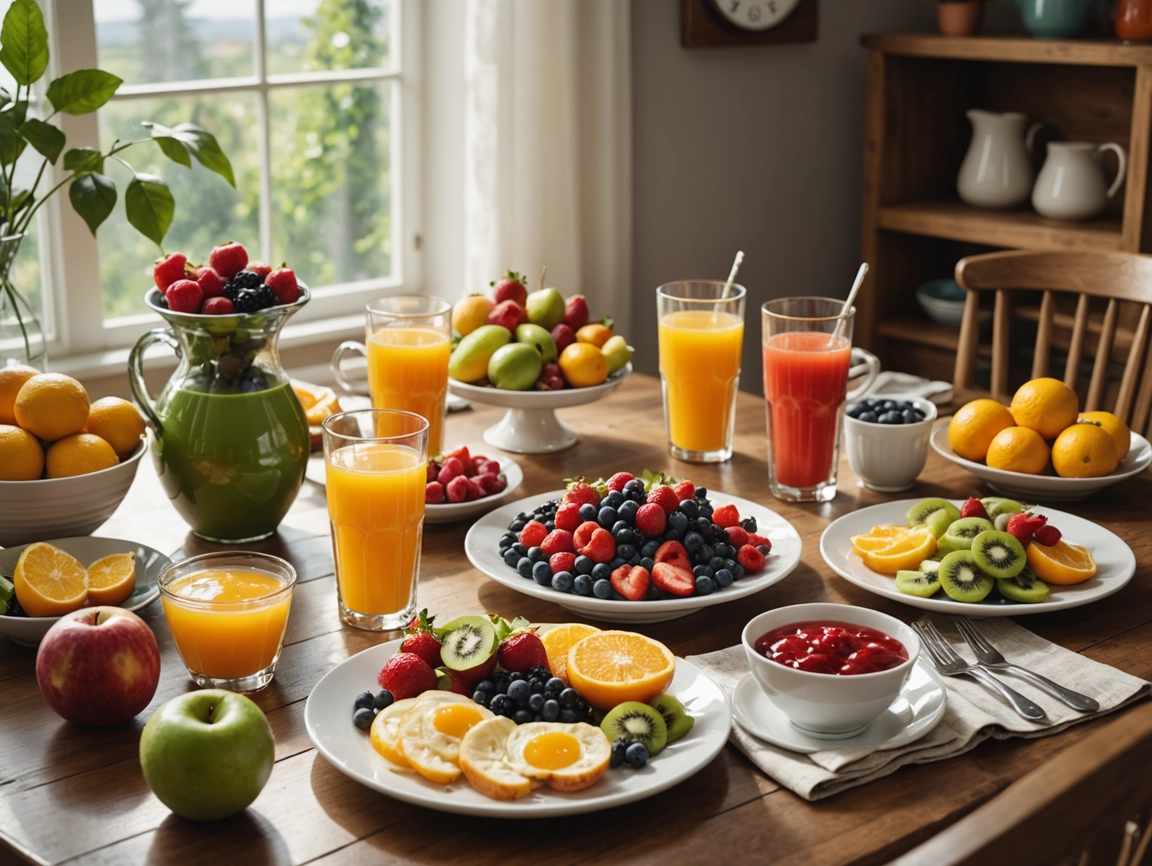
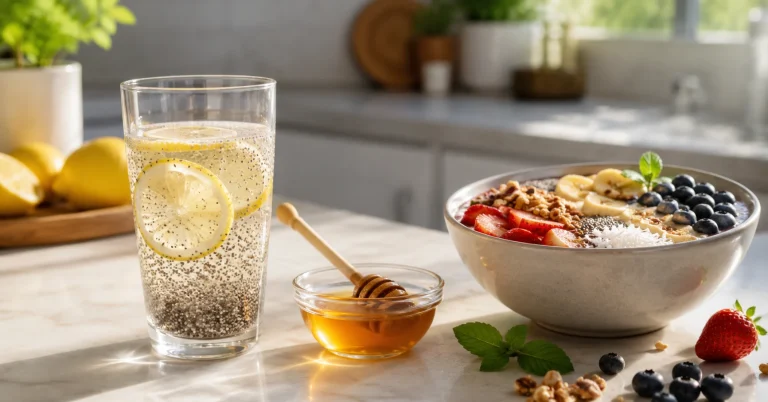
Healthy snacking can support energy, focus, nutrition, and better eating habits between meals.
Importance of Snacking becomes especially relevant during National Nutrition Month 2026 because many people struggle with low energy, long work hours, skipped meals, and unhealthy cravings. Snacking is often seen as a bad habit, but the truth is different. When done wisely, snacking can support energy, improve nutrient intake, reduce extreme hunger, and help people make better food choices during the day.
Healthy snacking does not mean eating chips, sweets, fried foods, or sugary drinks between meals. Instead, it means choosing balanced snacks that include protein, fiber, healthy fats, vitamins, minerals, and hydration. When combined with drinking enough water every morning and nutritious meals, healthy snacks become an important part of long-term wellness.
This WordPress-ready guide explains the importance of snacking, why National Nutrition Month 2026 is a good time to discuss healthy snacks, how to choose better snack options, common mistakes to avoid, and simple snack ideas for kids, students, working adults, and families.
Quick Answer: Why Is Snacking Important?
Snacking is important when it helps fill nutrition gaps, prevents extreme hunger, supports steady energy, improves focus, and adds healthy nutrients to the diet. A good snack should include protein, fiber, or healthy fat instead of only sugar or refined carbohydrates. Healthy snacking works best when it supports balanced meals rather than replacing them.
National Nutrition Month 2026 and the Importance of Snacking
National Nutrition Month 2026 is a useful opportunity to raise awareness about better eating habits, balanced meals, and smarter food choices. If the campaign is observed from 01 to 30 June 2026 on your website, the month can be used to educate readers about practical nutrition habits that fit real life.
According to the World Health Organization, a healthy diet should include fruits, vegetables, legumes, nuts, and whole grains. Snacking is an important topic for this awareness campaign because many people snack daily but do not always choose nutrient-rich foods.
Instead of promoting strict dieting, National Nutrition Month content should encourage realistic habits such as adding fruits, nuts, seeds, curd, vegetables, whole grains, and protein-rich foods to daily routines. For a broader healthy lifestyle approach, readers can also visit Health and Wellness: A Complete Guide.
What Is Snacking?
Snacking means eating a small amount of food between main meals. Snacks can be healthy or unhealthy depending on what you choose, how much you eat, and why you are eating.
A healthy snack provides useful nutrients and helps maintain energy. An unhealthy snack may add excess sugar, salt, unhealthy fats, and calories without providing lasting fullness or nutrition. Balanced snacks work even better with a nutritious breakfast, so explore High-Protein Breakfast Ideas for better morning nutrition.
Healthy Snack Examples
Fruit with nuts or seeds
Curd or yogurt with berries
Roasted chana or makhana
Boiled eggs
Sprouts salad
Vegetable sticks with hummus
Whole-grain toast with peanut butter
Paneer or tofu cubes with salad
Importance of Snacking for Daily Energy
The importance of snacking depends on snack quality. A balanced snack can prevent sudden hunger, reduce overeating at the next meal, support blood sugar stability, and keep energy more consistent during busy days.
If you constantly feel tired during the day, improving your snack choices together with our 5-Day Food Reset for Natural Energy may help. Fruit with nuts, yogurt with seeds, or roasted chana with water can provide steadier energy than sweets or refined snacks.
Benefits of Healthy Snacking During National Nutrition Month 2026
Healthy snacking is more than eating something between meals. It is an opportunity to provide your body with essential nutrients that support energy, concentration, digestion, and overall health.
Research from the World Health Organization highlights that a healthy diet should include plenty of fruits, vegetables, legumes, whole grains, and nuts. Healthy snacks make it easier to meet these recommendations throughout the day.
Healthy Snacking Supports Energy
Balanced snacks can help maintain energy between meals, especially during long gaps. Snacks with protein, fiber, and healthy fats digest more slowly and may prevent energy crashes.
Healthy Snacks Can Improve Focus
Long gaps without food may make some people feel tired, distracted, or irritable. A smart snack can support concentration during work, study, travel, or exercise.
Snacking Can Add Nutrients
Snacks are a chance to add fruits, vegetables, nuts, seeds, yogurt, whole grains, and protein to your diet. These foods provide vitamins, minerals, antioxidants, and fiber.
Smart Snacking May Reduce Overeating
When people become extremely hungry, they may eat too quickly or choose less healthy foods. A planned snack can reduce that problem.
Importance of Snacking for Better Energy Levels
One of the biggest benefits of healthy snacking is maintaining steady energy throughout the day. Long gaps between meals may leave some people feeling tired, irritable, or distracted. A balanced snack that includes protein, fiber, and healthy fats provides a slower release of energy than sugary foods.
Good examples include Greek yogurt with berries, apple with peanut butter, roasted chickpeas, mixed nuts and seeds, cottage cheese with cucumber, and whole-grain crackers with hummus. If you are looking for more energy-supporting meal ideas, read Best Foods for Gut Health.
Healthy Snacking Supports Brain Function
Your brain requires a continuous supply of nutrients to function efficiently. Skipping meals or relying on sugary snacks may cause rapid changes in blood sugar levels that affect concentration and productivity.
Balanced snacks containing protein, complex carbohydrates, and healthy fats help provide more stable energy for the brain. Nutritious snacks may improve concentration during work. Read our Productivity Tips for more practical ways to improve focus throughout the day.
Healthy Snacking Supports Digestive Health
Fiber-rich snacks help support healthy digestion while feeding beneficial gut bacteria. Good examples include apples, pears, carrots, cucumbers, berries, roasted chickpeas, oats, chia seeds, and flaxseeds.
Healthy snacking can also support heart health when you choose nutrient-dense foods instead of highly processed options. Foods such as almonds, walnuts, pistachios, oats, fresh fruits, vegetables, legumes, and seeds provide fiber, healthy fats, vitamins, and minerals that fit into a heart-friendly eating pattern.
Healthy snacks containing nuts, fruits, and whole grains may complement heart-friendly eating habits discussed in Simple Ways to Improve Heart Health.
Importance of Snacking for Better Blood Sugar Balance
Balanced snacks may help reduce sudden hunger and support steadier blood sugar levels when they include protein, fiber, and healthy fats. While individual responses vary, pairing carbohydrates with protein often provides longer-lasting fullness than eating sugary foods alone.
Apple with peanut butter
Greek yogurt with berries
Whole-grain crackers with hummus
Boiled eggs with vegetables
Roasted chickpeas
Mixed nuts and seeds
People living with diabetes or other medical conditions should follow personalized advice from their healthcare provider or registered dietitian before changing eating habits.
Importance of Snacking Before and After Exercise
People who exercise regularly may benefit from planned snacks before or after physical activity. A small snack before exercise can provide energy, while a balanced snack afterward may help replenish nutrients and support muscle recovery.
Pre-Workout Snack Ideas
Banana with peanut butter
Whole-grain toast with almond butter
Fruit smoothie with yogurt
Dates with a few almonds
Post-Workout Snack Ideas
Greek yogurt with fruit
Protein-rich smoothie
Boiled eggs with whole-grain toast
Paneer with vegetables
Sprouts salad
A short walk after eating may also support digestion.
Healthy Snacking vs Unhealthy Snacking
Healthy snacking is planned, balanced, and nutrient-rich. Unhealthy snacking is often impulsive, distracted, and based on highly processed foods.
Healthy Snacking
Unhealthy Snacking
Fruit with nuts
Sugary candy
Curd with seeds
Sweetened drinks
Roasted chana
Deep-fried packaged snacks
Vegetable sticks
Refined flour biscuits
Boiled eggs or paneer
High-sugar desserts daily
Unhealthy snacks are not forbidden forever. However, they should not become your main source of energy between meals.
Best Healthy Snack Ideas for National Nutrition Month 2026
Here are simple snack ideas that support better nutrition during National Nutrition Month 2026 and beyond.
Protein-Rich Snack Ideas
Boiled eggs with black pepper
Greek yogurt with chia seeds
Paneer cubes with cucumber
Tofu bites with salad
Roasted chickpeas
Sprouts chaat
Fiber-Rich Snack Ideas
Apple with peanut butter
Carrot sticks with hummus
Fruit bowl with seeds
Whole-grain toast with avocado
Roasted makhana
Oats-based snack bowl
Seeds are nutrient-rich snacks. Explore Pumpkin Seeds Benefits. Bananas are also convenient snacks, and you can learn more in Best Time to Eat Banana.
Importance of Healthy Snacking for Kids
Children often need snacks because they have smaller stomachs and high energy needs. Healthy snacks can support growth, learning, play, and concentration.
Fruit slices with peanut butter
Curd with banana
Vegetable sandwich on whole-grain bread
Homemade popcorn without excess butter
Milk with nuts if age-appropriate
Idli, dhokla, or homemade poha in small portions
Parents should encourage water instead of sugary beverages and limit highly processed snack foods whenever possible.
Importance of Snacking for Students
Students need steady energy for classes, homework, exams, sports, and long study sessions. A balanced snack can reduce hunger and support concentration.
Banana with nuts
Roasted chana
Curd with fruit
Whole-grain sandwich
Boiled egg
Trail mix with nuts and seeds
Students preparing for exams may also benefit from our article on Productivity Tips.
Healthy Snacking for Working Adults
Working adults often snack because of long meetings, stress, travel, or skipped meals. Planning snacks can prevent vending-machine choices and late-evening overeating.
The importance of snacking varies throughout life because nutritional needs change with age, activity level, and overall health. Choosing balanced snacks can help children, teenagers, adults, and older adults meet daily nutrient needs while maintaining steady energy.
Importance of Snacking for Teenagers
Teenagers often have increased energy and nutrient needs because of growth, school, sports, and other daily activities. Healthy choices include Greek yogurt with berries, mixed nuts and seeds, fruit smoothies without added sugar, sprouts salad, paneer wraps, and oats with milk and fruit.
Importance of Snacking for Older Adults
Older adults may have smaller appetites or specific nutritional needs. Healthy snacks can help increase protein, calcium, fiber, vitamins, and minerals without requiring large meals. Maintaining hydration is equally important, so read Benefits of Drinking Water in the Morning.
Snacking and Weight Management
Snacking can either support or harm weight management. It depends on snack choice, portion size, hunger level, and total daily intake.
Balanced snacks may support portion control and healthier eating patterns alongside our guide on How to Improve Yourself Every Day. Healthy snacks may reduce extreme hunger and help people avoid overeating later. However, frequent high-calorie snacks, sugary drinks, and distracted eating can increase calorie intake without improving fullness.
Choose protein or fiber-rich snacks.
Use small bowls instead of eating from packets.
Avoid snacking while scrolling or watching TV.
Drink water before snacking if you may be thirsty.
Plan snacks instead of eating impulsively.
Mindful Snacking Habits
Healthy snacking is not only about what you eat but also how you eat. Mindful eating encourages paying attention to hunger, fullness, and food choices.
Eat without distractions whenever possible.
Avoid eating directly from large packages.
Notice hunger and fullness cues.
Choose snacks because you are hungry, not simply because you are bored or stressed.
Packaged snacks are not always unhealthy, but reading nutrition labels helps you make better choices. Look for products with lower amounts of added sugar, sodium, and saturated fat while providing fiber or protein.
Serving size
Calories per serving
Protein content
Fiber content
Added sugar
Sodium
Ingredient list
The fewer highly processed ingredients, the better in many cases.
Common Snacking Mistakes to Avoid
Choosing sugary snacks too often
Eating directly from large packets
Snacking because of boredom, not hunger
Skipping meals and overeating snacks later
Drinking sugary beverages with snacks
Ignoring protein and fiber
Eating late-night snacks without planning
Poor sleep often affects appetite and food choices. Improve your routine with Healthy Sleep Habits.
Simple Healthy Snacking Plan
Time
Snack Option
Why It Helps
Mid-morning
Fruit with nuts
Provides fiber, healthy fats, and steady energy
Afternoon
Curd with seeds
Adds protein, calcium, and probiotics
Pre-workout
Banana with peanut butter
Provides carbohydrates and healthy fat
Evening
Roasted chana or makhana
Better alternative to fried snacks
Many readers also enjoy starting the day with Lemon Turmeric Water Benefits. Healthy nutrition also supports healthy hair, so you can read Best Foods for Hair Growth.
AI Overview: Importance of Snacking
The importance of snacking depends on the quality and timing of snacks. Healthy snacks can support energy, improve nutrient intake, reduce extreme hunger, and help maintain focus between meals. Good snacks usually include protein, fiber, healthy fats, fruits, vegetables, nuts, seeds, yogurt, or whole grains. Unhealthy snacking often involves excess sugar, salt, refined carbohydrates, and highly processed foods.
Featured Snippet: What Makes a Snack Healthy?
A healthy snack contains useful nutrients and helps maintain energy between meals. Good options include fruit with nuts, yogurt with seeds, roasted chana, vegetable sticks with hummus, boiled eggs, sprouts, and whole-grain snacks. The best snacks combine protein, fiber, or healthy fat instead of relying only on sugar or refined carbohydrates.
Continue your wellness journey by visiting our Health Section for more evidence-based nutrition and wellness articles.
FAQs About the Importance of Snacking
What is the importance of snacking?
Snacking is important when it supports energy, reduces extreme hunger, adds nutrients, and helps people make better food choices between meals.
Is snacking healthy or unhealthy?
Snacking can be healthy or unhealthy depending on food choice, portion size, and frequency. Nutrient-rich snacks are better than sugary or highly processed snacks.
What are the best healthy snacks?
Good healthy snacks include fruits, nuts, seeds, yogurt, roasted chana, makhana, vegetable sticks, hummus, boiled eggs, sprouts, and whole-grain snacks.
Can snacking help with weight management?
Healthy snacks may reduce extreme hunger and help prevent overeating. However, frequent high-calorie processed snacks can increase total calorie intake.
What makes a snack balanced?
A balanced snack usually includes protein, fiber, or healthy fat. Examples include fruit with nuts, yogurt with seeds, or vegetables with hummus.
How many snacks should I eat per day?
The right number depends on your meal timing, activity level, hunger, and health goals. Many people do well with one or two planned snacks.
Are packaged snacks always unhealthy?
Not always. Some packaged snacks can be healthy if they are low in added sugar, sodium, and unhealthy fats and contain useful nutrients.
What snacks are good for students?
Students can choose banana with nuts, curd with fruit, roasted chana, boiled eggs, whole-grain sandwiches, or trail mix in small portions.
Importance of Snacking is not about eating more food all day. It is about choosing smart, balanced snacks that support energy, focus, nutrition, and better eating habits. National Nutrition Month 2026 is a good opportunity to help readers understand the difference between unhealthy snacking and healthy snacking.
Healthy snacks can include fruits, nuts, seeds, yogurt, sprouts, roasted chana, vegetables, whole grains, eggs, paneer, tofu, and other nutrient-rich foods. These choices can help reduce energy crashes, prevent extreme hunger, and support overall wellness.
The Academy of Nutrition and Dietetics encourages building sustainable eating habits rather than following restrictive diets. Combined with regular exercise, proper hydration, quality sleep, and balanced meals, healthy snacking becomes a simple habit that supports lifelong wellness.