Mehak
Mehak 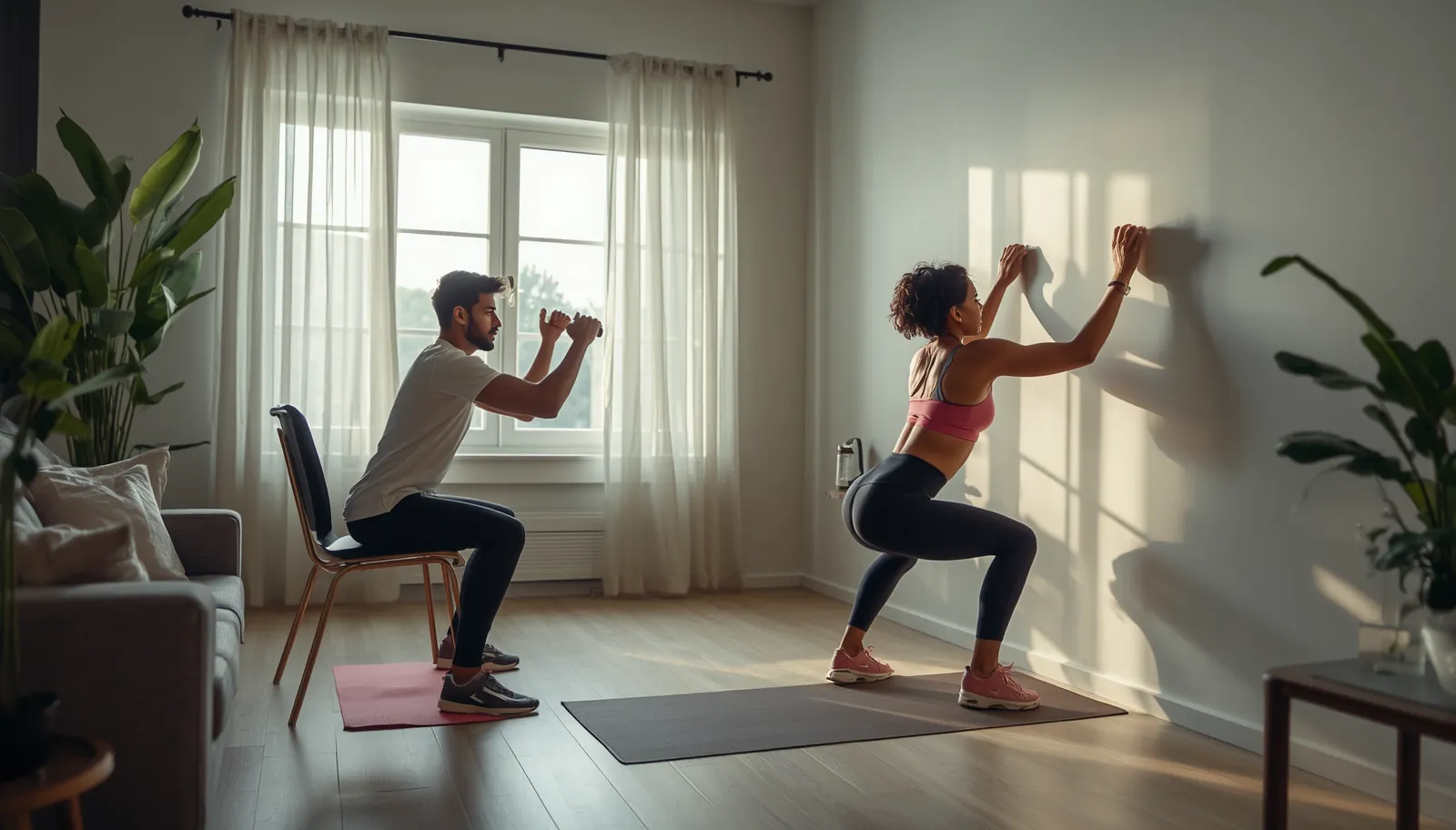
A beginner-friendly 15-minute home workout in India featuring no-equipment exercises like chair squats, wall push-ups, marching in place, and bird-dog to improve strength, mobility, and overall fitness.
This 15-minute home workout combines mobility, lower-body strength, pushing, core stability and low-impact cardio in a small space. Begin with the easiest version, protect good form and progress gradually.
Quick answer: What is a good 15-minute home workout?
Warm up for three minutes, then complete two rounds of five movements: chair squat, wall push-up, supported reverse lunge or sit-to-stand, marching in place and bird-dog. Work for 40 seconds, rest for 20 seconds, and cool down for two minutes. Use a stable chair and stop for pain, dizziness, chest discomfort or unusual breathlessness.
Fifteen minutes is not a magic workout length. It is useful because it lowers the barrier to starting and can contribute to weekly activity. Adults are generally encouraged to work toward at least 150 minutes of moderate aerobic activity each week and muscle-strengthening activity on at least two days.
Before you begin: Clear the floor, check that the chair cannot slide, wear secure footwear if needed and keep water nearby. Do not exercise on a slippery rug or next to sharp furniture.
The complete 15-minute workout
3 min
Gentle warm-up and movement preparation.
10 min
Five exercises completed for two rounds.
2 min
Slow movement and comfortable cool-down.
0 equipment
Only a wall and stable chair are optional.
Minutes 0–3: Warm-up
- 60 seconds: Easy marching in place.
- 30 seconds: Shoulder rolls and gentle arm circles.
- 30 seconds: Hip hinges with hands on thighs.
- 30 seconds: Alternating heel taps in front.
- 30 seconds: Slow chair squats or sit-to-stands.
The warm-up should raise temperature slightly without exhausting you. Move within a comfortable range rather than forcing deep stretches.
Minutes 3–13: Two-round circuit
Perform each movement for 40 seconds, then rest or transition for 20 seconds. Complete all five exercises and repeat once.
| Exercise | Beginner version | Main areas |
|---|---|---|
| Chair squat | Sit down with control and stand using the chair | Thighs, hips and glutes |
| Wall push-up | Hands on wall; move chest toward wall | Chest, shoulders and arms |
| Supported reverse lunge | Hold chair; or repeat sit-to-stands | Legs, hips and balance |
| March in place | Low knees and comfortable arm movement | Cardio and coordination |
| Bird-dog | From hands and knees; move one limb at a time | Core, back and control |
Minutes 13–15: Cool-down
- Walk slowly in place for one minute.
- Take comfortable breaths without forcing deep inhalations.
- Use gentle calf, chest or hip stretches if they feel good.
How to perform each movement safely
Chair squat
Stand in front of a stable chair with feet around hip-to-shoulder width. Send the hips back, bend the knees and touch the chair with control. Push through the whole foot to stand. Use a higher seat or hands for assistance if needed.
Wall push-up
Place hands on a wall slightly wider than shoulders. Keep the body in a straight comfortable line, bend the elbows and bring the chest toward the wall. Press away. Step closer to make it easier.
Supported reverse lunge
Hold a stable support. Step one foot back, lower only as far as comfortable and return. If balance or knee comfort is a concern, use a split-stance mini bend or another set of chair squats.
March in place
Stand tall and lift one foot at a time. Keep the knees low for less impact. Increase arm movement or pace only when you can talk in short sentences without distress.
Bird-dog
From hands and knees, brace gently and slide one leg back. Add the opposite arm only if the torso stays controlled. Use a folded mat for knee comfort or perform a standing version with hands on a wall.
No-jumping, knee-friendly alternatives
| Original movement | Lower-impact option |
|---|---|
| Fast march or high knees | Heel taps while holding a chair |
| Reverse lunges | Shallow sit-to-stands or standing leg extensions |
| Floor bird-dog | Standing opposite arm-and-leg reach at a wall |
| Full squat | Partial-range squat to a higher chair |
| Floor push-up | Wall or kitchen-counter push-up |
“Knee-friendly” is individual. Mild muscle effort is expected; sharp pain, joint instability or increasing symptoms are signals to stop and modify.
How hard should the workout feel?
For a beginner, aim for light-to-moderate effort. During moderate activity, breathing becomes faster but conversation remains possible. Use a 0–10 effort scale and begin around 3–5 rather than trying to reach maximum intensity.
Good form should remain stable. If technique breaks down, slow the pace, reduce range, use the easier variation or extend rest.
A realistic weekly workout plan
Begin with recovery between sessions
- Monday: 15-minute home workout.
- Tuesday: Easy walk or mobility.
- Wednesday: 15-minute home workout.
- Thursday: Rest or light activity.
- Friday: 15-minute home workout.
- Saturday: Longer walk, cycling, yoga or enjoyable activity.
- Sunday: Rest and review.
This schedule does not automatically meet every aerobic or strengthening guideline. Add activity gradually according to your fitness, recovery and health.
How to progress after two weeks
- First, improve movement control and consistency.
- Then increase work from 40 to 45 seconds.
- Add a third circuit only when recovery is good.
- Move wall push-ups to a lower surface.
- Increase squat or lunge range gradually.
- Add a light resistance band or household load only when safe.
Change one variable at a time. More speed, range, rounds and load added together can increase soreness and injury risk.
What can a 15-minute workout improve?
Short home workouts can contribute to strength, balance, coordination, cardiovascular activity and reduced sedentary time. Repeated sessions may also support mood, sleep and everyday function as part of regular physical activity.
Results depend on intensity, exercise selection, frequency, nutrition, sleep, health and progression. Fifteen minutes alone does not guarantee major weight loss, visible abs or complete fitness.
Can this workout help with weight loss?
It can add energy expenditure and preserve or build some muscle when progressed appropriately. However, body-weight change is influenced by food intake, total weekly activity, sleep, medicines and health conditions. Most people need a broader, sustainable plan.
Do not use exercise to punish yourself for eating. Build strength and activity while using a balanced nutrition plan.
How to exercise in a small Indian home
- Use a space long enough to lie down only if floor exercises are included.
- Replace floor work with standing variations when space is limited.
- Use low-impact marching to reduce noise for neighbours.
- Exercise near a wall for balance support.
- Avoid balconies, wet tiles and unstable plastic stools.
- During extreme heat, use ventilation, reduce intensity and choose a cooler time.
Who should get medical guidance first?
Moderate activity is safe for most people, but seek individual advice if you have heart or lung disease, uncontrolled blood pressure, frequent fainting, severe joint disease, a recent operation, pregnancy complications, foot ulcers, major balance problems or another exercise restriction.
Stop and seek urgent help for chest pressure, fainting, severe or unusual breathlessness, sudden weakness or pain spreading to the arm, back, neck or jaw. Stop and arrange assessment for persistent joint pain, swelling or neurological symptoms.
Common home-workout mistakes
| Mistake | Better approach |
|---|---|
| Copying advanced speed | Use controlled repetitions and an easier variation. |
| Skipping the warm-up | Prepare the same joints and patterns used in the circuit. |
| Holding the breath | Breathe continuously; exhale during the harder phase. |
| Training hard every day | Include recovery and vary intensity. |
| Using an unstable chair | Place a solid chair against a wall. |
| Ignoring sharp pain | Stop, modify and seek assessment if it persists. |
The bottom line
This 15-minute home workout India plan offers a practical mix of strength, stability and low-impact cardio without equipment. Begin with two controlled rounds, use the easiest safe variation and allow recovery.
Build toward a larger weekly activity plan rather than expecting one short circuit to provide every fitness benefit.
Related guides: post-meal walking benefits, how to sleep better, diabetes plate guide and goal-setting techniques.
Frequently asked questions
Is a 15-minute home workout effective?
Yes, it can improve activity and fitness when performed consistently and progressed, but it may not meet the complete weekly exercise target alone.
Can beginners do this workout every day?
Beginners often benefit from recovery days. Light movement can be daily, while harder strength sessions may need space between them.
Can I do the workout without jumping?
Yes. Marching, heel taps, chair squats, wall push-ups and standing core work can keep it low impact.
Will 15 minutes help with weight loss?
It adds activity, but meaningful weight loss usually requires a broader nutrition and activity plan.
Do I need equipment?
No. A wall and a stable chair are enough for the beginner routine.
What if I have knee pain?
Use a smaller range and supported alternatives. Stop for sharp or worsening pain and seek professional assessment.
What is the best time for a home workout?
The best time is one you can repeat and that feels comfortable. Avoid exercising immediately after a heavy meal.
Sources and further reading
- CDC: Adult physical activity guidelines
- CDC: What counts as adult physical activity
- WHO: Physical activity fact sheet
- CDC: Activity with chronic conditions and disabilities
Medical note: This workout provides general education and does not replace individual exercise or rehabilitation advice.
About the Author