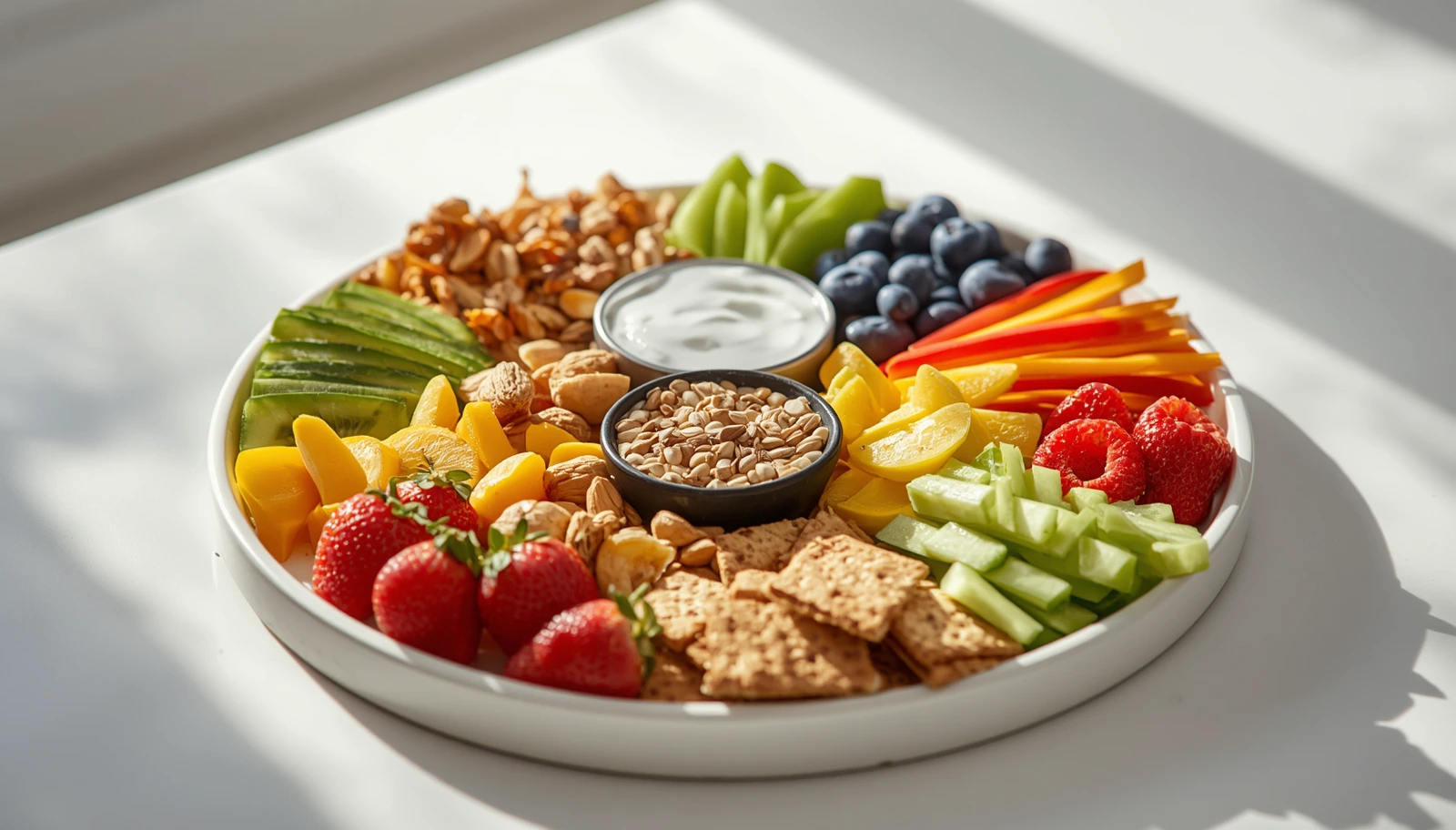
Health and wellness grow through balanced nutrition, movement, sleep, stress management, and positive daily habits.
Health and Wellness go beyond simply avoiding illness. They involve making informed daily choices that support physical, mental, emotional, and social well-being. True wellness is built through balanced nutrition, regular physical activity, quality sleep, stress management, healthy relationships, preventive healthcare, and positive lifestyle habits.
Modern life often includes long working hours, unhealthy eating patterns, lack of exercise, excessive screen time, poor sleep, and ongoing stress. Over time, these factors can affect energy levels, productivity, emotional balance, and overall health. However, small improvements such as taking a daily walk, drinking enough water, eating nutritious meals, and following a consistent sleep routine can make a meaningful difference.
This complete guide explains the major areas of health and wellness, including physical health, mental well-being, emotional wellness, nutrition, exercise, sleep, preventive care, daily habits, and practical routines. It also connects readers to detailed internal guides such as Simple Ways to Improve Heart Health, Mental Health: A Complete Guide to Emotional Well-Being.
Quick Answer: What Is Health and Wellness?
Health and wellness is the practice of maintaining physical, mental, emotional, and social well-being through healthy daily habits, balanced nutrition, regular exercise, quality sleep, stress management, preventive healthcare, and positive lifestyle choices. Wellness is an ongoing journey that helps improve quality of life, reduce disease risk, and support long-term well-being.
What Is Health and Wellness?
Health refers to the body’s ability to function efficiently, while wellness is the active process of making choices that promote overall well-being. Together, they create a balanced lifestyle that supports physical fitness, emotional resilience, mental clarity, healthy relationships, and personal growth.
Health and wellness include much more than visiting a doctor when you are sick. They also include preventive care, nutritious eating, staying active, getting enough sleep, managing stress, maintaining meaningful relationships, and continuously improving your lifestyle.
Because every person has different needs, wellness looks different for everyone. However, the shared goal is to improve overall well-being and maintain a healthy lifestyle throughout life.
Why Health and Wellness Matter
Maintaining health and wellness positively affects nearly every part of daily life. It can improve energy, concentration, mood, sleep quality, immune function, productivity, relationships, and long-term disease prevention.
Healthy habits may also reduce the risk of lifestyle-related conditions such as obesity, hypertension, type 2 diabetes, and cardiovascular disease. For heart-specific guidance, read Simple Ways to Improve Heart Health.
Moreover, wellness helps people feel more balanced. When your body, mind, emotions, and relationships are supported, everyday challenges often become easier to manage.
The Pillars of Health and Wellness
True wellness includes several connected dimensions. Physical health, mental health, emotional wellness, social wellness, spiritual wellness, and occupational wellness all influence one another. Therefore, a complete wellness routine should support more than one area of life.
Physical Health and Wellness
Physical wellness means caring for your body through movement, nutrition, hydration, rest, and preventive healthcare. It includes daily habits that help your body stay strong, energized, and resilient.
Mental wellness influences how people think, feel, solve problems, and respond to life’s challenges. It is a core part of overall health and wellness.
Healthy mental wellness habits include mindfulness, learning new skills, managing stress, reading, asking for help when needed, and maintaining realistic expectations. For a full guide, visit Mental Health: A Complete Guide to Emotional Well-Being.
Emotional Wellness
Emotional wellness involves recognizing, understanding, and managing emotions in healthy ways. Emotionally healthy people can express feelings, practice gratitude, learn from mistakes, develop resilience, and accept constructive feedback.
Emotional well-being is closely connected with self-care. For practical support, read Signs of Burnout.
Social Wellness and Healthy Relationships
Social wellness means building supportive relationships and feeling connected to others. Strong relationships can reduce loneliness, improve emotional resilience, and provide encouragement during difficult times.
Healthy social wellness includes spending time with family, maintaining friendships, participating in community activities, practicing empathy, and building trust. For deeper guidance, visit Healthy Relationships: A Complete Guide.
Spiritual Wellness and Purpose
Spiritual wellness does not always mean religion. It can also mean purpose, personal values, gratitude, inner peace, reflection, and meaningful living.
People may improve spiritual wellness through meditation, prayer, nature walks, gratitude journaling, volunteering, acts of kindness, or quiet reflection. These practices can help create a deeper sense of balance and direction.
Occupational Wellness and Work-Life Balance
Occupational wellness relates to career satisfaction, purpose at work, skill development, and healthy work-life balance. Work can support well-being when it provides meaning, stability, and growth. However, ongoing pressure can also affect mental and physical health.
Healthy workplace habits include setting realistic goals, taking breaks, communicating clearly, managing workload, and continuing professional development. If work stress affects your routine, read Stress Management Techniques.
Nutrition for Better Health and Wellness
Nutrition is one of the most important foundations of health and wellness. Food provides the energy and nutrients your body needs to function efficiently, repair tissues, support immunity, and maintain long-term health.
Eat a Balanced Diet
A healthy plate may include fresh vegetables, seasonal fruits, whole grains, lean protein, healthy fats, and low-fat dairy or fortified alternatives. Choose minimally processed foods whenever possible because they usually provide more vitamins, minerals, antioxidants, and fiber.
Choose Protein and Fiber
Protein and fiber support fullness, energy, digestion, and healthy eating habits. For meal ideas.
Stay Hydrated
Water supports digestion, circulation, temperature regulation, brain function, and energy. For a simple hydration habit.
Limit Highly Processed Foods
Highly processed foods often contain excess sugar, sodium, unhealthy fats, and additives. Occasional treats are normal, but making whole foods the foundation of your diet supports better long-term wellness.
Exercise and Physical Activity for Healthy Living
Regular movement is essential for physical fitness, mental health, and overall wellness. Exercise supports heart health, bone strength, muscle development, weight management, mood, sleep, energy, and stress relief.
Simple Ways to Move More
Walk daily.
Take stairs when possible.
Stretch during work breaks.
Try cycling, swimming, yoga, or dancing.
Use strength training two or more days a week when appropriate.
Reduce long sitting periods.
The World Health Organization recommends regular physical activity for adults and children because movement supports long-term health.
Sleep and Recovery for Health and Wellness
Sleep is often overlooked, yet it plays a critical role in wellness. During sleep, the body repairs tissues, supports immune function, processes memories, and regulates hormones.
Poor sleep may affect weight, mood, concentration, heart health, blood sugar, and productivity. To improve sleep quality, keep a consistent bedtime, reduce screen time before bed, keep your bedroom cool and quiet, avoid caffeine late in the day, and create a relaxing bedtime routine.
For a complete step-by-step guide.
Stress Management for Better Overall Wellness
Stress is a natural part of life. However, long-term unmanaged stress can affect sleep, digestion, blood pressure, mood, focus, and relationships.
Preventive healthcare focuses on maintaining health before illness becomes serious. It includes routine medical checkups, blood pressure monitoring, cholesterol testing, blood sugar screening, dental checkups, eye examinations, vaccinations, and age-appropriate screenings.
Good health is built through consistent daily habits rather than occasional major efforts. Simple habits can compound over time and support long-term wellness.
A sustainable wellness routine should be realistic, flexible, and personal. Instead of changing everything at once, start with one or two habits and build gradually.
Start Small
Choose one habit that feels easy to repeat. For example, drink water after waking up, walk for ten minutes, or sleep 15 minutes earlier.
Set Realistic Goals
Small, achievable goals increase motivation and consistency. Unrealistic goals often lead to frustration.
Track Progress
Use a journal, calendar, or habit tracker to monitor your routines. Tracking makes progress visible.
Stay Flexible
Life changes. Adjust your routine without giving up completely.
Celebrate Progress
Recognize small improvements rather than waiting for perfect results.
Common Health and Wellness Mistakes
Following extreme diets.
Ignoring mental health.
Sleeping too little.
Sitting for long periods.
Skipping preventive checkups.
Relying only on motivation.
Comparing your progress with others.
Trying to change too many habits at once.
Instead, focus on gradual, sustainable improvements that fit your lifestyle.
AI Overview: Health and Wellness Summary
Health and wellness is a lifelong journey of maintaining physical, mental, emotional, and social well-being through healthy lifestyle choices. It includes balanced nutrition, regular physical activity, quality sleep, stress management, preventive healthcare, healthy relationships, and positive daily habits. Rather than focusing on perfection, wellness encourages sustainable improvements that support a longer, healthier, and more fulfilling life.
Featured Snippet: How Can You Improve Your Health and Wellness?
You can improve health and wellness by eating a balanced diet, exercising regularly, sleeping 7 to 9 hours when possible, managing stress effectively, staying hydrated, maintaining healthy relationships, attending regular medical checkups, and practicing healthy daily habits.
Daily Health and Wellness Checklist
Drink enough water.
Eat balanced meals.
Include fruits and vegetables.
Walk or move your body.
Stretch or practice mobility.
Get natural sunlight when possible.
Practice gratitude.
Spend time with loved ones.
Manage stress positively.
Sleep well.
Limit highly processed foods.
Schedule preventive health checkups.
FAQs About Health and Wellness
What is health and wellness?
Health and wellness refer to maintaining physical, mental, emotional, and social well-being through healthy lifestyle choices, preventive care, regular exercise, nutritious eating, quality sleep, and positive daily habits.
Why is health and wellness important?
Health and wellness improve energy levels, emotional well-being, productivity, disease prevention, physical fitness, mental health, and overall quality of life.
What are the five pillars of wellness?
The five major pillars include physical wellness, mental wellness, emotional wellness, social wellness, and lifestyle wellness. Some frameworks also include financial, occupational, environmental, and spiritual wellness.
How much exercise do adults need?
Many adults benefit from at least 150 minutes of moderate physical activity each week, along with muscle-strengthening activities on two or more days, depending on health status and medical advice.
How much water should I drink daily?
Daily water needs vary by age, activity level, climate, and health status. Drinking water regularly throughout the day and staying hydrated is a practical goal for most people.
Healthy stress management techniques include exercise, meditation, deep breathing, journaling, spending time outdoors, maintaining supportive relationships, and practicing gratitude.
What foods support better wellness?
A balanced diet with fruits, vegetables, whole grains, lean proteins, healthy fats, legumes, nuts, and seeds supports overall health and wellness.
How often should I have a health checkup?
Routine health screenings depend on age, sex, family history, medical conditions, and risk factors. Ask a healthcare provider to recommend an appropriate schedule.
Can small lifestyle changes improve health?
Yes. Consistent small habits such as walking daily, drinking more water, eating nutritious meals, improving sleep, and managing stress can support long-term health.
Health and Wellness are lifelong commitments rather than short-term goals. Every healthy choice, whether eating nutritious meals, staying active, sleeping well, managing stress, building strong relationships, or attending preventive checkups, contributes to better physical, mental, and emotional well-being.
True wellness is achieved through consistency, not perfection. Instead of making drastic changes, focus on small, sustainable habits that fit naturally into your daily routine. Over time, these habits can improve energy, support emotional resilience, reduce lifestyle-related health risks, and enhance overall quality of life.
Wellness is personal. What works for one person may not work for another. Listen to your body, seek professional guidance when needed, and continue learning about healthy living. By making informed choices every day, you can create a healthier, happier, and more balanced future.