How to Boost Immunity Naturally: 12 Proven Daily Habits
 Mehak
Mehak 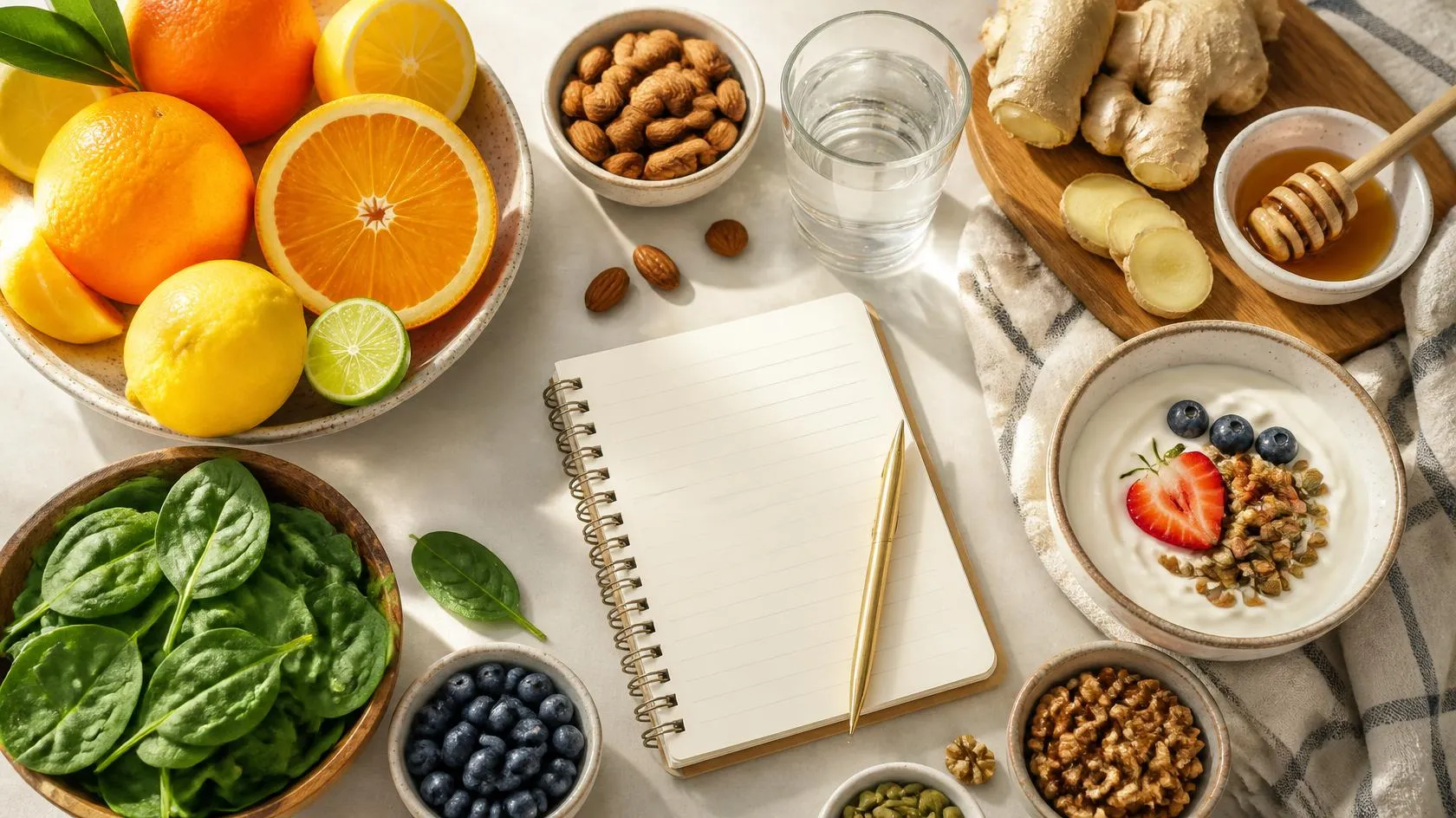
Simple daily habits and immune-boosting foods that support a stronger, healthier body.
What Does "Boosting Immunity" Actually Mean?
Your immune system isn't a single switch you can flip on. It's a complex network of cells, organs, and processes that need balance to work well. Rather than "boosting" immunity in a dramatic sense, the real goal is removing the everyday habits that weaken it, like poor sleep, chronic stress, and a poor diet, while supporting the ones that help it function properly.
12 Natural Ways to Strengthen Your Immune System
1. Prioritise 7–9 Hours of Sleep
Sleep is when your body repairs itself and produces infection-fighting proteins. Poor sleep is consistently linked with a higher chance of catching common illnesses. Keep a fixed bedtime and avoid screens 30 minutes before sleep.
2. Eat More Fruits and Vegetables
A diet rich in colourful fruits and vegetables supplies vitamin C, vitamin A, and antioxidants your immune cells rely on. Aim for at least five servings a day.
3. Move Your Body Daily
Moderate, regular exercise — even a 30-minute walk — improves circulation and helps immune cells travel through the body more efficiently. You don't need intense workouts; consistency matters more than intensity.
4. Manage Stress Proactively
Chronic stress raises cortisol levels, which can suppress immune response over time. Journaling, breathing exercises, or short meditation breaks can help keep stress in check. Our guide on the power of stillness and meditation is a good place to start.
5. Stay Hydrated
Water helps carry oxygen and nutrients to cells and flushes out toxins. Mild dehydration can leave you feeling sluggish and run-down, so keep a water bottle within reach throughout the day.
6. Maintain a Healthy Weight
Carrying excess weight is linked with lower-grade, ongoing inflammation that can interfere with normal immune signalling. A balanced diet and regular movement support both weight and immune health together.
7. Limit Alcohol and Avoid Smoking
Both alcohol and tobacco impair the body's ability to fight infection and recover from inflammation. Cutting back, or quitting altogether, is one of the most effective things you can do for long-term immune health.
8. Practise Good Hygiene
Simple habits like washing your hands regularly and cooking food thoroughly prevent a large share of everyday infections before they start.
9. Get Enough Vitamin D
Vitamin D plays a key role in immune regulation. Ten to fifteen minutes of morning sunlight, along with foods like eggs and fortified dairy, can help maintain healthy levels.
10. Support Your Gut Health
A large share of your immune system is linked to your gut. Fermented foods like curd, yogurt, and pickled vegetables support healthy gut bacteria, which in turn support immune function.
11. Stay Up to Date on Vaccinations
Vaccines prepare your immune system to recognise and fight specific infections before they take hold. Keeping recommended vaccinations current is one of the most effective immunity strategies available.
12. Build Real Social Connection
Strong relationships and a sense of community are linked with lower stress and better health outcomes. Nurturing relationships is as much a part of immune health as diet or sleep.
Want more practical, research-backed wellness tips delivered simply?
Subscribe for Free Health Tips →Foods That Support a Healthy Immune System
Certain foods stand out for their immune-supporting nutrients:
- Citrus fruits & amla: rich in vitamin C
- Ginger & turmeric: natural anti-inflammatory compounds — see our detailed guide on ginger health benefits
- Leafy greens: packed with vitamins A, C, and K
- Curd and fermented foods: support gut and immune health
- Nuts and seeds: provide zinc and healthy fats
Liver health also plays a supporting role in immunity by helping the body filter toxins efficiently. Learn more in our guide to foods for natural liver health.
Common Immunity Myths You Should Stop Believing
- Myth: Supplements alone can "boost" immunity. Fact: Whole foods provide better absorption and balance than isolated pills.
- Myth: More vitamin C is always better. Fact: Beyond a certain point, extra vitamin C isn't stored or used by the body.
- Myth: Cold weather alone causes illness. Fact: Illness spreads more indoors in winter due to closer contact, not the cold itself.
When to See a Doctor
Occasional colds are normal. However, if you're getting sick frequently, healing slowly, or feeling persistently fatigued, it's worth consulting a doctor rather than self-treating. Our guide on persistent fatigue causes and treatment can help you understand when tiredness needs medical attention.
Final Thoughts
Boosting immunity naturally isn't about one dramatic change — it's about stacking small, sustainable habits: better sleep, real food, daily movement, and lower stress. Start with one or two habits from this list and build from there.
Frequently Asked Questions
What is the fastest way to boost immunity naturally?
There's no overnight fix, but prioritising sleep, hydration, and a nutrient-rich diet produces noticeable improvements within a few weeks.
Can stress really weaken your immune system?
Yes. Chronic stress raises cortisol levels, which can suppress immune function over time and make you more susceptible to illness.
Do immunity-boosting supplements actually work?
Most healthy people don't need supplements if they eat a balanced diet. Supplements may help only if you have a diagnosed deficiency.
Which foods are best for immunity?
Citrus fruits, leafy greens, ginger, turmeric, curd, nuts, and seeds are among the most researched immune-supporting foods.
How much sleep does the immune system need?
Most adults need 7–9 hours of quality sleep per night for optimal immune function.
Reference: Harvard Health Publishing – How to Boost Your Immune System | World Health Organization – Healthy Diet