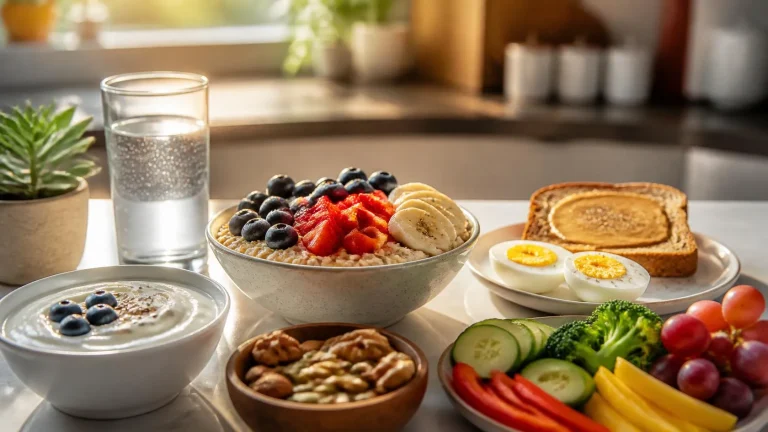
How to Improve Digestion Naturally: 10 Everyday Gut Habits
 Mehak
Mehak 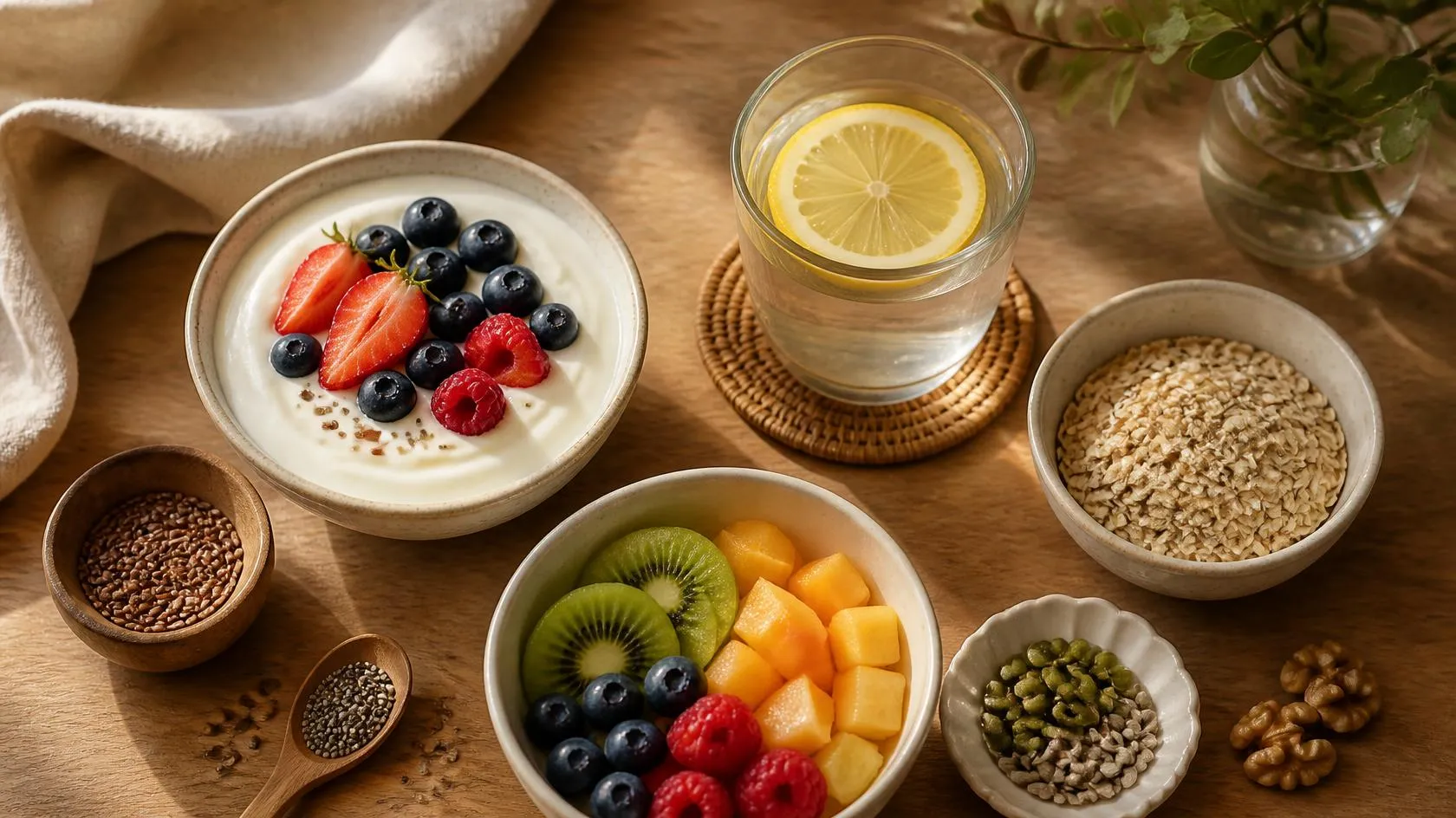
Simple daily habits and gut-friendly foods that support smoother, healthier digestion.
Bloating, sluggish digestion, and irregular bowel movements are more common than most people admit — and usually more fixable than expected. You don’t need a strict diet overhaul. A handful of consistent daily habits can noticeably improve how your gut feels and functions within a few weeks.
Why Digestion Slows Down in the First Place
Digestion can be disrupted by low fibre intake, dehydration, inconsistent eating times, stress, and lack of movement. The gut is also closely linked to sleep and mood, so poor digestion often shows up alongside fatigue or irritability rather than as an isolated issue.
10 Natural Ways to Improve Digestion
1. Eat More Fibre-Rich Whole Foods
Fruits, vegetables, whole grains, and legumes add bulk to stool and feed beneficial gut bacteria. Increase fibre gradually to avoid gas or cramping.
2. Drink Enough Water
Water softens stool and helps move food through the digestive tract smoothly. Aim to sip water steadily through the day rather than large amounts at once.
3. Add Probiotic Foods
Curd, kefir, and naturally fermented foods introduce healthy bacteria that support your gut microbiome and reduce bloating over time.
4. Eat Slowly and Chew Thoroughly
Digestion begins in the mouth. Eating too fast means larger food particles reach your stomach, making them harder to break down.
5. Move Your Body After Meals
A short 10–15 minute walk after eating helps stimulate digestion and can reduce bloating and sluggishness.
6. Manage Stress Levels
The gut and brain are directly connected. Chronic stress can slow digestion or trigger discomfort. Simple breathing exercises or short mindfulness breaks can help — our guide on how to stop overthinking at night covers practical calming techniques.
7. Limit Ultra-Processed Foods
Foods high in refined sugar and artificial additives can disrupt the balance of gut bacteria and contribute to bloating and irregularity.
8. Keep Meal Times Consistent
Eating at roughly the same times each day helps regulate your digestive rhythm and can reduce acid reflux and irregular bowel movements.
9. Get Enough Sleep
Poor sleep is linked with an imbalanced gut microbiome. Prioritising 7–9 hours of quality sleep supports both digestion and overall gut bacteria diversity.
10. Use Natural Digestive Aids Mindfully
Ginger, in particular, has long been used to ease nausea and support digestion. Read more in our guide on ginger health benefits.
Want more practical, doctor-informed gut health tips in your inbox?Subscribe for Free Health Tips →
Foods That Support Better Digestion
- Curd & kefir: natural probiotics for gut bacteria balance
- Whole grains & legumes: fibre for regular bowel movements
- Ginger: traditional remedy for bloating and nausea
- Bananas & papaya: gentle on the stomach, easy to digest
- Leafy greens: fibre plus supports overall liver and gut function — see our guide on foods for natural liver health
Common Digestion Myths
- Myth: Skipping meals helps digestion. Fact: Irregular eating often worsens bloating and acid reflux.
- Myth: All bloating means food intolerance. Fact: Stress, eating speed, and hydration are just as often the cause.
- Myth: Detox teas cleanse your gut. Fact: Your liver and kidneys already do this — most detox teas simply act as laxatives.
When to See a Doctor
Occasional bloating or irregularity is normal. But persistent pain, unexplained weight loss, or ongoing fatigue alongside digestive issues should be checked by a doctor. If fatigue is your main concern, our guide on persistent fatigue causes and treatment may help you understand next steps.
Final Thoughts
Better digestion rarely requires dramatic changes. Start with hydration, fibre, and a short post-meal walk, then build from there. Small, consistent habits are what actually improve gut health long-term.
Frequently Asked Questions
What is the fastest natural way to improve digestion?
Drinking enough water, eating slowly, and taking a short walk after meals produce noticeable relief within days for most people.Can stress really affect digestion?
Yes. The gut and brain are directly linked, and chronic stress can slow digestion or worsen bloating and discomfort.Which foods help reduce bloating naturally?
Ginger, curd, papaya, and bananas are commonly recommended for easing bloating and supporting smoother digestion.Do probiotics actually improve gut health?
Probiotic foods like curd and kefir can help balance gut bacteria, which supports digestion, immunity, and regularity.How much water should I drink for better digestion?
Most adults benefit from steady water intake throughout the day rather than large amounts at once — roughly 2–3 litres depending on activity level and climate.
Reference: Harvard Health Publishing – 5 Simple Ways to Improve Gut Health | Harvard Health Publishing – Digestive Health
About the Author