World Meditation Day: Why the World Is Finally Learning the Power of Stillness
 Mehak
Mehak 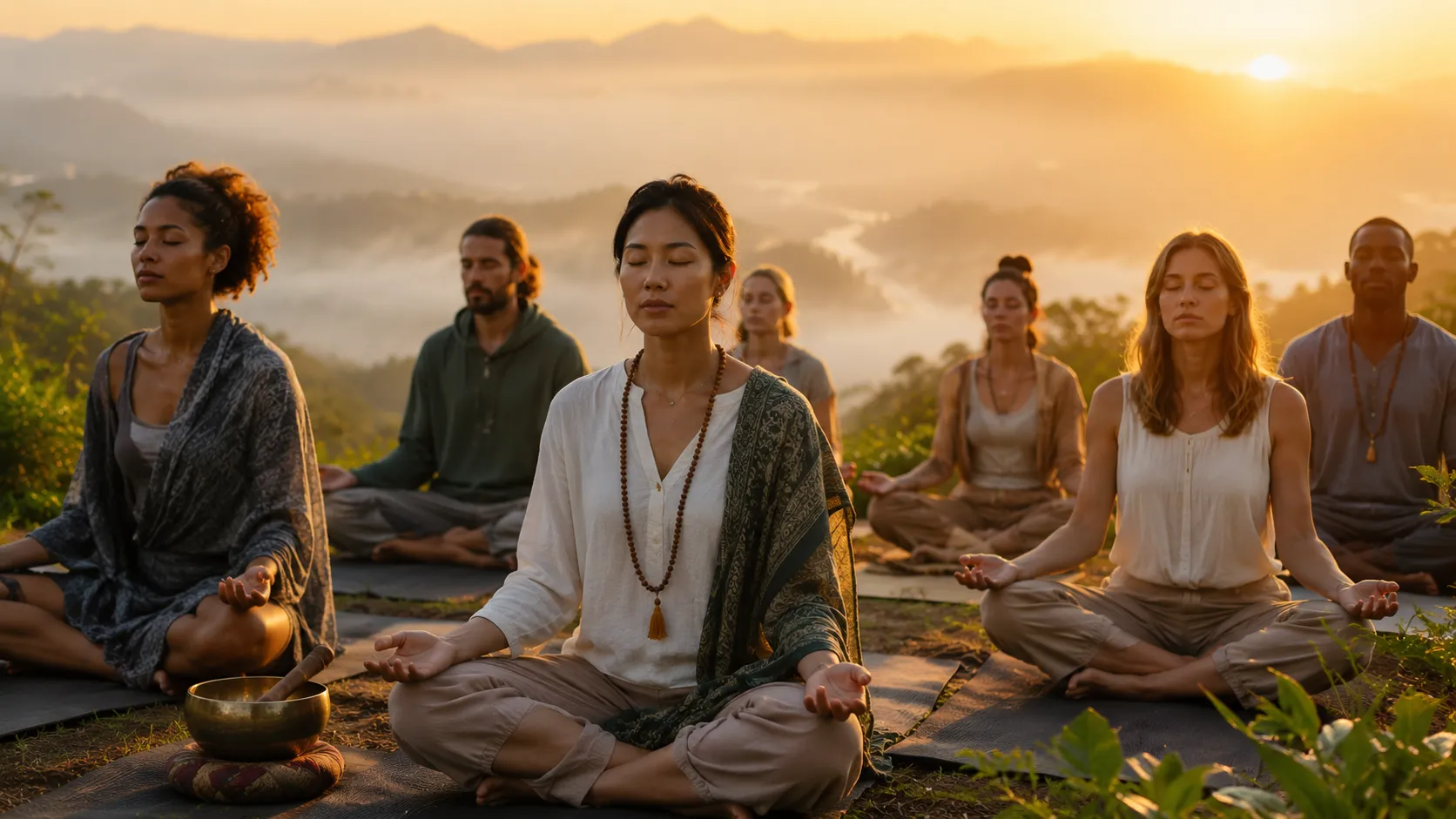
A peaceful sunrise meditation session highlighting mindfulness, mental well-being, stress reduction, and the global celebration of World Meditation Day.
In December 2024, the United Nations gave stillness a global calendar date. Here’s the real story behind World Meditation Day, and why so many people are turning inward right now.
World Meditation Day is a United Nations-recognized observance held every December 21, the winter solstice, established by a UN General Assembly resolution in December 2024. It marks meditation’s shift from a niche wellness habit to a widely recognized tool for mental health, with an estimated 200–500 million people practicing it worldwide today.
The Story Behind World Meditation Day
On December 6, 2024, the UN General Assembly unanimously adopted a resolution — co-sponsored by India and Liechtenstein, along with Sri Lanka, Nepal, Mexico, and Andorra — declaring December 21 as World Meditation Day. The date wasn’t chosen at random: it falls on the winter solstice, symbolizing the shift from darkness to light that meditation is often described as offering on a personal level.
The first observance took place in 2025, with events held at UN Headquarters in New York, including guided sessions and talks from figures in the global meditation community. The UN’s own page on the day ↗ notes that meditation practices trace back roughly 5,000 years, with roots across Hinduism, Buddhism, Judaism, Christianity, and Islam.
Why More People Are Turning to Meditation Now
Meditation isn’t new, but its mainstream adoption is accelerating for a few clear reasons. Rising rates of reported stress and anxiety have pushed more people to look for tools that don’t require a prescription. Meditation and mindfulness apps have made guided practice available to anyone with a phone, removing the barrier of needing a teacher or studio. And as conversations about mental health become less stigmatized, sitting quietly for ten minutes a day feels less like a fringe habit and more like basic maintenance — the same category as sleep or exercise.
The Benefits of Stillness
Research on meditation is still evolving, but a consistent set of benefits shows up across studies:
Regular practice is linked to lower cortisol levels and a calmer physiological stress response over time.
Meditation trains sustained attention, which can translate into fewer distractions during work or study.
A calmer nervous system before bed is associated with falling asleep faster and waking less often.
Many practitioners report better emotional regulation and reduced symptoms of mild anxiety with consistent practice.
Simple Ways to Start Meditating Today
Start with five minutes
Consistency matters more than duration. A short daily session builds the habit faster than an occasional long one.
Sit, don’t strain
A comfortable seated position with a straight back is enough — no special posture or equipment is required.
Follow your breath
Simply noticing each inhale and exhale gives the mind a gentle anchor. Try a short guided breathing exercise if sitting in silence feels difficult at first.
Let thoughts pass
Your mind will wander — that’s normal. Gently returning attention to the breath is the actual practice, not a failure of it.
Frequently Asked Questions
Is World Meditation Day the same as International Day of Yoga?
No. International Day of Yoga is a separate UN observance held on June 21. World Meditation Day was established later, in December 2024, and is observed on December 21.
How long should I meditate as a beginner?
Five to ten minutes a day is a realistic starting point. It’s easier to build consistency with a short session than to sustain a longer one right away.
Do I need an app or teacher to meditate?
No, though both can help. A guided app is useful for beginners who find silence distracting, but meditation itself only requires a quiet moment and your own attention.
Can meditation replace treatment for anxiety or depression?
No. Meditation can support mental health, but it isn’t a substitute for professional treatment. Anyone managing an anxiety or mood disorder should continue working with a qualified healthcare provider.
About the Author