Traditional and smart ways to keep food fresh in summer without using a refrigerator
Learning how to keep food fresh without a refrigerator is very important during the summer because high temperatures make food spoil faster. If you want to know how to keep food fresh without a refrigerator, these simple home methods can help you store milk, vegetables, cooked food, and dough safely. At Daily Life Journal, we share practical kitchen solutions that make everyday life easier.
Learning how to keep food fresh without a refrigerator becomes very important during hot weather because proper food storage protects both health and money. Food waste is not only frustrating, but it also affects your budget. Therefore, understanding simple food preservation methods can help every home.
At Daily Life Journal, we believe simple home solutions can solve everyday problems. Knowing how to keep food fresh without a refrigerator is one of those practical life skills that can save food, reduce waste, and make summer kitchen management easier.
Before refrigerators became common, families used traditional methods to preserve food naturally. These methods worked for generations. Even today, many of these old kitchen tricks remain useful.
Food storage is not only about preserving food. It is also an important part of maintaining healthy food habits. Fresh food supports better nutrition, improves digestion, and reduces health risks.
In this detailed guide by Daily Life Journal, you will learn practical and effective food storage tips in summer that can help keep your food fresh naturally.
How to Keep Food Fresh Without Refrigerator in Summer Naturally
Food spoils faster in summer because heat increases bacterial growth. Warm temperatures and humidity create the perfect environment for bacteria.
As temperature rises, bacteria multiply quickly. As a result, food starts losing freshness faster.
This affects:
- Milk
- Cooked rice
- Vegetables
- Dough
- Curd
- Fruits
- Meat
- Leftover food
Food safety becomes even more important during hot weather. Following healthy daily habits can help protect your body from food contamination and seasonal health issues.
Additionally, food safety experts explain that warm temperatures increase the risk of bacterial growth in food, which raises the risk of foodborne illness.
That is why understanding how to keep food fresh without refrigerator becomes important.
At Daily Life Journal, we always recommend proper storage because food safety starts in the kitchen.
1. How to Keep Food Fresh Without Refrigerator by Boiling Milk
Milk is one of the fastest-spoiling foods in summer.
A simple and effective method of milk storage without fridge is regular boiling.
Boiling kills harmful bacteria and improves freshness.
How to store milk properly
Boil milk once in the morning.
If it remains unused, boil it again in the evening.
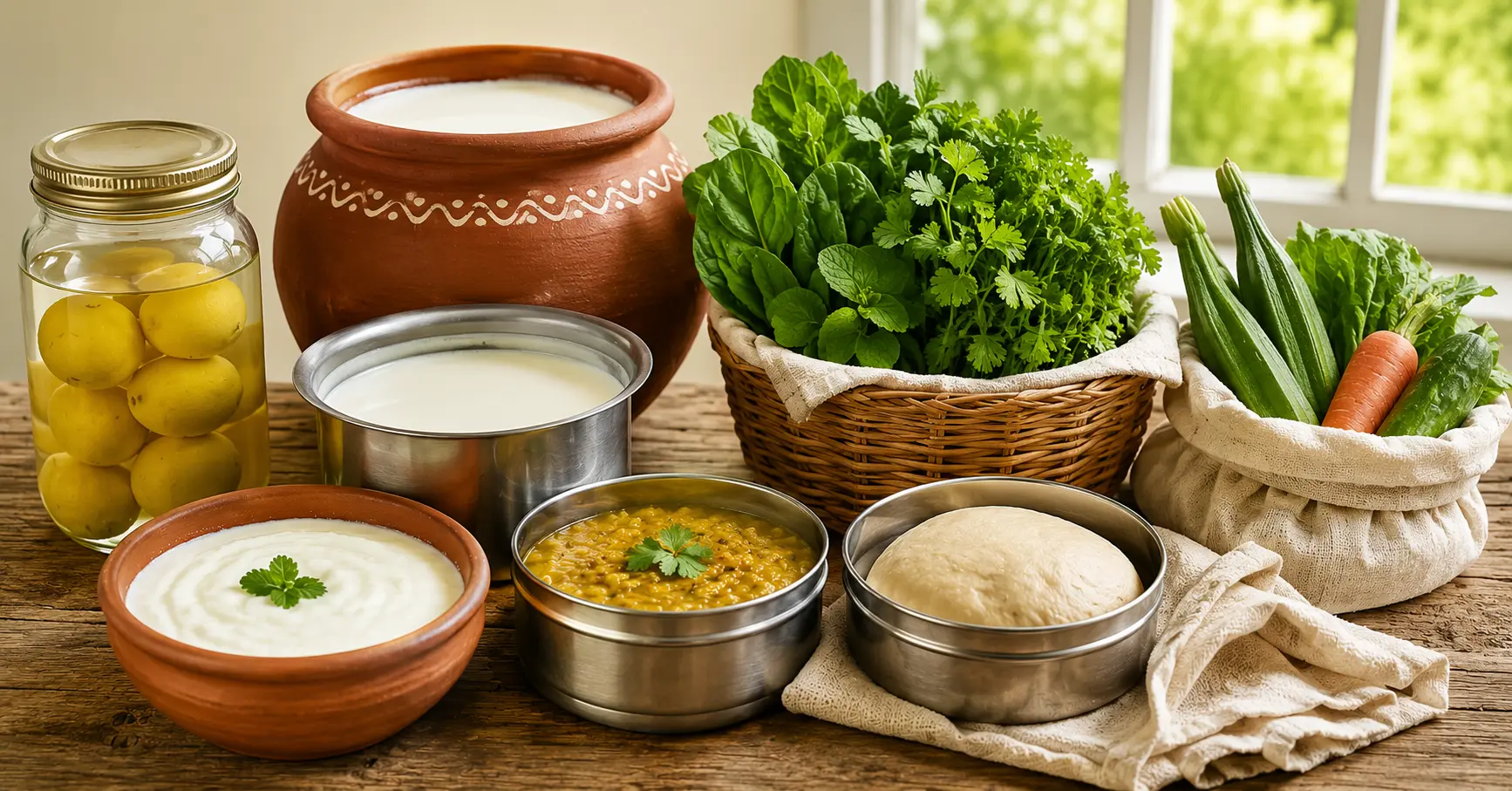
Store it in a clean steel container.
Always keep it covered.
This method can keep milk fresh longer.
Why boiling helps
Boiling reduces bacterial activity.
It also slows spoilage.
Therefore, milk stays usable for more hours.
Traditional tip
Store boiled milk in an earthen pot.
Clay pots stay naturally cool.
This old method still works effectively.
Common mistakes
- Leaving milk uncovered
- Storing milk near heat
- Using dirty containers
Avoid these mistakes.
2. Best Ways to Keep Food Fresh Without Refrigerator at Home
Earthen pots are one of the best natural food preservation methods.
They provide cooling through evaporation.
As a result, food remains fresh longer.
Foods that can be stored:
- Milk
- Water
- Curd
- Rice
The tiny pores in clay allow water to evaporate slowly.
This creates cooling inside.
Therefore, earthen pots naturally reduce temperature.
This is one of the easiest ways to keep food fresh in summer without fridge.
At Daily Life Journal, we strongly recommend this traditional method.
Benefits of earthen pots
- Affordable
- Eco-friendly
- Chemical-free
- Easy to use
Best practices
Wash regularly.
Dry properly.
Store in cool places.
3. Wrap Vegetables in Dry Cotton Cloth
Vegetables lose freshness quickly in summer.
Leafy vegetables are especially sensitive.
A smart method for keeping vegetables fresh without refrigerator is cloth wrapping.
How to do it
Take a clean cotton cloth.
Wrap vegetables loosely.
Store in a cool place.
Avoid plastic bags.
Plastic traps moisture.
As a result, vegetables rot faster.
Best vegetables for this method:
- Coriander
- Spinach
- Mint
- Curry leaves
This method improves freshness.
Why cloth works
Cotton absorbs moisture.
It improves airflow.
It keeps vegetables drier.
Therefore, spoilage slows down.
4. Reheat Cooked Food Every Few Hours
Cooked food can spoil quickly in summer.
Especially:
- Dal
- Rice
- Curry
- Sabzi
One effective solution is reheating.
Heating reduces bacterial growth.
Method
Reheat food after every 6–8 hours.
Do not overcook.
Just heat properly.
This is one of the best food preservation tips in summer.
Why reheating helps
Heat kills developing bacteria.
As a result, food stays safe longer.
Important tip
Always keep food covered after reheating.
This protects it from contamination.
5. Store Dough with a Thin Oil Layer
Dough becomes sour quickly in summer.
To store dough in summer, oil works well.
Method
Apply a thin oil layer over the dough.
Store it in a steel container.
Cover properly.
Keep in a cool area.
The oil blocks air contact.
As a result, fermentation slows.
This method is effective for chapati dough.
Additional tip
Do not keep dough near heat.
Avoid sunlight.
6. Store Lemons in Salt Water
Lemons often become dry in hot weather.
A useful home method:
Store lemons in salt water.
Steps
Take a glass container.
Fill it with water.
Add a little salt.
Put lemons inside.
This helps maintain moisture.
It keeps lemons fresh longer.
Useful for food preservation in hot weather.
Why salt water helps
Salt slows bacterial growth.
Water maintains moisture.
7. Store Onion and Garlic in Airy Spaces
Onions and garlic need airflow.
Many people store them in plastic bags.
This traps moisture.
As a result, rotting starts faster.
Better method
Use mesh bags.
Hang them in dry places.
Avoid direct sunlight.
Avoid wet areas.
This prevents rotting.
A useful kitchen hack to keep food fresh.
Best place to store
Dry corner.
Well-ventilated shelf.
Basket storage.
8. Keep Ginger and Green Chillies Dry
These ingredients spoil fast when wet.
Storage tip
Do not wash before storing.
Keep them dry.
Wrap them in paper.
Store in cool places.
Wash only before use.
This improves shelf life.
A practical method for food storage tips in summer.
Why it works
Dry storage prevents moisture.
Less moisture means less spoilage.
Why Daily Life Journal Recommends Traditional Food Storage Methods
At Daily Life Journal, we focus on practical and simple lifestyle solutions.
Traditional food preservation methods are:
- Affordable
- Easy
- Effective
- Natural
They reduce food waste.
They save money.
They work during power cuts.
They support better healthy lifestyle tips.
Sometimes old methods remain the best methods.
Extra Tips to Keep Food Fresh Naturally
These small habits make it easier to understand how to keep food fresh without refrigerator in daily life.
Keep food covered
Always cover food properly.
This prevents dust.
It keeps insects away.
It reduces air exposure.
Use clean containers
Dirty containers spread bacteria.
Use dry and clean bowls.
This improves food safety.
Avoid storing hot food immediately
Let food cool slightly.
Then store it.
This reduces moisture.
As a result, food stays better.
Cook smaller portions
Fresh food is better.
Cook only what you need.
This reduces leftovers.
Store in cool places
Always choose shaded areas.
Avoid direct sunlight.
Heat speeds spoilage.
Traditional Food Preservation Methods Used Before Refrigerators
Before refrigerators, people used many smart preservation methods.
These methods worked for generations.
Sun drying
Used for:
- Papad
- Dry vegetables
- Pickles
Sunlight removes moisture.
This slows bacterial growth.
Salt preservation
Salt helps preserve food.
Used for:
- Lemon
- Mango
- Pickles
Salt controls bacteria.
Hanging storage
Used for:
- Onion
- Garlic
Airflow keeps them fresh.
These are effective natural food preservation methods.
Foods That Need Extra Care in Summer
Some foods spoil very quickly.
Be careful with:
Milk
Spoils within hours.
Needs regular boiling.
Rice
Can spoil if left open.
Always keep covered.
Curd
Turns sour quickly.
Store in earthen pots.
Meat
Needs quick cooking.
Avoid long exposure.
Cut fruits
Should be eaten quickly.
Do not leave outside.
Understanding this improves how to preserve food without refrigeration.
Signs That Food Has Spoiled
Never eat food if you notice:
- Bad smell
- Sour taste
- Fungus
- Color changes
- Sticky texture
- Gas bubbles
These are warning signs.
Recognizing spoiled food is important because eating contaminated food can cause serious health problems.
Health experts advise avoiding spoiled food to reduce foodborne diseases.
At Daily Life Journal, we recommend checking food carefully before eating.
Food safety is important.
Common Food Storage Mistakes
Avoid these mistakes:
Keeping wet vegetables
Wet vegetables rot faster.
Using plastic bags
Moisture gets trapped.
Keeping food near heat
Heat increases spoilage.
Leaving food uncovered
Bacteria and insects can affect food.
Not reheating leftovers
Bacteria grow quickly.
Avoiding these mistakes helps keep food fresh longer.
Benefits of Keeping Food Fresh Naturally
Keeping food fresh naturally offers many benefits.
Saves money
Less food gets wasted.
Better health
Fresh food is safer.
Useful during power cuts
No electricity required.
Eco-friendly
Less dependence on appliances.
Traditional and practical
Simple methods that work.
At Daily Life Journal, we believe smart kitchen habits improve daily life.
Along with proper storage, maintaining a healthy body routine supports better health.
Best Foods That Store Well Without Fridge
Some foods naturally stay fresh longer:
- Potatoes
- Onion
- Garlic
- Ginger
- Raw mango
- Dry fruits
- Whole lemons
Store them properly.
They can last for days.
Kitchen Storage Tips for Better Summer Food Safety
Here are quick kitchen habits:
- Keep shelves clean
- Wash storage containers
- Use dry spoons
- Avoid moisture
- Check food daily
These habits help improve freshness.
How Families Managed Food Before Refrigerators
Before refrigerators, people depended on:
- Clay pots
- Hanging baskets
- Dry cloth wrapping
- Salt
- Sun drying
These methods still work.
Modern kitchens can still use them.
Smart Summer Food Habits to Reduce Waste
Reducing food waste starts with:
- Cooking smaller meals
- Proper storage
- Regular checking
- Using leftovers smartly
This saves money.
It improves food safety.
Summer heat can spoil food quickly.
However, simple traditional methods can solve many kitchen problems.
Now you know how to keep food fresh without a refrigerator using simple and traditional kitchen methods. Learning how to keep food fresh without a refrigerator can save money, reduce waste, and protect your family’s health.
Boiling milk, storing vegetables in cloth, reheating cooked food, using earthen pots, and proper dry storage are all effective solutions.
At Daily Life Journal, our goal is to share practical and useful solutions for everyday life.
These food storage methods can make your kitchen smarter and safer during summer.
Traditional wisdom still works.
And sometimes, it works better than modern methods.
For more practical home tips, kitchen hacks, and lifestyle guides, keep reading Daily Life Journal.
Frequently Asked Questions
How can I keep milk fresh without a fridge?
Boil it regularly and store it in a cool place or earthen pot.
How long can cooked food stay outside?
Usually 6–8 hours depending on temperature.
Can vegetables stay fresh without refrigerator?
Yes, wrap them in dry cloth and keep them in cool places.
Is clay pot useful for food storage?
Yes, it provides natural cooling.
How to keep dough fresh in hot weather?
Apply oil and store it in airtight containers.
Can lemons stay fresh without fridge?
Yes, storing them in salt water helps.
What is the best way to store onions?
Use mesh bags and keep them in airy places.
Is reheating food safe?
Yes, reheating helps reduce bacterial growth.
Can ginger be stored without fridge?
Yes, if kept dry and wrapped properly.
Why does food spoil faster in summer?
Because heat and humidity increase bacterial growth faster.
Also read
Which Juice Is Best for Skin Whitening?
Full Comparison Guide
Amla Juice Benefits for Skin
About the Author