Superfoods for Brain Health: Unlock Peak Cognitive Performance with These 5 Powerhouses
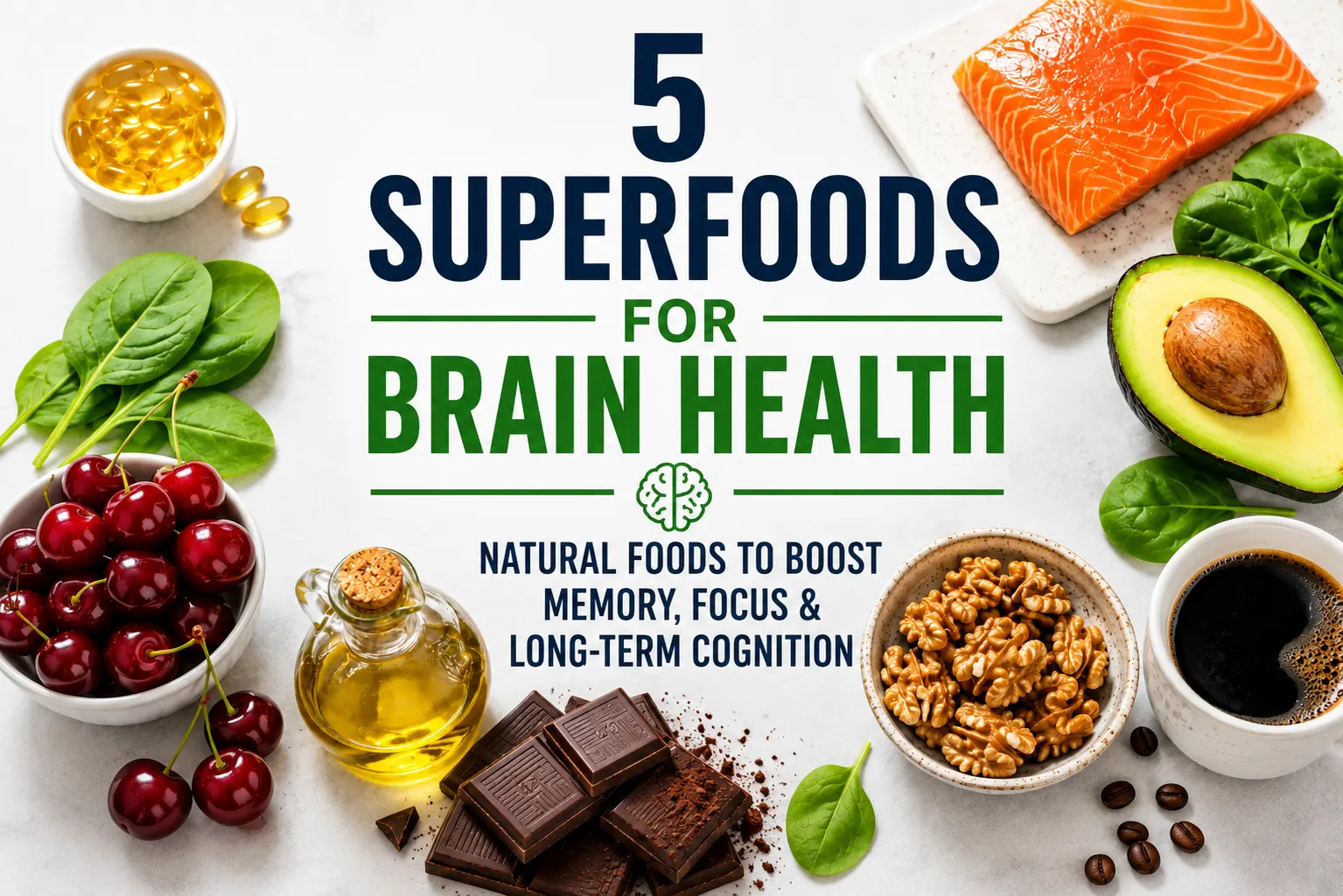
Natural superfoods for brain health that help improve memory, focus, cognition, and long-term mental performance.
Superfoods for brain health can naturally improve memory, focus, concentration, and long-term cognitive performance. In today’s fast-paced world, adding nutrient-rich foods like fish oil, walnuts, dark chocolate, olive oil, and black coffee to your daily diet may help support brain function, mental clarity, and protection against age-related cognitive decline. This detailed guide explores five standout options that frequently appear in health conversations: fish oil, walnuts, dark chocolate, olive oil, and black coffee.
These brain-supporting choices are packed with omega-3 fatty acids, antioxidants, polyphenols, and healthy fats that help reduce inflammation, improve blood circulation to the brain, encourage new neural connections, and promote overall mental vitality. Whether you want quick focus improvements or long-term brain resilience, these selections can become valuable allies when part of a balanced lifestyle.
Why Nutrient-Dense Foods Matter for Cognitive Function
The brain is an energy-hungry organ, using about 20% of the body’s calories while accounting for just 2% of total weight. It needs specific building blocks to maintain cell membranes, fight oxidative damage, regulate neurotransmitters, and ensure steady blood flow.
Diets rich in targeted nutrients have been linked in research to better daily mental performance and reduced risk of cognitive issues over time. The foods highlighted here stand out for their bioavailability and synergistic compounds that work together effectively.
Understanding the Mechanisms Behind Brain-Supporting Nutrition
Scientific studies consistently show that certain dietary patterns support cognitive health through multiple pathways. These include boosting brain-derived neurotrophic factor (BDNF) for neuron growth, lowering chronic inflammation, enhancing vascular function, and protecting against protein buildup associated with decline.
Combining quality fats with plant compounds often produces better results than isolated nutrients. Lifestyle factors like quality sleep, physical activity, and mental stimulation further multiply the positive effects.
Fish Oil: Omega-3 Superfood for Brain Health
Fish oil stands out for its high levels of DHA and EPA omega-3 fatty acids. DHA forms a major part of brain cell membranes, affecting their flexibility and how efficiently signals travel between neurons.
Key Advantages:
- Stronger memory formation and learning ability
- Lower levels of brain inflammation
- Potential maintenance of brain volume during aging
- Contribution to balanced mood
These fatty acids integrate directly into cell structures, help resolve inflammation, and support better circulation in brain tissue.
Practical Tips: Target 1–2 grams of combined EPA and DHA per day. High-quality supplements or servings of salmon, mackerel, or sardines work well. Look for third-party tested products to ensure purity.
Outbound Link: Effects of Omega-3 Polyunsaturated Fatty Acids on Brain Functions – PMC Study
Walnuts: Best Superfoods for Brain Health and Memory
Walnuts offer plant-based ALA omega-3s along with polyphenols, vitamin E, and other protective compounds. Their distinctive shape often serves as a helpful reminder of their potential role in mental performance.
Key Advantages:
- Faster reaction times and improved recall
- Defense against oxidative stress
- Better resilience during mentally demanding periods
- Support for healthy blood vessels that feed the brain
Practical Tips: Enjoy a small handful (about 25–50g) most days. Add them to breakfast bowls, salads, or baked goods. Lightly toasting can enhance flavor.
Outbound Link: Beneficial Effects of Walnuts on Cognition and Brain Health – PMC Review
Dark Chocolate: Brain Health Superfood for Focus
High-cocoa dark chocolate (70% cacao or higher) contains flavanols and theobromine that can quickly influence brain circulation and mental state.
Key Advantages:
- Better oxygenation and nutrient delivery to brain tissue
- Enhanced executive function and reduced mental tiredness
- Positive mood effects
- Longer-term antioxidant protection
Practical Tips: Stick to 20–40g daily of quality low-sugar varieties. Combining it with nuts creates a satisfying snack with complementary nutrients.
Outbound Link: Neuroprotective Effects of Cocoa Flavanols – PMC Article
Olive Oil Benefits for Brain Health
High-quality extra virgin olive oil, particularly varieties rich in polyphenols, features prominently in eating patterns associated with healthy cognitive aging.
Key Advantages:
- Association with lower dementia-related risks
- Improved performance on cognitive assessments
- Anti-inflammatory actions that help protect neural tissue
- Positive influence on the gut-brain connection
Practical Tips: Use 2–4 tablespoons daily in cooking, dressings, or as a finishing oil. Select fresh, high-phenolic options stored properly in dark containers.
Outbound Link: Olive Oil Consumption and Lower Dementia Risk – JAMA Network Open
Black Coffee for Brain Health and Mental Alertness
Moderate consumption of plain black coffee delivers caffeine along with chlorogenic acids and other polyphenols that influence both immediate alertness and future brain health.
Key Advantages:
- Quick improvements in attention, reaction speed, and mood
- Notable reduction in long-term neurodegenerative risks
- Support for memory consolidation
- Antioxidant activity within brain tissue
Practical Tips: Enjoy 2–4 cups earlier in the day. Keep additions minimal to preserve the natural bioactive profile.
Outbound Link: Coffee Consumption and Risks of Alzheimer’s & Parkinson’s
Creating Effective Daily Combinations
These items work especially well together. Healthy fats aid absorption of plant antioxidants, while natural stimulants pair nicely with sustained-energy sources.
Sample Day Outline:
- Breakfast: Oatmeal with walnuts, dark chocolate pieces, and coffee
- Lunch: Fatty fish salad dressed with olive oil
- Snacks: Walnuts or small amount of dark chocolate
- Dinner: Vegetable dishes finished with olive oil
Supporting Habits for Optimal Results
Nutrition achieves the best outcomes alongside 7–9 hours of sleep, regular movement, stress-reduction practices, and ongoing learning activities. Staying hydrated and managing blood sugar also play important supporting roles.
Adding these five nutrient-dense options creates an accessible, enjoyable foundation for better mental performance today and stronger protection in the future. Focus on consistency and quality sources, and adjust based on your individual needs and preferences. Small daily choices can compound into meaningful long-term advantages for your brain.
Also read: Best Morning Routine for Productivity |→ | Beetroot Juice for Skin → | ABC Juice for Skin →
About the Author