Comprehensive Guide to Sources of Trace Minerals: Boost Your Health Naturally
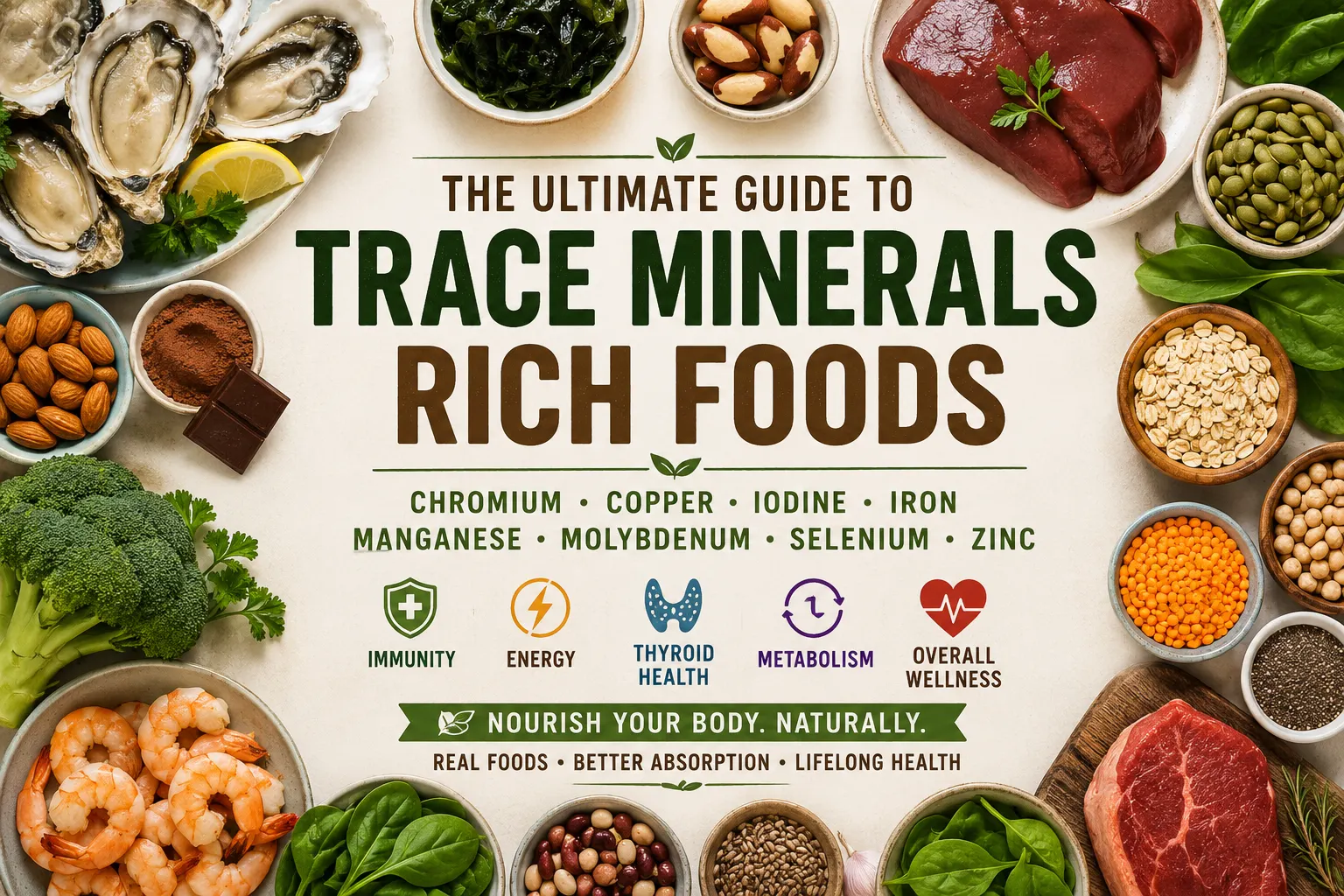
Discover the best trace minerals rich foods that naturally support energy, immunity, metabolism, thyroid balance, and overall wellness through nutrient-dense whole foods.
Trace minerals rich foods are essential for supporting energy, immunity, thyroid balance, metabolism, and overall wellness. Even though the body needs only small amounts of these minerals, trace minerals rich foods play a major role in daily function. Foods rich in zinc, selenium, iodine, iron, copper, manganese, chromium, and molybdenum help maintain healthy cells, support hormone production, and protect against nutrient deficiencies. Adding trace minerals rich foods to your regular meals is one of the easiest ways to improve long-term health naturally.
Trace minerals, also known as microminerals, are essential nutrients your body requires in small amounts for optimal function. These include chromium, copper, iodine, iron, manganese, molybdenum, selenium, and zinc.
In addition, they play critical roles in enzyme activity, immune support, thyroid health, antioxidant defence, energy production, DNA synthesis, and more.
Furthermore, modern diets often lack variety due to processed foods and soil depletion, leading to potential shortfalls. Therefore, focusing on whole-food sources offers superior bioavailability compared to isolated supplements, as foods provide synergistic nutrients, fiber, and cofactors that enhance absorption and reduce the risk of toxicity.
Why Trace Minerals Rich Foods Matter for Your Health
Trace minerals support hundreds of biochemical reactions daily.
For example, they help regulate metabolism, maintain stable energy levels, protect cells from oxidative stress, support cognitive function, and strengthen immunity.
Moreover, even mild deficiencies can contribute to fatigue, weakened immunity, poor thyroid function, slow wound healing, and an increased risk of chronic disease.
On the other hand, excessive intake—typically from high-dose supplements—can cause mineral imbalances or toxicity. Consequently, prioritising diverse, nutrient-dense whole foods remains the safest and most effective long-term strategy.
In summary, a balanced food-first approach maximises benefits while minimising risks.
Chromium in Trace Minerals Rich Foods for Blood Sugar
Chromium enhances insulin sensitivity and helps maintain stable blood glucose levels.
Therefore, it is particularly valuable for metabolic health, weight management, and diabetes prevention.
Excellent dietary sources include liver and organ meats, brewer’s yeast, whole grains (oats, barley), broccoli, green beans, potatoes, nuts, and cheeses.
For instance, incorporating broccoli into meals provides chromium alongside fiber and vitamins for better overall absorption.
Additionally, athletes or those with high-carb diets may benefit from higher natural intake.
Deficiency symptoms can include glucose intolerance, fatigue, and intense cravings.
However, true deficiency is rare in varied diets. As a result, focus on whole foods rather than supplements unless advised by a doctor.
Copper in Trace Minerals Rich Foods for Iron Balance
Copper works closely with iron to form red blood cells and supports collagen production for healthy skin, joints, and blood vessels. Furthermore, it acts as an antioxidant component in enzymes like superoxide dismutase.
Top sources include shellfish (oysters, clams), liver (beef or chicken), nuts and seeds (cashews, almonds), dark chocolate, cocoa, whole grains, and legumes.
In addition, a serving of oysters can meet daily needs for copper while also providing zinc and selenium. Nevertheless, balance is key—high zinc intake can interfere with copper absorption. Therefore, dietary variety prevents imbalances.
Iodine and Thyroid Support from Trace Minerals Rich Foods
Iodine is crucial for producing thyroid hormones that regulate metabolism, growth, development, and body temperature. Consequently, deficiency can lead to goiter, fatigue, weight gain, and cognitive issues.
Primary sources include seaweed (kelp, nori, dulse), seafood and fish, iodized salt (in moderation), dairy products, and eggs. For example, adding seaweed to soups or salads boosts iodine naturally. Moreover, people in inland areas with low-soil iodine benefit most from marine sources.
Iron in Trace Minerals Rich Foods for Energy
Iron is vital for hemoglobin production and oxygen delivery throughout the body. In particular, heme iron from animal sources offers significantly higher bioavailability than non-heme plant iron.
Rich foods include red meat, organ meats (liver), shellfish, leafy greens (spinach, kale) paired with vitamin C, legumes, fortified grains, and dried fruits. However, plant-based eaters should combine iron sources with vitamin C-rich foods (citrus, peppers) to enhance absorption. As a result, this simple pairing significantly improves uptake.
Manganese Benefits in Trace Minerals Rich Foods
Manganese supports bone formation, blood clotting, and antioxidant enzymes. Additionally, it aids carbohydrate and protein metabolism.
Best sources include nuts and seeds (pecans, pumpkin seeds), whole grains and oats, leafy greens, tea, pineapple, sweet potatoes, mussels, and shellfish. For instance, a handful of nuts provides manganese along with healthy fats and other minerals. Furthermore, this synergy supports better overall nutrient utilization.
Molybdenum in Trace Minerals Rich Foods
Molybdenum activates enzymes that break down sulfites and toxins. Therefore, it supports liver health and metabolic processes.
Sources include legumes (beans, lentils), whole grains, leafy vegetables, liver, organ meats, and nuts. In most cases, dietary intake easily meets needs, making deficiency uncommon.
Selenium Rich Trace Minerals Rich Foods for Thyroid Health
Selenium protects cells via glutathione peroxidase and supports thyroid hormone conversion. Moreover, it boosts immunity and may reduce certain cancer risks.
Outstanding sources include Brazil nuts (just 1–2 provide daily needs), seafood and fish (tuna, sardines), organ meats, eggs, sunflower seeds, and whole grains from selenium-rich soil. Nevertheless, soil content varies by region, so diversity matters. For example, combining Brazil nuts with seafood ensures reliable intake.
Zinc Rich Trace Minerals Rich Foods for Immunity
Zinc is essential for immune cell function, wound healing, DNA synthesis, and taste/smell perception. Consequently, it is critical during growth, pregnancy, illness, and recovery.
Top foods include oysters (highest source), red meat, poultry, pumpkin seeds, nuts, legumes, whole grains, dairy, and eggs. However, phytates in grains and legumes can reduce absorption. Therefore, soaking, sprouting, or fermenting improves bioavailability. In addition, animal sources provide more readily absorbable zinc.
Synergies, Absorption Strategies & Other Notable Foods
Nutrient teamwork greatly enhances outcomes. For example, vitamin C boosts iron absorption, selenium works with iodine for thyroid health, and balanced zinc-copper intake prevents antagonism.
Bone broth, Himalayan salt, molasses, leafy greens, and fermented foods offer broad-spectrum support. Furthermore, a healthy gut microbiome significantly improves overall mineral absorption.
Recommended Daily Intakes and Practical Tips
Approximate adult RDAs/AIs:
- Chromium: 20–35 mcg
- Copper: 900 mcg
- Iodine: 150 mcg
- Iron: 8–18 mg (varies by sex/age)
- Manganese: 1.8–2.3 mg
- Molybdenum: 45 mcg
- Selenium: 55 mcg
- Zinc: 8–11 mg
Practical tips:
- Eat the rainbow daily.
- Prioritize organ meats and seafood 2–4 times weekly.
- Incorporate seaweed regularly.
- Soak/sprout plant foods.
- Choose grass-fed, wild-caught, and organic when possible.
Delicious Recipes Rich in Trace Minerals
- Liver Pâté Power Snack — Sauté grass-fed liver with onions, garlic, herbs; blend with olive oil.
- Seafood Super Salad — Sardines, seaweed, spinach, broccoli, pumpkin seeds, lemon dressing.
- Mineral-Boosting Bone Broth — Simmer bones with seaweed, ginger, vegetables 12–24 hours.
- Nut & Seed Energy Balls — Brazil nuts, pumpkin seeds, almonds, cocoa, molasses.
- Iodine-Rich Stir Fry — Shrimp, nori strips, broccoli, garlic, and ginger.
7-Day Meal Plan with Trace Minerals Rich Foods
Rotate proteins, vegetables, and seafood throughout the week. As a result, most people easily meet trace mineral needs naturally.
Soil Depletion, Myths, Lifestyle Factors & Adaptations
Modern agriculture has reduced soil mineral content. Therefore, regenerative foods, organ meats, and seafood help compensate. Moreover, exercise, stress, pregnancy, and gut health all influence requirements.
Vegan adaptations, pregnancy needs, athletic performance, and budget options are fully covered with targeted food lists and strategies.
Bioavailability, Testing, Safety & FAQ
Whole foods consistently outperform supplements. However, test if symptoms persist (fatigue, hair loss, brittle nails, infections). Food sources rarely cause toxicity when varied.
FAQ sections address vegan feasibility, safe liver intake, cooking effects, and more.
Additional Benefits: Skin, Hair, Nails, Mood & Longevity
Adequate trace minerals promote glowing skin, strong hair and nails, stable mood, and healthy aging through reduced inflammation and oxidative stress. Furthermore, consistent intake supports mitochondrial function and cellular repair.
Environmental Considerations & Quality Sourcing
Choose sustainable seafood, regenerative meats, and organic produce. In addition, support local farms and mindful harvesting to protect ecosystems.
Conclusion
Overall, trace minerals like chromium, copper, iodine, iron, manganese, molybdenum, selenium, and zinc are foundational to vibrant health. By prioritizing liver, shellfish, seaweed, nuts, seeds, leafy greens, bone broth, and diverse whole foods, you supply these essential nutrients in their most bioavailable and synergistic forms.
Furthermore, this approach supports not only mineral status but holistic well-being through fiber, antioxidants, healthy fats, and phytonutrients. To maximize results, aim for variety, mindful preparation, seasonal eating, and consistency. In the end, nature’s pantry offers the best, most sustainable solution for meeting your trace mineral needs.
Start today — add one or two mineral-rich foods to your next meal. Small, consistent changes create transformative long-term benefits in energy, immunity, mental clarity, and overall vitality.
Stress aur digestion connection ke liye: Daily Life Journal Healthy eating habits article link karein:
Ginger Health Benefits Science Guide Mental wellness & gut health related article:
Social Media Mental Health Article
Harvard Nutrition Source – Digestion & Healthy Eating
Cleveland Clinic – Bloating Causes & Relief
Mayo Clinic – Digestive Health Tips
About the Author