June 22, 2026
Home » Daily Life Hacks

Daily Life Hacks

Simple tricks and smart tips to make everyday life easier.

Life doesn’t have to feel like a constant scramble. Most of the stress we deal with every day — running late, losing things, forgetting tasks, overspending, feeling exhausted by evening — comes down to small, fixable habits rather than big personal failures. That’s exactly what good daily life hacks are for: tiny adjustments that compound into a calmer, more efficient, more enjoyable life. In this guide, we’ll cover practical hacks across home, money, productivity, health, and technology that you can start using today, no special tools or willpower required.

Why Daily Life Hacks Matter More Than Big Resolutions

New Year’s resolutions fail at a famously high rate, not because people lack motivation, but because they try to overhaul everything at once. Daily life hacks work differently — they’re small enough to stick, specific enough to actually do, and they reduce friction rather than requiring more discipline. A habit that removes a daily annoyance (like always misplacing your keys) saves mental energy that can be spent on things that actually matter.

The compounding effect is the real magic here. Saving five minutes each morning doesn’t sound impressive, but over a year that’s more than 30 hours reclaimed. Small hacks, repeated daily, add up to meaningful changes in time, money, and stress levels.

Daily Life Hacks for a Better Morning Routine

1. Prep the Night Before

Lay out clothes, pack your bag, and set out anything you need for the morning the night before. Decision fatigue first thing in the morning is one of the biggest time-wasters, and removing choices the night before frees up mental bandwidth for the rest of the day.

2. The “One Task” Rule Before Checking Your Phone

Pick one productive task to complete before opening your phone — making your bed, drinking a glass of water, stretching for two minutes. This single habit prevents the scroll spiral that eats up the first 20–30 minutes of many people’s mornings.

3. Use a Visual Timer for Getting Ready

A simple kitchen timer or phone alarm set for “15 minutes until we leave” creates urgency without nagging, especially useful for households with kids or multiple people sharing a bathroom.

4. Pre-Portion Breakfast Items

Batch-prepare overnight oats, pre-cut fruit, or pre-measure coffee grounds on Sunday for the whole week. Removing small repetitive decisions from your morning routine saves both time and mental energy.

Daily Life Hacks for Home Organization

5. The “One Home” Rule for Everyday Items

Keys, wallet, glasses, remote controls — give every frequently used item exactly one designated spot, and commit to returning it there every single time. Most “I can’t find it” frustration disappears once everything has a fixed home.

6. A Landing Pad by the Door

A small tray, hook, or basket near your front door for keys, mail, and outgoing items prevents the daily scramble of searching for essentials right when you’re trying to leave.

7. The Two-Minute Rule

If a task takes less than two minutes — hanging up a coat, washing a single dish, replying to a quick message — do it immediately rather than letting it pile up. Small unfinished tasks accumulate into overwhelming clutter, both physical and mental.

8. Label Everything in Shared Spaces

In shared kitchens, fridges, or storage areas, simple labels reduce confusion and arguments about where things go, especially useful for families or roommates.

9. Use Vertical Space

Wall-mounted hooks, hanging organizers, and stackable bins make use of often-wasted vertical space in small kitchens, closets, and bathrooms, instantly creating more storage without remodeling anything.

Best Daily Life Hacks to Save Money Every Day

10. The 24-Hour Rule for Purchases

For any non-essential purchase over a certain amount, wait 24 hours before buying. Impulse purchases often lose their appeal once the initial excitement fades, saving money without requiring strict budgeting.

11. Automate Savings

Set up an automatic transfer to a savings account the same day you get paid, even if it’s a small amount. Removing the decision entirely makes saving consistent rather than dependent on willpower each month.

12. Meal Plan Around What You Already Have

Before grocery shopping, check what’s already in your fridge and pantry and build meals around those ingredients first. This single habit dramatically reduces both food waste and grocery bills.

13. Use Cashback and Price-Tracking Tools

Browser extensions and apps that track price history or apply automatic cashback can save meaningful money on regular online purchases with zero extra effort once set up.

14. Unsubscribe From Marketing Emails

Sales emails are designed to trigger impulse spending. Unsubscribing from retailer newsletters removes a steady stream of temptation that adds up over a year.

Daily Life Hacks for Productivity and Time Management

15. The Two-List Method

Each day, write a list of everything on your mind, then circle only the top three that truly need to happen today. This prevents the common trap of an overwhelming to-do list that leads to doing nothing at all.

16. Batch Similar Tasks Together

Group emails, phone calls, or errands into dedicated blocks instead of switching between unrelated tasks throughout the day. Context-switching has a real cognitive cost, and batching reduces it significantly.

17. Use the Two-Minute Calendar Hold

Before agreeing to a new commitment, mentally block out the time on your calendar first. If it doesn’t fit without disrupting something else, it’s easier to say no in the moment rather than overcommitting.

18. Turn Off Non-Essential Notifications

Most notifications are not urgent. Turning off everything except messages from people who truly need an immediate response dramatically reduces daily distraction and the anxiety of a constantly buzzing phone.

19. The “Eat the Frog” Technique

Do your most dreaded or difficult task first thing, while your willpower and energy are highest. Everything afterward feels easier by comparison, and procrastination has less room to take hold.

20. Use Templates for Repetitive Writing

If you send similar emails or messages often, save templates for common responses. This single habit can save hours per week for anyone who communicates frequently by email or chat.

Daily Life Hacks for Better Health and Energy

21. Keep a Water Bottle in Sight at All Times

Visibility drives behavior. People drink significantly more water simply by keeping a bottle within eyesight rather than relying on remembering to get up and fill a glass.

22. The 20-20-20 Rule for Screen Fatigue

Every 20 minutes, look at something 20 feet away for 20 seconds. This simple habit reduces eye strain for anyone working at a screen most of the day.

23. Move for Two Minutes Every Hour

Standing up, stretching, or walking briefly once an hour combats the physical and mental sluggishness of long sitting periods, and it’s far easier to maintain than a dedicated workout routine on busy days.

24. Prep a “Grab and Go” Healthy Snack Box

Keep a stocked container of healthy snacks at eye level in the fridge or pantry. When hunger strikes, the easiest option being the healthy one removes the need for willpower entirely.

25. Set a Consistent Wind-Down Time

Going to bed and waking up at roughly the same time each day, even on weekends, improves sleep quality more than almost any other single habit, according to most sleep research.

Daily Life Hacks for Managing Digital Life

26. Use Folders and Filters for Email

Setting up automatic filters that sort newsletters, receipts, and notifications into separate folders keeps your main inbox reserved for things that actually need your attention.

27. Keep a “Brain Dump” Notes App

A single, always-accessible notes app for random thoughts, ideas, and reminders prevents mental clutter and the anxiety of trying to remember everything.

28. Set Phone to Grayscale During Work Hours

Removing color from your phone screen makes it noticeably less appealing to scroll mindlessly, a small trick that reduces screen time without requiring an app or willpower.

29. Use Voice-to-Text for Quick Notes

Dictating quick reminders or messages while driving, cooking, or walking saves time compared to typing, especially for longer thoughts.

30. Schedule a Weekly “Digital Declutter”

Spend 10 minutes once a week deleting unused apps, clearing downloads, and unsubscribing from unwanted notifications. A little maintenance prevents digital clutter from building into overwhelming chaos.

Daily Life Hacks for Faster Cooking and Meal Prep

31. Freeze Herbs in Olive Oil

Chop fresh herbs, place them in an ice cube tray, and cover with olive oil before freezing. This extends their usability for months and makes weeknight cooking faster.

32. Use a Damp Paper Towel Under Cutting Boards

A damp towel placed underneath a cutting board prevents it from sliding while chopping, a small safety and convenience hack many people don’t know.

33. Batch Cook Once, Eat Multiple Times

Cooking double portions of dinner and freezing half saves significant time on busier days later in the week, without the burnout of cooking every single night.

34. Repurpose Leftovers Intentionally

Plan one meal each week specifically designed to use up leftovers from earlier in the week. This reduces both food waste and the mental load of deciding what to cook.

Daily Life Hacks for Faster and Easier Cleaning

35. Clean As You Go

Wiping counters and washing dishes while cooking, rather than leaving everything for after the meal, prevents the dreaded post-dinner mountain of dishes.

36. The “One Room Reset” Rule

Spend five minutes each evening doing a quick reset of just one high-traffic room — usually the kitchen or living room. Consistency in one space prevents the overwhelm of a full deep clean later.

37. Keep Cleaning Supplies in Multiple Spots

Having a small set of cleaning supplies in the bathroom, kitchen, and one other frequently used area removes the friction of walking to get supplies, making quick cleanups far more likely to actually happen.

Daily Life Hacks for Stronger Relationships

38. Schedule Social Time Like an Appointment

Treating calls or visits with friends and family as non-negotiable calendar events, rather than something to fit in “whenever,” keeps important relationships from quietly fading due to busyness.

39. Set Reminders for Birthdays and Check-Ins

A simple recurring reminder to check in with specific people keeps relationships maintained without relying purely on memory.

40. Default to “Yes, and Let’s Find a Time”

Rather than declining invitations outright due to a busy schedule, responding with a willingness to find a time later keeps social opportunities alive instead of closing doors by default.

Daily Life Hacks for Travel and Running Errands

41. Keep a Permanent “Go Bag”

A bag with chargers, a reusable water bottle, snacks, and basic essentials that stays ready to grab saves the daily hassle of repacking for errands or short trips.

42. Combine Errands by Location, Not by Task

Plan errands based on geographic proximity rather than the order tasks come to mind, saving significant time and fuel.

43. Screenshot Important Documents

Keeping photos of ID cards, insurance information, and important documents in a dedicated phone folder means you’re never stuck without access when it matters most.

Daily Life Hacks for Better Mental Well-Being

44. The Five-Minute Worry Window

Set aside five focused minutes to write down worries rather than letting them circle endlessly throughout the day. This contains anxious thoughts to a defined space rather than letting them bleed into everything else.

45. Practice the “Good Enough” Standard

Not every task needs to be done perfectly. Reserving high effort for tasks that truly matter, and accepting “good enough” for low-stakes tasks, prevents burnout from chasing perfection everywhere.

46. End the Day With Three Wins

Before bed, mentally note three small things that went well that day. This simple reflection habit shifts focus away from what went wrong and builds a more resilient, positive outlook over time.

How to Use Daily Life Hacks for Long-Term Success

The biggest mistake people make with daily life hacks is trying to implement all of them at once. Instead, pick two or three that address your biggest current frustration — whether that’s mornings, money, or mental clutter — and practice them consistently for two to three weeks before adding more. Habits stick when they’re introduced gradually and tied to an existing routine, rather than added as one more thing to remember.

A simple way to start: choose one hack from each category above that genuinely excites you, write them on a sticky note where you’ll see them daily, and track your progress for three weeks. By the time those habits feel automatic, you can layer in two or three more.

Common Questions About Daily Life Hacks

How many life hacks should I try at once?

Start with no more than two or three. Trying to overhaul your entire routine at once usually backfires, while a small number of consistent changes are far more likely to stick long-term.

Do life hacks actually save meaningful time?

Individually, many hacks save only a few minutes. But because they’re repeated daily, the cumulative effect over weeks and months is significant — both in time saved and in reduced mental fatigue from decision-making.

What if a hack doesn’t work for my lifestyle?

Not every hack fits every person or household. Treat this list as a menu to experiment from, not a checklist to complete. Keep what works, discard what doesn’t, and adjust freely.

Daily life hacks aren’t about squeezing more productivity out of every waking minute — they’re about removing small, repeated sources of friction so your energy goes toward what actually matters to you. Start small, stay consistent, and let these habits compound quietly in the background of your everyday life.

Money-saving tips in India are very important for middle-class families because average people save only 8–12% of their income. Moreover, these practical strategies can help households save ₹5,000–₹15,000 every month without making drastic lifestyle changes. In addition, consistent saving habits reduce financial stress and improve long-term financial security. As a result, families can build emergency funds and achieve their financial goals more easily.
Yeh 40 money saving hacks for Indian families practical hain, judge-free hain, aur immediately implement ho sakte hain — bina lifestyle drastically change kiye. Realistic estimate: yeh hacks follow karke aap ₹5,000 se ₹15,000 extra monthly bach sakta hai.

 Quick Answer: Indian families’ monthly ₹5,000–₹15,000 bachane ke liye: 50-30-20 budget rule follow karein, salary aate hi auto-save set karein, weekly grocery list stick karein, unused subscriptions band karein, cashback credit card use karein regular purchases ke liye, aur ghar ka khaana 5 din week guaranteed banayein. Yeh 6 changes alone monthly significant savings dete hain.

Foundation: Pehle Budget Banana Seekho — 50-30-20 Rule

Kisi bhi saving hack se pehle ek simple truth: jo track nahi hota, wo save nahi hota. India mein 67% families ke paas koi monthly budget nahi hota. Result — mahine ke end mein paisa kahan gaya pata nahi hota.

Sabse simple aur proven budgeting framework hai 50-30-20 rule:

50% — Needs

Rent, groceries, bills, EMI

30% — Wants

Dining out, shopping, travel

20% — Savings

Emergency, invest, goals

Example: ₹50,000 salary pe — ₹25,000 needs, ₹15,000 wants, ₹10,000 savings. Agar “needs” 50% se zyada ja rahi hain toh expense audit zaruri hai pehle.

Free Budget Apps — India Ke Liye Best

ETMONEY ya Walnut app se automatically transactions categorize hoti hain. Ek baar link karo — monthly report khud ayegi. Manual tracking ki zarurat nahi. Awareness alone 15-20% spending reduce karta hai.

Money Saving Tips India for Grocery Savings

Average Indian family grocery pe monthly ₹8,000–₹15,000 kharach karti hai. Smart shopping se yeh 25–35% kam ho sakta hai.

Save ₹1,500–₹3,000/month

Weekly Meal Plan + Fixed List

Pehle plan karo — phir khareedao. List ke bina supermarket jaana = 30% impulse buying extra. Sunday ko week ka menu decide karo, list banao, sirf wahi lo.

Save ₹800–₹2,000/month

Mandi vs Supermarket

Local sabzi mandi ya sabzi wale se khareedna supermarket se 30–50% sasta hota hai. Seasonal produce 3x sasta hota hai off-season se. Simple switch — big savings.

Save ₹500–₹1,200/month

Bulk Buying — Dal, Chawal, Atta

Dry staples 5–10 kg mein khareedna 20–25% sasta padta hai vs. 1 kg packets. Airtight containers mein store karo — 6 months easily chalta hai.

Save ₹300–₹700/month

Store Brand Products Try Karo

Oil, atta, spices, cleaning products — store brand generic versions same quality mein 30–40% less. Ek baar try karo — zyada tar fark nahi padta.

Grocery Waste = Money Waste — Zero Waste Kitchen

  • FIFO rule: “First In First Out” — naye stock peeche, purana aage. Fridge aur pantry dono mein.
  • Leftover system: Har raat jo bacha hai wo kal lunch hai. Simple system — waste zero, time zero.
  • Freezer ka sahi use: Bread, leftover roti, cooked dal, marinated meat — sab freeze karo. Waste se bachao.
  • Vegetable scrap broth: Peels, stems, seeds — freezer bag mein collect karo. Full bag hone pe boil karo — free homemade stock jo soup aur daal mein use karo.

Money Saving Tips India for Utility Bill Reduction

Bill Type Average Monthly Saving Hack Potential Saving
💡 Electricity ₹1,500–₹3,000 LED bulbs, 5-star AC/fridge, night-mode ACs (24°C), unplug standby devices ₹300–₹800
📱 Mobile ₹500–₹1,500 Annual prepaid plans 40–50% saste hote hain monthly se ₹200–₹600
🌐 Internet ₹400–₹800 Family plan share karo, annual plan lo ₹100–₹200
📺 OTT Apps ₹500–₹1,500 Sirf 1–2 rakho, baaki cancel karo; rotate subscriptions ₹300–₹1,000
🚗 Fuel ₹2,000–₹5,000 Tyre pressure maintain karo, AC low speed pe band, app-based carpooling ₹300–₹800

Electricity Ka Sabse Bada Money-Saver — AC Settings

AC 24°C vs 18°C — ₹3,000/year Difference

Har 1°C increase AC temperature se electricity 6% bachti hai. 18°C se 24°C — approximately 36% less electricity. Bureau of Energy Efficiency India ke data ke anusaar, ideal AC temperature 24°C hai health aur economy dono ke liye. Ceiling fan + 26°C AC = same comfort level as 18°C AC alone.

Money Saving Tips India: Daily Spending Control Hacks

“It’s not your salary that makes you rich, it’s your spending habits.” — Charles A. Jaffe, Financial Journalist

Latte Factor — India Version

Daily ₹150 ki chai-coffee, ₹200 ka office lunch, ₹100 ki random snacks — yeh “chhoti” cheezein milke monthly ₹13,500 ho jaati hain. Yeh Starbucks effect nahi hai — yeh desi version hai. Solution yeh nahi ki sab band karo — solution hai aware hona aur intentional choices karna.

❌ Daily Spending Traps

  • Daily bahar chai/coffee — ₹100–₹150
  • Office canteen lunch daily — ₹150–₹250
  • Random online shopping — ₹500–₹2,000
  • Unused gym membership — ₹500–₹2,000
  • Multiple OTT subscriptions — ₹500–₹1,500
  • ATM charges (other bank) — ₹60–₹120/transaction

✅ Smart Alternatives

  • Ghar se thermos mein chai — ₹15
  • Sunday batch cook tiffin — ₹60–₹80
  • 24-hour rule: wait before buying
  • Free YouTube workouts + walk
  • 1–2 OTT only, rotate quarterly
  • Apne bank ka ATM use karo

Money Saving Tips India Subscription Audit System

India mein average person ke paas 4–6 active subscriptions hote hain — inme se 2–3 regularly use nahi hote. Step 1: Bank statement kholo. Step 2: Har auto-debit dekho. Step 3: Poochho — “Last month kab use kiya?” Agar answer “yaad nahi” toh cancel karo.

Subscription Audit Template

Ek notebook mein likhein: App name | Monthly cost | Last use date | Keep/Cancel. Zyada tar log yeh karte hi ₹500–₹1,500 monthly bachate hain. Streaming apps quarterly rotate karo — sab nayi content hai jab wapas aate ho.

Money Saving Tips India for Smart Spending

10–40% Savings

24-Hour Rule

₹500 se upar ki koi bhi non-essential purchase — 24 ghante wait karo. 70% “impulse purchases” next day unnecessarey lagti hain. Simple rule, big impact.

5–30% Savings

Price Comparison Apps

Amazon, Flipkart, Meesho — same product compare karo. Google Shopping India mein use karo. Browser extension “Honey” ya “CouponDunia” automatic coupons dhundta hai.

Save ₹2,000–₹5,000/year

Cashback Credit Card

Regular purchases ke liye cashback card use karo — HDFC Millennia, Axis Flipkart, SBI SimplyCLICK. 1–5% cashback routine purchases pe. Caveat: Full balance clear karo monthly — interest is not worth it.

Save 20–50%

Season End Sales — Plan Karo

Kapde, shoes, appliances — season end mein 40–70% discount hota hai. January, July, aur October-November ke sales plan karo. Unplanned nahi — list ke hisaab se lo.

EMI Trap Se Bachao

EMI ek tool hai, trap nahi — agar sahi use karo. Lekin India mein EMI culture overconsumption promote karta hai. Rules:

  • Total EMI load = max 40% income: Home loan + car + consumer durables milake 40% se zyada nahi.
  • No-cost EMI sirf tab: Genuinely zaruri item ke liye, prepayment penalty nahi ho tab.
  • Want vs Need test: EMI pe koi luxury item lene se pehle poochho — “Kya main iska 3x price dene ko tayar hoon?” (interest cost mein milake). Nahi toh wait karo.
  • Prepay when possible: Extra paisa aaye toh pehle highest-interest EMI prepay karo — guaranteed return hai.

Emergency Fund aur Savings System

India mein 76% middle-class families ke paas 3 month ka emergency fund nahi hai. Isliye, financial experts emergency fund ko top priority maante hain.
Agar medical emergency ya job loss ho jaye, toh yeh fund turant support provide karta hai.
Saath hi, unexpected expenses jaise car repair ya home maintenance financial stress ko kaafi had tak kam kar dete hain.

Pay Yourself First — Auto-Save System

Salary aate hi — same din — ek fixed amount automatically separate account mein transfer ho. NACH mandate set karo ya manual transfer karo 1st. “Jo bachega save karunga” — yeh kabhi kaam nahi karta. “Pehle save, phir kharchao” — yeh works. Target: 3–6 month expenses emergency fund pehle, phir investments.

SIP — ₹500 Se Shuru Karo

Mutual fund SIP sirf ₹500/month se shuru hoti hai. 10 saal, ₹5,000/month, 12% average return = ₹11.6 lakh. 20 saal = ₹49.9 lakh. Compounding ka jadu — jitna jaldi shuru karo utna behtar. PPF, NPS — tax-saving ke saath saving ka double benefit.

1% Improvement Rule: Savings rate ko ek baar mein dramatically increase karna mushkil hai aur unsustainable hai. Better approach: Har mahine savings rate 1% increase karo. 12 mahine mein 12% improvement — gradual, sustainable, aur long-term mein massive difference.

Food & Eating Out — Sabse Bada Invisible Expense

Young Indian professionals ka dining out budget ₹3,000–₹8,000 monthly hota hai. Yeh ek of highest discretionary expenses hai. Yahan smart hacks hain:

  • 5+2 rule: 5 din ghar ka khaana, 2 din dining out allowed — budget set karo pehle.
  • Lunch vs dinner out: Same restaurant mein lunch 30–40% sasta hota hai dinner se. Date nights ya celebrations ke liye lunch plan karo.
  • Swiggy/Zomato — smart use: Existing offers aur bank discount use karo. Mid-week orders mein zyada deals hoti hain. “Lite” versions ya budget section — same quality, less cost.
  • Batch cook Sunday: Sunday 2 ghante cooking mein week ke 10 ghante ki cooking aur ₹2,000–₹3,000 dining out savings dono milti hain.

Frequently Asked Questions — Money Saving

Related Articles — Daily Life Hacks Series

Conclusion: Chhoti Habits, Badi Savings

Paise bachana sacrifice ke baare mein nahi hai — yeh systems ke baare mein hai. Jo log consistently save karte hain wo zyada “disciplined” nahi hote — unke paas better systems hote hain jo automatically sahi decisions karte hain.

Aaj se start karo: ek subscription audit karo. 15-minute laao, bank statement dekho, unused subscriptions cancel karo. Guaranteed ₹300–₹1,500 kal se bachenge. Woh momentum use karo next hack implement karne ke liye. 💚

Daily Life Journal Newsletter

Weekly money hacks, practical savings tips, and Indian lifestyle advice — free.

Kitchen hacks for Indian cooking har ghar mein time bachane, food waste kam karne aur cooking ko easier banane ke liye bahut useful hain. Ek average Indian household kitchen mein roz 2–3 ghante spend karta hai. Agar aap smart kitchen hacks for Indian cooking use karein, toh quality compromise kiye bina cooking faster aur more efficient ho sakti hai.

Bilkul ho sakta hai. Yeh 50 kitchen hacks for Indian cooking aapko time bachane mein, food waste reduce karne mein, aur better, healthier khana banana mein genuinely help karenge — bina naye gadgets khareedne ke.

Quick Answer: Best Indian kitchen hacks hain — dal pehle se bheegona (40% cooking time bachao), ginger-garlic paste ice cube trays mein freeze karo (instant use ke liye), onion aur potato alag rakhna (dono zyada time tak fresh rehte hain), pressure cooker mein bowl-in-bowl method se gas bachana, aur sabziyon mein nimbu ka ras add karna colour aur nutrition dono ke liye.
Yeh kitchen hacks for Indian cooking sirf convenience ke liye nahi, balki gas, groceries aur daily effort bachane ke liye bhi effective hain.

Kitchen Hacks for Indian Cooking to Save Time

India mein din ki sabse badi challenge hai — subah fresh khaana jaldi banana. Yeh hacks directly cooking time cut karte hain.

Dal Pehle Bheegao

Koi bhi dal pakane se 30 minute pehle bheego do — cooking time 40% kam ho jaati hai aur gas bhi bachta hai. Raat ko bheegao toh subah ultra-fast.

Ginger-Garlic Ice Cubes

Ek baar mein 1 kg ginger-garlic paste banaao, ice cube tray mein freeze karo. Roz sirf 1–2 cubes nikalo — cutting-grinding ka time zero.

Onion Pre-Chop Sunday

Sunday ko sabki pyaaz ek saath kaat ke airtight box mein fridge mein rakho — poore hafte kaam aati hain. Smell aur aansu dono se bachao.

Masala Mix Banake Rakho

Sabji masala, chole masala, pulao masala — ghar pe bana ke airtight dabba mein rakhna. Ready-mix se double fast cooking hoti hai.

Bowl-in-Bowl Pressure Cooker

Pressure cooker mein neeche chawal aur upar ek bowl mein dal ek saath pakao — alag gas use nahi, ek hi whistle mein dono ready.

Tomato Puree Freeze Karo

Tamatar saste hon toh puree banaao aur ice cube trays mein freeze karo. Gravy mein directly daalo — 10 minute ki kataai-piasaai bachti hai.

Mise en Place — French Chef Ka Secret

Cooking shuru karne se pehle sabkuch kaat ke, naap ke, alag rakh lo. Ek baar cooking shuru hone ke baad kuch bhi nahi kaatna padta. Professional chefs yahi karte hain — cooking time 35% reduce hoti hai.

Kitchen Hacks for Indian Cooking That Save Gas

  • Kadhai ko dhakna zaroori hai: Covered cooking mein 30% kam gas lagta hai — heat trap hoti hai andar.
  • Sahi size ka bartan: Burner se bada bartan gas waste karta hai, bahut chhota bartan bhi. Perfect fit = max efficiency.
  • Pressure cooker max use karo: Conventional cooking se 70% kam gas. Dal, rajma, chawal, sabzi — sab kuch pressure mein possible hai.
  • Residual heat use karo: Gas band karo 2 minute pehle — residual heat mein khaana pakta rehta hai. Especially rice ke liye perfect.

Kitchen Hacks for Indian Cooking to Reduce Food Waste

India mein 40% food waste ghar pe hi hota hai — mostly improper storage ki wajah se. Yeh hacks aapke grocery ka life 2x–3x badha denge.

Food Item Wrong Storage Right Storage Extra Life
🧅 Pyaaz + Aloo Ek saath rakhna Alag dark, dry jagah +2–3 weeks
🥬 Hare Patte Plastic bag mein direct Damp cloth mein wrap karke fridge mein +5–7 days
🍋 Nimbu Counter pe khula Paani ke glass mein — cut side neeche +2 weeks
🧄 Lehsun Fridge mein Jali wali tokri mein room temp pe +4 weeks
🍅 Tamatar Fridge mein (kaccha) Room temp, stem side neeche +4–5 days
🫚 Cooking Oil Stove ke paas (heat+light) Cool, dark, airtight dabba Rancidity prevent
🌶️ Mirchi Khula fridge mein Paper bag mein fridge mein +1 week
🍞 Bread / Roti Counter pe Freeze karke — directly toast/tadka karein +3 weeks

Herb Butter Freeze Hack

Fresh dhania, pudina, methi — butter ya olive oil mein mix karo aur ice cube trays mein freeze karo. Dal mein tadka lagana ho ya bread pe spread karna ho — instant flavour bomb ready.

Kale Kele Ka Kya Karein?

Bahut pakke kele chheel ke freeze karo — smoothie, banana bread, ya pancakes ke liye perfect. Kala dikhna sirf skin hai, andar meetha, creamy pulp bilkul theek hota hai.

Masalon Ki Freshness Bachao — 5 Rules

  1. Airtight dabbe mandatory hain — open containers mein masale 60% faster lose their potency.
  2. Direct sunlight se bachao — UV rays essential oils destroy karte hain jo flavour dete hain.
  3. Gile haath se mat chhuo masala — moisture mold ka invitation hai.
  4. 6 month rule: Powdered masale 6 mahine ke baad replace karo. Whole spices 1–2 saal chalte hain.
  5. Freshness test: Thodi si masala haath pe rakho, ragdo — agar khushbu aayi toh fresh hai, nahi aayi toh replace karo.

Healthy Kitchen Hacks for Indian Cooking

Daal Aur Sabzi Ka Colour Kaise Rakhen?

Hari Sabziyon Ka Rang Pakka Rakho

Boiling water mein ek pinch baking soda aur thodi si namak — hare dhane, matar, palak ka chlorophyll preserve hota hai. Colour bilkul restaurant jaisa bright green. Overcooking bilkul mat karo — 2–3 minutes max.

Nimbu Ka Ras — Secret Ingredient

Sabzi ya dal mein end mein fresh nimbu ka ras — taste, colour, aur Vitamin C teeno enhance hote hain. Heat se Vitamin C destroy hoti hai, isliye end mein daalo — is ek change se nutrition value significantly badhti hai.

Restaurant Jaisi Gravy Ghar Pe

  • Pyaaz ko low flame pe slow caramelize karo — 15–20 minute lagao rush mat karo. Yahi richness ka secret hai.
  • Tomato-onion paste cashew ya melon seeds ke saath blend karo — dhaba-style creamy gravy ka sabse easy hack.
  • Dried fenugreek (kasuri methi) — finish mein: Restaurant curry ka woh special smell yehi deta hai. Haath mein ragad ke daalo.
  • Ghee finish: Ghar ki dal tadka mein aakhri mein ek teaspoon desi ghee — flavour 3x ho jaata hai bilkul proper.
  • Hing ka sahi use: Ghee mein hing 10 seconds se zyada mat fry karo — bitter ho jaata hai. Tadka lagao immediately pour karo.

Roti Aur Chawal Ke Hacks

Soft Roti Ka Secret

Atta goondhne ke baad 20–30 minute rest do — gluten relax hota hai, roti soft aur phooli aati hai. Milk ya curd add karna aur better hai.

08

Starchy Chawal Fix

Chawal pakane ke pehle 30 min bheegao aur cooking mein thodi si nimbu ki boond — non-sticky, restaurant-style separated grains.

Stale Roti Refresh

Baasi roti ko damp cloth mein wrap karo aur 30 second microwave — bilkul fresh jaisi soft ho jaati hai. Food waste zero.

Extra Roti Freeze Karo

Rotiyan ek ek parchment paper ke beech mein rakho aur freeze karo. Tawa pe directly se garam karo — 2 minute mein fresh jaisi ready.

Kitchen Cleaning Ke Smart Hacks

Indian kitchen mein oil, masale, aur tadke ki wajah se cleaning ek daily challenge hai. Yeh hacks cleaning time aur effort dono cut karte hain.

Haldi Ka Daag — Instantly Remove Karo

Haldi daag pe turant sunlight dikhao — UV rays haldi ka curcumin break kar dete hain. 1–2 ghante sun mein rakhne pe daag naturally fade ho jaata hai. No chemicals needed.

Burnt Kadhai/Pan — Instant Fix

Jali hui kadhai mein paani aur 2 tablespoon baking soda daalo, 10 minute boil karo — burnt residue khud ukhad jaata hai. No scrubbing needed.

Pyaaz Smell Haath Se Hatao

Steel spoon ya knife se haath ragdna — stainless steel compounds sulfur molecules absorb karte hain. Soap se pehle yeh karo — smell 90% khatam.

Greasy Bartan — Ek Step Shortcut

Bartan dhone se pehle dry newspaper ya paper towel se oil wipe karo. Dishwash liquid 50% kam lagega aur paani bhi bachega.

Fridge Organize Karne Ke Hacks

  • “First In, First Out” rule: Nayi cheezein peeche rakhein, purani aage — food waste naturally reduce hoti hai.
  • Fridge temperature zones: Upar — ready-to-eat food. Middle — dairy, leftovers. Neeche — raw meat/fish. Door — condiments, juice.
  • Baking soda box: Fridge mein open baking soda box — smells absorb karta hai. Har 3 mahine replace karo.
  • Clear containers mandatory: Opaque containers mein cheezein bhool jaati hain — transparent boxes mein sab dikh ta hai, waste zero.

Health-Boosting Indian Kitchen Hacks

Nutrition Maximize Kaise Karein?

Khaana Common Mistake Better Hack Benefit
Spinach/Palak Bahut der pakana 2 min steam + nimbu Iron + Vitamin C both preserved
Garlic/Lehsun Turant pakana 10 min crush karke rakhna phir pakana Allicin activate hota hai — immunity boost
Tomato Raw salad mein Slightly cooked with fat Lycopene 4x zyada absorb hota hai
Haldi Akele Black pepper ke saath Curcumin absorption 2000% increase
Dal Bina bheegaye Raat bhar bheego Phytic acid reduce — minerals better absorb

“The kitchen is the most powerful pharmacy in your home. What you cook, and how you cook it, determines 70% of your health outcomes.” — Dr. Mark Hyman, Functional Medicine Pioneer

Related Articles — Daily Life Hacks Series

Kitchen Badlo, Zindagi Badlo

In kitchen hacks for Indian cooking ko gradually adopt karke aap apni daily cooking routine ko smarter aur healthier bana sakte hain.

Aaj se start karo ek hack se — ginger-garlic paste ice cube mein freeze karna. Ek baar experience karo kitna time bachta hai — phir baaki hacks khud add karte jaoge.

Daily Life Journal Subscribe Karein

Weekly kitchen hacks, health tips aur lifestyle advice — free newsletter.


Mineral deficiency symptoms are among the most common yet overlooked health warning signs worldwide. Recognizing mineral deficiency symptoms early is important because deficiencies in iron, magnesium, zinc, calcium, potassium, and other essential minerals can affect energy levels, immunity, bone health, and overall well-being. Many people experience mineral deficiency symptoms such as fatigue, muscle cramps, hair loss, poor immunity, and brittle nails without realizing that essential mineral shortages may be responsible. Understanding mineral deficiency symptoms early can help prevent serious health complications and support long-term health.

Long-term zinc deficiency may impair immune function and increase susceptibility to infections. Chronic magnesium deficiency has been associated with higher risks of hypertension, metabolic disorders, migraines, and poor sleep quality. Persistent potassium deficiency can affect cardiovascular health and increase the likelihood of abnormal heart rhythms.

Iron deficiency that remains untreated can progress to iron-deficiency anemia, reducing oxygen delivery throughout the body. This may lead to chronic fatigue, impaired concentration, decreased exercise performance, and reduced quality of life.

Calcium deficiency often develops silently. Over time, inadequate calcium intake may contribute to osteopenia and osteoporosis, increasing fracture risk in later life. Copper deficiency, while less common, can affect neurological function, red blood cell formation, and connective tissue health.

Recognizing early warning signs and addressing deficiencies promptly can help prevent these long-term consequences.

Early Warning Signs of Mineral Deficiency Symptoms

Children

Children require adequate minerals for growth and development.

Common symptoms include:

  • Delayed growth
  • Poor appetite
  • Learning difficulties
  • Frequent infections
  • Weak bones and teeth
  • Behavioral changes

Teenagers

Rapid growth during adolescence increases nutrient requirements.

Potential symptoms include:

  • Fatigue
  • Poor athletic performance
  • Acne and skin issues
  • Difficulty concentrating
  • Hair loss

Adults

Adults often experience:

  • Chronic tiredness
  • Muscle cramps
  • Reduced productivity
  • Poor recovery after exercise
  • Mood changes

Older Adults

Aging increases the risk of mineral deficiencies due to reduced nutrient absorption.

Common signs include:

  • Balance problems
  • Bone loss
  • Muscle weakness
  • Increased fracture risk
  • Cognitive decline

Mineral Deficiency Symptoms in Teenagers

Women face unique challenges because of menstruation, pregnancy, and hormonal changes.

During Menstruation

Iron deficiency is particularly common due to monthly blood loss.

Symptoms may include:

  • Extreme fatigue
  • Dizziness
  • Headaches
  • Pale skin
  • Reduced stamina

During Pregnancy

People who are pregnant require additional:

  • Iron
  • Calcium
  • Magnesium
  • Zinc

Deficiencies can affect both maternal and fetal health.

During Menopause

Lower estrogen levels can accelerate bone loss, increasing calcium requirements and osteoporosis risk.

Mineral Deficiency Symptoms in Adults

Athletes lose minerals through sweat and intense physical activity.

Potential symptoms include:

  • Muscle cramps
  • Slow recovery
  • Reduced endurance
  • Weakness
  • Increased injury risk

Athletes should pay particular attention to magnesium, potassium, calcium, iron, and zinc intake.

How Doctors Diagnose Mineral Deficiency Symptoms

Diagnosis involves more than symptom assessment.

Healthcare providers may use:

Blood Tests

  • Serum iron
  • Ferritin
  • Complete blood count (CBC)
  • Serum zinc
  • Calcium levels
  • Potassium levels

Additional Assessments

  • Dietary analysis
  • Medical history review
  • Medication evaluation
  • Physical examination

Advanced Testing

Some deficiencies require specialized testing because blood levels do not always reflect total body stores.

Examples include:

  • RBC magnesium testing
  • Bone density scans
  • Hair mineral analysis (limited clinical value)

Best Dietary Patterns to Prevent Mineral Deficiency Symptoms

Rather than focusing on a single nutrient, experts recommend dietary patterns that naturally provide a broad spectrum of minerals.

Mediterranean Diet

Rich in:

  • Vegetables
  • Fruits
  • Legumes
  • Fish
  • Nuts
  • Olive oil

Whole-Food Diet

Minimally processed foods typically contain higher concentrations of minerals than highly processed alternatives.

Balanced Plant-Based Diet

When properly planned, plant-based diets can provide sufficient minerals through:

  • Beans
  • Lentils
  • Nuts
  • Seeds
  • Whole grains
  • Leafy greens

Common Myths About Mineral Deficiency Symptoms

Myth 1: Supplements Are Always Better Than Food

Reality:

Whole foods provide fiber, antioxidants, and synergistic nutrients that support absorption.

Myth 2: Fatigue Always Means Iron Deficiency

Reality:

Fatigue may result from sleep deprivation, stress, thyroid disorders, dehydration, vitamin deficiencies, or mineral deficiencies.

Myth 3: More Supplements Mean Better Health

Reality:

Excessive supplementation may cause toxicity or interfere with absorption of other minerals.

Myth 4: Young Healthy Adults Cannot Have Deficiencies

Reality:

Poor diets, stress, restrictive eating patterns, and digestive disorders can affect people of any age.

Mineral Interactions You Should Know

Minerals work together in complex ways.

Zinc and Copper

Excess zinc may reduce copper absorption.

Calcium and Magnesium

Both support muscle and nerve function and should remain balanced.

Iron and Vitamin C

Vitamin C improves iron absorption significantly.

Calcium and Iron

Large calcium doses may temporarily reduce iron absorption when consumed together.

Understanding these interactions helps optimize nutrition and supplementation strategies.

Frequently Asked Questions About Mineral Deficiency Symptoms

What is the most common mineral deficiency worldwide?

Iron deficiency remains the most common mineral deficiency globally and is a leading cause of anemia.

Can stress cause mineral deficiencies?

Chronic stress may increase nutrient requirements and influence dietary habits, potentially contributing to deficiencies.

Can mineral deficiencies cause anxiety?

Low magnesium and other nutrient imbalances may contribute to symptoms associated with anxiety and stress.

Which mineral deficiency causes muscle cramps?

Magnesium, potassium, and calcium deficiencies are frequently associated with muscle cramps and spasms.

Can hair loss be caused by mineral deficiencies?

Yes. Iron deficiency and zinc deficiency are among the most common nutritional causes of hair loss.

How quickly can symptoms improve?

Mild deficiencies may improve within weeks, while severe deficiencies can require several months of treatment and monitoring.

Productivity Tips are essential in today’s fast-paced world where everyone wants to achieve more in less time. Whether you’re a student, professional, entrepreneur, or freelancer, applying effective productivity tips can help you manage your time better, reduce stress, and improve overall performance.

Many people struggle with distractions, poor planning, and inconsistent routines. That’s why learning practical productivity tips is important for building better habits and achieving long-term success. In this guide, you will discover 25 powerful productivity tips and daily life hacks that can help you stay focused, organized, and efficient every day.

Many people spend their days feeling busy but accomplish very little. The problem isn’t usually a lack of effort. The problem is often poor systems, distractions, and ineffective habits.

This comprehensive guide will help you discover proven productivity strategies and practical daily life hacks that can help you save time, reduce stress, and achieve more every day.

Why Productivity Matters

Productivity is about achieving meaningful results with the resources available to you. It is not about working longer hours or staying busy all day.

Highly productive people focus on activities that create the greatest impact.

Benefits of Better Productivity

  • Reduced stress levels
  • Better work-life balance
  • Improved mental clarity
  • Increased income potential
  • Greater confidence
  • More free time
  • Faster goal achievement

1. Start Your Day With a Plan

One of the simplest productivity hacks is planning your day before it begins.

Spend 10 minutes every morning creating a list of your top priorities. Knowing exactly what needs to be done reduces confusion and improves focus.

2. Follow the 80/20 Rule

The Pareto Principle states that approximately 80% of results come from 20% of efforts.

Identify the tasks that create the biggest impact and focus your energy there.

3. Use Time Blocking

Time blocking involves assigning specific periods of time to specific tasks.

Instead of reacting to distractions throughout the day, schedule focused work sessions.

Example

  • 8:00 AM – Planning
  • 9:00 AM – Deep Work
  • 11:00 AM – Meetings
  • 1:00 PM – Learning
  • 3:00 PM – Administrative Tasks

4. Eliminate Multitasking

Multitasking reduces efficiency and increases mistakes.

Focus on completing one task before moving to another.

5. Apply the Two-Minute Rule

If a task takes less than two minutes, complete it immediately.

This prevents small tasks from accumulating into overwhelming workloads.

6. Create a Morning Routine

A productive morning often leads to a productive day.

Consider including:

  • Exercise
  • Meditation
  • Reading
  • Goal Review
  • Healthy Breakfast

7. Reduce Social Media Usage

Social media can consume hours without delivering meaningful results.

Set specific times for checking social platforms rather than using them continuously.

8. Use the Pomodoro Technique

Work for 25 minutes and then take a 5-minute break.

This method improves concentration while preventing mental fatigue.

9. Keep Your Workspace Organized

A clean environment improves focus and reduces distractions.

Spend a few minutes each day organizing your desk and digital files.

10. Prioritize High-Impact Tasks

Not all tasks are equally important.

Complete your most valuable work during your peak energy hours.

11. Learn to Say No

Many productivity problems stem from overcommitment.

Protect your time by saying no to unnecessary tasks and distractions.

12. Set SMART Goals

Goals should be:

  • Specific
  • Measurable
  • Achievable
  • Relevant
  • Time-bound

Clear goals improve focus and motivation.

13. Batch Similar Tasks Together

Task switching consumes mental energy.

Group similar activities such as emails, calls, and administrative work into dedicated blocks.

14. Use Checklists

Checklists reduce mental load and prevent mistakes.

Many successful professionals rely on simple checklists daily.

15. Improve Your Sleep

Productivity starts with energy.

Aim for 7–9 hours of quality sleep every night.

16. Stay Hydrated

Even mild dehydration can affect concentration and performance.

Keep water nearby throughout the day.

17. Automate Repetitive Tasks

Automation saves time and reduces errors.

Use digital tools to automate reminders, scheduling, payments, and repetitive processes.

18. Limit Decision Fatigue

Too many decisions drain mental energy.

Create routines and systems to reduce unnecessary choices.

19. Track Your Time

Most people underestimate where their time goes.

Tracking time helps identify productivity leaks.

20. Focus on Progress, Not Perfection

Perfectionism often delays action.

Aim for consistent improvement rather than flawless execution.

21. Take Regular Breaks

Short breaks improve creativity and prevent burnout.

Stepping away briefly can actually increase productivity.

22. Practice Daily Reflection

Spend five minutes reviewing your day.

Ask yourself:

  • What went well?
  • What can improve?
  • What should be prioritized tomorrow?

23. Use Technology Wisely

Technology can either improve productivity or become a distraction.

Choose tools that simplify work rather than complicate it.

24. Maintain Physical Health

Exercise improves focus, memory, and energy levels.

Even 30 minutes of daily movement can significantly enhance productivity.

25. Develop Consistent Habits

Success is rarely the result of one big action.

It is usually the result of small actions repeated consistently over time.

Common Productivity Mistakes

  • Multitasking constantly
  • Lack of planning
  • Ignoring priorities
  • Excessive social media usage
  • Skipping breaks
  • Poor sleep habits
  • Trying to do everything alone

Best Daily Life Hacks for Busy People

  • Prepare clothes the night before
  • Create weekly meal plans
  • Use calendar reminders
  • Keep a running task list
  • Schedule important tasks first
  • Use keyboard shortcuts
  • Batch errands together
  • Declutter regularly
  • Read during waiting times
  • Turn off unnecessary notifications

Frequently Asked Questions

What is the fastest way to become more productive?

Start by planning your day, removing distractions, and focusing on high-priority tasks.

How many productivity habits should I adopt at once?

Start with one or two habits and build gradually. Too many changes at once can become overwhelming.

Does productivity improve mental health?

Yes. Better productivity reduces stress, increases confidence, and creates a stronger sense of control over daily life.

Productivity is not about being busy every minute of the day. It is about using your time intentionally and focusing on activities that truly matter.

By implementing these 25 productivity tips and daily life hacks, you can improve efficiency, reduce stress, and achieve your personal and professional goals faster.

Start small. Choose three strategies from this guide and apply them consistently for the next 30 days. The results may surprise you.

Diet, Workouts, Food Choices, and Daily Habits That Actually Work

This Indian weight loss diet guide covers everything you need to lose weight eating real Indian food.An Indian weight loss diet does not mean giving up roti, dal, rice, or the food your family eats every day. This guide builds your Indian weight loss diet around real Indian ingredients. — controlling portions, reducing oil, increasing protein, and cutting foods that add calories without adding nutrition. Whether you are looking for a 7-day meal plan, home workouts, or the best Indian foods for fat loss, everything here is practical and built for real Indian kitchens

Before going further: weight loss comes down to one principle — eat slightly less than your body burns, consistently, over weeks and months. Every section below is built on top of that foundation.

1. 7-Day Indian Weight Loss Diet Plan

A proper Indian diet plan for weight loss works with Indian ingredients, not against them. Dal, sabzi, curd, roti, and rice are all acceptable — the problem is usually excess oil, large portions, and too many refined carbs like maida. The plan below fixes those problems without making your meals unrecognisable.

General Rules for Your Indian Weight Loss Diet for Weight Loss

  • Eat 3 meals a day. Do not skip meals — it increases cravings and leads to overeating later.
  • Keep dinner the lightest meal of the day.
  • Cut cooking oil to 2-3 teaspoons per meal, not per dish.
  • Replace maida items with whole wheat, jowar, bajra, or ragi wherever possible.
  • Limit sugar to less than 5 teaspoons per day, including what is in chai, mithai, and packaged foods.

Sample 7-Day Indian Diet Plan

Day 1 — High Protein Start

  • Breakfast: 2 egg whites + 1 whole egg scrambled with vegetables, or 2 moong dal chillas with green chutney
  • Lunch: 1 cup brown rice or 2 small rotis + 1 cup dal + 1 cup sabzi + salad
  • Snack: 1 small bowl of roasted chana or a handful of peanuts
  • Dinner: 1 bowl vegetable soup + 1 roti + 1 cup curd

Day 2 — Fibre Focus

  • Breakfast: Oats cooked in water or low-fat milk with nuts and no added sugar
  • Lunch: 2 rotis + rajma or chole (moderate oil) + salad with cucumber and tomato
  • Snack: 1 fruit — apple, pear, or guava
  • Dinner: Grilled chicken or paneer (100g) + 1 cup stir-fried vegetables

Day 3 — South Indian Option

  • Breakfast: 3 idlis with sambar and coconut chutney (minimal oil)
  • Lunch: 1 cup brown rice + rasam + 1 cup rajma + cucumber raita
  • Snack: Roasted makhana (fox nuts) — 1 small bowl
  • Dinner: Vegetable daliya (broken wheat) with curd

Day 4 — Vegetarian Protein Day

  • Breakfast: Besan chilla with green chutney + 1 glass buttermilk
  • Lunch: 2 bajra rotis + 1 cup yellow moong dal + palak sabzi + salad
  • Snack: 1 small bowl of sprouts chaat
  • Dinner: 1 cup paneer bhurji (minimal oil) + 1 roti

Days 5-7

Rotate the above patterns. Swap brown rice with jowar roti or quinoa, alternate between dal varieties (moong, masoor, chana), and cycle protein sources between paneer, chicken, fish, eggs, and legumes. The structure stays the same — protein at every meal, vegetables in bulk, moderate carbs, minimal oil and sugar.

The single biggest change most Indians need to make: reduce oil. The average Indian household uses 4-6 teaspoons of oil per person per meal. Cut that in half and you are already saving 200-300 calories daily — without changing anything else.

2. 15-Minute Home Workout for Beginners

You do not need a gym. A 15-minute bodyweight workout done 5 days a week produces visible results within 6-8 weeks — provided your Indian diet plan for weight loss is also consistent. Exercise alone is not enough, but combined with a caloric deficit it accelerates results significantly.

The Workout — No Equipment Needed

Do each exercise for 40 seconds, rest for 20 seconds. Complete the circuit twice for a full 15 minutes.

  • 1. Jumping Jacks: Raises heart rate, warms up the body.
  • 2. Squats: Works the largest muscle groups. Keep back straight, knees behind toes.
  • 3. Push-ups (on knees if needed): Builds upper body strength, burns calories.
  • 4. Reverse Lunges: Easier on knees than forward lunges. Alternate legs.
  • 5. Plank Hold: Core strength. Start at 20 seconds, build to 60 seconds.
  • 6. Mountain Climbers: Full body. Combines core work with cardio.
  • 7. Glute Bridges: Lying on back, feet flat, push hips up.

Key Points

  • Rest at least one day between sessions.
  • Increase difficulty over time — add reps, reduce rest, or add a third circuit.
  • This workout burns roughly 100-150 calories. Diet accounts for 80% of weight loss results.

Exercise is important for health, muscle, and mood — but you cannot out-exercise a bad diet. The workout supports your Indian diet plan for weight loss. It does not replace it.

3. Best Foods for an Indian Weight Loss Diet

There is no food that specifically targets belly fat. Belly fat reduces when total body fat reduces. What matters is choosing foods that make your Indian diet plan for weight loss easier to stick to — foods that keep you full, control blood sugar, and provide nutrients without excess calories.

Best Indian Foods for Weight Loss

  • High-protein foods: Eggs, dal, paneer, chicken, fish, curd, moong sprouts. Protein keeps you full and requires more energy to digest.
  • Fibre-rich vegetables: Lauki, tinda, tori, palak, methi, cauliflower, cabbage. Add volume to meals with very few calories.
  • Whole grains: Brown rice, oats, jowar roti, bajra roti. Digest slowly and prevent blood sugar spikes.
  • Healthy fats in moderation: A small portion of nuts, seeds, or ghee — 1 teaspoon per meal is acceptable and supports digestion.
  • Green tea: Modest evidence for supporting fat metabolism. A useful swap for sugary drinks.

Foods That Work Against Your Weight Loss Diet Plan

  • Refined carbs: white bread, maida rotis, biscuits, namkeen
  • Sugary drinks: packaged juices, cold drinks, sweetened chai
  • Deep-fried snacks eaten daily: samosas, pakoras, bhujia
  • Late-night heavy meals

4. Morning Routine for Weight Loss

A structured morning reduces poor food decisions later in the day and creates the consistency that makes any Indian diet plan for weight loss work long-term.

Effective Morning Routine

  • 6:00 AM — Wake up: Consistent sleep and wake time regulates cortisol and hunger hormones.
  • 6:05 AM — Drink water: 400-500ml of plain water. Rehydrates after sleep, helps with appetite control.
  • 6:15 AM — Move: Walk, yoga, or the 15-minute workout. Do this before checking your phone.
  • 7:00 AM — High-protein breakfast: Do not skip this. Skipping breakfast leads to overeating by lunchtime.
  • 7:30 AM — Plan your meals: Knowing what you will eat for lunch and dinner removes willpower from the equation.

5. Detox Water for Weight Loss

Detox water serves one genuinely useful purpose: it makes plain water more appealing, which helps people drink more of it. Your liver and kidneys handle detoxification on their own — they do not need lemon or cucumber to do their job. That said, replacing sugary drinks with infused water saves significant calories and supports your weight loss diet plan.

Simple Recipes

  • Cucumber-Mint Water: Refreshing, zero calories, easy to make.
  • Lemon Water: Mild digestive support. Fine as a morning habit.
  • Jeera Water (cumin): Some evidence for digestive benefits. Commonly used across India.
  • Saunf Water (fennel): Reduces bloating. Useful after heavy meals.

Detox water will not lose the weight for you. If you are drinking 2 litres of plain water daily, you are already doing the important part.

6. How to Boost Metabolism Naturally

Metabolism is the rate at which your body burns calories. You cannot dramatically change it, but you can optimise it — and doing so makes your Indian diet plan for weight loss more effective.

What Actually Moves the Needle

  • Build muscle: Strength training is the most effective way to increase resting metabolism long-term.
  • Eat enough protein: Digesting protein uses more energy than digesting carbs or fat. Aim for 0.8-1g per kg of body weight daily.
  • Sleep 7-8 hours: Poor sleep raises hunger hormones and lowers fullness signals, directly impacting how much you eat the next day.
  • Avoid crash dieting: Eating too little causes your body to reduce its metabolic rate as a survival response. Moderate deficits work better.
  • Stay active throughout the day: Walking, cleaning, and climbing stairs can account for 300-500 calories daily — do not spend 8 hours sedentary.

What Does Not Help Much

  • Green coffee extract, fat burner supplements, metabolism-boosting teas
  • Eating 6 small meals a day — no better than 3 regular meals for most people
  • Ice cold water — the calorie burn from warming it is negligible

7. Indian Weight Loss Diet: Best Breakfast Ideas

A good breakfast is the foundation of any Indian diet plan for weight loss. It keeps you full until lunch, reduces mid-morning snacking, and sets the nutritional tone for the day. The key is protein — most Indian breakfasts are carb-heavy and protein-light.

High-Protein Indian Breakfasts for Weight Loss

  • Moong Dal Chilla: Quick, high protein, can be stuffed with paneer or vegetables.
  • Besan Chilla: Pair with green chutney instead of sugary sauce.
  • Egg Bhurji with 1 Roti: High protein, satisfying. Use minimal oil.
  • Curd with Fruit and Nuts: No cooking needed. High protein from curd, fibre from fruit.
  • Poha with Peanuts: Made with 1 teaspoon oil and enough peanuts for protein.
  • Oats Upma: Add vegetables generously. Better than plain oats if you prefer savoury.
  • Idli with Sambar: Steamed, not fried. Good protein from sambar dal.

Breakfasts to Reduce

  • Paratha made with excess ghee or butter daily
  • White bread with jam or processed cheese
  • Packaged cereals and granola — usually high in sugar
  • Puri-bhaji as a daily habit

8. How to Lose Face Fat

You cannot spot-reduce fat from any specific area, including your face. Face fat reduces when your total body fat percentage goes down through a consistent Indian diet plan for weight loss and regular exercise.

What Actually Works

  • Follow a consistent caloric deficit — your face leans out as you lose overall body fat. Most people notice facial changes after losing 4-5 kg.
  • Reduce sodium — excess salt causes water retention and facial puffiness. Cut pickle, papad, and packaged snacks.
  • Drink more water — staying hydrated reduces water retention.
  • Reduce alcohol — it causes significant facial bloating.
  • Sleep well — poor sleep causes cortisol-driven water retention and puffiness.

Anyone selling you a face fat loss exercise or cream is misleading you. Face fat is a consequence of overall fat — fix the overall fat first.

9. Walking vs Running for Fat Loss

Both work. A 70 kg person burns approximately 240-280 calories walking briskly for 45 minutes, and 400-450 calories running for the same duration. Running burns more per minute but requires higher fitness levels and is harder on joints.

Practical Comparison for Indian Beginners

  • Walking advantages: Sustainable, low injury risk, can be done daily, good for long-term consistency.
  • Running advantages: Higher calorie burn per minute, improves cardiovascular fitness faster.
  • Best approach: Start with 45 minutes of brisk walking. Once easy, introduce jogging intervals. Build towards running over 8-12 weeks.

For most sedentary Indians, walking 8,000-10,000 steps daily is the realistic starting point. Jumping into running causes shin splints and dropout within weeks. Build the base first.

10. Best Time to Eat for Weight Loss

Meal timing matters less than what you eat and how much — but it does matter. Pairing smart timing with a solid Indian diet plan for weight loss produces better results than diet alone.

What the Evidence Suggests

  • Eat more earlier in the day: Larger breakfast, smaller dinner — even with identical total calories — produces better weight loss outcomes.
  • Finish eating 2-3 hours before bed: Late-night eating is consistently linked to higher body weight.
  • Do not skip breakfast: People who skip breakfast tend to compensate with more calories at lunch and dinner.
  • Consistent meal times: Eating at roughly the same times daily regulates hunger hormones and reduces random snacking.

Intermittent Fasting in Indian Context

Intermittent fasting — a 16-hour fast with an 8-hour eating window — works only because it reduces total calorie intake. It is not magic. If you eat the same or more calories in the 8-hour window, you will not lose weight. It is also practically difficult with Indian family meal schedules and social eating. Use it only if it genuinely fits your lifestyle.

Sources and Further Reading

The dietary recommendations in this guide are based on established nutritional guidelines. For further reading:

1. WHO Healthy Diet Guidelines: who.int/news-room/fact-sheets/detail/healthy-diet

2. ICMR Dietary Guidelines for Indians: icmr.gov.in

3. NIH — Protein Intake and Weight Management: nih.gov

What Actually Matters in Any Weight Loss Diet Plan

Any Indian diet plan for weight loss works when you are honest about your current habits and consistent over months, not weeks. Before trying any trick or shortcut, confirm you are doing these basics:

  • 1. Are you eating roughly 300-500 calories less than your body burns daily?
  • 2. Are you getting 0.8-1g of protein per kg of body weight?
  • 3. Are you sleeping 7-8 hours?
  • 4. Are you walking at least 6,000-8,000 steps daily?
  • 5. Have you done this consistently for at least 6-8 weeks?

If the answer to any of those is no, fix that before worrying about meal timing, detox water, or face fat. The fundamentals of any Indian diet plan for weight loss produce results. The extras are noise until the fundamentals are solid.

Expect to lose 0.5-1 kg per week on a reasonable deficit. Sustainable fat loss is slow. That is not a problem — that is how it works.

— Consistency beats perfection, every time —

See also our guide on high-protein Indian snacks

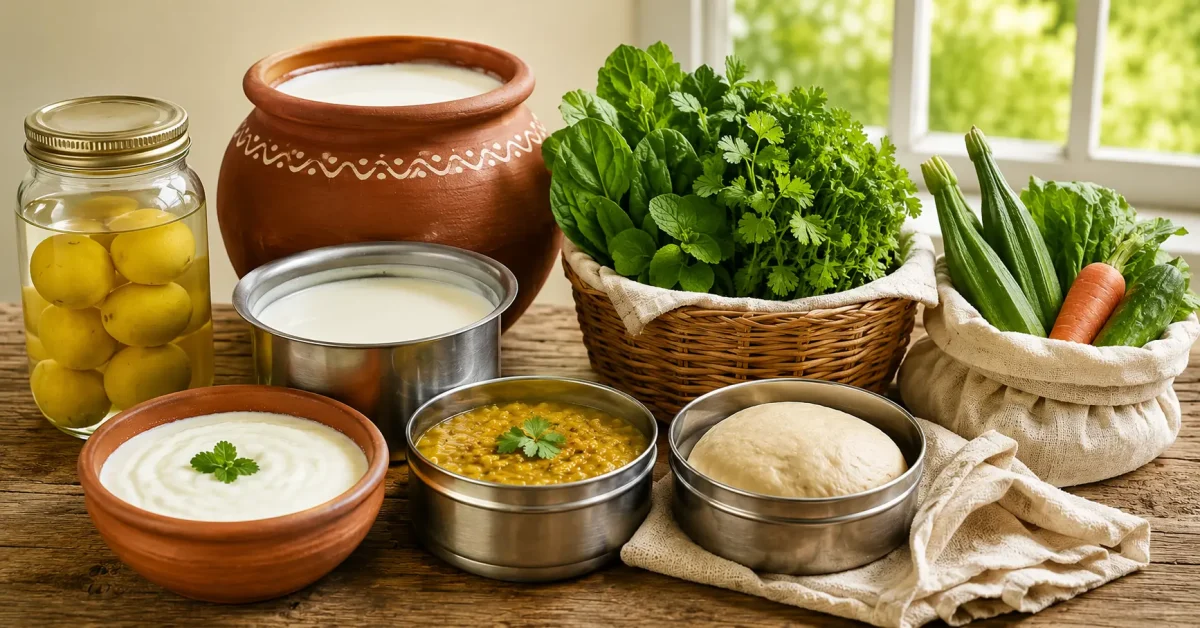
Learning how to keep food fresh without a refrigerator is very important during the summer because high temperatures make food spoil faster. If you want to know how to keep food fresh without a refrigerator, these simple home methods can help you store milk, vegetables, cooked food, and dough safely. At Daily Life Journal, we share practical kitchen solutions that make everyday life easier.

Learning how to keep food fresh without a refrigerator becomes very important during hot weather because proper food storage protects both health and money. Food waste is not only frustrating, but it also affects your budget. Therefore, understanding simple food preservation methods can help every home.

At Daily Life Journal, we believe simple home solutions can solve everyday problems. Knowing how to keep food fresh without a refrigerator is one of those practical life skills that can save food, reduce waste, and make summer kitchen management easier.

Before refrigerators became common, families used traditional methods to preserve food naturally. These methods worked for generations. Even today, many of these old kitchen tricks remain useful.

In this detailed guide by Daily Life Journal, you will learn practical and effective food storage tips in summer that can help keep your food fresh naturally.

How to Keep Food Fresh Without Refrigerator in Summer Naturally

Food spoils faster in summer because heat increases bacterial growth. Warm temperatures and humidity create the perfect environment for bacteria.

As temperature rises, bacteria multiply quickly. As a result, food starts losing freshness faster.

This affects:

  • Milk
  • Cooked rice
  • Vegetables
  • Dough
  • Curd
  • Fruits
  • Meat
  • Leftover food

Food safety becomes even more important during hot weather. Following healthy daily habits can help protect your body from food contamination and seasonal health issues.

That is why understanding how to keep food fresh without refrigerator becomes important.

At Daily Life Journal, we always recommend proper storage because food safety starts in the kitchen.

1. How to Keep Food Fresh Without Refrigerator by Boiling Milk

Milk is one of the fastest-spoiling foods in summer.

A simple and effective method of milk storage without fridge is regular boiling.

Boiling kills harmful bacteria and improves freshness.

How to store milk properly

Boil milk once in the morning.

If it remains unused, boil it again in the evening.

Store it in a clean steel container.

Always keep it covered.

This method can keep milk fresh longer.

Why boiling helps

Boiling reduces bacterial activity.

It also slows spoilage.

Therefore, milk stays usable for more hours.

Traditional tip

Store boiled milk in an earthen pot.

Clay pots stay naturally cool.

This old method still works effectively.

Common mistakes

  • Leaving milk uncovered
  • Storing milk near heat
  • Using dirty containers

Avoid these mistakes.

2. Best Ways to Keep Food Fresh Without Refrigerator at Home

Earthen pots are one of the best natural food preservation methods.

They provide cooling through evaporation.

As a result, food remains fresh longer.

Foods that can be stored:

  • Milk
  • Water
  • Curd
  • Rice

The tiny pores in clay allow water to evaporate slowly.

This creates cooling inside.

Therefore, earthen pots naturally reduce temperature.

This is one of the easiest ways to keep food fresh in summer without fridge.

At Daily Life Journal, we strongly recommend this traditional method.

Benefits of earthen pots

  • Affordable
  • Eco-friendly
  • Chemical-free
  • Easy to use

Best practices

Wash regularly.

Dry properly.

Store in cool places.

3. Wrap Vegetables in Dry Cotton Cloth

Vegetables lose freshness quickly in summer.

Leafy vegetables are especially sensitive.

A smart method for keeping vegetables fresh without refrigerator is cloth wrapping.

How to do it

Take a clean cotton cloth.

Wrap vegetables loosely.

Store in a cool place.

Avoid plastic bags.

Plastic traps moisture.

As a result, vegetables rot faster.

Best vegetables for this method:

  • Coriander
  • Spinach
  • Mint
  • Curry leaves

This method improves freshness.

Why cloth works

Cotton absorbs moisture.

It improves airflow.

It keeps vegetables drier.

Therefore, spoilage slows down.

4. Reheat Cooked Food Every Few Hours

Cooked food can spoil quickly in summer.

Especially:

  • Dal
  • Rice
  • Curry
  • Sabzi

One effective solution is reheating.

Heating reduces bacterial growth.

Method

Reheat food after every 6–8 hours.

Do not overcook.

Just heat properly.

This is one of the best food preservation tips in summer.

Why reheating helps

Heat kills developing bacteria.

As a result, food stays safe longer.

Important tip

Always keep food covered after reheating.

This protects it from contamination.

5. Store Dough with a Thin Oil Layer

Dough becomes sour quickly in summer.

To store dough in summer, oil works well.

Method

Apply a thin oil layer over the dough.

Store it in a steel container.

Cover properly.

Keep in a cool area.

The oil blocks air contact.

As a result, fermentation slows.

This method is effective for chapati dough.

Additional tip

Do not keep dough near heat.

Avoid sunlight.


6. Store Lemons in Salt Water

Lemons often become dry in hot weather.

A useful home method:

Store lemons in salt water.

Steps

Take a glass container.

Fill it with water.

Add a little salt.

Put lemons inside.

This helps maintain moisture.

It keeps lemons fresh longer.

Useful for food preservation in hot weather.

Why salt water helps

Salt slows bacterial growth.

Water maintains moisture.

7. Store Onion and Garlic in Airy Spaces

Onions and garlic need airflow.

Many people store them in plastic bags.

This traps moisture.

As a result, rotting starts faster.

Better method

Use mesh bags.

Hang them in dry places.

Avoid direct sunlight.

Avoid wet areas.

This prevents rotting.

A useful kitchen hack to keep food fresh.

Best place to store

Dry corner.

Well-ventilated shelf.

Basket storage.

8. Keep Ginger and Green Chillies Dry

These ingredients spoil fast when wet.

Storage tip

Do not wash before storing.

Keep them dry.

Wrap them in paper.

Store in cool places.

Wash only before use.

This improves shelf life.

A practical method for food storage tips in summer.

Why it works

Dry storage prevents moisture.

Less moisture means less spoilage.

Why Daily Life Journal Recommends Traditional Food Storage Methods

At Daily Life Journal, we focus on practical and simple lifestyle solutions.

Traditional food preservation methods are:

  • Affordable
  • Easy
  • Effective
  • Natural

They reduce food waste.

They save money.

They work during power cuts.

They support better healthy lifestyle tips.

Sometimes old methods remain the best methods.

Extra Tips to Keep Food Fresh Naturally

These small habits make it easier to understand how to keep food fresh without refrigerator in daily life.

Keep food covered

Always cover food properly.

This prevents dust.

It keeps insects away.

It reduces air exposure.

Use clean containers

Dirty containers spread bacteria.

Use dry and clean bowls.

This improves food safety.

Avoid storing hot food immediately

Let food cool slightly.

Then store it.

This reduces moisture.

As a result, food stays better.

Cook smaller portions

Fresh food is better.

Cook only what you need.

This reduces leftovers.

Store in cool places

Always choose shaded areas.

Avoid direct sunlight.

Heat speeds spoilage.

Traditional Food Preservation Methods Used Before Refrigerators

Before refrigerators, people used many smart preservation methods.

These methods worked for generations.

Sun drying

Used for:

  • Papad
  • Dry vegetables
  • Pickles

Sunlight removes moisture.

This slows bacterial growth.

Salt preservation

Salt helps preserve food.

Used for:

  • Lemon
  • Mango
  • Pickles

Salt controls bacteria.

Hanging storage

Used for:

  • Onion
  • Garlic

Airflow keeps them fresh.

These are effective natural food preservation methods.

Foods That Need Extra Care in Summer

Some foods spoil very quickly.

Be careful with:

Milk

Spoils within hours.

Needs regular boiling.

Rice

Can spoil if left open.

Always keep covered.

Curd

Turns sour quickly.

Store in earthen pots.

Meat

Needs quick cooking.

Avoid long exposure.

Cut fruits

Should be eaten quickly.

Do not leave outside.

Understanding this improves how to preserve food without refrigeration.

Signs That Food Has Spoiled

Never eat food if you notice:

  • Bad smell
  • Sour taste
  • Fungus
  • Color changes
  • Sticky texture
  • Gas bubbles

These are warning signs.

Recognizing spoiled food is important because eating contaminated food can cause serious health problems.

Health experts advise avoiding spoiled food to reduce foodborne diseases.

At Daily Life Journal, we recommend checking food carefully before eating.

Food safety is important.

Common Food Storage Mistakes

Avoid these mistakes:

Keeping wet vegetables

Wet vegetables rot faster.

Using plastic bags

Moisture gets trapped.

Keeping food near heat

Heat increases spoilage.

Leaving food uncovered

Bacteria and insects can affect food.

Not reheating leftovers

Bacteria grow quickly.

Avoiding these mistakes helps keep food fresh longer.

Benefits of Keeping Food Fresh Naturally

Keeping food fresh naturally offers many benefits.

Saves money

Less food gets wasted.

Better health

Fresh food is safer.

Useful during power cuts

No electricity required.

Eco-friendly

Less dependence on appliances.

Traditional and practical

Simple methods that work.

At Daily Life Journal, we believe smart kitchen habits improve daily life.

Along with proper storage, maintaining a healthy body routine supports better health.

Best Foods That Store Well Without Fridge

Some foods naturally stay fresh longer:

  • Potatoes
  • Onion
  • Garlic
  • Ginger
  • Raw mango
  • Dry fruits
  • Whole lemons

Store them properly.

They can last for days.

Kitchen Storage Tips for Better Summer Food Safety

Here are quick kitchen habits:

  • Keep shelves clean
  • Wash storage containers
  • Use dry spoons
  • Avoid moisture
  • Check food daily

These habits help improve freshness.

How Families Managed Food Before Refrigerators

Before refrigerators, people depended on:

  • Clay pots
  • Hanging baskets
  • Dry cloth wrapping
  • Salt
  • Sun drying

These methods still work.

Modern kitchens can still use them.

Smart Summer Food Habits to Reduce Waste

Reducing food waste starts with:

  • Cooking smaller meals
  • Proper storage
  • Regular checking
  • Using leftovers smartly

This saves money.

It improves food safety.

Summer heat can spoil food quickly.

However, simple traditional methods can solve many kitchen problems.

Now you know how to keep food fresh without a refrigerator using simple and traditional kitchen methods. Learning how to keep food fresh without a refrigerator can save money, reduce waste, and protect your family’s health.

Boiling milk, storing vegetables in cloth, reheating cooked food, using earthen pots, and proper dry storage are all effective solutions.

At Daily Life Journal, our goal is to share practical and useful solutions for everyday life.

These food storage methods can make your kitchen smarter and safer during summer.

Traditional wisdom still works.

And sometimes, it works better than modern methods.

For more practical home tips, kitchen hacks, and lifestyle guides, keep reading Daily Life Journal.

Frequently Asked Questions

How can I keep milk fresh without a fridge?

Boil it regularly and store it in a cool place or earthen pot.

How long can cooked food stay outside?

Usually 6–8 hours depending on temperature.

Can vegetables stay fresh without refrigerator?

Yes, wrap them in dry cloth and keep them in cool places.

Is clay pot useful for food storage?

Yes, it provides natural cooling.

How to keep dough fresh in hot weather?

Apply oil and store it in airtight containers.

Can lemons stay fresh without fridge?

Yes, storing them in salt water helps.

What is the best way to store onions?

Use mesh bags and keep them in airy places.

Is reheating food safe?

Yes, reheating helps reduce bacterial growth.

Can ginger be stored without fridge?

Yes, if kept dry and wrapped properly.

Why does food spoil faster in summer?

Because heat and humidity increase bacterial growth faster.

Also read


If you’re trying to lose belly fat at home, you need more than just random diets and workouts.. Many people in India follow random diets, inconsistent workouts, and social media advice without understanding what actually works.

The truth is simple: belly fat loss depends on your diet, activity level, sleep, and stress—not shortcuts.

This guide gives you a realistic, science-backed system that fits the Indian lifestyle.

What Is Belly Fat and Why It’s Dangerous

Belly fat is not just extra weight—it includes two types:

Subcutaneous Fat

  • Found under the skin
  • Visible and softer

Visceral Fat

  • Stored around organs
  • More harmful

According to the World Health Organization (WHO), excess visceral fat increases the risk of chronic diseases like diabetes and heart problems.

Why Belly Fat Is Common in India

1. High-Carb Diet

Indian meals often include:

  • Roti
  • Rice
  • Potatoes

Excess refined carbs are easily stored as fat.

2. Low Protein Intake

Protein helps:

  • Build muscle
  • Boost metabolism
  • Reduce hunger

3. Sedentary Lifestyle

  • Long sitting hours
  • Low daily movement

4. Poor Sleep and High Stress

High stress increases cortisol, which promotes fat storage.

Diet Plan to Lose Belly Fat at Home

What to Eat

Breakfast:

  • Eggs / Oats / Poha with peanuts

Lunch:

  • 1–2 roti + dal + sabzi + salad

Dinner:

  • Light meal before 8 PM

👉 For a detailed plan, read our healthy Indian diet plan for weight loss.

What to Avoid

  • Sugary drinks
  • Packaged snacks
  • Deep-fried foods

Why This Diet Works

  • Controls insulin levels
  • Keeps you full longer
  • Supports fat loss

Home Workout Plan to Lose Belly Fat at Home

You don’t need a gym—but you need consistency.

Weekly Routine

  • 3 days: Strength training
  • 2 days: Cardio
  • 1 day: Active recovery
  • 1 day: Rest

Best Exercises

  • Squats
  • Push-ups
  • Plank
  • Mountain climbers

👉 You can also follow our home workout routine for beginners.

Why This Works

  • Builds muscle
  • Boosts metabolism
  • Burns fat efficiently

Daily Routine to Lose Belly Fat at Home

Exercise alone is not enough.

Target

  • 7000–9000 steps daily

Simple Tips

  • Walk after meals
  • Use stairs
  • Take standing breaks

Sleep Tips to Lose Belly Fat at Home

Poor sleep leads to:

  • Increased hunger
  • Slow metabolism
  • Higher fat storage

Ideal Sleep

  • 7–8 hours per night

👉 Read our guide on how to improve sleep naturally.

Stress Management for Fat Loss

Chronic stress increases fat storage.

Simple Methods

  • Deep breathing
  • Meditation
  • Reduce screen time

Research from Harvard Medical School shows stress hormones directly impact fat accumulation.


Advantages of This Method

  • Sustainable fat loss
  • No extreme dieting
  • Works with Indian lifestyle
  • Improves overall health

Limitations

  • Results take time
  • Requires consistency
  • No quick fixes

Common Mistakes to Avoid

1. Crash Dieting

Leads to muscle loss

2. Only Cardio

Slows metabolism

3. Skipping Meals

Causes overeating

4. Inconsistency

Main reason for failure

FAQs

How long does it take to lose belly fat at home?

4–8 weeks with consistency

Can I lose belly fat without gym?

Yes, with proper diet and home workouts

What is the biggest mistake?

Inconsistency and unrealistic expectations

If you want to lose belly fat at home in India, focus on:

  • Consistent diet
  • Smart workouts
  • Better sleep
  • Stress control

There are no shortcuts—but there is a proven system.

Healthy food blogs continue to serve as valuable resources for home cooks seeking practical recipes, nutrition guidance, and structured meal-planning ideas. These platforms reflect a growing interest in balanced eating, wellness tracking, and the use of a digital life journal approach to monitoring personal health habits.

Introduction: Why Healthy Food Blogs Matter

Healthy food blogs play an increasingly important role in helping individuals make informed dietary choices. They offer accessible, healthy recipes, expert nutrition insights, and practical tools to improve long-term healthy eating habits.

Many readers now use these platforms not only for cooking inspiration but also as part of broader wellness tracking systems that support lifestyle improvement.

Healthy Recipes for Everyday Cooking

A major focus of nutrition blogs is providing healthy recipes that are simple, balanced, and easy to prepare. These recipes help readers build sustainable eating routines without requiring advanced cooking skills.

Many blogs emphasize whole ingredients, reduced processed foods, and balanced portions.

Meal Planning and Budget Cooking Strategies

Meal planning is a core feature of many healthy food blogs. Readers often rely on these resources to organize weekly menus, reduce food waste, and manage grocery budgets.

Budget cooking blogs highlight affordable ingredients and cost-per-meal breakdowns, making healthy eating more accessible to a wider audience.

Plant-Based Diet and Nutrition Trends

Interest in plant-based diet content continues to grow across nutrition blogs. These platforms focus on vegetarian and vegan meals built around whole foods, legumes, grains, fruits, and vegetables.

Many also include guidance on maintaining balanced nutrition while avoiding animal products.

Quick Meals for Busy Lifestyles

Quick meal content is designed for individuals with limited time. These blogs typically feature recipes that require minimal ingredients and short preparation times.

This category supports readers who want to maintain healthy eating habits despite busy schedules.

Sports Nutrition and Performance Eating

Sports nutrition blogs provide science-based advice for athletes and active individuals. Content often focuses on energy balance, recovery meals, hydration strategies, and performance optimization.

These resources are commonly created by certified nutrition professionals or sports dietitians.

Gluten-Free Recipes and Dietary Needs

Many healthy food blogs also specialize in gluten-free recipes and other dietary accommodations. These platforms help individuals manage sensitivities while still enjoying a diverse range of meals.

Substitution guides and ingredient alternatives are commonly included.

Digital Life Journal and Wellness Tracking

An emerging trend among readers is integrating food blogs into a broader digital life journal system. This approach combines meal tracking, nutrition awareness, and personal wellness monitoring.

By documenting eating habits and dietary progress, users can better understand long-term patterns in their health and nutrition.

Healthy food blogs have become more than recipe collections—they are now tools for education, planning, and lifestyle improvement. Whether focused on plant-based diet trends, budget cooking, or sports nutrition, these platforms support healthier eating habits and long-term wellness tracking.

As digital wellness tools continue to grow, the connection between food blogs and personal health journaling is likely to become even stronger.

World Book Day 2026 is celebrated every year on April 23 to promote reading, books, and the importance of knowledge in our lives. This day is dedicated to promoting reading, supporting authors, and raising awareness about the importance of books in shaping society. In a world increasingly dominated by digital content, World Book Day reminds us that books remain one of the most powerful sources of knowledge, imagination, and cultural exchange.

Organized by UNESCO, this international observance highlights the role of books as a bridge between generations and cultures. Books introduce us to new ideas, perspectives, and experiences, making them essential tools for education and personal growth.

When is World Book Day 2026?

World Book Day 2026 will be celebrated on Thursday, April 23, 2026. This date is fixed every year and holds special literary significance across the globe.

World Book Day 2026 History

The history of World Book Day is deeply connected to literature and cultural traditions.

Origin in Spain

The idea of celebrating a day dedicated to books was first proposed in 1922 by Vicente Clavel Andrés. His goal was to honor the famous writer Miguel de Cervantes and promote reading among the public.

The first celebration took place in 1926 in Spain. Initially, it was observed on October 7, believed to be Cervantes’ birth date. However, the date was later changed.
Why April 23 Was Chosen

April 23 holds great importance in literary history. It is associated with the death anniversaries of several legendary authors:

  • Miguel de Cervantes
  • William Shakespeare
  • Inca Garcilaso de la Vega

This coincidence made the date symbolically powerful for celebrating literature globally.
UNESCO Recognition

In 1995, UNESCO officially declared April 23 as World Book and Copyright Day. The aim was to promote reading, support publishing, and protect intellectual property through copyright laws.

Global Significance of World Book Day

World Book Day is more than just a celebration; it is a global movement that promotes literacy and education.

Promotes Reading Culture

The day encourages people of all ages to develop a habit of reading and appreciate literature.

Supports Education

Books are essential tools for learning, helping individuals expand their knowledge and thinking skills.

Connects Cultures

Books help people understand different cultures, traditions, and perspectives from around the world.

Encourages Creativity

Reading inspires imagination and creativity, which are essential for personal and professional growth.

World Book Capital Initiative

An important part of World Book Day is the World Book Capital program introduced by UNESCO. Each year, one city is selected to promote books and reading culture.

For 2026, the city of Rabat in Morocco has been selected as the World Book Capital, highlighting global efforts to promote literacy and cultural exchange.

World Book Day 2026 Theme

While there may not always be a single fixed theme, the focus of World Book Day 2026 includes:

Supporting authors and publishers

Promoting literacy worldwide

Encouraging multilingual reading

Making books accessible to everyone


Importance of World Book Day 2026

In today’s fast-paced digital world, the importance of reading has increased significantly.

Improves Focus

Reading helps improve concentration and attention span, especially in an era of constant digital distractions.

Enhances Knowledge

Books provide in-depth knowledge and reliable information across various subjects.

Builds Vocabulary

Reading improves language skills and enhances communication abilities.

Reduces Stress

Reading can be a relaxing activity that helps reduce stress and improve mental well-being.

Benefits of World Book Day 2026

Reading books regularly offers numerous benefits:

  • Improves memory and brain function
  • Enhances creativity and imagination
  • Develops critical thinking skills
  • Boosts confidence
  • Supports career growth

Psychological Benefits of Reading

Reading has a direct impact on the brain:

  • Strengthens neural connections
  • Improves emotional intelligence
  • Enhances empathy

Books allow readers to experience different perspectives, making them more understanding and aware.

Cultural Importance of Books

Books play a vital role in preserving:

  • History
  • Traditions
  • Languages

They serve as records of human civilization and cultural heritage.

Role of Books in Education

Books are fundamental to education because they:

  • Provide structured knowledge
  • Improve comprehension
  • Encourage independent thinking

Students who read regularly tend to perform better academically.
How World Book Day is Celebrated

World Book Day is celebrated in many ways across the globe:

  • Book fairs and exhibitions
  • Reading sessions
  • Storytelling events
  • Book donation drives
  • School competitions

These activities help promote reading culture and make books more accessible.
Famous Quotes About Reading

Some inspiring quotes about books and reading include:

“A reader lives a thousand lives.”
“Books are a uniquely portable magic.”
“Reading is dreaming with open eyes.”

These quotes highlight the importance and impact of reading.
World Book Day Speech

Good morning everyone,

Today we celebrate World Book Day, a day dedicated to books and reading. Books are our best companions as they provide knowledge, inspiration, and guidance. In today’s digital age, reading books helps improve our focus and understanding.

Let us make reading a daily habit and encourage others to do the same.

Thank you.

Must-Read Books for 2026

Classic Literature

  • Hamlet by William Shakespeare
  • Don Quixote by Miguel de Cervantes

Self-Development

  • Atomic Habits by James Clear
  • The Power of Habit by Charles Duhigg

Inspirational

  • The Alchemist by Paulo Coelho
  • Wings of Fire by A. P. J. Abdul Kalam

Digital vs Traditional Reading

Digital reading offers convenience and accessibility, while traditional reading provides better focus and deeper understanding. A balanced approach that combines both is considered ideal.

How to Develop a Reading Habit

  • Start with 15–20 minutes daily
  • Choose books based on your interests
  • Set a fixed reading time
  • Avoid distractions
  • Take notes for better understanding

Future of Reading

The future of reading includes digital transformation, increased use of e-books and audiobooks, and personalized content experiences. However, traditional books will continue to remain relevant.
World Book Day 2026 is a powerful reminder that books remain essential for knowledge, creativity, and cultural connection. In a rapidly evolving digital world, reading continues to be one of the most valuable habits for personal and intellectual growth.

Developing a reading habit can transform your life by improving your understanding, enhancing your skills, and expanding your perspective.