Stress Management Techniques That Really Work: A Complete Guide
Simple stress management techniques like mindfulness, breathing exercises, and regular movement can help reduce stress and improve overall well-being.
If your shoulders are tight right now, your jaw is clenched, or you’ve read the same sentence three times without absorbing it, you already know what stress feels like in the body. The good news is that stress management techniques don’t require a silent retreat in the mountains or hours of free time you don’t have. Most of the techniques that actually move the needle take less than ten minutes, fit into an ordinary day, and work whether you’re a student cramming before exams, a working professional juggling deadlines, or a parent trying to hold a household together. This guide walks through what stress really does to your body, the techniques backed by research and everyday experience, and how to build a routine that keeps stress from running your life.
Stress Management Techniques: How They Protect Your Body and Mind
Before jumping into techniques, it helps to understand why stress feels the way it does. When your brain senses a threat, it releases cortisol and adrenaline. Your heart rate increases. Your muscles tighten. Breathing becomes shallow, and digestion slows down.Your heart rate climbs, muscles tense, breathing shortens, and digestion slows. This is the classic fight-or-flight response, and it’s incredibly useful if you’re actually being chased by something dangerous.
The problem is that modern stressors rarely resolve in minutes the way physical danger once did. A looming work deadline or a tense relationship can keep that stress response simmering for days, weeks, or months. Chronic activation of this system is linked to disrupted sleep, weakened immunity, digestive issues, high blood pressure, irritability, and difficulty concentrating. Over time, unmanaged stress doesn’t just feel unpleasant — it actively erodes physical health and emotional resilience.
This is exactly why stress management techniques matter so much. They aren’t about eliminating stress entirely — some stress is a normal and even useful part of life — but about giving your nervous system enough recovery time to function well instead of staying stuck in overdrive.
1. Breathing Techniques That Calm the Nervous System Fast
Breathing is one of the fastest ways to reduce stress. It is also one of the few automatic body functions you can control.Slow, deep breathing activates the parasympathetic nervous system — your body’s natural “rest and digest” mode — which directly counteracts the fight-or-flight state.
One of the simplest stress management techniques to start with is the 4-7-8 method: inhale through your nose for four seconds, hold the breath for seven seconds, then exhale slowly through your mouth for eight seconds. Repeat this for four to five rounds. Within a couple of minutes, most people notice their heart rate slowing and racing thoughts quieting down.
Box breathing is another option favored by athletes and even military personnel for high-pressure situations: inhale for four counts, hold for four, exhale for four, hold for four, and repeat. The even rhythm gives your mind something simple to focus on, which interrupts spiraling thoughts.
The key with breathing exercises is consistency rather than intensity. Even ninety seconds of slow breathing before a stressful meeting, exam, or conversation can shift your physiological state enough to think more clearly.
2. Move Your Body, Even Briefly
Exercise is one of the best stress management techniques. You do not need an intense workout. Even light physical activity burns excess cortisol and releases mood-boosting endorphins.
A brisk 15-minute walk can reduce stress. Stretching or climbing stairs also helps relieve tension.If you’re dealing with chronic stress, building a regular movement habit — even three short walks a week — tends to outperform occasional intense workouts, because consistency keeps your baseline stress hormones lower over time.
For people working long desk hours, set a reminder to stand up and move every 60-90 minutes. This single habit, paired with our guide to healthy daily habits, can meaningfully reduce the physical tension that builds up from sitting and mental strain combined.
3. Reframe Your Thoughts With Cognitive Techniques
Stress often comes from how we interpret events. Our thoughts can increase or reduce stress. Cognitive reframing, a technique borrowed from cognitive behavioral therapy (CBT), involves catching an unhelpful thought and asking whether it’s accurate, exaggerated, or even useful.
For example, “I’m going to fail this presentation and everyone will think I’m incompetent” is a catastrophic prediction, not a fact. Reframed, it might become: “I’m nervous, but I’ve prepared well, and even an imperfect presentation isn’t the end of my career.” This isn’t about forcing fake positivity — it’s about giving your brain a more balanced, accurate version of events instead of the worst-case story it defaults to under pressure.
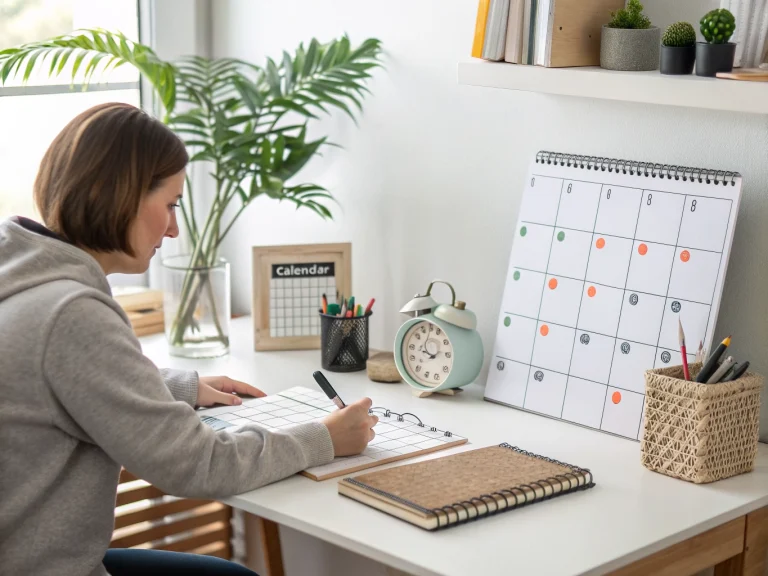
Journaling is one of the easiest ways to practice this. Writing down what’s stressing you out, and then writing a more balanced response next to it, creates psychological distance from the thought. Many people find that stress that feels overwhelming in their head looks far more manageable once it’s on paper.
4. Build a Wind-Down Routine for Better Sleep
Stress and sleep have a two-way relationship: stress makes it harder to sleep, and poor sleep makes you far more reactive to stress the next day. Breaking this cycle is one of the highest-leverage stress management techniques available, because it improves your baseline resilience across every other area of life.
A consistent wind-down routine signals to your brain that the day is ending. This might include dimming lights an hour before bed, avoiding screens (or using night mode), doing some light stretching, or reading something unrelated to work. Going to bed and waking up at consistent times, even on weekends, also strengthens your body’s natural circadian rhythm, which makes falling asleep easier and reduces the groggy, stress-prone feeling of irregular sleep.
If racing thoughts at bedtime are a recurring problem, try keeping a notepad by your bed. Writing down tomorrow’s to-do list or whatever’s looping in your mind can stop the mental rehearsal that often keeps people awake.
5. Set Boundaries Around Your Time and Energy
Chronic stress often comes from many small demands. These demands build up over time and become overwhelming: messages that need replies, requests you feel obligated to say yes to, and a calendar with no breathing room. Learning to set boundaries is one of the more underrated stress management techniques, partly because it requires a mindset shift rather than a quick trick.
Boundaries can be as simple as not checking work email after a certain hour, saying no to a commitment that doesn’t align with your priorities, or blocking time on your calendar for focused work without interruptions. The goal isn’t to become unavailable or uncooperative — it’s to protect enough space that you’re not running on empty all the time.
If you find boundary-setting difficult, especially with family or close relationships, our piece on building strong and healthy relationships covers how to communicate limits without damaging the relationship itself.
6. Practice Mindfulness and Grounding Exercises
Mindfulness doesn’t require sitting cross-legged for an hour. At its core, it’s simply the practice of paying attention to the present moment instead of looping through worries about the past or future — which is exactly where most stress lives.
Try the 5-4-3-2-1 grounding technique. Name five things you see, four you hear, three you touch, two you smell, and one you taste. This pulls your attention out of anxious thought spirals and back into your immediate surroundings, which calms the nervous system within minutes.
Short guided meditations, even five-minute ones, are widely available and can be a low-effort entry point if formal meditation feels intimidating. The goal isn’t to “clear your mind” perfectly — it’s to practice noticing when your thoughts have drifted into stress and gently redirecting them.
7. Talk to Someone — Don’t Carry It Alone
Stress that’s bottled up tends to intensify. Talking to someone you trust provides emotional relief. It can also offer new perspectives and practical solutions that are difficult to see on your own. Seek professional help if stress affects your sleep, appetite, relationships, or daily life. A doctor or therapist can provide the right support. Persistent stress that doesn’t improve with lifestyle changes can sometimes be a sign of an underlying anxiety disorder or depression, both of which respond well to professional support.
8. Use Nutrition and Hydration as Stress Tools
What you eat and drink has a direct effect on your stress resilience. Caffeine and sugar spikes can mimic or worsen the physical sensations of anxiety — racing heart, jitteriness, restlessness — making everyday stress feel more intense than it is. Stay hydrated and eat balanced meals. Stable blood sugar supports better mood and energy levels.
Magnesium-rich foods like leafy greens, nuts, and seeds, along with omega-3 sources like fish or walnuts, have been associated with better stress regulation. While diet alone won’t eliminate major stressors, it does influence how equipped your body is to handle them.
Stress Management Techniques for the Workplace
Work is one of the most common sources of chronic stress, and it comes with its own set of challenges: tight deadlines, difficult coworkers, long commutes, and the pressure of constant availability through email and chat apps. Applying general stress management techniques at work often requires small, deliberate adjustments rather than sweeping changes to your job.
Start by auditing where your stress actually comes from during the workday. Is it back-to-back meetings with no buffer time? Constant notifications pulling your attention in different directions? An unclear set of priorities from your manager? Identifying the specific trigger makes it much easier to apply a targeted fix, such as blocking 15-minute buffers between meetings, turning off non-urgent notifications during focused work, or having a direct conversation with your manager about priorities when everything feels equally urgent.
Taking real breaks also matters more than most people realize. A five-minute walk away from your desk, stepping outside for fresh air, or simply closing your eyes and breathing for two minutes between tasks gives your nervous system brief recovery windows throughout the day instead of letting tension build continuously from morning to evening. If you work from home, the boundary between “work mode” and “rest mode” can blur even further, which is why creating physical or time-based cues — like closing your laptop at a set hour or changing rooms after work ends — helps your brain register that the workday is actually over.
Stress Management Techniques for Students
Academic stress has its own particular shape: exam pressure, competitive comparison with peers, uncertainty about the future, and often a packed schedule that leaves little room for rest. Many of the techniques covered earlier apply directly here, but a few adaptations make them more effective for students specifically.
Breaking large study goals into smaller, time-boxed sessions — often called the Pomodoro technique, where you study in focused 25-minute blocks followed by a five-minute break — reduces the overwhelm that comes from staring at an entire syllabus at once. This also prevents the mental fatigue that builds when studying continues for hours without any pause.
It’s also worth normalizing that some pre-exam stress is expected and even useful, as it sharpens focus. The goal isn’t to eliminate all nervousness before a test, but to prevent it from tipping into the kind of overwhelming anxiety that affects sleep, appetite, and the ability to actually retain information. Talking to friends going through the same exams, rather than isolating, often reduces the sense that you’re facing the pressure alone.
Common Mistakes That Reduce the Effectiveness of Stress Management Techniques
Just as important as knowing the right stress management techniques is recognizing the habits that quietly make stress worse. One of the most common is suppression — pushing feelings down and telling yourself you’ll “deal with it later,” which usually means never actually processing it. Stress that isn’t addressed doesn’t disappear; it tends to resurface as irritability, physical tension, or a sudden emotional reaction to something minor.
Another frequent mistake is relying on quick numbing behaviors — excessive scrolling, watching multiple episodes for long periods, or overeating — as a substitute for actual stress relief.These can offer brief distraction, but they don’t activate the same calming physiological response that breathing exercises, movement, or social connection do, and they often leave you feeling worse afterward rather than better.
Overcommitting is another silent stress multiplier. Saying yes to every request, every social obligation, and every extra task at work might feel like the path of least resistance in the moment, but it compounds into the very overwhelm that boundary-setting techniques are designed to prevent. Learning to pause before automatically agreeing to something — even just asking for a day to think it over — creates space to make decisions based on your actual capacity rather than guilt or habit.
Frequently Asked Questions About Stress Management
How quickly do stress management techniques actually work?
Breathing exercises and grounding techniques can produce a noticeable calming effect within two to five minutes, since they directly influence your nervous system’s physiological state. Techniques like cognitive reframing, boundary-setting, and building better sleep habits tend to show results over days to weeks, as they involve changing patterns rather than producing an instant effect.
What is the single best stress management technique to start with?
There isn’t one universal answer, since people respond differently to different approaches, but slow breathing is one of the most accessible starting points because it requires no equipment, no privacy, and works almost anywhere — at a desk, in a car, or before a difficult conversation.
Can stress management techniques replace therapy or medication?
For everyday, situational stress, these techniques are often enough on their own. However, if stress is persistent, severe, or linked to an underlying condition like an anxiety disorder or depression, self-help techniques work best as a complement to professional support rather than a replacement for it.
Is some stress actually good for you?
Yes. Short bursts of stress, sometimes called eustress, can sharpen focus, improve performance under pressure, and even build resilience over time. The goal of stress management isn’t to eliminate stress completely, but to prevent it from becoming chronic and overwhelming.
How do I know if my stress levels need professional help?
If stress is consistently disrupting your sleep, appetite, relationships, or ability to function at work or school for more than a couple of weeks, or if you notice persistent feelings of hopelessness, it’s a strong signal to speak with a doctor or mental health professional rather than continuing to manage it alone.
Tracking Your Progress with Stress Management Techniques
One of the most overlooked stress management techniques isn’t a technique at all — it’s tracking. Stress can be deceptive because it builds gradually, which makes it easy to normalize a constant low hum of tension without realizing how much it’s affecting you until something snaps, whether that’s a health issue, a burnout episode, or a breakdown in an important relationship.
Keep a simple stress log each day. Rate your stress from one to ten and write one short note about the cause. Over time, you will notice useful patterns.Over a few weeks, this often reveals triggers that weren’t obvious in the moment — a particular meeting, a specific person, a recurring financial worry, or even something as simple as skipping breakfast on certain days. Once a pattern is visible, it becomes far easier to apply the right technique at the right time, rather than reaching for a generic fix that doesn’t address the actual source.
This kind of tracking also helps you notice what’s working. If you’ve started a daily walk or a breathing practice, comparing your stress ratings before and after a few weeks gives you real feedback on whether it’s making a measurable difference, rather than relying on a vague sense that “things feel a bit better.” That feedback loop is often what keeps people consistent with a new habit long enough for it to actually become effective.
Building a Simple Daily Stress Management Routine
These stress management techniques work best when practiced every day. Do not wait until stress becomes overwhelming. A realistic daily structure might look like this: a few minutes of deep breathing or stretching in the morning, short movement breaks throughout the day, a journaling or reframing session if something stressful comes up, and a consistent wind-down routine at night. None of this needs to take more than 20-30 minutes total spread across the day.
If you’re also trying to build better habits in other areas of life, pairing this with a structured morning routine or starting with small, manageable changes — as outlined in our guide to micro-habits — makes the whole process feel far less overwhelming than trying to overhaul your entire lifestyle overnight.
When Stress Becomes Something More
It’s worth distinguishing everyday stress from chronic stress that doesn’t let up. If you’re experiencing constant fatigue, frequent headaches, changes in appetite, withdrawal from people you care about, or a persistent sense of dread, these techniques are a good starting point, but they may not be sufficient on their own. According to the World Health Organization, chronic stress that goes unaddressed can contribute to long-term physical and mental health conditions, which is why professional support matters when self-help strategies aren’t enough.
For more structured approaches to mental wellness, the National Institute of Mental Health offers additional resources on coping with stress and recognizing when to seek help.
Managing stress isn’t about achieving a permanently calm, unbothered life — that’s not realistic for anyone. It’s about building a toolkit of stress management techniques you can reach for when pressure builds, so that stress becomes something you respond to deliberately rather than something that runs the show. Start with one or two techniques from this list — breathing exercises and a short daily walk are an easy place to begin — and build from there. Small, consistent practices, repeated over time, do far more for your long-term wellbeing than waiting until you’re overwhelmed to act.
This article is for informational purposes and is not a substitute for professional medical or mental health advice. If stress is significantly affecting your daily life, please consult a qualified healthcare provider.
About the Author