Simple breathing exercises, healthy habits, and mindfulness can help you deal with anxiety naturally and improve emotional well-being.
How to deal with anxiety naturally is a question many people ask when stress starts affecting their daily life. Anxiety often shows up without warning. You may feel a tight chest before a meeting or a racing mind at night. If you want practical ways to calm your mind without relying only on medication, this guide explains simple and effective strategies that can help.This guide covers what’s happening in your body during anxiety, eight natural strategies that are genuinely effective, and how to know when it’s time to get additional support.
How to Deal With Anxiety Naturally: Understanding Anxiety
Anxiety is your body’s alarm system, designed to alert you to potential danger. Sometimes this alarm system becomes too sensitive. It may react to emails, social situations, or uncertainty about the future. Even when no real danger exists, your body still responds. When this happens, your body still responds as if danger is real: increased heart rate, shallow breathing, muscle tension, and a flood of thoughts trying to predict and prevent whatever might go wrong.
Occasional anxiety is a normal part of being human. Learning how to deal with anxiety naturally can help you manage these feelings before they become overwhelming. It becomes a problem when it’s frequent, disproportionate to the actual situation, or starts interfering with sleep, relationships, work, or daily functioning. Learning how to deal with anxiety naturally does not mean ignoring your feelings. Instead, it means giving your nervous system practical tools to calm down and recover more quickly.
1. Practice Slow, Controlled Breathing
When anxiety spikes, breathing becomes fast and shallow. How to deal with anxiety naturally often starts with simple breathing exercises that calm the nervous system, which actually reinforces the body’s sense of danger and keeps the anxious feeling going. Deliberately slowing your breath sends the opposite signal to your nervous system.
Try a simple breathing exercise. Inhale through your nose for four seconds. Hold your breath briefly. Exhale through your mouth for six seconds. A longer exhale helps calm your nervous system.. Doing this for two to three minutes during a moment of anxiety often noticeably reduces the physical intensity, even if the anxious thoughts themselves don’t disappear immediately.
Breathing exercises are simple and private. You can use them at work, at home, or while traveling.
2. Move Your Body to Burn Off Excess Energy
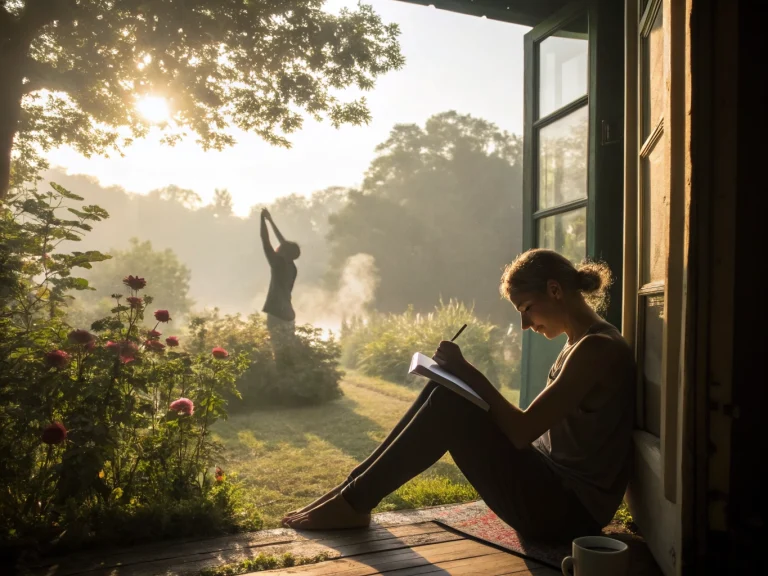
Anxiety often comes with a buildup of physical energy that has nowhere to go — restlessness, fidgeting, an inability to sit still. Movement gives that energy somewhere productive to release. Even a 10-15 minute walk, especially outdoors, can lower anxious feelings by burning off stress hormones and shifting your attention outward instead of inward.
Research consistently shows that regular exercise reduces baseline anxiety levels over time. Regular movement is one of the best answers to how to deal with anxiety naturally, not just in the moment after a workout. You don’t need intense training; consistent, moderate movement like walking, cycling, swimming, or yoga is enough to make a measurable difference for most people.
3. Limit Caffeine and Stimulants
Caffeine can mimic and intensify the physical symptoms of anxiety — a racing heart, jitteriness, restlessness — because it directly stimulates the same nervous system pathways. For people who are prone to anxiety, even a normal amount of coffee can tip physical sensations into something that feels like a full anxiety spike.
You do not have to quit caffeine completely. Pay attention to how your body reacts. Reducing afternoon caffeine may improve both sleep and anxiety symptoms.Many people notice a meaningful drop in baseline anxious feelings within a week or two of reducing caffeine intake.
4. Challenge Anxious Thoughts With Evidence
Anxiety tends to generate worst-case scenarios and present them as near-certain facts. A core part of learning how to deal with anxiety naturally involves learning to question those thoughts rather than automatically believing them.
When an anxious thought appears, pause for a moment. Ask yourself what evidence supports it. Think about the most likely outcome instead of the worst one. Remember how similar situations ended in the past. This isn’t about dismissing your feelings, but about giving your rational mind a chance to weigh in before anxiety writes the entire story on its own.
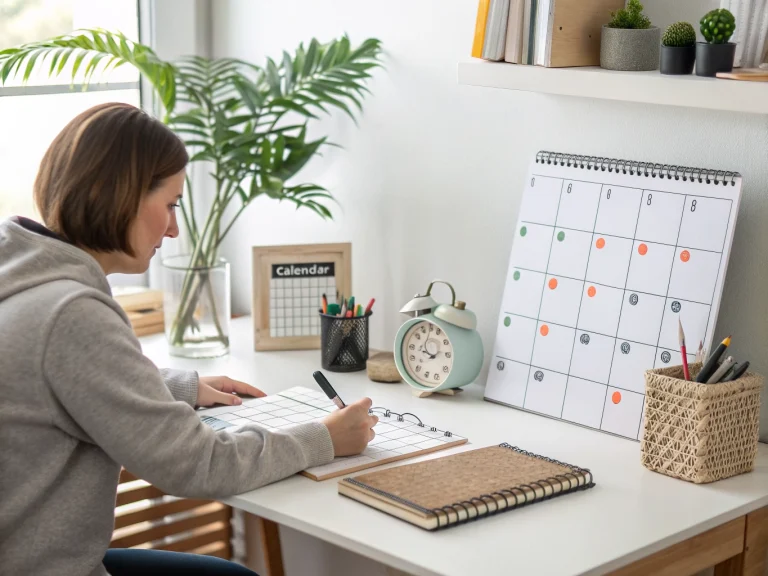
Write your anxious thoughts in a journal. Seeing them on paper often makes them feel less overwhelming and easier to manage.
5. Use Grounding Techniques in the Moment
Grounding techniques pull your attention away from anxious thought loops and back into your physical surroundings, which interrupts the spiral before it builds further. The 5-4-3-2-1 method is one of the most widely used: identify five things you can see, four things you can hear, three things you can touch, two things you can smell, and one thing you can taste.
You can also try other grounding methods. Hold an ice cube or a cold drink. Press your feet firmly into the floor. Notice the sensation. Say the name of the room out loud. These techniques work because anxiety lives largely in anticipation of the future — grounding forces your attention back into the present moment, where the immediate danger your body is reacting to usually doesn’t actually exist.
6. Protect Your Sleep
Sleep and anxiety affect each other. Anxiety can make it hard to fall asleep. Poor sleep can also increase anxiety the next day, creating a loop that can intensify over time. Prioritizing consistent sleep is one of the most underrated natural strategies for anxiety, because it strengthens your baseline resilience across every other area.
A simple wind-down routine — dimming lights, avoiding screens close to bedtime, and going to bed at a consistent time — helps signal to your body that it’s safe to relax. If anxious thoughts tend to spike specifically at bedtime, writing them down in a notebook before turning off the lights can prevent the mental rehearsal that keeps so many people awake.
7. Reduce Uncertainty Where You Can
Anxiety thrives on uncertainty, since the brain’s threat-detection system often treats “unknown” as equivalent to “dangerous.” While you can’t eliminate uncertainty from life, you can reduce the parts of it that are genuinely within your control. Prepare before stressful events. Break large tasks into smaller steps. Gather useful information. These actions can reduce anxiety, because it shrinks the unknown that your mind was filling in with worst-case assumptions.
For the parts of life that genuinely can’t be controlled or predicted, practicing acceptance — acknowledging that uncertainty exists and choosing not to spend excessive energy trying to control the uncontrollable — is a skill that improves with deliberate practice, often through mindfulness or therapy-based approaches.
8. Build Supportive Daily Habits
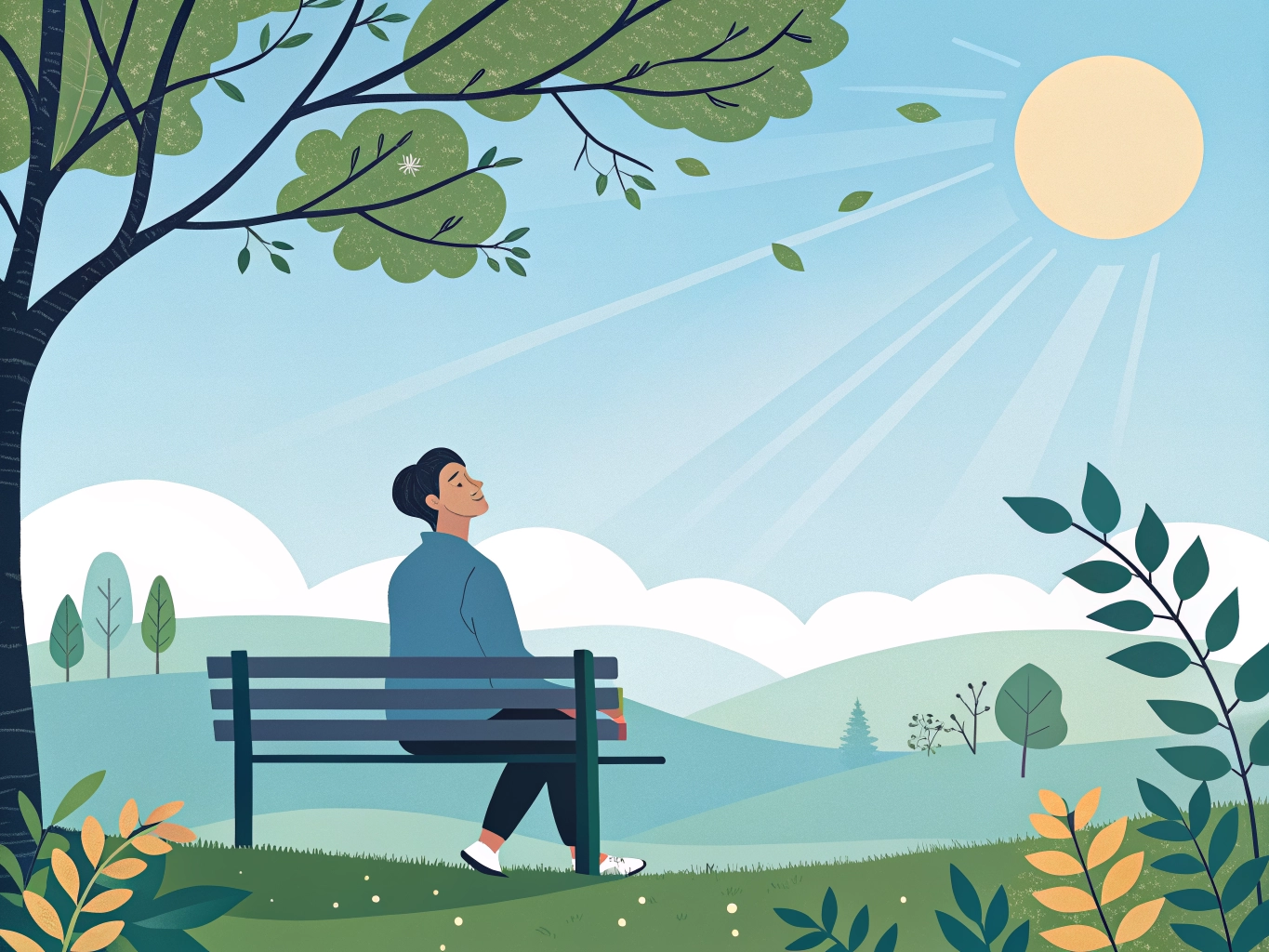
Anxiety doesn’t exist in isolation from the rest of your life. Diet, hydration, sunlight exposure, and social connection all influence your baseline anxiety levels. Skipping meals or relying heavily on sugar and processed foods can cause blood sugar swings that mimic anxious symptoms, while regular exposure to natural light helps regulate the circadian rhythm that supports both mood and sleep.
Social connection helps reduce anxiety. Talking to someone you trust provides support and a fresh perspective. If you’re working on strengthening these connections, our guide on building strong and healthy relationships covers practical ways to deepen the support systems around you.
Pairing anxiety-reduction techniques with small, sustainable daily habits — rather than trying to overhaul your entire routine at once — also tends to work better long term. Our piece on micro-habits breaks down how tiny, consistent actions compound into meaningful change without feeling overwhelming, and our guide to healthy daily habits offers a broader framework for building the kind of consistent routine that keeps anxiety from compounding in the first place.
How to Deal With Anxiety Naturally vs. Professional Treatment
It’s worth being clear that natural strategies are not always a complete substitute for professional care, particularly for moderate to severe anxiety. Natural techniques can reduce everyday anxiety. They may also help with long-term symptoms. However, they work best when combined with therapy or medication if needed.
According to the National Institute of Mental Health, anxiety disorders are among the most common mental health conditions, and effective treatments — including cognitive behavioral therapy and, when appropriate, medication — are widely available and well-studied. There’s no need to choose between natural strategies and professional support; the two work well together for most people.
Anxiety at Work and in Social Situations
Anxiety often spikes in specific, predictable situations — presentations, social gatherings, performance reviews, or unfamiliar environments. Preparing a small set of go-to techniques for these moments specifically can make a significant difference. Arriving a few minutes early to a stressful event rather than rushing in at the last second, for instance, gives your nervous system time to settle rather than starting the situation already in a heightened state.
How to Deal With Anxiety Naturally in Social Situations
For social anxiety, prepare a few conversation starters in advance. Give yourself permission to step away for a short break if needed. Repeated exposure can gradually reduce fear.
How Perfectionism Increases Anxiety
Perfectionism often drives workplace anxiety. Many people fear making mistakes or being judged. Remember that others are usually more forgiving than you expect.
How to Deal With Anxiety Naturally Through Diet and Gut Health
An area that’s gained a lot of attention recently is the connection between gut health and anxiety, often referred to as the gut-brain axis. The digestive system produces a significant portion of the body’s serotonin, a neurotransmitter closely tied to mood regulation, and an imbalanced gut microbiome has been linked to higher rates of anxious symptoms in several studies.
How Healthy Foods Support Mental Health
Practically, this means that diet quality isn’t just about physical health. It also affects how anxious or calm you feel each day. Diets rich in fiber, fermented foods, and vegetables support a healthier gut microbiome.
Why Limiting Alcohol Can Help
Alcohol is worth a specific mention here as well. It may provide temporary relief, but it often disrupts sleep and increases anxiety the following day. Reducing alcohol intake can improve emotional balance over time.
How Anxiety Shows Up Differently for Different People
How to Deal With Anxiety Naturally by Understanding Symptoms
Anxiety looks different for everyone. Some people experience physical symptoms such as a racing heart or dizziness. Others struggle mainly with racing thoughts and worry.
How to Deal With Anxiety Naturally With the Right Coping Strategies
Recognizing your pattern helps you choose effective techniques. Physical symptoms often respond well to breathing exercises and movement. Mental symptoms may improve with journaling and thought reframing.
Anxiety Can Change With Different Situations
Some people feel anxious only in specific situations like flying or public speaking. Others experience ongoing anxiety without a clear trigger. Understanding your pattern helps you respond more effectively.
How to Deal With Anxiety Naturally for Long-Term Resilience
Natural anxiety management is a long-term process. Small daily habits create lasting results.
Build One Healthy Habit at a Time
Focus on one habit such as exercise, sleep, or mindfulness. Once it becomes routine, add another healthy habit.
Keep an Anxiety Journal
Write down your triggers, symptoms, and coping methods. Tracking patterns helps you understand what works best.
Practice Self-Compassion
Recovery is not always linear. Some days will be harder than others. Be patient and keep using your coping strategies.
How to Deal With Anxiety Naturally Through Consistent Daily Habits
Consistency matters more than perfection. Small actions repeated every day can strengthen emotional resilience and reduce anxiety over time.According to the American Psychological Association, building this kind of resilience is most effective when natural coping strategies are practiced consistently over time rather than used only during crisis moments.
If you are wondering how to deal with anxiety naturally, the following frequently asked questions provide quick and practical answers.
How to Deal With Anxiety Naturally: Frequently Asked Questions
Can Natural Methods Cure Anxiety?
Most people do not eliminate anxiety completely. The goal is to reduce its frequency and intensity so it no longer controls daily life.
How Long Do Natural Anxiety Techniques Take to Work?
Breathing and grounding exercises can help within minutes. Lifestyle changes such as exercise and better sleep may take two to four weeks to show results.
Why Do I Feel Anxious Without a Clear Reason?
Generalized anxiety can occur without an obvious trigger. Poor sleep, stress, diet, and daily habits may all contribute.
When Should You Seek Professional Help?
Talk to a healthcare professional if anxiety affects your work, sleep, or relationships. You should also seek help if you experience panic attacks or severe physical symptoms.
Final Thoughts on How to Deal With Anxiety Naturally
Learning how to deal with anxiety naturally takes time and consistency. Small daily habits often create lasting improvements. Keep practicing healthy coping strategies and seek professional support whenever needed.
Learning how to deal with anxiety naturally is not about finding one perfect solution. Instead, how to deal with anxiety naturally involves building healthy habits that support your mind and body every day. It is about building a toolkit of healthy habits. Use breathing techniques during stressful moments. Improve your lifestyle over time. Seek professional support when you need extra help. Start small: pick one or two strategies from this list that feel realistic for your life right now, practice them consistently for a few weeks, and build from there. Anxiety rarely responds to a single dramatic change, but it responds well to small, steady, repeated effort.
Be patient with the process. Anxiety usually takes time to improve. Some weeks will feel easier than others. This is normal and does not mean your coping strategies have stopped working. What matters most is returning to your toolkit consistently, even after a setback, rather than expecting a perfectly linear improvement from week to week.
This article is for informational purposes and is not a substitute for professional medical or mental health advice. If anxiety is significantly affecting your daily life, please consult a qualified healthcare provider.
About the Author