Everyone knows that a bad night’s sleep leaves you feeling tired the next day. However, many people don’t realise how sleep affects mental health. Research shows that poor sleep does more than follow stress or low mood. It can also contribute to them. Understanding how sleep affects mental health can help you improve your mood, manage stress, and support better emotional wellbeing. This guide explains what happens in the brain during sleep, how disrupted sleep contributes to anxiety, depression, and emotional reactivity, and the practical steps that genuinely improve both sleep quality and mental wellbeing together.
How Sleep Affects Mental Health: The Science Behind Better Sleep
Sleep isn’t simply downtime for the brain — it’s an active period during which essential processes take place. During deep sleep, your brain removes metabolic waste that builds up during the day. It also clears proteins linked to some neurodegenerative diseases. During REM sleep, your brain processes emotional experiences from the day. This process helps regulate mood and supports healthy emotional recovery.
Poor sleep interrupts these important brain processes. The amygdala becomes more reactive after sleep loss. At the same time, the prefrontal cortex struggles to control emotional responses. As a result, everyday challenges may feel more stressful than usual. As a result, everyday situations may feel overwhelming. You may also react more emotionally than usual. Small problems can seem much bigger after poor sleep.
The Cycle Between Poor Sleep and Mental Health Struggles
One of the most frustrating aspects of the sleep-mental health relationship is how bidirectional it is. Anxiety and racing thoughts often make it difficult to fall asleep. Depression can also disrupt normal sleep patterns. Some people wake up too early, while others sleep longer but still feel tired. Poor sleep increases anxiety and low mood the next day. Those symptoms can make it even harder to sleep the following night. Over time, this cycle becomes difficult to break.
Breaking this cycle requires action on both problems. Improve your sleep habits while also treating anxiety or low mood. Addressing both together often produces better results than focusing on only one. Many people notice improvements after they sleep better. Quality sleep helps both the body and the brain recover. Better rest may also reduce some symptoms before other treatments begin to work.
How Sleep Affects Mental Health Through Anxiety
Sleep loss has a particularly strong relationship with anxiety. Even one night of poor sleep can increase activity in the brain’s threat-detection system. As a result, normal situations may feel more stressful or threatening than they really are. This is part of why everything can feel more overwhelming after a bad night’s sleep, even when nothing about the actual circumstances has changed.
Long-term sleep deprivation increases anxiety over time. It can also make anxiety feel constant and more difficult to manage. Some people notice fewer anxiety symptoms after improving their sleep. Better sleep often supports other anxiety treatments as well, which is part of why sleep is increasingly treated as a first-line consideration in anxiety treatment rather than an afterthought.
How Sleep Affects Mental Health and Depression
The relationship between sleep and depression is similarly strong, though it works somewhat differently than with anxiety. Insomnia is a common symptom of depression. However, long-term sleep problems may also increase the risk of developing depression. The relationship works in both directions.
Some people with depression sleep much longer than usual. This condition is called hypersomnia. Despite sleeping longer, they often wake up feeling tired and unrested. Both patterns — too little and too much sleep — are associated with worse depressive symptoms compared to a consistent, moderate amount of quality sleep, which suggests that sleep regularity and quality matter just as much as raw quantity.
How Sleep Affects Mental Health in Children, Teenagers, and Young Adults
Sleep needs and patterns shift considerably during childhood and adolescence, and disrupted sleep during these developmental periods appears to have an outsized effect on mental health compared to adulthood. Teenagers naturally fall asleep later because their body clock changes during adolescence. Early school schedules often reduce the amount of sleep they get. This lack of sleep can affect emotional regulation, mood, and learning.
Research links poor sleep in teenagers with irritability, anxiety, depression, lower academic performance, and increased risk-taking behaviour. For families with teenagers, this is worth taking seriously rather than dismissing as simple laziness or a preference for staying up late — Researchers have documented the biological shift in teenage sleep timing and isn’t simply a matter of willpower or discipline.
How to Improve How Sleep Affects Mental Health Naturally
You can improve sleep quality by following healthy sleep habits. Experts call these habits sleep hygiene. They help your body recognise when it is time to sleep and when it is time to stay awake.Consistency is one of the most important factors — going to bed and waking up at roughly the same time every day, including weekends, helps stabilize your circadian rhythm far more effectively than occasional early nights paired with irregular sleep the rest of the week.
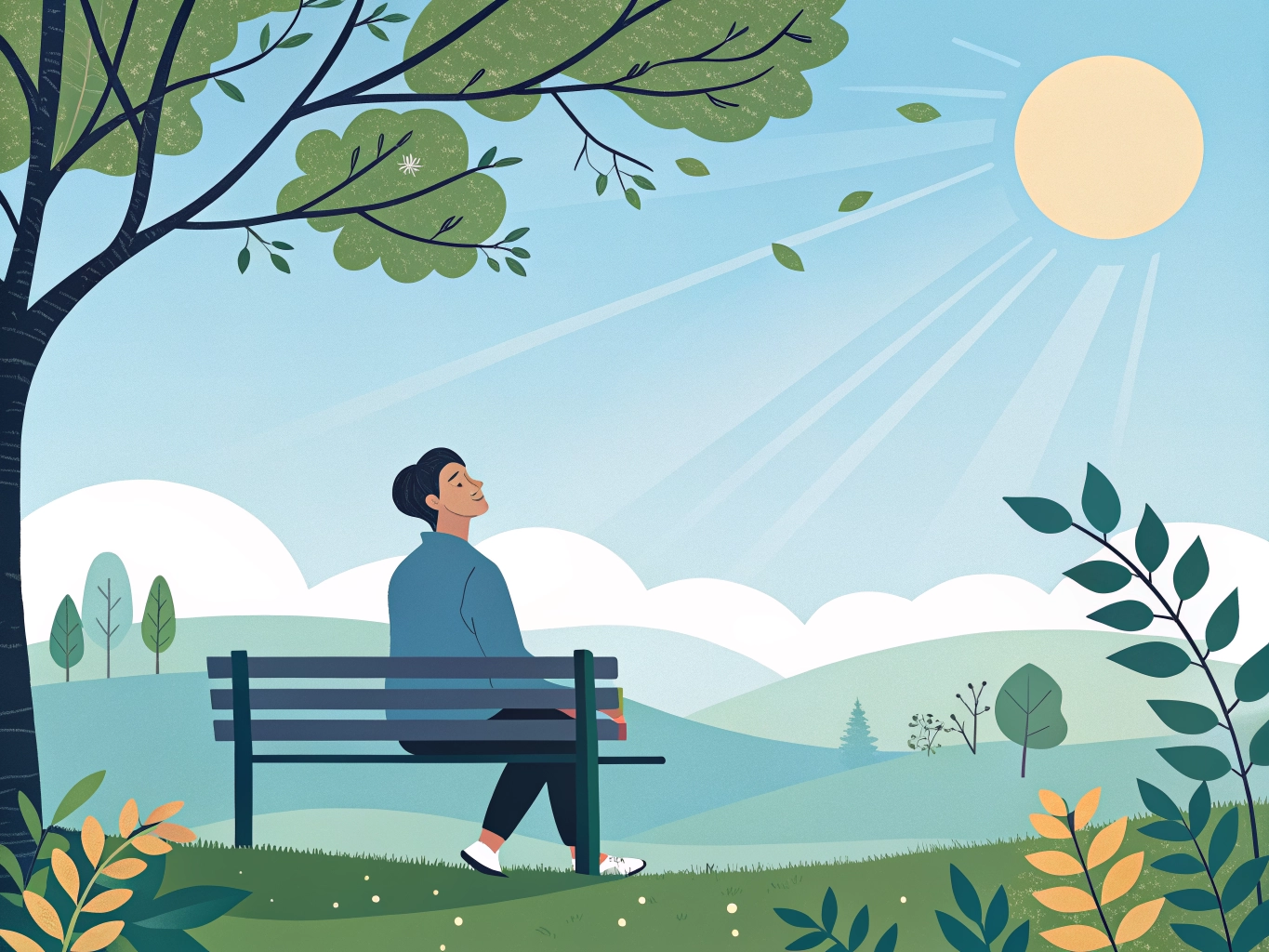
Light exposure plays a significant role as well. Spend time in natural sunlight during the first hour after waking. This helps regulate your body clock and improves alertness. In the evening, reduce screen time and bright lights. These simple habits support natural melatonin production and make it easier to fall asleep. If avoiding screens is difficult, use night mode or a blue-light filter. However, turning screens off before bed remains the best option.
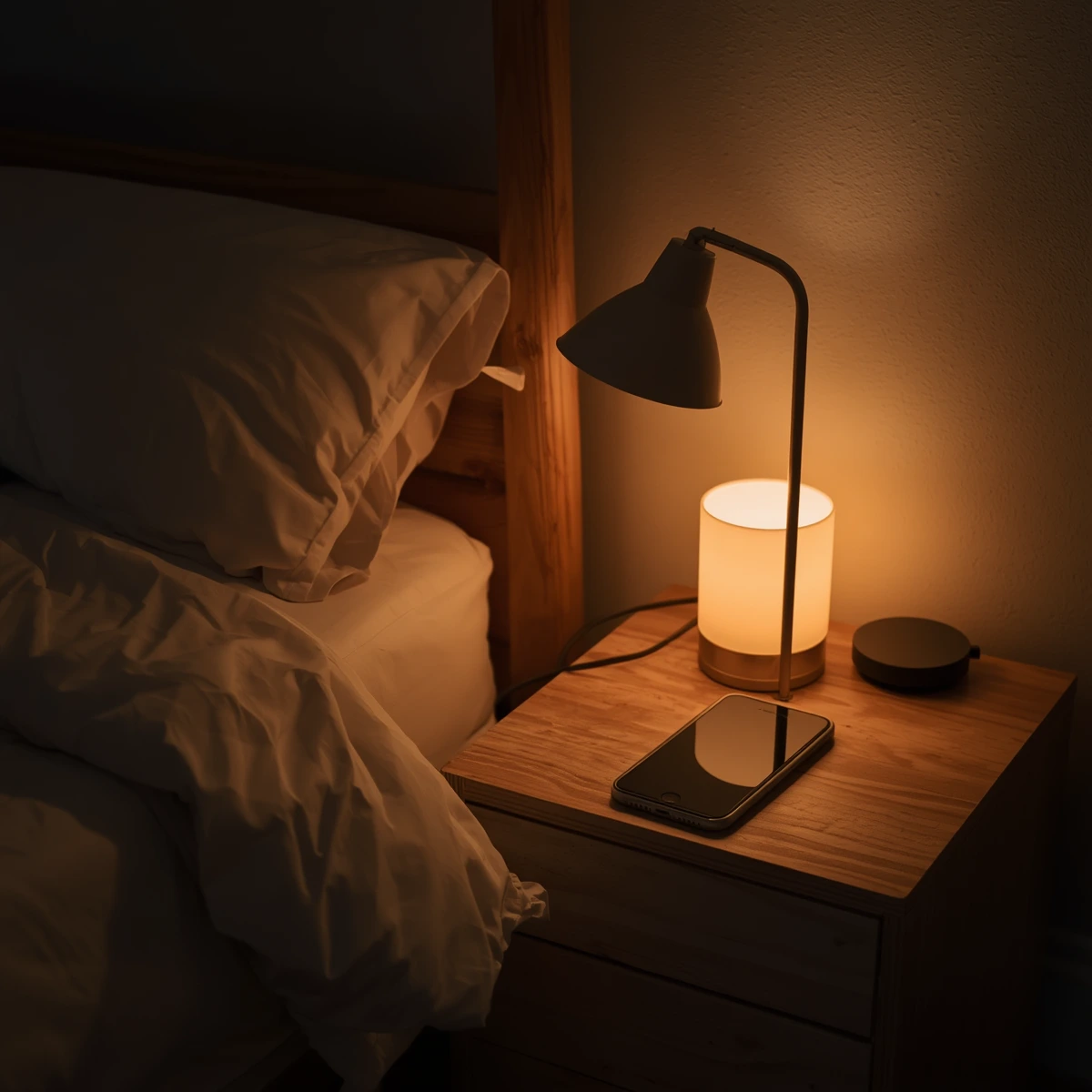
Your bedroom plays an important role in sleep quality. Keep the room cool, dark, and quiet. These simple changes can improve sleep. Reserving your bed specifically for sleep, rather than working, scrolling, or watching shows in bed, also helps your brain associate the bed itself with rest rather than alertness or stimulation.
Managing Racing Thoughts at Bedtime
For many people, the biggest obstacle to good sleep isn’t the environment but a mind that won’t quiet down once the lights go off. Racing thoughts about tomorrow’s responsibilities, replaying conversations, or anxious rumination are extremely common and tend to intensify specifically at bedtime, when there are fewer distractions competing for attention.
Write tomorrow’s tasks or your worries on paper before bed. This simple habit helps clear your mind and reduces repetitive thinking. A short wind-down routine involving slow breathing or a brief body scan, where you systematically notice and relax each part of your body, can also help shift your nervous system out of the alert state that keeps racing thoughts active.
When to Seek Professional Help for Sleep and Mental Health
While the strategies in this guide help most people improve sleep quality meaningfully, Sometimes healthy habits are not enough. If sleep problems continue for several weeks, talk to a doctor or mental health professional. If insomnia or disrupted sleep continues for more than a few weeks despite consistent effort, or if it’s clearly tied to significant anxiety, depression, or another mental health condition, it’s worth speaking with a doctor or therapist rather than continuing to manage it alone.
Cognitive Behavioral Therapy for Insomnia (CBT-I) is an effective treatment for long-term sleep problems. It helps people change thoughts and habits that interfere with sleep. Many experts recommend CBT-I before using sleep medication. According to the National Institute of Mental Health, the relationship between sleep and mental health is significant enough that treating Doctors often treat sleep problems as an important part of improving mental health.
Sleep and Stress: A Two-Way Relationship
Sleep and stress influence each other in much the same bidirectional way as sleep and anxiety or depression. Chronic stress elevates cortisol, a hormone that, when persistently high, interferes with the body’s ability to fall and stay asleep. Poor sleep, in turn, reduces your capacity to handle the next day’s stressors effectively, since sleep-deprived brains show reduced activity in the areas responsible for calm, rational problem-solving.
Stress management is just as important as healthy sleep habits. Both work together to improve mental wellbeing. Our guide to healthy daily habits explains how movement, nutrition, and relaxation can improve sleep and reduce stress, since these systems are so closely intertwined that improving one tends to support the other.
Building a Sustainable Sleep Routine
Do not change your entire sleep routine at once. Start with one or two habits. Give them a few weeks before making additional changes. A consistent wake time, even if bedtime varies somewhat, tends to be one of the highest-leverage single changes available, since it anchors your circadian rhythm more reliably than focusing on bedtime alone.
Our piece on micro-habits offers a useful framework for this kind of gradual change, since attempting too many sleep adjustments simultaneously often backfires by making the whole process feel overwhelming and harder to sustain than tackling one change at a time.
Lifestyle Habits That Improve How Sleep Affects Mental Health
Caffeine and Sleep Quality
What you consume during the day has a direct effect on sleep quality and mental health. Caffeine stays in your body for several hours. Even an afternoon coffee can make it harder to fall asleep at night. Try limiting caffeine after lunchtime if you struggle with sleep. Reducing caffeine after early afternoon is one of the simplest ways to improve sleep.
Alcohol and Mental Wellbeing
Alcohol may help you fall asleep faster. However, it disrupts deep sleep later in the night. Many people wake up feeling tired even after sleeping for several hours. Reducing alcohol in the evening can improve both sleep quality and mental health.
Exercise and Better Sleep
Regular exercise improves sleep quality and supports emotional wellbeing. However, intense workouts close to bedtime may keep some people awake. Try finishing vigorous exercise at least a few hours before bedtime.
Naps, Weekends, and Sleep Debt
Many people sleep too little during the week. They then try to recover by sleeping longer on weekends. This habit often disrupts the body clock. While this does provide some relief, Researchers found that extra weekend sleep does not fully reverse the cognitive and emotional effects of sleep loss. of accumulated sleep deprivation, and the resulting irregular schedule — sleeping in significantly later on weekends — can actually make it harder to fall asleep at a normal time on Sunday night, creating a recurring weekly disruption sometimes called social jet lag.
Short naps, when used strategically, can help offset some sleep debt without disrupting nighttime sleep, provided they’re kept relatively brief — generally twenty to thirty minutes — and taken earlier in the day rather than close to evening. Longer or later naps tend to interfere with nighttime sleep onset, potentially worsening the very problem they were meant to solve. The more sustainable long-term solution remains prioritizing consistent, adequate sleep throughout the week rather than relying on naps or weekend catch-up sleep as a substitute.
Track How Sleep Affects Mental Health Every Day
Track How Sleep Affects Mental Health Every Day
Keep a Simple Sleep Journal
Sleep affects everyone differently. Track your own sleep patterns instead of relying only on general advice.
Identify Your Sleep Triggers
Tracking your sleep can reveal habits, foods, or stressful situations that affect your sleep quality and mood.
Sleep Myths That Can Undermine Mental Health
Several common beliefs about sleep can actually work against the goal of better rest and mental wellbeing. Many people believe they can function well with very little sleep. Research shows that most adults still need seven to nine hours each night for good physical and mental health. While some people may feel subjectively adjusted to chronic short sleep, Researchers consistently find that poor sleep reduces cognitive performance, even in people who report feeling fine — the brain’s ability to accurately judge its own impairment is itself reduced by sleep deprivation.
Another myth suggests staying in bed will eventually help you fall asleep. In reality, this habit may make it harder to associate your bed with restful sleep. In reality, prolonged time spent awake in bed, especially while frustrated or anxious about not sleeping, tends to strengthen an unhelpful association between the bed and wakefulness rather than rest. Many sleep specialists recommend leaving the bed after about twenty minutes if you cannot fall asleep of being unable to fall asleep, doing something calm and low-stimulation in dim light elsewhere, and returning to bed only once you feel sleepy again, rather than remaining in bed indefinitely hoping sleep will eventually arrive.
A third common misconception is that any amount of sleep is equally restorative as long as the total hours add up. In reality, sleep quality — how continuous and undisturbed it is, and how much time is spent in deeper restorative stages — matters just as much as total duration. Someone who sleeps eight hours but wakes frequently throughout the night may experience worse mental health effects than someone who sleeps a slightly shorter but more continuous and uninterrupted stretch.
Frequently Asked Questions About Sleep and Mental Health
How many hours of sleep support good mental health? Most adults need between seven and nine hours of sleep per night for optimal mental and physical functioning, though individual needs vary somewhat. Consistently sleeping less than this, even if it feels manageable in the short term, is associated with worse mood regulation and increased anxiety over time.
Can improving sleep alone resolve anxiety or depression? For some people, particularly those whose symptoms are closely tied to sleep deprivation, improving sleep can produce significant relief. For others, especially with more severe or longstanding conditions, sleep improvement is an important supporting factor but not a complete solution on its own, and professional treatment remains necessary alongside it.
Why do I feel more anxious specifically at night? Nighttime often removes the distractions that normally keep anxious thoughts at bay during the day, while natural circadian changes in cortisol and other hormones can also heighten anxious feelings in the evening for some people. This is a common and recognized pattern rather than a sign that something unusual is happening.
Is it normal for sleep problems to come and go? Yes. Sleep quality naturally fluctuates with stress levels, life circumstances, and even seasonal changes. Occasional difficult nights aren’t cause for concern, but a consistent pattern lasting several weeks is worth addressing directly rather than assuming it will resolve on its own.
Better sleep takes time and consistent effort. Focus on a regular bedtime, a relaxing sleep environment, and healthy evening habits. Small daily improvements can make a noticeable difference within a few weeks. If sleep problems continue, speak with a qualified healthcare professional. If sleep struggles persist despite genuine effort, treating it as seriously as any other mental health concern — and seeking professional support when needed — is a reasonable and often highly effective next step.
This article is for informational purposes and is not a substitute for professional medical or mental health advice. If sleep problems or related mental health symptoms are significantly affecting your daily life, please consult a qualified healthcare provider.