Why Does Your Skin Become Dry in Winter? Causes, Prevention and What Actually Helps

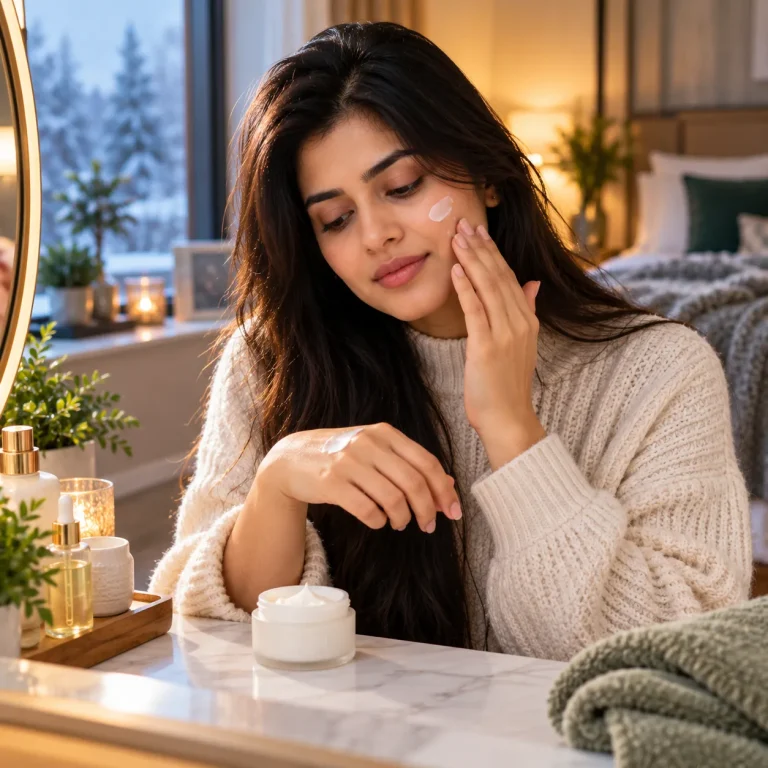
A simple winter skincare routine can help protect the skin barrier and reduce dryness.
Dry, tight or flaky skin can become more noticeable during winter. Cold air, low humidity, indoor heating and hot showers can all affect the skin’s ability to retain moisture. A simple winter skincare routine can help protect the skin barrier and reduce dryness.
Quick Answer
Dry skin in winter is commonly linked to colder, drier air and changes in daily skincare habits. Low humidity can increase moisture loss from the skin, while hot showers, harsh cleansers and frequent washing can make the problem worse.
Using a gentle cleanser, taking shorter lukewarm showers and applying a fragrance-free moisturizer soon after bathing can help. If your skin becomes severely itchy, painful, cracked, inflamed or does not improve, a dermatologist can help identify the cause.
Why does your skin become dry in winter?
Winter changes the environment around your skin. Outdoor temperatures fall, humidity can be lower, and indoor heating can further reduce moisture in the air.
Your skin has a protective outer layer called the skin barrier. One of its important functions is helping keep water inside the skin while protecting it from environmental irritants.
When the surrounding air is dry, the skin can lose moisture more easily. You may notice tightness, roughness, flaking or mild itching.
Winter habits can add to the problem. Long hot showers, harsh soaps, aggressive scrubbing and skipping moisturizer may remove some of the skin’s natural oils or increase irritation.
This is why winter skincare is less about using many products and more about protecting the skin barrier consistently.
Can cold air and low humidity damage the skin barrier?
Cold, dry conditions can make it harder for the skin to retain moisture. Low humidity means there is less moisture in the surrounding air, which can contribute to increased water loss from the skin.
Wind can also make exposed areas such as the face and hands feel particularly dry and uncomfortable.
People with sensitive skin or existing inflammatory skin conditions may notice these changes more strongly.
A moisturizer can help by adding moisture and forming a protective layer that reduces water loss. The type of moisturizer matters too. Creams and ointments are generally more suitable for very dry skin than very lightweight lotions.
You do not need to wait until your skin starts peeling before moisturizing. Regular application can help maintain the skin barrier throughout the colder months.
Why do hot showers make winter dryness worse?
A long, hot shower may feel comforting when the weather is cold, but it can leave dry skin feeling even worse.
Hot water can remove some of the natural oils that help protect the skin. Spending a long time in hot water may therefore contribute to dryness and irritation.
Strong soaps, heavily fragranced products and frequent scrubbing can also be irritating, particularly when the skin barrier is already dry.
Instead, try taking a shorter shower with lukewarm water. Use a gentle cleanser and avoid vigorously rubbing flaky areas.
Simple Post-Shower Tip
Gently pat your skin dry instead of rubbing it completely dry. Apply moisturizer while your skin is still slightly damp to help retain moisture.
How can you tell dry skin from eczema?
Dry skin and eczema can look similar, but they are not the same thing.
Simple winter dryness may cause roughness, flaking, tightness and mild itching. Eczema involves inflammation and can cause more noticeable redness, itching, scaling and irritated patches.
| Dry Skin | Eczema |
|---|---|
| Often feels rough or tight | May have red, inflamed patches |
| Flaking can occur | Itching can be significant |
| Often linked to environmental dryness | Involves skin inflammation and barrier dysfunction |
| May improve with regular moisturizing | May require additional medical treatment |
These differences are not enough to diagnose eczema at home. If itching is severe, symptoms keep returning or the skin becomes inflamed, cracked or painful, speak with a healthcare professional.
Which ingredients help dry winter skin?
The best moisturizer depends on your skin type and how dry or irritated it is. Several commonly used ingredients can support dry skin in different ways.
- Ceramides: Help support the skin barrier and reduce moisture loss.
- Glycerin: A humectant that helps attract and retain water in the skin.
- Hyaluronic acid: A humectant that can help increase skin hydration.
- Petrolatum: An occlusive ingredient that forms a protective layer and reduces water loss.
- Dimethicone: Can provide a protective layer and help reduce moisture loss.
- Urea: Can help soften and hydrate dry, rough skin in appropriate formulations.
It can help to understand three broad types of moisturizing ingredients.
Humectants attract water. Emollients help smooth and soften the skin. Occlusives form a protective layer that slows water loss.
If your skin is sensitive or irritated, fragrance-free products may be easier to tolerate than heavily fragranced skincare.
How often should you moisturize in winter?
There is no single number that works for everyone. The important part is applying moisturizer consistently whenever your skin feels dry.
Moisturizing soon after bathing can be particularly useful because it helps trap some of the water remaining on the skin.
If your skin is very dry, a thicker cream or ointment may work better than a lightweight lotion. Hands may also need moisturizer several times a day because frequent washing can increase dryness.
If a product causes burning, worsening redness or irritation, stop using it and consider discussing the reaction with a healthcare professional.
What winter skincare mistakes should you avoid?
You do not need a complicated routine to protect your skin during winter. In fact, too many products can sometimes make an irritated skin barrier harder to manage.
- Very hot showers: Choose lukewarm water instead.
- Long showers: Keep bathing time reasonable.
- Harsh cleansers: Choose gentle products when your skin is dry or sensitive.
- Aggressive scrubbing: Do not scrub flaky skin repeatedly.
- Skipping moisturizer: Apply it regularly, particularly after bathing.
- Heavy fragrance: Fragrance can irritate some sensitive skin.
- Ignoring persistent symptoms: Severe itching, redness or cracking may need medical attention.
Your winter routine can remain simple: gentle cleansing, regular moisturizing and protection from harsh environmental conditions.
Can dehydration cause dry skin?
Dehydration and dry skin are related to different processes, so drinking more water is not a complete treatment for winter dryness.
Your body needs adequate fluids for normal health, and dehydration can affect the body in several ways. However, dry winter skin is often strongly influenced by the external environment and damage or disruption of the skin barrier.
That means drinking excessive amounts of water will not necessarily solve flaky skin.
Instead, combine adequate fluid intake with appropriate skincare. Moisturizing directly helps address moisture loss from the skin surface.
If you have been told to restrict fluids because of a medical condition, follow your healthcare professional’s advice rather than increasing your intake specifically for dry skin.
When should you see a dermatologist?
Most mild winter dryness can often be managed with simple skincare changes. However, persistent or severe symptoms deserve attention.
Consider seeing a dermatologist or other healthcare professional if:
- Your skin remains very dry despite regular moisturizing.
- Itching is severe or interferes with sleep.
- Your skin becomes very red, swollen or painful.
- Cracks bleed repeatedly.
- You notice oozing, crusting or signs of infection.
- Dryness or irritation keeps returning.
- You are unsure whether the problem is eczema or another skin condition.
A healthcare professional can examine your skin and determine whether you need treatment beyond basic moisturization.
Frequently Asked Questions
Why does my skin get dry in winter?
Cold weather, lower humidity, indoor heating and changes in bathing or skincare habits can increase moisture loss and make the skin barrier less effective. Hot showers and harsh cleansers can make winter dryness worse.
Is dry skin caused by dehydration?
Dehydration can affect your health and may contribute to skin changes, but winter dry skin is often more directly related to environmental dryness and the skin barrier. Adequate fluids and regular moisturizing both have different roles.
Are hot showers bad for dry skin?
Very hot and prolonged showers can remove natural skin oils and worsen dryness. Lukewarm water and shorter showers are generally gentler on dry skin.
Is cream better than lotion for very dry skin?
Thicker creams and ointments generally provide more protection against moisture loss than lightweight lotions. The best choice depends on your skin, how dry it is and how well you tolerate the product.
How often should I moisturize dry skin?
Moisturize regularly whenever your skin feels dry, with particular attention after bathing. Very dry areas may need repeated application throughout the day.
What ingredients are good for winter dry skin?
Common moisturizing ingredients include ceramides, glycerin, petrolatum, dimethicone and hyaluronic acid. Urea can also help certain types of dry, rough skin. Sensitive skin may benefit from fragrance-free products.
How do I know if my dry skin is eczema?
Eczema can cause significant itching, redness and inflamed patches in addition to dryness. Because several skin conditions can look similar, persistent or severe symptoms should be assessed by a healthcare professional.
When should I see a dermatologist?
Seek professional advice if dryness is severe or persistent, itching interferes with sleep, skin becomes painful or inflamed, cracks bleed repeatedly, or you notice oozing or crusting.
Related Reads
- Healthy Diet Tips for Everyday Wellness
- Vitamin Deficiencies: Signs, Diagnosis and Treatment
- 10-Minute Walk After Meals: Benefits and Tips
Protect Your Skin This Winter
Winter dryness does not always require a complicated skincare routine. Gentle cleansing, lukewarm showers and regular moisturizing can help protect your skin barrier. If dryness becomes severe or persistent, professional advice can help identify the cause.
About the Author