A simple “Just Start” reminder and one focused task encourage taking the first step toward productivity.
“Just get started” and “use more willpower” aren’t plans — they’re the advice you’ve already tried and already know doesn’t work. Procrastination usually isn’t about laziness. It’s often a response to a task feeling overwhelming, boring, or emotionally uncomfortable.
This guide skips the generic motivation talk and focuses on a practical, step-by-step approach to actually getting unstuck.
Procrastination is usually driven by how a task makes you feel — overwhelmed, bored, or anxious — not by a lack of discipline. The most effective fix is reducing the task’s emotional friction: breaking it into a smaller first step, removing distractions, and creating a clear, low-pressure starting point.
A realistic plan combines identifying your specific procrastination trigger, shrinking the task, and using short, structured work sessions rather than relying on motivation to show up on its own.
Why “Just Have More Willpower” Doesn’t Work
Willpower is a limited resource that fluctuates throughout the day based on stress, sleep, and mental fatigue. Relying on willpower alone means procrastination will win on your hardest days — which are often exactly when you can least afford it. A system that doesn’t depend on motivation is more reliable than one that does.
Identify Your Procrastination Trigger First
Different triggers need different fixes. Before applying any technique, figure out which one applies to your situation.
The Task Feels Overwhelming
The task is large, vague, or has too many unclear steps. The fix is breaking it into a much smaller, specific first action.
The Task Is Boring
Low-stimulation tasks trigger avoidance. Pairing them with a reward, a time limit, or a change of environment can help.
The Task Feels Emotionally Uncomfortable
Fear of failure, criticism, or a difficult conversation often hides behind procrastination. Naming the discomfort directly can reduce its power.
There’s No Clear Deadline
Tasks without urgency naturally get deprioritized. Creating an artificial deadline or accountability check-in can restore urgency.
A Realistic Step-by-Step Plan
Shrink the Task to Its Smallest Possible First Step
Instead of “write the report,” commit to “open the document and write one sentence.” The goal is removing the activation energy required to begin.
Use a Short, Timed Work Session
Commit to just 10–15 minutes of focused work. It’s easier to start something with a built-in stopping point than an open-ended commitment.
Remove One Specific Distraction Before Starting
Rather than a vague “eliminate distractions,” pick one concrete action — phone in another room, specific tab closed — before your work session begins.
Attach the Task to an Existing Habit
Link the task to something you already do consistently, like starting it right after your morning coffee, to reduce the decision-making required to begin.
Allow Imperfect Progress
Give yourself permission to do a rough, imperfect version first. Perfectionism is one of the most common hidden drivers of procrastination.
Review What Triggered the Delay Afterward
Once the task is done, briefly note why you were avoiding it. Over time, this builds self-awareness of your personal procrastination patterns.
A Simple Weekly Anti-Procrastination Routine
| Day | Focus |
|---|---|
| Monday | Identify the one task you’re most likely to avoid this week and shrink it to a small first step. |
| Tuesday–Thursday | Use short, timed sessions to make progress, especially on that identified task. |
| Friday | Review which tasks got delayed and note the trigger behind each one. |
| Weekend | Plan next week’s schedule, placing your most avoided task in a specific time block. |
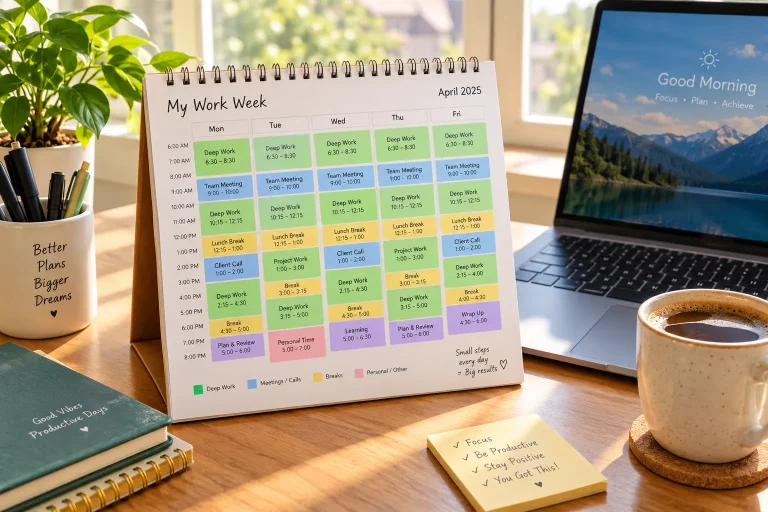
Procrastination often creeps in when tasks live only on a to-do list with no specific time attached. Combining this plan with time blocking gives avoided tasks an actual appointment on your calendar.
When Procrastination Might Be Something More
Occasional procrastination is normal. But if avoidance is severe, persistent, and significantly affecting your work, relationships, or wellbeing, it may be worth discussing with a mental health professional, as it can sometimes relate to anxiety, ADHD, or other underlying factors.
Frequently Asked Questions
Is procrastination the same as laziness?
No. Procrastination is typically an emotional response to a task — overwhelm, boredom, or discomfort — rather than a simple lack of effort or care.
Why do I procrastinate on tasks I actually want to do?
Even desired tasks can trigger procrastination if they feel large, ambiguous, or carry a risk of failure or judgment. The size and clarity of a task often matter more than your interest in it.
Does the Pomodoro Technique actually help with procrastination?
Short, timed work sessions like the Pomodoro Technique can help by lowering the perceived commitment required to start, though the underlying trigger for avoidance still needs to be addressed for lasting change.
How do I stop procrastinating on work tasks specifically?
Break the task into its smallest actionable first step, remove one specific distraction, and commit to a short timed session rather than an open-ended block of “work time.”
Can procrastination be completely eliminated?
Most people continue to experience occasional procrastination even with good systems in place. The realistic goal is reducing its frequency and impact, not eliminating it entirely.
Related OmniGuide Articles
Trusted Sources and Further Reading
Procrastination patterns vary by individual, and persistent or severe avoidance may benefit from professional support rather than self-help strategies alone.
Procrastination is rarely solved by trying harder to feel motivated. It’s solved by shrinking the task, removing friction, and building a small system that doesn’t depend on how you feel that day.
Start with one small step today — not the whole task, just the next five minutes of it.
Turn Plans Into a Real Schedule
Pair this plan with a weekly structure that actually holds you accountable.
Try Time Blocking Explore OmniGuideAbout the Author