Why Do You Feel More Hungry in Winter? 7 Reasons and Healthy Ways to Manage It

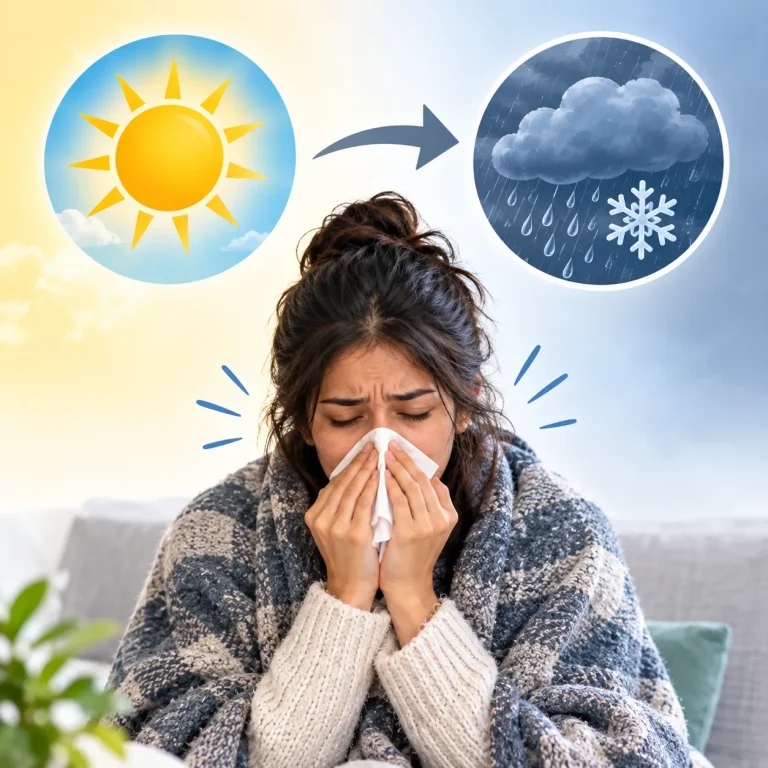
Winter weather, changing routines, sleep patterns and food cravings may influence how hungry you feel.
Do you feel like you want to eat more when the weather gets colder? Winter can change your routine, activity, sleep, mood and food choices. For some people, these changes can make hunger and cravings feel stronger.
Quick Answer
If you feel more hungry in winter, it may not be because your body suddenly needs much more food. Colder temperatures, changes in daylight, reduced activity, sleep changes, mood and easy access to comfort foods can all influence eating behavior.
Research on cold exposure and appetite is mixed. Some studies suggest cold can affect energy expenditure or appetite, while other research finds little change in actual food intake. Individual responses can vary.
Why do you feel more hungry in winter?
Winter can change several parts of your daily routine at the same time. You may spend more time indoors, move less, sleep differently or reach for warm and comforting foods more often.
Temperature and daylight can also influence eating behavior, but the effect is not the same for everyone. Research reviewing seasonal eating patterns suggests that changes in temperature, daylight, physical activity, emotions and social habits may all contribute to differences in food intake.
This means there is no single explanation for winter hunger. Your increased appetite may come from a combination of physical hunger, habits and environmental cues.
The key is to understand whether you are genuinely hungry or simply responding to a craving, boredom, stress or a change in routine.
Can cold weather make you feel hungrier?
Possibly, but the relationship is more complicated than simply saying that cold weather makes everyone eat more.
Your body has to regulate its temperature when you are exposed to cold. Cold exposure can increase energy expenditure under some conditions. However, studies have not consistently shown that this automatically leads to greater food intake.
A person’s response can also depend on how cold they are, how long they are exposed to it, their clothing, physical activity and their overall environment.
So if you notice more hunger in winter, temperature may be one factor, but it is unlikely to be the only explanation.
Does cold automatically mean you need more calories?
Not necessarily. Your energy needs depend on many factors, including physical activity, body size, health, environment and individual metabolism. Avoid assuming that winter automatically requires a much larger calorie intake.
Why do winter cravings for sweets and carbohydrates increase?
Winter can make certain foods feel especially appealing. Hot drinks, sweets, baked foods and other comfort foods can become part of your seasonal routine.
Cravings can also be influenced by mood and environmental cues. Changes in daylight and seasonal routines may affect how some people feel and eat. A review of seasonal eating research found that temperature, daylight, emotions and social factors can all contribute to changes in food intake.
For some people, winter-pattern seasonal affective disorder can include increased appetite, particularly cravings for carbohydrates, along with oversleeping and other mood-related symptoms. This is different from simply enjoying more snacks during cold weather.
You do not need to completely avoid carbohydrates or sweets. Instead, try to make most meals balanced and keep highly processed snacks as occasional choices.
Can less physical activity make you feel hungrier?
Winter can change how much you move. Shorter days, colder mornings or spending more time indoors may reduce outdoor walking and other activities for some people.
Physical activity and appetite have a complex relationship. Some people feel hungrier after exercise, while others notice little change. Your appetite is influenced by your total energy needs, meal pattern, sleep and many other factors.
If you are moving less during winter, focus on maintaining regular activity rather than trying to compensate with extreme food restriction.
- Take short indoor walking breaks.
- Try simple stretching during the day.
- Use stairs when practical.
- Continue your normal exercise routine when weather permits.
- Choose enjoyable activities that you can maintain consistently.
Read more: Benefits of a 10-Minute Walk After Meals
Can poor sleep increase hunger in winter?
Sleep can affect eating behavior. When people do not get enough quality sleep, appetite, food choices and calorie intake can change.
NIH-supported research found that increasing sleep duration in adults who normally slept less was associated with reduced calorie intake. Other research has also linked insufficient sleep with increased appetite and cravings for energy-dense foods.
Winter routines can sometimes make sleep patterns less consistent. If you stay indoors later at night, sleep at irregular times or use screens close to bedtime, your normal routine may change.
A regular sleep schedule can therefore be part of a healthy approach to managing appetite.
How can you tell real hunger from a winter food craving?
Not every urge to eat means your body needs food immediately. Learning to notice the difference between physical hunger and a craving can help you make more intentional choices.
| Physical Hunger | Food Craving |
|---|---|
| Usually develops gradually | Can appear suddenly |
| Several foods may sound acceptable | You may want one specific food |
| May include stomach sensations | May be linked to mood, habit or food cues |
| Usually improves after eating | May continue even after you feel full |
Cravings are normal and do not need to be treated as a failure. If you want a sweet food, you can enjoy a reasonable portion while continuing to eat balanced meals.
Which foods can help you stay full during winter?
Instead of focusing only on reducing food intake, build meals that are satisfying and nutritionally balanced.
Foods containing protein and fiber can help make meals more filling. Examples include:
- Protein: eggs, curd, Greek yogurt, dal, beans and chickpeas.
- Fiber-rich foods: vegetables, fruits, oats and whole grains.
- Healthy fats: nuts, seeds and other minimally processed sources.
- Warm meals: vegetable soups, dal, bean-based dishes and balanced homemade meals.
A bowl of vegetable soup, for example, can be made more satisfying by adding lentils, beans, chicken, tofu or another protein source.
The goal is not to find one “hunger-blocking” food. A combination of protein, fiber, fluids and a balanced overall meal pattern is more useful.
What are healthy ways to manage winter hunger?
If you are genuinely hungry more often, eating a balanced meal is better than repeatedly trying to ignore hunger.
- Eat regular meals: Avoid unnecessarily skipping meals and then becoming extremely hungry later.
- Add protein: Include a protein source in your meals and snacks.
- Choose fiber-rich foods: Vegetables, fruits, legumes and whole grains can add volume and nutrition.
- Keep healthier snacks available: Fruit, curd, nuts or roasted chickpeas can be practical options.
- Stay hydrated: Drink fluids regularly according to your individual needs.
- Maintain movement: Keep some physical activity in your daily routine.
- Protect your sleep: Aim for a consistent sleep schedule.
- Eat mindfully: Sit down to eat instead of repeatedly snacking while working or watching television.
You do not need to follow a crash diet simply because your appetite increases during winter. Extreme restriction can make eating patterns harder to maintain.
Can increased hunger ever be a sign of a health problem?
Sometimes. A persistent or unusual increase in hunger can occur with certain medical conditions, although hunger by itself does not diagnose any particular disease.
Diabetes is one example. The National Institute of Diabetes and Digestive and Kidney Diseases lists increased hunger, increased thirst and urination, fatigue, blurred vision and unexplained weight loss among possible symptoms of diabetes.
If you are suddenly much hungrier than usual and are also losing weight without trying, becoming unusually thirsty, urinating frequently or feeling persistently tired, talk with a healthcare professional.
Other factors, including medicines and changes in sleep or mood, can also affect appetite. The appropriate evaluation depends on your symptoms and medical history.
When should you talk to a doctor about increased appetite?
Consider medical advice if increased hunger is persistent, unexplained or accompanied by other changes in your health.
It is especially worth discussing with a healthcare professional if you have:
- Unexplained weight loss or weight gain.
- Excessive thirst.
- Frequent urination.
- Persistent or unusual fatigue.
- Repeated shakiness, sweating or weakness.
- A major appetite change after starting a new medicine.
- Significant changes in mood or sleep.
A clinician can decide whether further evaluation or blood testing is appropriate.
Frequently Asked Questions
Why do I feel more hungry in winter?
Winter hunger can be influenced by changes in temperature, daylight, physical activity, sleep, mood, routine and food choices. Research does not show that cold weather increases appetite in everyone, so several factors may contribute.
Does cold weather actually increase hunger?
Not always. Cold exposure can affect energy expenditure, but studies have produced mixed findings about whether it increases actual food intake. Individual responses vary, so cold weather is only one possible factor.
Why do I crave sweets more in winter?
Seasonal routines, comfort eating, mood, food availability and changes in daylight may influence cravings. Some people with winter-pattern seasonal affective disorder can experience increased appetite and carbohydrate cravings.
What should I eat when I feel hungry at night in winter?
Choose a balanced, satisfying option such as curd with fruit, a small serving of nuts, roasted chickpeas or another snack containing protein and fiber. Your overall daily eating pattern matters more than one evening snack.
Does drinking water reduce hunger?
Drinking fluids can help if you are thirsty or dehydrated, but water should not be used to suppress genuine hunger. If you are hungry, a balanced meal or snack may be more appropriate.
Can poor sleep make you feel more hungry?
Yes. Insufficient sleep can influence appetite and food intake. Research suggests that improving sleep duration may reduce calorie intake in some people, although appetite responses vary.
Can increased hunger be a sign of diabetes?
Increased hunger can occur with diabetes, particularly when it occurs alongside symptoms such as increased thirst, frequent urination, fatigue or unexplained weight loss. These symptoms should be discussed with a healthcare professional.
Related Reads
- 10-Minute Walk After Meals: Benefits and Tips
- Healthy Diet Tips for Everyday Wellness
- Vitamin Deficiencies: Signs, Diagnosis and Treatment
Build a Healthier Winter Routine
Feeling hungrier in winter can be influenced by more than temperature. Balanced meals, regular movement, adequate sleep and mindful eating can help you manage seasonal changes without extreme dieting.
About the Author