August 14, 2026

Mehak

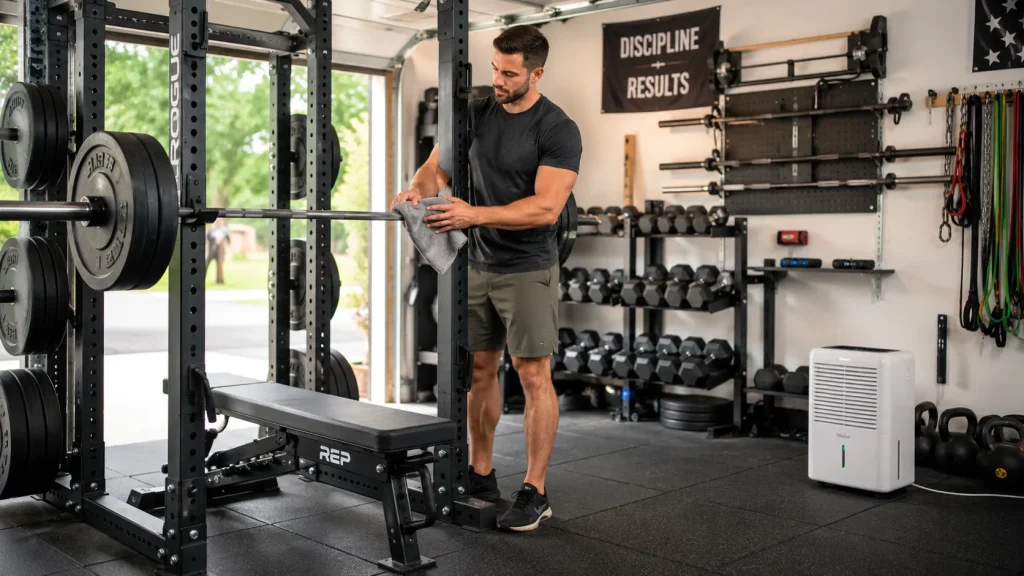
Protect your garage gym investment with proven rust-prevention techniques. Learn how to clean, maintain, lubricate, and properly store barbells, dumbbells, squat racks, benches, and weight plates to keep them in excellent condition for years.

Quick Answer

The most effective way to prevent rust on garage gym equipment is to keep every surface clean and dry, wipe away sweat after each workout, control humidity with proper ventilation or a dehumidifier, and apply a protective oil to exposed steel. Regular inspections help detect small rust spots before they become serious corrosion.

Good to Know

Rust develops gradually. A simple five-minute cleaning routine after every workout can dramatically increase the lifespan of your gym equipment.


Why Does Garage Gym Equipment Rust?

Most home gym equipment is made from steel. When steel is exposed to oxygen and moisture over time, oxidation occurs and rust begins to form. Garages are especially vulnerable because humidity, temperature changes, condensation, and poor ventilation create ideal conditions for corrosion.

Common Causes

  • High humidity
  • Condensation
  • Sweat left on equipment
  • Water leaks
  • Poor ventilation
  • Changing temperatures
  • Coastal climates
  • Wet shoes and clothing

Why Prevention Matters

  • Extends equipment lifespan
  • Maintains appearance
  • Improves workout safety
  • Protects moving parts
  • Reduces repair costs
  • Preserves resale value

Equipment Most Likely to Rust

EquipmentRust RiskMaintenance Level
BarbellsHighHigh
DumbbellsMediumMedium
Weight PlatesMediumMedium
Squat RackMediumLow
Cable MachineMediumHigh
Pull-Up BarHighMedium
Adjustable BenchLowLow
KettlebellsHighMedium

Signs Your Equipment Is Beginning to Rust

Finding corrosion early makes removal much easier. Inspect your equipment every month and watch for these warning signs.

Early Signs

  • Orange spots
  • Brown discoloration
  • Small paint bubbles
  • Surface roughness
  • Sticky sleeves
  • Light corrosion around bolts

Advanced Damage

  • Flaking metal
  • Deep pitting
  • Loose hardware
  • Heavy corrosion
  • Damaged bearings
  • Structural weakness

Daily Maintenance Routine

Daily maintenance requires only a few minutes but provides the greatest protection against rust.

After Every Workout
  • Wipe sweat from all equipment.
  • Use a clean microfiber cloth.
  • Remove chalk from barbells.
  • Dry handles completely.
  • Return weights to storage racks.
  • Keep the workout area clean and dry.

Weekly Maintenance Checklist

TaskFrequency
Dust equipmentWeekly
Vacuum flooringWeekly
Inspect rust spotsWeekly
Clean barbell knurlingWeekly
Inspect boltsWeekly
Check moving partsWeekly

Monthly Deep Maintenance

A monthly inspection helps identify early signs of corrosion, loose hardware, and worn moving parts before they become expensive problems.

Maintenance TaskPurpose
Inspect entire equipmentFind early rust spots
Lubricate barbellsPrevent corrosion
Tighten hardwareImprove safety
Clean guide rodsEnsure smooth movement
Touch up chipped paintSeal exposed steel
Inspect cablesPrevent equipment failure
Maintenance Tip

Taking just 30 minutes each month can significantly extend the lifespan of your garage gym equipment.


Best Products for Rust Prevention

Protective Oils

  • Mineral Oil
  • 3-in-1 Oil
  • Barbell Maintenance Oil
  • Silicone Lubricant

Cleaning Supplies

  • Microfiber Cloths
  • Nylon Brush
  • Brass Brush
  • Soft Cleaning Towels
ProductBest Use
Mineral OilBare steel barbells
Silicone SprayGuide rods and moving parts
Rust InhibitorLong-term moisture protection
Microfiber ClothDaily cleaning

Control Garage Humidity

Humidity is the biggest contributor to rust inside a garage gym. Keeping moisture under control protects every piece of steel equipment.

Recommended Humidity

  • 40–55% Relative Humidity
  • Use a digital hygrometer
  • Improve ventilation
  • Run a dehumidifier

Reduce Moisture

  • Repair leaks
  • Seal concrete floors
  • Use ceiling fans
  • Open garage doors regularly
Expert Tip

Concrete floors naturally release moisture. Installing rubber gym flooring creates a protective barrier between your equipment and damp concrete.


Proper Storage Tips

Correct storage reduces scratches, paint damage, and unnecessary exposure to moisture.

EquipmentBest Storage Method
BarbellsVertical or horizontal rack
Weight PlatesPlate tree
DumbbellsSteel storage rack
KettlebellsDedicated shelf
Resistance BandsDry storage cabinet

Barbell Maintenance Guide

Barbells require the most regular maintenance because they are constantly exposed to sweat, chalk, and hand oils.

Weekly Tasks

  • Brush knurling
  • Remove chalk
  • Wipe with microfiber cloth
  • Inspect sleeves

Monthly Tasks

  • Apply mineral oil
  • Clean bearings
  • Inspect rust
  • Rotate storage position

Weight Plate Care

Cast-iron weight plates require periodic inspection because chipped paint exposes raw metal.

  • Keep plates dry.
  • Store on plate trees.
  • Touch up damaged paint.
  • Avoid dragging plates across concrete.
  • Clean chalk buildup regularly.

How to Remove Surface Rust

Step-by-Step
  1. Brush away loose rust.
  2. Apply a few drops of mineral oil.
  3. Scrub gently using a nylon or brass brush.
  4. Wipe clean.
  5. Dry completely.
  6. Apply a protective coating.

Avoid aggressive sanding unless corrosion is severe, as it may remove protective coatings and damage the finish.


Best Garage Flooring for Rust Prevention

FlooringProtection Level
Rubber Gym Mats★★★★★
Rubber Tiles★★★★★
PVC Tiles★★★★☆
Epoxy Floor★★★★☆
Bare Concrete★☆☆☆☆

Seasonal Maintenance Guide

Garage conditions change throughout the year. Adjusting your maintenance routine for each season helps protect your equipment from humidity, condensation, and temperature fluctuations.

Spring & Summer

  • Deep clean all equipment.
  • Increase ventilation.
  • Run a dehumidifier regularly.
  • Inspect for moisture damage.
  • Lubricate exposed steel.

Autumn & Winter

  • Prevent condensation.
  • Check garage door seals.
  • Inspect paint chips.
  • Keep equipment dry.
  • Avoid storing wet clothing nearby.

Maintenance Calendar

FrequencyMaintenance Tasks
After Every WorkoutWipe sweat, remove chalk, organize equipment
WeeklyDust equipment, inspect hardware, vacuum flooring
MonthlyLubricate steel, tighten bolts, inspect rust
Every 6 MonthsDeep inspection, repaint chipped areas
YearlyComplete maintenance and hardware replacement if needed

Do’s and Don’ts

Do

  • ✔ Wipe equipment after every workout.
  • ✔ Store weights on racks.
  • ✔ Keep humidity below 55%.
  • ✔ Lubricate bare steel regularly.
  • ✔ Repair scratches immediately.
  • ✔ Perform monthly inspections.

Don’t

  • ✘ Leave sweat on steel.
  • ✘ Store equipment on wet concrete.
  • ✘ Ignore small rust spots.
  • ✘ Use harsh bleach cleaners.
  • ✘ Leave barbells loaded overnight.
  • ✘ Cover equipment with airtight plastic.

Frequently Asked Questions

How often should I oil my barbell?

Apply a light coat of mineral oil every four to six weeks, or more frequently if you live in a humid climate.

Can humidity alone cause rust?

Yes. Even without direct contact with water, prolonged exposure to humid air can lead to corrosion.

Should I use a dehumidifier in my garage gym?

Yes. A dehumidifier helps maintain optimal humidity levels and significantly reduces the risk of rust.

Is WD-40 enough to prevent rust?

WD-40 helps remove moisture and light surface rust, but a dedicated protective oil or rust inhibitor provides better long-term protection.

Can rusty gym equipment be repaired?

Light surface rust can often be cleaned and treated successfully. Severe corrosion or structural damage may require replacement.


Final Thoughts

Preventing rust is much easier and less expensive than repairing damaged equipment. By following a simple maintenance routine, controlling garage humidity, and storing equipment correctly, you can keep your home gym looking professional and performing reliably for many years.


Medical Disclaimer

This article is intended for educational purposes only. It does not replace professional medical, fitness, or equipment maintenance advice. If your equipment has severe corrosion, structural damage, or mechanical issues, consult the manufacturer or a qualified repair technician before use.

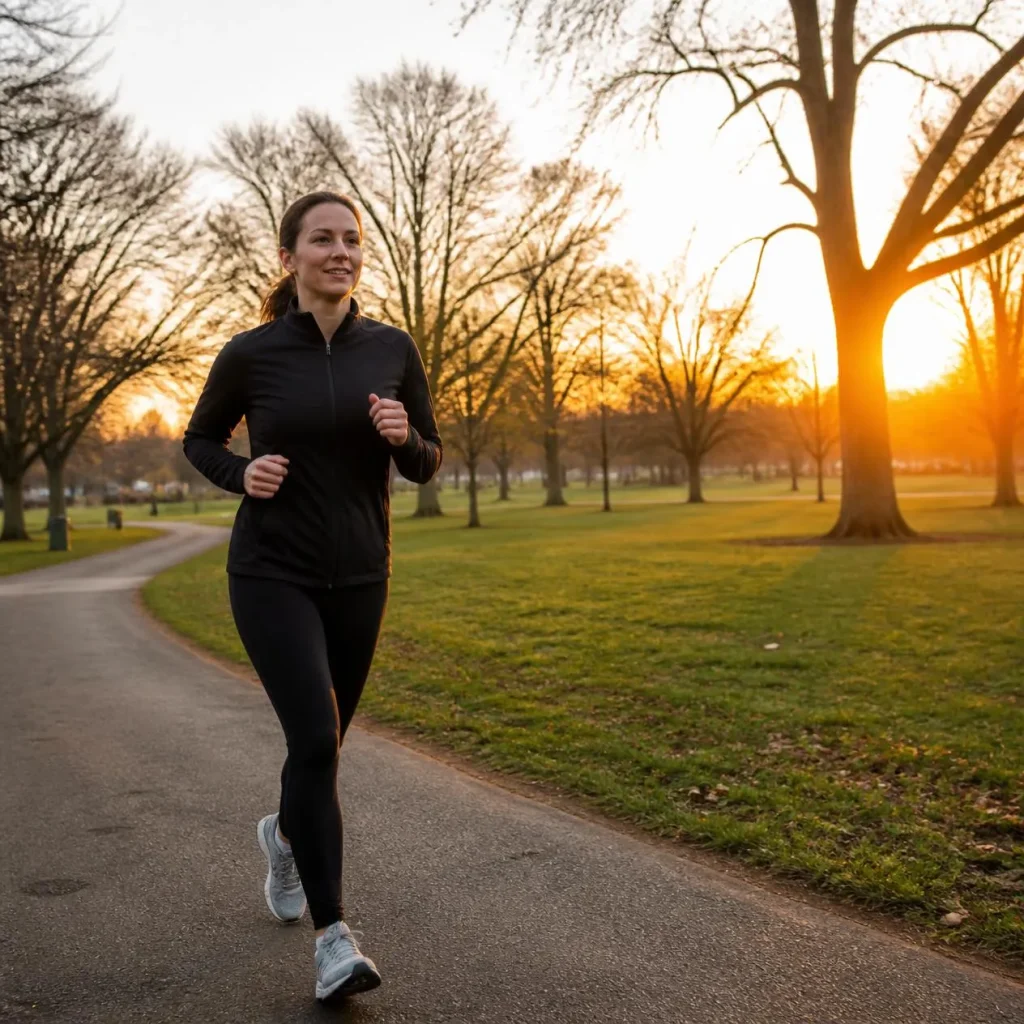
The New Year is the perfect opportunity to build healthier habits, and running is one of the simplest ways to improve your fitness. Whether your goal is to lose weight, increase endurance, reduce stress, or complete your first 5K, starting with a structured beginner plan can help you stay motivated and reduce the risk of injury.

Quick Answer

If you’re new to running, begin with a walk-run program, wear supportive running shoes, warm up before every session, and gradually increase your weekly mileage. Pair your training with proper nutrition, hydration, strength exercises, and rest days to build endurance safely and consistently.

Good to Know

You don’t need to run fast to become a runner. Consistency matters more than speed, especially during your first few weeks of training.


Why Start Running in the New Year?

Many people choose January as the beginning of a healthier lifestyle. Running requires very little equipment, can be done almost anywhere, and offers both physical and mental health benefits. Starting with realistic goals and a gradual training plan makes it easier to maintain your routine beyond the first few weeks.

Reasons to Start

  • Improve cardiovascular fitness
  • Increase daily energy
  • Support healthy weight management
  • Strengthen bones and muscles
  • Reduce stress
  • Boost confidence

Long-Term Benefits

  • Better endurance
  • Improved sleep quality
  • Healthier daily habits
  • Enhanced mood
  • Greater stamina
  • Improved overall fitness

Health Benefits of Running

Regular running is a form of aerobic exercise that strengthens the heart, lungs, and circulatory system. It also contributes to better metabolic health, improved mental well-being, and greater physical resilience when combined with adequate recovery.

BenefitHow Running Helps
Heart HealthSupports cardiovascular fitness.
Lung CapacityImproves aerobic endurance.
Bone StrengthWeight-bearing activity supports bone health.
Mental HealthMay reduce stress and improve mood.
Weight ManagementIncreases daily energy expenditure.
SleepRegular exercise may improve sleep quality.

Common Beginner Mistakes

Avoid These

  • Running too fast
  • Skipping warm-ups
  • Ignoring recovery days
  • Increasing distance too quickly
  • Wearing worn-out shoes
  • Comparing yourself with experienced runners

Better Habits

  • Start slowly
  • Use a walk-run strategy
  • Track gradual progress
  • Stay hydrated
  • Listen to your body
  • Celebrate small improvements

Running Myths vs. Facts

MythFact
“You must run every day.”Rest days are important for recovery and adaptation.
“Running ruins your knees.”For many healthy people, recreational running does not inherently damage the knees. Proper training and technique matter.
“Faster is always better.”Easy runs build endurance and form the foundation of long-term progress.
“You need expensive gear.”A quality pair of running shoes is the most important investment for beginners.
Key Takeaway

The best running program is one you can maintain consistently. Begin at a comfortable pace, progress gradually, and focus on building a sustainable habit rather than chasing immediate results.


Essential Running Gear for Beginners

You don’t need expensive equipment to begin running. A few well-chosen essentials can improve comfort, support proper movement, and help reduce the risk of common running-related injuries.

ItemWhy It Matters
Running ShoesProvide cushioning, stability, and support for your stride.
Moisture-Wicking ClothingHelps keep you cool and comfortable during exercise.
Sports Watch or Fitness TrackerTracks distance, pace, heart rate, and progress.
Water BottleSupports hydration before and after your run.
Reflective GearImproves visibility when running in low-light conditions.
Gear Tip

Replace running shoes when they show significant wear or after approximately 300–500 miles (480–800 km), depending on the shoe model, your running style, and the surfaces you run on.


Warm-Up Before Every Run

A proper warm-up gradually increases blood flow, prepares your muscles for movement, and may improve running performance.

ExerciseDuration
Brisk walking3–5 minutes
Leg swings10 each leg
Hip circles10 each direction
Walking lunges10 each side
High knees (easy pace)30 seconds
Butt kicks30 seconds

Proper Running Form

Good running form improves efficiency and helps minimize unnecessary strain. Focus on relaxed, natural movement rather than trying to force a perfect technique.

Do

  • Keep your head up and eyes forward.
  • Relax your shoulders.
  • Maintain a slight forward lean from the ankles.
  • Keep your arms bent around 90 degrees.
  • Take comfortable, natural strides.
  • Land softly under your body.

Avoid

  • Looking down constantly.
  • Tensing your shoulders.
  • Overstriding.
  • Clenching your fists.
  • Bouncing excessively.
  • Starting every run too fast.

The Walk-Run Method

One of the safest and most effective ways to begin running is to alternate walking and running intervals. This approach builds endurance while allowing your body time to adapt to the impact of running.

WeekWorkoutTotal Time
Week 11 minute run + 2 minutes walk × 8 rounds24 minutes
Week 22 minutes run + 2 minutes walk × 7 rounds28 minutes
Beginner Tip

You should be able to hold a conversation during most of your runs. If you’re gasping for air, slow down or extend the walking intervals.


Weeks 1–2 Running Schedule

DayWorkout
MondayWalk-Run Session
TuesdayLight walking or mobility exercises
WednesdayWalk-Run Session
ThursdayRest
FridayWalk-Run Session
SaturdayEasy walk or gentle stretching
SundayRest and recovery

Cool-Down Routine

After each run, spend 5–10 minutes cooling down to gradually lower your heart rate and improve flexibility.

Cool-Down

  • Walk for 5 minutes.
  • Breathe deeply.
  • Allow your heart rate to recover gradually.

Stretching

  • Calf stretch
  • Hamstring stretch
  • Quadriceps stretch
  • Hip flexor stretch
  • Glute stretch
Key Takeaway

The first two weeks are about building consistency—not speed. A gradual walk-run approach, proper form, and regular recovery help create a strong foundation for future progress.


Nutrition to Support Your Running Goals

A balanced diet provides the energy needed for training and the nutrients required for recovery. Rather than following restrictive diets, focus on eating a variety of whole foods that support both performance and overall health.

Remember

Running performance improves through consistent training, adequate recovery, and balanced nutrition. No single food or supplement can replace these fundamentals.


What to Eat Before a Run

Eating before running can help maintain energy levels, especially for longer workouts. The ideal meal depends on the time available before exercise.

TimingSuggested FoodsPurpose
2–3 Hours BeforeOatmeal with fruit, whole-grain toast with eggs, rice with vegetablesProvides sustained energy.
30–60 Minutes BeforeBanana, applesauce, yogurt, or a small energy barOffers a light source of carbohydrates.

Post-Run Recovery Nutrition

Eating a balanced meal after running helps replenish energy stores and supports muscle recovery. Including both carbohydrates and protein can be beneficial after longer or more challenging sessions.

Recovery Meal Ideas

  • Grilled chicken with brown rice and vegetables
  • Greek yogurt with berries and oats
  • Tofu stir-fry with quinoa
  • Eggs with whole-grain toast
  • Bean and vegetable wrap

Healthy Snack Options

  • Fresh fruit
  • Mixed nuts
  • Cottage cheese
  • Hummus with vegetables
  • Whole-grain crackers

Hydration Tips

Proper hydration supports temperature regulation, circulation, and exercise performance. Individual fluid needs vary based on weather, workout duration, and sweat rate.

SituationRecommendation
Before RunningStart your run well hydrated.
During Short RunsMany runs under an hour require little or no fluid during the session, depending on conditions.
Longer or Hot RunsDrink according to thirst and consider electrolytes if appropriate.
After RunningReplace fluids lost through sweat.

Sleep and Recovery

Training adaptations occur during recovery. Quality sleep supports muscle repair, hormone regulation, and overall performance.

Recovery Checklist

  • Sleep 7–9 hours each night.
  • Take scheduled rest days.
  • Stretch after workouts.
  • Manage daily stress.
  • Eat balanced meals consistently.

Signs You’re Recovering Well

  • Steady energy levels
  • Improved workout performance
  • Reduced muscle soreness
  • Good motivation to train
  • Consistent sleep quality

How to Stay Motivated

Motivation naturally changes over time. Building habits and setting realistic goals often leads to greater long-term consistency than relying on motivation alone.

StrategyBenefit
Set SMART goalsCreates clear direction and measurable progress.
Follow a scheduleBuilds consistency.
Run with a friendProvides accountability and enjoyment.
Track workoutsShows gradual improvement over time.
Celebrate milestonesMaintains long-term motivation.

Track Your Progress

Progress is more than pace or distance. Tracking different indicators can help you recognize improvements that may otherwise go unnoticed.

What to TrackSuggested Frequency
Running distanceEvery workout
Running timeEvery workout
Perceived effortWeekly
Body measurements (optional)Every 2–4 weeks
Progress photos (optional)Monthly
Energy and moodWeekly

Common Beginner Challenges and Solutions

ChallengePractical Solution
Feeling out of breathSlow your pace and use walk-run intervals.
Lack of motivationSchedule runs and train with a partner.
Muscle sorenessAllow recovery time and stretch after workouts.
Busy schedulePlan shorter runs and stay consistent.
Plateau in progressGradually vary distance, pace, or training routine.
Key Takeaway

Successful runners focus on consistency rather than perfection. Nutritious eating, proper hydration, sufficient sleep, and gradual progression help create a sustainable running routine that can last well beyond the New Year.


Frequently Asked Questions

1. How often should beginners run?

Most beginners benefit from running three times per week with at least one recovery day between sessions. This schedule allows your body time to adapt while reducing the risk of overuse injuries.

2. How long should my first run be?

Start with a 20–30 minute walk-run workout. Alternate short running intervals with walking until your fitness improves.

3. Is walking during a run okay?

Yes. Walk-run intervals are a proven strategy for building endurance and confidence while lowering the physical demands of continuous running.

4. Do I need expensive running shoes?

No. A comfortable pair of supportive running shoes that fits well is more important than buying the most expensive model.

5. Can running help with weight management?

Running increases energy expenditure and can support healthy weight management when combined with balanced nutrition and regular physical activity.

6. Should I stretch before or after running?

Perform a dynamic warm-up before your run and static stretching after your workout during your cool-down.

7. What pace should beginners run?

Run at a comfortable conversational pace. If you cannot speak a few sentences without becoming breathless, slow down.

8. How long does it take to improve?

Many beginners notice improvements in endurance and confidence within four to eight weeks of consistent training, though results vary between individuals.

9. Can I run every day?

Daily running is generally unnecessary for beginners. Rest and recovery are important parts of any training plan.

10. What should I eat after a run?

A balanced meal containing carbohydrates, protein, healthy fats, and vegetables supports recovery after exercise.

11. What if I miss a workout?

Simply continue with your next scheduled session. Avoid trying to make up missed workouts by doing too much at once.

12. Should I train for a 5K?

A 5K is an excellent first goal for many new runners because it provides a motivating milestone while remaining achievable with consistent training.


Start Your Running Journey Today

Every experienced runner started with a single step. Focus on building the habit rather than chasing perfection. By following a structured beginner plan, listening to your body, and staying consistent, you’ll develop the endurance and confidence to enjoy running throughout the year.

Remember that progress isn’t measured only by speed or distance. Improved energy, better sleep, greater confidence, and enhanced overall fitness are all signs that your efforts are paying off.


Evidence-Based References

  • World Health Organization (WHO): Physical Activity Guidelines
  • Centers for Disease Control and Prevention (CDC): Benefits of Physical Activity
  • American College of Sports Medicine (ACSM): Exercise Prescription Guidelines
  • National Institutes of Health (NIH): Physical Activity and Health Resources
  • Academy of Nutrition and Dietetics: Sports Nutrition Guidance

Medical Disclaimer

This article is intended for educational purposes only and should not be considered medical advice. Consult a qualified healthcare professional before beginning a new exercise program, especially if you have a chronic medical condition, recent injury, or concerns about your health.


Last Updated: August 2026

© Daily Life Journal. All rights reserved.

Looking for an effective lower-body workout without putting excessive stress on your joints? Stepper workouts can strengthen your glutes, quadriceps, hamstrings, and calves while improving cardiovascular fitness. Whether you use a stair climber at the gym or a mini stepper at home, a structured routine can help you build endurance, support muscle definition, and complement a healthy fitness plan.

Quick Answer

Stepper workouts are an effective way to strengthen and tone the muscles of the lower body while providing moderate to vigorous cardiovascular exercise. Consistent training, progressive resistance, balanced nutrition, and adequate recovery work together to improve muscle endurance and support healthy body composition.

Important Note

“Toning” refers to improving muscle definition through strength development and reducing overall body fat. No single exercise can specifically remove fat from one area of the body.


Why Choose a Stepper Workout?

Steppers simulate the natural climbing motion used when walking upstairs. This movement activates multiple large muscle groups simultaneously, making it an efficient workout for improving lower-body strength and cardiovascular fitness.

Because resistance and stepping speed can be adjusted, stepper workouts are suitable for beginners and experienced exercisers alike.

Main Benefits

  • Strengthens the glutes and thighs
  • Improves cardiovascular fitness
  • Low-impact compared with running
  • Supports calorie expenditure
  • Builds muscular endurance
  • Suitable for home or gym workouts

Additional Advantages

  • Improves balance and coordination
  • Easy to modify for different fitness levels
  • Minimal equipment required for mini steppers
  • Can be combined with strength training
  • Supports active lifestyles
  • Time-efficient workouts

Which Muscles Does a Stepper Work?

The stepping motion primarily targets the muscles responsible for hip extension, knee extension, and ankle movement. Maintaining good posture and controlled movement helps maximize muscle engagement throughout the workout.

Muscle GroupRole During Exercise
Gluteus MaximusHip extension and climbing power
QuadricepsStraighten the knees while stepping
HamstringsSupport hip movement and knee stability
CalvesAssist with pushing through each step
Core MusclesMaintain posture and balance

How Stepper Workouts Help Tone Legs and Glutes

Stepper workouts repeatedly challenge the muscles of the lower body through a climbing movement. Over time, increasing workout duration or resistance can improve muscular endurance and strength. When combined with a balanced eating pattern and overall physical activity, these adaptations contribute to improved muscle definition.

Training Tip

Avoid leaning heavily on the machine’s handles. Supporting your body weight with your legs instead of your arms encourages greater lower-body muscle activation.


How Many Calories Can You Burn?

Calorie expenditure depends on your body weight, stepping speed, workout intensity, resistance level, and exercise duration. The values below are approximate and will vary among individuals.

Workout DurationEstimated Calories Burned*
20 Minutes120–220 calories
30 Minutes180–320 calories
45 Minutes280–450 calories
60 Minutes350–600+ calories

*Actual calorie burn varies based on individual factors and workout intensity.


Who Can Benefit from Stepper Training?

Ideal For

  • Beginners starting a fitness routine
  • People seeking low-impact cardio
  • Home exercisers using a mini stepper
  • Gym members using stair climbers
  • Busy professionals
  • Adults improving lower-body endurance

Exercise Goals

  • Improve cardiovascular fitness
  • Strengthen legs and glutes
  • Increase muscular endurance
  • Support healthy weight management
  • Enhance daily mobility
  • Complement resistance training
Key Takeaway

A stepper is an effective tool for combining lower-body strengthening with cardiovascular exercise. The greatest results come from consistent training, progressive overload, healthy nutrition, and adequate recovery rather than relying on any single workout alone.


Choose the Right Stepper

The best stepper depends on your fitness goals, available space, and budget. Both mini steppers and full-size stair climbers can provide effective lower-body workouts when used consistently.

MachineBest ForMain Benefits
Mini StepperHome workoutsCompact, portable, beginner-friendly
Stair ClimberGym trainingHigher resistance and workout variety
Twist StepperCore engagementAdds slight rotational movement

Proper Stepper Form

Good technique improves workout efficiency and helps reduce unnecessary stress on your joints. Focus on smooth, controlled movements instead of rushing through each step.

Do

  • Stand tall with a neutral spine.
  • Keep your core lightly engaged.
  • Step through your full foot.
  • Move at a controlled pace.
  • Look forward instead of down.

Avoid

  • Leaning heavily on the handles.
  • Taking extremely short steps.
  • Locking your knees.
  • Rounding your shoulders.
  • Using momentum instead of your muscles.
Coach’s Tip

Imagine pushing the step downward using your heel. This cue often helps increase glute activation while maintaining good posture.


Warm-Up Routine (5–7 Minutes)

A gradual warm-up prepares your muscles and cardiovascular system for exercise while improving movement quality.

TimeActivity
2 minutesEasy stepping at a comfortable pace
1 minuteBodyweight squats
1 minuteLeg swings and hip circles
1 minuteWalking lunges
1–2 minutesGradually increase stepping speed

Beginner Stepper Workout

This workout is designed for people who are new to stepper training. Focus on maintaining good posture and a comfortable rhythm throughout the session.

ExerciseDuration
Warm-up5 minutes
Easy stepping8 minutes
Moderate pace5 minutes
Easy recovery5 minutes
Cool-down5 minutes

Glute Activation Exercises

Perform these exercises before your stepper workout to help activate the muscles around the hips and improve movement awareness.

Activation Routine

  • Glute bridges × 12–15
  • Bodyweight squats × 10–15
  • Standing kickbacks × 12 each leg
  • Side leg raises × 12 each side
  • Monster walks (if using a resistance band)

Benefits

  • Improves hip stability
  • Enhances movement control
  • May increase glute engagement
  • Supports proper exercise technique
  • Prepares muscles for training

Leg-Toning Stepper Routine

This routine combines different stepping speeds and resistance levels to challenge your lower body while keeping the workout engaging.

RoundWorkoutTime
1Steady pace5 min
2Increase resistance4 min
3Easy recovery2 min
4Fast stepping3 min
5Moderate pace6 min
6Cool-down5 min

Cool-Down and Stretching

Finish each session with gentle stretching to improve flexibility and reduce muscle tightness.

Lower Body

  • Quadriceps stretch
  • Hamstring stretch
  • Calf stretch
  • Hip flexor stretch

Mobility

  • Hip circles
  • Ankle mobility
  • Cat-cow stretch
  • Child’s pose
Key Takeaway

Proper technique, a gradual warm-up, and consistent practice form the foundation of effective stepper training. Master these basics before increasing workout intensity or resistance.


HIIT Stepper Workout for Fat Loss

High-Intensity Interval Training (HIIT) alternates short bursts of challenging effort with recovery periods. It can improve cardiovascular fitness and make workouts more time-efficient. Beginners should start conservatively and increase intensity gradually.

Workout PhaseDurationIntensity
Warm-up5 minutesEasy
Fast stepping30 secondsHard
Recovery stepping90 secondsEasy
Repeat8–10 roundsAlternate
Cool-down5 minutesEasy
Safety Tip

You should be able to recover your breathing during the easy intervals. If you cannot maintain proper posture or control, reduce the speed or resistance.


Glute-Focused Stepper Workout

To place greater emphasis on the glutes, use a moderate resistance and focus on driving through your heels while maintaining an upright posture.

ExerciseTime
Warm-up5 min
Moderate resistance climb6 min
Recovery pace2 min
High resistance climb5 min
Steady pace5 min
Cool-down5 min

Lower-Body Endurance Workout

This session develops muscular endurance and aerobic fitness. Maintain a pace that allows steady breathing while still feeling moderately challenged.

SegmentDuration
Warm-up5 min
Steady stepping15 min
Moderate resistance10 min
Easy pace5 min
Cool-down5 min

4-Week Stepper Workout Plan

WeekMain GoalSuggested Sessions
Week 1Learn proper technique3 beginner workouts
Week 2Increase workout time3–4 moderate sessions
Week 3Add interval training2 steady + 1 HIIT + 1 recovery
Week 4Build endurance and confidence4 varied workouts

Sample Weekly Workout Schedule

DayWorkout
MondayBeginner Stepper Workout
TuesdayStrength Training + Mobility
WednesdayHIIT Stepper Workout
ThursdayRest or Walking
FridayGlute-Focused Workout
SaturdayEndurance Session
SundayStretching & Recovery

Common Mistakes to Avoid

Common Errors

  • Leaning on the handles.
  • Skipping the warm-up.
  • Using excessive resistance too soon.
  • Taking very shallow steps.
  • Ignoring recovery days.
  • Looking down throughout the workout.

Better Habits

  • Maintain upright posture.
  • Progress gradually.
  • Use controlled movements.
  • Schedule recovery days.
  • Combine cardio with strength training.
  • Track improvements over time.

How to Progress Your Workouts

As your fitness improves, gradually increase one training variable at a time. This approach helps reduce the risk of overtraining while continuing to challenge your body.

Progression MethodExample
Increase durationAdd 5 minutes to one workout each week.
Increase resistanceMove up one resistance level when comfortable.
Add intervalsInclude one HIIT session each week.
Increase weekly frequencyAdd one additional workout if recovery remains good.
Key Takeaway

Variety is one of the best ways to keep stepper workouts effective and enjoyable. Combining steady-state sessions, interval training, and glute-focused workouts can help improve endurance, strength, and overall fitness while reducing boredom.


Nutrition for Stronger, More Defined Legs and Glutes

Training provides the stimulus for muscle growth and improved endurance, while nutrition supplies the energy and nutrients your body needs to recover. A balanced eating pattern that includes adequate protein, complex carbohydrates, healthy fats, and plenty of fruits and vegetables supports overall fitness and long-term progress.

Remember

No single food or supplement can “tone” your legs or glutes. Consistent training, nutritious eating, sufficient sleep, and gradual progression work together to improve muscle definition over time.


What to Eat Around Your Workout

TimingExamplesPurpose
1–3 Hours BeforeOatmeal with fruit, whole-grain toast with eggs, yogurt with berriesProvides energy for your workout.
30–60 Minutes BeforeBanana, apple, or a small yogurtLight snack for longer or more intense sessions.
After WorkoutChicken with rice, tofu stir-fry, Greek yogurt with oatsSupports recovery and replenishes energy.

Protein for Muscle Recovery

Protein helps repair and maintain muscle tissue after exercise. Rather than relying on one large serving, many people find it helpful to distribute protein intake across meals throughout the day.

Protein Sources

  • Chicken breast
  • Fish
  • Eggs
  • Greek yogurt
  • Cottage cheese
  • Tofu and tempeh
  • Lentils and beans

Recovery Nutrients

  • Complex carbohydrates
  • Healthy fats
  • Colorful vegetables
  • Fruit
  • Water
  • Electrolytes (when appropriate)

Stay Hydrated

Hydration supports exercise performance, temperature regulation, and recovery. Drink fluids regularly throughout the day, and consider increasing your intake during hot weather or longer workouts.

SituationHydration Tip
Before ExerciseBegin your workout well hydrated.
During ExerciseDrink according to thirst during moderate sessions.
After ExerciseReplace fluids lost through sweating.

Recovery Is Part of Training

Your muscles adapt between workouts—not during them. Recovery allows your body to repair tissues, restore energy stores, and prepare for your next session.

Recovery Habits

  • Sleep 7–9 hours each night.
  • Take scheduled rest days.
  • Stretch after workouts.
  • Manage daily stress.
  • Eat balanced meals.

Signs of Good Recovery

  • Less muscle soreness
  • Stable energy levels
  • Improved workout performance
  • Better sleep quality
  • Positive motivation to train

Simple Lower-Body Stretching Routine

StretchHold
Quadriceps Stretch20–30 seconds each side
Hamstring Stretch20–30 seconds
Standing Calf Stretch20–30 seconds
Hip Flexor Stretch20–30 seconds
Figure-4 Glute Stretch20–30 seconds each side

Track Your Progress

While body weight is one indicator, it doesn’t capture every improvement. Tracking multiple measures can provide a more complete picture of your fitness journey.

MeasureHow Often
Workout durationEvery session
Resistance levelWeekly
Body measurementsEvery 2–4 weeks
Progress photosMonthly
Energy and moodWeekly

Myths vs. Facts

MythFact
“The stepper only works the legs.”Your core also helps maintain balance and posture.
“More sweat means more fat loss.”Sweat reflects fluid loss, not body fat reduction.
“Daily intense workouts give faster results.”Recovery is essential for adaptation and long-term progress.
“You can spot-reduce fat from your thighs.”Fat loss occurs throughout the body and cannot be targeted to one specific area.
“Cardio alone is enough.”Strength training and nutrition complement cardiovascular exercise for overall fitness.
Key Takeaway

The most effective stepper routine combines consistent training, gradual progression, balanced nutrition, hydration, and recovery. Focus on sustainable habits, and remember that meaningful changes in strength, endurance, and body composition take time.


Frequently Asked Questions

1. Are stepper workouts good for toning legs and glutes?

Yes. Stepper workouts strengthen the glutes, quadriceps, hamstrings, calves, and supporting muscles of the lower body. Combined with progressive training and balanced nutrition, they can improve muscle definition over time.

2. How often should I use a stepper?

Most beginners can start with 3–4 sessions per week. As fitness improves, many people progress to 4–5 weekly workouts while allowing time for recovery.

3. How long should a stepper workout last?

Beginners may start with 20–30 minutes. As endurance improves, sessions of 30–45 minutes can provide additional cardiovascular and muscular benefits.

4. Does the stepper burn belly fat?

No exercise can specifically target belly fat. Stepper workouts increase calorie expenditure and support overall fat loss when combined with a healthy eating pattern and regular physical activity.

5. Is a mini stepper as effective as a stair climber?

Both can be effective. A mini stepper is convenient for home workouts, while a full-size stair climber often provides more resistance and workout options.

6. Should I hold the handles while exercising?

Use the handles primarily for balance. Avoid leaning heavily on them, as doing so reduces the workload placed on your legs and glutes.

7. Can I build stronger glutes using a stepper?

Stepper workouts strengthen the glute muscles, especially when you maintain good posture, push through your heels, and progressively increase resistance. For greater muscle development, combine them with resistance exercises such as squats, lunges, and hip thrusts.

8. Is the stepper safe for people with knee pain?

Many people find stepping more comfortable than high-impact activities such as running. However, anyone with knee pain or other joint concerns should consult a qualified healthcare professional before starting a new exercise program.

9. Should I combine stepper workouts with strength training?

Yes. Strength training complements cardiovascular exercise by helping maintain muscle mass, improving functional strength, and supporting long-term fitness goals.

10. Can beginners perform HIIT on a stepper?

Yes, but beginners should start with short work intervals, longer recovery periods, and moderate intensity before progressing to more demanding sessions.

11. How can I keep improving after a few weeks?

Gradually increase workout duration, resistance, or interval difficulty while continuing to prioritize recovery, sleep, and balanced nutrition.

12. What results can I expect from regular stepper workouts?

With consistent training and healthy lifestyle habits, many people notice improved cardiovascular fitness, stronger lower-body muscles, better endurance, and gradual improvements in body composition over time.


Ready to Build Stronger Legs and Glutes?

Consistency beats perfection. Whether you use a compact mini stepper at home or a stair climber at the gym, following a structured workout routine can improve strength, endurance, and cardiovascular fitness over time.

Pair your workouts with balanced nutrition, quality sleep, and progressive training. Small improvements each week can lead to meaningful long-term results.

Start Your Next Workout →


References

This guide is based on recommendations and educational resources from recognized health and fitness organizations, including:

  • World Health Organization (WHO) – Physical Activity Guidelines
  • Centers for Disease Control and Prevention (CDC) – Physical Activity Recommendations
  • American College of Sports Medicine (ACSM)
  • National Institutes of Health (NIH)
  • Academy of Nutrition and Dietetics

Readers are encouraged to consult these organizations for the latest evidence-based recommendations on physical activity, nutrition, and healthy lifestyle habits.


Medical Disclaimer

The information in this article is intended for educational purposes only and should not replace professional medical advice, diagnosis, or treatment.

Consult a qualified healthcare professional before starting a new exercise program if you are pregnant, recovering from surgery, have cardiovascular disease, joint injuries, uncontrolled chronic conditions, or any other medical concerns.


About Daily Life Journal

Daily Life Journal publishes evidence-informed content on fitness, nutrition, wellness, and healthy living. Our goal is to provide practical, easy-to-understand guidance that helps readers build sustainable habits and make informed health decisions.

Last Updated: August 2026

© Daily Life Journal. All rights reserved.


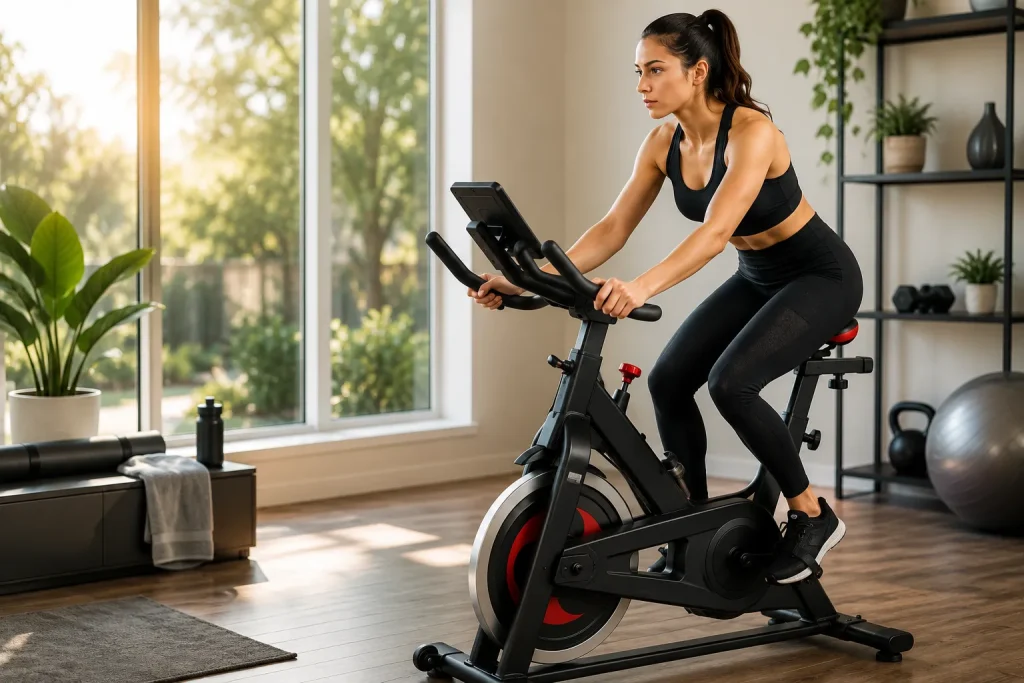
Want to lose weight without running or joining a gym? This beginner-friendly 30-day stationary bike weight loss plan combines structured cycling workouts, recovery days, healthy nutrition, and practical lifestyle habits to help you build consistency and improve your fitness safely.

Quick Answer

A 30-day stationary bike weight loss plan helps beginners establish a regular exercise routine through progressively challenging cycling workouts. Combining moderate rides, interval training, strength exercises, healthy nutrition, and adequate recovery can improve cardiovascular fitness and support sustainable fat loss.

Remember

Healthy weight loss takes time. Rather than focusing on rapid results, aim to build habits you can maintain well beyond the first 30 days.

Why Choose a Stationary Bike for Weight Loss?

Stationary bikes provide a convenient way to exercise at home regardless of weather conditions. They offer adjustable resistance, low-impact movement, and workouts suitable for nearly every fitness level.

Because intensity can be easily controlled, beginners can gradually increase workout difficulty while minimizing stress on the knees and ankles.

Key Benefits

  • Low-impact cardio
  • Burns calories efficiently
  • Suitable for beginners
  • Improves heart health
  • Builds leg endurance
  • Easy home workouts

Supports

  • Healthy fat loss
  • Better stamina
  • Daily movement
  • Exercise consistency
  • Mental well-being
  • Long-term fitness

How Much Weight Can You Lose in 30 Days?

Weight loss varies widely depending on nutrition, exercise consistency, starting body weight, sleep quality, stress levels, and individual metabolism. A 30-day plan should focus on building sustainable habits rather than promising a specific amount of weight loss.

Healthy Expectations

The biggest achievement during your first month is often developing a consistent exercise routine, improving endurance, and feeling stronger—not simply seeing a lower number on the scale.


Calories Burned on a Stationary Bike

Calories burned depend on workout intensity, resistance level, duration, and body size. Higher-intensity rides generally require more energy than easy recovery sessions.

Workout LengthApproximate Calories Burned*
20 Minutes120–220 calories
30 Minutes180–350 calories
45 Minutes300–500 calories
60 Minutes400–700+ calories

*Actual calorie expenditure differs from person to person.


Before You Begin

Preparing before starting your 30-day challenge helps reduce injury risk and improves consistency throughout the program.

Equipment Checklist

  • Stationary bike
  • Comfortable workout clothes
  • Supportive athletic shoes
  • Water bottle
  • Towel
  • Workout journal

Personal Preparation

  • Set realistic goals
  • Schedule workout times
  • Prepare healthy meals
  • Track your progress
  • Prioritize sleep
  • Stay hydrated

Who Is This Plan For?

Suitable ForMay Need Medical Advice
BeginnersPeople with heart disease
Busy professionalsRecent surgery patients
Home exercisersSerious joint injuries
Older adultsUncontrolled chronic conditions
People seeking low-impact cardioPregnant individuals with medical concerns
Key Takeaway

A stationary bike is an excellent tool for building fitness because it combines convenience, adjustable intensity, and joint-friendly movement. The next sections will guide you through proper bike setup and your complete 30-day beginner workout schedule.


Set Up Your Stationary Bike Correctly

A properly adjusted bike improves comfort, pedaling efficiency, and safety. Spending a few minutes adjusting your bike before each workout can help reduce unnecessary strain on your knees, hips, back, and shoulders.

Bike AdjustmentRecommendation
Seat HeightYour knee should have a slight bend (about 25–35°) at the bottom of the pedal stroke.
Seat PositionWhen pedals are level, your front knee should align approximately over the ball of your foot.
HandlebarsPosition them so your shoulders remain relaxed and your back stays comfortable.
Foot PositionPlace the ball of your foot over the pedal axle and secure the straps comfortably.
Coach’s Tip

If your knees hurt during pedaling, avoid assuming it’s “normal.” Recheck your seat height and riding posture first, as small adjustments often improve comfort.


Maintain Good Riding Form

Do

  • Keep your core gently engaged.
  • Relax your shoulders.
  • Look straight ahead.
  • Maintain a smooth pedaling rhythm.
  • Breathe naturally throughout the ride.

Avoid

  • Locking your knees.
  • Leaning heavily on the handlebars.
  • Rounding your shoulders.
  • Pedaling with excessive resistance.
  • Holding your breath.

Warm-Up Routine (5–8 Minutes)

Never jump directly into a challenging workout. A gradual warm-up prepares your muscles, joints, and cardiovascular system for exercise.

TimeActivity
2 MinutesEasy pedaling with light resistance.
2 MinutesGradually increase cadence.
2 MinutesAdd moderate resistance while maintaining comfortable breathing.
1–2 MinutesPrepare for your planned workout intensity.

Week 1: Build the Habit

Your first week focuses on consistency rather than intensity. The goal is to become comfortable using your stationary bike and develop a regular exercise routine.

DayWorkoutDuration
Day 1Easy ride20 minutes
Day 2Brisk walk + stretching20–30 minutes
Day 3Steady cycling25 minutes
Day 4Rest or gentle mobility
Day 5Easy cycling25 minutes
Day 6Light strength training20 minutes
Day 7Recovery ride20 minutes
Week 1 Goal

Complete every scheduled workout without worrying about speed or calorie burn. Building consistency is your biggest success during the first week.


Week 2: Increase Endurance

After establishing a routine, gradually increase workout duration and introduce moderate changes in resistance to challenge your cardiovascular system.

DayWorkoutDuration
Day 8Moderate ride30 minutes
Day 9Strength training + stretching30 minutes
Day 10Cadence intervals*30 minutes
Day 11Recovery ride20 minutes
Day 12Steady endurance ride35 minutes
Day 13Walking or yoga30 minutes
Day 14Moderate cycling30 minutes

*Cadence intervals involve alternating comfortable and slightly faster pedaling while maintaining good form.


Simple Stretching Routine After Each Ride

Lower Body

  • Quadriceps stretch
  • Hamstring stretch
  • Calf stretch
  • Hip flexor stretch

Upper Body

  • Shoulder stretch
  • Chest stretch
  • Neck mobility
  • Upper back stretch

Recovery Days Matter

Recovery days allow your body to repair muscle tissue, adapt to training, and reduce accumulated fatigue. They are an important part of any effective fitness plan.

Recovery ActivitySuggested Duration
Walking20–30 minutes
Gentle stretching10–15 minutes
Yoga20–30 minutes
Mobility exercises10–20 minutes
Key Takeaway

Weeks 1 and 2 focus on creating a consistent exercise habit while gradually improving endurance. By increasing workout time slowly and including recovery days, you prepare your body for the more challenging sessions introduced during Weeks 3 and 4.


Week 3: Increase Intensity Safely

By Week 3, your body should be adapting to regular cycling. This week introduces moderate interval training and slightly longer rides while still allowing enough recovery to prevent excessive fatigue.

DayWorkoutDurationIntensity
Day 15Steady endurance ride35 minModerate
Day 16Strength training + mobility30 minLight
Day 17Beginner HIIT30 minModerate–Hard
Day 18Recovery ride20 minEasy
Day 19Hill resistance workout35 minModerate
Day 20Walking or yoga30 minEasy
Day 21Endurance ride40 minModerate

Beginner HIIT Cycling Workout

This interval session helps improve cardiovascular fitness and increases workout variety. Ride hard enough to feel challenged while maintaining good technique.

SegmentTime
Warm-up5 minutes
Hard effort45 seconds
Easy recovery90 seconds
Repeat8 rounds
Cool-down5 minutes
Reminder

You should finish each interval feeling challenged but still in control. If you cannot maintain proper posture or breathing, reduce the resistance or shorten the work interval.


Hill Resistance Workout

Increasing resistance simulates climbing hills, helping strengthen your lower body while improving muscular endurance.

TimeWorkout
8 minWarm-up
5 minModerate resistance
3 minEasy recovery
6 minHigher resistance climb
3 minRecovery spin
5 minProgressive climb
5 minCool-down

Week 4: Finish Strong

The final week combines everything you’ve learned—steady rides, intervals, recovery, and longer endurance sessions. The emphasis remains on consistency rather than maximum effort.

DayWorkoutDuration
Day 22Moderate endurance ride40 min
Day 23Strength training30 min
Day 24HIIT workout30 min
Day 25Recovery ride20 min
Day 26Hill workout40 min
Day 27Walking + stretching30 min
Day 28Long endurance ride45 min
Day 29Gentle recovery ride20 min
Day 30Celebrate with your favorite ride!30–45 min

Your Complete 30-Day Challenge Calendar

WeekMain GoalFocus
Week 1Build consistencyEasy rides & habit formation
Week 2Increase enduranceLonger rides & cadence practice
Week 3Add intensityHIIT & hill workouts
Week 4Improve fitnessBalanced training & confidence

Printable Progress Tracker

WeekWorkouts CompletedEnergy (1–10)Notes
Week 1____ / 7_______________________
Week 2____ / 7_______________________
Week 3____ / 7_______________________
Week 4____ / 9_______________________

How to Stay Motivated

Motivation Tips

  • Schedule workouts like appointments.
  • Listen to music or podcasts.
  • Celebrate consistency, not perfection.
  • Track non-scale victories.
  • Exercise with a friend when possible.

Signs of Progress

  • Longer rides feel easier.
  • Recovery is faster.
  • Higher resistance becomes manageable.
  • Daily energy improves.
  • Confidence increases.
Key Takeaway

Completing this 30-day challenge is only the beginning. The habits you build—regular exercise, progressive training, recovery, and consistency—can support your health and fitness long after the first month is complete.


Nutrition to Support Your 30-Day Weight Loss Plan

Exercise is only one part of a successful weight-loss strategy. Your daily eating pattern plays an equally important role in supporting energy, recovery, and a sustainable calorie deficit. Rather than following restrictive diets, focus on balanced meals built around whole foods.

Healthy Weight-Loss Principle

Aim for gradual, sustainable progress. Extreme calorie restriction can reduce energy levels, affect workout performance, and make healthy habits harder to maintain.


Build a Balanced Plate

Food GroupExamplesBenefits
Lean ProteinChicken, fish, eggs, tofu, lentils, Greek yogurtSupports muscle recovery and helps you feel full.
Complex CarbohydratesOats, brown rice, quinoa, sweet potatoesProvide energy for cycling workouts.
Healthy FatsNuts, seeds, avocado, olive oilSupport overall health and satiety.
VegetablesLeafy greens, broccoli, carrots, peppersRich in fiber, vitamins, and minerals.
FruitBerries, bananas, apples, orangesProvide fiber and natural carbohydrates.

Pre-Workout Fuel

Eating before a ride can help maintain energy, particularly before longer or more demanding sessions.

1–3 Hours Before

  • Oatmeal with fruit
  • Whole-grain toast with peanut butter
  • Greek yogurt with berries
  • Rice with lean protein

30–60 Minutes Before

  • Banana
  • Apple
  • Small handful of raisins
  • Low-fat yogurt

Post-Workout Recovery Meal

After cycling, include both protein and carbohydrate-rich foods to replenish energy stores and support muscle recovery.

Meal IdeaMain Nutrients
Grilled chicken with brown riceProtein + complex carbohydrates
Greek yogurt with berries and oatsProtein + fiber
Eggs with whole-grain toastProtein + carbohydrates
Tofu stir-fry with vegetablesPlant protein + micronutrients

Hydration Tips

Drink fluids regularly throughout the day instead of waiting until you feel thirsty. During longer rides or exercise in hot environments, consider replacing electrolytes if recommended by a healthcare professional or sports nutrition guidance.

Hydration Reminder

Check the color of your urine as one general indicator of hydration. Pale yellow often suggests adequate hydration, though individual needs vary.


Sleep and Recovery

Recovery happens outside your workouts. Quality sleep supports muscle repair, hormone regulation, and overall exercise performance.

Recovery HabitRecommendation
SleepAim for 7–9 hours per night.
Stretching5–10 minutes after each ride.
Rest DaysInclude at least 1–2 each week.
MobilityPerform light mobility work regularly.
Stress ManagementPractice relaxation techniques if needed.

Common Weight-Loss Mistakes

Avoid

  • Skipping meals
  • Exercising intensely every day
  • Ignoring recovery
  • Setting unrealistic goals
  • Comparing your progress to others
  • Relying only on the scale

Instead

  • Eat balanced meals.
  • Follow your workout schedule.
  • Track weekly progress.
  • Celebrate consistency.
  • Prioritize recovery.
  • Adjust your plan gradually.

What If Your Progress Stalls?

Weight-loss plateaus are common and do not necessarily mean your program has stopped working. Improvements in fitness, strength, and endurance often continue even when body weight changes slowly.

If Progress SlowsConsider
Review food portionsEnsure they align with your goals.
Increase daily movementAdd walking or other light activity.
Progress workoutsIncrease duration or resistance gradually.
Improve sleepPrioritize consistent sleep habits.
Be patientHealthy progress is not always linear.

Track More Than Your Weight

Your scale tells only part of the story. Monitoring multiple indicators gives a more complete picture of your progress.

Physical Progress

  • Body measurements
  • Clothing fit
  • Workout duration
  • Resistance levels
  • Heart-rate recovery

Lifestyle Progress

  • Higher daily energy
  • Improved sleep quality
  • Better mood
  • Greater workout confidence
  • More consistent exercise habits
Key Takeaway

Long-term success comes from combining regular cycling, nutritious eating, quality sleep, and realistic expectations. Focus on building habits that fit your lifestyle instead of chasing quick results.


Frequently Asked Questions

1. Can beginners lose weight using a stationary bike?

Yes. A stationary bike is a beginner-friendly, low-impact form of cardiovascular exercise. When combined with healthy eating and consistent physical activity, it can support gradual and sustainable weight loss.

2. How often should I ride a stationary bike to lose weight?

Many beginners benefit from cycling 3–5 times per week while including strength training, flexibility work, and recovery days.

3. How long should each cycling session be?

Start with 20–30 minutes and gradually increase your sessions to 40–60 minutes as your fitness improves.

4. Is cycling every day recommended?

Daily cycling isn’t necessary for most people. Recovery days help your muscles adapt to training and reduce the risk of overuse injuries.

5. Does a stationary bike burn belly fat?

No exercise specifically targets belly fat. Regular cycling contributes to overall calorie expenditure, which can reduce body fat over time when combined with a balanced diet.

6. Should I eat before riding?

For longer or more intense rides, a light meal or snack containing carbohydrates and some protein may help provide energy. Individual needs vary.

7. What is the best resistance level?

Choose a resistance that challenges you while allowing smooth, controlled pedaling with proper technique. Increase resistance gradually as you become stronger.

8. Can older adults use a stationary bike?

Many older adults enjoy stationary cycling because it is generally lower impact than running. Anyone with medical concerns should consult a healthcare professional before starting a new exercise program.

9. Should I combine cycling with strength training?

Yes. Strength training helps maintain muscle mass, supports functional fitness, and complements cardiovascular exercise as part of a balanced routine.

10. What should I do after completing this 30-day plan?

Continue cycling regularly while gradually increasing duration, resistance, or workout variety. Setting a new goal can help maintain motivation and long-term consistency.

11. How can I stay motivated during the challenge?

Schedule workouts, track your progress, celebrate small improvements, and focus on building healthy habits instead of seeking quick results.

12. Is indoor cycling enough on its own?

Indoor cycling is an excellent cardiovascular exercise, but combining it with balanced nutrition, strength training, adequate sleep, and everyday movement provides the best support for long-term health and weight management.


Congratulations on Completing the 30-Day Challenge!

By completing this beginner program, you’ve taken an important step toward building healthier habits. Remember that lasting results come from consistency rather than perfection. Continue challenging yourself gradually, eat nutritious foods, stay active throughout the week, and celebrate every improvement—whether it’s riding longer, recovering faster, or simply feeling more energetic.

Your first 30 days are only the beginning. Keep building on this foundation and make exercise a regular part of your lifestyle.

Continue Your Fitness Journey →


Evidence-Based References

The recommendations in this guide are based on current guidance from respected health and exercise organizations, including:

  • World Health Organization (WHO) – Physical Activity Guidelines
  • Centers for Disease Control and Prevention (CDC) – Physical Activity Recommendations
  • American College of Sports Medicine (ACSM)
  • National Institutes of Health (NIH)
  • Academy of Nutrition and Dietetics

Medical Disclaimer

This article is intended for educational purposes only and should not be considered medical advice. Exercise recommendations should always be individualized based on your health status, fitness level, and medical history.

If you have heart disease, uncontrolled high blood pressure, diabetes, recent surgery, significant joint problems, or any other medical condition, consult your physician or another qualified healthcare professional before beginning this or any exercise program.


About Daily Life Journal

Daily Life Journal publishes evidence-informed health, nutrition, fitness, and lifestyle content designed to help readers make practical, sustainable improvements in their everyday lives. Our articles emphasize clarity, accuracy, and actionable advice supported by reputable health organizations whenever possible.

Last Updated: August 2026

© Daily Life Journal. All rights reserved.


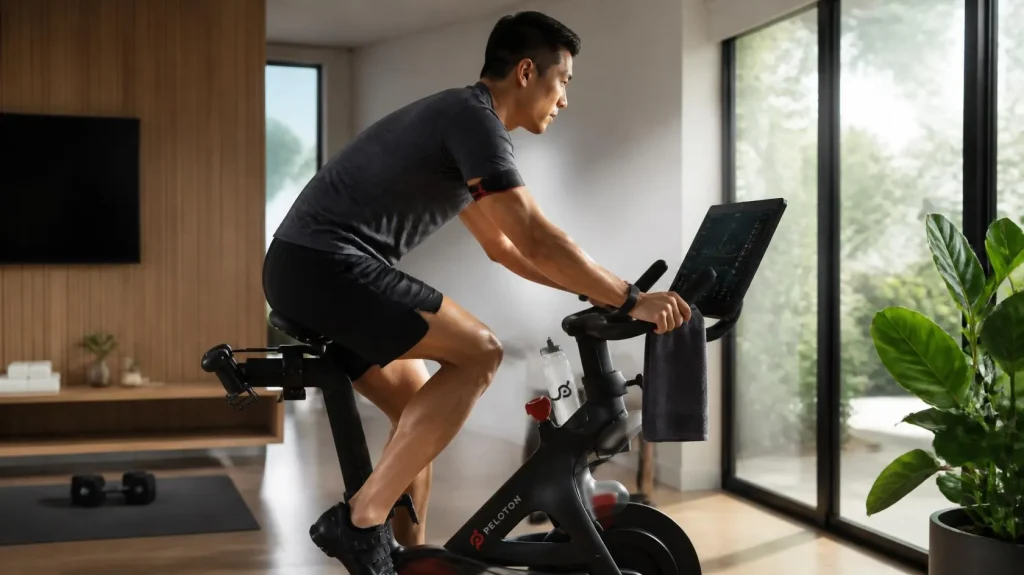
Indoor cycling is one of the most effective low-impact cardio workouts for burning calories, improving cardiovascular fitness, and supporting healthy fat loss. Whether you’re a beginner using an exercise bike at home or an experienced rider looking to maximize results, the right workout plan can help you exercise efficiently and consistently.

Quick Answer

The best indoor cycling workouts for fat loss combine moderate-intensity rides, high-intensity interval training (HIIT), progressive resistance, and regular recovery. When paired with a balanced diet and strength training, indoor cycling can help create the calorie deficit needed for sustainable fat loss while improving endurance and heart health.

Evidence-Based Tip

Fat loss depends on creating a sustainable calorie deficit over time. Indoor cycling is an effective way to increase calorie expenditure, but nutrition, sleep, recovery, and consistency are equally important for long-term success.

Why Indoor Cycling Is Great for Fat Loss

Indoor cycling offers a combination of cardiovascular exercise, muscular endurance, and adjustable intensity. Because resistance and cadence can be changed throughout a workout, you can tailor sessions to your fitness level while gradually increasing the challenge as you become stronger.

Unlike some high-impact activities, indoor cycling places relatively little stress on the knees and ankles, making it a suitable option for many people seeking a joint-friendly way to improve fitness and support healthy weight management.

Major Benefits

  • Burns a significant number of calories
  • Low-impact on joints
  • Improves heart health
  • Builds lower-body endurance
  • Suitable for home workouts
  • Works for beginners and advanced riders

Supports

  • Fat loss
  • Cardiovascular fitness
  • Leg strength
  • Exercise consistency
  • Improved stamina
  • Mental well-being

How Indoor Cycling Helps Burn Fat

During cycling, your body uses carbohydrates and fat as energy sources. Longer, moderate-intensity rides primarily challenge your aerobic system, while shorter, higher-intensity intervals increase energy expenditure and may elevate calorie burn after exercise. Combining both styles within your weekly routine provides a balanced approach to fitness and fat loss.

Remember

No workout selectively burns fat from one body area. Fat loss occurs throughout the body and is influenced by genetics, nutrition, overall activity, and consistency over time.

How Many Calories Does Indoor Cycling Burn?

The number of calories burned depends on factors such as body weight, workout intensity, resistance level, fitness level, and session duration. Higher resistance and interval training generally increase energy expenditure compared with easy recovery rides.

Workout DurationApproximate Calories Burned*
30 minutes (Easy)180–300 calories
30 minutes (Moderate)250–400 calories
45 minutes (Moderate)350–550 calories
60 minutes (Moderate–Vigorous)450–700+ calories

*Actual calorie expenditure varies between individuals.

Who Should Try Indoor Cycling?

Ideal For

  • Beginners starting a fitness journey
  • Busy professionals exercising at home
  • People seeking low-impact cardio
  • Older adults with healthy joints
  • Anyone improving heart health
  • Weight-loss programs

Potential Benefits

  • Improved endurance
  • Better cardiovascular fitness
  • Greater calorie expenditure
  • Enhanced leg strength
  • Improved exercise consistency
  • Better overall health

What You’ll Learn in This Guide

In the following sections, you’ll learn how to set up your bike correctly, choose the right workout intensity, understand heart rate zones, follow beginner and advanced cycling workouts, avoid common mistakes, and combine cycling with healthy nutrition to maximize fat-loss results safely.

Key Takeaway

Indoor cycling is most effective when performed consistently as part of a balanced lifestyle that includes nutritious eating, adequate sleep, strength training, and regular recovery. Sustainable habits—not extreme workouts—lead to lasting fat-loss success.


Choose the Right Indoor Cycling Bike

Selecting the right stationary bike helps improve comfort, safety, and workout quality. The best option depends on your fitness goals, available space, budget, and preferred riding style.

Bike TypeBest ForMain Benefits
Upright BikeGeneral fitnessNatural riding position and compact design
Spin BikeHIIT and intense workoutsHigher resistance and road-bike feel
Recumbent BikeJoint comfort and rehabilitationBack support and reduced lower-body stress
Smart BikeInteractive trainingVirtual classes and automatic resistance adjustment
Buying Tip

Look for adjustable seat height, adjustable handlebars, smooth resistance changes, a stable frame, and a comfortable saddle. These features improve riding comfort and help maintain proper cycling form.


Set Up Your Bike Correctly

Proper bike setup improves comfort, efficiency, and injury prevention. Even small adjustments can make a significant difference during longer rides.

Seat Height

  • Knee should remain slightly bent at the bottom of each pedal stroke.
  • Avoid locking your knees.
  • Adjust until pedaling feels smooth.

Handlebar Position

  • Keep shoulders relaxed.
  • Avoid excessive forward leaning.
  • Raise handlebars if you experience lower back discomfort.

Foot Placement

  • Center the ball of your foot over the pedal.
  • Secure straps firmly without restricting circulation.
  • Maintain a smooth pedal stroke.

Body Position

  • Keep your core engaged.
  • Look forward instead of downward.
  • Relax your shoulders and elbows.

Understand Cadence and Resistance

Two of the most important variables during indoor cycling are cadence (pedaling speed) and resistance (workload). Adjusting these creates different workout intensities and training effects.

Training VariableDescriptionTypical Goal
CadencePedal revolutions per minute (RPM)Improve speed and endurance
ResistanceDifficulty of pedalingIncrease strength and calorie expenditure
Power OutputCombination of cadence and resistanceMeasure workout intensity

Heart Rate Zones for Fat Loss

Heart rate zones help you understand workout intensity. Mixing different zones throughout the week provides a balanced training program that supports endurance, cardiovascular health, and calorie burning.

ZoneIntensityPrimary Focus
Zone 1Very EasyWarm-up and recovery
Zone 2Easy–ModerateAerobic endurance and longer rides
Zone 3ModerateImprove cardiovascular fitness
Zone 4HardHigh-intensity intervals
Zone 5Maximum EffortShort sprints and advanced training
Coaching Tip

Most weekly workouts should be completed at easy to moderate intensity, with one or two higher-intensity interval sessions depending on your experience and recovery.


Warm Up Before Every Ride

A proper warm-up prepares your muscles, joints, and cardiovascular system for exercise. It also helps reduce the risk of injury and improves workout performance.

TimeActivity
2 minutesEasy pedaling with light resistance
2 minutesGradually increase cadence
2 minutesAdd moderate resistance
2 minutesAlternate between easy and moderate effort
2 minutesPrepare for your main workout

Beginner Indoor Cycling Workout (30 Minutes)

This beginner-friendly session focuses on building endurance while helping you become comfortable using cadence and resistance controls.

TimeWorkout
5 minutesEasy warm-up
5 minutesModerate pace
2 minutesEasy recovery
5 minutesModerate resistance
2 minutesRecovery ride
6 minutesComfortable steady pace
5 minutesCool-down
Beginner Goal

Focus on consistency rather than intensity. Completing three or four rides each week is often more effective than performing one extremely difficult workout.


Intermediate Indoor Cycling Workout (40 Minutes)

After developing a solid fitness base, you can gradually introduce higher resistance and longer periods of moderate to vigorous effort.

TimeWorkout Segment
8 minutesProgressive warm-up
8 minutesModerate endurance ride
4 minutesRecovery
10 minutesHigher resistance intervals
5 minutesSteady aerobic ride
5 minutesCool-down

Common Beginner Mistakes

Avoid

  • Starting too intensely
  • Poor bike setup
  • Ignoring hydration
  • Skipping warm-ups
  • Holding handlebars too tightly
  • Pedaling with poor posture

Instead

  • Increase intensity gradually
  • Adjust your bike properly
  • Drink water regularly
  • Warm up and cool down
  • Relax your upper body
  • Ride consistently each week
Key Takeaway

Correct bike setup, proper riding posture, and gradually increasing workout intensity build a strong foundation for successful indoor cycling. Once these basics become comfortable, you’re ready to add interval training, hill climbs, and advanced workouts to accelerate your fitness and fat-loss progress.


HIIT Indoor Cycling Workout (25 Minutes)

High-Intensity Interval Training (HIIT) alternates short bursts of hard effort with recovery periods. This workout is time-efficient and can improve cardiovascular fitness while increasing calorie expenditure. Because HIIT is demanding, limit it to one or two sessions per week and allow adequate recovery between workouts.

Who Should Try HIIT?

HIIT is generally best for people who already have a basic level of fitness and can ride comfortably for at least 30 minutes. Beginners should first build consistency with moderate-intensity rides.

TimeWorkout
5 minutesEasy warm-up
30 secondsHigh-intensity sprint
90 secondsEasy recovery
Repeat 8 times30 sec hard + 90 sec easy
4 minutesCool-down ride

Sprint Interval Workout (30 Minutes)

Sprint intervals develop power, speed, and cardiovascular fitness. During the work intervals, increase your cadence while maintaining good cycling form instead of bouncing in the saddle.

SegmentDuration
Warm-up8 minutes
Sprint20 seconds
Recovery Ride100 seconds
Repeat8–10 rounds
Cool-down6 minutes
Technique Tip

Keep your upper body relaxed, engage your core, and pedal smoothly throughout each sprint. Focus on controlled effort rather than simply pushing the resistance as high as possible.


Hill Climb Workout (40 Minutes)

Hill climb sessions increase resistance to simulate riding uphill. These workouts strengthen the legs, improve muscular endurance, and provide a challenging cardiovascular stimulus.

TimeWorkout Segment
8 minutesWarm-up
5 minutesModerate climb
3 minutesRecovery
6 minutesSteeper climb
3 minutesRecovery
8 minutesProgressive climb
7 minutesCool-down

Endurance Ride (60 Minutes)

Endurance rides build aerobic fitness and help improve your ability to sustain longer periods of exercise. Maintain a comfortable pace that allows you to speak in short sentences without becoming breathless.

Focus During the Ride

  • Steady cadence
  • Moderate resistance
  • Controlled breathing
  • Consistent posture
  • Regular hydration

Benefits

  • Improves stamina
  • Supports heart health
  • Builds endurance
  • Enhances recovery between harder workouts
  • Increases weekly activity volume

Recovery Ride (20–30 Minutes)

Recovery rides use very light resistance and an easy pace to encourage blood flow without adding significant training stress. These sessions can help reduce stiffness after challenging workouts while keeping you active.

ComponentRecommendation
ResistanceVery light
CadenceComfortable and smooth
IntensityEasy conversation pace
Duration20–30 minutes

Sample 7-Day Indoor Cycling Schedule

A balanced weekly routine includes a mix of easy rides, interval sessions, strength training, and recovery days. This approach helps improve fitness while reducing the risk of overtraining.

DayWorkout
MondayModerate endurance ride (45 minutes)
TuesdayStrength training + mobility
WednesdayHIIT cycling workout
ThursdayRecovery ride or walking
FridayHill climb workout
SaturdayLong endurance ride
SundayRest or gentle stretching

How Often Should You Cycle for Fat Loss?

Fitness LevelSuggested Weekly Cycling
Beginner3 sessions (20–30 minutes each)
Intermediate4–5 sessions (30–45 minutes each)
Advanced5–6 varied sessions with recovery days
Quality Over Quantity

More workouts aren’t always better. Recovery allows your body to adapt to training, rebuild muscle tissue, and prepare for future sessions. A balanced schedule usually produces better long-term results than exercising intensely every day.


Safety Tips for Indoor Cycling

Before You Ride

  • Adjust your bike correctly
  • Wear supportive athletic shoes
  • Keep water nearby
  • Warm up for 5–10 minutes
  • Choose appropriate resistance

During the Ride

  • Maintain good posture
  • Avoid locking your knees
  • Breathe steadily
  • Drink water as needed
  • Stop if you feel dizzy or unwell
Key Takeaway

An effective indoor cycling program combines different workout styles throughout the week. Moderate endurance rides build aerobic fitness, interval sessions improve performance, hill climbs increase strength, and recovery rides help you stay consistent. Together, these workouts create a well-rounded approach that supports fat loss and long-term cardiovascular health.


Nutrition for Indoor Cycling and Fat Loss

Even the best indoor cycling workouts cannot compensate for poor nutrition. Fat loss occurs when you consistently maintain an appropriate calorie deficit while consuming enough nutrients to support recovery, muscle maintenance, and overall health. Aim for a balanced eating pattern rather than restrictive dieting.

Key Principle

Exercise increases calorie expenditure, while healthy eating helps create the energy balance needed for sustainable fat loss. Combining both strategies usually delivers better long-term results than relying on either one alone.


What to Eat Before Your Ride

A light meal or snack before cycling can provide energy, especially for longer or higher-intensity sessions. Eat 1–3 hours before your workout if possible, choosing foods that are easy to digest.

TimingExample Meal or Snack
2–3 Hours BeforeOatmeal with berries and Greek yogurt
1–2 Hours BeforeWhole-grain toast with peanut butter and banana
30–60 Minutes BeforeA banana or a small apple

What to Eat After Cycling

A balanced post-workout meal helps replenish energy stores and supports muscle recovery. Try to include a source of protein along with carbohydrate-rich foods after moderate or vigorous rides.

Protein Sources

  • Greek yogurt
  • Eggs
  • Chicken breast
  • Fish
  • Tofu or tempeh
  • Lentils and beans

Healthy Carbohydrates

  • Brown rice
  • Sweet potatoes
  • Whole-grain bread
  • Oats
  • Fruit
  • Quinoa

Stay Hydrated

Hydration supports body temperature regulation, exercise performance, and recovery. Your fluid needs depend on workout duration, intensity, weather conditions, and individual sweat rate.

WhenHydration Tip
Before ExerciseDrink water during the hours leading up to your ride.
During ExerciseSip water regularly, especially during longer sessions.
After ExerciseReplace fluids lost through sweat.
Long Rides

If you cycle for more than 60–90 minutes or exercise in hot conditions, you may also need electrolytes, depending on your individual needs and sweat losses.


Common Indoor Cycling Mistakes

Mistakes to Avoid

  • Using poor bike posture
  • Skipping the warm-up
  • Riding at maximum intensity every session
  • Ignoring recovery days
  • Holding the handlebars too tightly
  • Not adjusting bike settings
  • Overestimating calories burned

Better Habits

  • Maintain proper riding form
  • Increase intensity gradually
  • Include recovery sessions
  • Fuel your body with nutritious foods
  • Track progress over time
  • Stay hydrated
  • Prioritize consistency

Recovery Strategies

Recovery is an essential part of every training plan. It allows your body to adapt to exercise and prepares you for future workouts.

Recovery HabitBenefit
Sleep 7–9 hoursSupports muscle recovery and overall health
Stretch after ridingHelps maintain flexibility
Eat balanced mealsSupports recovery and energy levels
Stay hydratedReplaces fluids lost during exercise
Take rest daysHelps reduce fatigue and injury risk

How to Measure Your Progress

Looking beyond the scale provides a more complete picture of your fitness journey. Improvements in endurance, strength, and daily energy often occur before noticeable changes in body weight.

Progress MarkerWhy It Matters
Workout DurationShows improved endurance
Resistance LevelReflects increasing leg strength
Heart Rate RecoveryIndicates improving cardiovascular fitness
Body MeasurementsTracks changes in body composition
Energy LevelsReflects improved overall fitness
Clothing FitProvides a practical measure of progress

Indoor Cycling Myths vs. Facts

MythFact
Indoor cycling only strengthens the legs.It also challenges the cardiovascular system and engages the core for stability.
You must ride every day to lose fat.Rest and recovery are important parts of a balanced training plan.
Long rides are always better than interval training.Both workout styles offer unique benefits and can complement each other.
Sweating more means burning more fat.Sweat reflects fluid loss, not the amount of body fat burned.
Indoor cycling alone guarantees weight loss.Nutrition, sleep, and overall activity levels also play important roles.

Tips for Long-Term Fat-Loss Success

Daily Habits

  • Ride consistently each week
  • Eat plenty of vegetables and lean protein
  • Stay hydrated
  • Get enough sleep
  • Walk on non-cycling days

Weekly Habits

  • Include one HIIT workout
  • Complete one long endurance ride
  • Take one or two recovery days
  • Review your progress
  • Adjust your workouts as fitness improves
Key Takeaway

Indoor cycling is most effective for fat loss when paired with nutritious eating, proper hydration, adequate recovery, and consistent training. Focus on gradual progress, realistic goals, and healthy habits you can maintain for the long term rather than seeking quick fixes.


Frequently Asked Questions

1. Is indoor cycling good for fat loss?

Yes. Indoor cycling can help increase calorie expenditure and improve cardiovascular fitness. When combined with a balanced diet and regular strength training, it can support sustainable fat loss.

2. How many calories can you burn during an indoor cycling workout?

Calorie burn varies based on body size, workout intensity, fitness level, and duration. Moderate sessions commonly burn several hundred calories, but individual results differ.

3. How often should I do indoor cycling for weight loss?

Many adults benefit from 3–5 cycling sessions per week, combined with resistance training, rest days, and healthy nutrition.

4. Is HIIT better than steady-state cycling?

Both have benefits. HIIT improves fitness in less time, while steady-state rides help build endurance and increase overall activity. A balanced program often includes both.

5. Should beginners start with HIIT?

Not usually. Beginners should first develop proper cycling technique and aerobic endurance before adding higher-intensity interval sessions.

6. Can indoor cycling reduce belly fat?

No exercise targets fat loss from a specific area. Indoor cycling contributes to overall calorie expenditure, which may reduce body fat over time when combined with healthy eating.

7. Do I need a spin bike?

No. Upright, recumbent, and smart exercise bikes can all provide effective cardiovascular workouts when adjusted correctly.

8. Should I cycle every day?

Daily cycling isn’t necessary for most people. Include recovery days to help your muscles recover and reduce the risk of overtraining.

9. Is indoor cycling suitable for older adults?

Many older adults enjoy indoor cycling because it is generally lower impact than activities such as running. Consult a healthcare professional before starting a new exercise program if you have medical concerns.

10. What should I eat after an indoor cycling workout?

A balanced meal containing protein and carbohydrate-rich foods can support recovery after moderate or vigorous exercise.

11. How long should an indoor cycling workout last?

Workout length depends on your goals and fitness level. Beginners may start with 20–30 minutes, while experienced riders may complete sessions lasting 45–60 minutes or longer.

12. Can indoor cycling help improve heart health?

Regular aerobic exercise, including indoor cycling, can improve cardiovascular fitness when performed consistently as part of a healthy lifestyle.


Start Your Indoor Cycling Journey Today

Indoor cycling is a versatile, low-impact exercise that can help improve cardiovascular fitness, build endurance, and support healthy fat loss. Whether you prefer steady rides, challenging hill climbs, or HIIT sessions, the key to long-term success is consistency.

Pair your cycling routine with nutritious meals, adequate sleep, strength training, and regular recovery. Small improvements made consistently over time often lead to the most meaningful and sustainable results.

Explore More Home Workout Guides →

Trusted References

  • World Health Organization (WHO) – Physical Activity Guidelines
  • Centers for Disease Control and Prevention (CDC) – Physical Activity Basics
  • American College of Sports Medicine (ACSM) – Exercise Recommendations
  • National Institutes of Health (NIH)
  • Academy of Nutrition and Dietetics

Medical Disclaimer: This content is for educational purposes only and should not replace professional medical advice. Consult your healthcare provider before beginning a new exercise or nutrition program, especially if you have a chronic medical condition or injury.

A custom weight loss plan is designed around your unique body, lifestyle, health history, eating habits, and fitness level. Instead of following a one-size-fits-all diet, a personalized plan helps you build sustainable habits that support healthy, long-term weight management.

Quick Answer

A custom weight loss plan typically includes a health assessment, realistic goal setting, personalized nutrition, exercise recommendations, sleep and stress management, progress tracking, and ongoing adjustments. The goal is to create healthy habits that fit your lifestyle rather than relying on restrictive diets or quick fixes.

Important Note

There is no single weight loss plan that works for everyone. Age, activity level, medical conditions, medications, sleep quality, and personal preferences all influence what approach is most effective and sustainable.

What Is a Custom Weight Loss Plan?

A custom weight loss plan is an individualized strategy created to help you lose weight safely and maintain your results over time. Rather than copying a popular diet or workout program, it considers your personal needs, daily routine, food preferences, health goals, and current fitness level.

Whether you want to lose your first 10 pounds, improve your overall health, or maintain a healthier body composition, personalization can improve consistency and long-term success.

What’s Included?

  • Health assessment
  • Nutrition planning
  • Exercise program
  • Lifestyle coaching
  • Habit development
  • Progress tracking

Main Goals

  • Healthy fat loss
  • Maintain muscle mass
  • Increase energy
  • Improve fitness
  • Develop lasting habits
  • Support long-term health

Why Personalization Matters

People respond differently to nutrition and exercise because of differences in genetics, metabolism, medical history, stress levels, sleep quality, work schedules, and lifestyle habits. A customized plan takes these factors into account to create realistic recommendations you can actually follow.

Did You Know?

Many people regain weight after following highly restrictive diets because those plans are difficult to maintain. Sustainable lifestyle changes generally produce better long-term results.

Who Benefits from a Custom Weight Loss Plan?

Ideal For

  • Busy professionals
  • Parents
  • Beginners
  • Adults over 40
  • People restarting fitness
  • Individuals with long-term health goals

Common Objectives

  • Lose body fat
  • Build healthy habits
  • Improve nutrition
  • Increase physical activity
  • Boost confidence
  • Maintain weight loss

Key Components at a Glance

Although every personalized program is different, most custom weight loss plans include several core components that work together to improve overall health and support gradual, sustainable weight loss.

Nutrition

  • Calorie guidance
  • Meal planning
  • Macronutrient balance
  • Hydration
  • Portion control

Lifestyle

  • Exercise
  • Sleep
  • Stress management
  • Behavior change
  • Progress monitoring
Key Takeaway

A custom weight loss plan is about creating a realistic system that supports healthy eating, regular movement, quality sleep, and lasting behavior change—not simply reducing calories for a few weeks.


Step 1: Initial Health Assessment

A custom weight loss plan begins with understanding your current health status. Before recommending nutrition or exercise changes, a qualified coach or healthcare professional gathers information about your body, lifestyle, and goals. This helps create a safe and realistic plan tailored to your needs.

Why It Matters

A thorough assessment reduces guesswork. Instead of following generic advice, your plan is built around factors that directly influence your weight, energy levels, and long-term success.

Health Information Collected

  • Age and sex
  • Height and weight
  • Medical history
  • Current medications
  • Family health history
  • Previous weight-loss attempts

Lifestyle Assessment

  • Daily routine
  • Work schedule
  • Physical activity level
  • Sleep habits
  • Stress levels
  • Food preferences

Step 2: Body Composition Evaluation

Weight alone doesn’t tell the full story. Many personalized plans also consider body composition, which includes body fat percentage, muscle mass, and waist circumference. These measurements provide a better picture of overall progress than the number on the scale alone.

MeasurementWhy It’s Useful
Body WeightTracks overall changes over time
Waist CircumferenceHelps monitor abdominal fat
Body Fat PercentageDistinguishes fat loss from weight loss
Muscle MassSupports healthy metabolism and strength

Step 3: Setting Realistic Goals

A custom plan should include clear, measurable, and achievable goals. Rather than focusing only on the scale, successful programs often include improvements in strength, fitness, energy, mobility, and healthy daily habits.

Examples of SMART Goals

  • Walk 30 minutes five days each week
  • Eat vegetables with lunch and dinner
  • Strength train three times weekly
  • Drink enough water daily
  • Sleep at least seven hours nightly

Long-Term Goals

  • Improve overall health
  • Maintain weight loss
  • Increase strength
  • Boost confidence
  • Create lifelong habits
Remember

Healthy weight management is a long-term process. Small, consistent improvements are generally easier to maintain than drastic lifestyle changes.


Step 4: Personalized Calorie Needs

Everyone has different energy requirements. A personalized weight loss plan estimates your daily calorie needs based on age, body size, activity level, and goals. Instead of severe calorie restriction, many plans aim for a moderate calorie deficit that supports gradual fat loss while preserving muscle mass.

FactorInfluence on Calorie Needs
AgeEnergy needs often change with age.
Body SizeLarger bodies generally require more calories.
Activity LevelMore active individuals usually need more energy.
Muscle MassGreater muscle mass typically increases calorie requirements.
Health GoalsWeight loss, maintenance, or muscle gain require different strategies.

Step 5: Balanced Macronutrients

A personalized nutrition plan usually balances protein, carbohydrates, and healthy fats instead of eliminating entire food groups. The ideal ratio varies from person to person based on activity level, preferences, and health goals.

Protein

  • Supports muscle maintenance
  • Promotes fullness
  • Helps recovery after exercise
  • Found in lean meats, fish, eggs, dairy, beans, and tofu

Carbohydrates

  • Primary energy source
  • Choose whole grains
  • Include fruits and vegetables
  • Limit highly refined sugars

Healthy Fats

  • Support hormone function
  • Improve satiety
  • Provide essential fatty acids
  • Found in nuts, seeds, olive oil, and avocados

Fiber

  • Supports digestion
  • Helps you feel full
  • Found in vegetables, fruits, legumes, and whole grains
  • Encourages healthy eating patterns

Step 6: Meal Timing and Eating Habits

Meal timing is personalized based on your schedule and preferences. Some people prefer three balanced meals, while others include healthy snacks throughout the day. The focus is on consistency and meeting daily nutrition needs rather than following rigid eating windows.

Healthy Habit

Planning meals ahead of time can reduce impulsive food choices and make it easier to stay consistent during busy days.


Step 7: Hydration

Adequate hydration supports overall health, physical performance, and normal body functions. Your personalized plan may include daily water intake goals based on activity level, climate, and individual needs.

Hydration TipsPractical Ideas
Carry a reusable water bottleDrink water throughout the day
Choose water with mealsReduce sugary beverages
Increase fluids during exerciseMonitor thirst and urine color

Sample One-Day Personalized Meal Plan

MealExample
BreakfastGreek yogurt, berries, oats, and almonds
Morning SnackApple with peanut butter
LunchGrilled chicken, quinoa, mixed vegetables, and olive oil dressing
Afternoon SnackCarrot sticks with hummus
DinnerBaked salmon, roasted sweet potato, and steamed broccoli
EveningHerbal tea or fresh fruit if needed
Key Takeaway

A personalized nutrition plan focuses on balance, flexibility, and consistency. By matching calorie intake, food quality, and meal timing to your individual needs, it becomes easier to develop sustainable habits that support healthy weight management over the long term.


Step 8: A Personalized Exercise Program

Exercise is an important part of most custom weight loss plans, but it should match your current fitness level, health status, available time, and personal preferences. The goal is to create a routine you can maintain consistently—not an overly demanding program that leads to burnout.

Start Where You Are

If you’re new to exercise, begin with manageable activities such as walking, bodyweight exercises, or cycling. As your fitness improves, gradually increase the intensity, duration, or frequency.

Beginner Activities

  • Brisk walking
  • Bodyweight exercises
  • Light resistance bands
  • Swimming
  • Stationary cycling
  • Gentle yoga

Progression Goals

  • Improve endurance
  • Increase strength
  • Enhance mobility
  • Boost confidence
  • Support healthy body composition
  • Reduce sedentary time

Step 9: Combining Cardio and Strength Training

A balanced weight loss plan often includes both aerobic activity and resistance training. Cardio supports heart health and calorie expenditure, while strength training helps preserve or build muscle mass during weight loss.

Exercise TypeBenefits
WalkingEasy to start and supports daily activity
CyclingLow-impact cardiovascular exercise
SwimmingFull-body workout that’s gentle on joints
Resistance TrainingBuilds strength and helps maintain muscle mass
Mobility & StretchingImproves flexibility and supports recovery

Step 10: Recovery Is Part of the Plan

Recovery allows your body to adapt to exercise and helps reduce fatigue. Rest days, quality sleep, stretching, and proper nutrition all contribute to better performance and long-term consistency.

Recovery Habits

  • Schedule rest days
  • Stretch after workouts
  • Stay hydrated
  • Eat balanced meals
  • Sleep consistently

Signs You Need More Recovery

  • Persistent soreness
  • Low energy
  • Poor workout performance
  • Trouble sleeping
  • Lack of motivation

Step 11: Prioritize Sleep

Sleep plays a significant role in overall health and weight management. Poor sleep may affect hunger, energy, recovery, and motivation, making it harder to maintain healthy habits.

Healthy Sleep Habits

Aim for a consistent sleep schedule, create a relaxing bedtime routine, and reduce screen time before bed. Good sleep supports both physical and mental well-being.


Step 12: Manage Stress Effectively

Stress can influence eating behaviors, activity levels, and sleep quality. A custom weight loss plan often includes practical stress-management techniques that fit your lifestyle.

Stress Management Ideas

  • Deep breathing exercises
  • Meditation or mindfulness
  • Walking outdoors
  • Journaling
  • Talking with friends or family
  • Relaxing hobbies

Benefits

  • Better emotional well-being
  • Improved focus
  • Healthier food choices
  • More consistent routines
  • Improved sleep quality

Step 13: Building Lasting Habits

Long-term success depends on habits rather than motivation alone. Small, repeatable actions become easier over time and can lead to meaningful improvements in health.

HabitSimple Action
Healthy EatingPrepare meals in advance
ExerciseSchedule workouts on your calendar
HydrationKeep a water bottle nearby
SleepGo to bed at the same time each night
ActivityTake short walking breaks during the day

Step 14: Accountability and Coaching

Regular check-ins can help you stay focused, celebrate progress, and adjust your plan when needed. Accountability doesn’t mean perfection—it means having support when challenges arise.

Common Accountability Tools

  • Weekly check-ins
  • Food journals
  • Workout logs
  • Progress photos
  • Habit trackers
  • Goal reviews

Benefits

  • Stay motivated
  • Identify obstacles early
  • Celebrate milestones
  • Adjust goals as needed
  • Maintain consistency
Key Takeaway

A successful custom weight loss plan combines personalized exercise, healthy lifestyle habits, quality sleep, stress management, and regular accountability. Together, these elements create a sustainable approach that supports gradual, long-term progress rather than short-lived results.


Step 15: Track Your Progress the Right Way

Progress is about more than the number on the scale. A custom weight loss plan includes multiple ways to measure improvement, helping you stay motivated even when weight changes slowly. Looking at several indicators provides a more complete picture of your overall health and fitness.

Think Beyond the Scale

Weight naturally fluctuates due to hydration, meals, hormones, and other factors. Focus on long-term trends rather than daily changes.

Progress IndicatorWhat It Shows
Body WeightOverall weight trend over time
Body MeasurementsChanges in waist, hips, arms, and thighs
Progress PhotosVisible physical changes that the scale may not show
Strength LevelsImprovements in fitness and muscle performance
Energy LevelsDaily improvements in physical and mental well-being
Clothing FitReal-life changes in body composition

Step 16: Adjust the Plan as You Progress

Your body changes over time, so your weight loss plan should evolve as well. Regular reviews allow your coach or healthcare professional to modify calorie intake, exercise routines, and lifestyle strategies based on your progress, preferences, and goals.

When Adjustments May Be Needed

  • Weight loss slows down
  • Fitness improves
  • Daily schedule changes
  • New health conditions arise
  • Goals change
  • Exercise becomes easier

Possible Adjustments

  • Modify calorie intake
  • Increase protein intake
  • Change workout intensity
  • Add strength training
  • Improve meal timing
  • Review recovery habits

Step 17: Managing Weight Loss Plateaus

Many people experience periods where progress slows despite following their plan. Plateaus are a normal part of the weight management journey and don’t necessarily mean your plan has stopped working.

Don’t Panic

Instead of making drastic changes, review your eating habits, physical activity, sleep quality, and consistency. Small adjustments are often enough to restart progress.

Possible CauseHelpful Strategy
Reduced activityIncrease daily movement
Portion sizes have grownReview food portions
Poor sleepImprove sleep routine
High stressPractice stress management
Adaptation to exerciseProgress workouts gradually

Common Mistakes to Avoid

Avoid These Mistakes

  • Skipping meals regularly
  • Following extreme diets
  • Ignoring strength training
  • Expecting overnight results
  • Comparing yourself to others
  • Giving up after setbacks

Better Alternatives

  • Eat balanced meals
  • Exercise consistently
  • Prioritize sleep
  • Stay hydrated
  • Focus on long-term habits
  • Celebrate small victories

Myths vs. Facts

MythFact
Skipping meals speeds up weight loss.Regular, balanced meals may help support energy levels and healthy eating habits.
Carbohydrates should always be avoided.Whole grains, fruits, vegetables, and legumes provide important nutrients and fiber.
More exercise is always better.Recovery is essential for long-term progress and injury prevention.
You need expensive supplements.Most healthy eating plans focus on nutritious foods rather than supplements.
Weight loss should happen quickly.Gradual progress is generally more sustainable than rapid weight loss.

Simple Habits That Make a Big Difference

Daily Habits

  • Eat vegetables at most meals
  • Walk every day
  • Drink water regularly
  • Sleep consistently
  • Prepare healthy snacks
  • Practice mindful eating

Weekly Habits

  • Plan meals ahead
  • Review your progress
  • Schedule workouts
  • Buy nutritious groceries
  • Reflect on challenges
  • Set one new healthy goal

Your Personalized Weight Loss Checklist

QuestionComplete?
Health assessment completed
Realistic goals established
Nutrition plan created
Exercise routine planned
Sleep schedule improved
Stress management included
Progress tracking system in place
Long-term habits prioritized
Key Takeaway

The most effective custom weight loss plan is one that adapts as your needs change. By tracking progress, making thoughtful adjustments, and focusing on sustainable habits, you can build a healthier lifestyle that lasts well beyond your initial weight-loss goal.


Frequently Asked Questions

1. What is a custom weight loss plan?

A custom weight loss plan is a personalized program designed around your health, lifestyle, eating habits, activity level, and goals. It combines nutrition, exercise, behavior change, and regular progress reviews.

2. Who should use a personalized weight loss plan?

Anyone looking for a sustainable approach to weight management can benefit, including beginners, busy professionals, older adults, and people returning to exercise after a break.

3. How is a custom plan different from a generic diet?

Unlike one-size-fits-all diets, a custom plan considers your medical history, food preferences, schedule, activity level, and long-term goals.

4. Will I have to give up my favorite foods?

Not necessarily. Most personalized plans focus on balance and portion control rather than eliminating entire food groups.

5. How often should my plan be updated?

Your plan should be reviewed regularly. Adjustments may be needed as your fitness improves, your schedule changes, or your goals evolve.

6. Is exercise required for weight loss?

Physical activity supports overall health, helps preserve muscle mass, and complements healthy eating, but the best exercise plan depends on your abilities and preferences.

7. How long does healthy weight loss take?

Progress varies by individual. Sustainable weight management focuses on consistent habits and gradual improvements rather than rapid results.

8. Can a custom plan help prevent weight regain?

Yes. Personalized plans emphasize long-term habits, accountability, and realistic lifestyle changes that support weight maintenance.

9. Do I need supplements?

Most people can meet their nutritional needs through a balanced diet. Supplements should only be used when recommended by a qualified healthcare professional.

10. Can I follow a custom weight loss plan with a medical condition?

Many people can, but it’s important to work with your healthcare provider or a qualified dietitian if you have diabetes, heart disease, kidney disease, or other chronic conditions.


Build a Weight Loss Plan That Fits Your Life

Lasting weight management isn’t about finding the perfect diet—it’s about creating a realistic routine you can maintain. A personalized weight loss plan combines nutritious eating, regular movement, healthy sleep, stress management, and consistent progress tracking to help you improve your health one step at a time.

Use this guide as a starting point, then work with a qualified healthcare professional, registered dietitian, or certified fitness expert if you need personalized medical or nutrition advice.

Explore More Healthy Lifestyle Articles →


Trusted References

  • World Health Organization (WHO) – Healthy Diet and Physical Activity
  • Centers for Disease Control and Prevention (CDC) – Healthy Weight Resources
  • National Institutes of Health (NIH)
  • National Institute of Diabetes and Digestive and Kidney Diseases (NIDDK)
  • Academy of Nutrition and Dietetics
  • American College of Sports Medicine (ACSM)

Medical Disclaimer: This article is intended for educational purposes only. It should not replace professional medical advice, diagnosis, or treatment. Consult your healthcare provider before making significant changes to your diet or exercise routine.

Finding the right weight loss coach can make your health journey easier, more sustainable, and personalized. Whether you’re looking for nutrition guidance, fitness support, or long-term accountability in Draper, Utah, knowing what to look for can help you make an informed decision.

Quick Answer

When choosing a weight loss coach in Draper, prioritize qualifications, personalized coaching, realistic goal setting, accountability, and clear communication. Avoid programs that promise rapid results or rely on restrictive diets. The best coach helps you build healthy habits you can maintain for years.

Important Note

Healthy weight loss typically occurs gradually. Sustainable nutrition, regular physical activity, quality sleep, stress management, and consistent coaching generally produce better long-term results than quick-fix diets.

Why Hire a Weight Loss Coach?

Many people understand the basics of healthy eating and exercise but struggle with consistency, motivation, or creating a realistic plan. A qualified weight loss coach provides structure, education, encouragement, and accountability throughout your journey.

Instead of following generic internet advice, a coach can help develop a personalized strategy based on your lifestyle, work schedule, preferences, fitness level, and health goals.

Benefits of Coaching

  • Personalized guidance
  • Accountability
  • Progress tracking
  • Healthy habit formation
  • Nutrition education
  • Exercise planning

Common Goals

  • Lose body fat
  • Improve fitness
  • Increase energy
  • Build confidence
  • Maintain healthy habits
  • Improve overall wellness

Why People in Draper Seek Weight Loss Coaching

Draper residents often balance demanding careers, family responsibilities, and active lifestyles. A structured coaching program can help simplify healthy eating, improve exercise consistency, and provide ongoing support despite a busy schedule.

Many coaches now offer both in-person and virtual services, allowing clients to receive guidance from home, the workplace, or while traveling.

Did You Know?

Many successful weight loss journeys focus less on perfection and more on building consistent daily habits that fit into real life.

Types of Weight Loss Coaches

Popular Options

  • Certified Health Coach
  • Personal Trainer
  • Registered Dietitian
  • Medical Weight Loss Specialist
  • Online Coach
  • Lifestyle Coach

Best For

  • Nutrition support
  • Exercise guidance
  • Behavior change
  • Long-term accountability
  • Weight maintenance
  • Healthy lifestyle improvement

Who Should Read This Guide?

This guide is ideal for beginners, busy professionals, parents, adults over 40, individuals restarting their fitness journey, and anyone in Draper looking for professional support to achieve healthy, sustainable weight loss.

Key Takeaway

A great weight loss coach doesn’t sell shortcuts—they help you develop practical habits that support lifelong health through personalized guidance and consistent support.


What to Look for in a Weight Loss Coach

Choosing a weight loss coach isn’t just about finding someone with impressive before-and-after photos. The right coach should have relevant qualifications, a personalized approach, excellent communication skills, and a coaching philosophy that supports long-term lifestyle changes instead of short-term dieting.

Expert Tip

Choose a coach who focuses on sustainable nutrition, realistic exercise habits, and behavior change rather than rapid weight-loss promises or restrictive meal plans.


1. Verify Professional Qualifications

Always ask about a coach’s education, certifications, and professional experience. While certifications alone don’t guarantee quality, they demonstrate a commitment to learning evidence-based coaching practices.

ProfessionalBest For
Registered Dietitian (RD/RDN)Medical nutrition therapy and personalized nutrition counseling
Certified Health CoachLifestyle habits, accountability, and wellness coaching
Certified Personal TrainerExercise programming and fitness improvement
Medical Weight Loss ProviderIndividuals with obesity or medical conditions requiring clinical supervision

2. Personalized Coaching Matters

No two people lose weight in exactly the same way. Your coach should consider your age, medical history, work schedule, food preferences, physical activity level, sleep habits, and long-term goals before creating a plan.

Good Coaches Will

  • Assess your current lifestyle
  • Customize nutrition guidance
  • Create realistic exercise plans
  • Adjust recommendations regularly
  • Monitor progress consistently

Avoid Coaches Who

  • Use identical meal plans
  • Recommend extreme calorie restriction
  • Guarantee rapid weight loss
  • Ignore your preferences
  • Discourage questions

3. Look for Accountability

One of the biggest advantages of hiring a coach is having someone who keeps you accountable. Regular check-ins, progress tracking, and encouragement often improve consistency more than trying to stay motivated alone.

Consistency Wins

Small improvements repeated every week usually produce better long-term results than short periods of intense dieting followed by burnout.


4. Communication Style

Your coach should listen carefully, explain concepts clearly, and make you feel comfortable discussing challenges. Coaching is a partnership, so mutual trust and open communication are essential.

Positive Communication

  • Active listening
  • Respectful feedback
  • Clear instructions
  • Encouraging attitude
  • Problem-solving mindset

Poor Communication

  • Judgmental comments
  • One-size-fits-all advice
  • Delayed responses
  • Unrealistic expectations
  • Pressure tactics

5. Nutrition Guidance

Healthy weight management depends heavily on nutrition. Your coach should encourage balanced eating patterns that include vegetables, fruits, lean proteins, whole grains, healthy fats, and appropriate portion sizes rather than eliminating entire food groups without a valid reason.


6. Exercise Recommendations

Exercise plans should match your fitness level, physical limitations, available equipment, and personal preferences. Walking, resistance training, cycling, swimming, yoga, and home workouts can all support healthy weight management.

Fitness LevelRecommended Starting Point
BeginnerWalking and basic strength exercises
IntermediateStrength training plus moderate cardio
AdvancedPeriodized training with progressive overload

7. Online vs. In-Person Coaching

Online CoachingIn-Person Coaching
Flexible schedulingFace-to-face interaction
Often lower costHands-on exercise instruction
Ideal for busy lifestylesImmediate movement feedback
Accessible while travelingRequires appointments and travel
Which Option Is Better?

The best option depends on your learning style, schedule, budget, and personal preferences. Many successful coaching relationships now happen entirely online.


8. Read Reviews Carefully

Look beyond star ratings. Meaningful reviews often describe the coach’s communication, professionalism, ability to personalize programs, and long-term client success rather than dramatic short-term transformations.


9. Understand Pricing

Weight loss coaching fees vary depending on qualifications, experience, location, session frequency, and included services such as meal planning, messaging support, or body composition assessments.

ServiceTypical Features
Online CoachingWorkout plans, nutrition guidance, messaging support
One-on-One CoachingIndividual sessions and personalized accountability
Group CoachingShared support with lower costs

10. Watch for Red Flags

Positive Signs

  • Evidence-based recommendations
  • Personalized planning
  • Professional credentials
  • Clear communication
  • Realistic expectations

Warning Signs

  • “Lose 30 pounds in 30 days”
  • Detox or miracle products
  • Pressure to buy supplements
  • No assessment process
  • Fear-based marketing
Bottom Line

The best weight loss coach in Draper is someone who understands your lifestyle, provides individualized guidance, encourages sustainable habits, and supports your progress with realistic expectations—not quick fixes.


Questions to Ask Before Hiring a Weight Loss Coach

Before committing to a coaching program, schedule an introductory consultation if possible. This conversation helps you understand the coach’s approach and determine whether their communication style and philosophy match your expectations.

Essential Questions

  • What qualifications and certifications do you have?
  • How do you personalize nutrition and exercise plans?
  • How often do we communicate?
  • How is progress measured?
  • Can you modify plans for injuries or medical conditions?
  • What happens if I miss a week?

Look For These Answers

  • Individual assessments
  • Evidence-based recommendations
  • Flexible coaching methods
  • Realistic expectations
  • Regular accountability
  • Long-term habit development

What a Typical 12-Week Coaching Journey Looks Like

Every coach has a unique process, but many successful programs follow a structured progression that gradually builds healthy habits instead of relying on extreme changes.

WeeksMain Focus
1–2Health assessment, goal setting, nutrition review, activity baseline
3–4Establish consistent eating habits and exercise routine
5–8Progressive workouts, meal adjustments, overcoming challenges
9–10Improve consistency, confidence, and healthy habits
11–12Review progress and create a long-term maintenance strategy
Healthy Progress Takes Time

Successful weight management is measured by sustainable lifestyle improvements—not just the number on the scale. Improvements in energy, fitness, sleep, strength, and confidence are valuable indicators of progress.


Signs You’ve Found the Right Coach

Positive Indicators

  • Listens carefully
  • Answers questions honestly
  • Provides personalized advice
  • Encourages realistic goals
  • Supports healthy habits
  • Celebrates steady progress

You Feel…

  • Motivated
  • Supported
  • Confident
  • Respected
  • Comfortable asking questions
  • Optimistic about long-term success

Common Mistakes When Choosing a Weight Loss Coach

MistakeBetter Choice
Choosing based only on priceCompare qualifications and coaching style
Expecting rapid weight lossFocus on sustainable progress
Ignoring reviewsRead detailed client experiences
Skipping a consultationMeet the coach before committing
Following social media hypeLook for evidence-based coaching

Your Weight Loss Coach Checklist

Use this checklist before making your final decision.

QuestionYes / No
Do they understand your goals?
Do they personalize their coaching?
Are their credentials clearly explained?
Do they encourage balanced nutrition?
Do they provide accountability?
Do they communicate professionally?
Do you feel comfortable working with them?
Are their expectations realistic?

Tips for Long-Term Success

Healthy Habits

  • Eat balanced meals regularly
  • Stay physically active
  • Prioritize sleep
  • Manage stress effectively
  • Drink enough water
  • Track progress consistently

Mindset

  • Be patient with yourself
  • Celebrate small wins
  • Learn from setbacks
  • Focus on consistency
  • Build lifelong habits
  • Think beyond the scale
Key Takeaway

Choosing the right weight loss coach in Draper is about finding someone who supports sustainable lifestyle changes, communicates openly, and provides evidence-based guidance that fits your individual needs. A strong coaching relationship can help you stay motivated long after the initial excitement wears off.


Myths vs. Facts About Weight Loss Coaching

MythFact
A good coach guarantees fast weight loss.Ethical coaches focus on safe, sustainable progress rather than unrealistic promises.
You must follow a strict diet.Most evidence-based programs emphasize balanced eating patterns that fit your lifestyle.
Weight loss coaching is only for people with obesity.People seek coaching for healthier habits, improved fitness, weight maintenance, and better overall wellness.
You need expensive supplements.Most healthy eating plans rely on nutritious foods rather than costly supplements.
Exercise alone is enough.Successful weight management usually combines nutrition, physical activity, sleep, stress management, and consistent habits.

Frequently Asked Questions

1. How do I choose the best weight loss coach in Draper?

Look for qualifications, experience, personalized coaching, positive client reviews, and a realistic approach focused on long-term lifestyle changes.

2. Should I choose a Registered Dietitian or a health coach?

It depends on your needs. Registered Dietitians provide medical nutrition therapy, while health coaches often focus on behavior change, accountability, and healthy lifestyle habits.

3. Is online weight loss coaching effective?

Yes. Online coaching can provide personalized support, regular communication, progress tracking, and flexibility for busy schedules.

4. How much does weight loss coaching cost?

Costs vary depending on the coach’s qualifications, experience, coaching format, and services included. Compare value rather than price alone.

5. How often should I meet with my coach?

Many programs include weekly or biweekly check-ins, but the ideal schedule depends on your goals and preferred level of support.

6. Will I receive a customized meal plan?

Many coaches provide personalized nutrition guidance, although the level of detail varies based on their qualifications and scope of practice.

7. Can a coach help if I dislike exercise?

Yes. A good coach can recommend enjoyable physical activities that fit your fitness level and lifestyle rather than forcing workouts you dislike.

8. How long does healthy weight loss usually take?

Healthy weight loss varies between individuals. Sustainable progress generally occurs gradually through consistent nutrition, activity, and behavior changes.

9. What are the biggest warning signs?

Be cautious of coaches who promise guaranteed results, encourage extreme dieting, or pressure clients into buying unnecessary products.

10. Is a consultation important before hiring?

Yes. A consultation allows you to discuss your goals, understand the coach’s approach, and determine whether the partnership is a good fit.


Start Your Weight Loss Journey with the Right Support

The right weight loss coach helps you build healthier habits—not temporary fixes. By choosing someone who provides personalized guidance, realistic expectations, and ongoing accountability, you can create sustainable lifestyle changes that support your long-term health and well-being.

Explore More Healthy Lifestyle Guides →


References

  • National Institute of Diabetes and Digestive and Kidney Diseases (NIDDK)
  • Centers for Disease Control and Prevention (CDC)
  • American College of Sports Medicine (ACSM)
  • Academy of Nutrition and Dietetics
  • World Health Organization (WHO)
  • National Institutes of Health (NIH)

This article is for educational purposes only and should not replace professional medical advice. Consult a qualified healthcare provider before starting a weight management program, especially if you have an underlying medical condition.

You don’t need to love crowded gyms or intense workouts to become healthier. The right fitness coach can help you build sustainable habits that fit your personality, schedule, and comfort level—whether you prefer exercising at home, outdoors, or online.

Quick Answer

If you dislike the gym, look for a fitness coach who focuses on your goals rather than a specific location or workout style. A good coach should understand your preferences, create realistic home or outdoor workout plans, communicate clearly, hold you accountable, and adapt your program as your fitness improves.

Remember

The best fitness plan is one you can stick with consistently. Whether your workouts happen in your living room, a local park, or through virtual coaching, consistency matters more than where you exercise.

Why Do Some People Hate the Gym?

Many people avoid gyms for perfectly valid reasons. Some feel intimidated by experienced exercisers, while others dislike waiting for equipment, commuting, or working out in crowded spaces. Busy schedules, financial constraints, and personal preferences can also make traditional gyms less appealing.

Fortunately, regular physical activity doesn’t require a gym membership. Walking, resistance bands, bodyweight exercises, online coaching, outdoor workouts, and home fitness programs can all contribute to better health.

Common Reasons

  • Gym anxiety
  • Lack of confidence
  • Crowded environment
  • Limited time
  • Long commute
  • Membership costs

Good Alternatives

  • Home workouts
  • Outdoor walking
  • Virtual coaching
  • Bodyweight training
  • Resistance bands
  • Community fitness classes

Why Hire a Fitness Coach?

A qualified fitness coach does more than demonstrate exercises. They help you create a realistic plan, provide motivation, monitor your progress, and adjust your program when your needs or goals change. Many coaches also offer nutritional guidance within their scope of practice and encourage healthy lifestyle habits such as better sleep and stress management.

Without a CoachWith a Coach
Unstructured workoutsPersonalized fitness plan
Low accountabilityRegular progress check-ins
Unsure where to startClear guidance and support
Higher chance of inconsistencyImproved motivation and consistency
Good Coaching Isn’t About Perfection

A great coach helps you make steady progress using realistic goals, gradual improvements, and habits that fit your everyday life—not by expecting perfection.

Types of Fitness Coaches

Popular Coaching Options

  • Personal trainer
  • Online fitness coach
  • Strength coach
  • Running coach
  • Yoga instructor
  • Pilates instructor

Choose Based On

  • Your goals
  • Your experience level
  • Available equipment
  • Your budget
  • Your schedule
  • Your preferred coaching style

Who Is This Guide For?

This guide is designed for beginners, busy professionals, parents, older adults, people exercising at home, individuals returning after a long break, and anyone who wants professional guidance without relying on a traditional gym environment.

Key Takeaway

The right coach adapts fitness to your lifestyle—not the other way around. Your workouts should fit your daily routine, preferences, and long-term health goals.


12 Things to Look for When Choosing a Fitness Coach

Not every coach is the right fit for every person. The best coach for you is someone who understands your goals, respects your preferences, and creates a realistic plan you can follow consistently—even if you never step inside a gym.

Tip

Choose a coach based on experience, communication, and compatibility—not just social media followers or dramatic before-and-after photos.


1. Relevant Qualifications and Certifications

A qualified fitness coach should have recognized education or certifications from reputable organizations. Certifications indicate that a coach has studied exercise science, safety principles, and program design, although experience and communication skills are equally important.

CertificationCommon Focus
NASMPersonal training and corrective exercise
ACEGeneral fitness coaching
ACSMEvidence-based exercise guidance
NSCAStrength and conditioning

2. Coaching Experience

Experience working with people who have goals similar to yours is valuable. For example, if you want to exercise at home, choose a coach who regularly creates effective home workout programs rather than someone who focuses only on gym-based training.


3. Coaching Style

Supportive Coach

  • Encouraging
  • Patient
  • Flexible
  • Builds confidence

Performance Coach

  • Goal-oriented
  • Structured programs
  • Performance tracking
  • Competitive mindset

Choose the coaching style that motivates you. If you dislike intense gym environments, you may benefit more from a supportive coach who emphasizes long-term habit building.


4. Communication Matters

Good coaches explain exercises clearly, answer questions respectfully, and adjust their advice when needed. You should feel comfortable discussing challenges, injuries, scheduling issues, or changes in your goals.

Ask Yourself

Does this coach listen carefully, or do they simply tell everyone to follow the same workout plan?


5. Accountability and Motivation

One of the biggest benefits of coaching is accountability. Regular check-ins, progress tracking, and encouragement can help you stay consistent when motivation fluctuates.

Helpful Accountability

  • Weekly check-ins
  • Workout reminders
  • Progress reviews
  • Goal adjustments

Healthy Motivation

  • Positive encouragement
  • Celebrating progress
  • Realistic expectations
  • Long-term mindset

6. Home Workout Experience

If you don’t enjoy gyms, ask whether the coach regularly trains clients using bodyweight exercises, resistance bands, adjustable dumbbells, or other minimal equipment. Effective coaching should fit your available space and resources.


7. Online vs. In-Person Coaching

Online CoachingIn-Person Coaching
Flexible scheduleFace-to-face instruction
Usually lower costHands-on exercise guidance
Train anywhereImmediate technique feedback
Video demonstrationsPersonal interaction
Suitable for home workoutsRequires travel
Which Is Better?

Neither option is universally better. Choose the format that fits your schedule, budget, learning style, and personal preferences.


8. Reviews and Testimonials

Read reviews carefully. Look for detailed feedback about communication, professionalism, consistency, and long-term client success rather than dramatic transformation claims alone.


9. Trial Sessions

Many coaches offer introductory consultations or trial sessions. Use this opportunity to ask questions, experience their coaching style, and decide whether you feel comfortable working together.

Questions to Ask

  • How do you personalize programs?
  • How often do we communicate?
  • How do you track progress?
  • What happens if I miss workouts?

Observe During the Trial

  • Clear explanations
  • Professional behavior
  • Active listening
  • Realistic recommendations

10. Budget

Fitness coaching costs vary depending on experience, location, and service level. Higher prices don’t always guarantee better coaching, and affordable options can still provide excellent value.

Coaching TypeTypical Cost Considerations
Online CoachingOften more affordable with flexible plans
Small Group CoachingModerate cost shared among participants
Private SessionsHigher cost with individualized attention

11. Personal Compatibility

Even the most experienced coach may not be the right fit if their communication style or personality doesn’t match yours. Feeling comfortable asking questions and sharing concerns is essential for a successful coaching relationship.


12. Watch for Red Flags

Positive Signs

  • Evidence-based advice
  • Realistic expectations
  • Professional communication
  • Individualized plans
  • Encourages healthy habits

Warning Signs

  • Guarantees unrealistic results
  • Uses fear-based marketing
  • Provides identical plans to everyone
  • Discourages medical advice
  • Pushes unnecessary supplements
Bottom Line

The right fitness coach helps you build confidence, develop sustainable habits, and enjoy moving your body in ways that fit your lifestyle. You don’t have to love the gym to achieve meaningful health and fitness improvements.


Choose a Coach That Fits Your Lifestyle

The best fitness program is one that fits naturally into your daily routine. A coach should adapt your workouts to your schedule, available equipment, current fitness level, and personal preferences—not expect you to reorganize your entire life around exercise.

Remember

Consistency beats perfection. Three manageable workouts each week are often more sustainable than an unrealistic daily routine you’ll eventually stop following.


Best Coach for Different Lifestyles

Your SituationLook For
Busy Professional30–45 minute flexible workouts with online check-ins
ParentHome workouts and adaptable scheduling
BeginnerPatient coaching and simple exercise instruction
Older AdultLow-impact exercise and mobility-focused programming
TravelerBodyweight workouts and virtual coaching
Home Fitness EnthusiastMinimal-equipment training plans

Home Workout Coaching

Many experienced coaches now specialize in home-based fitness. With a few basic pieces of equipment—or even none at all—you can build strength, improve cardiovascular fitness, and increase mobility without joining a gym.

Helpful Equipment

  • Resistance bands
  • Adjustable dumbbells
  • Exercise mat
  • Kettlebell
  • Jump rope
  • Stability ball

No Equipment Needed

  • Bodyweight squats
  • Push-ups
  • Lunges
  • Planks
  • Glute bridges
  • Walking

Questions to Ask Before Hiring a Coach

A short conversation can tell you a lot about whether a coach is a good fit. Don’t hesitate to ask about their coaching process, communication style, and how they’ll personalize your program.

Essential Questions

  • How do you customize workout plans?
  • How often do we communicate?
  • How do you track progress?
  • What happens if I miss sessions?
  • Can you work around injuries or limitations?

Good Answers Include

  • Individual assessment
  • Flexible programming
  • Regular feedback
  • Evidence-based recommendations
  • Long-term support

Sample Weekly Fitness Plan (Gym-Free)

DayActivity
MondayFull-body strength workout at home
Tuesday30-minute brisk walk
WednesdayMobility and stretching session
ThursdayBodyweight strength workout
FridayCycling, swimming, or outdoor walk
SaturdayYoga or light activity
SundayRecovery and gentle stretching

Common Mistakes When Choosing a Fitness Coach

Avoid These Mistakes

  • Choosing based only on price
  • Ignoring qualifications
  • Expecting instant results
  • Following celebrity trends
  • Not checking reviews
  • Skipping the consultation

Better Decisions

  • Compare multiple coaches
  • Verify credentials
  • Set realistic goals
  • Prioritize communication
  • Choose someone you trust
  • Focus on long-term habits

Your Fitness Coach Checklist

Before signing up, use this quick checklist to evaluate whether a coach matches your needs.

QuestionYes / No
Do they understand your goals?
Do they support home workouts?
Are their qualifications clear?
Do they communicate well?
Do they provide personalized plans?
Do they encourage realistic progress?
Do you feel comfortable working with them?
Final Thought Before You Hire

The right fitness coach won’t try to change who you are—they’ll help you build healthy habits that work with your lifestyle. Whether you train at home, outdoors, or online, success comes from consistency, support, and realistic expectations.


Myths vs. Facts About Fitness Coaches

MythFact
You need a gym membership to work with a coach.Many coaches specialize in home workouts, outdoor training, and virtual coaching.
Fitness coaches are only for athletes.Coaches work with beginners, older adults, busy professionals, and people returning to exercise.
More expensive coaches are always better.The best coach is the one whose expertise, communication, and approach match your needs.
Online coaching isn’t effective.Virtual coaching can be highly effective when paired with personalized programming and regular accountability.
A coach should push you through pain.A qualified coach prioritizes proper technique, gradual progress, and safety.

Frequently Asked Questions

1. Do I need a gym to work with a fitness coach?

No. Many coaches design effective programs for home workouts, outdoor exercise, or virtual training.

2. Is online fitness coaching worth it?

For many people, online coaching offers flexibility, personalized plans, and regular accountability at a lower cost than in-person sessions.

3. What qualifications should a fitness coach have?

Look for recognized certifications, relevant experience, and a coaching style that aligns with your goals and needs.

4. How often should I meet with my coach?

The ideal frequency depends on your goals, budget, and experience. Some people benefit from weekly sessions, while others succeed with monthly reviews and ongoing online support.

5. Can beginners hire a fitness coach?

Yes. Beginners often benefit from professional guidance to learn proper exercise techniques and build confidence.

6. How much does a fitness coach cost?

Pricing varies by location, experience, coaching format, and service level. Compare what’s included rather than choosing solely based on price.

7. Should my coach also provide nutrition advice?

Many coaches can offer general healthy eating guidance within their qualifications. Medical nutrition therapy should be provided by a registered dietitian or other qualified healthcare professional where appropriate.

8. What if I have an injury?

Inform your coach before starting. They should modify exercises when appropriate and recommend consulting a healthcare professional when necessary.

9. How long does it take to see results?

Results vary depending on your starting point, consistency, nutrition, sleep, and individual goals. Sustainable progress takes time.

10. What’s the most important quality in a fitness coach?

Communication, personalization, professionalism, and the ability to help you stay consistent are often more valuable than flashy marketing.


Find a Coach Who Fits Your Life—Not Just Your Workout

You don’t need to enjoy crowded gyms to become healthier. The right fitness coach will help you build sustainable habits, stay accountable, and create a realistic routine that works at home, outdoors, or wherever you feel most comfortable.

Explore Our Home Workout Guides →


References

  • World Health Organization (WHO) – Physical Activity Guidelines
  • Centers for Disease Control and Prevention (CDC)
  • American College of Sports Medicine (ACSM)
  • American Council on Exercise (ACE)
  • National Academy of Sports Medicine (NASM)
  • National Strength and Conditioning Association (NSCA)

This article is for educational purposes only and does not replace personalized medical or fitness advice. Consult a qualified healthcare professional before beginning a new exercise program.

The number on the scale doesn’t reveal what you’re actually losing. Learn how to identify fat loss versus muscle loss, why body composition matters, and practical ways to preserve muscle while reaching your weight-loss goals.

Quick Answer

Healthy weight loss ideally comes from reducing body fat while maintaining as much muscle mass as possible. You can’t determine this from your weight alone. Instead, monitor changes in body measurements, strength, clothing fit, progress photos, and body composition assessments. Maintaining adequate protein intake and regular resistance training can help preserve muscle during weight loss.

Important Note

Rapid weight loss often includes a combination of water, glycogen, body fat, and sometimes muscle tissue. Sustainable weight loss—typically around 0.5 to 1 kg (1–2 pounds) per week for many adults—is more likely to preserve lean muscle mass when combined with balanced nutrition and exercise. Individual results vary.

Why the Scale Doesn’t Tell the Whole Story

Many people judge their progress solely by the bathroom scale. However, your body weight includes much more than body fat. Daily fluctuations in hydration, food intake, glycogen stores, digestive contents, and muscle mass can all affect the number you see.

For example, two people may each lose 5 kilograms, but one may lose mostly body fat while the other loses a significant amount of muscle. Their long-term health, strength, and metabolism can be very different despite identical changes on the scale.

What Body Weight Includes

  • Body fat
  • Muscle mass
  • Water
  • Bones
  • Organs
  • Food and digestive contents

Healthy Weight-Loss Goals

  • Reduce body fat.
  • Maintain muscle.
  • Improve fitness.
  • Support long-term health.
  • Build sustainable habits.

Fat Loss vs. Muscle Loss

Body fat is stored energy that the body can use when calorie intake is lower than energy needs. Muscle tissue, on the other hand, plays an essential role in movement, strength, posture, metabolism, and healthy aging. Losing excessive muscle during a diet can reduce physical performance and make it more difficult to maintain weight loss over time.

Fat LossMuscle Loss
Usually improves body composition.Reduces lean body mass.
Often improves waist measurements.May reduce strength and endurance.
Supports long-term health when achieved gradually.May slow metabolic rate if significant muscle is lost.
Typically desired during weight-loss programs.Generally minimized through proper nutrition and exercise.
Why Muscle Matters

Muscle supports daily movement, balance, bone health, and physical function. Preserving lean muscle while reducing excess body fat is a key goal of most evidence-based weight-management programs.

Understanding Body Composition

Body composition refers to the proportion of fat mass and lean mass in your body. Unlike body weight alone, body composition provides a clearer picture of overall health and fitness progress. Two people with the same height and weight can have very different body compositions.

Lean Body Mass Includes

  • Muscles
  • Bones
  • Organs
  • Water
  • Connective tissues

Body Fat Includes

  • Essential fat
  • Stored fat
  • Subcutaneous fat
  • Visceral fat
Key Takeaway

A successful weight-loss journey focuses on improving body composition—not simply reducing the number on the scale. Losing fat while preserving muscle supports better strength, metabolism, and long-term health.

How to Tell If You’re Losing Fat or Muscle

Weight loss doesn’t automatically mean fat loss. During a calorie deficit, your body can lose water, glycogen, body fat, and sometimes muscle tissue. Looking at multiple indicators together provides a much clearer picture than relying on the scale alone.

Best Practice

Track your progress using several methods, including body measurements, progress photos, strength performance, clothing fit, and body composition assessments when available.


10 Signs You’re Primarily Losing Body Fat

Positive Indicators

  • Your waist circumference decreases.
  • Clothes fit more loosely.
  • Your strength stays the same or improves.
  • You continue performing well during workouts.
  • Your muscles appear more defined.

More Good Signs

  • Progress photos show improved body shape.
  • Your body fat percentage trends downward.
  • You maintain energy with balanced nutrition.
  • Weight loss is gradual and consistent.
  • You continue eating enough protein and exercising regularly.
Why These Signs Matter

Maintaining muscle while reducing body fat often leads to better physical performance, improved body composition, and more sustainable long-term results.


10 Signs You May Be Losing Muscle

Common Warning Signs

  • Your strength declines noticeably.
  • Weights that felt manageable become difficult.
  • Your muscles appear smaller or flatter.
  • You feel unusually weak.
  • Your recovery takes longer than usual.

Additional Signs

  • Weight drops very quickly.
  • Your protein intake is consistently low.
  • You stop resistance training.
  • You follow an extremely low-calorie diet.
  • You experience ongoing fatigue.

Fat Loss vs. Muscle Loss: Key Differences

IndicatorFat LossMuscle Loss
StrengthUsually maintainedOften decreases
Waist MeasurementUsually decreasesMay change very little
Body ShapeMore defined appearanceLess muscle definition
Workout PerformanceGenerally stableOften declines
EnergyUsually maintained with proper nutritionMay decrease
Long-Term GoalDesired outcomeGenerally minimized

Measure More Than Your Weight

The scale measures total body weight, not body composition. Recording additional measurements every few weeks can provide a better understanding of your progress.

Helpful Measurements

  • Waist
  • Hip
  • Chest
  • Upper arm
  • Thigh
  • Neck

Tracking Tips

  • Measure at the same time of day.
  • Use the same tape measure.
  • Stand in the same position.
  • Record measurements every 2–4 weeks.

Use Progress Photos

Progress photos often reveal gradual changes that may not be obvious from daily observations or scale readings. Wear similar clothing, use consistent lighting, and take photos from the front, side, and back.

Photo Tip

Monthly comparison photos are usually more useful than checking every day, as body composition changes occur gradually.


Monitor Your Strength

If you’re maintaining or improving your performance in exercises such as squats, push-ups, rows, or deadlifts while gradually losing weight, you’re more likely to be preserving muscle mass.

ExerciseTrack
SquatWeight and repetitions
Bench Press or Push-upsStrength progress
DeadliftWorking weight
Pull-ups or Lat PulldownRepetitions completed
Walking or RunningDistance and pace

Body Fat Measurement Methods

Several tools estimate body composition, each with different levels of accuracy. None are perfect, but they can be useful for tracking long-term trends when used consistently.

MethodAdvantagesLimitations
DEXA ScanHighly detailed body composition analysisHigher cost and limited availability
BIA Smart ScaleConvenient and affordableResults vary with hydration status
Skinfold MeasurementsRelatively inexpensiveAccuracy depends on the examiner’s skill
Tape MeasurementsSimple and inexpensiveDoesn’t directly measure body fat percentage
Consistency Is Key

If you use a smart scale or another body composition tool, measure under similar conditions each time—such as the same time of day and hydration status—to improve consistency.


Don’t Ignore How You Feel

Healthy fat loss is often accompanied by stable energy, improved fitness, better movement, and increased confidence. Persistent fatigue, weakness, dizziness, or declining performance may indicate that your nutrition or training plan needs adjustment.

Positive Progress

  • Better stamina
  • Improved mobility
  • Stable energy
  • Consistent workout performance
  • Improved confidence

Signs to Reassess

  • Frequent fatigue
  • Reduced strength
  • Poor recovery
  • Extreme hunger
  • Rapid weight loss

How to Preserve Muscle While Losing Fat

The goal of healthy weight loss isn’t simply to lose kilograms—it’s to reduce body fat while maintaining as much lean muscle as possible. Research consistently shows that combining adequate protein intake, resistance training, moderate calorie reduction, and proper recovery offers the best chance of preserving muscle during weight loss.

The Formula for Healthy Weight Loss

Moderate calorie deficit + adequate protein + resistance training + quality sleep + consistency = the best strategy for preserving lean muscle while reducing body fat.


1. Eat Enough Protein

Protein supplies the amino acids your body needs to maintain and repair muscle tissue. Spreading protein intake across meals may also help support muscle protein synthesis throughout the day.

High-Protein Foods

  • Chicken breast
  • Turkey
  • Fish
  • Eggs
  • Greek yogurt
  • Cottage cheese
  • Tofu
  • Lentils and beans

Protein Tips

  • Include protein with every meal.
  • Choose lean protein sources most often.
  • Pair protein with vegetables and whole grains.
  • Stay hydrated throughout the day.
Helpful Tip

Individual protein needs vary depending on age, body size, health status, and activity level. A registered dietitian or healthcare professional can help determine your personal requirements.


2. Prioritize Resistance Training

Resistance training sends a signal to your body that muscle tissue is needed. Whether you use free weights, resistance bands, machines, or bodyweight exercises, regular strength training is one of the most effective ways to preserve muscle during a calorie deficit.

ExercisePrimary Muscles
SquatsLegs and glutes
Push-upsChest, shoulders, triceps
RowsBack and biceps
DeadliftsBack, legs, core
PlanksCore stability

3. Don’t Overdo Cardio

Cardiovascular exercise supports heart health and increases calorie expenditure. However, excessive cardio combined with a very low-calorie diet and insufficient recovery may increase the risk of losing muscle mass.

Great Cardio Options

  • Brisk walking
  • Cycling
  • Swimming
  • Jogging
  • Rowing

Balance Your Routine

  • Combine cardio with strength training.
  • Allow recovery days.
  • Increase activity gradually.
  • Listen to your body.

4. Avoid Extreme Calorie Restriction

Very low-calorie diets may lead to rapid weight loss, but they also increase the likelihood of losing lean muscle mass. Gradual, sustainable weight loss is generally easier to maintain over the long term.

Slow and Steady Wins

For many adults, gradual weight loss is more likely to preserve muscle than crash dieting. The ideal rate varies based on individual health needs and should be discussed with a healthcare professional when appropriate.


5. Prioritize Recovery and Sleep

Muscle repair occurs during recovery—not during workouts themselves. Poor sleep and inadequate recovery may negatively affect exercise performance, appetite regulation, and overall health.

Healthy Recovery Habits

  • Sleep 7–9 hours each night.
  • Stay hydrated.
  • Take rest days.
  • Stretch after workouts.
  • Manage stress.

Benefits of Good Recovery

  • Better workout performance.
  • Improved muscle repair.
  • More consistent energy.
  • Reduced injury risk.
  • Better long-term adherence.

Sample One-Day Muscle-Friendly Meal Plan

MealExample
BreakfastGreek yogurt with oats, berries, and almonds
Morning SnackApple with peanut butter
LunchGrilled chicken, quinoa, broccoli, and mixed salad
Afternoon SnackCottage cheese with fruit
DinnerBaked salmon, roasted vegetables, and brown rice
HydrationWater throughout the day

Sample Weekly Workout Plan

DayWorkout
MondayFull-body strength training
Tuesday30–45 minute brisk walk
WednesdayUpper-body strength workout
ThursdayCycling or swimming
FridayLower-body strength workout
SaturdayLight activity, stretching, or yoga
SundayRecovery day

Common Mistakes That Can Lead to Muscle Loss

Mistakes

  • Skipping strength training.
  • Eating too little protein.
  • Following crash diets.
  • Doing excessive cardio.
  • Ignoring sleep and recovery.
  • Expecting rapid results.

Better Alternatives

  • Lift weights regularly.
  • Eat balanced meals.
  • Aim for gradual progress.
  • Monitor strength levels.
  • Stay consistent.
  • Focus on long-term habits.
Remember

Successful weight management isn’t just about losing weight—it’s about improving body composition, protecting muscle, supporting overall health, and building habits you can maintain for years.


Myths vs. Facts About Weight Loss

MythFact
If you’re losing weight, it’s all body fat.Weight loss can include body fat, muscle, water, and glycogen stores.
The bathroom scale tells the whole story.The scale only measures total body weight, not body composition.
More cardio is always better.Combining cardio with resistance training and proper nutrition is generally more effective for preserving muscle.
Skipping meals speeds up fat loss.Skipping meals may make it harder to meet nutrient and protein needs and can increase hunger for some people.
You don’t need protein during weight loss.Adequate protein intake helps support muscle maintenance and recovery.
Rapid weight loss is always healthier.Gradual, sustainable weight loss is generally easier to maintain and may better preserve lean muscle.

When Should You Speak With a Healthcare Professional?

Consider seeking personalized advice from a qualified healthcare professional or registered dietitian if you:

Medical Reasons

  • Have diabetes or kidney disease.
  • Are pregnant or breastfeeding.
  • Take medications that affect weight.
  • Have unexplained weight loss.
  • Have concerns about nutrition.

Fitness Reasons

  • Your strength declines significantly.
  • You experience persistent fatigue.
  • You struggle to recover after exercise.
  • Your weight changes rapidly.
  • You need an individualized nutrition plan.
Professional Guidance

A healthcare professional can assess your overall health, review your nutrition and exercise habits, and recommend a plan tailored to your needs and medical history.


Frequently Asked Questions

1. How can I tell if I’m losing fat instead of muscle?

Look at multiple indicators such as waist measurements, strength, progress photos, clothing fit, and body composition assessments instead of relying only on the scale.

2. Is rapid weight loss bad for muscle?

Rapid weight loss may increase the likelihood of losing lean muscle, particularly if protein intake and resistance training are inadequate.

3. Does lifting weights help preserve muscle?

Yes. Resistance training is one of the most effective strategies for maintaining muscle during weight loss.

4. Can I lose fat without losing muscle?

Many people can minimize muscle loss by combining a moderate calorie deficit, adequate protein, resistance training, and proper recovery.

5. Is protein important during weight loss?

Yes. Protein supports muscle maintenance, repair, and satiety.

6. Are smart scales accurate?

Smart scales provide estimates that can vary with hydration and other factors. They are often more useful for tracking trends than exact values.

7. How often should I weigh myself?

Many people prefer weighing themselves once or twice a week under similar conditions, but frequency depends on personal preference and goals.

8. Should I take progress photos?

Yes. Monthly photos taken in consistent lighting and clothing can help you notice gradual body composition changes.

9. What is the best way to measure body fat?

Methods such as DEXA scans, skinfold measurements, and bioelectrical impedance analysis (BIA) can estimate body composition, each with different strengths and limitations.

10. What is the healthiest weight-loss approach?

A balanced eating pattern, regular physical activity, adequate protein, sufficient sleep, and gradual progress form the foundation of healthy, sustainable weight management.


Focus on Body Composition, Not Just the Scale

The number on the scale is only one piece of the picture. By prioritizing nutritious foods, regular strength training, consistent physical activity, and healthy recovery habits, you can work toward reducing body fat while preserving valuable muscle mass.

Explore More Healthy Lifestyle Guides →


References

  • World Health Organization (WHO) – Healthy Diet and Physical Activity Guidance
  • National Institutes of Health (NIH)
  • American College of Sports Medicine (ACSM)
  • Academy of Nutrition and Dietetics
  • Harvard T.H. Chan School of Public Health – The Nutrition Source
  • Mayo Clinic – Weight Management Resources
  • Centers for Disease Control and Prevention (CDC)

This article is intended for educational purposes only and is not a substitute for professional medical advice, diagnosis, or treatment.

Discover what an endomorph diet is, the best foods to eat, sample meal plans, exercise tips, and what modern nutrition science says about eating for your body type.

Quick Answer

The endomorph diet is an eating approach often recommended for people who identify with an “endomorph” body type. It generally emphasizes lean protein, high-fiber foods, healthy fats, and minimally processed carbohydrates. However, there is no strong scientific evidence that people need a special diet based solely on their body type. Individual calorie needs, activity level, genetics, and overall lifestyle play a much larger role in health and weight management.

Important Evidence-Based Note

The concepts of endomorph, mesomorph, and ectomorph originated from somatotype theory developed in the 1940s. While these terms are still widely used in fitness communities, modern nutrition experts generally recommend personalized eating plans based on individual health, medical history, and lifestyle rather than body type alone.

What Is an Endomorph Body Type?

According to traditional somatotype theory, an endomorph is described as someone who naturally has a broader frame, stores body fat more easily, and may find weight loss more challenging than some other body types. It’s important to remember that most people do not fit perfectly into a single category and often have characteristics of more than one body type.

Your body composition is influenced by many factors, including genetics, age, hormones, physical activity, sleep, stress, and eating habits—not just body shape.

Characteristics Often Associated with Endomorphs

  • Broader body frame
  • May gain weight more easily
  • Often carries more body fat
  • May build strength relatively well
  • Individual variation is common

Factors That Influence Body Composition

  • Genetics
  • Physical activity
  • Diet quality
  • Sleep habits
  • Stress levels
  • Medical conditions

What Is the Endomorph Diet?

The endomorph diet is not a medically recognized diet but rather a collection of nutrition recommendations commonly promoted for people who identify with an endomorph body type. These recommendations typically encourage eating nutrient-dense, minimally processed foods while limiting added sugars and refined carbohydrates.

Many versions of the diet emphasize balanced meals that include protein, vegetables, healthy fats, and whole-food carbohydrate sources.

Common RecommendationPurpose
Lean proteinSupports fullness and muscle maintenance.
High-fiber foodsPromotes satiety and digestive health.
Healthy fatsProvides essential fatty acids.
Whole-food carbohydratesProvides sustained energy.
Limit ultra-processed foodsHelps improve overall diet quality.
Key Takeaway

Most nutrition professionals agree that healthy eating patterns should be tailored to an individual’s health goals, preferences, activity level, and medical history—not solely to a body type classification.

Does Science Support Eating by Body Type?

Current research does not show that people should follow different diets simply because they identify as an endomorph, mesomorph, or ectomorph. While body composition can influence metabolism and energy needs, there is no universally accepted “endomorph diet” supported by large clinical trials.

What Research Supports

  • Balanced nutrition
  • Regular exercise
  • Adequate protein intake
  • Healthy body weight
  • Quality sleep

What Needs More Research

  • Somatotype-specific diets
  • Long-term outcomes
  • Personalized body-type nutrition
  • Metabolic differences by somatotype
  • Body-type meal timing
Expert Perspective

Rather than focusing on body type alone, experts recommend building sustainable habits such as eating whole foods, staying active, sleeping well, managing stress, and choosing an eating pattern you can maintain over time.

Endomorph Diet Principles

Although there is no scientifically proven “endomorph diet,” many nutrition professionals recommend the same healthy eating principles that benefit most adults: prioritize minimally processed foods, include adequate protein, eat plenty of vegetables, choose high-fiber carbohydrates, and incorporate healthy fats in appropriate portions.

Core Nutrition Principles

  • Eat mostly whole, minimally processed foods.
  • Include lean protein at each meal.
  • Choose high-fiber carbohydrates.
  • Eat healthy fats in moderation.
  • Stay hydrated throughout the day.
  • Practice portion awareness.

Healthy Daily Habits

  • Prepare meals ahead of time.
  • Eat regularly without skipping meals.
  • Exercise consistently.
  • Aim for 7–9 hours of sleep.
  • Manage stress levels.
  • Monitor long-term progress, not daily fluctuations.

Best Foods to Eat on an Endomorph Diet

Rather than eliminating entire food groups, focus on nutrient-dense foods that provide protein, fiber, healthy fats, vitamins, and minerals.

Food GroupHealthy Choices
Lean ProteinChicken breast, turkey, fish, eggs, tofu, Greek yogurt
VegetablesBroccoli, spinach, cauliflower, peppers, carrots, cucumbers
FruitBerries, apples, oranges, pears, kiwi
Whole GrainsBrown rice, oats, quinoa, barley, whole wheat
Healthy FatsAvocados, olive oil, nuts, seeds
LegumesLentils, beans, chickpeas, peas

Foods to Limit

No food needs to be completely forbidden for most people, but limiting highly processed foods may support overall health and make it easier to maintain a balanced calorie intake.

Limit More Often

  • Sugary drinks
  • Candy
  • Pastries
  • Deep-fried foods
  • Highly processed snacks
  • Fast food
  • Refined white bread
  • Processed meats high in sodium

Choose More Often

  • Fresh vegetables
  • Fresh fruit
  • Lean proteins
  • Whole grains
  • Low-fat dairy or fortified alternatives
  • Healthy fats
  • Water
  • Unsweetened beverages
Remember

Healthy eating is based on overall dietary patterns rather than individual foods. Occasional treats can fit into a balanced lifestyle when enjoyed in moderation.

Protein Recommendations

Protein helps support muscle maintenance, recovery after exercise, and feelings of fullness. Individual protein needs depend on body size, activity level, age, and health status.

Protein SourceExamples
Animal ProteinChicken, turkey, fish, eggs, lean beef
Plant ProteinBeans, lentils, tofu, edamame, tempeh
DairyGreek yogurt, cottage cheese, milk

Choosing Carbohydrates Wisely

Carbohydrates are the body’s preferred energy source. Rather than avoiding them completely, many experts recommend choosing high-fiber, minimally processed carbohydrate sources.

Higher-Fiber Choices

  • Oats
  • Brown rice
  • Quinoa
  • Sweet potatoes
  • Whole-grain bread
  • Beans

Why Fiber Matters

  • Supports digestive health.
  • Promotes fullness.
  • Helps maintain steady energy.
  • Supports overall dietary quality.

Healthy Fats

Dietary fat is essential for hormone production, vitamin absorption, and cell function. Choosing mostly unsaturated fats is consistent with many healthy eating patterns.

Healthy Fat SourceExamples
Monounsaturated FatsOlive oil, avocado
Polyunsaturated FatsWalnuts, flaxseed, salmon
Omega-3 SourcesSardines, trout, mackerel

Hydration

Proper hydration supports physical performance, digestion, and overall health. Water should be the primary beverage for most people.

Better Beverage Choices

  • Water
  • Sparkling water (unsweetened)
  • Herbal tea
  • Black coffee (in moderation)
  • Unsweetened tea

Limit

  • Sugary soft drinks
  • Sweetened coffee drinks
  • Energy drinks
  • Sugar-sweetened juices
  • Alcohol (follow health guidance)

Portion Awareness

Portion size often has a greater impact on calorie intake than the specific eating pattern you choose. Using smaller plates, eating slowly, and paying attention to hunger and fullness cues may help improve portion control.

Evidence-Based Tip

There is no single “perfect” ratio of carbohydrates, protein, and fat for every person. The best eating plan is one that provides adequate nutrition, supports your health goals, and can be maintained over the long term.

7-Day Endomorph Diet Sample Meal Plan

The following sample meal plan demonstrates how to build balanced meals using lean protein, high-fiber carbohydrates, healthy fats, and plenty of vegetables. Adjust portion sizes based on your calorie needs, activity level, and guidance from a registered dietitian or healthcare professional.

DayBreakfastLunchDinner
MondayGreek yogurt with berries and oatsGrilled chicken, quinoa, mixed vegetablesBaked salmon with broccoli
TuesdayVegetable omelet with whole-grain toastTurkey salad with olive oil dressingLentil curry with brown rice
WednesdayOatmeal with walnuts and apple slicesGrilled fish with sweet potatoChicken stir-fry with vegetables
ThursdayCottage cheese with fruitQuinoa bowl with chickpeas and vegetablesLean beef with roasted vegetables
FridaySmoothie with Greek yogurt, spinach, and berriesGrilled chicken wrap on whole-grain tortillaBaked cod with brown rice
SaturdayScrambled eggs with avocadoTurkey and vegetable soupGrilled shrimp with quinoa
SundayWhole-grain pancakes with fresh fruitMixed bean saladRoasted chicken with steamed vegetables

Healthy Snack Ideas

Protein-Rich Snacks

  • Greek yogurt
  • Boiled eggs
  • Cottage cheese
  • Roasted chickpeas
  • Edamame
  • Tuna packets

Fiber-Rich Snacks

  • Apple slices
  • Pear
  • Fresh berries
  • Carrot sticks
  • Cucumber slices
  • Air-popped popcorn
Smart Snacking

Pairing protein with fiber—such as Greek yogurt with berries or an apple with a small handful of nuts—may help increase satiety between meals.

Complete Grocery List

Protein

  • Chicken breast
  • Turkey
  • Fish
  • Eggs
  • Greek yogurt
  • Cottage cheese
  • Tofu
  • Lentils

Vegetables

  • Spinach
  • Broccoli
  • Cauliflower
  • Bell peppers
  • Carrots
  • Tomatoes
  • Cucumbers
  • Leafy greens

Whole Grains

  • Oats
  • Brown rice
  • Quinoa
  • Whole-grain bread
  • Whole-wheat pasta

Healthy Fats

  • Avocados
  • Olive oil
  • Almonds
  • Walnuts
  • Chia seeds
  • Flaxseed

Exercise Recommendations

Nutrition works best when combined with regular physical activity. Most adults benefit from a combination of aerobic exercise, strength training, and daily movement.

Exercise TypeExamplesSuggested Frequency*
CardioWalking, cycling, swimmingMost days of the week
Strength TrainingBodyweight exercises, resistance bands, weight lifting2–3 sessions per week
FlexibilityStretching, yogaSeveral times per week
Daily ActivityStairs, walking breaks, household tasksEvery day

*General guidance only. Individual recommendations vary.

Meal Timing Tips

Current research suggests that overall diet quality and total calorie intake are generally more important than exact meal timing. Choose a meal schedule that fits your lifestyle and helps you consistently meet your nutrition goals.

Helpful Habits

  • Eat regular meals.
  • Avoid long periods without eating if they lead to overeating.
  • Include protein at each meal.
  • Plan meals in advance.

Daily Routine

  • Start the day with a balanced breakfast.
  • Pack healthy snacks if needed.
  • Stay hydrated.
  • Avoid distracted eating.

Common Mistakes to Avoid

Common Mistakes

  • Skipping meals.
  • Following overly restrictive diets.
  • Ignoring portion sizes.
  • Not eating enough protein.
  • Relying heavily on processed foods.
  • Expecting quick results.

Better Alternatives

  • Build balanced meals.
  • Choose sustainable habits.
  • Track long-term progress.
  • Exercise consistently.
  • Prioritize sleep.
  • Seek professional guidance when needed.

Lifestyle Habits That Support Long-Term Health

Nutrition

  • Eat a variety of whole foods.
  • Increase vegetable intake.
  • Limit ultra-processed foods.
  • Practice mindful eating.

Healthy Lifestyle

  • Sleep 7–9 hours.
  • Manage stress.
  • Stay physically active.
  • Schedule regular health check-ups.
Long-Term Success

There is no single eating pattern that works for everyone. Sustainable progress usually comes from consistent healthy habits, realistic goals, and an eating plan you can enjoy and maintain over time.

Potential Benefits of Following an Endomorph-Inspired Eating Pattern

While there is no scientific evidence that an “endomorph diet” is superior to other healthy eating patterns, many of its recommendations align with established nutrition guidelines. Choosing nutrient-dense foods, eating adequate protein, and limiting highly processed foods may support overall health.

Potential Benefits

  • Higher protein intake may increase fullness.
  • Fiber-rich foods support digestive health.
  • Whole foods provide essential nutrients.
  • Balanced meals may help maintain steady energy.
  • Meal planning can improve consistency.
  • Reduced intake of ultra-processed foods may improve diet quality.

Things to Remember

  • Results vary from person to person.
  • Body type alone does not determine health.
  • Calorie balance still matters.
  • Regular exercise remains important.
  • Long-term habits outperform short-term diets.
  • Medical conditions may require individualized advice.

Potential Limitations

LimitationExplanation
Limited Scientific EvidenceLarge clinical trials have not confirmed that body-type diets are necessary.
Oversimplifies NutritionHealth depends on many factors beyond body shape.
Individual DifferencesAge, genetics, activity level, medications, and health conditions influence nutrition needs.
Potential RestrictionSome online versions unnecessarily eliminate nutritious foods.

Endomorph vs. Mesomorph vs. Ectomorph

FeatureEndomorphMesomorphEctomorph
Traditional DescriptionBroader frameAthletic buildLean frame
Weight GainMay occur more easilyModerateOften slower
Muscle DevelopmentOften goodTypically goodMay require more training
Scientifically Proven Diet?NoNoNo
Scientific Perspective

Modern nutrition science focuses on individualized nutrition based on health status, activity level, personal preferences, and calorie needs—not on somatotype classifications alone.

Myths vs. Facts

MythFact
Endomorphs should avoid carbohydrates completely.Whole-food carbohydrates can be part of a balanced diet.
Body type determines your ideal diet.Nutrition needs are influenced by many individual factors.
Eating less always leads to better results.Balanced nutrition and sustainability are more important than extreme restriction.
One diet works for everyone.Healthy eating should be personalized.

Frequently Asked Questions

1. What is an endomorph diet?

An endomorph diet is a nutrition approach commonly recommended for people who identify with an endomorph body type. It usually emphasizes protein, vegetables, whole grains, healthy fats, and minimally processed foods.

2. Is the endomorph diet scientifically proven?

No. There is currently no strong evidence that body-type diets are superior to other balanced eating patterns.

3. Can endomorphs eat carbohydrates?

Yes. Most experts recommend choosing high-fiber, minimally processed carbohydrate sources such as oats, brown rice, quinoa, beans, fruits, and vegetables.

4. Is protein important?

Yes. Protein supports muscle maintenance, recovery, and satiety.

5. Can this diet help with weight loss?

Weight loss depends primarily on maintaining an appropriate calorie intake, physical activity, and long-term healthy habits.

6. Should I avoid fat?

No. Healthy fats such as olive oil, nuts, seeds, and avocados provide essential nutrients.

7. Is exercise necessary?

Yes. Combining healthy eating with regular physical activity provides the greatest overall health benefits.

8. Can vegetarians follow similar principles?

Yes. Plant-based protein sources such as beans, lentils, tofu, and edamame can be incorporated into a balanced eating pattern.

9. Should I count calories?

Some people find calorie tracking helpful, while others succeed using portion awareness and mindful eating.

10. Who should speak with a healthcare professional?

Anyone with diabetes, kidney disease, pregnancy, eating disorders, or other medical conditions should seek personalized nutrition advice.

Build Healthy Habits That Last

Instead of chasing the perfect body-type diet, focus on habits you can maintain for years. A balanced eating pattern, regular exercise, quality sleep, stress management, and consistency are the foundations of long-term health.

Explore More Healthy Lifestyle Guides →


References

  • World Health Organization (WHO) – Healthy Diet Guidelines
  • National Institutes of Health (NIH)
  • U.S. Department of Agriculture (USDA)
  • Harvard T.H. Chan School of Public Health – The Nutrition Source
  • Academy of Nutrition and Dietetics
  • Mayo Clinic – Healthy Lifestyle Resources
  • Cleveland Clinic – Nutrition & Wellness

This article is for educational purposes only and should not replace professional medical advice. Consult a qualified healthcare professional before making significant dietary changes.