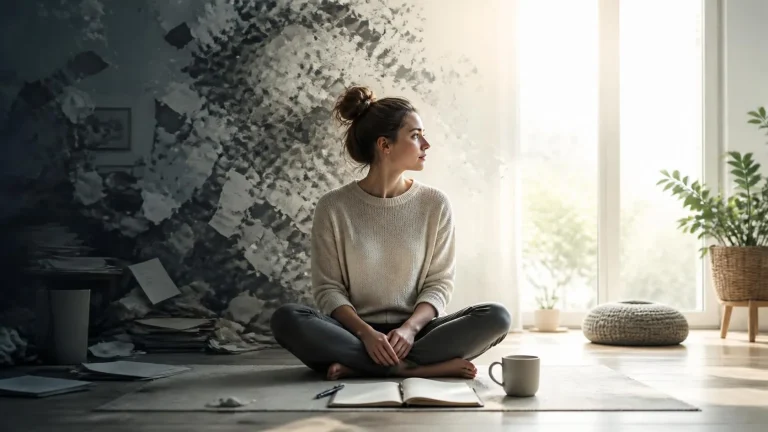
Tips for Body Positivity: A Complete Guide to Building Self-Love and Confidence
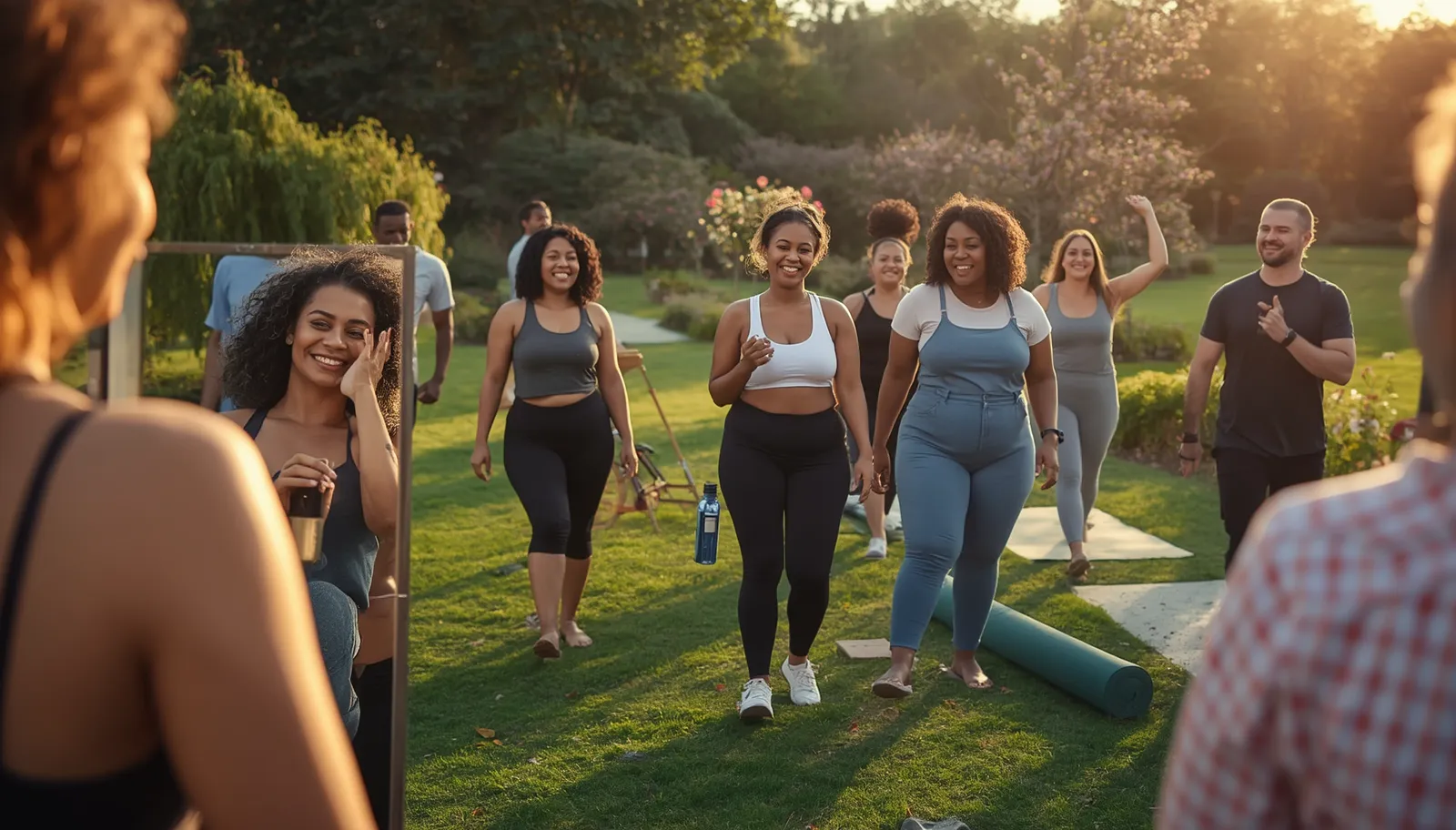
Body positivity encourages self-acceptance, confidence, kindness, and healthy habits that support mental and emotional well-being.
Body positivity is about respecting your body, appreciating what it does for you, and reducing the influence of unrealistic beauty standards. Learn practical strategies to build confidence, improve self-esteem, and create a healthier relationship with your body.
Quick Answer
Body positivity means treating your body with kindness and respect regardless of its shape, size, or appearance. Practical habits such as challenging negative self-talk, limiting unhealthy social media comparisons, focusing on health rather than appearance, practicing gratitude, and surrounding yourself with supportive people can help improve body image over time.
What Is Body Positivity?
Body positivity is a mindset that encourages acceptance, respect, and appreciation for all body types. Rather than chasing unrealistic beauty standards, it promotes caring for your physical and mental health while recognizing that bodies naturally come in different shapes, sizes, colors, and abilities.
A positive body image does not mean ignoring health. Instead, it encourages healthy habits because you value your body—not because you dislike it.
Why Body Positivity Matters
A healthy body image can improve confidence, reduce stress related to appearance, strengthen relationships, and encourage sustainable self-care habits. Research suggests that positive body image is associated with better psychological well-being and healthier lifestyle behaviors.
Improves Self-Esteem
Accepting your body can reduce self-criticism and increase confidence in everyday life.
Supports Mental Health
Reducing appearance-related stress may help lower anxiety and improve emotional well-being.
Encourages Healthy Habits
People often make healthier food and exercise choices when motivated by self-care instead of punishment.
Builds Resilience
Learning to challenge unrealistic beauty standards helps strengthen emotional resilience.
What Causes Negative Body Image?
| Common Cause | Possible Impact |
|---|---|
| Social media comparisons | Unrealistic expectations |
| Beauty standards | Lower self-confidence |
| Negative comments | Reduced self-esteem |
| Past experiences | Body dissatisfaction |
| Constant comparison | Increased stress and self-criticism |
20 Practical Tips for Body Positivity
1. Practice Positive Self-Talk
Replace harsh self-criticism with supportive and realistic thoughts.
2. Stop Comparing Yourself
Remember that social media often shows carefully selected and edited moments rather than everyday reality.
3. Focus on What Your Body Can Do
Celebrate your body’s strength, movement, healing, and ability to support daily life.
4. Wear Comfortable Clothes
Choose clothing that fits well and makes you feel comfortable and confident.
5. Curate Your Social Media Feed
Follow creators and communities that promote realistic, diverse, and healthy body images. Unfollow accounts that consistently make you feel inadequate or encourage unhealthy comparisons.
6. Appreciate Your Body Daily
Take a few moments each day to acknowledge something your body allows you to do, such as walking, laughing, hugging loved ones, or enjoying your favorite activities.
7. Eat to Nourish, Not Punish
Choose balanced meals that provide energy and nutrients instead of following overly restrictive diets motivated by guilt or shame.
8. Exercise for Enjoyment
Find physical activities you genuinely enjoy, such as walking, dancing, yoga, cycling, swimming, or strength training, instead of exercising solely to change your appearance.
9. Practice Gratitude
Keeping a gratitude journal can help shift your attention from appearance to the many positive aspects of your life and health.
10. Be Patient With Yourself
Building a healthier body image takes time. Progress is rarely linear, and difficult days are a normal part of personal growth.
11. Celebrate Small Wins
Recognize positive habits, improved confidence, healthy choices, and personal achievements instead of focusing only on physical appearance.
12. Avoid Negative Body Conversations
Steer conversations away from body shaming, appearance comparisons, and unrealistic beauty standards whenever possible.
Daily Habits That Build Body Confidence
Consistent daily routines can gradually improve how you feel about yourself. Small actions practiced regularly often have a greater impact than occasional dramatic changes.
| Daily Habit | Benefit |
|---|---|
| Sleep 7–9 hours | Supports emotional well-being and energy |
| Stay physically active | Improves mood and overall health |
| Eat balanced meals | Provides steady energy and nourishment |
| Practice mindfulness | Reduces stress and self-judgment |
| Limit social comparison | Protects self-esteem |
| Spend time with supportive people | Encourages confidence and acceptance |
Mindfulness Practices for a Positive Body Image
Deep Breathing
A few minutes of slow breathing can reduce stress and help interrupt negative thought patterns.
Body Scan Meditation
Notice physical sensations without judging your appearance, encouraging greater appreciation for your body’s abilities.
Positive Affirmations
Use realistic affirmations such as “My worth is not defined by my appearance” or “I deserve respect exactly as I am.”
Journaling
Write about achievements, strengths, meaningful experiences, and qualities you appreciate about yourself beyond physical appearance.
How Social Media Affects Body Image
Social media can be both helpful and challenging. While it offers supportive communities and educational resources, it can also encourage constant comparison with edited or filtered images that do not reflect everyday reality.
Potential Challenges
- Appearance comparison
- Edited and filtered photos
- Unrealistic beauty expectations
- Pressure to seek validation
Healthier Digital Habits
- Limit screen time when needed
- Follow diverse creators
- Take regular social media breaks
- Focus on educational and uplifting content
Body Positivity Myths vs Facts
Myth: Body positivity means ignoring your health.
Fact: Body positivity encourages treating your body with respect and making healthy choices because you value yourself—not because you dislike your appearance.
Myth: You have to love your body every day.
Fact: It’s normal to have difficult days. Body positivity is about practicing self-compassion even when confidence fluctuates.
Myth: Confidence comes only from appearance.
Fact: Confidence also develops through skills, relationships, achievements, resilience, and personal growth.
Myth: Comparing yourself motivates improvement.
Fact: Constant comparison often increases stress and lowers self-esteem. Focusing on your own progress is generally healthier and more sustainable.
When Should You Seek Professional Support?
Everyone experiences occasional insecurity about appearance. However, persistent negative body image may benefit from professional support, particularly if it begins affecting daily life, relationships, work, or emotional well-being.
Consider Speaking With a Professional If You:
- Frequently avoid social situations because of your appearance.
- Experience persistent anxiety about your body.
- Constantly compare yourself with others.
- Notice your self-esteem depends entirely on your appearance.
- Have concerns about eating habits or excessive exercise.
Helpful Professionals
- Licensed psychologists
- Counselors or therapists
- Psychiatrists (when appropriate)
- Registered dietitians
- Primary healthcare providers
Frequently Asked Questions
What is body positivity?
Body positivity is the practice of respecting and accepting your body while recognizing that every person deserves dignity regardless of size, shape, weight, age, skin color, or physical ability.
How can I improve my body image?
Practice positive self-talk, reduce unhealthy comparisons, spend time with supportive people, exercise for enjoyment, eat balanced meals, and focus on your body’s abilities instead of appearance alone.
Is body positivity the same as body confidence?
Not exactly. Body positivity emphasizes acceptance and respect, while body confidence refers to feeling comfortable and secure in your own body. The two concepts often support each other.
Can social media affect body image?
Yes. Constant exposure to edited photos and unrealistic beauty standards may negatively influence body image. Curating your feed and limiting comparison can help.
Can exercise improve body confidence?
Many people experience improved confidence when they exercise for health, enjoyment, strength, and well-being rather than focusing only on appearance.
Why is self-compassion important?
Self-compassion encourages treating yourself with the same understanding and kindness you would offer a friend, helping reduce harsh self-criticism during difficult moments.
Celebrate Your Body, Care for Your Mind
Body positivity is a lifelong journey built on self-respect, healthy habits, and realistic expectations. Every small step toward self-acceptance helps create a healthier relationship with both your body and your mental well-being.
Sources & Further Reading
- World Health Organization (WHO)
- American Psychological Association (APA)
- National Institute of Mental Health (NIMH)
- Mental Health Foundation
Disclaimer: This article is intended for educational purposes only and should not replace professional mental health care. If concerns about body image are causing significant distress or affecting your daily life, consult a qualified mental health professional.
About the Author