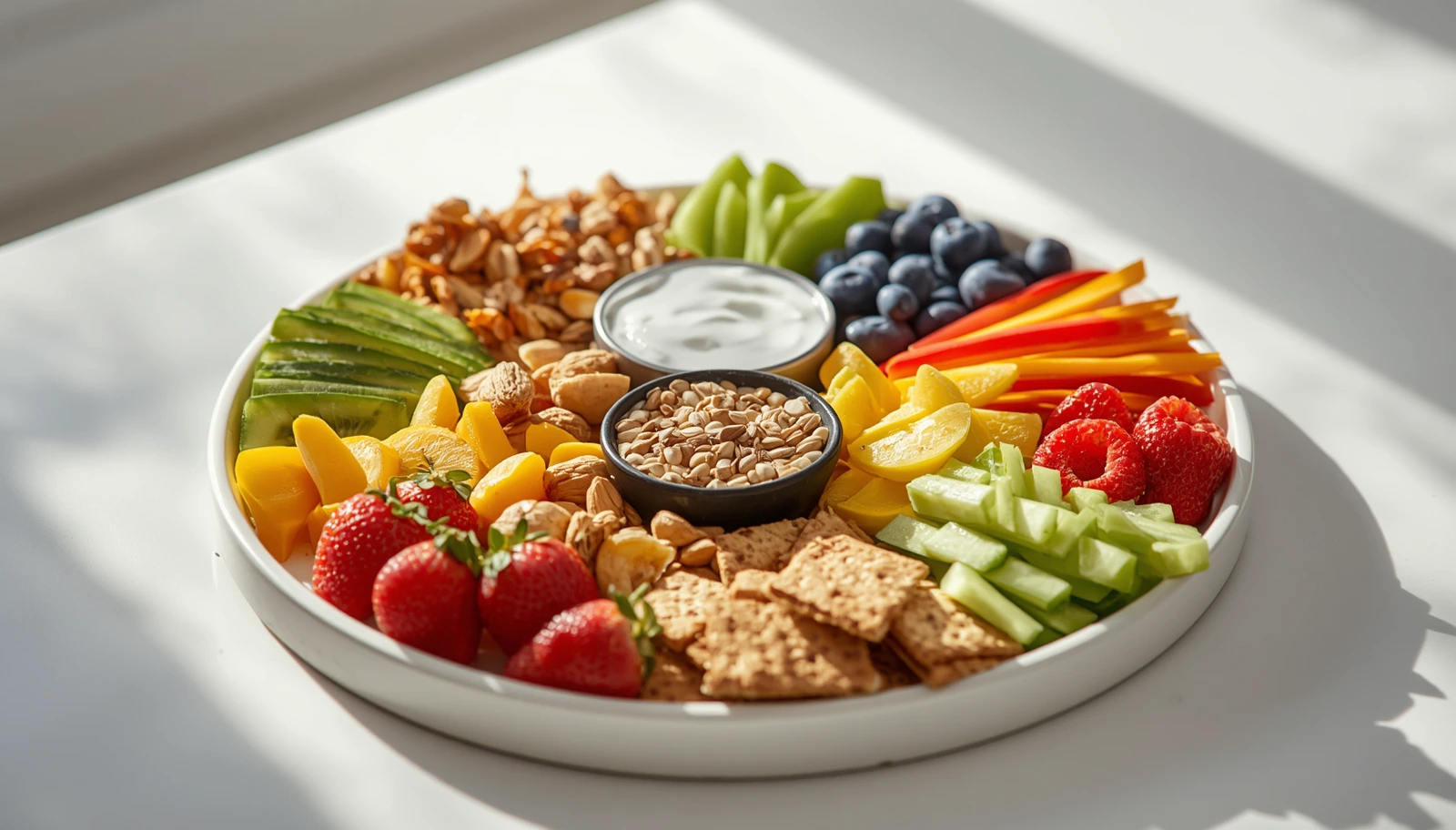
Simple daily habits such as balanced meals, walking, strength training, better sleep, and stress management support healthy fat loss.
Reducing abdominal fat does not require a miracle drink, an extreme diet, or hundreds of crunches every day. The most effective daily habits to reduce belly fat include eating balanced meals, moving regularly, performing strength exercises, sleeping well, and managing stress.
These habits cannot target fat from the stomach alone. However, they can support gradual overall fat loss. As your total body-fat level decreases, your waist measurement and abdominal fat may also reduce over time.
Healthy weight management is influenced by several factors, including food choices, physical activity, sleep, stress, hormones, medicines, age, and medical conditions. Therefore, progress will differ from one person to another.
Can Daily Habits to Reduce Belly Fat Really Work?
Yes, consistent lifestyle habits may help reduce overall body fat, including fat stored around the abdomen. A balanced diet and regular physical activity can create an energy deficit, which means the body uses more energy than it receives from food and drinks.
However, no food, drink, supplement, or exercise can guarantee fat loss from only one part of the body. Abdominal exercises can strengthen your core muscles, but they do not directly remove the fat covering those muscles.
A practical plan should focus on:
- Balanced meals
- Appropriate portions
- Regular walking
- Strength training
- Adequate sleep
- Stress management
- Long-term consistency
Gradual weight loss is generally more sustainable than rapid weight loss. The CDC notes that people who lose weight steadily are more likely to maintain the result than people who lose weight very quickly.
Why Is Belly Fat Difficult to Reduce?
Belly fat is affected by more than food and exercise. Genetics, age, hormones, sleep, stress, medication, activity level, and overall lifestyle can influence where the body stores fat.
Two common types of abdominal fat are:
Subcutaneous fat
This is the soft fat located directly beneath the skin. It is the type of fat you may be able to pinch around your stomach.
Visceral fat
Visceral fat is stored deeper in the abdomen around internal organs. Excess visceral fat is associated with a higher risk of health problems, including type 2 diabetes and cardiovascular disease.
You cannot accurately measure visceral fat simply by looking in the mirror. Waist measurements, medical history, blood tests, and professional assessment can provide more useful information.
Obesity is now recognised as a complex, chronic condition influenced by biological, behavioural, environmental, and social factors. It should not be treated as a simple failure of willpower.
1. Build Balanced Meals With Protein and Fibre
The first of the seven daily habits to reduce belly fat is creating meals that keep you satisfied without relying heavily on ultra-processed foods.
Protein and fibre can make meals more filling. This may help you manage hunger and reduce unplanned snacking.
Add a source of protein
Protein-rich options include:
- Eggs
- Fish
- Chicken
- Dal
- Beans
- Chickpeas
- Tofu
- Paneer
- Plain yoghurt
- Milk
- Soy products
Choose portions that suit your energy needs, health condition, and dietary preferences.
Include fibre-rich foods
Fibre is found in:
- Vegetables
- Whole fruits
- Beans and lentils
- Oats
- Brown rice
- Whole-grain roti
- Seeds
- Nuts
Whole fruit usually provides more fibre and is more filling than fruit juice.
Use a simple plate method
You can build a balanced meal by filling:
- Half the plate with vegetables
- One quarter with a protein source
- One quarter with whole grains or another carbohydrate source
This does not need to be followed perfectly at every meal. It is simply a practical guide for improving meal balance.
A healthy diet should be diverse and adjusted to a person’s age, lifestyle, activity level, local food availability, and cultural preferences.
2. Reduce Sugary Drinks and Liquid Calories
Sugary drinks can add a large number of calories without providing the same fullness as a complete meal.
Common sources include:
- Soft drinks
- Sweetened tea
- Flavoured coffee
- Energy drinks
- Packaged fruit drinks
- Sweet lassi
- Milkshakes
- Sugar-heavy smoothies
You do not need to eliminate every sweet drink immediately. Begin by reducing the frequency or portion size.
Better everyday options include:
- Water
- Unsweetened tea
- Plain coffee
- Buttermilk without added sugar
- Lemon water without excessive sugar
- Sparkling water
- Infused water
Fruit juice may provide vitamins, but it can also be easy to consume quickly and in large quantities. Whole fruit is generally more filling because it retains more fibre.
Check hidden calories
Coffee and tea may appear harmless, but added sugar, cream, syrups, and toppings can turn them into high-calorie drinks.
Try reducing sugar gradually rather than making an extreme change that is difficult to maintain.
3. Walk More Throughout the Day
Walking is one of the most accessible daily habits to reduce belly fat and improve overall health.
You do not need to complete all your movement in one workout. Short walking sessions throughout the day also contribute to your total activity.
Try these simple ideas:
- Walk for 10 minutes after meals.
- Take the stairs when practical.
- Walk during phone calls.
- Park farther from the entrance.
- Get off public transport one stop earlier.
- Take short movement breaks at work.
- Complete nearby errands on foot.
- Walk with family after dinner.
Start with your current ability
A person who currently walks for ten minutes a day does not need to begin with a one-hour session.
Start with a manageable duration and increase it gradually. Consistency is more useful than an intense routine that causes pain or is quickly abandoned.
Adults are generally encouraged to work toward at least 150 minutes of moderate physical activity per week. However, some movement is better than none, and individual needs may differ.
People with heart disease, diabetes, high blood pressure, joint problems, or another medical condition should ask a healthcare professional about safe activity levels before starting a demanding programme.
4. Include Strength Training
Walking and other aerobic activities are valuable, but strength training should also be part of a balanced fitness routine.
Strength exercises work your muscles against resistance. They may help preserve or develop muscle while you manage your body weight.
Examples include:
- Bodyweight squats
- Wall push-ups
- Lunges
- Resistance-band rows
- Glute bridges
- Light dumbbell exercises
- Modified planks
- Supervised gym exercises
Begin with two sessions per week
Beginners can start with two short full-body sessions each week. Focus on correct technique rather than lifting the heaviest possible weight.
Gradually increase resistance, repetitions, or exercise difficulty as your strength improves.
Do abdominal exercises help?
Exercises such as planks and controlled crunches may strengthen the muscles around your abdomen. However, they cannot choose where the body removes fat.
Include core exercises for strength, posture, and stability—not because they promise targeted belly-fat loss.
Strengthening activities may support weight management by maintaining or increasing energy-using muscle tissue.
5. Protect Your Sleep
Sleep is often ignored in weight-management plans. However, it can influence hunger, food choices, energy, recovery, and motivation to exercise.
The amount of sleep required differs by age and individual circumstances. More important than chasing a perfect number is maintaining a consistent routine and noticing whether you feel rested during the day.
Build a healthier sleep routine
Try to:
- Keep a regular bedtime.
- Wake up at a similar time each day.
- Reduce late-night screen use.
- Avoid heavy meals immediately before bed.
- Limit caffeine late in the day.
- Keep the bedroom dark and comfortable.
- Move work devices away from the bed.
- Avoid using alcohol as a sleep aid.
Poor sleep may make it harder to stay active and manage food choices. Healthy weight guidance commonly includes adequate sleep alongside nutrition, physical activity, and stress management.
If you snore loudly, wake up gasping, experience morning headaches, or remain extremely sleepy during the day, speak with a healthcare professional. These may be signs of a sleep-related condition that requires assessment.
6. Manage Daily Stress
Stress does not automatically cause abdominal fat, but long-term stress may influence appetite, sleep, food choices, and activity levels.
Some people eat less during stressful periods. Others turn to highly palatable foods, alcohol, or frequent snacking for temporary comfort.
Useful stress-management habits include:
- Walking outdoors
- Slow breathing
- Meditation
- Yoga
- Journaling
- Talking to a trusted person
- Limiting unnecessary notifications
- Taking regular work breaks
- Spending time on hobbies
- Seeking professional support
Identify the source of stress
Stress-management techniques are helpful, but they may not solve an unrealistic workload, financial difficulty, relationship problem, or medical concern.
When possible, address the underlying issue as well as your response to it.
Managing stress is recognised as one part of a healthy, sustainable approach to weight management.
7. Control Portions Without Extreme Dieting
The final habit is learning to manage portions without following an overly restrictive diet.
Extreme plans may produce rapid short-term changes, but they are often difficult to maintain. They may also cause fatigue, nutritional gaps, irritability, or repeated cycles of weight loss and regain.
Use smaller changes
Try these practical strategies:
- Serve meals on a smaller plate.
- Eat without watching television.
- Slow down while eating.
- Pause before taking a second serving.
- Measure oils instead of pouring freely.
- Keep high-calorie snacks out of immediate reach.
- Buy smaller packages of occasional foods.
- Plan meals before becoming extremely hungry.
- Check serving information on packaged foods.
Do not skip meals only to compensate
Skipping meals may work for some structured eating plans, but it can also increase hunger and overeating later in the day.
Choose a meal pattern that you can follow consistently and that supports your health, medication schedule, and energy needs.
The goal is not to eat as little as possible. It is to create a moderate and sustainable difference between the energy you consume and the energy your body uses.
A Daily Routine to Reduce Belly Fat Gradually
Here is an example of how these habits can fit into an ordinary day.
Morning
- Drink water after waking.
- Eat a balanced breakfast when hungry.
- Include protein and fibre.
- Walk or stretch for five to ten minutes.
During work
- Stand up regularly.
- Keep water nearby.
- Eat lunch away from your desk.
- Choose a balanced meal.
- Take a short walk after eating.
Evening
- Complete a walk or strength session.
- Eat a portion-controlled dinner.
- Avoid continuous snacking while watching television.
- Prepare tomorrow’s meals or exercise clothes.
Before bed
- Reduce screen brightness.
- Write down unfinished tasks.
- Follow a calming routine.
- Go to bed at a consistent time.
You do not need to follow this routine exactly. Adjust it to your work schedule, family responsibilities, culture, and health needs.
Mistakes That Can Slow Belly-Fat Loss
Depending on detox drinks
Lemon water, herbal tea, or infused water may support hydration, but they do not directly melt abdominal fat.
Performing only abdominal exercises
Core exercises strengthen muscles but cannot selectively remove stomach fat.
Eliminating all carbohydrates
Carbohydrates are not automatically responsible for belly fat. Whole grains, fruits, beans, and vegetables can be part of a healthy diet.
Following an extremely low-calorie diet
Severe restriction may be difficult to sustain and could be unsafe without medical supervision.
Ignoring liquid calories
Sugar, cream, alcohol, juices, and sweetened drinks can add significant calories.
Exercising but remaining sedentary all day
A workout is useful, but regular movement throughout the day also matters.
Expecting identical results
Age, genetics, health conditions, sleep, stress, medicines, and starting body composition can affect progress.
Measuring progress every day
Body weight can fluctuate because of hydration, sodium, digestion, and hormonal changes. Look at longer-term patterns instead of reacting to every daily change.
How Long Do Daily Habits Take to Reduce Belly Fat?
There is no universal timeline.
Changes depend on:
- Starting body composition
- Food intake
- Activity level
- Sleep
- Stress
- Genetics
- Hormones
- Medical conditions
- Medications
- Consistency
The CDC describes gradual weight loss of approximately one to two pounds per week as a pace that many people are more likely to maintain. However, this is a general guideline, not a required target for everyone.
Some people may notice improvements in energy, strength, or waist measurements before seeing a major change on the scale.
Instead of focusing only on weight, track:
- Waist measurement
- Walking endurance
- Strength
- Sleep quality
- Energy
- Food consistency
- How clothes fit
- Blood pressure or laboratory markers when medically advised
When Should You Speak With a Doctor?
Professional guidance may be useful when:
- Your waist size changes suddenly.
- You experience unexplained weight gain or loss.
- You have diabetes, heart disease, or high blood pressure.
- You take medicines that may affect weight.
- You have irregular periods or symptoms of a hormonal condition.
- Exercise causes chest pain, dizziness, or unusual breathlessness.
- Your eating habits feel out of control.
- You are considering an extreme diet or supplement.
- Previous weight-loss attempts have caused distress.
- You may have an eating disorder.
Healthcare professionals can assess medical factors and help create a safer plan. Treatment for overweight or obesity may include lifestyle support, behavioural treatment, medicines, or surgery, depending on the individual situation.
FAQs About Daily Habits to Reduce Belly Fat
What are the best daily habits to reduce belly fat?
The best daily habits to reduce belly fat include eating balanced meals, controlling portions, limiting sugary drinks, walking regularly, performing strength exercises, sleeping adequately, and managing stress. These habits support overall fat loss rather than targeting only the abdomen.
Can walking reduce belly fat?
Walking may support an energy deficit and improve overall health. When combined with appropriate food intake, it may contribute to gradual fat loss, including reductions in abdominal fat.
Can I lose belly fat without going to the gym?
Yes. Walking, bodyweight exercises, resistance bands, home workouts, household activities, and portion management can all contribute to a healthy routine. A gym is optional.
Do crunches burn stomach fat?
Crunches strengthen abdominal muscles, but they do not selectively burn the fat covering those muscles. Overall fat loss requires broader changes in food intake and activity.
Which drink burns belly fat?
No drink directly burns belly fat. Water, unsweetened tea, and other low-calorie beverages may support hydration or replace sugary drinks, but they do not melt body fat.
Is lemon water useful for belly-fat loss?
Lemon water can be a low-calorie drink when no sugar is added. It may help replace sweetened beverages, but it does not directly remove abdominal fat.
Should I stop eating rice to lose belly fat?
You do not necessarily need to stop eating rice. Portion size, total food intake, meal balance, and the rest of your diet matter more than eliminating one food.
Can I reduce belly fat in seven days?
A large, lasting reduction in abdominal fat is unlikely in seven days. Short-term changes in weight or waist size may reflect water, food volume, or digestion rather than substantial fat loss.
Does sleep affect belly fat?
Sleep can affect appetite, food choices, energy, and willingness to exercise. Adequate sleep is one important part of a sustainable weight-management routine.
Is fasting necessary to reduce belly fat?
No. Some people use structured fasting safely, but it is not required. Fat loss can occur through many eating patterns when they create a sustainable energy deficit.
What foods should I avoid completely?
Most people do not need to ban every favourite food. It is usually more practical to limit portions and frequency of foods high in calories, added sugar, or saturated fat while eating more vegetables, fruits, whole grains, and protein-rich foods.
Does stress cause belly fat?
Stress alone does not explain every change in abdominal fat. However, ongoing stress may affect sleep, appetite, activity, and eating behaviour, making weight management more difficult.
Final Thoughts
The most effective daily habits to reduce belly fat are not dramatic. They are simple actions repeated consistently.
Eat meals containing protein, fibre, and minimally processed foods. Reduce sugary drinks. Walk more throughout the day. Include strength training. Protect your sleep, manage stress, and control portions without following an extreme diet.
Remember that the body cannot be forced to lose fat from only one location. These habits support overall health and gradual fat loss, which may eventually reduce abdominal fat as well.
Begin with one or two changes instead of attempting a complete lifestyle transformation overnight. A manageable routine that you can follow for months is more valuable than a strict plan you abandon after one week.
The CDC’s healthy weight-loss guidance explains that gradual and consistent weight loss is generally easier to maintain than rapid weight loss.
According to the World Health Organization’s physical activity guidance , adults should aim for at least 150 minutes of moderate-intensity physical activity per week.
The National Institute of Diabetes and Digestive and Kidney Diseases explains that excess abdominal fat may increase the risk of several health conditions.
Some people also use structured eating schedules. Read our guide to intermittent fasting and visceral fat before deciding whether this approach suits your routine.
For practical meal ideas, explore these high-protein breakfast options that may help make morning meals more satisfying.
You can also compare the benefits of a morning vs evening workout and choose a time you can follow consistently.
About the Author