Beetroot Juice for Skin Whitening: Real Benefits, Recipe and Side Effects
 Mehak
Mehak 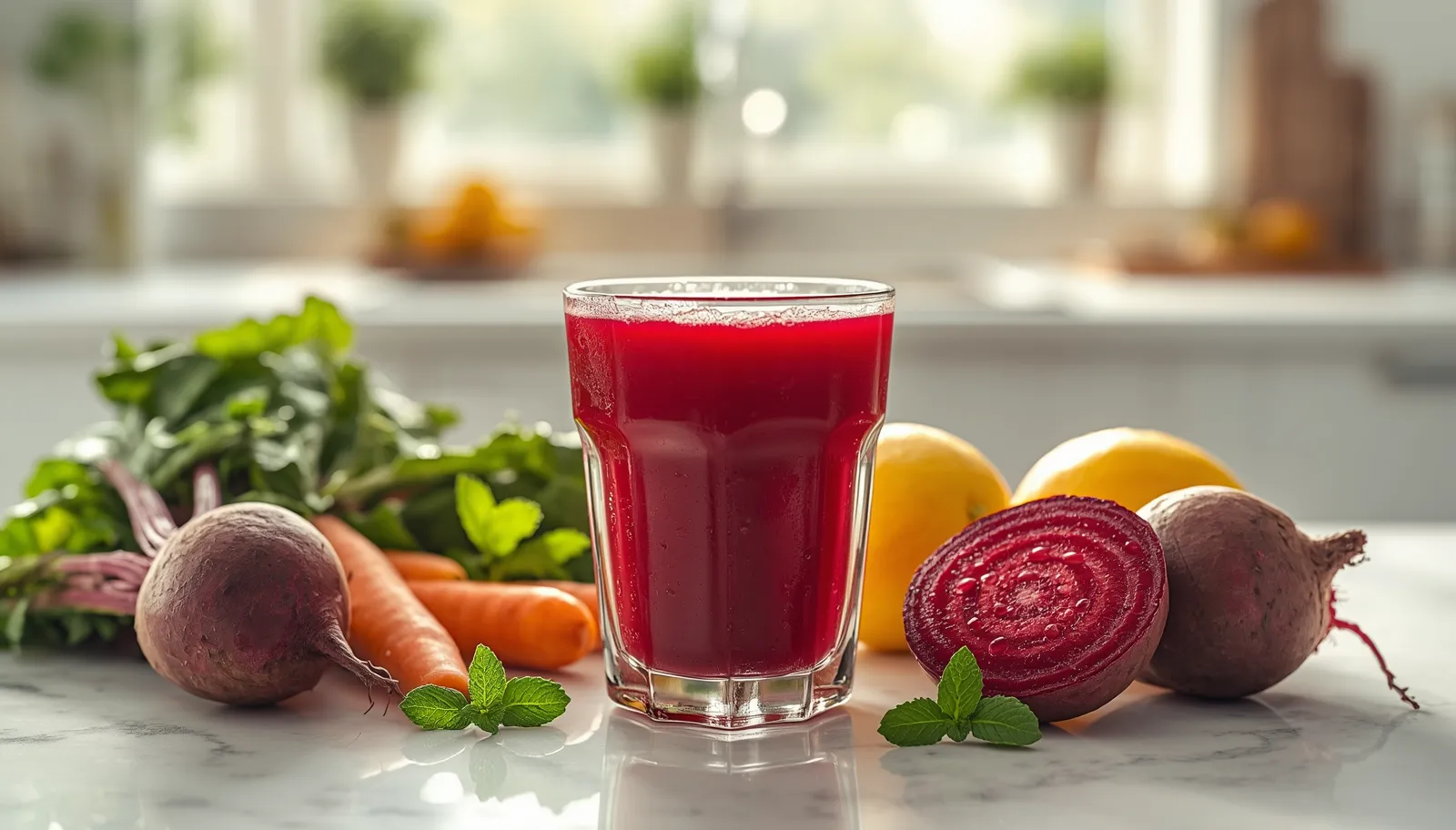
Fresh beetroot juice made with wholesome ingredients that support hydration, antioxidants, and overall skin health as part of a balanced diet.
Beetroot is nutritious and colourful, but its juice cannot safely whiten your natural skin tone. Here is what it may contribute, what it cannot treat and how to drink it sensibly.
Quick answer: Does beetroot juice whiten skin?
No. Beetroot juice has not been shown to lighten genetically determined skin colour, remove melasma or erase post-acne marks. It supplies water, folate, potassium, dietary nitrate and betalain pigments, depending on preparation. These nutrients can fit a balanced diet, but they do not bleach melanin or guarantee “glowing” skin.
Why beetroot cannot change natural skin colour
Natural skin colour is largely determined by genetics and melanin. Sun exposure, hormones, inflammation and some medical conditions can change pigmentation, but drinking red juice does not switch off melanin production.
The temporary colour of beetroot juice—or red urine after consuming it—does not mean it has purified the blood or changed complexion. Healthy skin exists in every natural shade.
Important distinction: Treating a specific dark spot is different from trying to make an entire natural complexion lighter. The first may have medical options; the second is not a healthy nutrition goal.
Realistic benefits of beetroot juice
It contributes dietary nitrate
Beetroot is rich in nitrate, which the body can convert into nitric oxide. This pathway can affect blood vessels and may lower blood pressure in some people. That cardiovascular effect is not the same as whitening skin.
It provides folate and plant compounds
Beetroot contributes folate and betalain pigments. A varied fruit-and-vegetable pattern supports general health, but isolated antioxidants should not be advertised as detox treatments.
It can replace a sugary beverage
A small unsweetened beetroot drink may be a better choice than a soft drink. The benefit partly comes from what it replaces, not a special beauty mechanism.
It may support exercise performance in some contexts
Concentrated beetroot products have been studied for exercise through the nitrate pathway, with mixed results across people and activities. A home recipe does not provide a standardised sports dose.
Simple beetroot juice recipe
Beetroot, carrot and lemon drink (1 small serving)
Ingredients
- ¼–½ small beetroot, peeled if needed and chopped
- ½ small carrot
- ¾ cup safe drinking water
- 1–2 teaspoons lemon juice, optional
- A small piece of ginger, optional
Method
- Wash the beetroot and carrot thoroughly.
- Blend with water until smooth.
- Keep the pulp for more fibre, or strain for a thinner drink.
- Add lemon or ginger without sugar, honey or jaggery.
- Serve about 150 ml with a meal and refrigerate leftovers promptly.
Three sensible variations
Beetroot–amla
Blend a small beet portion with one seeded amla and water. Vitamin C supports normal collagen formation, not fairness.
Beetroot–cucumber
Use cucumber and mint for a less sweet drink. It hydrates but does not detox.
Beetroot–apple
Add only a small apple portion because it increases total sugar. Whole apple retains more fibre.
Whole-food salad
Grated cooked or raw beetroot with curd and seeds retains fibre and requires chewing.
Whole beetroot vs juice
| Option | Advantage | Limitation |
|---|---|---|
| Whole cooked beetroot | Retains fibre and suits meals | Preparation takes longer |
| Raw grated beetroot | Fibre, crunch and small portions | Not suitable for everyone’s digestion |
| Unstrained blend | Keeps more edible pulp | Thicker texture |
| Strained juice | Easy to drink | Less fibre and easy to overconsume |
| Concentrated sports shot | Standardised by some products | Different from food; may be unsuitable or costly |
What actually helps pigmentation?
Dark spots can result from acne, eczema, irritation, sun exposure or melasma. A dermatologist can identify the cause. Broad-spectrum SPF 30+ sunscreen, shade and protective clothing help prevent tanning and worsening pigmentation.
For darker skin tones or melasma, the American Academy of Dermatology notes that tinted sunscreen with iron oxide can add protection against visible light. Gentle skincare matters because burning, stinging products can worsen dark patches.
Read our broader guide on skin-whitening juice myths and pigmentation.
Side effects and precautions
Red or pink urine and stool
Beet pigments can temporarily turn urine or stool pink or red, called beeturia. However, do not automatically assume red urine is from beetroot. Blood in urine requires medical assessment, especially when the cause is uncertain or symptoms persist.
Lower blood pressure
Beetroot may lower blood pressure. People with naturally low pressure, dizziness or blood-pressure medicines should be cautious with concentrated daily servings.
Kidney stones and kidney disease
Beetroot contains oxalate, which may matter for people with certain recurrent kidney stones. Kidney disease may also require potassium and fluid limits. Follow individual clinical advice.
Diabetes
Juice is consumed quickly and contains less fibre when strained. Use a small unsweetened portion and monitor glucose according to your treatment plan.
Digestive or dental symptoms
Large servings may cause bloating or diarrhoea. Lemon-containing juice is acidic; drink with a meal, avoid sipping for hours and rinse with plain water afterward.
Beetroot skin myths checked
“Purifies blood”
Blood purification is not a recognised juice function. The liver and kidneys perform physiological processing.
“Makes cheeks pink”
A persistent change in facial colour is not an established outcome of drinking beetroot.
“Removes dark spots”
No evidence shows beetroot juice treats melasma or post-inflammatory pigmentation.
“Works in seven days”
Rapid fairness claims are unsupported and promote unrealistic expectations.
Should you apply beetroot juice to the face?
Beetroot can stain skin and clothing, and homemade mixtures are not standardised or preserved. They may irritate sensitive skin and cannot replace tested products. Do not mix beetroot with lemon, baking soda or toothpaste for facial application.
Patch testing does not prove a homemade product is effective or safe for long-term use. Use dermatologist-recommended products for acne or pigmentation.
When to seek medical care
See a clinician for unexplained blood in urine, repeated dizziness, severe stomach symptoms or a suspected allergic reaction. See a dermatologist for rapidly changing pigmentation, painful or scarring acne, a changing mole, persistent itching or a non-healing lesion.
The bottom line
Beetroot juice for skin whitening is a misleading promise. The drink can contribute nutrients and dietary nitrate, but it cannot safely whiten natural skin tone or cure pigmentation.
Choose a small unsweetened serving if you enjoy it, retain the pulp when practical and treat dark spots with sun protection and the correct diagnosis. Healthy skin is not defined by fairness.
Frequently asked questions
Does beetroot juice whiten skin?
No. It has not been shown to lighten natural skin colour or bleach melanin.
Can beetroot juice make skin glow?
It can contribute nutrients and fluid, but glow is subjective and no visible result is guaranteed.
How much beetroot juice should I drink?
There is no skin-whitening dose. A small food-sized serving, such as about 150 ml, is practical for many adults.
Can I drink beetroot juice daily?
Some people can, but daily use is unnecessary and may not suit low blood pressure, kidney restrictions, stones or diabetes.
Why did my urine turn red after beetroot?
Beet pigments can cause beeturia. If you are unsure it is beetroot or redness persists, seek medical assessment.
Can I apply beetroot juice to my face?
It may stain or irritate and is not a proven pigmentation treatment. Use tested skincare instead.
Is whole beetroot better than juice?
Whole beetroot retains fibre and is generally more filling than strained juice.
Sources and further reading
- American Academy of Dermatology: Skin of Color and Sun Protection
- American Academy of Dermatology: Melasma Self-Care
- NHS: Blood in Urine
- NHS: Kidney Stone Prevention
Medical note: This article provides general food and skin-health education, not a pigmentation diagnosis or individual dietary plan.
About the Author