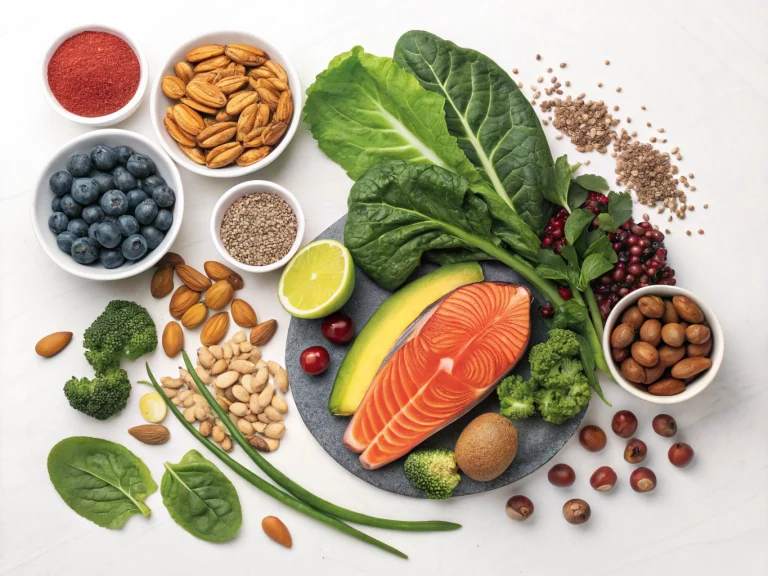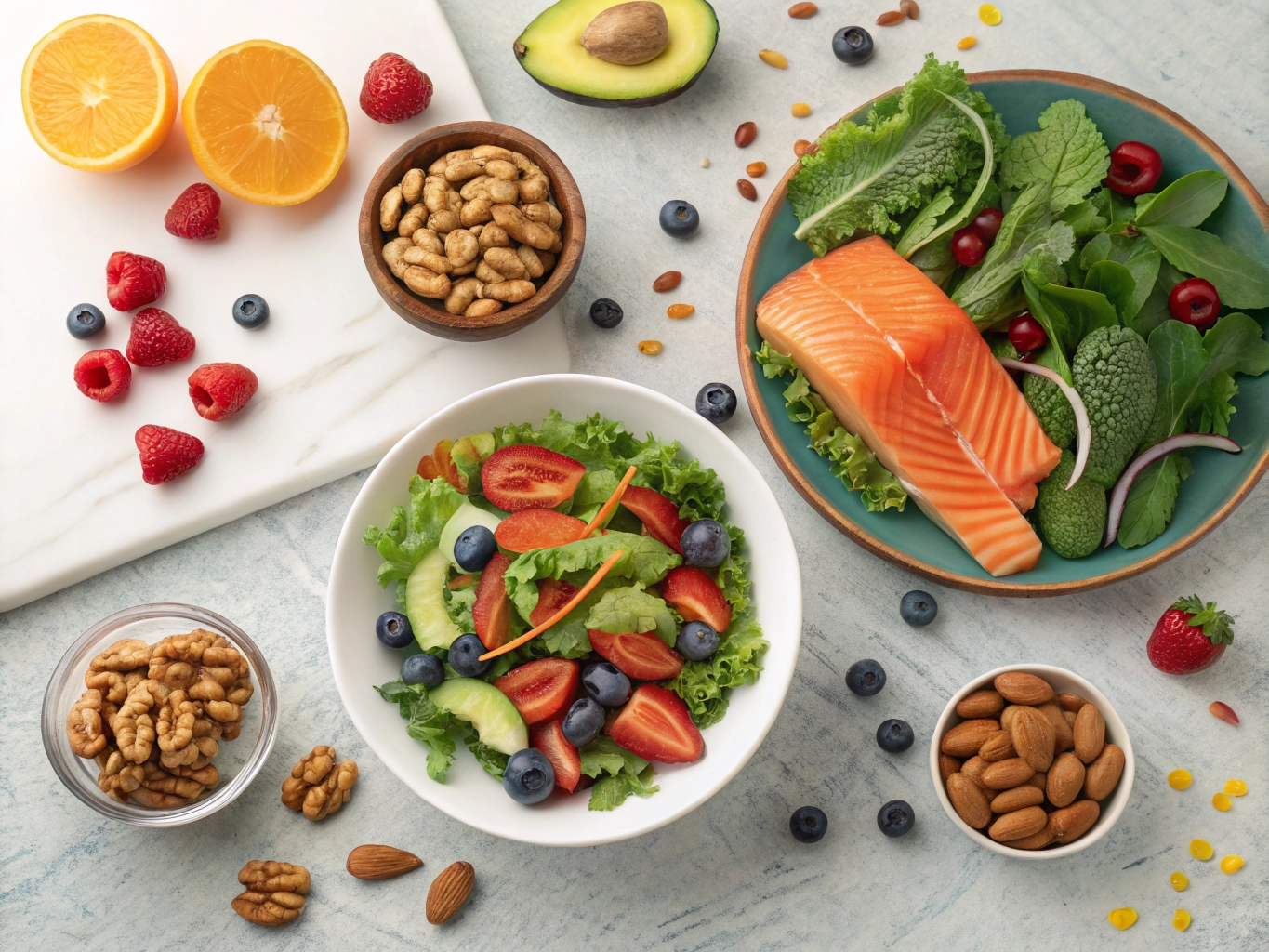
The warning signs of mineral deficiencies are becoming increasingly common due to processed foods, chronic stress, poor sleep, and nutrient-poor diets. Many people ignore the warning signs of mineral deficiencies, such as fatigue, hair loss, muscle cramps, brain fog, and weakened immunity, until they begin affecting daily life. Understanding the warning signs of mineral deficiencies early can help you identify nutrient gaps and take steps to improve your overall health.
Important Disclaimer: This content is for educational purposes only and is not medical advice. Symptoms associated with mineral deficiencies can have many causes. Always consult your doctor or a registered dietitian for proper testing and personalized recommendations.
Common Mineral Deficiencies and Their Warning Signs
Zinc
Skin rashes, acne, hair loss, poor wound healing, frequent infections.
Magnesium
Muscle cramps, fatigue, poor sleep, anxiety, skin issues, hair loss.
Iron
Fatigue, pale skin, hair loss, shortness of breath, brittle nails.
Potassium
Muscle weakness, fatigue, irregular heartbeat, constipation, feeling faint.
Copper
Fatigue, pale skin, frequent illness, memory issues.
Manganese
Slow wound healing, joint pain, dizziness, mood changes.
Selenium
Hair thinning, weak immunity, muscle weakness.
Iodine
Swollen thyroid (goiter), cold hands/feet, brain fog, irregular periods, weight changes.
Calcium
Muscle cramps, bone pain, tooth decay, weak nails.
Overlapping Symptoms of Mineral Deficiencies
| Symptom | Possible Linked Minerals |
|---|---|
| Hair loss / thinning | Zinc, Iron, Selenium, Magnesium |
| Skin rashes / acne | Zinc, Magnesium, Manganese |
| Fatigue / low energy | Iron, Magnesium, Potassium, Iodine, Copper |
| Muscle cramps / weakness | Magnesium, Calcium, Potassium |
| Poor wound healing | Zinc, Copper, Manganese, Iron |
| Brain fog / mood issues | Magnesium, Iodine, Iron, Copper |
Foods That Help Reduce Mineral Deficiency Symptoms
- Zinc: Oysters, beef, pumpkin seeds, chickpeas, cashews, eggs.
- Magnesium: Spinach, almonds, pumpkin seeds, avocado, dark chocolate, black beans.
- Iron: Red meat, liver, lentils, spinach, fortified cereals (pair with vitamin C).
- Potassium: Bananas, sweet potatoes, potatoes (with skin), avocado, salmon, beans.
- Copper: Shellfish, liver, cashews, dark chocolate, sesame seeds.
- Manganese: Nuts, seeds, whole grains, pineapple, leafy greens, tea.
- Selenium: Brazil nuts (1–2 per day), tuna, sardines, turkey, eggs.
- Iodine: Seafood, seaweed, dairy, eggs, iodized salt.
- Calcium: Yogurt, cheese, kale, sardines (with bones), fortified plant milks, tofu.
Pro Tip: Focus on “foundation foods” — leafy greens, nuts, seeds, seafood, and colorful produce — to help prevent mineral deficiencies and support overall health. Addressing mineral deficiencies through food is often the most sustainable long-term strategy.
Who Is Most at Risk of Mineral Deficiencies?
- Vegetarians/vegans (iron, zinc, iodine)
- Women of childbearing age (iron)
- Athletes (magnesium, potassium, zinc via sweat)
- Pregnant or breastfeeding individuals
- Older adults (reduced absorption)
- People with gut issues (celiac, IBS, Crohn’s)
- High-stress or restrictive-diet individuals
Nutrient Interactions That Affect Mineral Deficiencies
- Zinc and copper compete for absorption.
- Magnesium helps activate vitamin D for better calcium use.
- Iron absorption improves dramatically with vitamin C.
- Selenium and iodine work together for thyroid health.
- High sodium + low potassium is common in modern diets and affects blood pressure.
Practical 7-Day Meal Ideas
- Breakfast: Greek yogurt + pumpkin seeds + banana + dark chocolate.
- Lunch: Spinach salad with salmon/chickpeas, avocado, bell peppers.
- Dinner: Baked cod + sweet potato + broccoli + seaweed flakes.
- Snacks: Brazil nuts + cashews + orange; or a green smoothie with spinach and seeds.
Myths vs. Reality
- Myth: A “balanced diet” always prevents deficiencies.
Reality: Soil depletion, processing, and stress create gaps even in healthy eaters. - Myth: More supplements = better results.
Reality: Excess can create new imbalances (e.g., high zinc lowers copper). - Myth: Hair loss always means zinc deficiency.
Reality: It can signal iron, selenium, thyroid, stress, or protein issues.
Testing and Managing Mineral Deficiency Symptoms
Best Practices:
- Use Cronometer app for micronutrient tracking.
- Get bloodwork (ferritin, RBC magnesium, thyroid panel, etc.) if symptoms persist.
- Supplement only after testing. Preferred forms: magnesium glycinate, zinc picolinate, etc.
- Retest after 8–12 weeks of changes.
Red Flags Requiring Medical Attention:
- Extreme fatigue, heart palpitations, rapid hair loss, neck swelling, non-healing wounds.
30-Day Mineral Reset Challenge
- Week 1: Add extra greens + nuts daily.
- Week 2: Include seafood or seaweed 2x.
- Week 3: Replace processed snacks with mineral-dense options.
- Week 4: Evaluate how you feel and consider labs if needed.
Long-Term Prevention of Mineral Deficiencies
- Prioritize whole, minimally processed foods.
- Manage stress and sleep (both affect mineral use).
- Support gut health for better absorption.
- Stay hydrated with balanced electrolytes.
- Reassess annually with professional guidance.
Frequently Asked Questions About Mineral Deficiencies
Your body sends signals through fatigue, skin changes, muscle issues, and mood for a reason. The infographic that inspired this guide is a great starting point, but real progress comes from consistent, nutrient-dense eating, lifestyle habits, and professional verification when needed.
Small daily choices — a handful of seeds, leafy greens, or seafood — compound into better energy, stronger immunity, clearer skin, and overall resilience.
Action Step: Pick one mineral-rich habit or food this week and stick with it for 14 days. Share in the comments what you chose!
Frequently Asked Questions About Mineral Deficiencies
What are the most common mineral deficiencies?
The most common mineral deficiencies include iron, magnesium, zinc, iodine, calcium, and potassium deficiencies.
Can mineral deficiencies cause hair loss?
Yes. Mineral deficiencies involving iron, zinc, selenium, and magnesium may contribute to hair thinning or excessive shedding.
How can I test for mineral deficiencies?
A healthcare professional can recommend blood tests such as ferritin, thyroid panels, and other nutrient assessments to identify mineral deficiencies.
What foods help prevent mineral deficiencies?
Leafy greens, seafood, nuts, seeds, legumes, dairy products, eggs, and colorful fruits and vegetables can help reduce the risk of mineral deficiencies.
Recognizing the warning signs of mineral deficiencies can help prevent more serious health concerns in the future. While the warning signs of mineral deficiencies often start subtly, they may worsen over time if left unaddressed. Paying attention to the warning signs of mineral deficiencies and seeking professional guidance when necessary can support better energy, immunity, and overall wellness.
Thank you for reading this complete guide. Stay curious, stay consistent, and stay nourished.
Also read: Best Morning Routine for Productivity |→ | Beetroot Juice for Skin → | ABC Juice for Skin →
According to research by Sleep Foundation, stress and overthinking are major causes of insomnia.
About the Author