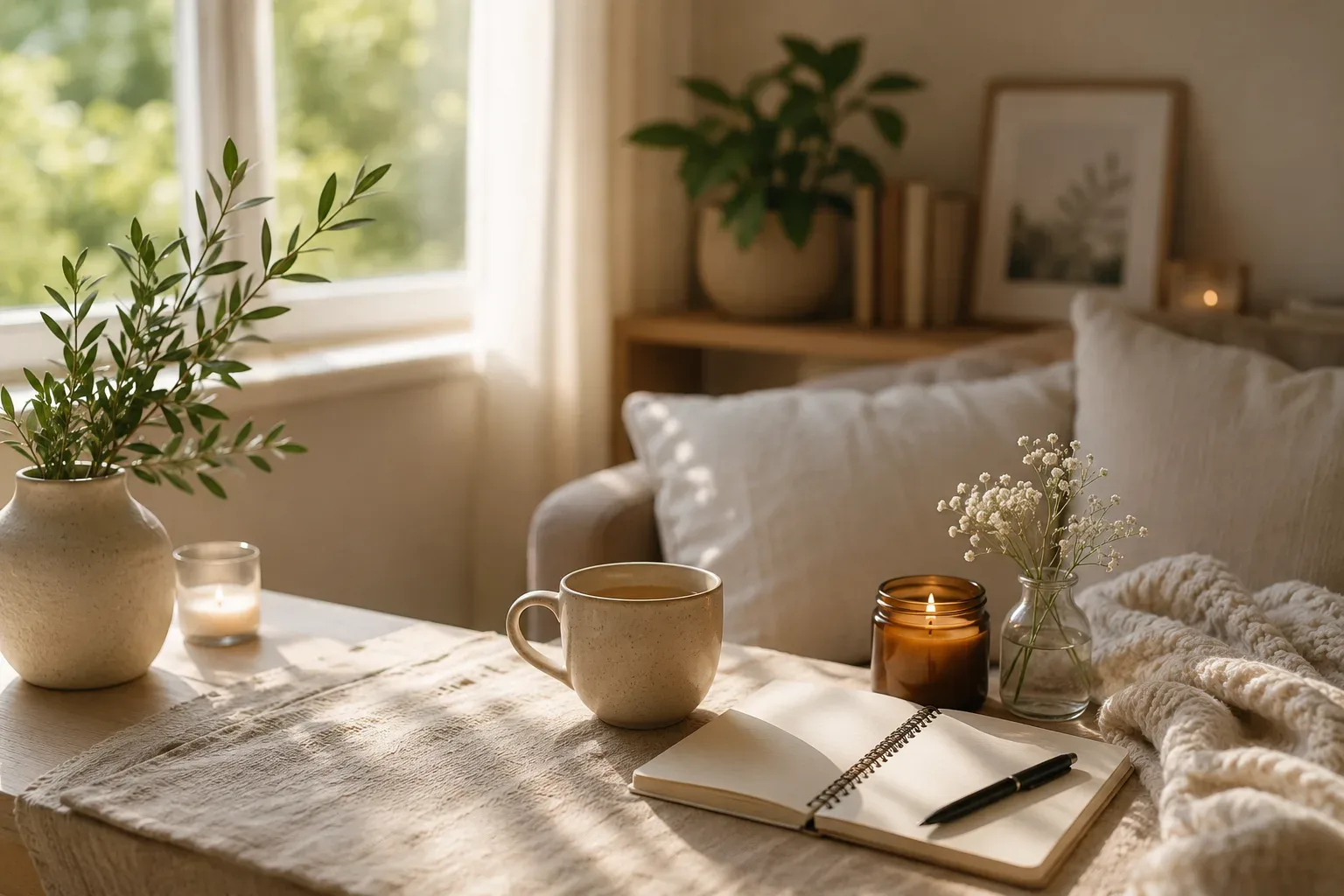
A peaceful soft living lifestyle setup featuring a cozy journal corner, warm coffee, candles, and natural sunlight.
The soft living lifestyle is becoming one of the biggest cultural shifts among millennials today. After years of hustle culture, burnout, nonstop productivity, and emotional exhaustion, many people are now choosing slower, calmer, and more intentional ways of living.
Instead of glorifying stress and overworking, soft living encourages balance, peace, rest, comfort, and emotional well-being. For millennials especially, the appeal of slower living is easy to understand. Rising stress levels, financial pressure, digital overload, and workplace burnout have forced many people to rethink what success actually means.
Today, more people are asking:
“What’s the point of success if life constantly feels overwhelming?”
That question is exactly why the soft living lifestyle continues to grow.
What Is the Soft Living Lifestyle?
The soft living lifestyle is a mindset centered around emotional wellness, intentional routines, and sustainable living. It focuses on creating a peaceful life instead of constantly chasing productivity.
Soft living does not mean giving up ambition or avoiding responsibility. Instead, it means refusing to sacrifice mental health in order to appear successful.
People embracing soft living often prioritize:
- Work-life balance
- Slow mornings
- Better mental health
- Comfortable home spaces
- Healthy boundaries
- Emotional peace
- Meaningful relationships
- Rest without guilt
- Simple routines
- Intentional living
This lifestyle has become especially popular among millennials who feel exhausted by traditional hustle culture.
Why Millennials Are Rejecting Hustle Culture
For years, millennials were taught that being busy meant being successful.
Social media constantly promoted:
- “Rise and grind” culture
- Productivity obsession
- Side hustles
- 5 a.m. routines
- Endless self-improvement
- Constant availability
Over time, that mindset created emotional burnout.
Many millennials now feel mentally drained by the pressure to always achieve more. Long work hours, financial instability, and digital comparison culture have made slower lifestyles feel more appealing than ever.
The pandemic also changed people’s perspectives. During lockdowns, many individuals realized how exhausted they truly were. Suddenly, rest became important again.
Instead of asking:
“How can I work harder?”
People started asking:
“How can I live better?”
That shift helped the soft living lifestyle move from an online trend into a real cultural movement.
The Emotional Side of Soft Living
One reason the soft living lifestyle feels so powerful is because it focuses heavily on emotional health.
Modern life often feels emotionally noisy. Notifications never stop. Social media encourages comparison. Work expectations continue after office hours. Many people feel mentally overstimulated every day.
Soft living encourages people to slow down emotionally.
That can include:
- Taking social media breaks
- Creating peaceful routines
- Spending more time offline
- Saying no without guilt
- Protecting personal energy
- Prioritizing therapy and self-care
- Spending time in nature
- Resting without feeling lazy
The goal isn’t perfection.
The goal is peace.
A Day Inside the Soft Living Lifestyle
For many millennials, the soft living lifestyle is not about escaping responsibility. It’s about creating small peaceful moments during ordinary daily life.
Imagine waking up without immediately checking notifications. Instead of rushing into stress, the morning begins slowly — making coffee, opening windows, listening to calming music, or writing thoughts in a journal before work starts.
Some people now keep a “daily life journal” to track emotions, gratitude, and small personal wins instead of focusing only on productivity goals.
Rather than asking:
“How much did I accomplish today?”
They ask:
“Did today feel peaceful?”
That small mindset shift changes everything.
A soft living daily routine might include:
- Homemade meals instead of constant fast food
- Evening walks without headphones
- Reading before bed
- Less doomscrolling
- Quiet weekends at home
- Slower mornings
- More mindful conversations
- Better sleep habits
Daily life journal and soft living inspiration


7
Many people describe soft living as emotionally freeing because they stop trying to constantly prove themselves online or through work.
The Role of Social Media in Soft Living
Interestingly, social media both created and challenged hustle culture.
For years, people constantly compared themselves to highly edited online lifestyles. Productivity became performative. Success looked loud, expensive, and exhausting.
Now, audiences are becoming more drawn to content that feels calm and realistic.
Popular soft living content often includes:
- Cozy routines
- Reading habits
- Peaceful apartments
- Slow mornings
- Nature walks
- Homemade coffee
- Digital detox routines
- Self-care habits
Soft living lifestyle aesthetic ideas


8
People are no longer impressed by constant exhaustion.
Instead, emotional balance has become aspirational.
Financial Anxiety and Slower Living
Another reason millennials connect with the soft living lifestyle is financial pressure.
Many people grew up believing hard work would automatically create stability. But rising rent costs, inflation, student debt, and economic uncertainty changed that belief.
Because of this, younger adults are redefining success in smaller and healthier ways.
Today, many people value:
- Flexible schedules
- Time freedom
- Emotional stability
- Financial peace
- Low-stress lifestyles
- Affordable happiness
Instead of constantly chasing luxury, people are choosing comfort and simplicity.
That might mean:
- Cooking at home
- Buying fewer unnecessary items
- Creating cozy living spaces
- Choosing experiences over status symbols
- Spending more time outdoors
Soft living is less about being rich and more about feeling emotionally safe.
Soft Living and Relationships
The soft living lifestyle is also changing how people approach relationships and friendships.
Many millennials are becoming more protective of their emotional energy. Instead of maintaining large social circles, people now prefer:
- Smaller friendships
- Deeper conversations
- Intentional relationships
- Calm social environments
- Emotional honesty
- Healthy boundaries
Soft living encourages quality over quantity in personal relationships.
People are learning that peace matters more than constant social performance.
Soft Living Is Not Laziness
One major misconception about the soft living lifestyle is that it promotes laziness.
In reality, most people embracing soft living still work hard and pursue meaningful goals. The difference is that they no longer believe success should require emotional suffering.
Soft living promotes sustainable ambition.
It asks:
“Can I succeed without destroying my mental health?”
For many millennials, the answer is finally becoming yes.
Simple Ways to Start a Soft Living Lifestyle
You don’t need to completely change your life overnight to embrace slower living.
Small habits can make a huge difference.
1. Start Mornings Slowly
Avoid checking notifications immediately after waking up.
2. Keep a Daily Life Journal
Writing thoughts and emotions can reduce stress and improve clarity.
3. Spend Less Time Online
Reducing screen time often improves emotional balance.
4. Create Quiet Moments
Even small periods of calmness help reduce mental overwhelm.
5. Rest Without Guilt
Rest is healthy and necessary.
Soft living lifestyle self-care inspiration


Why the Soft Living Lifestyle Is Here to Stay
The popularity of the soft living lifestyle reflects a deeper cultural shift.
People are becoming less interested in glorifying stress and more interested in protecting their emotional health. Millennials especially are choosing lives that prioritize balance, presence, comfort, and peace over nonstop productivity.
Soft living is not about escaping life.
It’s about finally learning how to enjoy it.
Related Articles:
How to Create a Peaceful Morning Routine
Why Burnout Is Affecting Millennials
Digital Detox Tips for Better Mental Health
About the Author