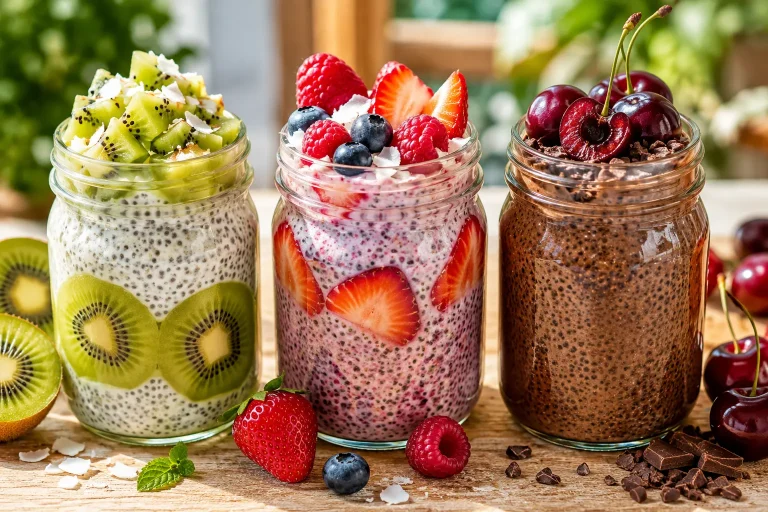
Essential Nutrients for Healthy Skin: Complete Science-Based Guide (2026)
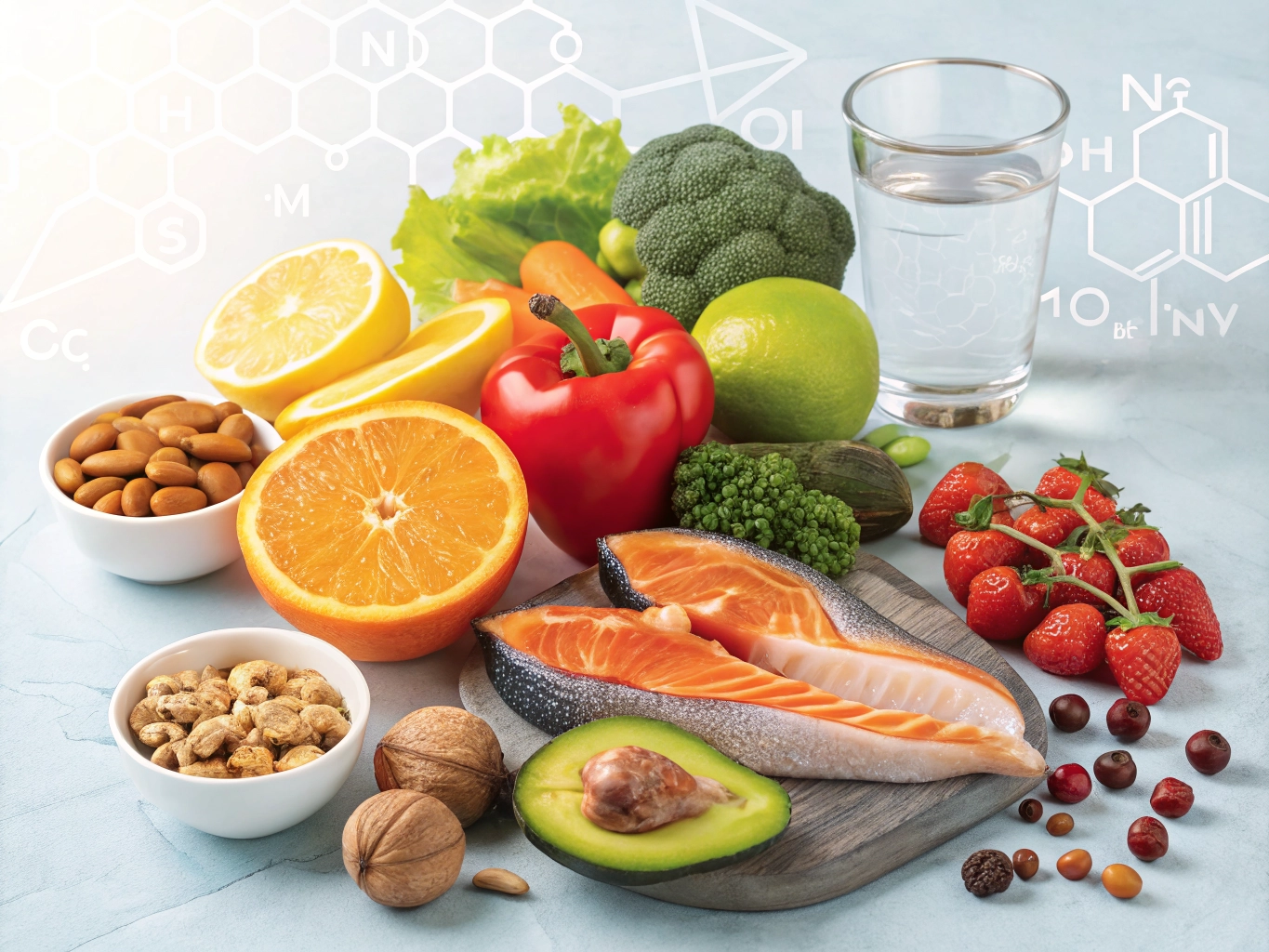
Healthy skin is not only the result of skincare products but is also deeply influenced by essential nutrients, diet patterns, hydration, and lifestyle balance. Scientific research shows that skin health depends on vitamins, minerals, antioxidants, and fatty acids that regulate collagen production, inflammation control, and skin cell regeneration.
Why Nutrition Matters for Healthy Skin
The demand for healthy skin nutrients has increased as people realize that external skincare alone cannot fix internal skin problems such as acne, dryness, and dullness.
Skin is a continuously regenerating organ. Without proper nutrition, skin barrier function weakens, collagen production slows down, and oxidative stress increases.
Learn how skin biology works internally
2. Skin Biology and Internal Function System
Skin structure includes epidermis, dermis, and hypodermis layers. Each layer depends on nutrition to maintain function.
- Collagen synthesis (requires Vitamin C + protein)
- Cell regeneration (requires Vitamin A + zinc)
- Hydration balance (requires omega-3 fatty acids)
- Antioxidant protection (requires Vitamin C, E)
3. Vitamin A – Essential for Skin Cell Renewal
Vitamin A for skin health plays a critical role in regulating skin cell turnover and oil production.
Benefits:
- Improves skin renewal cycle
- Reduces acne formation
- Supports smooth texture
Food Sources:
- Carrots
- Spinach
- Sweet potatoes
- Eggs
Internal Link: See acne diet plan section
4. Vitamin C – Collagen Booster for Glowing Skin
Vitamin C for skin glow is one of the most researched nutrients for collagen synthesis and skin brightness.
Benefits:
- Boosts collagen production
- Improves skin elasticity
- Reduces pigmentation
Sources:
- Amla
- Oranges
- Kiwi
- Bell peppers
5. Omega-3 Fatty Acids – Skin Hydration & Anti-Inflammation
Omega 3 skin benefits are essential for maintaining skin barrier strength and preventing dryness.
- Reduces inflammation
- Prevents water loss
- Improves elasticity
Sources:
- Flax seeds
- Chia seeds
- Walnuts
- Fish oil
6. Protein – Foundation of Skin Structure
Protein is a core part of collagen and elastin structure. Without protein, skin repair slows down.
- Repairs skin tissue
- Supports collagen formation
- Improves firmness
7. Zinc – Key Mineral for Acne Control
Zinc for acne is widely studied in dermatology for reducing inflammation and regulating oil production.
- Reduces acne severity
- Controls sebum production
- Supports wound healing
8. Water – Most Important Skin Hydration Factor
Skin hydration foods and water intake play a major role in maintaining skin elasticity and glow.
- Improves cell function
- Flushes toxins
- Prevents dryness
9. Acne Diet Plan – Foods That Affect Skin
Foods that damage skin:
- Sugar (collagen damage)
- Processed foods (inflammation)
- Trans fats (cell damage)
- Dairy (in sensitive individuals)
10. Gut-Skin Connection
The gut-skin axis plays an important role in skin inflammation and acne formation. A healthy gut microbiome improves skin clarity.
11. Daily Skin Nutrition Routine
- Morning: Fruits + water
- Lunch: Protein + vegetables
- Evening: Nuts + seeds
- Night: Light food + sleep
True skin health depends on internal nutrition, not only external skincare. A balanced intake of vitamins, minerals, protein, and healthy fats forms the foundation of glowing and healthy skin.
Essential nutrients for healthy skin work together — no single nutrient alone can improve skin health.
About the Author